- EXPERT'S HELP
- +256789210067
- +256200955001
- info@kenlinktours.com


Bwindi and Queen Elizabeth Tour
October 13, 2026
Bwindi and Lake Bunyonyi Tour
October 13, 2026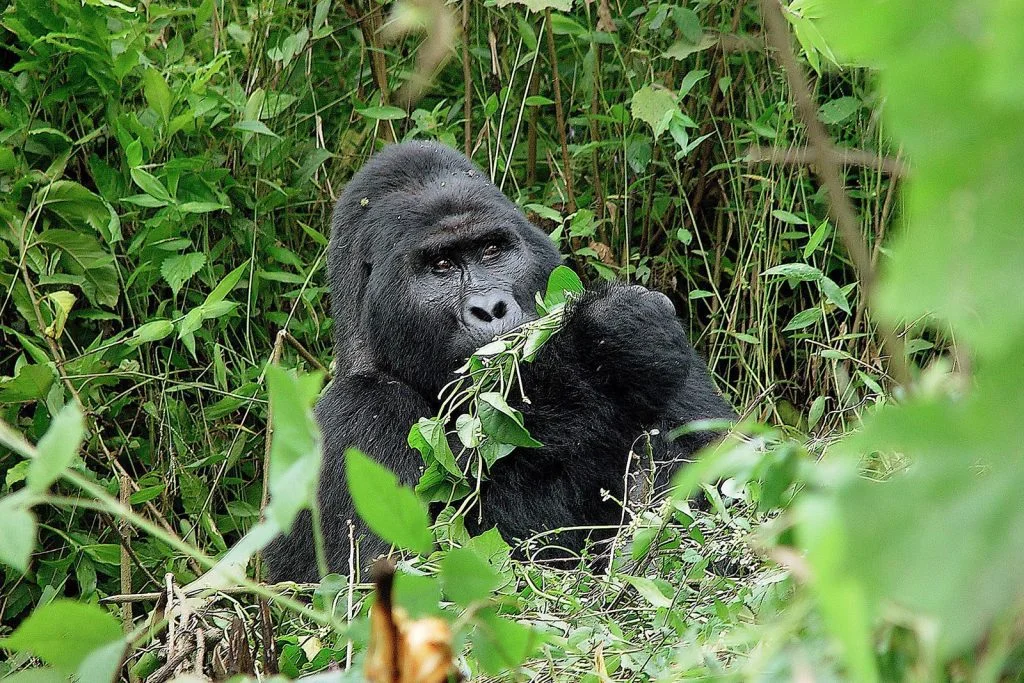
Bwindi Gorilla Trek and Lake Mburo Tour. Imagine starting your week watching zebras graze at sunset on the shores of a quiet African lake, and ending it face to face with a 200-kilogram silverback gorilla in an ancient rainforest. That is exactly what a Bwindi Gorilla Trek and Lake Mburo Tour delivers. This four-day safari pairs Uganda’s most sought-after wildlife encounter with its most accessible savannah park, creating a short, well-paced adventure that suits first-time visitors, busy travellers and anyone who wants gorillas plus a taste of classic safari.
At Kenlink Tours, we have been designing gorilla safaris since 2010, and this route is one we recommend again and again. Lake Mburo sits right on the road from Kampala to Bwindi, so it turns a tiring ten-hour drive into two enjoyable days full of wildlife. In this guide, you will find the full day-by-day itinerary, what to expect on the gorilla trek, permit advice, activities, lodges, the best time to go, costs, packing tips and answers to the most common questions.
Why Combine Bwindi Gorilla Trekking with Lake Mburo?
The main reason is simple: comfort. The journey from Kampala or Entebbe to Bwindi Impenetrable National Park can take nine to ten hours by road. Breaking it with a night at Lake Mburo, about four hours from Kampala, means you arrive at Bwindi rested and ready for the trek rather than exhausted from a full day in the car.
The second reason is variety. Bwindi is a dense, misty mountain rainforest, while Lake Mburo is a landscape of open grassland, acacia woodland and shimmering lakes. In Bwindi, you meet mountain gorillas and forest birds. In Lake Mburo, you see zebras, impalas, elands, buffaloes, giraffes, hippos and crocodiles. Together they give you two completely different faces of Uganda in a single, compact trip.
Third, Lake Mburo offers activities you will not find in most parks, such as guided walking safaris, horseback rides and cycling among wild animals. These experiences add an adventurous, hands-on element to your safari at a very reasonable cost. To compare this route with our other short itineraries, visit our Uganda safari packages page.
Quick Overview of the 4 Days Bwindi Gorilla Trek and Lake Mburo Tour
- Day 1: Kampala or Entebbe to Lake Mburo National Park, with an Equator stop and an afternoon boat cruise
- Day 2: Morning walking safari or game drive in Lake Mburo, then transfer to Bwindi Impenetrable National Park
- Day 3: Mountain gorilla trekking in Bwindi, with an optional Batwa cultural experience in the afternoon
- Day 4: Return to Kampala or Entebbe, or continue to Kigali or Lake Bunyonyi
If you only want gorillas, our 3 Days Gorilla Trekking in Uganda trip is a focused alternative. If you would rather see lions and elephants as well, consider our 5-Day Wildlife and Gorilla Safari, which adds Queen Elizabeth National Park.
About Bwindi Impenetrable National Park
Bwindi Impenetrable National Park covers around 321 square kilometers of steep, forested hills in southwestern Uganda, on the edge of the Albertine Rift. It is a UNESCO World Heritage Site and one of the oldest and most biodiverse forests in Africa, with some plant communities believed to have survived the last Ice Age. Its name comes from the thick undergrowth of vines, ferns and bamboo that makes much of the forest truly impenetrable.
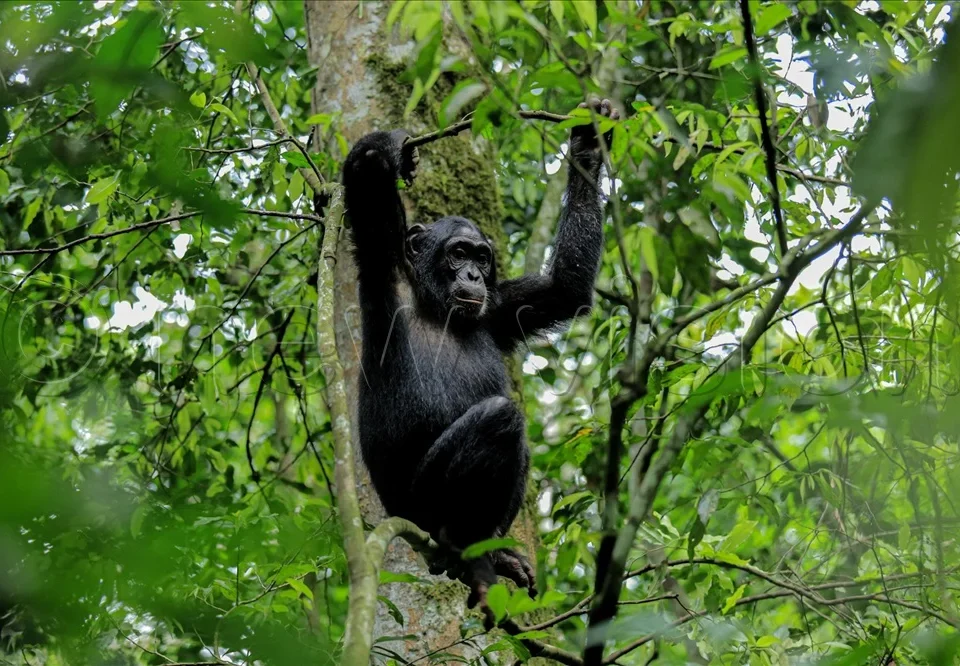
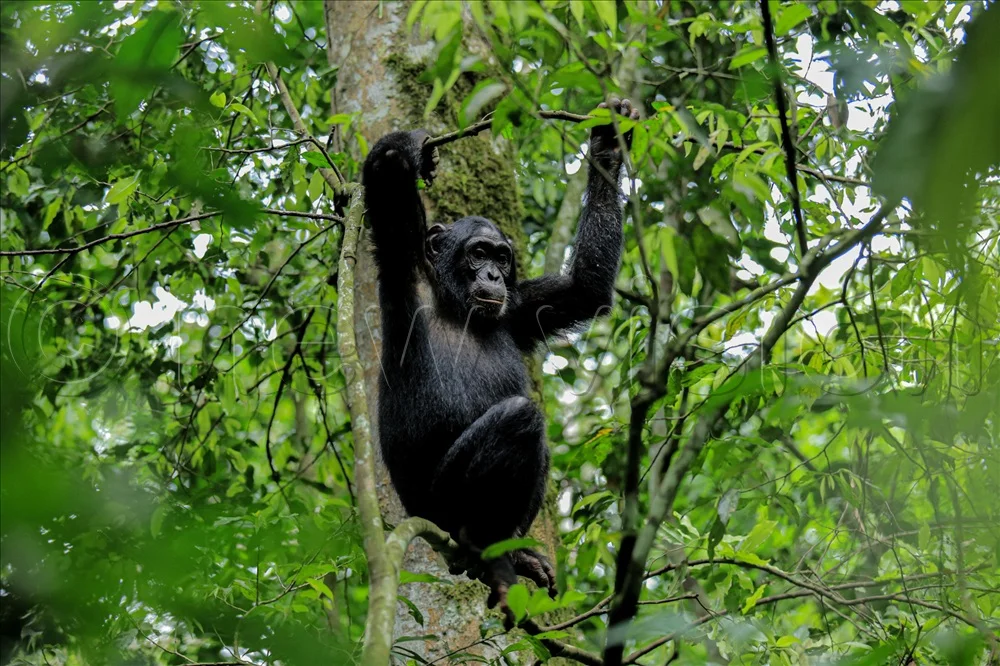
The park is home to around 459 mountain gorillas, almost half of the world’s population of this endangered great ape. More than 20 gorilla families have been habituated for tourism, spread across four sectors: Buhoma in the north, Ruhija in the east, and Rushaga and Nkuringo in the south. Bwindi also shelters chimpanzees, L’Hoest’s monkeys, black-and-white colobus, forest elephants and about 350 bird species, including many Albertine Rift endemics.
For a closer look at Bwindi’s sectors and trails, read this detailed guide to Bwindi Impenetrable Forest National Park.
About Lake Mburo National Park
Lake Mburo National Park lies in Kiruhura District between Masaka and Mbarara, about 240 kilometres from Kampala. At roughly 370 square kilometres, it is Uganda’s smallest savannah park, yet it packs in an impressive range of habitats, including grassland, woodland, rocky ridges, swamps and a chain of five lakes linked by wetlands.
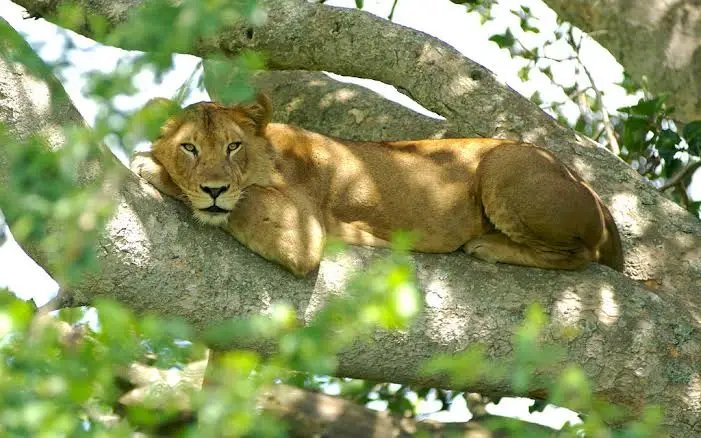
Lake Mburo is the best place in Uganda to see plains zebras and the only park with a sizeable population of impalas. You will also find elands, topis, Rothschild’s giraffes, buffaloes, waterbucks, oribis, warthogs, hippos and crocodiles. Leopards and hyenas are present and are most often seen on night drives. Birders will enjoy more than 350 species, including the African finfoot and red-faced barbet.
Because the park has no elephants and very few lions, it is one of the few places in Uganda where you can safely walk, cycle or ride horses among wild animals under the guidance of a ranger, a highlight for many visitors.
How Gorilla Tourism Protects Bwindi’s Gorillas
Mountain gorillas are one of conservation’s great success stories. In the early 1980s, fewer than 300 were thought to survive in the wild. Thanks to decades of protection, anti-poaching patrols, veterinary care and community partnerships, the global population has grown to more than 1,000 individuals, and the species has been reclassified from Critically Endangered to Endangered.
Tourism plays a central role in this recovery. Revenue from gorilla permits funds park management and ranger salaries, while a share is returned to communities living around Bwindi to support schools, health centres, clean water and roads. Many local people now earn their living as porters, guides, lodge staff and craft makers, giving them a direct reason to protect the forest and its gorillas.
When you book a gorilla trek, you become part of this story. By following the trekking rules, hiring a porter and supporting community projects, you help ensure that future generations will also be able to share an hour with these remarkable animals.
Detailed 4 Days Bwindi Gorilla Trek and Lake Mburo Itinerary
Here is our recommended day-by-day plan starting from Kampala or Entebbe. Timings are approximate, and every element can be adapted to your preferences.
Day 1: Kampala or Entebbe to Lake Mburo National Park
Your guide collects you from your hotel in Kampala or from Entebbe International Airport early in the morning. After a short briefing, you head southwest along the Kampala–Masaka highway, watching the city give way to green countryside, banana gardens and papyrus wetlands.
About ninety minutes into the drive, you pause at the Equator at Kayabwe. Here you can stand in both hemispheres at once, watch the popular water demonstration of the Coriolis effect, sip fresh Ugandan coffee and pick up handmade souvenirs. Continuing west, you pass through Masaka and Lyantonde, where the land opens into wide pastures grazed by majestic long-horned Ankole cattle.
You arrive at Lake Mburo around lunchtime, entering through Nshara Gate, where zebras and impalas often greet you. After checking in and enjoying lunch at your lodge, you head to the Rwonyo jetty for a two-hour boat cruise on Lake Mburo. From the boat, you can watch hippos surfacing and snorting, crocodiles sunning on the banks, buffaloes and waterbucks coming down to drink, and birds such as fish eagles, kingfishers, herons and the elusive African finfoot.
After the cruise, an evening game drive takes you through the park as the golden light softens over the hills. Back at the lodge, you enjoy dinner and, if you wish, an optional night game drive with a ranger to look for leopards, hyenas and bush babies.
Meals: Lunch and Dinner
Overnight: Lodge in or near Lake Mburo National Park
Day 2: Lake Mburo Walking Safari and Drive to Bwindi
Rise early for a guided walking safari with an armed Uganda Wildlife Authority ranger. On foot, the bush comes alive in a new way: you notice fresh tracks, termite mounds, medicinal plants and the calls of birds all around you. Zebras, impalas, elands and warthogs often allow surprisingly close views. Some walks lead to a salt lick where animals gather to obtain minerals. If you prefer, you can do a morning game drive or a short horseback safari instead.
After breakfast, you check out and continue west to Mbarara, then south through Ntungamo and Kabale, or via Rukungiri, depending on the Bwindi sector where your gorilla permit is booked. The scenery becomes increasingly dramatic as you climb into the terraced hills of Kigezi, often called the “Switzerland of Africa”, with patchwork farms covering every slope.
You arrive at your Bwindi lodge in the late afternoon or early evening. After settling in, your guide will brief you on what to expect during the trek and help you prepare your gear. Enjoy dinner and an early night, ready for the big day ahead.
Meals: Breakfast, Lunch and Dinner
Overnight: Lodge near your gorilla trekking sector in Bwindi
Day 3: Mountain Gorilla Trekking in Bwindi Impenetrable Forest
After an early breakfast, you drive to the park headquarters of your trekking sector for a 7:30am briefing with the Uganda Wildlife Authority rangers. You will learn about the gorillas, the rules for visiting them and the history of the family you will meet. Each habituated family can be visited by a maximum of eight people per day, keeping the experience intimate and limiting stress on the animals.
Your trek then begins. Led by rangers and trackers, you follow forest trails through thick vegetation, crossing streams and climbing slopes beneath towering trees. The hike can take anywhere from one to six hours, depending on where the gorillas moved overnight. Along the way, you may see monkeys, colourful butterflies and forest birds.
When you reach the gorilla family, you put down your bags and walking stick and spend one unforgettable hour with them. Watch the silverback keep a watchful eye on his group, mothers cuddling their infants and youngsters playing and climbing nearby. It is a deeply emotional experience that many travellers describe as life-changing.
After the trek, you return to your lodge for a well-deserved rest. In the afternoon, you can join an optional Batwa cultural experience to learn about the traditional forest life of the Batwa people, or take a community walk to visit local schools, craft groups and tea farms.
Meals: Breakfast, Lunch and Dinner
Overnight: Lodge in Bwindi
Day 4: Return to Kampala, Entebbe or Kigali
After breakfast, you set off on your return journey. Travellers heading back to Kampala or Entebbe drive via Kabale and Mbarara, with a lunch stop on the way, and arrive in the evening. If you are flying out of Rwanda, a transfer from the southern sectors of Bwindi to Kigali is shorter, usually around four to five hours.
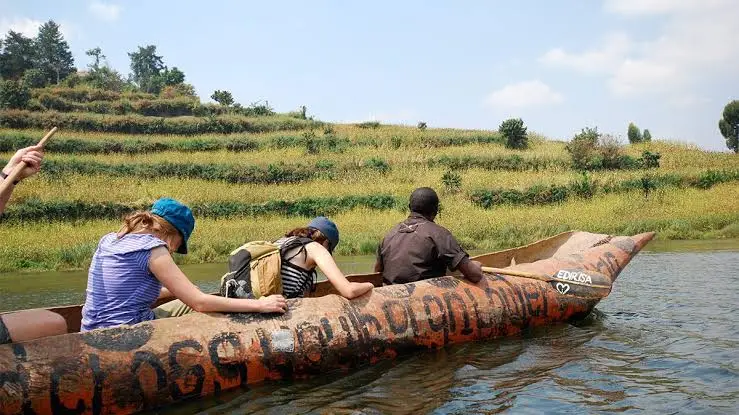
For a more relaxed finish, you can fly from Kisoro or Kihihi airstrip to Entebbe, or add a night at beautiful Lake Bunyonyi to unwind with a canoe ride among its islands before heading home.
Meals: Breakfast and Lunch
Prefer to start in Rwanda? See our 3 Days Bwindi Gorilla Safari Starting from Kigali, or compare the 1 day Uganda gorilla safari starting from Kigali and the 2 Days Uganda gorilla tour starting from Kigali.
Alternative Ways to Plan This Route
The itinerary above is our most popular version, but there are several smart variations depending on your schedule and travel style.
Lake Mburo on the way back: Some travellers prefer to drive straight to Bwindi on day one, trek on day two and stop at Lake Mburo on the return journey. This works well if your gorilla permit date is fixed early in your trip, and it lets you end your safari with a relaxing boat cruise and walking safari.
Fly-in option: If you are short on time, you can fly from Entebbe to Kihihi or Kisoro airstrip for your gorilla trek, then drive back via Lake Mburo. This saves several hours on the road while still including the savannah experience.
Three-day express version: Travellers with very limited time can do a compact three-day trip with a quick afternoon in Lake Mburo, though four days is far more comfortable. For other short options, compare the 3 Days Uganda gorilla safari.
What to Expect on Your Bwindi Gorilla Trek
Gorilla trekking is an adventure in every sense. Bwindi’s terrain is hilly, often muddy and covered in thick vegetation, with altitudes ranging from roughly 1,160 to 2,600 metres. You do not need to be an athlete, but a reasonable level of fitness will make the experience far more enjoyable.
Porters are available at every trailhead and are highly recommended. For a modest fee, a porter carries your daypack, offers a helping hand on steep sections and supports a local family. Walking sticks are usually provided, and rangers adjust the pace to suit the group.
While with the gorillas, you should stay about seven to ten metres away, keep your voice low, avoid eating or drinking near them and never use flash photography. If a gorilla approaches you, stay calm and follow your ranger’s instructions. Anyone with a cold, flu or other contagious illness should not trek, as gorillas can easily catch human diseases. The minimum age for trekking is 15 years.
If you want more time with the gorillas, ask us about the Gorilla Habituation Experience in the Rushaga sector, which allows up to four hours with a family that is still becoming accustomed to people.
Gorilla Permits for Bwindi
Every trekker needs a gorilla permit from the Uganda Wildlife Authority. A permit allows one person to trek once and spend one hour with a habituated family. Rates differ for foreign non-residents, foreign residents and East African citizens and are reviewed periodically, so confirm current prices when you book.
With only eight permits issued per gorilla family per day, demand often exceeds supply, especially from June to September and in December. We recommend booking at least three to six months in advance. Your permit sector determines where you stay and which route you take, so it is important to plan the two together.
When you travel with Kenlink Tours, we handle your permit booking, choose a lodge close to your trekking point and plan your route efficiently. Please read our terms and conditions for details on permit payments, changes and cancellations.
Top Activities on Your Bwindi and Lake Mburo Safari
Gorilla trekking: The highlight of the trip, offering a rare and moving encounter with endangered mountain gorillas in their natural home.
Lake Mburo boat cruise: A calm and scenic way to see hippos, crocodiles and a rich variety of water birds.
Walking safaris: Explore Lake Mburo on foot with an armed ranger, getting close to zebras, impalas and elands.
Horseback safaris and cycling: Ride horses or mountain bikes among wildlife in Lake Mburo, a unique experience in East Africa.
Night game drives: Search for leopards, hyenas, genets and bush babies after dark in Lake Mburo.
Batwa cultural experience: Learn about the traditions, hunting skills and forest knowledge of the Batwa, Bwindi’s original inhabitants. Travellers who enjoy culture may also like our 4 Days Uganda Cultural and Gorilla Tour.
Forest walks and waterfalls: Bwindi’s nature trails, such as the Munyaga River and Waterfall trails in Buhoma, offer lush scenery, primates and great birding.
Birdwatching: Between the two parks, birders can expect a long list, from the African finfoot and papyrus gonolek in Lake Mburo to Albertine Rift endemics such as the African green broadbill in Bwindi’s Ruhija sector. Keen birders should look at our 7-Day Birdwatching Safari in Uganda.
Where to Stay on a Bwindi Gorilla Trek and Lake Mburo Tour
Accommodation can be tailored to any budget. In Bwindi, the most important factor is staying close to the sector where your permit is booked, to avoid a long drive before your trek.
Lake Mburo – luxury: Mihingo Lodge, set on a rocky ridge with a waterhole and panoramic views, is the area’s leading luxury lodge and the base for horseback safaris. Mid-range: Rwakobo Rock, Arcadia Cottages, Eagle’s Nest and Lake Mburo Safari Lodge. Budget: The Uganda Wildlife Authority’s Rwonyo Rest Camp and nearby budget lodges.
Bwindi – luxury: Bwindi Lodge and Buhoma Lodge in the north, Clouds Mountain Gorilla Lodge in Nkuringo and Gorilla Safari Lodge in Rushaga. Mid-range: Mahogany Springs, Ichumbi Gorilla Lodge, Engagi Lodge and Rushaga Gorilla Camp. Budget: Community guesthouses and campsites near each trekking sector.
Our consultants personally know these properties and will suggest the best combination for your budget and permit location. Read more about our team on our About Us page.
Best Time to Do the Bwindi Gorilla Trek and Lake Mburo Tour
You can trek gorillas and visit Lake Mburo at any time of year. The dry seasons, from June to September and December to February, are the most popular. Trails in Bwindi are firmer and less slippery, and animals in Lake Mburo are easier to find around water sources.
The wet seasons, from March to May and October to November, bring vivid green landscapes, fewer visitors and occasionally lower lodge rates. Because Bwindi is a rainforest, showers can occur in any month, so always pack waterproof clothing. Gorillas often stay at lower altitudes during the wetter months, which can sometimes mean shorter treks.
Whenever you plan to travel, secure your gorilla permit and accommodation as early as possible.
How Much Does a Bwindi Gorilla Trek and Lake Mburo Tour Cost?
The total price depends mainly on the gorilla permit, the number of travellers, your choice of lodges and optional activities. The permit is usually the largest single cost, followed by accommodation. Groups pay less per person because vehicle, fuel and guide costs are shared.
A standard Kenlink Tours package includes a private 4×4 safari vehicle with a pop-up roof, fuel, a professional English-speaking driver-guide, a gorilla permit, Lake Mburo park fees, the boat cruise, accommodation and meals as described, and bottled water throughout. Porters, the Batwa experience, horseback riding, night drives, drinks and tips are normally optional.
Travelling on a budget or on your own? Joining our group tours can lower costs, and self-drive travellers can save with our 4×4 car hire in Uganda. For a personalised quote, contact our safari experts and we will reply within 24 hours.
Packing List for Gorilla Trekking and Lake Mburo
- Waterproof hiking boots with strong grip
- Long trousers and long-sleeved shirts in neutral colours
- Garden gloves to protect your hands from nettles and thorns
- Gaiters or long socks to keep out ants and mud
- A lightweight waterproof jacket
- A warm fleece for cool mornings and evenings in Bwindi
- A hat, sunglasses and sunscreen for Lake Mburo
- Insect repellent and prescribed anti-malaria medication
- Binoculars and a camera with spare batteries (no flash near gorillas)
- A small waterproof daypack, water bottle and snacks for the trek
- Passport, visa, yellow fever certificate, travel insurance and a copy of your gorilla permit
Useful Travel Tips for Your Safari
Visas: Most visitors need a Uganda visa, which can be applied for online. If you are also visiting Rwanda or Kenya, the East Africa Tourist Visa may be more practical. Check official requirements before you travel.
Health: A yellow fever vaccination certificate is required for entry into Uganda. Take malaria precautions and do not trek if you feel unwell.
Fitness: Regular walking or hiking in the weeks before your trip will help. Tell us about any mobility concerns, as we can request a gorilla family that is usually easier to reach.
Driving times: Allow around four hours from Kampala to Lake Mburo and five to six hours from Lake Mburo to Bwindi, depending on your sector. The return to Kampala takes eight to ten hours, or about one and a half hours by domestic flight.
Tipping: Tips for guides, rangers, porters and lodge staff are appreciated though not required. We will share simple guidelines before your trip.
How to Extend Your Bwindi Gorilla Trek and Lake Mburo Tour
This four-day itinerary is easy to expand into a longer, richer journey.
Add Queen Elizabeth National Park: For lions, elephants and the Kazinga Channel boat cruise, add two days in Queen Elizabeth National Park or combine with our 3 Days Queen Elizabeth National Park safari.
Add chimpanzees: Pair gorillas with chimps on our 5 Days Gorilla and Chimpanzee Tracking Tour or our 3-Day Chimpanzee Tracking Safari. Learn more about Kibale Forest National Park, or compare the 5-Day Uganda gorilla and chimpanzee safari.
Add golden monkeys: Just south of Bwindi, Mgahinga Gorilla National Park offers golden monkey tracking and volcano hikes. Our 4-Day Rwanda–Uganda Golden Monkey and Gorilla Trekking tour is a great option.
Explore more of Uganda: Longer itineraries such as our 7 Days Gorilla and Wildlife Safari and 10 Days Uganda Adventure Safari showcase the country’s best parks. You may also like the 7 Days Uganda safari one-week tour.
Continue to Rwanda: Bwindi’s southern sectors are close to the Rwandan border. Trek gorillas in both countries on our 5 Days Uganda Rwanda Double Gorilla Safari, explore our Rwanda safaris, or read about Volcanoes National Park. For more ideas, browse these Uganda and Rwanda gorilla safaris.
Why Book with Kenlink Tours?
Trusted local experts: Based in Kampala and operating since 2010, Kenlink Tours knows Uganda inside out. Our team travels the country year-round, personally checking lodges, routes and parks.
Stress-free gorilla permits: We secure your permits early, match them with the right lodges and plan smart routes so you can focus on enjoying the experience.
Professional driver-guides: Our friendly and knowledgeable guides share fascinating insights into wildlife, culture and conservation.
Reliable safari vehicles: Comfortable, well-maintained 4×4 vehicles with pop-up roofs for excellent game viewing.
Travel with purpose: We are fully licensed and support local communities and vulnerable children through our foundation, so your safari makes a positive impact.
Want to learn more about Uganda before you go? Read our guide About Uganda, or explore the safari ideas of our partners at Pick and Transfer Safaris.
Frequently Asked Questions About the Bwindi Gorilla Trek and Lake Mburo Tour
Is four days enough for gorilla trekking and Lake Mburo?
Yes. Four days allows one night in Lake Mburo, two nights in Bwindi and comfortable travel days. If you would like more time for horseback riding, Lake Bunyonyi or additional activities, a five-day version is a great choice.
How far is Bwindi from Lake Mburo?
The drive from Lake Mburo to Bwindi takes about five to six hours, depending on whether your permit is in the Buhoma, Ruhija, Rushaga or Nkuringo sector.
Are gorilla sightings guaranteed?
Sightings are not officially guaranteed, but success rates in Bwindi are very high because trackers locate the gorilla families early each morning before trekkers set off.
What is the minimum age for gorilla trekking?
The minimum age is 15 years. Younger children can enjoy Lake Mburo’s activities, community walks and nature trails, so the trip can still work for families with mixed ages.
Can I do this tour from Kigali instead of Kampala?
Yes. Starting in Kigali is often faster for reaching Bwindi’s southern sectors. A popular option is to begin in Kigali, trek gorillas in Bwindi, visit Lake Mburo, and finish in Kampala or Entebbe.
Will I see the Big Five on this tour?
Lake Mburo is not a Big Five park, though you will see buffaloes and may spot leopards. For lions and elephants, add Queen Elizabeth National Park to your itinerary.
Book Your Bwindi Gorilla Trek and Lake Mburo Tour Today
A Bwindi Gorilla Trek and Lake Mburo Tour is one of the most balanced and rewarding short safaris in Africa. In just four days, you can cruise among hippos, walk beside zebras, explore the beautiful hills of southwestern Uganda and spend an unforgettable hour with endangered mountain gorillas. It is the perfect blend of adventure, wildlife and comfort.
Ready to meet the gorillas? Let the team at Kenlink Tours handle every detail, from permits and lodges to expert guiding. Send us your enquiry today, and we will reply within 24 hours with a tailor-made itinerary and quote.