- EXPERT'S HELP
- +256789210067
- +256200955001
- info@kenlinktours.com


Gorilla Trek in Bwindi and Murchison Falls in One Tour
October 13, 2026
Kampala City Tour with Source of the Nile
October 13, 2026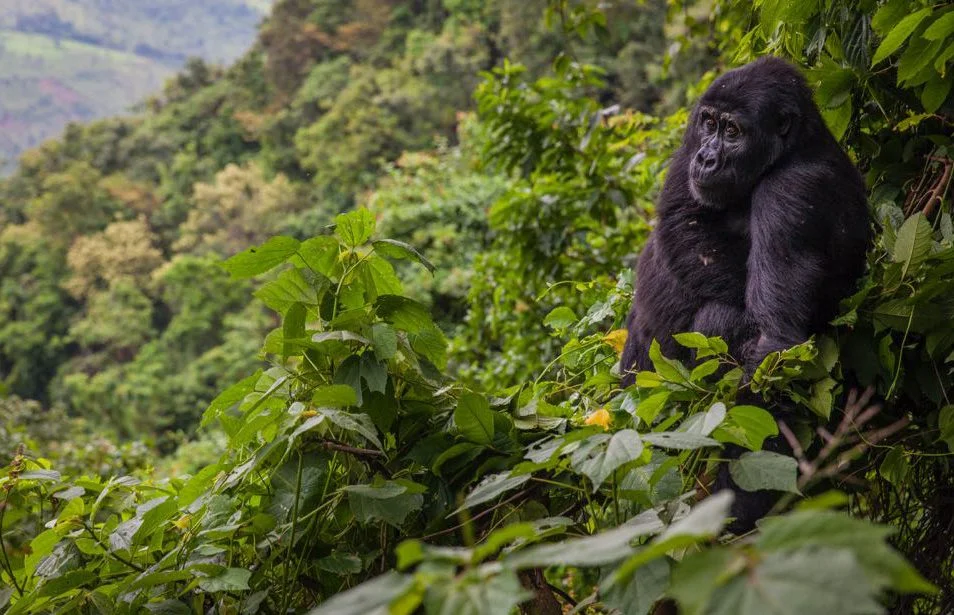
Bwindi Gorilla Safari and Cultural Tour in One Tour. Most visitors come to Uganda for the mountain gorillas, but many leave talking just as much about the people they met along the way. A Bwindi gorilla safari and cultural tour brings these two experiences together in one journey. Over five days, you trek through an ancient rainforest to spend an hour with a gorilla family, and you also learn how drums are made, how the Banyankole care for their famous long-horned cattle, how the Batwa once lived in the forest, and how the Bakiga farm the steep hills around Lake Bunyonyi.
At Kenlink Tours, we believe that the best safaris connect travellers with both wildlife and communities. Since 2010, we have designed trips that support local people and give visitors an authentic view of everyday life in Uganda. In this guide, we share a detailed day-by-day itinerary, explain the cultural experiences you can enjoy, and cover gorilla permits, lodges, the best time to travel, costs, cultural etiquette and practical tips.
Why Combine Gorilla Trekking with a Cultural Tour?
Uganda is home to more than 50 ethnic groups, each with its own language, music, dress, food and traditions. Yet many safaris rush past villages and towns on the way to the national parks. A combined gorilla and cultural tour slows the pace and turns the journey itself into part of the experience. Instead of spending long hours simply driving, you stop to meet artisans, farmers, dancers and storytellers.
Culture and conservation are also closely connected. The communities living around Bwindi play a vital role in protecting the gorillas, and tourism revenue helps fund their schools, health centers and livelihoods. When you visit these communities and buy their crafts or join their activities, you help show that the forest and its gorillas are worth more alive than destroyed. This makes cultural tourism a powerful tool for conservation.
Finally, cultural experiences add depth and meaning to your trip. Hearing the Batwa describe life in the forest before it became a national park, or learning how a family grows food on hillsides so steep they seem impossible to farm, gives you a far richer understanding of the landscapes you see. Explore more options on our Uganda safari packages page.
Quick Overview of the 5 Days Bwindi Gorilla Safari and Cultural Tour
- Day 1: Kampala to Mbarara, with visits to the Mpambire drum makers, the Equator and the Igongo Cultural Centre
- Day 2: Ankole cattle farm visit and drive to Bwindi, with an afternoon Buhoma community walk
- Day 3: Mountain gorilla trekking in Bwindi and the Batwa cultural experience
- Day 4: Transfer to Lake Bunyonyi, Bakiga homestead visit and canoe trip to the islands
- Day 5: Return to Kampala or Entebbe, or transfer to Kigali
If you have less time, our 4 Days Uganda Cultural and Gorilla Tour offers a shorter version, while the 10 Days Best of Primate and Culture tour adds chimpanzees, wildlife and many more cultural encounters.
The Cultures You Will Meet on This Tour
The Baganda: The largest ethnic group in Uganda, the Baganda live in the central region around Kampala. They are known for their kingdom of Buganda, their bark cloth, which is recognised by UNESCO as a masterpiece of intangible heritage, and their skilled drum making. You meet their culture on the first morning of the tour.
The Banyankole: The people of the Ankole region in western Uganda are famous for their pastoral traditions and their magnificent long-horned Ankole cattle. Cattle are central to their wealth, diet, music and ceremonies, and visiting an Ankole farm offers a fascinating window into this way of life.
The Batwa: Often described as the original inhabitants of the forests of southwestern Uganda, the Batwa were hunter-gatherers who lived in Bwindi and Mgahinga for centuries. When these forests became national parks in the early 1990s, they were relocated. Today, community-led cultural experiences allow them to share their history, skills and traditions with visitors while earning an income.
The Bakiga: The Bakiga live in the highlands of Kigezi, around Kabale and Lake Bunyonyi. They are known as hard-working farmers who have terraced the steep hills for generations, and for their energetic, high-jumping traditional dances.
Getting to Know Bwindi Impenetrable National Park
Bwindi Impenetrable National Park covers about 321 square kilometres of rugged, forested hills in southwestern Uganda. A UNESCO World Heritage Site, it is one of the oldest and most biodiverse forests in Africa, home to around 459 mountain gorillas, almost half of the world’s population.
More than 20 gorilla families have been habituated for tourism across four sectors: Buhoma in the north, Ruhija in the east, and Rushaga and Nkuringo in the south. For a cultural tour, Buhoma is especially rewarding, as it has a well-established community walk and the Batwa experience nearby. Bwindi also shelters chimpanzees, many monkey species, forest elephants and about 350 bird species.
For a closer look at Bwindi’s sectors, read this guide to Bwindi Impenetrable Forest National Park.
Detailed 5 Days Bwindi Gorilla Safari and Cultural Tour Itinerary
Below is our recommended itinerary starting from Kampala or Entebbe. Timings are approximate, and the trip can be customised to suit your interests.
Day 1: Kampala to Mbarara – Drum Makers, the Equator and Igongo Cultural Centre
Your guide collects you from your hotel in Kampala or from Entebbe International Airport after breakfast. You head southwest along the Kampala–Masaka highway, and your first stop is the drum-making village of Mpambire, about an hour from the city. Here, families have made traditional drums for generations, using wood and cowhide. You can watch the artisans at work, learn about the different drums used in Baganda ceremonies, and try playing a few rhythms yourself.
You continue to the Equator at Kayabwe, where you can take photos in both hemispheres, watch the water experiment demonstrating the Coriolis effect and browse craft shops for bark cloth, baskets and other handmade items. After lunch in Masaka or Lyantonde, you drive on through rolling pastures dotted with long-horned Ankole cattle.
In the afternoon, you arrive at the Igongo Cultural Centre near Mbarara. Its museum showcases the history and culture of the Ankole kingdom and neighbouring communities, with exhibits on traditional homes, tools, clothing, royal regalia and cattle-keeping practices. You can also enjoy traditional dishes at the restaurant, such as millet bread and ghee-based sauces. You spend the night at a hotel in or near Mbarara.
Meals: Lunch and Dinner
Overnight: Hotel or lodge in Mbarara
Day 2: Ankole Cattle Farm and Drive to Bwindi
After breakfast, you visit a traditional Ankole cattle farm. Your hosts will show you how they care for their herds, how cows are milked by hand, how ghee is made and how milk is stored in traditional wooden pots and gourds. You will learn why cattle are so important in Banyankole culture, from bride price to songs and poetry praising favourite cows. It is a warm and memorable encounter.
You then continue towards Bwindi, passing through green hills, tea plantations and banana farms. You arrive at Buhoma in the early afternoon and check in at your lodge. Later, you join the Buhoma community walk, a guided tour run by local residents. Highlights often include a visit to a traditional healer who explains the use of medicinal plants, a demonstration of how bananas are turned into juice, beer and gin, a local school or orphanage, and a performance of traditional songs and dances. The income from this walk directly supports the community.
Meals: Breakfast, Lunch and Dinner
Overnight: Lodge in Buhoma, Bwindi
Day 3: Gorilla Trekking and the Batwa Cultural Experience
After an early breakfast, you head to the park headquarters for a 7:30am briefing with the Uganda Wildlife Authority rangers. You are assigned to a habituated gorilla family, and then set off into the forest with rangers and trackers. Each family can be visited by no more than eight people per day.
The trek can last from one to six hours, depending on where the gorillas spent the night. When you find them, you spend one magical hour watching the silverback, mothers with infants and playful youngsters feeding, resting and interacting. It is a deeply emotional experience that many travellers describe as the highlight of their lives.
After lunch, you join the Batwa cultural experience. Led by Batwa guides, you learn how their ancestors hunted with bows and arrows, gathered honey and medicinal plants, built shelters from leaves and branches, and made fire by rubbing sticks together. You will hear their songs, stories and history, including the challenges they have faced since leaving the forest. This experience is an important source of income for the Batwa community and offers a rare insight into one of Africa’s oldest cultures.
Meals: Breakfast, Lunch and Dinner
Overnight: Lodge in Buhoma, Bwindi
Day 4: Lake Bunyonyi and Bakiga Culture
After breakfast, you drive south to Lake Bunyonyi through the spectacular terraced hills of Kigezi. Along the way, your guide will explain how the Bakiga developed their terracing techniques to prevent soil erosion and grow crops such as sorghum, beans, potatoes and millet on steep slopes.
On arrival, you visit a Bakiga homestead, where your hosts share daily life, traditional foods and farming practices. You may help prepare a local meal, learn how sorghum is used to make a traditional drink, or try your hand at weaving. If arranged in advance, a local group may perform the energetic Bakiga dance, known for its high jumps and rhythmic stamping.
In the afternoon, you take a dugout canoe or boat tour on Lake Bunyonyi, visiting islands such as Punishment Island and Bwama Island while your guide shares their history and legends. Spend the evening relaxing at your lakeside lodge, enjoying the sunset over the hills.
Meals: Breakfast, Lunch and Dinner
Overnight: Lodge at Lake Bunyonyi
Day 5: Return to Kampala, Entebbe or Kigali
After a relaxed breakfast with views of the lake, you begin your return journey. Travellers heading to Kampala or Entebbe drive via Mbarara and Masaka, arriving in the evening. If you are flying out of Rwanda, Lake Bunyonyi is only about three to four hours from Kigali, including the border crossing, making it an easy transfer.
Meals: Breakfast and Lunch
Prefer to start in Kigali? Our 3 Days Bwindi Gorilla Safari Starting from Kigali can be extended with cultural visits, or compare the 2 Days Uganda gorilla tour starting from Kigali.
More Cultural Experiences You Can Add
Kasubi Tombs and Kampala city tour: Before leaving Kampala, you can visit the Kasubi Tombs, a UNESCO World Heritage Site and burial place of the kings of Buganda, along with the Kabaka’s Palace, local markets and the Uganda Museum.
Bark cloth making: Watch artisans strip and beat the bark of the mutuba tree into soft cloth, a craft that dates back centuries in Buganda.
Community cooking classes: Learn to prepare Ugandan dishes such as matoke, groundnut sauce, luwombo and chapati with local families.
The Batwa Trail in Mgahinga: In nearby Mgahinga Gorilla National Park, the Batwa Trail leads you through the forest with Batwa guides to the sacred Garama Cave, where you hear traditional music and stories.
Tea and coffee experiences: Visit tea estates in the southwest or coffee farms elsewhere in Uganda to learn how these crops are grown and processed.
Village homestays: For a deeper experience, spend a night with a local family to share meals, farm work and evening stories.
What to Expect on Your Bwindi Gorilla Trek
Bwindi’s terrain is steep, muddy and covered in thick vegetation, with altitudes between about 1,160 and 2,600 metres. A moderate level of fitness is recommended, but many people of different ages and abilities complete the trek with help from walking sticks and porters.
Hiring a porter at the trailhead is strongly encouraged and is itself a form of cultural and community support. Porters carry your daypack, help on steep sections and earn valuable income for their families. With the gorillas, keep a distance of about seven to ten metres, speak softly and never use flash photography. Anyone who is unwell should not trek. The minimum age for gorilla trekking is 15 years.
Gorilla Permits: Book Early
A gorilla permit from the Uganda Wildlife Authority is required for every trekker. It allows one person to trek once and spend one hour with a habituated gorilla family. Rates differ for foreign non-residents, foreign residents and East African citizens and are reviewed periodically, so always confirm current prices when booking.
Only eight permits are available per family per day, so they often sell out months in advance, especially from June to September and in December. We recommend booking three to six months ahead. Kenlink Tours secures your permit and coordinates your cultural activities around your trekking date. Please review our terms and conditions before booking.
Cultural Etiquette: How to Be a Respectful Visitor
Ask before taking photos: Always ask permission before photographing people, homes or ceremonies. Most people are happy to agree, but it is a sign of respect to ask first.
Dress modestly: In villages, it is respectful to wear clothing that covers your shoulders and knees, especially when visiting homes, schools or religious sites.
Greet people warmly: Ugandans place great value on greetings. A friendly hello and handshake go a long way. Your guide can teach you a few words in local languages, which are always appreciated.
Buy crafts directly: Purchasing crafts directly from artisans and community groups ensures that your money supports local families.
Avoid giving sweets or money to children: Instead, support schools and community projects through recognised organisations or your tour operator.
Be open and curious: Ask questions, try local foods and join in with songs and dances. Your interest and respect are what make these encounters meaningful for both you and your hosts.
Ugandan Foods to Try Along the Way
Food is one of the most enjoyable ways to experience culture, and this route offers plenty of chances to taste traditional Ugandan dishes.
Matoke: Steamed and mashed green bananas, a staple across central and western Uganda, usually served with groundnut, bean or meat sauce.
Luwombo: A Baganda speciality in which chicken, beef or mushrooms are slow-cooked in banana leaves, giving the stew a rich, smoky flavour.
Millet bread (kalo): A firm, filling dish popular in the west, often eaten with sauces cooked in ghee.
Ghee and fresh milk products: In Ankole, dairy is central to the diet, and you may be offered fresh or fermented milk during your farm visit.
Rolex: Uganda’s favourite street snack, a chapati rolled with an omelette and vegetables, available in almost every town.
Crayfish from Lake Bunyonyi: Many lakeside lodges serve freshly caught crayfish, a delicious local speciality.
Your guide will happily recommend local restaurants and roadside stops so you can sample these dishes safely.
How Cultural Tourism Protects the Gorillas
Before Bwindi became a national park in 1991, many local people depended on the forest for farmland, firewood, bushmeat and honey. Protecting the gorillas meant asking communities to give up these resources, which created tension. Tourism has helped change that relationship. A portion of every gorilla permit is shared with communities around the park, funding classrooms, clinics, roads and water tanks.
Cultural experiences go even further by putting money directly into local hands. When you join a community walk, buy a basket from a women’s cooperative or watch a Batwa performance, the income goes to the people who live next to the gorillas. This shows that a healthy forest creates jobs and opportunities, giving families strong reasons to protect it.
That is why we encourage every traveller to include at least one community activity in their trip, even on a short safari such as our 3-Day Uganda Gorillas Safari or 3 Days Queen Elizabeth National Park safari.
Where to Stay on Your Gorilla and Cultural Tour
Mbarara: Igongo Country Hotel, next to the cultural centre, offers comfortable rooms with a strong cultural theme. Other options include Lake View Resort Hotel and several mid-range hotels in town.
Bwindi (Buhoma): Bwindi Lodge and Buhoma Lodge offer luxury stays close to the forest. Mahogany Springs, Engagi Lodge and Silverback Lodge are excellent mid-range choices. The community-run Buhoma Community Rest Camp offers budget accommodation, with profits supporting local projects.
Lake Bunyonyi: Arcadia Lodges, BirdNest@Bunyonyi Resort, Bunyonyi Overland Resort and Lake Bunyonyi Eco Resort offer comfortable rooms and beautiful views, while Byoona Amagara on Itambira Island provides rustic, eco-friendly accommodation.
Our consultants know these properties personally and will recommend the best options for your budget and travel style. Learn more about our team on our About Us page.
Best Time for a Bwindi Gorilla Safari and Cultural Tour
Gorilla trekking and cultural visits are possible throughout the year. The dry seasons, from June to September and December to February, are the most popular, as trails in Bwindi are drier and roads are easier to travel.
The wet seasons, from March to May and October to November, bring lush green landscapes, fewer visitors and sometimes lower lodge rates. They are also an interesting time to see farming activities, as communities plant and tend their crops. Cultural festivals and ceremonies take place at different times of year, so ask us if you would like to time your visit with a special event.
How Much Does a Bwindi Gorilla Safari and Cultural Tour Cost?
The total cost depends on the gorilla permit, the number of travellers, the type of accommodation and the cultural activities you choose. The gorilla permit is usually the largest single cost, followed by accommodation. Cultural experiences are generally affordable and offer excellent value.
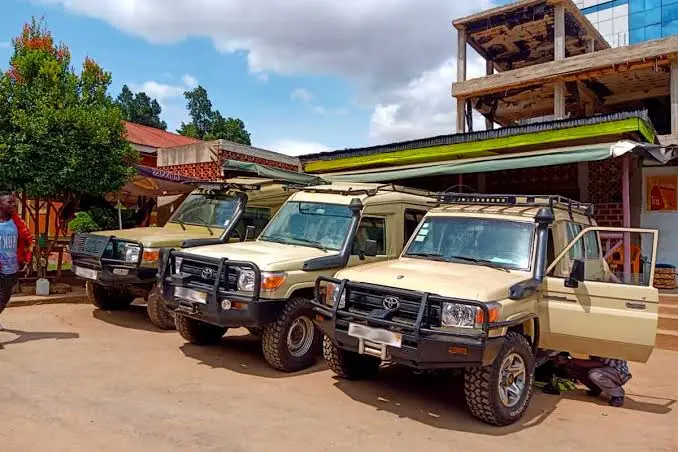
A standard Kenlink Tours package includes a private 4×4 safari vehicle, fuel, a professional English-speaking driver-guide, a gorilla permit, the Batwa experience, community walk fees, a canoe tour on Lake Bunyonyi, accommodation and meals as described, and bottled water. Porters, additional cultural activities, drinks and tips are usually optional extras.
To reduce costs, consider joining one of our group tours or hiring a vehicle through our car hire in Uganda service. For a personalised quote, contact our safari experts and we will reply within 24 hours.
What to Pack for Your Gorilla and Cultural Tour
- Waterproof hiking boots with good grip for the gorilla trek
- Long trousers and long-sleeved shirts in neutral colours
- Modest clothing for village and community visits
- Garden gloves and gaiters for the forest
- A lightweight waterproof rain jacket
- A warm fleece for cool evenings in Bwindi and Lake Bunyonyi
- A hat, sunglasses and sunscreen
- Insect repellent and any prescribed anti-malaria medication
- A camera with spare batteries (no flash near gorillas)
- Small denominations of local currency for crafts and community activities
- Passport, visa, yellow fever certificate, travel insurance and a copy of your gorilla permit
Practical Travel Tips
Visas: Most international visitors need a Uganda visa, which can be applied for online. If you also plan to visit Rwanda or Kenya, the East Africa Tourist Visa may be convenient. Always check official requirements before travelling.
Health: A yellow fever certificate is required for entry into Uganda. Take malaria precautions and do not trek gorillas if you feel unwell.
Language: English is widely spoken in Uganda, and your guide will translate during community visits where needed.
Money: Carry some Ugandan shillings in small notes for crafts, tips and community donations, as card payments are not always available in rural areas.
Tipping: Tips for guides, rangers, porters, community hosts and lodge staff are appreciated but not compulsory. We will share simple guidelines before your trip.
How to Extend Your Gorilla and Cultural Tour
Add wildlife: Combine gorillas and culture with savannah wildlife in Queen Elizabeth National Park on our 5-Day Wildlife and Gorilla Safari or 7 Days Gorilla and Wildlife Safari.
Add chimpanzees: Track chimpanzees in Kibale Forest National Park with our 3-Day Chimpanzee Tracking Safari.
Explore Rwanda’s culture and gorillas: Continue to Rwanda for the Iby’Iwacu Cultural Village, Kigali’s museums and gorilla trekking in Volcanoes National Park. See our 3 Days Rwanda Gorilla Safari, 6-Day Rwanda Adventures – Lake Kivu, 5 Days Uganda Rwanda Double Gorilla Safari and our full range of Rwanda safaris. You can also read about Kigali City and Volcanoes National Park, or compare the 3 Days Rwanda gorilla tracking and cultural tour and the 4 Days Rwanda wildlife and city tour.
Go longer: For a broader Uganda adventure, compare the 7 Days Uganda safari one-week tour or browse these Uganda and Rwanda gorilla safaris.
Why Book Your Gorilla and Cultural Tour with Kenlink Tours?
Community-focused travel: Since 2010, Kenlink Tours has worked closely with communities across Uganda. A share of our profits supports vulnerable children and families through our foundation, and we partner with community-run cultural experiences wherever possible.
Local knowledge: Our Ugandan team understands the cultures, languages and customs of the regions you visit, helping you connect genuinely with your hosts.
Gorilla permit expertise: We secure your permits early and plan your cultural activities around your trekking date.
Professional guides: Our driver-guides are knowledgeable, friendly and passionate about sharing Uganda’s heritage.
Supporting future guides: Through our tourism internship programme, we train and mentor young Ugandans entering the tourism industry.
Learn more about the country in our guide About Uganda, or explore the safari ideas of our partners at Pick and Transfer Safaris.
Frequently Asked Questions About the Bwindi Gorilla Safari and Cultural Tour
Can I combine gorilla trekking and cultural experiences in one trip?
Yes. This five-day itinerary includes gorilla trekking in Bwindi along with visits to drum makers, the Igongo Cultural Centre, an Ankole cattle farm, the Buhoma community, the Batwa people and a Bakiga homestead at Lake Bunyonyi.
What is the Batwa experience?
The Batwa experience is a community-led cultural activity where Batwa guides share their traditional forest skills, songs, stories and history. It provides income for the Batwa community and helps preserve their heritage.
Is this tour suitable for families?
Yes. The cultural activities are enjoyable for all ages. The minimum age for gorilla trekking is 15 years, but younger family members can join community walks and other experiences while others trek.
How much walking is involved?
The gorilla trek can involve one to six hours of hiking on steep terrain. Cultural activities usually involve gentle walks of one to three hours through villages and farms.
Can this tour start or end in Kigali?
Yes. Bwindi’s southern sectors and Lake Bunyonyi are close to Rwanda, so the tour can easily start or end in Kigali.
When is the best time for this tour?
The tour can be done year-round. The dry months of June to September and December to February are best for trekking, while the wet months offer lush scenery and fewer visitors.
Book Your Bwindi Gorilla Safari and Cultural Tour Today
A Bwindi gorilla safari and cultural tour offers something truly special: the chance to meet both Uganda’s extraordinary wildlife and its warm, welcoming people. In just five days, you can play traditional drums, milk Ankole cattle, learn forest skills from the Batwa, trek to see mountain gorillas and paddle across the islands of Lake Bunyonyi. It is a journey that will touch your heart and stay with you long after you return home.
Ready to experience the gorillas and the people of Uganda? Let the team at Kenlink Tours design your perfect gorilla and cultural adventure. Send us your enquiry today, and we will reply within 24 hours with a tailor-made itinerary and quote.