- EXPERT'S HELP
- +256789210067
- +256200955001
- info@kenlinktours.com


Bwindi Gorilla Safari and Cultural Tour in One Tour
October 13, 2026
Safari Car Hire in Uganda
October 13, 2026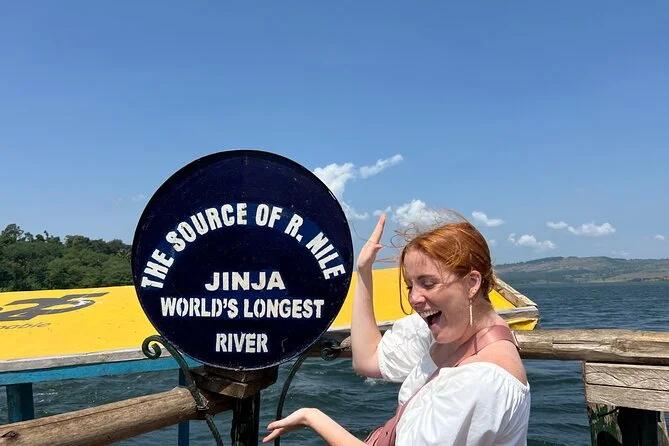
Kampala City Tour with Source of the Nile. Before heading off to see gorillas or lions, many visitors to Uganda have a day or two to spare in the capital. There is no better way to use that time than a Kampala city tour with the Source of the Nile. In just two days, you can explore the royal tombs, grand cathedrals and lively markets of Kampala, then travel east to Jinja to stand where the world’s longest river begins its 6,650-kilometre journey to the Mediterranean Sea. It is a perfect introduction to Uganda’s history, culture and natural wonders.
At Kenlink Tours, we are based in Kampala and have been showing visitors our city and its surroundings since 2010. Whether you are arriving before a safari, waiting for an onward flight, travelling on business or simply want to experience urban Uganda, this guide covers everything you need to know: the top attractions, a detailed itinerary, adventure activities in Jinja, where to stay, the best time to visit, costs and practical tips.
Why Choose a Kampala City Tour with the Source of the Nile?
Kampala is often treated as just a transit point, but it is a vibrant, fascinating city with a deep history. Built on a series of green hills, it is home to the ancient kingdom of Buganda, important religious sites of several faiths, bustling markets, a lively food scene and an energetic nightlife. A guided tour helps you make sense of its busy streets and discover places most visitors never see.
Jinja, about 80 kilometres east of Kampala, adds natural beauty and adventure. It sits on the northern shore of Lake Victoria at the point where the River Nile flows out of the lake, a site that captured the imagination of European explorers in the nineteenth century. Today, Jinja is known as the adventure capital of East Africa, offering white-water rafting, kayaking, quad biking, horseback riding and relaxing river cruises.
Combining the two gives you a well-rounded experience in a short time: culture and history in the capital, followed by scenery and adventure on the Nile. It is also an excellent way to recover from a long flight before a longer safari. To see how this trip fits with our wildlife and gorilla itineraries, visit our Uganda safari packages page.
Quick Overview of the 2 Days Kampala City Tour and Source of the Nile
- Day 1: Full-day Kampala city tour covering royal sites, religious landmarks, museums, markets and an optional evening cultural performance
- Day 2: Day trip to Jinja via Mabira Forest, with a boat ride to the Source of the Nile and optional adventure activities, then return to Kampala
Short on time? We also offer a one-day version that combines Kampala highlights in the morning with a boat trip to the Source of the Nile in the afternoon. Adventure lovers can extend the trip with an overnight stay in Jinja for rafting or other activities.
A Brief History of Kampala
Kampala’s story is closely linked to the Kingdom of Buganda, one of the oldest and most powerful kingdoms in East Africa. The city’s name is said to come from the phrase “kasozi k’empala”, meaning “hill of the impala”, because the kings of Buganda once kept impalas on the hills near the royal palace.
In the late nineteenth century, British colonial officials established a fort on Old Kampala Hill, and the city gradually grew around it. When Uganda gained independence in 1962, Kampala became the capital, replacing Entebbe. Today it is a fast-growing metropolis of several million people, the economic and cultural heart of the country.
Kampala was originally built on seven hills, each with its own significance: Kasubi, Mengo, Lubaga (Rubaga), Namirembe, Kibuli, Nsambya and Old Kampala. The city has since spread over many more hills, but these original seven remain home to some of its most important landmarks.
Top Attractions on a Kampala City Tour
Kasubi Tombs: A UNESCO World Heritage Site, the Kasubi Tombs are the burial grounds of four kings of Buganda. The main building, Muzibu Azaala Mpanga, is a masterpiece of traditional Baganda architecture, made from wood, reeds, thatch and bark cloth. The tombs were badly damaged by fire in 2010 and have since been carefully reconstructed using traditional methods.
Kabaka’s Palace (Lubiri) and Bulange: The Kabaka’s Palace on Mengo Hill is linked to the Bulange, the Buganda Kingdom’s parliament building, by a straight road known as the Royal Mile. Within the palace grounds, visitors can see the sobering underground chambers used as a prison during Idi Amin’s regime in the 1970s.
Uganda National Mosque: Located on Old Kampala Hill, this impressive mosque is one of the largest in Africa. Visitors can climb the minaret for one of the best panoramic views over the city. Modest dress is required, and headscarves and wraps are provided at the entrance.
Namirembe Cathedral and Rubaga Cathedral: Namirembe Cathedral, the oldest Anglican cathedral in Uganda, sits on Namirembe Hill with sweeping city views. On neighbouring Rubaga Hill stands the Catholic St. Mary’s Cathedral, which houses the remains of Uganda’s first African Catholic bishop.
Bahá’í House of Worship: Set on Kikaya Hill amid peaceful gardens, this striking temple is the only Bahá’í House of Worship in Africa and a calm escape from the busy city.
Uganda Museum: The oldest museum in East Africa, the Uganda Museum displays archaeological finds, traditional musical instruments, ethnographic collections and natural history exhibits.
Uganda Martyrs Shrine, Namugongo: This important pilgrimage site commemorates the Christian converts who were executed in the 1880s. Every year on 3 June, millions of pilgrims gather here for Martyrs’ Day.
Markets: Nakasero Market and St. Balikuddembe (Owino) Market are bursting with fresh produce, spices, fabrics and second-hand goods, offering a lively glimpse into daily life.
Ndere Cultural Centre: In the evenings, the Ndere Troupe performs traditional dances and music from across Uganda, a colourful and energetic way to experience the country’s diverse cultures.
Getting to Know the Source of the Nile in Jinja
The River Nile is the longest river in the world, flowing about 6,650 kilometres through eleven countries before reaching the Mediterranean Sea in Egypt. For centuries, its source was one of the great mysteries of geography. In 1862, the British explorer John Hanning Speke reached the point near Jinja where the river flows out of Lake Victoria and declared it the source of the Nile.
Today, the Source of the Nile is marked by a monument on the western bank, near where Speke stood. From here, you can take a short boat ride to the exact spot where the river begins, marked by a small island and bubbling springs that rise from beneath the water. Nearby, a memorial marks where some of Mahatma Gandhi’s ashes were scattered in the Nile in 1948, in keeping with his wish.
Jinja itself is Uganda’s second-oldest town and has a relaxed, charming atmosphere, with colonial-era buildings, Indian-influenced architecture, lively markets and plenty of riverside cafés and lodges.
The Nile’s Journey from Jinja to the Mediterranean
Standing at the Source of the Nile, it is remarkable to think that the water flowing past you will travel for months before reaching the sea. From Jinja, the Victoria Nile flows north through central Uganda, passing through Lake Kyoga before thundering through the narrow gorge at Murchison Falls and entering Lake Albert. It then continues north as the Albert Nile into South Sudan, where it becomes the White Nile.
In Khartoum, Sudan, the White Nile meets the Blue Nile, which rises in the highlands of Ethiopia. Together they form the main Nile, which flows through the deserts of Sudan and Egypt, past ancient temples and pyramids, before spreading into the fertile delta and emptying into the Mediterranean Sea.
For thousands of years, the Nile has supported farming, trade and civilisation along its banks, and today it remains a lifeline for hundreds of millions of people. Your visit to its source connects you to one of the greatest natural and historical stories on Earth.
Detailed 2 Days Kampala City Tour with Source of the Nile Itinerary
Below is our recommended itinerary. Timings are approximate, and the tour can be fully customised to your interests and schedule.
Day 1: Full-Day Kampala City Tour
Your guide collects you from your hotel in Kampala or Entebbe after breakfast. You begin at the Kasubi Tombs, where a local guide explains the history of the Buganda kingdom, its kings and the traditions surrounding the royal tombs. You then drive to Mengo Hill to visit the Kabaka’s Palace and the Idi Amin torture chambers, followed by the Bulange along the Royal Mile.
Next, you head to Old Kampala Hill to visit the Uganda National Mosque and climb its minaret for panoramic views of the city’s hills. After lunch at a local restaurant, where you can try Ugandan dishes such as matoke, luwombo and groundnut sauce, you visit Namirembe Cathedral or Rubaga Cathedral, depending on your interests.
In the afternoon, you explore the Uganda Museum and then dive into the energy of Nakasero Market or Owino Market. Here, you can buy fresh fruit, spices, crafts and colourful fabrics while experiencing the sights and sounds of everyday Kampala. If time allows, you can also visit a craft village to shop for souvenirs.
In the evening, you have the option to attend a traditional dance performance at the Ndere Cultural Centre, enjoying dinner as performers showcase music and dance from different regions of Uganda. You then return to your hotel.
Meals: Lunch (dinner optional)
Overnight: Hotel in Kampala
Day 2: Day Trip to Jinja and the Source of the Nile
After an early breakfast, you set off east along the Kampala–Jinja highway. The drive takes around two to three hours, depending on traffic. Along the way, you pass sugarcane and tea plantations and drive through Mabira Forest, one of the largest remaining natural forests in central Uganda. You may stop for a short forest walk, birding or a zipline experience if time allows.
On arrival in Jinja, you visit the Source of the Nile, where you board a boat for a ride to the point where the river leaves Lake Victoria. Your boat guide explains the history of the site, the explorers who searched for the source and the importance of the Nile to millions of people. You will see birds such as kingfishers, cormorants and fish eagles, and the tranquil waters of Lake Victoria stretching into the distance.
After lunch at a riverside restaurant, you can choose an afternoon activity. Options include a sunset cruise on the Nile, quad biking through local villages, horseback riding along the riverbank, kayaking or a visit to Jinja’s colourful markets and colonial streets. You may also stop at the Nalubaale Power Station viewpoint and the Mahatma Gandhi memorial.
In the late afternoon, you drive back to Kampala, arriving in the evening. If you prefer, you can stay overnight in Jinja and enjoy a full day of white-water rafting the next morning.
Meals: Breakfast and Lunch
Overnight: Hotel in Kampala (or Jinja, if extending)
One-Day Kampala City Tour and Source of the Nile Option
If you only have a single day, we can combine the highlights of both destinations into one well-paced tour. You start early in Kampala with visits to the Kasubi Tombs and the Uganda National Mosque, where the minaret offers a sweeping view of the city’s hills. After a quick drive past the Kabaka’s Palace and the Bulange, you head east towards Jinja before the midday traffic builds.
Following lunch at a riverside restaurant in Jinja, you take the boat ride to the Source of the Nile, visit the Speke monument and the Gandhi memorial, and enjoy some time by the water. You return to Kampala or Entebbe in the evening. This option is ideal for business travellers, transit passengers and visitors who want a taste of Uganda before their safari begins.
Because the one-day version involves more driving, an early start is essential. Our guides plan the route around traffic patterns to make the most of your time.
Adventure Activities in Jinja: The Adventure Capital of East Africa
White-water rafting: Jinja is one of the world’s top destinations for white-water rafting, with powerful rapids on the Nile ranging up to Grade 5. Full-day and half-day trips are available, along with gentler family float trips. Professional guides and safety kayakers accompany every trip.
Kayaking and tubing: Paddle along calm stretches of the river or float downstream on an inner tube, enjoying the scenery and birdlife at a relaxed pace.
Quad biking: Ride through rural villages, farmland and along the riverbanks on guided quad bike tours, suitable for beginners and experienced riders.
Horseback riding: Explore the countryside and riverbanks on horseback, with routes for all levels of experience.
Stand-up paddleboarding: Glide over the calm waters near the source for a peaceful and fun experience.
Sunset cruises: End your day with a relaxing boat cruise on the Nile as the sun sets, often with drinks and snacks on board.
Mabira Forest activities: Enjoy forest walks, birdwatching, mountain biking and ziplining through the canopy in this beautiful forest reserve.
Sezibwa Falls: Located between Kampala and Jinja, these small but culturally significant waterfalls are surrounded by legends and are a pleasant stop on the way.
Kampala Food and Nightlife Guide
No city tour is complete without tasting the local food. Kampala’s culinary scene blends traditional Ugandan cooking with Indian, Middle Eastern and international influences. Start with a rolex, Uganda’s favourite street snack, made from a chapati rolled with an omelette, tomatoes, onions and cabbage. For a traditional lunch, try matoke (steamed green bananas) with groundnut sauce, luwombo (stew slow-cooked in banana leaves) or posho with beans.
Grilled meat skewers known as muchomo, roasted maize, fresh tilapia from Lake Victoria and sweet tropical fruits such as pineapple, jackfruit and passion fruit are also widely available. Kampala’s cafés serve excellent locally grown coffee, as Uganda is one of Africa’s largest coffee producers.
When the sun goes down, Kampala comes alive. Areas such as Kololo, Kabalagala and Bugolobi are known for their restaurants, rooftop bars and live music venues. Many evenings feature local bands playing Afrobeat, Kadongo Kamu and contemporary Ugandan music. Your guide can recommend safe, lively spots that suit your style, from quiet lounges to energetic dance floors.
Shopping and Souvenirs in Kampala
Kampala is a great place to pick up gifts and souvenirs before heading home. The craft markets near the National Theatre and the Buganda Road area offer a wide selection of handmade items, including woven baskets, bark cloth products, wooden carvings, beaded jewellery, drums and colourful fabrics.
For high-quality crafts, look for shops that work directly with artisans and women’s cooperatives, ensuring fair prices for the makers. Coffee and tea from Ugandan estates also make excellent gifts. Bargaining is common in open markets, so do it with a smile and a sense of fun.
Who Is This Tour Best For?
This tour suits a wide range of visitors. It is ideal for travellers arriving in Entebbe who want a gentle introduction to Uganda before a safari, and for business travellers with a free day between meetings. History and culture lovers will enjoy the royal sites and museums, while adventure seekers can add rafting or quad biking in Jinja.
It also works well for families, as the boat ride, markets and cultural performances appeal to all ages. Visitors with a passion for culture may also enjoy our 4 Days Uganda Cultural and Gorilla Tour, while birders can explore Mabira Forest and then continue on our 7-Day Birdwatching Safari in Uganda. For travellers with more time, browse these longer Uganda and Rwanda safaris.
Where to Stay in Kampala and Jinja
Kampala – luxury: Kampala Serena Hotel, Sheraton Kampala Hotel and Speke Resort Munyonyo, on the shores of Lake Victoria, offer five-star comfort. Mid-range: Protea Hotel, Fairway Hotel, Cassia Lodge and Le Petit Village provide excellent value. Budget: Red Chilli Hideaway and several clean guesthouses in Kololo and Ntinda.
Jinja – luxury: Wildwaters Lodge, set on a private island in the Nile, and Jinja Nile Resort offer stunning river views. Mid-range: Gately on Nile, The Haven, Holland Park and 2 Friends Beach Hotel. Budget: Riverside backpacker lodges and campsites along the Nile.
Our consultants know these hotels well and will recommend the best options for your budget. Learn more about our team on our About Us page.
Best Time for a Kampala City Tour and Source of the Nile Trip
Kampala and Jinja can be visited at any time of year, as both enjoy a pleasant tropical climate with average temperatures between about 18 and 28°C. The dry seasons, from June to September and December to February, are the most comfortable for sightseeing and outdoor activities.
The rainy seasons, from March to May and October to November, bring short, heavy showers, usually in the afternoon, followed by sunshine. Activities continue as normal, and the landscapes are especially green. White-water rafting is possible year-round, with river levels varying slightly by season.
If you would like to experience a major cultural event, consider visiting around 3 June for Martyrs’ Day at Namugongo, though roads and accommodation can be very busy at that time.
How Much Does a Kampala City Tour with Source of the Nile Cost?
The cost depends on the number of travellers, your choice of accommodation, the attractions visited and any adventure activities you add. Entrance fees for Kampala’s sites and the boat ride at the Source of the Nile are relatively affordable, while activities such as rafting and quad biking are priced separately.
A standard Kenlink Tours package includes a private vehicle, fuel, a professional English-speaking driver-guide, entrance fees to the listed attractions, the boat ride to the Source of the Nile, lunch on both days and bottled water. Accommodation, the Ndere Centre performance, adventure activities, drinks and tips can be added as required.
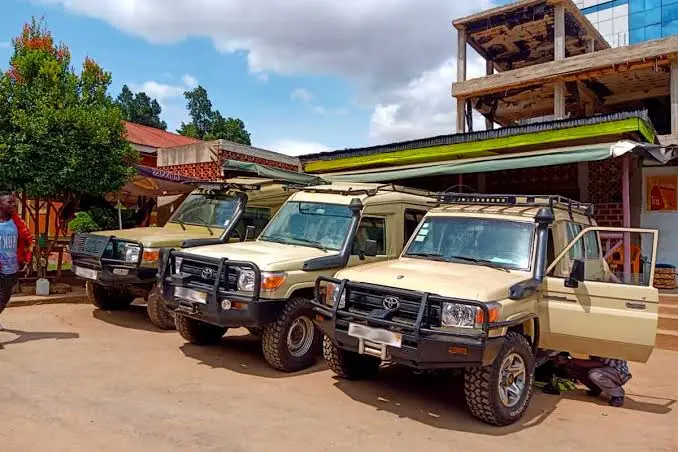
If you are travelling solo, you can save by joining one of our group tours or scheduled departure safaris. Independent travellers can also hire a vehicle with a driver through our car hire in Uganda service. For a personalised quote, contact our team and we will reply within 24 hours.
What to Pack for Your Kampala and Jinja Tour
- Light, breathable clothing for warm days
- Modest clothing covering shoulders and knees for religious sites and the royal tombs
- Comfortable walking shoes
- A light rain jacket or umbrella
- A hat, sunglasses and sunscreen
- Insect repellent and any prescribed anti-malaria medication
- Swimwear, quick-dry clothing and sandals with straps if you plan to raft or kayak
- A camera and spare batteries
- Small notes in Ugandan shillings for markets, crafts and tips
- Passport, visa, yellow fever certificate and travel insurance documents
Practical Travel Tips
Traffic: Kampala’s traffic can be heavy, especially during morning and evening rush hours. Starting early and travelling with an experienced local driver makes a big difference.
Dress code: Dress modestly when visiting mosques, cathedrals and the Kasubi Tombs. Some sites may ask you to remove your shoes.
Photography: Ask permission before photographing people, and follow site rules, as photography is restricted in some areas.
Safety: Kampala is generally safe for visitors, but take normal precautions: keep valuables out of sight, use trusted transport and avoid walking alone at night in unfamiliar areas.
Adventure safety: Choose reputable operators for rafting and other activities, follow all safety briefings and wear the equipment provided. Our team works only with trusted partners.
Visas and health: Most visitors need a Uganda visa, available online, and a yellow fever certificate. Take malaria precautions throughout your stay.
Combining Your City Tour with a Uganda Safari
A Kampala city tour with the Source of the Nile makes a perfect start or end to a longer Uganda adventure. Here are some popular ways to combine it.
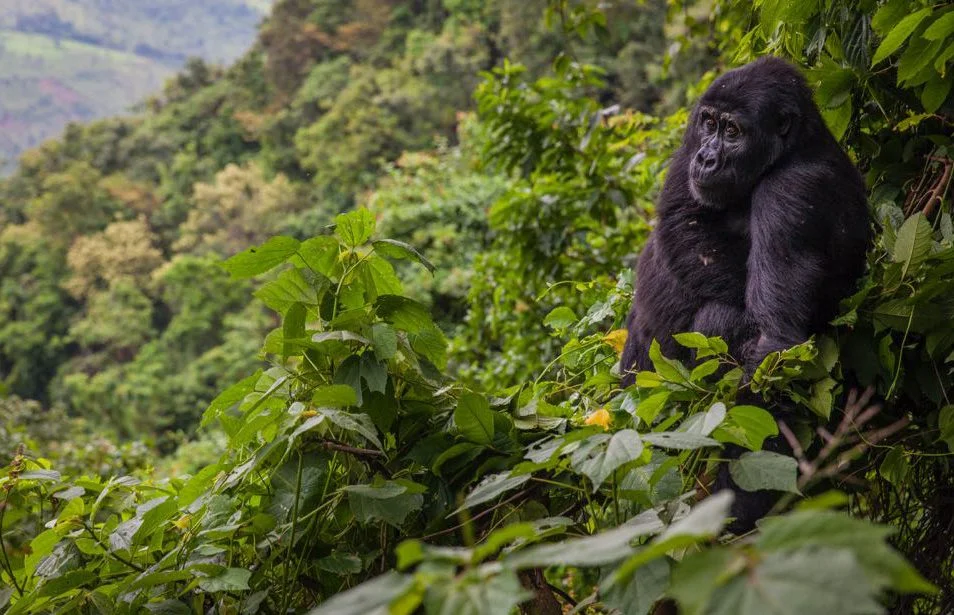
Gorillas: After exploring Kampala and Jinja, head southwest to Bwindi for gorilla trekking on our 3-Day Uganda Gorillas Safari. Learn more about Bwindi Impenetrable Forest National Park or compare the 3 Days Uganda gorilla safari.
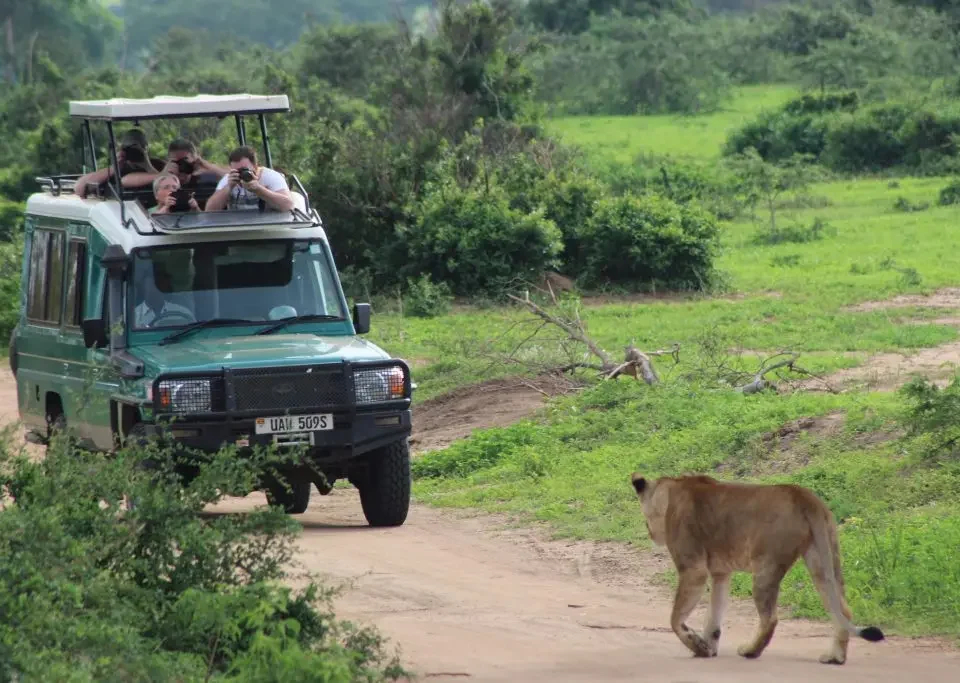
Wildlife: Travel west to Queen Elizabeth National Park with our 3 Days Queen Elizabeth National Park safari, or north to Murchison Falls National Park on the 3 Days safari to Murchison Falls, where you can see the Nile again as it thunders through a narrow gorge.
Chimpanzees: Track chimpanzees in Kibale Forest National Park with our 3-Day Chimpanzee Tracking Safari.
Complete Uganda safaris: Our 5-Day Wildlife and Gorilla Safari, 7 Days Gorilla and Wildlife Safari, 10 Days Uganda Adventure Safari and 10 Days Best of Primate and Culture tour can all begin or end with a city tour. You can also compare the 7 Days Uganda safari one-week tour and the 10 Days Uganda primates and wildlife itinerary.
East Africa: Continue to Rwanda or Kenya with our Rwanda safaris and Kenya safaris. If Rwanda is on your list, read about Kigali City or browse these Uganda and Rwanda wildlife safaris.
Why Book Your Kampala City Tour with Kenlink Tours?
Kampala-based experts: Our office and team are in Kampala, so we know the city’s history, hidden gems, best restaurants and smartest routes to beat the traffic.
Flexible, private tours: Every tour is private and can be tailored to your interests, whether you love history, religion, food, shopping or adventure.
Trusted adventure partners: We work with reputable operators in Jinja for rafting, kayaking and other activities.
Seamless safari connections: We can combine your city tour with gorilla trekking, wildlife safaris and airport transfers for a stress-free trip.
Supporting local communities: We support vulnerable children through our foundation and mentor young tourism professionals through our tourism internship programme.
Learn more about the country in our guide About Uganda, or explore the safari ideas of our partners at Pick and Transfer Safaris.
Frequently Asked Questions About the Kampala City Tour with Source of the Nile
Can I do the Kampala city tour and Source of the Nile in one day?
Yes. A one-day version is possible, with Kampala highlights in the morning and the Source of the Nile boat ride in the afternoon. However, two days allow a more relaxed pace and time for activities in Jinja.
How far is Jinja from Kampala?
Jinja is about 80 kilometres east of Kampala, which usually takes two to three hours by road depending on traffic.
Is white-water rafting in Jinja safe for beginners?
Yes. Reputable operators provide full safety briefings, equipment, professional guides and safety kayakers. Beginners and families can choose gentler float trips instead of the big rapids.
What should I wear when visiting religious sites in Kampala?
Dress modestly, covering shoulders and knees. At the Uganda National Mosque, women are given headscarves and wraps, and shoes must be removed before entering.
Is Kampala safe for tourists?
Kampala is generally safe for visitors who take normal precautions. Travelling with a local guide makes it easier to explore confidently.
Can this tour be combined with an airport transfer?
Yes. We can collect you from Entebbe International Airport at the start and drop you there at the end, making the tour ideal before or after a flight.
Book Your Kampala City Tour with Source of the Nile Today
A Kampala city tour with the Source of the Nile is the perfect way to discover the heart of Uganda. In just two days, you can explore royal tombs and grand places of worship, wander through colourful markets, enjoy traditional music and dance, and stand at the very beginning of the world’s longest river. Add an adrenaline-filled rafting trip or a peaceful sunset cruise, and you have an experience that beautifully complements any Ugandan safari.
Ready to explore Kampala and the Nile? Let the team at Kenlink Tours design your perfect city and river adventure. Send us your enquiry today, and we will reply within 24 hours with a tailor-made itinerary and quote.