- EXPERT'S HELP
- +256789210067
- +256200955001
- info@kenlinktours.com


Gorilla Trekking Age Limit for Families
June 30, 2026
Family Safari and Lake Bunyonyi Holiday
June 30, 2026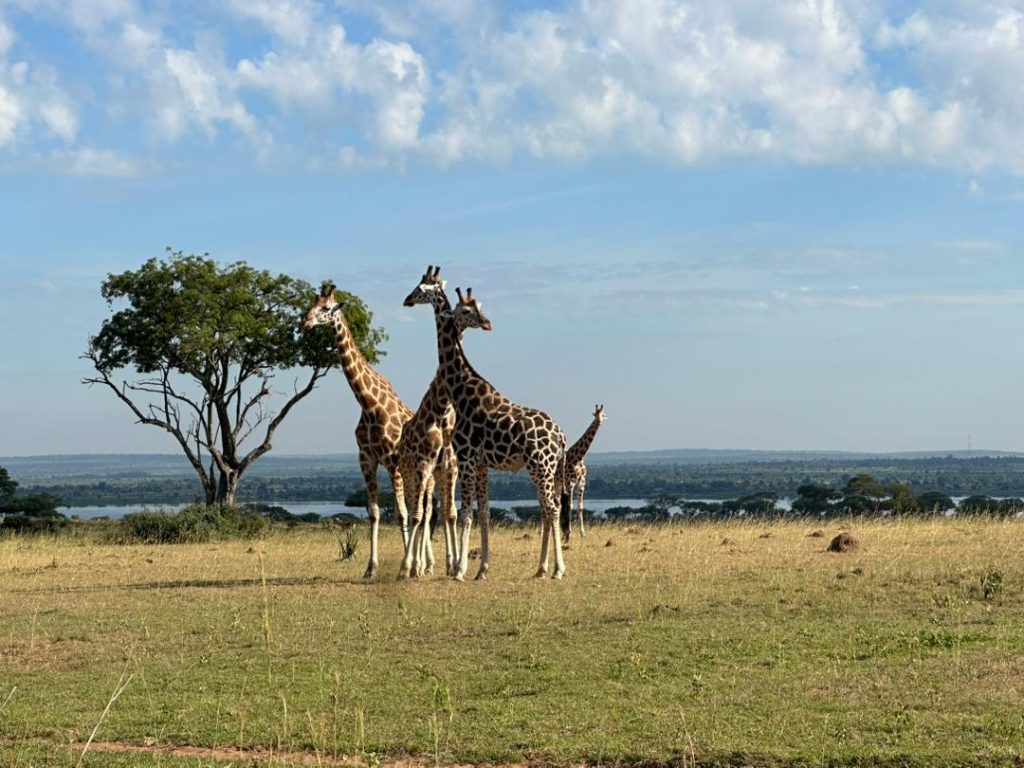
Best National Parks for Family Safaris in Uganda. Uganda has ten national parks, but only a handful are realistic choices for a family safari once you factor in travel distance, activity variety, and how well each destination suits a mix of ages. Rather than another general planning guide, this post compares Uganda’s most family-relevant parks directly, side by side, so you can see which ones actually make sense for your family’s specific situation before building an itinerary around them.
Bwindi Impenetrable National Park: The Centerpiece, With Caveats
Bwindi is where most family safaris begin, and for good reason: it’s home to the largest concentration of habituated gorilla families anywhere in the world. For families, though, it comes with an important caveat, the 15-year minimum age for gorilla trekking, enforced by the Uganda Wildlife Authority (UWA), means this park’s signature activity isn’t accessible to younger children. We’ve covered this restriction in detail in our guide to the gorilla trekking age limit for families.
That said, Bwindi remains a worthwhile family stop even with younger children along, since many lodges offer community walks, nature trails, and supervised activities suited to non-trekking family members while older relatives are in the forest. Families with teenagers or only adults in the group will find Bwindi the single most rewarding park on this list; families with only young children should treat it as a scenic stopover rather than the trip’s centerpiece.
Queen Elizabeth National Park: The Most Family-Friendly Choice
If we had to pick one park as the best overall fit for families with a wide age range, it would be Queen Elizabeth National Park. Its two signature activities, game drives and the Kazinga Channel boat cruise, have no minimum age requirement, meaning every member of the family, from toddlers to grandparents, can participate fully. The boat cruise in particular is consistently the activity families with young children rate most highly, since it requires no walking, offers close-up wildlife views from a stable seat, and rarely runs longer than two hours, manageable for even short attention spans.
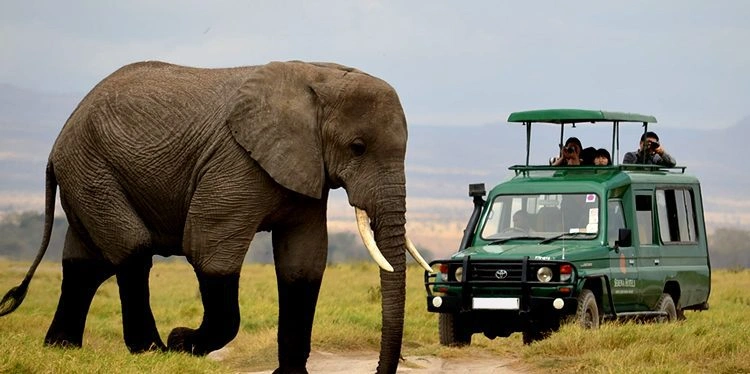
The park’s famous tree-climbing lions in the Ishasha sector, alongside reliable elephant and buffalo sightings, also give the trip the kind of classic, recognizable safari imagery that tends to excite children regardless of age. Many lodges near the park feature swimming pools and open grounds well suited to family downtime between activities. For families prioritizing inclusivity over the gorilla trekking experience specifically, Queen Elizabeth alone can anchor a satisfying multi-day trip.
Mgahinga Gorilla National Park: A Quieter Alternative, Same Restrictions
Mgahinga, Uganda’s smallest national park, carries the same 15-year gorilla trekking age limit as Bwindi, so it offers no real advantage for families specifically seeking lower age restrictions. Where it does stand out is atmosphere: significantly fewer visitors, dramatic volcanic scenery, and the option to combine gorilla trekking with golden monkey tracking, which generally has a lower or no strict age minimum. Families with teenagers who’ve already experienced Bwindi on a previous trip, or who specifically want a quieter, less crowded trekking day, may find Mgahinga a worthwhile alternative, though it shouldn’t be the first choice for families prioritizing trekking permit availability, since it has only one habituated gorilla family.
Kibale Forest National Park: A Strong Option for Slightly Older Kids
Kibale Forest, Uganda’s premier chimpanzee tracking destination, generally allows children from around 12 years old to participate in tracking, a meaningfully lower threshold than Bwindi’s gorilla trekking minimum. This makes Kibale an appealing option for families with pre-teens or younger teenagers who aren’t yet eligible for gorilla trekking but are old enough to manage a forest tracking walk. The terrain tends to be somewhat gentler than Bwindi’s, and the chimpanzees’ active, vocal behavior often captures children’s attention more easily than the calmer pace of a gorilla encounter.
Families should still confirm current age policies directly when booking, since requirements can be updated by park management, but Kibale is worth strong consideration for families with kids in this in-between age range.
Lake Mburo National Park: Uganda’s Easiest Family Park
Often overlooked in favor of the larger southwestern parks, Lake Mburo National Park, located between Kampala and the southwestern circuit, offers one of the gentlest family safari experiences in the country. It’s one of the few Uganda parks where walking safaris and guided bike rides are permitted, given the relative absence of dangerous predators, making it a genuinely interactive, low-risk activity for families with children of nearly any age. Boat trips on Lake Mburo itself offer easy hippo and bird viewing in a similarly low-intensity format to the Kazinga Channel cruise.
While Lake Mburo lacks the dramatic scale of Queen Elizabeth or the gorilla trekking draw of Bwindi, its accessibility and gentler activities make it a strong addition for families wanting to break up a longer itinerary with an easier, more relaxed park, particularly useful for families traveling with very young children or anyone with mobility concerns.
Murchison Falls National Park: Spectacular, But Plan for Distance
Murchison Falls offers dramatic Nile River scenery and strong big game viewing, including the towering Rothschild’s giraffe, that many children find genuinely thrilling. The boat cruise toward the base of the falls requires minimal physical exertion, making it accessible to family members of any age. The main consideration for families is distance: Murchison Falls sits considerably further from the southwestern gorilla trekking circuit than Queen Elizabeth, requiring either a longer overland drive or a domestic flight, details we’ve covered in our Kigali to Murchison Falls safari guide. Families with a week or more available, or those willing to add a domestic flight, will find it a rewarding addition; families on a shorter timeline are better served focusing on the more easily combined southwestern parks.
Ziwa Rhino Sanctuary: A Worthwhile Stop, Not a National Park
Technically a conservation sanctuary rather than a national park, Ziwa deserves mention here because its guided rhino tracking walks are genuinely well suited to families with children of nearly any age, given the controlled, lower-risk setting compared to open wilderness trekking. Located along the route toward Murchison Falls, it pairs naturally with a trip already including that park and gives children a rare, close encounter with white rhinos in a setting more forgiving than a typical game drive.
Choosing the Right Combination for Your Family
For most families, the strongest overall combination remains Bwindi paired with Queen Elizabeth National Park, giving trekking-eligible family members the gorilla experience while ensuring every age can fully participate in at least one major park on the trip. Families with younger children specifically, or anyone prioritizing inclusivity over the trekking experience, may find more value weighting the itinerary toward Queen Elizabeth and Lake Mburo, parks built around accessible, all-ages activities. Families with a longer timeline can extend further into Kibale Forest for slightly older children, or Murchison Falls and Ziwa Rhino Sanctuary for a more complete big-game and conservation experience.
Plan Your Family Safari Around the Right Parks
Choosing the right combination of parks, rather than simply following a standard itinerary, makes a meaningful difference in how well a Uganda safari suits your family’s specific ages and interests. Whether your family is built around trekking-eligible teenagers, young children needing all-ages activities, or a genuine multi-generational mix, matching the right parks to your group from the start sets the whole trip up for success.
To start planning, browse our full range of Uganda safari packages, explore our Bwindi Impenetrable National Park page, or email our team directly at info@kenlinktours.com with your family’s ages and interests, and we’ll help match the right combination of parks to your group.