- EXPERT'S HELP
- +256789210067
- +256200955001
- info@kenlinktours.com


Family Safari from Kigali to Uganda
June 30, 2026
Best National Parks for Family Safaris in Uganda
June 30, 2026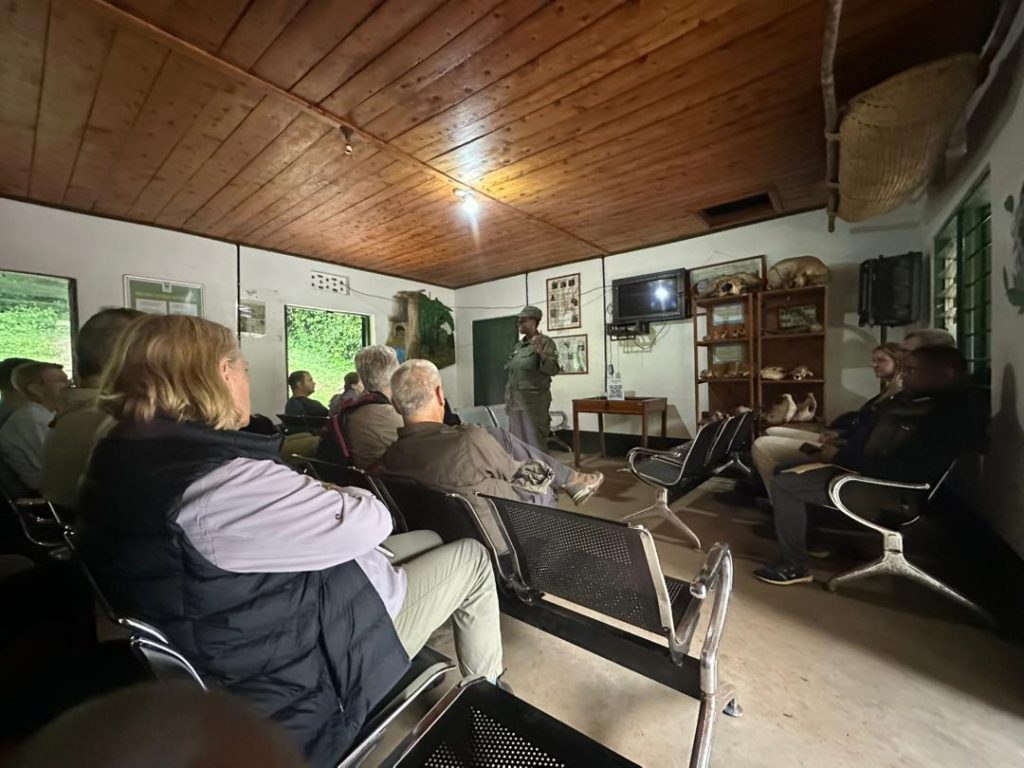
Gorilla Trekking Age Limit for Families. Of all the questions families ask before booking a Uganda safari, none comes up more consistently than the age limit for gorilla trekking. It’s a simple rule on paper, but it has real implications for how a family trip needs to be planned, who can participate, and what alternatives exist for younger travelers. This guide focuses specifically on the age limit itself: why it exists, how strictly it’s enforced, and how families typically work around it.
The Official Minimum Age
The minimum age for gorilla trekking in Uganda is 15 years old, a rule set and strictly enforced by the Uganda Wildlife Authority (UWA), the government body responsible for managing the country’s national parks and gorilla permits. This isn’t a guideline or a soft recommendation, it’s a firm regulation applied at the point of permit booking and again checked at the trailhead on the morning of the trek. There is no exception process for younger children, regardless of their maturity, fitness, or prior trekking experience elsewhere.
It’s worth noting this same 15-year minimum applies across the wider Virunga gorilla trekking region, including Rwanda’s Volcanoes National Park, so families considering either country will encounter the identical age restriction.
Why the Age Limit Exists
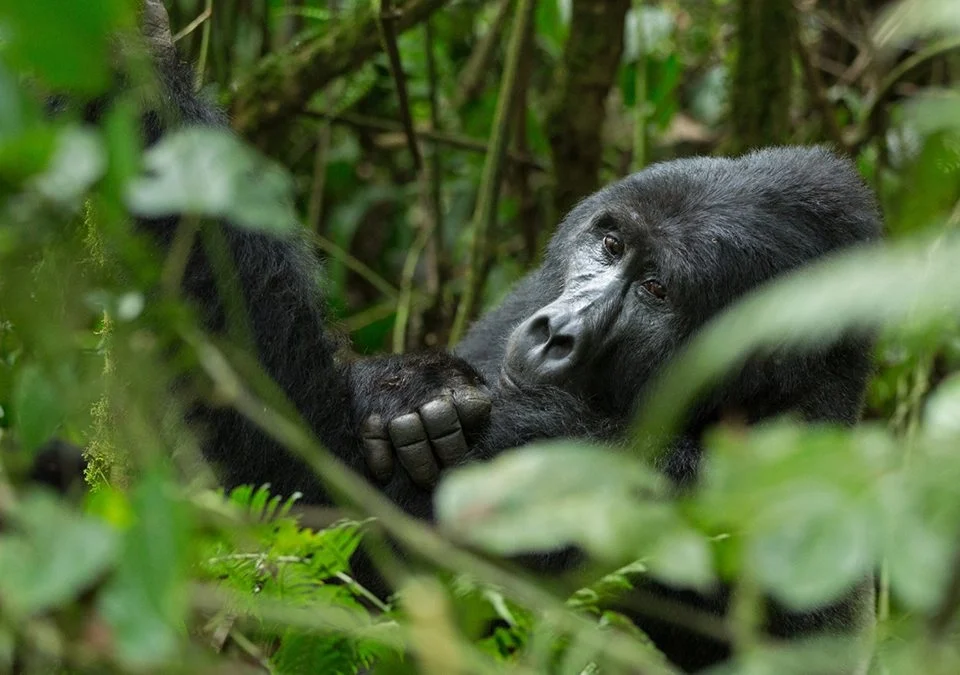
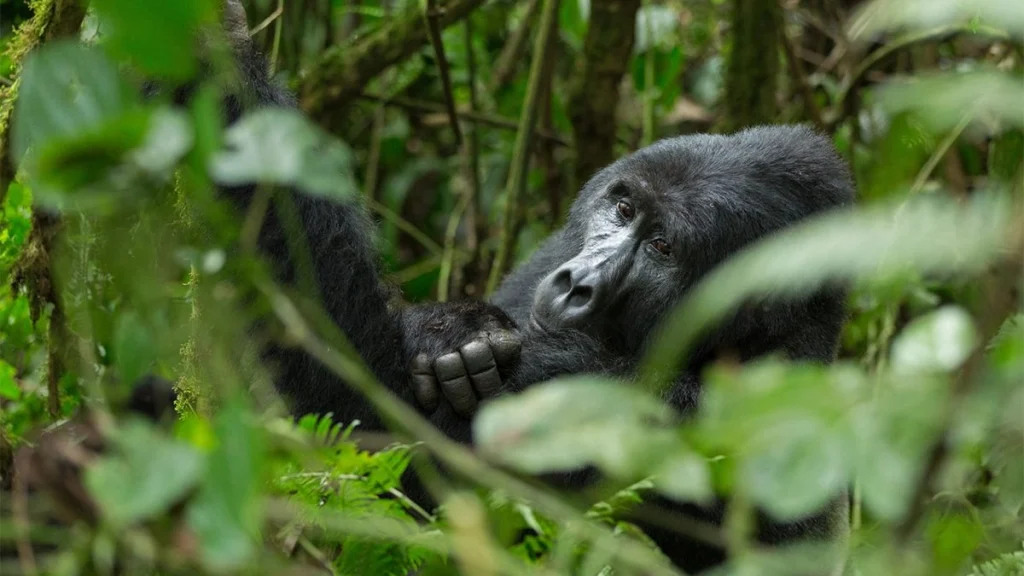
The 15-year minimum exists primarily to protect the gorillas themselves rather than to manage trekking difficulty or safety for children. Mountain gorillas share close to 98% of human DNA, which makes them highly susceptible to common human illnesses, particularly respiratory infections like colds and flu. Young children are statistically more likely to be carrying these kinds of mild, often asymptomatic infections, and because gorilla immune systems haven’t been exposed to many human pathogens, even a mild human cold can pose a serious health risk to a gorilla family.
Understanding this reasoning helps explain why the rule is applied so consistently, it isn’t really about whether a 12-year-old could physically manage the hike, it’s about minimizing any possible disease transmission risk to an endangered species with no immunity to human illness.
How Strictly Is the Age Limit Enforced?
Very strictly. Permit bookings require each trekker’s date of birth to be submitted in advance, and rangers verify identification at the park headquarters briefing on the morning of the trek. Families sometimes ask whether a child who will turn 15 shortly after the trip, or who looks mature for their age, might be allowed to trek anyway. The answer is consistently no: the rule is based on the trekker’s actual age on the day of the trek, not their birth year or apparent maturity, and rangers do not have discretion to waive it.
Attempting to misrepresent a child’s age when booking is not worth the risk, since it can result in the child being turned away at the trailhead after the family has already traveled to the park, with no realistic option to rebook on short notice.
What Happens to Younger Children During the Trek?
Families with children under 15 don’t need to leave them behind at home, they simply need a plan for what those children will do while older family members trek. Most lodges around Bwindi Impenetrable National Park offer some combination of supervised activities, babysitting services, short nature walks, or cultural visits designed specifically to keep younger children safely occupied for the few hours the trekking group is in the forest. We’ve covered this planning challenge in more depth in our guide to Uganda safaris with kids, including which lodges tend to offer the strongest childcare options.
Are There Any Activities With No Age Limit?
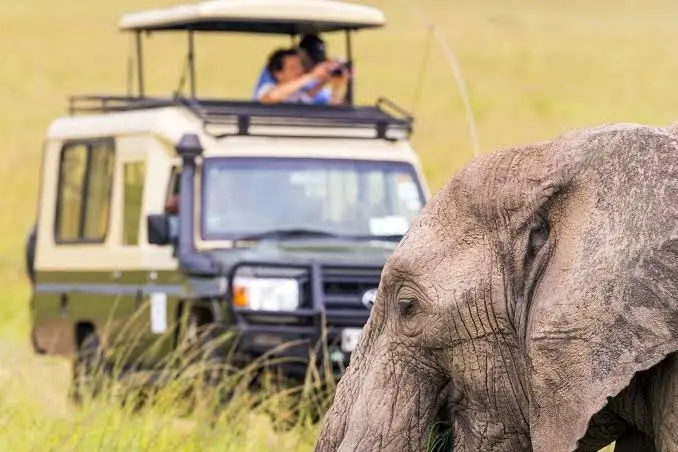
Yes, and this is often the most useful thing for families to know. Game drives in Queen Elizabeth National Park, the Kazinga Channel boat cruise, and community walks near Bwindi all have no minimum age requirement, making them accessible to family members of any age, including young children and infants. This means a family trip doesn’t need to be built entirely around the trekking day, plenty of genuinely engaging wildlife and cultural experiences remain open to the whole family regardless of the gorilla trekking restriction. Our East Africa family safari packages guide outlines how these all-ages activities typically get woven into a balanced multi-generational itinerary.
What About Golden Monkey Tracking or Chimpanzee Tracking?
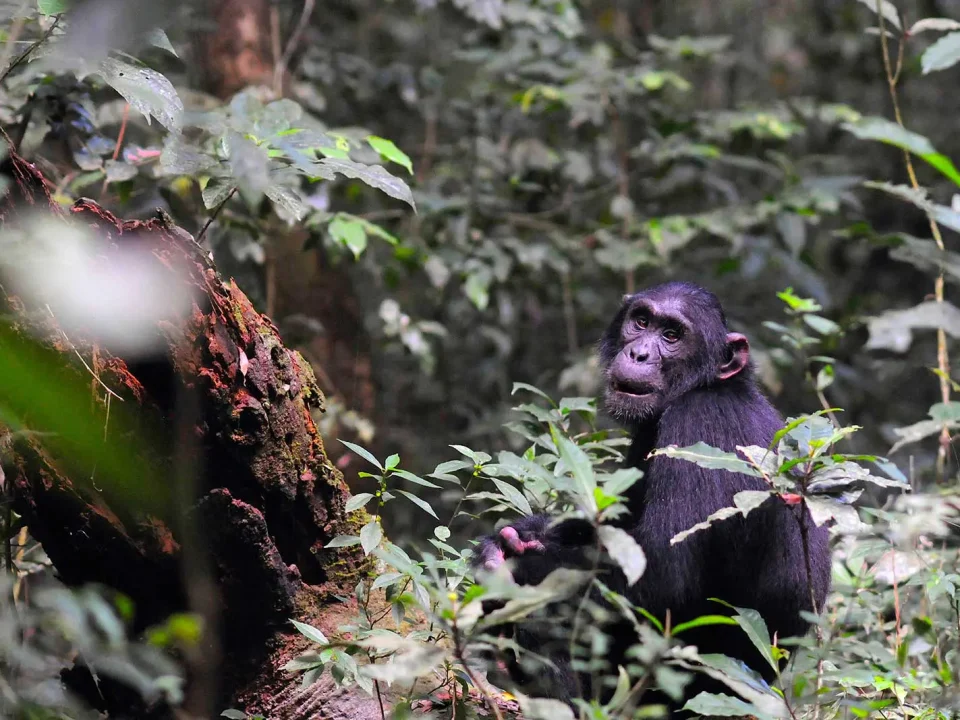
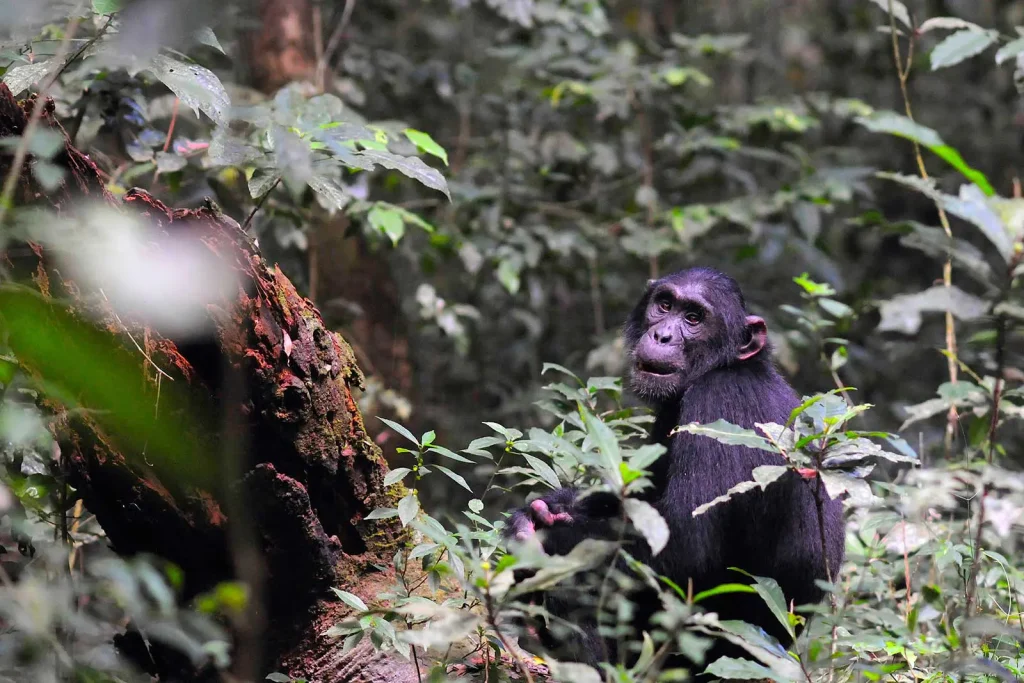
Golden monkey tracking, available near Bwindi and Mgahinga Gorilla National Park, and chimpanzee tracking in Kibale Forest National Park, both also carry minimum age requirements, though they’re somewhat different from the gorilla trekking rule. Golden monkey tracking generally has no strict minimum age, though park staff may use discretion based on a child’s ability to manage the terrain. Chimpanzee tracking typically allows children from around 12 years old, younger than the gorilla trekking minimum, since the health risk profile and trekking demands differ somewhat between the two species. Families should confirm current age policies for these specific activities directly when booking, since requirements can be updated by park authorities.
Planning a Family Trip Around the Age Limit
The most successful family itineraries treat the 15-year minimum as a fixed planning constraint from the very start, rather than something to work around at the last minute. This typically means deciding early which family members will trek, confirming alternative activities for those who won’t, and choosing accommodation with strong childcare or supervised activity options if younger children are part of the group. Booking permits well in advance for the eligible trekkers, while separately confirming non-trekking activities for younger family members, keeps the whole trip running smoothly rather than leaving these details unresolved until arrival.
What If My Teenager Is Turning 15 During the Trip?
If a child will turn 15 before the specific date of the gorilla trek, they are eligible to trek, since the rule is based on age at the time of the activity rather than age at the time of booking. Families in this situation should clearly communicate the child’s date of birth and the planned trekking date when booking permits, ensuring the eligibility is confirmed correctly in advance rather than assumed.
Final Thoughts on Planning Around the Age Limit
The gorilla trekking age limit is one of the simplest rules in Uganda safari planning, but it has an outsized impact on how a family trip needs to be structured. Rather than viewing it as a complication, it’s more useful to treat it as a starting point: confirm which family members are eligible, plan engaging alternatives for those who aren’t, and build the rest of the itinerary around activities that welcome every age. Done this way, the age limit becomes a manageable planning detail rather than an obstacle to a meaningful family trip.
To start planning your family’s trip around this rule, browse our full range of Uganda safari packages, explore our Bwindi Impenetrable National Park page, or email our team directly at info@kenlinktours.com with your children’s ages and travel dates, and we’ll confirm eligibility and help design an itinerary that works for your whole family.