- EXPERT'S HELP
- +256789210067
- +256200955001
- info@kenlinktours.com


Tour to Murchison Kibale Queen Elizabeth and Bwindi
July 8, 2026
Where to chill after gorilla trekking in Mgahinga
July 8, 2026
Chimpanzee and Gorilla Tour in Uganda. Uganda is one of the only places on earth where you can track two of humanity’s closest living relatives, mountain gorillas and chimpanzees, within the same trip, often within the same week. The two treks feel surprisingly different from each other, and understanding those differences helps you plan a smarter itinerary rather than just bolting two activities together.
This guide walks through what makes each trek unique, how to sequence them, what they cost, and how to build a trip that gets the most out of both.
Gorillas and Chimpanzees: Not the Same Experience
It’s tempting to think of a “primate safari” as one activity done twice, but gorilla trekking and chimpanzee tracking differ in almost every practical respect.
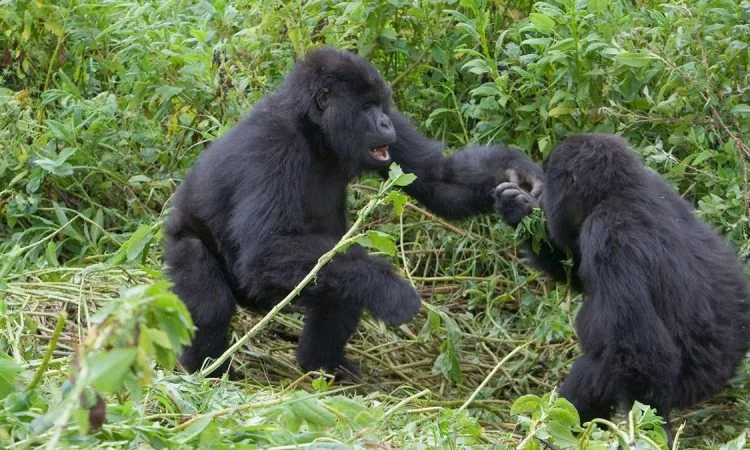
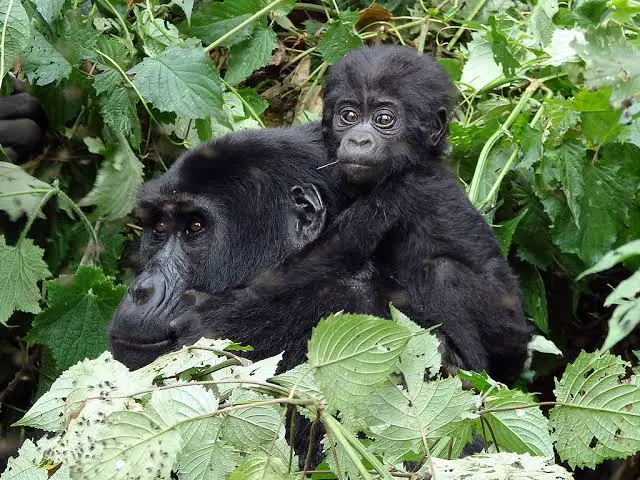
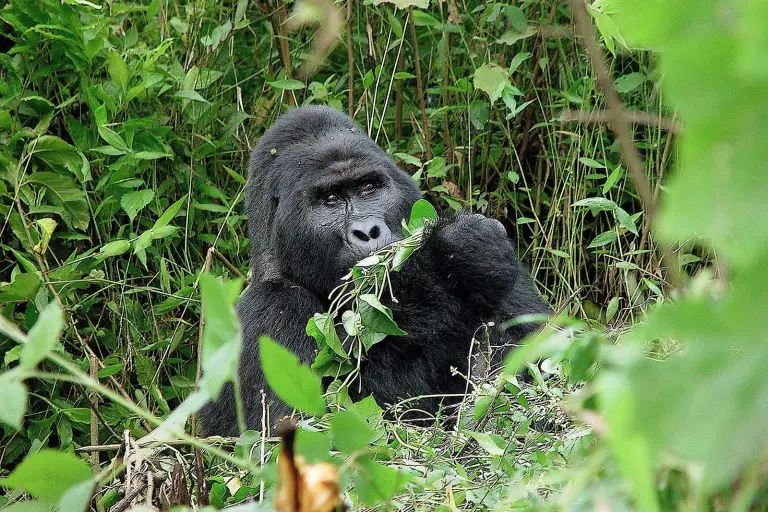
Gorilla families are large, slow-moving, and largely ground-based, spending much of the day feeding and resting within a fairly contained area. Once your ranger team locates them, you’re guaranteed a full, calm hour of observation at close range, usually just seven to ten meters away. Chimpanzees, by contrast, are fast, arboreal, and constantly on the move through the canopy, which makes the tracking itself more physically demanding and the viewing experience more dynamic, watching them swing, call, and interact rather than the more settled gorilla encounter. Neither is “better,” but they reward different expectations: gorillas for a profound, quiet close encounter, chimpanzees for an energetic, unpredictable one.
Where to Track Each Primate in Uganda
Gorilla trekking happens in just two parks: Bwindi Impenetrable National Park, with four trekking sectors and over 20 habituated families, and Mgahinga Gorilla National Park near the Rwanda border, home to a single family. Chimpanzee tracking is more widely available, with Kibale Forest National Park as the flagship destination, alongside smaller, more affordable options at Kyambura Gorge, Budongo Forest, and Kalinzu Forest. Because Kibale sits a manageable drive from both Queen Elizabeth National Park and Bwindi, it fits naturally into most gorilla-and-chimp itineraries as the midpoint of the route.
How Much Does a Combined Gorilla and Chimpanzee Tour Cost?
Permits are the largest fixed cost of any combined trip. Through the Uganda Wildlife Authority, a standard gorilla trekking permit costs USD 800 per person, while a Kibale chimpanzee permit costs around USD 250. Together, that’s roughly USD 1,050 in permits alone, before lodging, transport, and guiding. A complete guided trip combining both treks typically runs from around USD 2,000 for a lean 5-day itinerary in budget to mid-range lodges, up to USD 4,000 or more for a longer trip with higher-end accommodation. Traveling during the low season, April, May, or November, brings both permits down: roughly USD 600 for gorillas and USD 200 for chimpanzees, a meaningful saving if your dates are flexible.
Which Trek Should Come First?
There’s a genuine case for either order, but most Uganda itineraries track chimpanzees before gorillas simply because of geography: Kibale sits north of Bwindi, so following the natural road route means chimps come first as you travel south. There’s also an argument for doing it this way regardless of route: chimpanzee tracking is the more physically demanding of the two treks, so tackling it earlier in your trip, while you’re fresher, tends to make for a more enjoyable overall experience. Save the gorillas, generally regarded as the trip’s centerpiece, for when you’re settled into the rhythm of the safari and ready for its slower, more intense payoff.
How Many Days Do You Need?
- 3 days: enough for one trek only, either gorillas or chimpanzees, with travel time on either side
- 5 days: the sweet spot for combining both, typically Kibale for chimps followed by a transfer south to Bwindi for gorillas
- 7 days or more: room to add Queen Elizabeth National Park’s game drives and Kazinga Channel boat cruise between the two treks, turning the trip into a fuller wildlife safari
Our 5-Day Gorilla and Chimpanzee Tracking Tour is built around the shorter version of this route, while our 7-Day Wildlife, Gorillas and Chimpanzees Safari extends it with Queen Elizabeth’s savannah wildlife in between.
Physical Fitness: What to Expect
Chimpanzee tracking in Kibale generally involves shorter, more moderate walks on established forest trails, typically one to three hours round trip. Gorilla trekking in Bwindi can be considerably more demanding: trails are steep, often muddy, and the length of the hike depends entirely on where the gorilla family has moved that day, sometimes as little as thirty minutes, sometimes most of a day. Porters are available at both parks and are genuinely worth hiring, not just for less-fit trekkers but as a direct way of supporting the local community around each park.
What to Pack for Both Treks
A few items matter for both experiences: waterproof hiking boots with good ankle support, a rain jacket regardless of season (both forests are wet year-round), gardening gloves for gripping vegetation, and lightweight, long-sleeved layers to protect against nettles and insects. A good day pack, a reusable water bottle, and a camera with a reasonably long zoom will round things out; flash photography is prohibited with both species.
Extending the Encounter: Habituation Experiences
If a standard one-hour visit isn’t enough, both primates offer a deeper option. The Gorilla Habituation Experience in Bwindi’s Rushaga sector gives you up to four hours with a semi-habituated family alongside researchers, while Kibale’s Chimpanzee Habituation Experience offers a similarly extended morning with a community still being acclimatized to human presence. Both cost more than the standard permit and carry much smaller daily quotas, so they’re worth booking well in advance if a longer, research-style encounter appeals to you more than the standard trek.
Where to Start Planning
If you already know how many days you have, browse our full gorilla trekking adventures or our 3-Day Chimpanzee Tracking Safari to Kibale National Park if you’d like to start with just one primate before deciding on the other.
Plan Your Gorilla and Chimpanzee Tour with Kenlink Tours
Since 2010, Kenlink Tours has been designing combined primate safaris across Uganda, securing permits directly through the Uganda Wildlife Authority and matching each itinerary to your fitness level, budget, and travel dates. Whether you want a lean 5-day trip or a fuller two-week adventure across all of Uganda’s wildlife, our team can build the right route around both treks.
Contact our safari experts for a free, tailor-made gorilla and chimpanzee tour, or explore our full range of Uganda safari packages to get started.