- EXPERT'S HELP
- +256789210067
- +256200955001
- info@kenlinktours.com

Combining Tree Climbing Lions and Gorilla Safari in Uganda
Two of Africa's most extraordinary wildlife encounters sit within 200 kilometres of each other in southwestern Uganda — and most travellers who visit one never realise how easily they could have seen both. The tree-climbing lions of Ishasha, in the remote southern sector of Queen Elizabeth National Park, are found in only one other place on Earth. The mountain gorillas of Bwindi Impenetrable Forest are one of wildlife's most profound and moving experiences anywhere in the world. Combining them on a single safari is not only possible — it is one of the most compelling itineraries in all of Africa.
The route linking Ishasha and Bwindi runs through some of Uganda's most breathtaking scenery: the vast Kigezi highlands, the terraced hillsides above Lake Bunyonyi, the ancient volcanic peaks above Kisoro, and the misty forest edge of Bwindi itself. Add the Kazinga Channel boat cruise in the main body of Queen Elizabeth National Park, a Bakiga or Batwa cultural village experience near Bwindi, and the spectacular crater lake country around Fort Portal, and you have the makings of a Uganda safari that covers wildlife, landscape, and culture in extraordinary depth. This guide explains exactly how to combine tree-climbing lions and gorilla trekking in Uganda — the route, the timing, the logistics, and the sample itineraries — with KenLink Tours.
Why This Combination Works So Well
The pairing of tree-climbing lions and gorilla trekking is more than a geographic convenience — it is a genuinely complementary contrast of experiences. The Ishasha tree-climbing lions represent the open-savannah, big-cat drama of the classic African safari: a pride of lions draped across the sprawling branches of a fig tree, tails hanging, watching the plains below with regal indifference. Gorilla trekking at Bwindi is the opposite in almost every way: dense equatorial rainforest, steep terrain, quiet reverence, and the overwhelming intimacy of meeting a mountain gorilla family face to face in their own ancient world.
Together they capture two of Africa's most distinct wildlife dimensions — the savannah and the forest, the predator and the primate — within a single itinerary and a relatively compact geographical area. No long domestic flights are required. The road between Ishasha and Bwindi passes through the Kigezi highlands, widely regarded as some of the most scenic countryside in East Africa. And since Bwindi gorilla permits require advance booking, the structure of the itinerary is naturally anchored around a confirmed trekking date — making it easy to plan the lion-viewing leg of the journey around it.
The essential logic: Fly into Entebbe → drive to Queen Elizabeth National Park for game drives and the Kazinga Channel boat cruise → continue south to Ishasha for 1–2 nights specifically targeting the tree-climbing lion prides → cross the Kigezi highlands to Bwindi for gorilla trekking → return to Entebbe via Lake Bunyonyi and Mbarara, or cross into Rwanda via Kigali. Total: 7–10 days. Total driving: manageable. Total wildlife experience: exceptional.
The Tree-Climbing Lions of Ishasha — Everything You Need to Know
What makes Ishasha's lions different?
The lions of Ishasha, in the southernmost sector of Queen Elizabeth National Park, have developed a documented habit of resting and sleeping in the branches of large fig trees — most commonly the enormous Ficus natalensis (bark-cloth fig) trees that shade the Ishasha plains. A single tree may hold an entire pride simultaneously: cubs in the lower branches, adults sprawled across the mid-canopy, an old male resting his massive head on a branch 6–8 metres above the ground.
Tree-climbing behaviour in lions has been confirmed in only two wild populations on Earth — Ishasha in Uganda and the lions of Lake Manyara National Park in Tanzania. Neither population climbs all the time, and not every Ishasha pride tree-climbs consistently, but the behaviour is sufficiently regular that a dedicated visit to Ishasha gives you a high probability of a sighting. The reasons for this unusual behaviour are not definitively known: prevailing theories include avoidance of tsetse flies and ground-level insects, improved vantage points for spotting prey, thermoregulation in the elevated breeze, and intergenerational habit passed from mothers to cubs within specific pride lineages.
Ishasha Tree-Climbing Lions
QENP Southern SectorThe Ishasha sector is 70 km south of the main Queen Elizabeth NP entrance at Katwe, reached by a game-drive road through the park's southern savannah and acacia woodland. The sector is named after the Ishasha River, which marks the border with the Democratic Republic of Congo. The habitat — a broad, open valley floor dotted with enormous fig trees and bounded by the Maramagambo Forest escarpment — is both the reason the lions climb and the reason the landscape photographs so beautifully.
What to expect:
- Multiple resident prides whose fig tree territories are known to experienced guides
- Best sighting times: early morning (6:30–10am) and late afternoon (3:30–6pm) when lions seek shade and elevated airflow
- Lions often visible in the same trees used regularly by each pride — your guide will know which trees to check first
- Occasional buffalo, Uganda kob, warthog, and elephant in the same valley
- Very low visitor numbers compared to the northern sector — a genuinely intimate experience
Accommodation: 2–3 lodges operate in the Ishasha sector, ranging from comfortable mid-range tented camps to a small number of higher-end options. KenLink Tours recommends staying at least 2 nights to maximise lion-finding odds across multiple morning and afternoon drives.
Mountain Gorilla Trekking
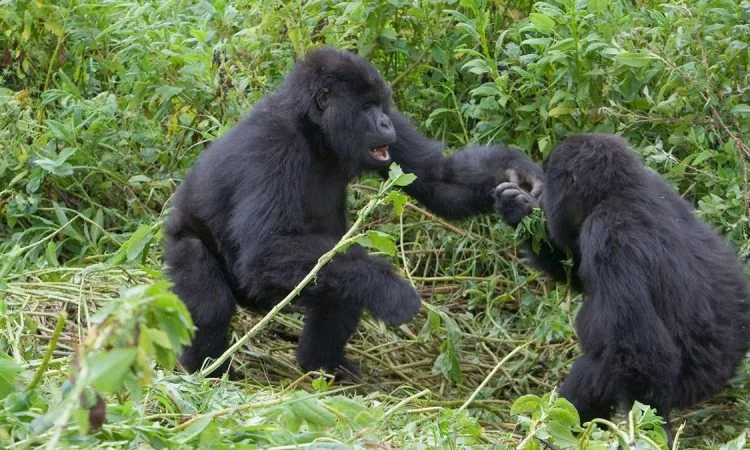
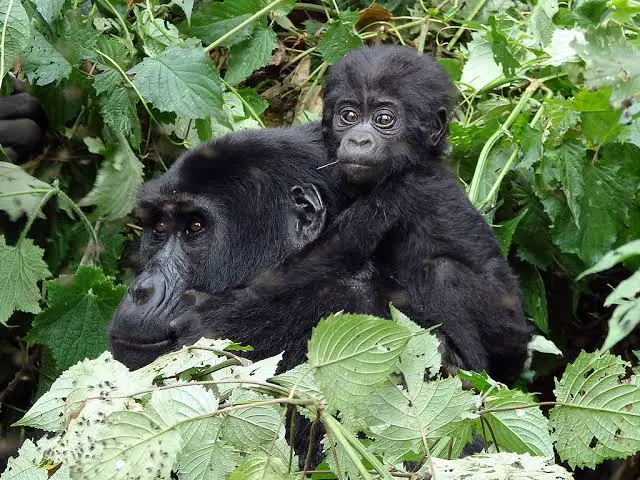
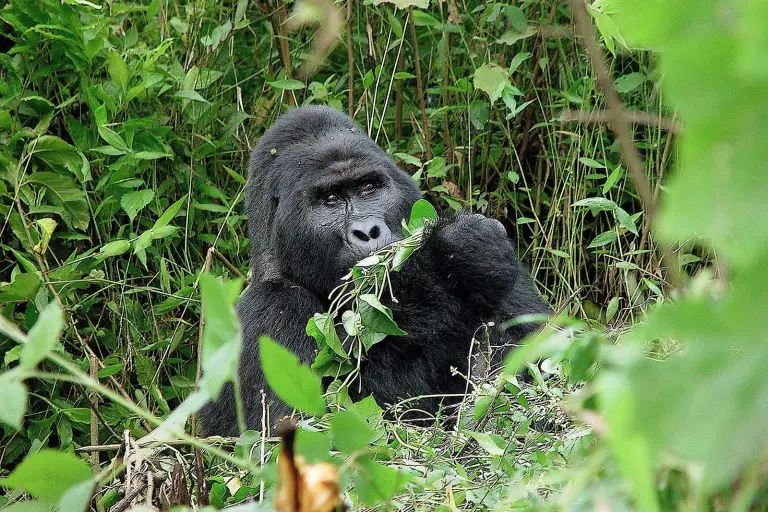
Bwindi Impenetrable ForestBwindi Impenetrable Forest National Park is home to more than half of the world's remaining mountain gorillas — approximately 500 of the species' estimated 1,063 individuals — across four trekking sectors: Buhoma (north), Ruhija (east), Rushaga (south), and Nkuringo (southwest). Each sector has multiple habituated gorilla families that receive one group of eight visitors per day, for a single hour of contact time in their natural habitat.
What to expect:
- Trek duration varies from 1 to 8+ hours depending on where the gorilla family has moved that morning — rangers track them from first light
- One full hour of permitted contact time with the gorilla family, at a respectful minimum distance of 7 metres
- Families include infants, juveniles, females, blackbacks, and the dominant silverback — family sizes range from 8 to 30+ individuals
- The forest itself — ancient, cathedral-like, extraordinarily biodiverse — is a destination in its own right regardless of the gorillas
- Gorilla permits: USD 800 per person, booked through the Uganda Wildlife Authority via KenLink Tours
Physical requirement: Moderate to strenuous hiking on steep, often muddy terrain in dense forest. Good general fitness, hiking boots, and long clothing are essential. Age minimum: 15 years.
The Route — How Ishasha and Bwindi Connect
The geographical relationship between Ishasha and Bwindi is what makes this combination so elegant. Ishasha sits at the southern tip of Queen Elizabeth National Park, wedged between the Maramagambo Forest and the DRC border. Bwindi's closest major trekking sector — Rushaga, in the far south of the park — lies approximately 95 km from Ishasha across the Kigezi highlands. The drive takes roughly 2.5–3 hours on a tarmac and dirt road that climbs through some of the most spectacular highland scenery in East Africa.
This means that after your final Ishasha lion drive, you load the vehicle and drive directly to Bwindi — arriving in time for an afternoon check-in at your Bwindi lodge, a ranger briefing on the following morning's trek, and an optional cultural village visit or nature walk before the big day. No backtracking to Kampala. No domestic flights. Just a short, beautiful drive through the Kigezi highlands as the transition between two of Africa's greatest wildlife encounters.
Sector note: The closest Bwindi sector to Ishasha is Rushaga (approximately 95 km, 2.5–3 hours). For travellers who want to combine Ishasha with the Buhoma sector (the original and most established trekking sector, in the north of Bwindi), the drive is longer — approximately 3.5–4 hours. Nkuringo sector, perched on a dramatic ridge with views into the DRC, is another excellent choice at a similar distance to Rushaga. KenLink Tours will match you to the most appropriate Bwindi sector based on your permit allocation, accommodation preferences, and the overall shape of your itinerary.
Two Sample Itineraries
7-Day Lions & Gorillas Express — the essential combination
Arrive Entebbe — Transfer to Queen Elizabeth NP
Arrive at Entebbe International Airport. After immigration and baggage, your KenLink Tours driver-guide meets you for the transfer to Queen Elizabeth National Park — approximately 5–6 hours by road via Mbarara. Afternoon check-in at your lodge in the Kasenyi or Mweya area. Evening briefing with your guide on the coming days' game drive programme. Dinner and overnight at your QENP lodge.
Queen Elizabeth NP — Kasenyi Plains & Kazinga Channel
Early morning game drive on the Kasenyi plains — the primary lion and elephant viewing circuit in the northern sector. The Kasenyi circuit is excellent for Uganda kob, warthog, buffalo, elephant, and resident lion prides that often rest near the salt flats in the morning. After breakfast, a mid-morning rest at the lodge before the afternoon Kazinga Channel boat cruise — two hours on a flat-bottomed boat along the 40-km natural channel, with hippos, Nile crocodiles, elephants, massive buffalo herds, and over 100 waterbird species along the banks. Return to lodge for dinner.
Drive to Ishasha — Afternoon Lion Drive
After breakfast, depart the northern sector and drive south through the park — approximately 2.5 hours of in-park game driving — to the Ishasha sector. The road south passes through spectacular savannah, acacia woodland, and the forested Maramagambo escarpment with excellent wildlife along the way. Arrive Ishasha by early afternoon, check in to your Ishasha camp, and head straight out for an afternoon game drive targeting the famous tree-climbing lion prides. Your KenLink guide knows which fig trees each local pride uses — the afternoon light in Ishasha is extraordinary for photography.
Ishasha Full Day — Morning & Afternoon Lion Drives
A full day dedicated to the Ishasha lion experience. Depart at first light (6:15–6:30am) for the prime morning window when the prides are moving and climbing. After the morning drive and a leisurely lodge breakfast, rest through the midday heat before an extended afternoon drive from around 3:30pm. Two dedicated drives on the same day dramatically increases your chances of finding lions in the trees — and Ishasha's additional cast of wildlife (buffalo, elephant, warthog, hippo in the Ishasha River, and the beautiful open valley scenery) makes every hour on the road rewarding.
Drive Ishasha to Bwindi — Kigezi Highlands Crossing
Early morning optional lion drive before breakfast, then depart Ishasha for Bwindi. The 95-km drive to Rushaga (or 3.5 hours to Buhoma) crosses the Kigezi highlands — terraced hillsides, volcanic peaks, tea estates, and increasingly dramatic elevation gain as you approach Bwindi's ancient forest edge. Arrive at your Bwindi lodge by early afternoon. Afternoon ranger briefing on the following morning's gorilla trek — you'll learn which gorilla family you have been allocated, approximate current location, and what terrain to expect. Optional afternoon Bakiga cultural village visit or short guided nature walk around the forest edge.
Bwindi — Gorilla Trekking Day
The centrepiece of the safari — and one of the most profound wildlife experiences in Africa. An early breakfast (7am), followed by departure to the park headquarters where you meet your ranger guide and assigned tracking team. The trek begins through the forest — duration varies from 1 to 8+ hours depending on gorilla movements — with the ranger team tracking the family from their last known overnight nest site. When you reach the gorilla family, one hour of permitted contact time begins. Infants playing in the vegetation, juveniles tumbling over each other, the silverback resting with quiet authority just metres away — this is a moment that changes people. Return to lodge for a late lunch and an afternoon of rest, reflection, and sharing photographs.
Return to Entebbe (or Cross into Rwanda)
After breakfast, begin the return journey to Entebbe (approximately 8–9 hours via Mbarara and Masaka) for an evening international departure. Alternatively, for travellers extending the safari into Rwanda for additional gorilla trekking or a golden monkey experience at Volcanoes NP, the Bwindi–Kigali crossing via Cyanika or Katuna border takes 3–4 hours — making a Rwanda extension entirely seamless from Bwindi. KenLink Tours manages all border crossings and Rwanda-side logistics for combined Uganda–Rwanda itineraries.
10-Day Lions, Gorillas & More — the complete western circuit
Arrive Entebbe — Drive to Kibale Forest NP
Arrive Entebbe and transfer directly west to Kibale Forest National Park (approximately 5 hours via Fort Portal). Kibale is the starting point of the western circuit and holds the highest density of primates of any forest in East Africa. Evening arrival, lodge check-in, dinner, and overnight.
Kibale Forest — Chimpanzee Tracking
Morning chimpanzee tracking in Kibale Forest — home to over 1,500 chimpanzees and 12 other primate species. The guided 3-hour forest trek delivers encounters with habituated chimp communities as they forage, display, and travel through the forest canopy. Afternoon Bigodi Wetland Sanctuary guided walk — the finest birdwatching site in western Uganda and home to the endangered papyrus gonolek. Overnight at your Kibale Forest lodge.
Drive to Queen Elizabeth NP — Afternoon Kasenyi Game Drive
Morning departure south from Kibale to Queen Elizabeth National Park (approximately 2.5 hours). En route, optional stop at the Toro Kingdom Palace in Fort Portal — the hilltop palace of one of the world's youngest kings and a fascinating 45-minute cultural visit. Arrive QENP for check-in and an afternoon Kasenyi plains game drive targeting lions, elephants, and the vast buffalo herds that gather near the salt flats.
Queen Elizabeth — Full Day: Morning Drive + Kazinga Channel Cruise
Full day in the northern QENP sector. Dawn game drive on the Kasenyi circuit for lions and elephants. Return for breakfast. Afternoon Kazinga Channel boat cruise — the single most productive 2-hour wildlife experience in Uganda: hippos, crocodiles, enormous buffalo herds, elephants, and an extraordinary abundance of waterbirds including the African skimmer, pink-backed pelican, and pied kingfisher. Sundowner from the Mweya Peninsula with views across Lake Edward to the DRC mountains.
Drive South to Ishasha — Afternoon Tree-Climbing Lion Drive
Depart the northern sector and drive south through the park (2.5 hours of in-park game driving) to Ishasha. Arrive early afternoon, check in, and head immediately for an afternoon game drive targeting the tree-climbing lion prides in the fig tree valley. As the day cools and the light turns golden, the Ishasha valley is extraordinarily beautiful — and lion sightings in the late afternoon typically last until dusk.
Ishasha — Full Day Dedicated Lion Drives
A full day in the Ishasha valley. Dawn drive at first light for the morning lion window. Breakfast at the lodge. Rest through midday. Extended afternoon drive from 3:30pm targeting the prides again in the late light. Two dedicated drives across a full day gives the best possible odds for tree-climbing sightings — and Ishasha's unhurried, intimate atmosphere makes every hour in the valley a pleasure regardless of what you find.
Ishasha to Bwindi — Kigezi Highlands + Batwa Cultural Experience
Optional early morning lion drive before breakfast, then depart Ishasha for Bwindi. The highland crossing is extraordinary: tea estates, terracotta-coloured earth roads, weaverbird colonies over swamp reeds, and the sudden apparition of Bwindi's ancient forest on the horizon. Afternoon arrival at your Bwindi lodge. Optional Batwa Cultural Trail or Bakiga community village visit — both available near the Rushaga and Nkuringo sectors and an ideal complement to the following day's gorilla trek. Evening ranger briefing on tomorrow's trek allocation and family details.
Bwindi — Gorilla Trekking Day
The experience that anchors this entire safari. Early breakfast, briefing at park headquarters, and departure into the forest with your ranger guide and tracking team. One hour with the gorilla family — an experience that consistently ranks among the most moving wildlife encounters travellers have ever had. Return to lodge for late lunch and an afternoon of reflection. Optional second gorilla trek or forest walk for those who want to re-enter the forest. Celebratory dinner at the lodge.
Lake Bunyonyi Scenic Day
A restorative day on Lake Bunyonyi — one of Africa's deepest and most beautiful lakes, a 45-minute drive from the main Bwindi sectors. The lake's 29 islands, terraced hillsides, and extraordinarily peaceful atmosphere make it one of Uganda's most beloved stopovers. Canoe excursion between the islands, a guided walk to a hilltop viewpoint over the lake, lunch at a lakeside lodge, and an unhurried afternoon. An ideal decompression day between gorilla trekking and the journey home.
Return to Entebbe — or Cross into Rwanda
Depart Lake Bunyonyi for the return to Entebbe (approximately 7–8 hours via Mbarara and Masaka) for an evening international flight. For travellers extending to Rwanda, the Katuna/Gatuna border is 30 minutes from Lake Bunyonyi — making a direct Kigali transfer easy, with onward connections to Volcanoes NP for additional gorilla or golden monkey trekking, or an overnight in Kigali before international departure.
Other Experiences to Add Along the Way
The western Uganda safari circuit linking Kibale, Queen Elizabeth, Ishasha, and Bwindi passes through or near a remarkable concentration of additional wildlife, scenery, and cultural experiences. Here are the most worthwhile additions to consider building into your itinerary.
Kazinga Channel Boat Cruise
The single most productive 2-hour wildlife experience in Uganda. The natural 40-km channel between Lake George and Lake Edward is lined with one of Africa's highest concentrations of hippos, Nile crocodiles, buffalo, elephants, and waterbirds. Included in all KenLink Tours Queen Elizabeth itineraries as non-negotiable.
- Flat-bottomed boat with covered deck seating
- Afternoon departures typically best (4pm)
- 600+ bird species in QENP overall
Batwa Cultural Trail
Uganda's most moving cultural experience — and directly linked to gorilla trekking, since the Batwa lived in the same forest as the gorillas for millennia. A guided forest walk with former Batwa hunter-gatherers demonstrating traditional fire-making, plant medicine, honey harvesting, and hunting techniques. Deeply complementary to the gorilla trek.
- USD 30–60 per person (community-retained)
- Available near Rushaga and Mgahinga NP
- Half-day; easy to combine with arrival day
Lake Bunyonyi
One of Africa's most beautiful lakes — a flooded volcanic caldera dotted with 29 islands, surrounded by terraced Bakiga hillsides rising steeply above the water. An ideal rest day between gorilla trekking and the return drive. Canoe between islands, walk to viewpoints, or simply sit on a terrace watching the light change across the water.
- Excellent lodge options from mid-range to upmarket
- Canoe hire readily available
- Safe for swimming (no bilharzia, no hippos)
Chimpanzee Tracking · Kibale Forest
The world's best chimpanzee trekking — Kibale holds 1,500+ chimpanzees across a 795 km² forest and offers the highest probability of finding habituated chimps of any location in Africa. An ideal addition at the start of the western circuit before driving south to Queen Elizabeth. Chimpanzee permits are USD 250 per person.
- Departs 8am (morning session); 2pm (afternoon session)
- 2-hour time limit with the chimp community
- 12 other primate species in the same forest
Toro Kingdom Palace · Fort Portal
The royal palace of the Toro Kingdom sits on a hill above Fort Portal with views over the Rwenzori mountains. King Oyo Nyimba — one of the world's youngest monarchs, having ascended at age three — leads a kingdom with ancient cultural traditions still very much alive. An easy 45-minute stop on the drive from Kibale to Queen Elizabeth.
- Open to respectful visitors daily
- Cultural centre with craft demonstrations
- Fort Portal: also good for supplies and lunch
Mgahinga Gorilla NP
Uganda's smaller gorilla park in the Virunga volcanoes near Kisoro — home to one habituated gorilla family and a spectacular golden monkey population. Mgahinga's dramatic volcanic backdrop and the Virunga massif scenery make it a compelling alternative or addition to Bwindi. The golden monkey experience is particularly extraordinary — troops of hundreds of monkeys in the bamboo zone of the volcano slopes.
- Gorilla permit: USD 800 p/p (same as Bwindi)
- Golden monkey permit: USD 60 p/p
- 45 min from Bwindi's Rushaga sector
Best Time for Lions and Gorillas in Uganda
Uganda's equatorial climate means wildlife viewing is productive year-round — there is no true "closed season" as there is in some East African destinations. However, the two dry seasons produce the most reliable conditions for both tree-climbing lion sightings and gorilla trekking, for different reasons.
| Season | Months | Ishasha Lions | Gorilla Trekking | Overall Verdict |
|---|---|---|---|---|
| Long Dry Season | June – September | Excellent. Vegetation thins; lions more visible; drives accessible on dry tracks. Ishasha valley at its most open and photogenic. | Very good. Trails drier, forest more navigable, gorillas easier to track. Slightly longer treks possible as family ranges expand. High demand — book permits months ahead. | Best overall. Peak season. Book permits 6+ months in advance. Higher lodge rates apply. |
| Short Dry Season | December – February | Very good. Second-best period for lion visibility. Resident prides behaving predictably. Christmas / New Year period brings higher visitor numbers to lodges. | Good to very good. Trails manageable. Festive period is popular — permits book up fast for late December and January. February is often underrated and quieter. | Excellent value. Shorter, lower-pressure season. February especially good — fewer visitors, good conditions, green landscapes. |
| Long Rains | March – May | Good. Lions still viewable but tall grass makes sightings more challenging; some tracks can become impassable after heavy rain. Lion activity unaffected — they remain in the valley year-round. | Possible but challenging. Trails become steep and muddy. Gorilla movements more unpredictable. Some lodges offer discounted rates. Best for travellers comfortable with mud and variable conditions. | Off-peak. Lower rates, fewer visitors. A beautiful, lush green landscape — but plan for rain on gorilla trek day. |
| Short Rains | October – November | Reasonable. Short rains are less intense than the long rains; lion sightings are still regular and conditions manageable for most of October–November. | Reasonable. A transitional period — conditions are variable but not as difficult as March–May. Permits often available on shorter notice than the dry seasons. | Underrated. Shoulder season with shorter notice permit availability and generally good conditions. October often excellent. |
Practical Tips for Your Lions & Gorillas Safari
-
1Book your gorilla permit before you book anything else. Gorilla permits at USD 800 per person are allocated by the Uganda Wildlife Authority and sell out months in advance for the June–September dry season and the Christmas period. KenLink Tours handles permit booking on your behalf — but the process requires your names, passport numbers, and preferred trekking date. As soon as your travel dates are confirmed, contact us to secure your permit. Everything else in the itinerary is built around the permit date.
-
2Stay at least 2 nights in the Ishasha sector — not just one. The tree-climbing lions of Ishasha are resident and predictable in their fig tree territories, but "predictable" does not mean "guaranteed on one drive." Two nights gives you three game drives (afternoon arrival, full morning, full afternoon) — and those three bites at the cherry produce a very high success rate. One night means two drives at most, and that is insufficient insurance for what is a genuinely rare sighting even in Ishasha. KenLink Tours builds a minimum of two Ishasha nights into all its lion-and-gorilla itineraries.
-
3Pack two sets of clothing for gorilla trekking. You will need long trousers, long sleeves, and a waterproof jacket for the forest trek — regardless of the season — and you may return to your lodge with mud-caked trousers and wet boots. A second set of trekking clothes ensures you have clean kit if your first set is soaked or filthy the day before. Hired gaiters (available at Bwindi's trekking sectors) are strongly recommended for protecting boots and lower legs from mud, stinging nettles, and safari ants. Your KenLink Tours guide will issue a full kit list on booking.
-
4The 7-metre gorilla distance rule is strictly enforced — and benefits everyone. The Uganda Wildlife Authority requires all trekkers to maintain a minimum 7-metre distance from gorillas at all times. This is a health protection measure as much as a wildlife protection rule — mountain gorillas are susceptible to human respiratory infections, and a disease transmission event in a family would be devastating. In practice, gorillas frequently approach closer than 7 metres of their own accord (especially juveniles and young adults who are curious about visitors) — rangers manage these approaches calmly. Your hour with the gorillas will feel extraordinarily intimate regardless of the formal distance rule.
-
5Hire a local porter for the gorilla trek — for more than one reason. Local porters from communities around Bwindi can be hired at the trekking headquarters for approximately USD 15–20. They carry your day pack, help you on steep sections, and provide support on the descent. Beyond the physical help, hiring a porter puts money directly into local hands and is one of the most immediate economic impacts tourism can have on Bwindi's boundary communities. KenLink Tours encourages all clients to hire a local porter and can arrange this in advance.
-
6Do not underestimate the Kazinga Channel boat cruise — it is not an optional extra. Many first-time Uganda travellers prioritise the game drives and the gorilla trek and treat the Kazinga Channel boat cruise as a nice add-on. This is a mistake. The channel cruise delivers some of the most intimate large-mammal encounters in Africa at very close range — buffalo herds massed at the water's edge 10 metres from the boat, elephants wading chest-deep in the channel, hippos yawning directly beneath the hull. Allow two hours for the cruise, take the afternoon departure (typically 4pm) for the best light, and bring a 70–200mm lens.
-
7Consider adding the Batwa Cultural Trail on your arrival day at Bwindi — not as an afterthought. Many travellers schedule the Batwa experience as a post-trek optional extra, but arriving at Bwindi in the afternoon and doing the Batwa trail before the gorilla trek makes for a more coherent experience. Understanding how the Batwa lived in the same forest as the gorillas for thousands of years, how they hunted, gathered, and navigated the same terrain you will trek through the following morning — that context makes the gorilla encounter itself richer and more meaningful. Ask KenLink Tours to build the Batwa trail into your Bwindi arrival day.
Which Bwindi Sector Should You Choose?
Bwindi Impenetrable Forest National Park has four gorilla trekking sectors — Buhoma, Ruhija, Rushaga, and Nkuringo — each with different gorilla families, different terrain, different lodge options, and different positions relative to Ishasha. For travellers combining Ishasha with Bwindi, the southern sectors are most efficient.
| Bwindi Sector | Best for this combination? |
|---|---|
| Rushaga (south Bwindi) | Closest to Ishasha — highly recommended. The most families of any sector (7 habituated families), good lodge options, approximately 95 km from Ishasha (2.5–3 hrs). Habitat Gorilla, Nshongi, Bweza, Kahungye, and other families. The logical choice for an Ishasha–Bwindi itinerary. |
| Nkuringo (southwest Bwindi) | Very close to Ishasha (~90 km) — and dramatic. Perched on a steep ridge with DRC views and accessed by a spectacularly scenic road. The Nkuringo gorilla family and the Christmas family are well-habituated. Famous for challenging terrain — the most physically demanding sector but the most scenically located. Excellent for adventurous travellers. |
| Buhoma (north Bwindi) | Further from Ishasha (~3.5–4 hrs) but the most established. The original trekking sector, with the best lodge concentration, most experienced ranger teams, and the Mubare, Habinyanja, and Rushegura families. If you are doing the 10-day circuit starting at Kibale, Buhoma works perfectly as the final stop — it is the closest sector to the return road to Entebbe. |
| Ruhija (east Bwindi) | Most remote and least visited. High altitude (around 2,400m), cooler temperatures, spectacular Albertine Rift views, and 4 habituated gorilla families. Best for birders (many Albertine Rift endemics here) and travellers seeking a more remote experience. Accessible from Ishasha in approximately 3.5 hours via Kabale. |
Costs and Booking — What to Budget
The two major fixed costs for this combination safari are the gorilla permit (USD 800 per person, booked through the Uganda Wildlife Authority) and the chimpanzee permit if Kibale is included (USD 250 per person). Beyond these, the cost of the safari depends primarily on accommodation choice. Uganda offers a full range of options — from comfortable mid-range tented camps at USD 150–250 per person per night to Uganda's finest luxury lodges at USD 400–800 per person per night. KenLink Tours operates across all tiers and can tailor the accommodation mix to your budget and preferences.
All KenLink Tours itineraries include fully equipped 4WD safari vehicles, expert English-speaking naturalist guides, all national park entry fees, game drives, boat cruises, and the relevant activity fees for each destination. Gorilla and chimpanzee permits are additional and quoted separately as they depend on availability at the time of booking. To receive a personalised itinerary and cost estimate for your Lions and Gorillas safari, contact our team with your travel dates and group size.
- All Uganda Safari Packages
- Bwindi Impenetrable Forest Guide
- Queen Elizabeth National Park Guide
- About Mgahinga Gorilla NP
- Best Time for Gorillas in Uganda
- Uganda Packing Guide
- Combine Uganda & Rwanda: Gorillas & Culture
- Uganda Safari from Kigali
- Distances to Uganda National Parks
- Book a Uganda Safari
Plan Your Lions & Gorillas Safari
Two of Africa's most extraordinary wildlife encounters — tree-climbing lions and mountain gorillas — separated by just 200 kilometres of spectacular highland scenery. KenLink Tours will build you the perfect itinerary around your gorilla permit date, preferred Bwindi sector, and budget. Tell us your travel dates and we'll do the rest.
Plan My Lions & Gorillas Safari