- EXPERT'S HELP
- +256789210067
- +256200955001
- info@kenlinktours.com

10 Must-See Bird Species on a Uganda Birdwatching Safari
March 3, 2026
Meet the Batwa: Indigenous Forest Culture in Uganda
March 4, 2026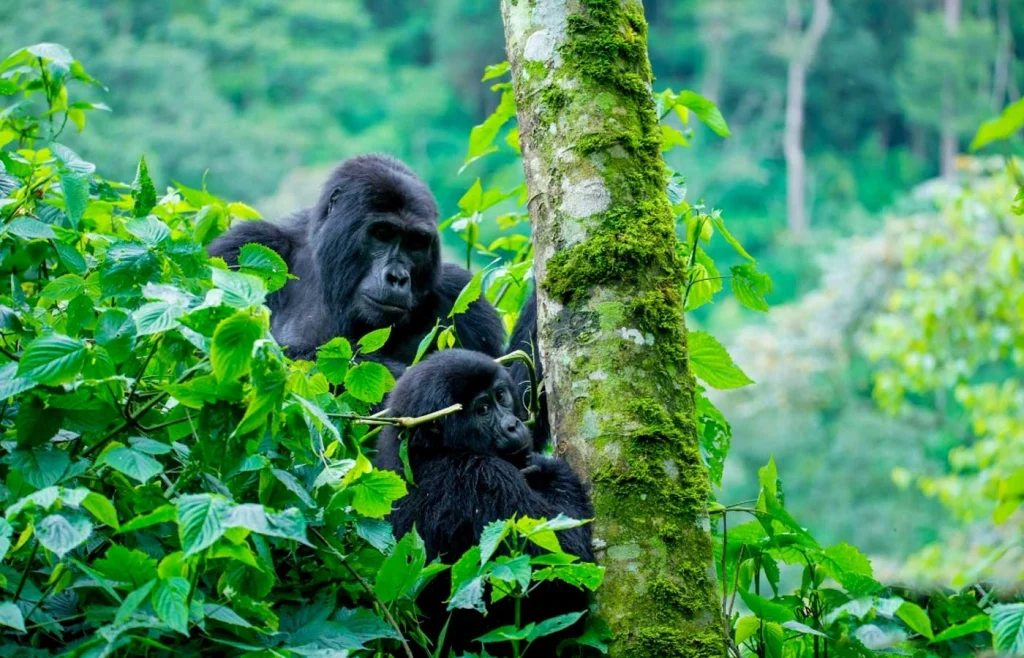
Gorilla Habituation Experience in Rushaga Sector. For travelers seeking a deeper and more immersive encounter with mountain gorillas, the Gorilla Habituation Experience in the Rushaga sector offers something truly extraordinary. Located in the southern part of Bwindi Impenetrable National Park, Rushaga is one of the most popular regions for gorilla trekking and the only sector where visitors can participate in the unique habituation experience.
Unlike standard gorilla trekking, which allows one hour with a fully habituated gorilla family, the habituation experience grants up to four hours in the presence of a semi-habituated group. This extended time provides rare insight into gorilla behavior, research efforts, and conservation work.
What is Gorilla Habituation?
Gorilla habituation is the gradual process through which wild gorillas become accustomed to human presence without altering their natural behavior. This careful and sensitive process can take two to three years and is conducted by researchers, trackers, and park rangers.
The Gorilla Habituation Experience allows visitors to join this process alongside trained professionals. Instead of simply observing a gorilla family that is already used to tourists, participants accompany researchers as they monitor, track, and gently familiarize a gorilla group with human observers.
This experience offers a more raw and authentic interaction, giving travelers a deeper understanding of gorilla conservation and social dynamics.
The Unique Appeal of Rushaga Sector
Rushaga sector is known for its high concentration of gorilla families and its stunning scenery. The landscape consists of rolling hills, thick rainforest, and breathtaking views of the Virunga Mountains in the distance.
Because Rushaga hosts both fully habituated and semi-habituated gorilla groups, it provides greater flexibility and availability for visitors. The terrain can be challenging, but the rewarding wildlife encounters and scenic beauty make every step worthwhile.
The sector’s biodiversity also includes forest birds, butterflies, and other primates, enriching the overall rainforest experience.
What to Expect on the Habituation Day
The Gorilla Habituation Experience begins early in the morning with a briefing at the park headquarters in Rushaga. Visitors are assigned to small groups of no more than four participants, ensuring minimal disturbance to the gorillas and a more personal adventure.
Accompanied by researchers, trackers, and armed rangers, the group ventures into the forest to locate the semi-habituated gorilla family. Tracking can take several hours, as these gorillas are less predictable and may move frequently.
Once located, visitors spend up to four hours observing the gorillas. During this time, researchers explain individual behaviors, family hierarchy, feeding habits, vocalizations, and ongoing conservation efforts. The extended period allows guests to witness a wider range of interactions — from playful juveniles to the powerful presence of the silverback.
Because the gorillas are still undergoing habituation, they may display curiosity or mild caution toward human presence, making the encounter feel especially authentic and intimate.
How the Habituation Experience Differs from Standard Trekking
The primary difference between standard gorilla trekking and the habituation experience is time and depth. Traditional trekking permits allow one hour with a fully habituated group of up to eight visitors. In contrast, the habituation experience limits the group to four visitors and allows up to four hours with the gorillas.
This longer duration offers greater opportunities for photography, observation, and learning. It also provides a behind-the-scenes look at conservation work that most travelers do not see.
For wildlife enthusiasts, photographers, researchers, and those seeking a more exclusive adventure, the habituation experience is often considered the ultimate gorilla encounter.
Physical Fitness and Preparation
The Gorilla Habituation Experience requires good physical fitness. The trek can be longer and more demanding than standard gorilla trekking because the gorilla group may be located deep within the forest.
The terrain in Rushaga is characterized by steep slopes, dense vegetation, and sometimes muddy trails. Visitors are advised to wear sturdy hiking boots, long-sleeved clothing, gloves for gripping vegetation, and to carry sufficient water.
Porters are available to assist with carrying bags and providing support on challenging sections of the hike. Hiring a porter not only eases the physical burden but also supports local livelihoods.
Best Time to Visit Rushaga Sector
The Gorilla Habituation Experience is available year-round, but the dry seasons from June to September and December to February are generally preferred. During these months, trails are less slippery, making trekking conditions more comfortable.
However, the rainy seasons bring lush green scenery and fewer visitors. Misty forest backdrops during these periods create dramatic and memorable photography conditions.
Regardless of season, the experience remains one of the most powerful wildlife encounters in Africa.
Conservation Impact of the Habituation Experience
Participating in the Gorilla Habituation Experience directly contributes to mountain gorilla conservation. Permit fees support anti-poaching patrols, research initiatives, and community development programs around Bwindi.
The careful management of visitor numbers ensures that gorillas are protected from stress and disease transmission. Strict guidelines — such as maintaining a safe distance and following ranger instructions — are enforced to safeguard both visitors and wildlife.
This sustainable tourism model has played a vital role in increasing mountain gorilla populations over the past decades.
Accommodation Options in Rushaga
Rushaga offers a range of accommodation options, from luxury forest lodges to mid-range and budget guesthouses. Many lodges are strategically located near trekking starting points, allowing easy early-morning access to the park.
Guests can relax after their trek with panoramic views of the forest canopy, warm hospitality, and locally inspired cuisine. The peaceful surroundings enhance the sense of immersion in nature.
A Deeper Connection with Mountain Gorillas
The Gorilla Habituation Experience in Rushaga sector is more than just a wildlife activity; it is an opportunity to participate in conservation and witness the gradual trust-building process between humans and gorillas.
Spending extended time in the presence of a gorilla family allows for a deeper emotional connection and a greater appreciation of their intelligence, social bonds, and gentle nature. Observing subtle behaviors over several hours creates memories that last a lifetime.