- EXPERT'S HELP
- +256789210067
- +256200955001
- info@kenlinktours.com


Game drive for big five safari in Uganda
November 8, 2026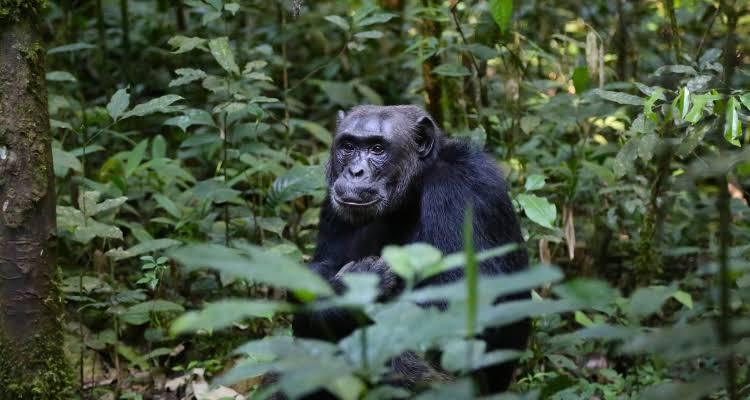
Uganda safaris for chimpanzee and gorilla tours are among the most moving wildlife experiences on Earth. Within a few days you can sit quietly in a misty rainforest with a family of mountain gorillas, then follow a noisy community of chimpanzees through the canopy of Africa’s richest primate forest. No other country makes it this easy to see both great apes in one trip, at a lower permit price than its neighbours. In this guide, the team at Kenlink Tours covers everything you need to plan a primate safari in Uganda: where to go, how the treks work, current and upcoming permit prices, when to travel, what to pack and sample itineraries you can book.
Why Uganda Is Africa’s Best Destination for Gorillas and Chimpanzees
Uganda is often called the “Primate Capital of Africa”, and for good reason. The country protects roughly half of the world’s remaining mountain gorillas, thousands of wild chimpanzees and more than 20 primate species in total. Here’s why so many travellers choose Uganda for their primate safari:
- Two great apes, one trip: Bwindi and Mgahinga for gorillas, Kibale and other forests for chimpanzees, all on a single road circuit.
- More affordable gorilla permits: A Uganda gorilla trekking permit costs US$800 for foreign non-residents, compared with US$1,500 in Rwanda.
- More gorilla families to choose from: Bwindi has dozens of habituated gorilla groups across four trekking sectors, so permits are easier to find than in many other places.
- Unique experiences: Uganda is one of the few places where you can join a full gorilla habituation experience or a chimpanzee habituation experience and spend up to four hours with the apes.
- Wildlife beyond primates: Combine your treks with game drives in Queen Elizabeth or Murchison Falls for lions, elephants and buffalo.
If you are wondering how long to spend with the gorillas and how to make the most of it, our article on spending more time with mountain gorillas is a good starting point.
Gorilla Trekking in Bwindi Impenetrable National Park
Bwindi Impenetrable National Park, a UNESCO World Heritage Site in south-western Uganda, is the heart of gorilla trekking in the country. This ancient rainforest covers steep, misty hills and valleys and is home to roughly half of all mountain gorillas left in the wild. For a detailed park overview, see the Bwindi Impenetrable Forest National Park guide by Pick and Transfer Safaris.
Bwindi is divided into four trekking sectors, each with its own gorilla families and lodges:
- Buhoma (north): The oldest trekking sector, where gorilla tourism in Uganda began in 1993. It has good lodges and relatively gentler trails, and it is easy to combine with Queen Elizabeth’s Ishasha sector.
- Ruhija (east): A high-altitude sector with cool temperatures, excellent birding and dramatic views.
- Rushaga (south): Has the largest number of habituated gorilla families and is the only place in Uganda offering the Gorilla Habituation Experience.
- Nkuringo (south-west): Known for steep but rewarding treks and spectacular views of the Virunga volcanoes.
The southern sectors (Rushaga and Nkuringo) are only about four to five hours by road from Kigali in Rwanda, compared with nine to ten hours from Entebbe or Kampala. This is why many travellers start their Uganda gorilla tours from Kigali. Our 2 Days Bwindi Gorilla Trek and 3 Days Bwindi Gorilla Safari Starting from Kigali use this short route. Pick and Transfer Safaris offers a comparable 2 Days Uganda Gorilla Tour Starting from Kigali.
Very short on time? A same-day trek is possible but demanding. We explain the pros and cons in 1-Day Gorilla Trekking in Bwindi from Kigali: Is It Possible? You can also see the 1 Day Uganda Gorilla Safari Starting from Kigali for another example.
Gorilla Trekking in Mgahinga Gorilla National Park
Mgahinga Gorilla National Park is Uganda’s smallest national park, tucked into the corner where Uganda, Rwanda and the Democratic Republic of Congo meet. It forms part of the Virunga Conservation Area, and its three extinct volcanoes (Muhabura, Gahinga and Sabyinyo) give it some of the most beautiful scenery in East Africa.
Mgahinga has one habituated gorilla family, the Nyakagezi group, so only a small number of trekkers can visit each day. That makes the experience intimate and peaceful. Mgahinga also offers:
- Golden monkey tracking: Follow these rare, bright orange-gold monkeys through the bamboo forest.
- Volcano hikes: Climb Mount Muhabura, Gahinga or Sabyinyo, where you can stand in three countries at once.
- The Batwa Trail: A cultural walk led by the Batwa, the forest’s original inhabitants.
Mgahinga is very close to the Rwandan border, so it is one of the quickest gorilla destinations to reach from Kigali. See our 2 Days Gorilla Trekking in Mgahinga Park via Kigali and the Mgahinga Gorilla National Park destination guide from Pick and Transfer Safaris.
What to Expect on a Gorilla Trekking Day
Here is how a typical gorilla trekking day with Kenlink Tours unfolds:
Early morning: After an early breakfast, your driver-guide takes you to the park headquarters of your trekking sector by about 7:30 am.
Briefing: Uganda Wildlife Authority (UWA) rangers welcome you, explain the gorilla trekking rules and assign you to a gorilla family. Groups are limited to a maximum of eight visitors per family per day. Trekkers must be at least 15 years old.
The trek: You set off with an armed ranger guide, while trackers go ahead to find the gorillas where they nested the night before. Depending on the gorillas’ movements, the trek can take anywhere from 30 minutes to six hours or more, often on steep, muddy and slippery trails. Porters are available at the park to carry your bag and help you on difficult sections. Hiring one is highly recommended, and it supports local families.
The magic hour: Once the family is found, you spend one full hour with them at a respectful distance. You may watch the silverback resting, mothers nursing infants and youngsters playing and tumbling through the vegetation. Many visitors say it is the most emotional hour of their lives.
Return: You walk back to the starting point and receive a gorilla trekking certificate. Afternoons are free for a community walk, a Batwa cultural experience or relaxing at your lodge.
The Gorilla Habituation Experience in Rushaga
For serious primate lovers, the Gorilla Habituation Experience in Bwindi’s Rushaga sector is the ultimate encounter. Instead of one hour, you spend up to four hours with a gorilla family that is still being habituated (gradually getting used to human presence). You join researchers and trackers as they follow the group, learn about gorilla behaviour and see the family go about its day.
Only a very small number of permits are available each day, so this experience must be booked well in advance. It is more physically demanding than standard trekking, and it is an extraordinary privilege.
Chimpanzee Tracking in Kibale Forest National Park
Kibale Forest National Park in western Uganda is widely considered the best place in East Africa to track wild chimpanzees. Its tropical rainforest is home to around 1,500 chimpanzees and 13 primate species, one of the highest concentrations of primates anywhere in Africa. For background, read the Kibale Forest National Park guide by Pick and Transfer Safaris.
Chimpanzee tracking in Kibale starts at the Kanyanchu Visitor Centre, with morning and afternoon sessions. The Kanyanchu chimpanzee community has been habituated since the early 1990s, so sighting success rates are above 90 percent. Once you find the chimps, you spend one hour with them.
Chimpanzee tracking is very different from gorilla trekking. Gorillas are calm and stay mostly on the ground. Chimpanzees are loud, fast and full of energy. You may hear them before you see them, with pant-hoots and drumming on tree buttresses echoing through the forest. You might see them feeding high in fig trees, grooming one another, or suddenly racing past along the forest floor. Along the way you will also see red colobus, black-and-white colobus, L’Hoest’s monkeys and grey-cheeked mangabeys.
Our 3 Days Chimp Tracking Safari to Kibale National Park includes chimpanzee tracking and a guided walk in the nearby Bigodi Wetland Sanctuary, a community-run swamp famous for birds and primates. You can compare it with the 3 Days Chimpanzee Tour in Uganda by Pick and Transfer Safaris.
The Chimpanzee Habituation Experience
Just like the gorilla version, the Chimpanzee Habituation Experience (CHEX) in Kibale lets you spend much longer with a chimp community, often from very early morning when they leave their nests until late in the day. You follow researchers and habituators, learning how chimps forage, communicate, hunt and settle disputes. It is ideal for photographers, researchers and anyone who wants a deeper understanding of our closest living relatives. Learn more in our guide to chimpanzee tracking and habituation in Uganda.
Other Chimpanzee Tracking Destinations in Uganda
Kibale is the most popular choice, but Uganda has several other excellent places to see chimpanzees, each with its own character:
- Budongo Forest (Murchison Falls Conservation Area): A large mahogany forest near Murchison Falls, perfect for combining chimpanzees with a Big Five game drive and a Nile boat cruise. Read about primate and wildlife safaris in Murchison Falls.
- Kyambura Gorge (Queen Elizabeth National Park): A dramatic sunken forest in the middle of the savannah, often called the “Valley of Apes”. Sightings are less certain than in Kibale, but the setting is unforgettable.
- Kalinzu Forest: A quiet forest reserve near Queen Elizabeth with good sighting rates and fewer visitors.
- Bugoma Forest: A lesser-known forest between Murchison and Kibale, and one of the most affordable chimp tracking options in Uganda.
- Toro-Semliki Wildlife Reserve: Home to savannah-dwelling chimpanzees studied by researchers, for adventurous travellers.
Gorilla Trekking vs Chimpanzee Tracking: Key Differences
| Feature | Gorilla Trekking | Chimpanzee Tracking |
|---|---|---|
| Main parks | Bwindi Impenetrable, Mgahinga | Kibale, Budongo, Kyambura, Kalinzu, Bugoma |
| Behaviour | Calm, mostly on the ground | Noisy, fast-moving, often high in trees |
| Group size | Families of about 5–30 members | Communities that can number over 100 |
| Time with apes | 1 hour (up to 4 hours on habituation) | 1 hour (most of the day on habituation) |
| Minimum age | 15 years | 12 years |
| Trek difficulty | Moderate to challenging; steep terrain | Easy to moderate; flatter forest trails |
| Sighting success | Very high | Over 90% in Kibale |
Both experiences are special, and they complement each other. That’s why the best Uganda primate safaris include both.
Gorilla and Chimpanzee Permit Prices in Uganda (2026–2027)
Permits are issued by the Uganda Wildlife Authority and are limited in number to protect the apes. Here are the current rates for foreign non-residents and the new rates announced for 2027:
| Permit | Current Rate (2026) | From 1 January 2027 |
|---|---|---|
| Gorilla trekking (Bwindi & Mgahinga) | US$800 | US$800 (no change) |
| Gorilla trekking – low season (April, May, November) | US$600 | US$600 |
| Gorilla Habituation Experience (Rushaga) | US$1,500 | US$1,800 |
| Chimpanzee tracking – Kibale | US$250 | US$300 |
| Chimpanzee tracking – Kibale, low season | US$200 | US$200 |
| Chimpanzee Habituation Experience – Kibale | US$300 | US$400 |
| Chimpanzee tracking – Kyambura Gorge | US$100 | US$200 |
Note: Rates are per person and set by UWA, which may revise them without notice. Contact us for confirmed prices when you book.
Money-saving tip: Travelling in April, May or November lets you take advantage of the discounted low-season gorilla and chimpanzee permits. Book any 2027 trip early. Permits are priced on the date of travel, and availability in the peak months of June to September and December to February goes quickly.
As a rough guide, complete gorilla and chimpanzee safari packages (transport, driver-guide, accommodation, meals and permits) typically start from around US$1,200–$1,600 per person for short 2–3 day gorilla trips. Combined primate safaris of 5–7 days typically range from US$2,000 to over US$4,000 per person, depending on accommodation. Joining one of our group tours, such as the scheduled 5-day Gorilla Trekking Safari, is a great way to reduce costs.
Best Time for Gorilla and Chimpanzee Tours in Uganda
Gorillas and chimpanzees can be tracked all year round in Uganda. Even so, the season affects how easy the trails are.
Dry seasons (June to September and December to February): Trails are drier and less slippery, so treks are generally easier and photography is better. These are the most popular months, so book permits three to six months ahead.
Wet seasons (March to May and October to November): Forests are lush and green, there are fewer visitors and permits are discounted in April, May and November. Expect mud and some rain, usually in afternoon showers. Chimpanzees can be easier to find in the rainy season when fruit is plentiful.
We often recommend the shoulder periods of late February, early June and late November for a balance of good conditions, fewer crowds and value.
Sample Uganda Chimpanzee and Gorilla Tour Itineraries
Every Kenlink Tours safari is tailor-made, but these popular itineraries show how a Uganda primate safari can be arranged.
Option 1: 2–3 Day Short Gorilla Trek
Best for travellers with limited time, especially those flying in and out of Kigali. Choose Bwindi or Mgahinga, spend one full day trekking and add a Kigali city tour or a visit to Lake Bunyonyi. Want to see two different gorilla families? Our 3 Day Bwindi Double Gorilla Trek Through Kigali includes two treks. A similar option is the 3 Days Uganda Gorilla Safari from Rwanda.
Option 2: 4–5 Day Gorilla Safari by Road from Entebbe
- Day 1: Drive from Entebbe/Kampala via the Equator to Lake Mburo National Park.
- Day 2: Morning game drive or boat trip, then continue to Bwindi.
- Day 3: Gorilla trekking and an optional Batwa cultural experience.
- Day 4: Relax at Lake Bunyonyi or start the return journey.
- Day 5: Return to Kampala/Entebbe.
See our 5-Day Short Uganda Gorilla Trekking Safari by road and our Gorilla Trek and Lake Bunyonyi Tour. Pick and Transfer Safaris’ 3 Days Uganda Gorilla Safari is a shorter alternative.
Option 3: 5–7 Day Gorilla and Chimpanzee Safari
- Day 1: Drive to Kibale Forest via Fort Portal’s tea plantations and crater lakes.
- Day 2: Morning chimpanzee tracking in Kibale, afternoon Bigodi Wetland walk.
- Day 3: Transfer to Queen Elizabeth National Park; afternoon Kazinga Channel boat cruise.
- Day 4: Morning game drive in Kasenyi, then continue through Ishasha (tree-climbing lions) to Bwindi.
- Day 5: Gorilla trekking in Bwindi.
- Day 6–7: Lake Bunyonyi or Lake Mburo, then return to Kampala/Entebbe, or exit via Kigali.
This classic route combines both great apes with savannah wildlife. Read our Gorilla Trek and Queen Elizabeth Safari guide for costs and a full sample plan. Similar packages include the 5-Day Uganda Gorilla and Chimpanzee Safari and, for travellers starting in Kigali, the 5 Days Uganda Gorilla and Chimps Safari Starting from Rwanda.
Option 4: 10+ Day Ultimate Primate and Wildlife Safari
With ten days or more, you can track rhinos at Ziwa, enjoy game drives and a Nile cruise in Murchison Falls, track chimps in Budongo or Kibale, explore Queen Elizabeth and finish with gorillas in Bwindi. Our 10-day trip to Murchison Falls, Kibale, Queen Elizabeth and Bwindi is the perfect example. You may also like the 10 Days Uganda Primates and Wildlife safari.
Combining Uganda and Rwanda on a Primate Safari
Uganda and Rwanda sit side by side, so many travellers combine both. A common route is to fly into Kigali, track golden monkeys in Rwanda’s Volcanoes National Park, cross into Uganda for gorillas in Bwindi or Mgahinga and chimpanzees in Kibale, then return to Kigali. Some travellers even trek gorillas in both countries to compare the experiences. Our guide to tours combining Uganda and Rwanda explains the options, and our article on combining gorilla trekking and wildlife safaris in one trip shows how to add savannah game drives too. For more cross-border ideas, browse the gorilla safaris from Pick and Transfer Safaris.
Where to Stay on a Uganda Gorilla and Chimpanzee Safari
Each trekking area has lodges for every budget. We always book accommodation in the correct sector for your permit, which is very important in Bwindi, where the sectors are hours apart by road. Popular choices include:
- Bwindi – Buhoma: Buhoma Lodge, Mahogany Springs, Bwindi Lodge, and budget community guesthouses.
- Bwindi – Rushaga & Nkuringo: Gorilla Safari Lodge, Clouds Mountain Gorilla Lodge, Nkuringo Bwindi Gorilla Lodge, and simpler options nearby.
- Mgahinga / Kisoro: Mount Gahinga Lodge, Lake Mutanda lodges, and comfortable hotels in Kisoro town.
- Kibale: Kyaninga Lodge, Primate Lodge Kibale, Chimpanzee Forest Lodge, and Kibale Guest Cottages for budget travellers.
What to Pack for Gorilla and Chimpanzee Trekking
- Waterproof hiking boots with good grip for steep, muddy trails
- Long trousers and long-sleeved shirts to protect against nettles, thorns and insects
- Gardening gloves for grabbing branches and vines
- A light rain jacket or poncho, since rain can fall at any time in the rainforest
- Gaiters or long socks to tuck trousers into and keep out safari ants
- A small daypack with drinking water, snacks and a packed lunch
- A camera without flash (flash photography is not allowed with the apes) and spare batteries
- Insect repellent and sunscreen
- Your passport, which is needed at the trekking briefing to match your permit
- Yellow fever vaccination certificate, required for entry to Uganda
Gorilla and Chimpanzee Trekking Rules
These rules protect the apes, which are vulnerable to human illnesses, and keep you safe:
- Do not trek if you have a cold, flu or any contagious illness.
- Keep a distance of at least seven metres (about 21 feet) from the apes.
- Wear a face mask when asked to by your ranger.
- Do not eat, drink or smoke near the gorillas or chimpanzees.
- Keep your voice low and avoid sudden movements. If a gorilla charges, stay calm, crouch down and follow your ranger’s instructions.
- Never use flash photography.
- Stay with your group and do not leave litter in the forest.
Fitness Tips for Your Primate Trek
You do not need to be an athlete to trek gorillas or chimpanzees, but a reasonable level of fitness makes it much more enjoyable. In the weeks before your safari, take regular walks, preferably on hills or stairs. On the day, pace yourself, drink plenty of water and use a walking stick (provided at the park). If you are worried about fitness, tell us when you book. We can request an easier gorilla family where possible, and porters are always available to help.
Other Primates and Wildlife You Will See Along the Way
A Uganda chimpanzee and gorilla tour offers far more than the two great apes. The forests and savannahs you pass through are full of other wildlife, and many of our guests say these “bonus” sightings were a highlight of their trip:
- Golden monkeys: Found in the bamboo zones of Mgahinga, these playful, endangered monkeys are a joy to photograph.
- Colobus monkeys: Kibale and Bigodi are home to both the striking black-and-white colobus and the rare Uganda red colobus.
- L’Hoest’s monkeys and grey-cheeked mangabeys: Commonly seen on the forest trails of Kibale and Bwindi.
- Nocturnal primates: On a guided night walk in Kibale, you may spot bush babies (galagos) and the slow-moving potto.
- Forest birds: Bwindi alone protects many Albertine Rift endemic birds, such as the African green broadbill, which makes it a top destination for birders.
- Savannah wildlife: Itineraries that pass through Queen Elizabeth or Murchison Falls add lions, elephants, buffalo, hippos and leopards to your list.
Photography Tips for Gorilla and Chimpanzee Treks
Photographing great apes in a dark rainforest is very different from photographing animals on the open savannah. These tips will help you come home with images you are proud of:
- Use a fast lens: The forest floor is shady. A lens with a wide aperture (f/2.8 to f/4) and a focal length of around 24–200mm is ideal. Gorillas are often closer than you expect.
- Raise your ISO: Modern cameras handle high ISO well. Use ISO 1600–6400 to keep shutter speeds fast enough to freeze movement, especially for active chimpanzees.
- Focus on the eyes: A sharp eye makes a powerful primate portrait. Use single-point autofocus and aim for the nearest eye.
- Switch off the flash: Flash is not allowed and can stress the animals. Also turn off focus-assist lights and shutter sounds where possible.
- Protect your gear: Bring a rain cover or plastic bag and a small towel, as forest showers arrive suddenly.
- Put the camera down for a moment: Your hour passes quickly. Spend part of it simply watching. Those memories often last longer than any photo.
Responsible Primate Tourism and Conservation
Mountain gorillas were once on the brink of extinction. Thanks to strict conservation and well-managed tourism, their numbers have been slowly increasing. A share of every gorilla permit goes to the communities living around the parks. This gives local people a direct reason to protect the forests. When you hire a porter, buy local crafts or join a Batwa or community experience, you add to that impact.
Chimpanzees face their own threats, including habitat loss, snares set for other animals and the illegal pet trade. The fees from chimpanzee tracking in Kibale, Budongo and Kyambura help pay for ranger patrols, snare removal and long-term research programmes that have taught the world much of what we know about chimpanzee behaviour. By choosing a licensed operator and following the trekking rules, you help keep these forests safe for the next generation of travellers and, most importantly, for the apes themselves.
At Kenlink Tours, we follow responsible tourism practices on every trip. We respect park rules, work with local guides and lodges, and support the communities that share their land with these remarkable apes.
Why Book Your Uganda Primate Safari with Kenlink Tours
Kenlink Tours is a Kampala-based safari company that has been creating personalised African adventures since 2015. When you book your gorilla and chimpanzee tour with us, you get:
- Secured permits: We book your gorilla and chimp permits in advance and match them to the right sector and lodge.
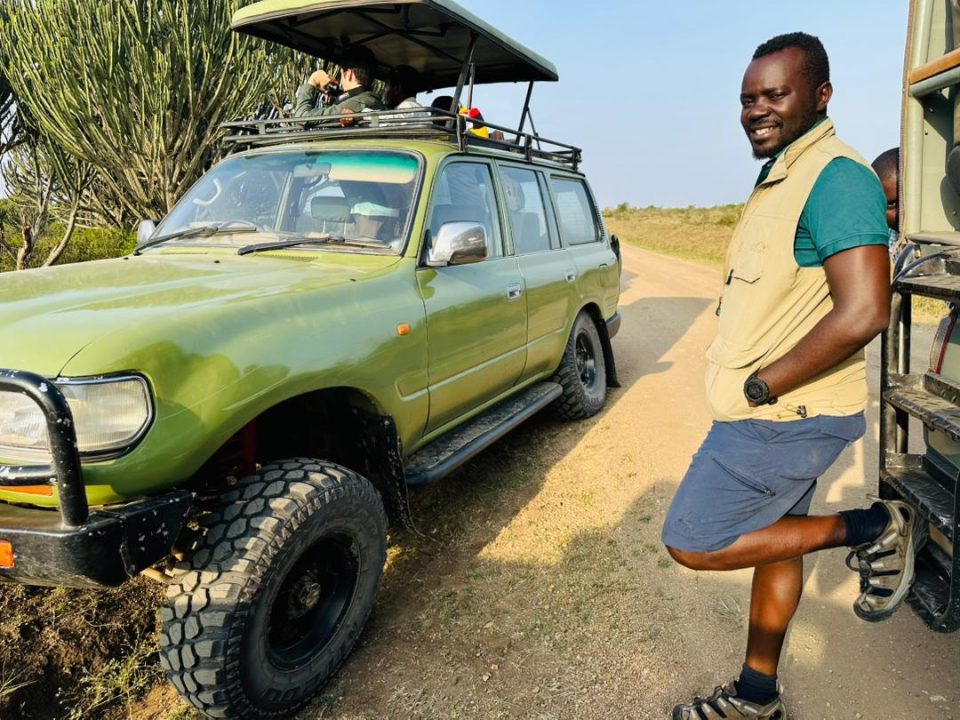
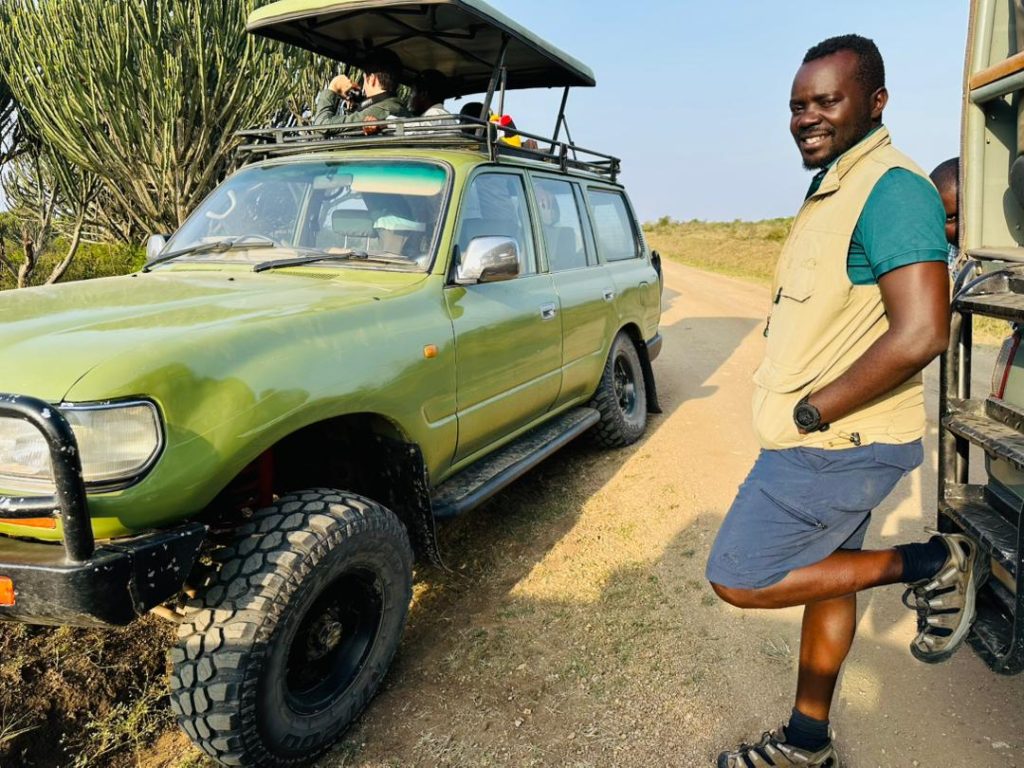
- Expert local guides: Our driver-guides are members of the Uganda Safari Guides Association and know Uganda’s forests and parks in depth.
- Tailor-made itineraries: From a 2-day gorilla trek to a 3-week primate and wildlife expedition.
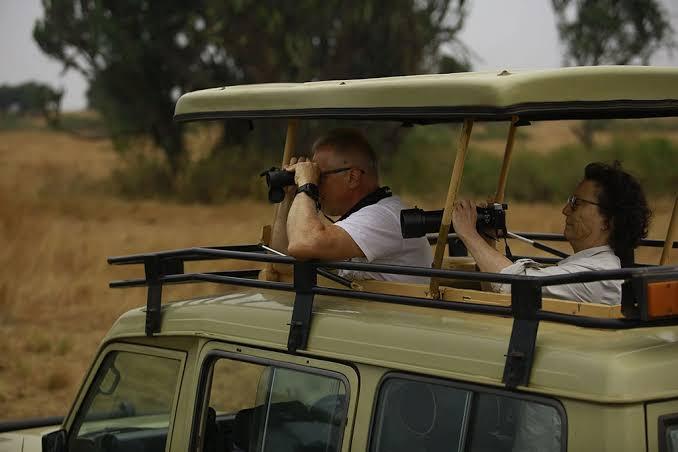
- Comfortable 4×4 vehicles: Pop-up roofs for game drives, onboard drinking water and charging.
- Licensed and trusted: We work with UWA and the Uganda Tourism Board and are members of TUGATA.
Explore our best African tours and safari packages, or join our scheduled departure safari, which includes gorilla trekking, chimpanzee tracking and wildlife in nine days.
Frequently Asked Questions About Uganda Gorilla and Chimpanzee Tours
Can I see gorillas and chimpanzees on the same trip in Uganda?
Yes. Uganda is the best country for this. A 5–7 day safari can easily include chimpanzee tracking in Kibale and gorilla trekking in Bwindi, with a game drive in Queen Elizabeth on the way.
How much is a gorilla permit in Uganda?
A gorilla trekking permit costs US$800 for foreign non-residents, or US$600 during the low-season months of April, May and November. The price stays at US$800 in 2027.
How much is a chimpanzee permit in Uganda?
Chimpanzee tracking in Kibale currently costs US$250 (US$200 in the low season). It rises to US$300 from 1 January 2027.
Which is better for gorilla trekking, Bwindi or Mgahinga?
Bwindi has many more gorilla families and permits, so it is easier to book. Mgahinga has only one family and gives a quieter, more exclusive experience with volcano scenery and golden monkeys.
How long does gorilla trekking take?
Anywhere from 30 minutes to six hours or more, depending on where the gorillas are. Once you find them, you spend one hour with the family.
What is the minimum age for gorilla and chimpanzee trekking?
Gorilla trekking is for visitors aged 15 and above. Chimpanzee tracking in Kibale is for visitors aged 12 and above.
How far in advance should I book my permits?
We recommend booking three to six months ahead, and even earlier for the peak months or for habituation experiences.
Book Your Uganda Chimpanzee and Gorilla Tour Today
There is nothing quite like looking into the eyes of a wild mountain gorilla or hearing a chimpanzee community call through the rainforest canopy. Uganda safaris for chimpanzee and gorilla tours give you both experiences in one unforgettable journey, along with beautiful landscapes, savannah wildlife and warm Ugandan hospitality.
Let our team handle the permits, logistics and planning while you focus on the adventure. Contact Kenlink Tours today, call or WhatsApp +256 789 210 067, or email info@kenlinktours.com to start planning your Uganda primate safari.