Gorilla trekking briefing & guidance — Uganda and Rwanda. Gorilla trekking in Uganda and Rwanda is one of the most remarkable wildlife experiences in the world. Seeing mountain gorillas in their natural habitat offers a once-in-a-lifetime adventure, combining physical activity, close wildlife encounters, and an understanding of conservation. However, to ensure safety and respect for these endangered primates, proper briefing and guidance is essential before embarking on a trek.
This guide explains what a gorilla trekking briefing involves, what guidance to expect, and how it prepares trekkers for a safe, responsible, and unforgettable encounter with mountain gorillas.
The Importance of Gorilla Trekking Briefings
A gorilla trekking briefing is a critical part of every safari in Uganda and Rwanda. The briefing is usually conducted at the park headquarters before the trek begins and serves multiple purposes:
Educating visitors about gorilla behavior
Explaining safety rules and protocols
Providing guidance on photography and etiquette
Preparing trekkers physically and mentally for forest conditions
These briefings ensure that trekkers understand the importance of their actions during the trek and help minimize risks to both humans and gorillas.
What to Expect During a Gorilla Trekking Briefing
Before heading into the forest, park rangers and guides provide a comprehensive briefing. Typically, the briefing covers the following areas:
1. Gorilla Behavior and Social Structure
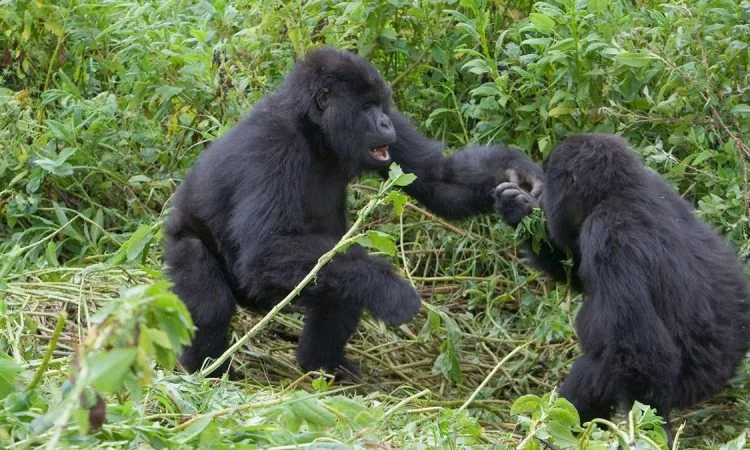
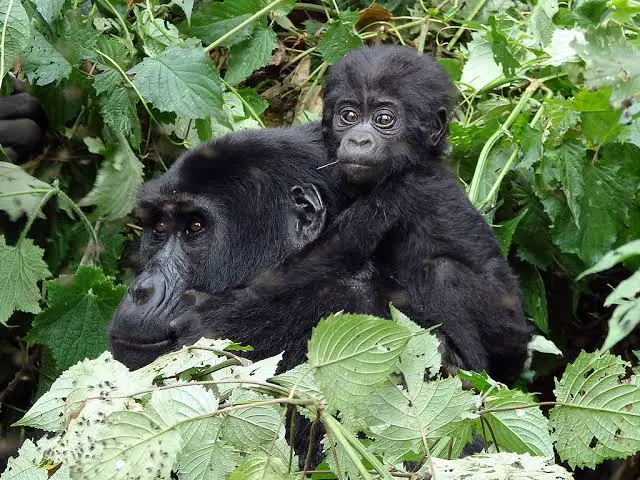
Visitors learn about the dynamics of gorilla families, including the roles of silverbacks, females, and juveniles. Understanding gorilla behavior helps trekkers anticipate movements and interpret gestures, making the experience more meaningful and safer.
2. Safety Rules
Safety is a top priority. Trekkers are informed about maintaining a safe distance (usually 7 meters), avoiding sudden movements, and not touching or feeding gorillas. The briefing also explains how to react in case a gorilla approaches or shows signs of agitation.
3. Photography and Video Guidelines
Flash photography is prohibited because it can startle gorillas. The briefing provides tips on the best angles, camera settings, and how to take photos respectfully without disturbing the animals.
4. Health Precautions
Visitors are reminded that gorillas are susceptible to human diseases. If someone has flu-like symptoms, coughing, or fever, they may be denied participation to protect the gorillas. Hand sanitization and wearing masks are often mandatory.
5. Physical Preparation and Trail Guidance
The briefing includes advice on trekking clothing, footwear, and trekking pace. Trekkers are informed about the trail conditions, possible mud, steep slopes, and the estimated duration of the hike.
Key Guidance Provided by Park Rangers
Rangers are trained professionals who provide guidance throughout the trek. Their instructions are designed to ensure the safety of visitors and the protection of gorillas. Key aspects include:
Maintaining Safe Distances
Rangers guide trekkers to maintain the appropriate distance from gorillas. This protects both humans and wildlife from potential harm while allowing for clear observation and photography.
Controlling Group Movement
Rangers lead the group along forest trails, instructing trekkers when to move, stop, or adjust positions. This ensures everyone can enjoy the experience safely and prevents crowding or disturbing gorilla families.
Reading Gorilla Behavior
Rangers interpret gorilla gestures and sounds, signaling trekkers about their mood or activity. For instance, a chest-beating silverback may indicate dominance or mild agitation. Following ranger signals helps trekkers respond appropriately.
Ensuring Quiet Observation
Minimizing noise is crucial. Rangers remind trekkers to speak softly or remain silent, avoiding sudden movements or loud exclamations. This helps create a calm environment conducive to natural gorilla behavior.
Preparing for Your Gorilla Trek in Uganda and Rwanda
Preparation starts before leaving your accommodation. Here are key tips to maximize safety and enjoyment:
1. Appropriate Clothing
Long sleeves and trousers protect against scratches, insect bites, and thorny vegetation. Neutral colors like green, brown, or grey help trekkers blend into the forest environment.
2. Sturdy Footwear
Waterproof hiking boots with good grip are essential due to muddy or steep terrain. Trekking poles can also provide additional support.
3. Lightweight Backpacks
Carry essential items only, such as water, snacks, camera gear, hand sanitizer, and rain protection. Overpacking makes trekking difficult and reduces mobility.
4. Health and Fitness
Gorilla trekking can last from 1 to 8 hours depending on gorilla locations. Basic fitness and stamina help ensure trekkers complete the trek comfortably. Hiring a porter is recommended, especially for longer hikes or for carrying camera equipment.
The Trekking Briefing Process Step by Step
A typical gorilla trekking day in Uganda or Rwanda begins with the briefing:
Arrival at the Park Headquarters
Trekkers check in, confirm permits, and meet their guides and porters.
Safety Briefing
Rangers explain park rules, discuss gorilla behavior, and outline emergency procedures.
Gear Check
Rangers verify that trekkers have appropriate clothing, shoes, and necessary equipment.
Group Formation
Trekkers are divided into groups based on trekking sectors, fitness levels, and permit allocations.
Final Instructions
Rangers demonstrate hand signals, gestures, and verbal cues to be used during the trek. This includes what to do if a gorilla approaches or moves unexpectedly.
Hand Signals and Gestures During Gorilla Trekking
Understanding ranger signals is crucial for safety. Common hand signals and gestures include:
Stop (Hand Raised, Palm Forward): Halt immediately, often when a gorilla is near.
Move Slowly (Hand Waving Forward): Advance cautiously without sudden movements.
Come Closer (Hand Motioning Forward, Palm Down): Approach carefully when safe.
Stay Behind (Palm Down, Moving Side to Side): Keep the group behind the ranger to avoid startling gorillas.
These gestures allow trekkers to navigate the forest safely and follow the ranger’s lead.
Gorilla Etiquette and Ethical Considerations
During trekking, proper behavior is essential to protect gorillas:
Maintain Distance: Avoid approaching gorillas closer than instructed.
Avoid Flash Photography: Flash can startle animals.
Stay Calm: Move slowly and avoid loud noises.
Do Not Feed or Touch: Human contact can transmit diseases and disrupt natural behavior.
Following etiquette guidelines preserves the gorillas’ natural habitat and ensures that future tourists can enjoy similar experiences.
Photography Guidance During the Trek
Photography is a major aspect of gorilla trekking, but it must be done responsibly:
Use Natural Light: Forest conditions can be dim, so adjust ISO and aperture for best results.
Avoid Flash: Flash can disturb gorillas and is often prohibited.
Stabilize Your Camera: Use both hands or a monopod for clear shots.
Respect Ranger Instructions: Only take photos when signaled safe by the guide.
These tips ensure memorable photos without compromising safety or animal welfare.
Health Precautions During Gorilla Trekking
Health measures are critical to protect both trekkers and gorillas:
Masks and Sanitization: Many parks require face masks and hand hygiene before encounters.
Avoid Trekking if Ill: Symptoms like fever, cough, or flu can transmit diseases to gorillas.
Vaccinations: Some vaccinations may be recommended before traveling.
Rangers enforce these health protocols to safeguard the fragile gorilla populations.
Cultural and Educational Briefing
In addition to safety instructions, briefings often include cultural and conservation education:
Conservation Efforts: Learn how gorilla permits fund anti-poaching patrols, habitat protection, and community development.
Local Communities: Understand how tourism supports livelihoods near the parks.
Forest Ecosystems: Rangers explain the ecological role of gorillas and other wildlife.
This education enhances the trekking experience, turning it into a meaningful conservation-focused journey.
Preparing Mentally for the Trek
Gorilla trekking is not only physically challenging but emotionally intense. Seeing gorillas in their natural environment evokes awe, respect, and sometimes tears. The briefing helps trekkers mentally prepare by:
Explaining what to expect during the hike
Reducing anxiety about close encounters
Teaching how to respond calmly to unexpected situations
Being mentally prepared ensures a fulfilling and safe experience.
Post-Trek Guidance
After the trek, rangers often provide guidance on:
Exiting the Park Safely: Group coordination and trail navigation back to headquarters.
Photography Review: Tips for organizing and preserving photos.
Feedback and Conservation Support: Opportunities to learn more or contribute to gorilla protection programs.
Post-trek guidance ensures that the experience ends safely and that visitors leave with a greater understanding of conservation.
Why Professional Guidance Matters
Experienced rangers and guides are essential for a successful trek. Their expertise ensures that trekkers:
Observe gorillas safely without stressing the animals
Navigate difficult forest terrain effectively
Gain insights into primate behavior and ecosystem dynamics
Support local conservation initiatives
Choosing a reputable operator, such as Kenlink Tours, guarantees that your trekking experience is professionally managed, educational, and safe.
Maximizing Your Gorilla Trekking Experience
A gorilla trekking briefing and guidance session is much more than a formal instruction—it is the foundation for a safe, respectful, and unforgettable wildlife encounter. By understanding ranger instructions, hand signals, and ethical considerations, trekkers can enjoy every moment in the forest while protecting endangered mountain gorillas.
Proper preparation, attentiveness, and cooperation with rangers transform a gorilla trek into a once-in-a-lifetime experience, leaving travelers with lasting memories and a deep appreciation for conservation efforts in Uganda and Rwanda.
Booking Gorilla Safari with Kenlink Tours
At Kenlink Tours, we specialize in organizing seamless gorilla safaris in both Rwanda and Uganda. Whether you prefer a luxury short escape or an extended wildlife adventure, we help you plan the perfect journey tailored to your needs.
Would you wish to make a booking for a gorilla or wildlife safari, you may contact our 24/7 team on emails: info@kenlinktours.com or inquiries@kenlinktours.com for a better planning and memorable safari experience.
 +256 789 210067