- EXPERT'S HELP
- +256789210067
- +256200955001
- info@kenlinktours.com


How to See Mountain Gorillas on a Budget Safaris in Uganda
February 28, 2026
Uganda–Rwanda Combined Safaris
March 1, 2026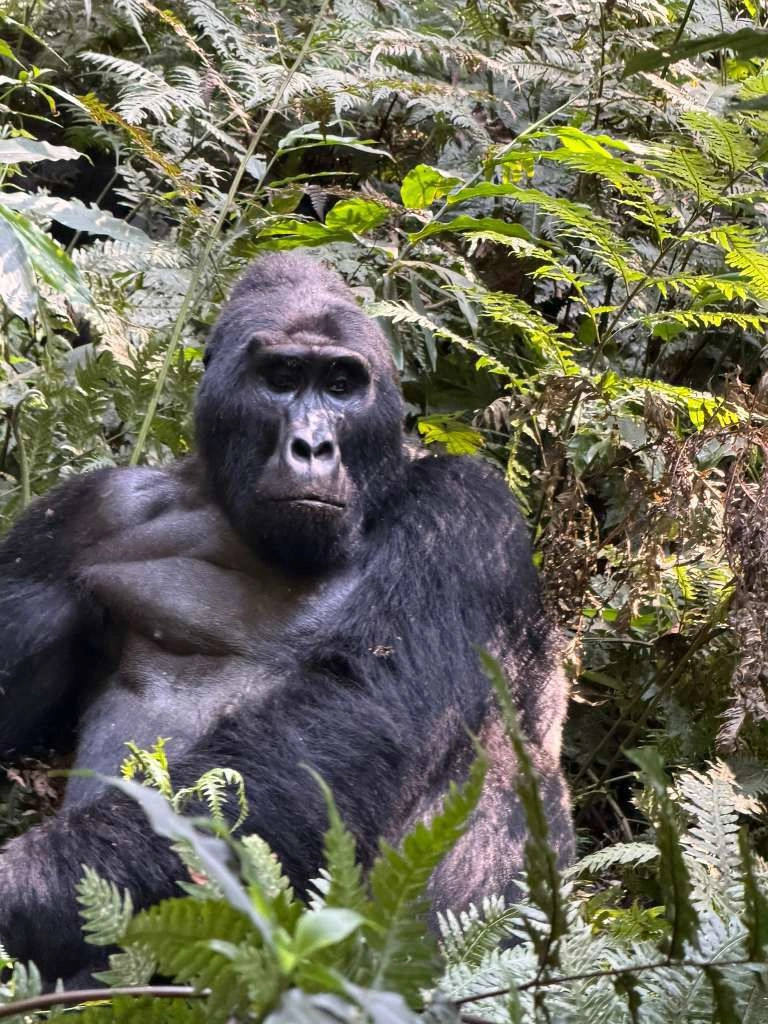
Gorilla Trekking Safaris in Uganda and Rwanda are among the most extraordinary wildlife encounters on Earth. It offers travelers the rare privilege of observing endangered mountain gorillas in their natural forest habitats, surrounded by misty hills, ancient rainforests, and rich biodiversity. This experience is deeply emotional, educational, and transformative, leaving a lasting impression long after the trek is over.
Uganda and Rwanda are globally recognized as the best destinations for gorilla trekking, sharing the remaining population of mountain gorillas within carefully protected national parks. Through responsible tourism and conservation-led management, both countries have made gorilla trekking safe, sustainable, and rewarding for visitors while directly supporting conservation and local communities.
Understanding Mountain Gorillas and Their Habitat
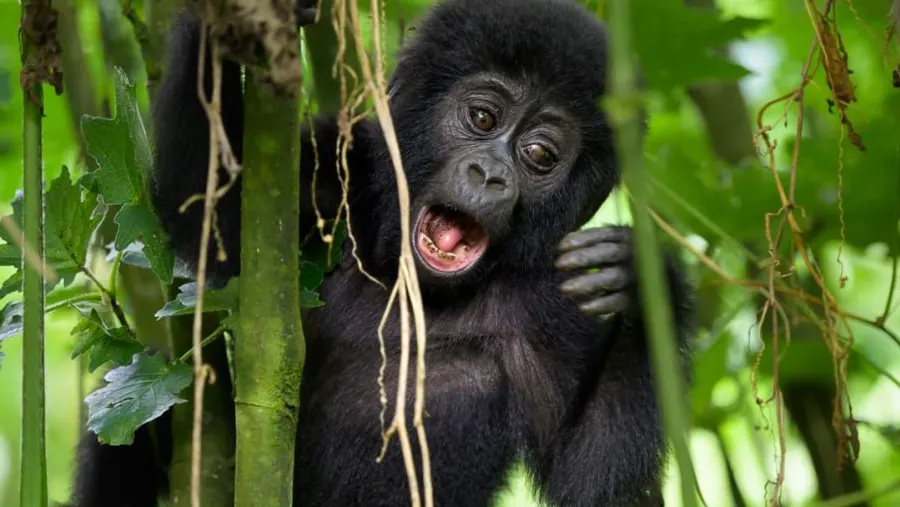
Mountain gorillas are a subspecies of eastern gorillas, living only in the high-altitude forests of East and Central Africa. Their habitat spans the Virunga Mountains and the Bwindi forest ecosystem, areas characterized by thick vegetation, rugged terrain, and cool temperatures.
These gorillas live in close-knit family groups led by a dominant silverback. Observing their social interactions—grooming, playing, feeding, and resting—provides remarkable insight into their intelligence and emotional depth. Because of their limited population and vulnerability to human disease, trekking is strictly regulated, ensuring minimal disturbance and long-term survival.
Gorilla Trekking Destinations in Uganda
Uganda is home to over half of the world’s remaining mountain gorillas, making it one of the most important destinations for gorilla trekking in Africa.
Bwindi Impenetrable National Park
Bwindi Impenetrable National Park is Uganda’s premier gorilla trekking destination. Located in the southwestern part of the country, the park is a UNESCO World Heritage Site known for its dense rainforest and exceptional biodiversity. Bwindi hosts several habituated gorilla families spread across four main trekking sectors: Buhoma, Ruhija, Rushaga, and Nkuringo. Each sector offers different landscapes and trekking challenges, making Bwindi suitable for a wide range of travelers.
Mgahinga Gorilla National Park
Mgahinga Gorilla National Park is part of the Virunga conservation area and lies along Uganda’s borders with Rwanda and the Democratic Republic of Congo. Though smaller than Bwindi, Mgahinga offers a unique trekking experience with stunning volcanic scenery and fewer visitors. It is also the only park in Uganda where travelers can combine gorilla trekking with golden monkey tracking.
Gorilla Trekking Destination in Rwanda
Rwanda offers gorilla trekking exclusively in Volcanoes National Park
Volcanoes National Park, located in the northwestern part of the country. The park is characterized by bamboo forests, open meadows, and a chain of dramatic volcanoes.
Rwanda is particularly attractive for travelers seeking convenience and luxury. The park is easily accessible from Kigali, with a drive time of approximately two to three hours. This makes Rwanda an excellent choice for short safaris or travelers with limited time who still want a premium gorilla trekking experience.
Gorilla Trekking Permits and Regulations
Gorilla trekking permits are mandatory for all visitors and are issued by national wildlife authorities in each country. A permit allows one hour of observation with a habituated gorilla family, accompanied by experienced rangers and trackers.
Permits are limited in number each day to reduce stress on the gorillas and protect their habitat. Because demand is high throughout the year, especially during peak travel seasons, securing permits well in advance is essential.
Strict rules govern gorilla trekking, including maintaining a safe distance, limiting group sizes, and following ranger instructions at all times. These regulations ensure both visitor safety and the continued well-being of the gorillas.
What to Expect on a Gorilla Trekking Experience
Gorilla trekking begins early in the morning with a briefing at the park headquarters. Visitors are assigned to specific gorilla families based on fitness levels, trekking conditions, and gorilla locations.
The trek itself can last anywhere from one to six hours, depending on how far the gorillas have moved. The terrain may include steep slopes, muddy trails, and dense vegetation. While physically demanding at times, the experience is incredibly rewarding.
Once the gorillas are located, visitors are allowed exactly one hour to observe them. During this time, photography is permitted without flash, and visitors can quietly watch the gorillas interact in their natural environment. This close encounter is often described as one of the most powerful wildlife experiences in the world.
Uganda vs Rwanda: Choosing the Right Destination
Both Uganda and Rwanda offer exceptional gorilla trekking experiences, but each destination appeals to different types of travelers.
Uganda is ideal for those seeking:
-
A more adventurous trekking experience
-
Lower overall safari costs
-
Opportunities to combine gorillas with diverse wildlife safaris
-
Longer stays and deeper exploration
Rwanda is best suited for travelers who prefer:
-
Shorter travel times
-
Luxury accommodation options
-
Well-developed infrastructure
-
Compact, high-end itineraries
Many travelers choose to combine both countries for a richer and more comprehensive East African experience.
Best Time to Go Gorilla Trekking
Gorilla trekking is available year-round in both Uganda and Rwanda. However, the best conditions are generally during the dry seasons, which occur from June to September and from December to February.
During these months, trails are less slippery, making hiking easier. The wet seasons bring heavier rainfall, which can make trekking more challenging, but they also offer lush scenery, fewer visitors, and sometimes better lodge availability.
Regardless of the season, gorilla sightings are virtually guaranteed since the gorillas remain within the parks year-round.
Fitness Level and Trekking Difficulty
Gorilla trekking requires a moderate level of physical fitness, though difficulty varies depending on the assigned gorilla family. Some groups are closer to the trailheads, while others require longer hikes at higher elevations.
Porters are available and highly recommended. Hiring a porter not only eases the physical burden but also supports local livelihoods. Travelers with specific fitness concerns should communicate this in advance so that suitable arrangements can be made where possible.
Combining Gorilla Trekking with Other Safaris
One of the major advantages of gorilla trekking in Uganda is the ability to combine it with classic wildlife safaris and primate experiences.
Popular combinations include:
-
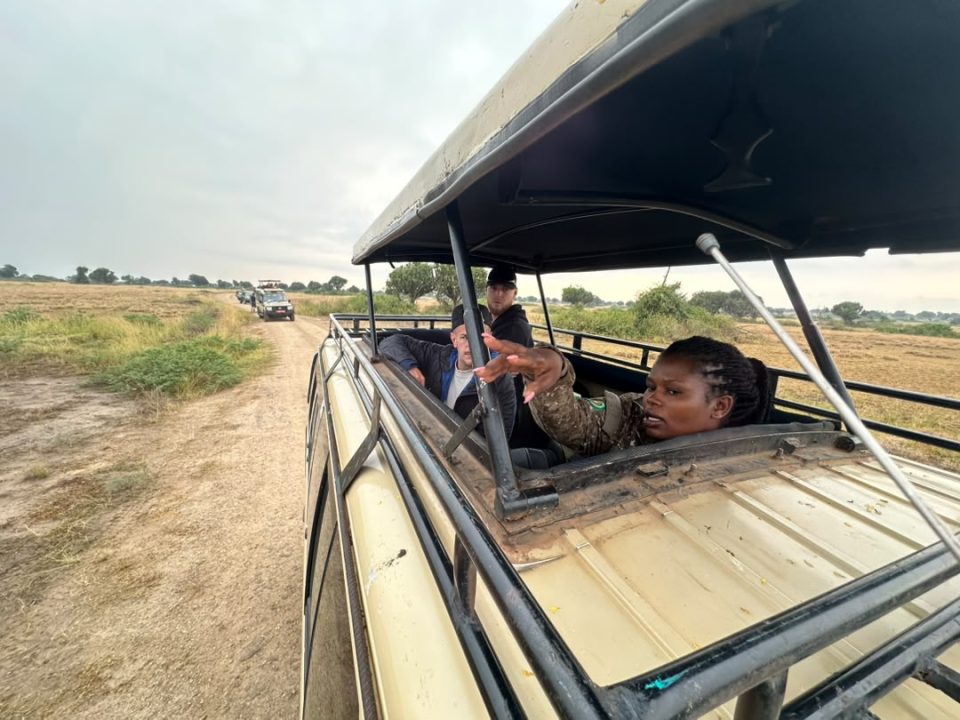
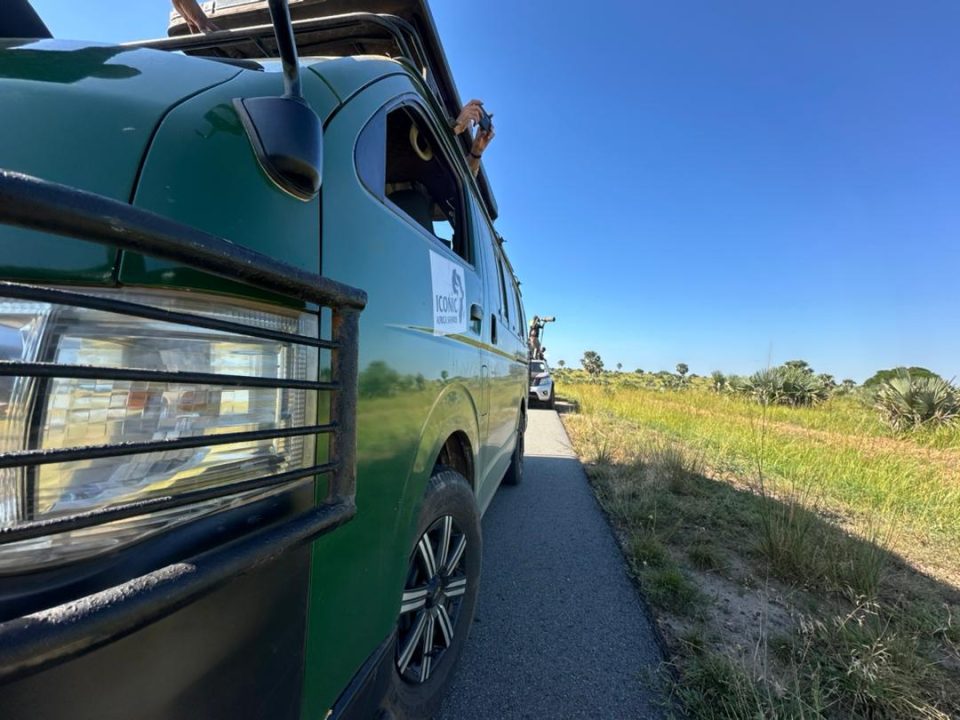
Queen Elizabeth National Park for savannah wildlife and boat cruises
-
Murchison Falls National Park for dramatic landscapes and river safaris
-
Kibale National Park for chimpanzee tracking
In Rwanda, gorilla trekking pairs well with a Big Five safari in
-
Akagera National Park
These combinations create well-rounded itineraries that showcase the region’s incredible diversity.
Accommodation Options Near Gorilla Parks
Accommodation near gorilla trekking parks ranges from budget lodges to luxury eco-retreats. In Uganda, lodges are spread across the different trekking sectors of Bwindi and around Mgahinga, offering forest views and convenient access to park headquarters.
Rwanda is known for its high-end lodges near Volcanoes National Park, offering exceptional service, comfort, and panoramic views of the Virunga volcanoes. Choosing accommodation close to your trekking sector is essential to reduce travel time on trekking day.
Booking Your Safari with Kenlink Tours
Planning a gorilla trekking safari involves securing permits, selecting the right destination, arranging accommodation, and organizing transport. Proper planning ensures a smooth, enjoyable, and well-coordinated experience.
Kenlink Tours specializes in organizing customized gorilla trekking safaris in Uganda and Rwanda, as well as combined itineraries that include wildlife safaris, cultural experiences, and cross-border transfers. From permit reservations to lodge selection and guided transport, every detail is handled professionally to ensure a seamless journey.
For bookings and inquiries, contact:
Email: info@kenlinktours.com
Email: inquiries@kenlinktours.com
WhatsApp: +256 789 210 067