- EXPERT'S HELP
- +256789210067
- +256200955001
- info@kenlinktours.com


4 Days Gorilla Safari from Kigali
August 15, 2026
Gorilla Trek in Bwindi from Kigali by Road
August 15, 2026
How Far is Bwindi from Kigali? It’s one of the first questions every gorilla trekking traveler asks once they’ve decided on Uganda’s Bwindi Impenetrable Forest: how far is it actually from Kigali, and is it realistic to base a trip out of Rwanda’s capital instead of flying into Entebbe? The short answer is that Bwindi is far closer to Kigali than most travelers expect, and for many itineraries it’s genuinely the smarter, faster gateway into Uganda’s gorilla trekking country.
This guide breaks down the exact distance, the two main border routes, driving times by park sector, road conditions, flight alternatives, and how to turn the journey itself into a memorable part of your safari rather than just a transit day. Whether you’re planning a dedicated 3-Day Bwindi Gorilla Safari Starting from Kigali or simply trying to decide which airport to fly into, everything you need is below.
Quick Answer: How Far Is Bwindi from Kigali
Bwindi Impenetrable National Park sits between 160 and 200 kilometers (roughly 100 to 125 miles) from Kigali, depending on which of the park’s four trekking sectors you’re heading to. In driving time, that translates to approximately 4 to 6 hours by road, including the border crossing between Rwanda and Uganda.
For comparison, that is dramatically shorter than the alternative route from Uganda’s own international gateway: driving from Entebbe or Kampala to Bwindi typically takes 8 to 10 hours. This is precisely why so many gorilla trekking itineraries, including several built around a 4-Day Rwanda-Uganda Golden Monkey and Gorilla Trekking route, use Kigali rather than Entebbe as the starting point, even though the trekking itself happens on Ugandan soil.
Why So Many Travelers Ask This Question
The reason this question comes up so often is that Bwindi sits in a genuinely awkward spot relative to Uganda’s own capital, tucked into the extreme southwestern corner of the country, hard against the borders of both Rwanda and the Democratic Republic of Congo. Reaching it from Entebbe or Kampala means crossing nearly the entire width of Uganda on roads that, while improving, still involve long hours behind the wheel.
Kigali, on the other hand, sits almost directly across the border from Bwindi’s southern sectors. Rwanda’s excellent road network extends right up to the Cyanika and Katuna border posts, meaning the “hard part” of the journey, the long-distance driving, happens on some of the best-maintained tarmac in East Africa before you even reach Uganda. For travelers flying in internationally, this makes Kigali International Airport a genuinely competitive, and often preferable, entry point for a Bwindi-focused trip, even one that has nothing to do with visiting Rwanda itself.
The Two Main Routes from Kigali to Bwindi
There are two established routes connecting Kigali to Bwindi, and which one you take depends entirely on which of the park’s four trekking sectors your gorilla permit is assigned to. Bwindi is divided into Buhoma in the north, Ruhija in the east, and Rushaga and Nkuringo in the south, and each sector has its own trailheads, ranger posts, and habituated gorilla families.
Because the park itself covers a large, forested, and mountainous area without roads cutting directly through it, travelers can’t simply drive to “Bwindi” as a single point. The route you take from Kigali needs to match your permit’s assigned sector, which is one of the many reasons it pays to book through an operator who coordinates permits and routing together rather than booking each piece separately.
Route 1: Via Cyanika Border to Southern Bwindi (Rushaga & Nkuringo)
The Cyanika border crossing is the most commonly used route for travelers heading to Bwindi from Kigali, primarily because it connects most directly to the southern sectors of Rushaga and Nkuringo, which host the largest concentration of habituated gorilla families in the park. The route runs from Kigali north to Musanze (passing directly by Volcanoes National Park), then continues to the Cyanika border post, crosses into Uganda, and proceeds to Kisoro before the final stretch into Bwindi.
This route takes approximately 4 hours of driving time under normal conditions, making it the fastest way to reach gorilla trekking territory from Kigali. It’s also a scenic drive, passing the Twin Lakes of Burera and Ruhondo and offering views of the Virunga volcanoes for much of the journey. Because it passes so close to Volcanoes National Park, this route is frequently combined with a Rwanda gorilla trek, effectively allowing travelers to visit two countries’ gorilla populations on a single overland trip, an itinerary style reflected in the 5 Days Uganda Rwanda Double Gorilla Safari.
Route 2: Via Katuna/Gatuna Border to Northern Bwindi (Buhoma & Ruhija)
The second option runs through the Katuna border post (known as Gatuna on the Rwandan side), which connects more directly to Bwindi’s northern and eastern sectors, Buhoma and Ruhija. This route travels from Kigali to Kabale in Uganda before continuing on to Bwindi, and it takes noticeably longer than the Cyanika route, typically 5 to 6 hours of total travel time.
Buhoma is historically the most established sector in Bwindi, home to the park’s original ranger headquarters and some of the longest-running lodges in the area, so travelers with permits specifically for Buhoma or Ruhija gorilla families will generally use this route regardless of the extra driving time involved. The scenery along the way, through Uganda’s own “Switzerland,” the terraced hills around Kabale, is often cited by travelers as some of the most beautiful countryside in the region.
Driving Time by Bwindi Sector
Because the specific driving time depends heavily on which sector your gorilla permit lands you in, it helps to see the breakdown side by side. Trekkers heading to Rushaga should budget around 4 hours from Kigali via Cyanika, making it the fastest of the four sectors to reach. Nkuringo runs slightly longer at 4 to 5 hours, also via Cyanika, due to its more remote position at higher altitude.
Buhoma, reached via the Katuna route, typically takes 5 to 6 hours, and Ruhija falls into a similar 5 to 6 hour range depending on road conditions and the exact route chosen by your driver. None of these figures account for extended stops, and most operators build in time for photo breaks, a coffee stop, or a stretch at the Twin Lakes, so treat these as pure driving estimates rather than door-to-door itinerary times.
What the Drive Actually Looks Like
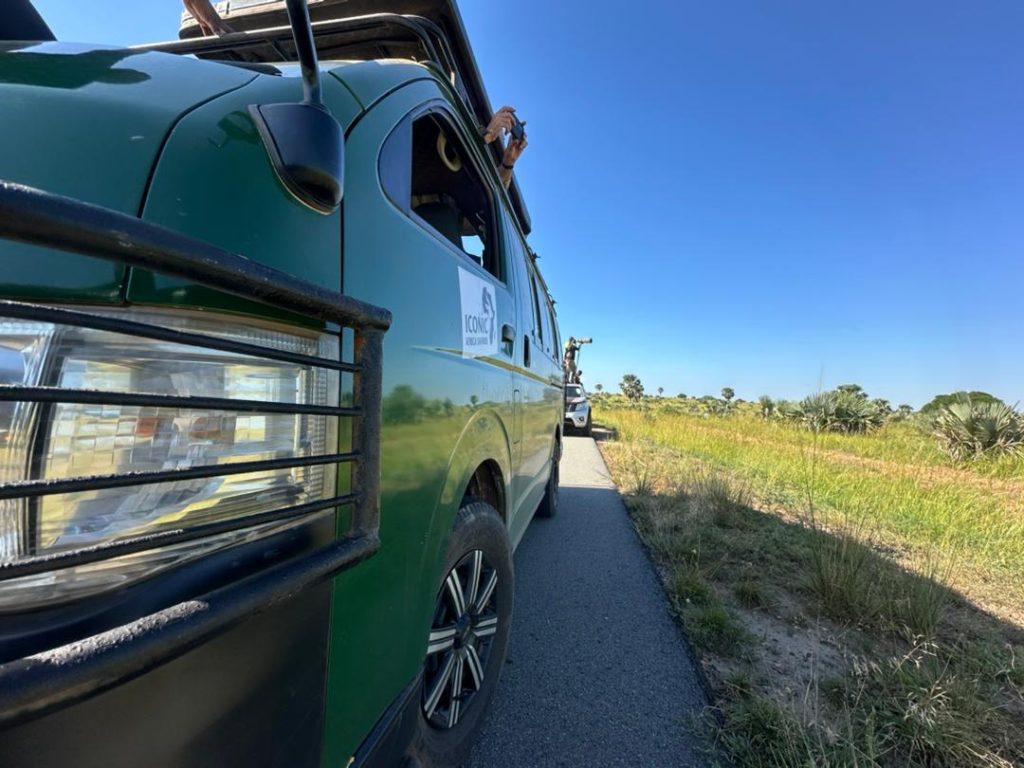
The Kigali to Bwindi journey is far from a dull transit stretch; for many travelers, it becomes a genuine highlight of the trip in its own right. The first leg north out of Kigali winds through Rwanda’s famous “thousand hills,” past terraced tea and coffee plantations, roadside markets, and small trading towns, all on well-maintained tarmac roads that make for a comfortable ride.
As you approach Musanze, the five volcanic peaks of the Virunga range come into view, offering a preview of Volcanoes National Park even if gorilla trekking in Rwanda isn’t on your itinerary. After the border crossing, the Ugandan side of the journey shifts character, more rugged, with terraced hillsides climbing steeply on either side of the road and glimpses of Lake Bunyonyi near Kabale on the Katuna route. Most drivers are experienced, English-speaking guides who double as informal local historians, pointing out landmarks and answering questions along the way, which turns a multi-hour drive into an engaging part of the safari narrative rather than dead time.
Crossing the Border: What to Expect
Crossing from Rwanda into Uganda at either Cyanika or Katuna is generally straightforward, though it’s worth knowing what to expect so it doesn’t catch you off guard. Both are land border posts with immigration offices on each side; you’ll typically disembark from your vehicle, complete an exit stamp on the Rwandan side, walk a short distance, then complete an entry stamp on the Ugandan side (or vice versa on the return leg).
Travelers should carry their passport with at least six months of validity remaining, proof of yellow fever vaccination (required for entry into both Rwanda and Uganda), and any pre-arranged visa documentation. Many nationalities can use the East Africa Tourist Visa, which permits multiple entries across Rwanda, Uganda, and Kenya on a single visa, making this exact border crossing simple for travelers who arranged their visa correctly before departure. Processing typically takes 20 to 45 minutes depending on how busy the post is, and experienced guides who cross regularly know how to keep the process efficient. It’s a good idea to keep a small amount of local currency on hand, since some incidental costs at the border are more easily settled in cash.
Flying from Kigali to Bwindi: Is It an Option
For travelers short on time or simply averse to long road journeys, chartering a light aircraft is an alternative worth knowing about, though it comes with real trade-offs. There is no scheduled commercial flight route directly connecting Kigali International Airport to an airstrip near Bwindi, so this option requires a private or on-demand charter, typically flying into Kihihi or Kisoro airstrip in Uganda, which still requires a road transfer of an hour or more from Kigali or via Entebbe.
In practice, most travelers find that chartering doesn’t save as much time as expected once positioning flights and ground transfers are factored in, and it comes at a substantially higher cost than the direct road route. For a majority of visitors, particularly those who want to experience the scenic drive and enjoy the flexibility of a private vehicle for stops along the way, road transfer via self-drive or guided car hire remains both the more practical and more memorable choice. Charter flights make more sense for travelers with very tight schedules, mobility considerations, or those already using aviation to connect multiple safari destinations across East Africa.
Road Conditions and Vehicle Requirements
Road quality varies noticeably between the Rwandan and Ugandan sides of the journey. Within Rwanda, roads are consistently well-paved and well-maintained, a reflection of the country’s broader investment in infrastructure, and a standard safari vehicle can comfortably handle the entire stretch from Kigali to the border at highway speeds.
On the Ugandan side, conditions become more mixed. The main roads toward Kisoro and Kabale are generally in good condition, but the final approach into Bwindi itself, particularly around Rushaga, Nkuringo, and Ruhija, involves unpaved, hilly terrain that can become slippery after rain. For this reason, a 4×4 vehicle is strongly recommended, and reputable operators use dedicated safari vehicles rather than standard sedans for this route. If you’re considering handling the drive yourself, it’s worth reviewing the practicalities of a self-drive gorilla safari in Uganda before committing, since the final unpaved stretches require some off-road driving confidence.
Comparing Kigali to Entebbe as Your Gorilla Trekking Gateway
Travelers planning a Uganda-focused gorilla trekking trip often default to flying into Entebbe simply because it’s Uganda’s main international airport, without realizing that Kigali can be the faster, more comfortable option depending on which Bwindi sector they’re visiting. The math is fairly simple: Entebbe to Bwindi is an 8 to 10 hour drive on a mix of road conditions, while Kigali to Bwindi’s southern sectors is 4 to 5 hours, largely on excellent Rwandan tarmac.
Kigali also offers a growing number of direct international flight connections through RwandAir and international partners, and its compact, well-run airport tends to process arrivals faster than Entebbe’s busier terminal. For travelers whose itinerary is entirely or mostly Uganda-focused but who happen to find better flight pricing or routing into Kigali, it’s entirely feasible to fly in, drive to Bwindi via Cyanika or Katuna, and either exit back through Kigali or continue overland into Uganda for the rest of the trip. Comparing Uganda safari packages against Kigali-based departures is worth doing before you lock in flights, and reading a Kigali city guide beforehand helps you plan a smoother arrival and departure regardless of which country your itinerary ultimately centers on.
Ground Transport Options: Private Transfer, Shared Shuttle, or Self-Drive
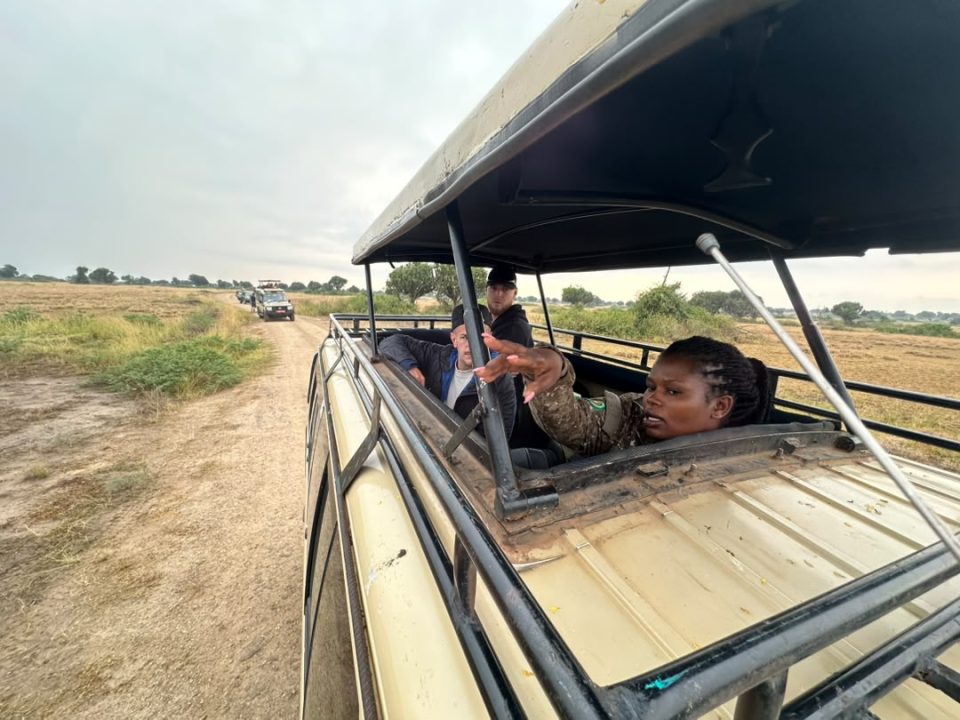
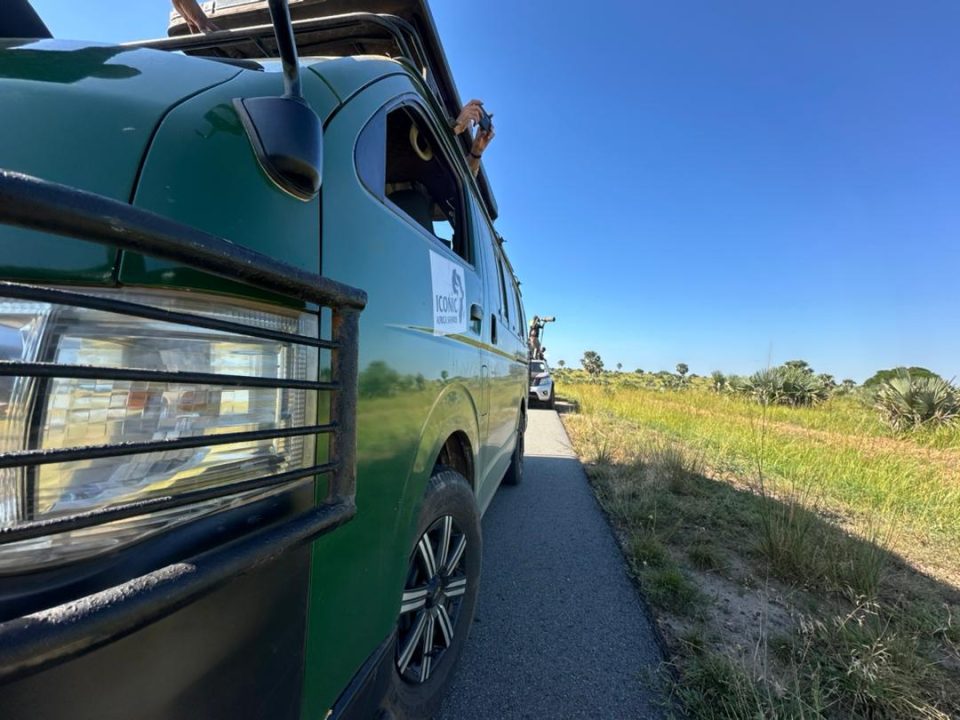
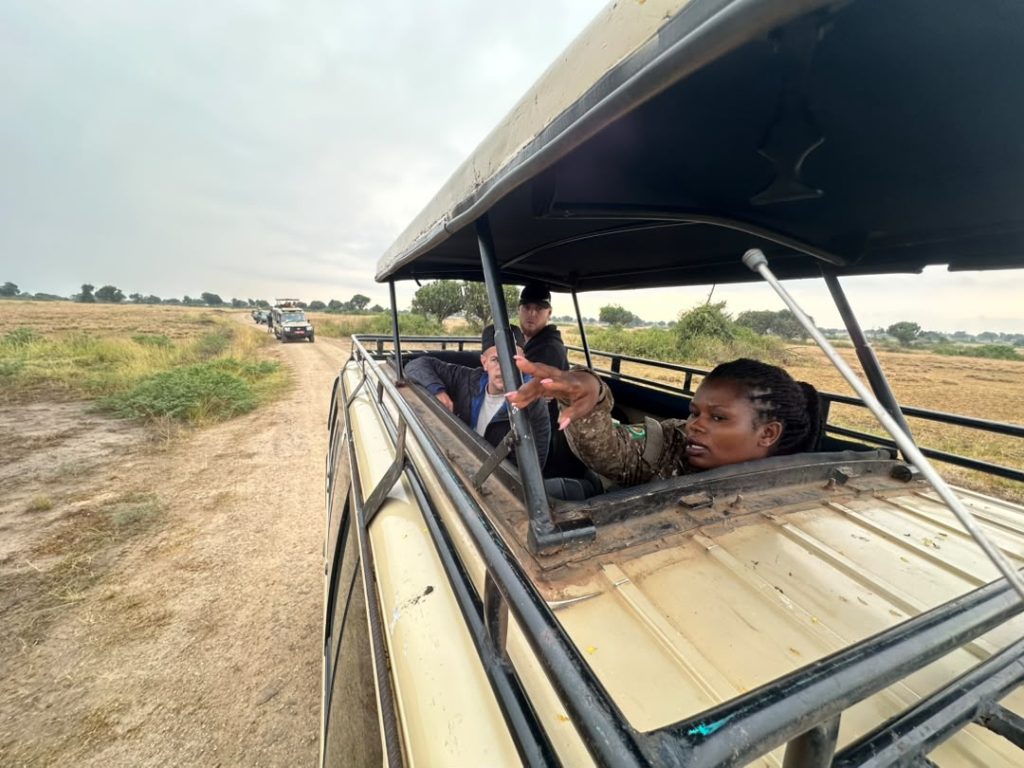
Once you’ve settled on a route, the next decision is how you’ll actually cover the distance. A private guided transfer is by far the most popular option among gorilla trekking travelers, since it includes a dedicated 4×4 vehicle, an experienced driver-guide who handles the border paperwork, and the flexibility to stop wherever you like along the way. This is the default arrangement built into most packaged itineraries, including the operators listed under gorilla safaris from Kigali, and it remains the recommended choice for first-time visitors unfamiliar with the route.
Shared shuttle services do exist on some sections of this corridor, particularly between Kigali and Musanze, but they become far less practical once you cross the border, since onward transport to a specific Bwindi sector generally requires a private vehicle regardless. Self-drive is a genuine option for confident, experienced overland travelers, and Rwanda’s side of the journey is easy enough for it, but the unpaved final approach into sectors like Rushaga and Ruhija is where most self-drive travelers reconsider. If you like the independence of self-drive but want backup for the technical sections, pairing a rental with local guidance, as outlined in the self-drive gorilla safari in Uganda overview, is a reasonable middle ground.
What Does a Kigali to Bwindi Transfer Typically Cost
Transfer pricing depends heavily on vehicle type, group size, and whether the drive is bundled into a full gorilla trekking package or booked as a standalone service. A private 4×4 with driver-guide for the one-way Kigali to Bwindi leg generally falls in a moderate range per vehicle rather than per person, meaning the per-person cost drops significantly for groups of three or four travelers sharing a vehicle compared to a solo traveler booking the same route.
Most experienced travelers find that booking the transfer as part of a complete package, one that already includes gorilla permits, lodge accommodation, and meals, works out more cost-effective and far less stressful than piecing together transport, permits, and lodging from separate providers. It also removes the risk of mismatched timing, since a permit-and-transfer bundle guarantees your vehicle is scheduled to have you at park headquarters well before the morning briefing. For a sense of how these costs are typically bundled, it’s worth comparing a full 3 Days Uganda Gorilla Safari from Rwanda package against arranging transport independently.
Alternative Uganda Gorilla Trekking Routes from Kigali
While the standard 3 to 4 day format covers most travelers’ needs, it’s worth knowing that the same Kigali to Bwindi corridor supports several other trip lengths depending on your schedule. Travelers with only a single free day sometimes attempt an ambitious one-day Uganda gorilla safari starting from Kigali, though this requires a very early departure and leaves no margin for delays, so it suits only the most time-constrained itineraries.
A more comfortable short option is the 2 Days Uganda Gorilla Tour Starting from Kigali, which still uses the same Cyanika route but spreads the drive and trek across two calmer days. On the other end of the spectrum, travelers who want to pair gorilla trekking with chimpanzee tracking often extend into a 5 Days Uganda Gorilla and Chimps Safari Starting from Rwanda, which uses the Kigali to Bwindi leg as its opening journey before continuing deeper into Uganda’s primate destinations.
How Long Should You Budget for the Journey
While the driving time itself ranges from 4 to 6 hours, it’s worth budgeting a realistic full day for the Kigali to Bwindi leg of your trip rather than treating it as a quick transfer squeezed between other activities. Factoring in the border crossing, rest stops, lunch, and the simple reality that mountain roads take longer than flat highway driving, most well-designed itineraries allocate an entire travel day to this journey, with arrival at your Bwindi lodge in the late afternoon or early evening.
Attempting to combine the Kigali to Bwindi transfer with same-day gorilla trekking is not advisable and, in most cases, not logistically possible, since trekking briefings begin early in the morning at park headquarters. This is why nearly every well-planned Kigali-Bwindi itinerary, including the 3-Day Bwindi Gorilla Safari Starting from Kigali, treats day one as a dedicated travel day, with trekking scheduled for day two once you’ve had a proper night’s rest.
Best Time to Make the Kigali to Bwindi Drive
Road conditions and overall travel comfort on the Kigali to Bwindi route are best during Uganda and Rwanda’s two dry seasons, June through September and December through February. During these months, the unpaved sections near Bwindi’s trailheads are firmer and less prone to the deep mud that can slow progress or require more careful driving during the rains.
That said, the route remains passable year-round, and the wetter months of March to May and October to November bring their own rewards: dramatically lush scenery, quieter roads, and often better lodge availability and pricing. Rain showers in this part of East Africa tend to arrive in the afternoon and clear relatively quickly, so a well-timed early departure from Kigali can often outrun the worst of the weather regardless of season.
What to Pack for the Road Trip
A few practical items make the several-hour drive from Kigali to Bwindi noticeably more comfortable. Motion sickness can affect some travelers on the winding mountain sections, particularly after the border, so it’s worth packing any preferred remedy if you’re prone to it. Snacks and a refillable water bottle are useful, since rest stops, while available, aren’t as frequent as on a major highway.
A light jacket or fleece is worth keeping accessible, since temperatures drop noticeably at higher elevations near both Musanze and the Bwindi sectors. Keep your passport, vaccination card, and any visa documentation in an easily accessible bag rather than packed away in checked luggage, since you’ll need them at the border with minimal fuss. Finally, a camera or phone with an easily accessible charging cable is worth having ready, since the scenery along both the Rwandan and Ugandan legs of the journey offers frequent, genuinely worthwhile photo opportunities.
Combining the Journey with Rwanda Gorilla Trekking
Because the Cyanika route to Bwindi’s southern sectors runs almost directly past Volcanoes National Park, it’s a natural fit for travelers who want to experience gorilla trekking in both Rwanda and Uganda on a single trip. Rather than treating the Kigali to Bwindi drive as pure transit, many itineraries build in a Rwanda gorilla trek or golden monkey trek on the way, effectively turning a transfer day into an additional wildlife day.
This is the logic behind combination itineraries like the 10 Days Uganda Rwanda Combining Safari and the 9 Days Uganda Rwanda Gorilla and Big Five Safari, both of which use the same border crossing infrastructure described above but add meaningful wildlife activity on both sides. For travelers who’d rather keep things simple and stay within Rwanda, comparing the 3 Days Rwanda Gorilla Safari against a Bwindi-focused alternative is a useful exercise, since both start from the same Kigali gateway but lead to genuinely different forest ecosystems and gorilla populations. It’s also worth reading about the Mgahinga Gorilla National Park region, which sits directly along this same southern corridor and is sometimes added as a golden monkey trekking stop, alongside the Volcanoes National Park destination guide if a Rwanda detour is on your radar.
It’s worth pausing here on what actually differs between the two countries’ gorilla experiences, since the distance question often masks a more important one: which forest is right for you. Bwindi’s terrain tends to be steeper and more physically demanding, with denser undergrowth that gives the park its name, while Volcanoes National Park’s bamboo and montane forest is generally considered a slightly gentler trekking environment, though both can vary enormously by gorilla family on any given day. Uganda also offers a noticeably lower permit price than Rwanda, which is part of why the Kigali to Bwindi route holds such enduring appeal even for travelers who never intended to spend time in Uganda otherwise, they’re drawn across the border by the combination of proximity and value.
Sample 3-4 Day Itinerary Using the Kigali to Bwindi Route
A well-paced itinerary using this route typically looks like this: day one covers arrival in Kigali (or an early departure if you’re already in Rwanda) and the drive to Bwindi via Cyanika or Katuna, with lodge check-in in the late afternoon. Day two is dedicated to mountain gorilla trekking, beginning with an early ranger briefing at park headquarters and culminating in the full hour spent with a habituated gorilla family.
Travelers with a fourth day often add a Batwa cultural visit, a forest walk, or birdwatching around their Bwindi lodge before beginning the return drive to Kigali, arriving with enough time for an evening flight home. This structure mirrors the pacing found in the 2 Days Uganda Gorilla Safari Starting from Kigali for travelers on a tighter schedule, or can be extended using the 5-Day Gorilla Trekking Safari from Kigali to Uganda format for those who want additional wildlife activities layered in. Even a compact 2 Days Rwanda to Uganda Gorilla Trekking Safari is possible for travelers with very limited time, though it leaves little room for anything beyond the trek itself.
What Past Travelers Say About the Kigali-Bwindi Drive
Ask anyone who has actually made this journey, rather than just researched it, and a consistent theme emerges: the drive itself tends to exceed expectations. Travelers frequently mention being surprised by how quickly the Rwandan leg passes, thanks to the smooth tarmac and constantly changing scenery of terraced hillsides and volcano views, and many say the border crossing was far less bureaucratic than they’d anticipated, often ten to twenty minutes faster than the estimates they’d read beforehand.
The most common piece of advice repeated across traveler reviews is simple: don’t treat the journey as a chore to get through before the “real” trip starts. Guides who know the route well tend to build in a coffee stop at a roadside cooperative, a photo pause overlooking the Twin Lakes, or a short walk near the border town, small additions that turn a multi-hour drive into a genuinely enjoyable travel day. Reviews of operators offering this exact corridor, including those detailed under contact and booking information for cross-border transfers, consistently highlight driver knowledge of the route as the single biggest factor separating a smooth journey from a stressful one.
The second most common comment relates to expectations around road conditions. Travelers who had read warnings about “rough roads” before their trip often report being pleasantly surprised by the Rwandan side specifically, while confirming that the final unpaved kilometers into Bwindi’s more remote sectors do live up to their bumpy reputation. Setting realistic expectations for both halves of the journey, smooth in Rwanda, rougher in the final Uganda stretch, tends to produce the most satisfied travelers.
Tips for a Smooth Kigali to Bwindi Crossing
A handful of small preparations make a meaningful difference on this route. Book your permits and lodge together with a single operator who coordinates the border logistics, rather than assembling the trip piecemeal, since permit sector assignment directly determines which route and border post you’ll use. Confirm your yellow fever vaccination certificate is current and easily accessible before you leave home, since border officials do check it.
Start early. Departing Kigali by 7:00 or 8:00 AM gives you comfortable daylight hours for the drive and avoids arriving at your lodge after dark on unfamiliar roads. Keep a printed or digital copy of your permit confirmation and passport details accessible, since these occasionally get requested at checkpoints along the way in addition to the formal border crossing. Finally, trust your driver-guide’s pacing; experienced guides who run this route regularly know exactly when to push on and when a short break serves the trip better, and this local knowledge is one of the most valuable things a good ground operator brings to the journey.
Why Book Your Kigali to Bwindi Transfer with Kenlink Tours
The Kigali to Bwindi route involves enough moving parts, sector-specific permit assignment, border logistics, matching the right vehicle to road conditions, and lodge coordination, that most travelers are better served booking the entire journey through an experienced operator rather than trying to assemble it independently. Kenlink Tours runs this exact route regularly as part of itineraries like the 3-Day Bwindi Gorilla Safari Starting from Kigali, with drivers who know both the Cyanika and Katuna crossings well and vehicles suited to the unpaved final approach into the park.
Beyond the transfer itself, working with a dedicated operator means your gorilla permits, lodge bookings, and border paperwork are all coordinated as a single package rather than separate bookings that can fall out of sync. If you’re still deciding between a Rwanda-only trek, a Uganda-only trek, or a combined itinerary using this exact corridor, it’s worth exploring the full range of Rwanda safaris and group tour departures, or reaching out directly through the contact page to build a route around your travel dates and preferred Bwindi sector. You can also read more about the Kenlink Tours team and review the terms and conditions before finalizing your booking.
Frequently Asked Questions About the Kigali to Bwindi Distance
How far is Bwindi from Kigali in kilometers? Between 160 and 200 kilometers (100 to 125 miles), depending on which Bwindi sector you’re traveling to, translating to roughly 4 to 6 hours of driving.
Is it faster to reach Bwindi from Kigali or from Entebbe? From Kigali, typically. The Kigali route takes 4 to 6 hours, while driving from Entebbe or Kampala usually takes 8 to 10 hours, making Kigali the faster gateway for most Bwindi sectors, especially Rushaga and Nkuringo.
Which border crossing should I use to get to Bwindi from Kigali? It depends on your gorilla permit’s sector. Use Cyanika for Rushaga and Nkuringo (about 4 to 5 hours), and Katuna/Gatuna for Buhoma and Ruhija (about 5 to 6 hours).
Can I fly directly from Kigali to Bwindi? There’s no scheduled commercial flight route directly to Bwindi. Charter flights to nearby Kihihi or Kisoro airstrips exist but still require a road transfer and are significantly more expensive than the direct drive.
Do I need a visa to cross from Rwanda into Uganda for gorilla trekking? Most travelers can use the East Africa Tourist Visa, which covers Rwanda, Uganda, and Kenya on a single multi-entry visa, making this exact border crossing simple to plan for.
Is the Kigali to Bwindi drive safe? Yes. Both the Rwandan highway network and the main Ugandan roads used on this route are well-traveled and regularly used by tour operators, and the border posts at Cyanika and Katuna process tourist traffic daily. Standard precautions, a reputable driver, a roadworthy 4×4, and comprehensive travel insurance, are all that’s typically needed.
Can I do a day trip to Bwindi from Kigali without staying overnight? It’s technically possible for the southern sectors via Cyanika given the roughly 4-hour drive each way, but it makes for an extremely long, exhausting day when combined with a multi-hour gorilla trek, and most operators strongly recommend at least one overnight stay near the park instead.
Which is cheaper, gorilla trekking from Kigali via Bwindi or trekking in Rwanda directly? Uganda’s gorilla permit is priced lower than Rwanda’s, so a Kigali-to-Bwindi itinerary is often the more budget-friendly way to see mountain gorillas even though it involves an international border crossing, provided you factor in the extra transfer time and any visa costs for Uganda.
Do lodges near Bwindi arrange airport or border pickups from Kigali? Most Bwindi lodges don’t handle the Kigali transfer directly and instead rely on the tour operator or driver-guide managing your itinerary to handle pickup, border logistics, and drop-off, which is another reason booking transport and accommodation as one coordinated package tends to work more smoothly than arranging each piece separately.
Final Thoughts: Planning Your Kigali to Bwindi Journey
Bwindi Impenetrable Forest may sit inside Uganda’s borders, but for a large share of travelers, Kigali is genuinely the smarter way in. At just 160 to 200 kilometers and 4 to 6 hours of largely excellent road, the journey is shorter, more scenic, and more comfortable than the long haul from Uganda’s own capital, and it opens the door to combining Rwanda and Uganda gorilla trekking on a single, well-paced trip.
Whether you’re drawn to the southern sectors of Rushaga and Nkuringo via the fast Cyanika crossing, or the historic northern sector of Buhoma via Katuna, the route rewards a bit of planning: matching your permit sector to the right border post, budgeting a full travel day, and working with a guide who knows the road.
This corridor between Rwanda and southwestern Uganda has become one of East Africa’s most-traveled overland safari routes for exactly this reason, and a growing number of established operators, from Kigali-based ground handlers to Uganda-side specialists, run it daily during peak trekking season. Reading through a few operator backgrounds before you book is a reasonable way to gauge experience level, but the fundamentals covered in this guide, distance, timing, border requirements, and sector-specific routing, apply regardless of which company ultimately drives you. If you’re ready to turn this route into a booked itinerary, explore the 3-Day Bwindi Gorilla Safari Starting from Kigali or get in touch to build a version tailored to your exact dates