- EXPERT'S HELP
- +256789210067
- +256200955001
- info@kenlinktours.com

How to book a Gorilla Safari in Uganda
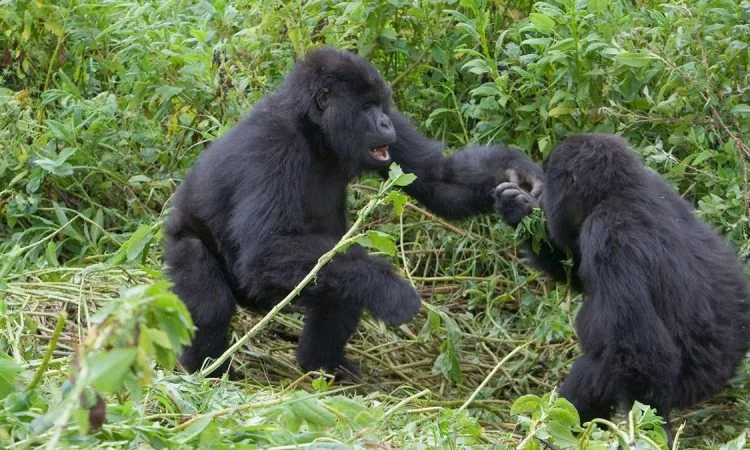
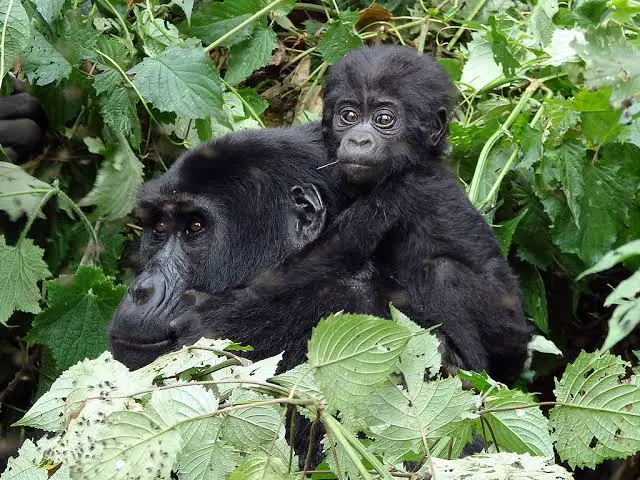
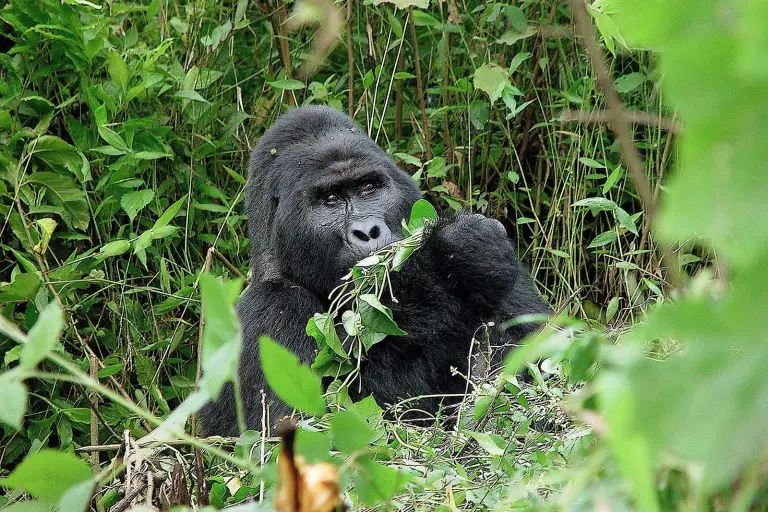
A gorilla safari in Uganda is widely regarded as one of the greatest wildlife experiences on Earth — and Uganda remains the most accessible and affordable destination in the world to have it. Uganda is home to nearly half of the world's remaining mountain gorilla population, split between two national parks in the country's spectacular southwestern corner. A single hour in the presence of a habituated gorilla family in the Bwindi or Mgahinga forest is something that travellers describe, without exception, as the most extraordinary wildlife encounter of their lives.
But booking a gorilla safari in Uganda is not quite like booking a standard holiday. Permits are strictly limited, sell out months ahead of peak season, and must be secured for a specific date and a specific park sector before you can confirm anything else. Getting the process right — in the right order — is what separates a seamless, unforgettable experience from a stressful, expensive mistake. This step-by-step guide from KenLink Tours walks you through exactly how to book a gorilla safari in Uganda, from your first decision to your first morning in the forest.
Step 1 — Choose Your Gorilla Park: Bwindi or Mgahinga?
Uganda has two national parks where mountain gorilla trekking takes place: Bwindi Impenetrable Forest National Park and Mgahinga Gorilla National Park. Both are located in the southwestern highlands of Uganda, both share the Virunga Conservation Area with Rwanda and the DRC, and both deliver extraordinary gorilla encounters. However, they are meaningfully different in scale, character, and what they offer the traveller. Your first booking decision is to choose which park — or both, across separate days.
Bwindi Impenetrable Forest
UNESCO World Heritage SiteBwindi Impenetrable Forest is Uganda's — and arguably the world's — premier gorilla trekking destination. A UNESCO World Heritage Site, Bwindi is home to over 20 habituated gorilla families spread across four trekking sectors, giving it by far the highest permit availability of any gorilla park in the world. It is divided into four sectors — Buhoma, Ruhija, Rushaga, and Nkuringo — each with its own gate, its own habituated gorilla families, and its own distinct landscape character.
- 20+ habituated gorilla families across four trekking sectors
- Widest date availability — most likely to find permits even on shorter booking lead times
- Also offers the Gorilla Habituation Experience (GHE) — a 4-hour deep encounter at Rushaga; USD $1,500 per person
- Excellent accommodation range — from budget community lodges to luxury eco-lodges with forest views
- Can be combined with chimpanzee trekking in Kibale or a Queen Elizabeth National Park wildlife circuit on the same itinerary
- Bwindi trek difficulty ranges from moderate (Buhoma and Ruhija) to strenuous (Nkuringo ridge)
Mgahinga Gorilla National Park
One Family · Most Exclusive · Virunga VolcanoesMgahinga Gorilla National Park is Uganda's smallest national park and home to a single habituated gorilla family — the Nyakagezi group. With only 8 visitor slots issued each day, Mgahinga delivers the most exclusive, intimate gorilla trekking encounter in Uganda. The trekking takes place through bamboo forest and montane woodland on the slopes of the Virunga volcanoes, against one of Africa's most dramatic mountain landscapes.
- One habituated gorilla family — the Nyakagezi group — with maximum 8 visitors daily
- The most exclusive and intimate gorilla encounter available in Uganda
- Also offers golden monkey trekking, Batwa Cultural Trail, and three Virunga volcano hikes
- Can be combined with a cross-border Rwanda gorilla trek at Volcanoes NP just 2 hours away via Cyanika border
- Nyakagezi group has a history of cross-border movement — KenLink Tours always confirms the group's location before your trek date
- Limited to gorilla trekking only; no Gorilla Habituation Experience available at Mgahinga
Can't decide? Many gorilla safari travellers do both — a Mgahinga gorilla trek on Day 1, and a Bwindi trek (Nkuringo sector, just 45 km away) on Day 2 or 3. KenLink Tours designs back-to-back gorilla itineraries combining both parks regularly. Contact us to check permit availability for both parks on your preferred dates.
Step 2 — Choose Your Bwindi Sector (Bwindi Trekkers Only)
If you are trekking in Bwindi Impenetrable Forest, your gorilla permit is valid for a specific sector — and only that sector. Arriving at the wrong gate on trekking morning means you have missed your experience entirely, with no refund. Your sector choice must be made at the time of permit booking, so understanding the differences before you book is essential.
Buhoma Sector — The Original, The Classic
Bwindi's first trekking sector and the most established. Located on the northwestern edge of the forest, Buhoma is the easiest to reach from Kampala (approximately 8 hours) and hosts the largest number of habituated gorilla families in a single sector. Terrain is moderately challenging — steep in parts but generally manageable for most fit adults. The widest selection of accommodation from budget to luxury surrounds the Buhoma gate. The best overall choice for first-time gorilla trekkers wanting reliable availability and a full range of lodge options.
Rushaga Sector — Most Families, Home of the Habituation Experience
Rushaga, on Bwindi's southern edge, has the highest number of habituated gorilla families of any single sector — including the Gorilla Habituation Experience (GHE), in which only 4 visitors per session spend up to 4 hours with a semi-habituated gorilla family alongside researchers and rangers. If the GHE is your priority, Rushaga is the only sector where it is available. Standard gorilla trekking also operates here daily. Located close to the Kisoro–Nkuringo–Rushaga route and easy to combine with a Mgahinga day trip or a Rwanda border crossing.
Nkuringo Sector — Most Dramatic Setting, Most Challenging Trek
Nkuringo sits on a dramatic ridge overlooking a deep forested valley on the DRC border, at approximately 2,200m elevation. The scenery from lodges here — with the Virunga volcanoes rising above the forest canopy — is the most spectacular of any Bwindi sector. The trekking, however, is the most physically demanding: steep descents into the forest and steep climbs back up are a feature of almost every Nkuringo trek. Guests must be reasonably fit and comfortable with strenuous hiking. The reward is an encounter that feels completely removed from the outside world. Just 45 km from Mgahinga NP — ideal for back-to-back gorilla treks.
Ruhija Sector — Quietest, Highest Altitude, Best Birding
Ruhija is Bwindi's smallest and least-visited trekking sector, located on the eastern edge of the forest at the highest altitude of the four sectors (approx. 2,350m). The gorilla trekking experience here is the quietest and most remote-feeling of the four sectors — some days, yours may be the only trekking group active in the forest. Ruhija is also the best sector for Bwindi's extraordinary Albertine Rift endemic birdlife, and several of Uganda's rarest bird species — including the African green broadbill — are reliably found here. Not the easiest sector to reach, but richly rewarding for those who make the effort.
Step 3 — Choose Your Experience: Standard Trek or Gorilla Habituation?
Uganda offers two fundamentally different gorilla encounter types. Your choice between them depends on your budget, your desired level of immersion, and how much time you want to spend with the gorillas. Understanding the difference before you book your permit is critical, as the two experiences operate at different prices, different locations, and with completely different rules.
Standard Gorilla Trekking
Bwindi (All 4 Sectors) · Mgahinga NPStandard gorilla trekking is the experience that most visitors book. A maximum of 8 visitors per day trek to a fully habituated gorilla family in the forest, spending a regulated maximum of one hour in the family's presence before returning to the gate. The trek itself can take anywhere from 30 minutes to 8 hours depending on where the gorillas have settled that morning — trackers go ahead at dawn to locate the family, and your ranger guide leads you to their exact position.
- Available at all four Bwindi sectors and at Mgahinga (Nyakagezi group)
- USD $800 per person for foreign non-residents; USD $700 for foreign residents; UGX equivalent for East African citizens
- Maximum 8 visitors per gorilla family per day — no exceptions
- Trek duration: 30 minutes to 8 hours depending on gorilla location that morning; average 3–5 hours round trip
- Minimum age: 15 years; minimum fitness: able to hike on steep, muddy terrain
- Porters available at the gate for approximately USD $15 — strongly recommended
Gorilla Habituation Experience (GHE)
Bwindi — Rushaga Sector OnlyThe Gorilla Habituation Experience is the most immersive gorilla encounter available anywhere in the world. Only 4 visitors per session join researchers and rangers who are actively working to habituate a wild gorilla family to human presence — a process that takes years. The experience allows up to four hours in the field with the gorilla family, creating an infinitely deeper behavioural encounter than the standard one-hour visit. Available exclusively at Bwindi's Rushaga sector.
- Available only at Bwindi Rushaga sector — not at any other sector or at Mgahinga
- USD $1,500 per person — the most premium gorilla experience in East Africa
- Maximum 4 visitors per session — smaller, more intimate than standard trekking groups
- Up to 4 hours with the gorilla family — observe feeding, play, resting, and social interaction in full
- You join active researchers: a rare window into gorilla conservation science
- Physically more demanding than standard trekking — requires higher fitness and a full day commitment
Step 4 — Understand the Full Cost of a Uganda Gorilla Safari
The gorilla permit is the largest single cost in any Uganda gorilla safari — but it is far from the only one. Planning a realistic total budget before you begin booking will prevent surprises later. KenLink Tours publishes a full gorilla trekking cost guide and a separate budget gorilla safari guide for travellers on tighter itineraries. The summary table below covers all the main cost categories to build into your planning.
| Cost Category | What It Covers | Approximate Cost (USD) | Notes |
|---|---|---|---|
| Gorilla Permit | One gorilla trek — 1 hour with gorillas. Set by Uganda Wildlife Authority | $800 per person (non-residents) | Must be booked well in advance; non-refundable once issued |
| Gorilla Habituation Permit | Up to 4 hours with gorillas at Rushaga, Bwindi | $1,500 per person | Rushaga sector only; maximum 4 visitors per session |
| Accommodation | Lodge or camp near your trekking sector gate | $30–$900+ per person per night | See Mgahinga accommodation guide for the Kisoro/Mgahinga area |
| Transport | 4WD safari vehicle + experienced driver-guide for all road transfers | $80–$200 per day (private vehicle) | 4WD essential for all gorilla park routes; included in KenLink Tours packages |
| Domestic Flight (optional) | Entebbe → Kisoro or Kihihi airstrip; saves 8–10 hours of road travel | $250–$450 per person one way | Aerolink Uganda; recommended for tighter itineraries |
| Park Entry Fees | Daily entry to the national park (separate from permit) | $40–$50 per person per day | Included in gorilla permit fee at Bwindi and Mgahinga on trekking days |
| Trek Porter | Carries your daypack; provides physical support on steep sections | ~$15 per trek | Strongly recommended; directly supports local community employment |
| Meals | Meals at your lodge; packed lunch on trekking day | Included in most lodge rates | KenLink Tours packages include full-board accommodation at most properties |
| Guide Tip | Gratuity for your KenLink Tours driver-guide | $10–$20 per person per day | Not obligatory but deeply appreciated; see our tipping guidance |
| International Flights | Return flights to Entebbe International Airport (EBB) | $700–$1,800+ depending on origin | KenLink Tours can advise on best routing and transfer airports |
Uganda vs Rwanda: A gorilla permit in Uganda costs USD $800. The equivalent Rwanda permit at Volcanoes National Park costs USD $1,500. Uganda is consistently the most affordable gorilla destination in East Africa, making it the better choice for budget-conscious travellers and for those wanting to do multiple gorilla treks. Read our full gorilla trekking price guide for a detailed Uganda vs Rwanda comparison, or explore our budget gorilla safari options for the most cost-effective Uganda packages.
Step 5 — Choose Your Travel Dates Carefully
Gorilla trekking in Uganda operates every day of the year — but your choice of travel dates significantly affects permit availability, trail conditions, and the overall experience. Our complete best time guide for gorilla trekking in Uganda and Rwanda goes into full detail. The key seasonal realities for gorilla safari planning are summarised below.
Peak Season
Uganda's two dry seasons are the most popular periods for gorilla trekking. Trails are firmer, forest is easier to move through, and the weather is most consistently cooperative. This is also when permits sell out the fastest — in peak season, all Bwindi and Mgahinga gorilla permits can be fully booked 3–6 months ahead.
- Best trail conditions — firmer underfoot, less mud
- Peak demand: permits sell out months ahead; book as early as possible
- Accommodation at gorilla lodges also books up — confirm rooms when you confirm permits
- Ideal for combining gorilla trekking with savannah game drives at Queen Elizabeth NP
Low Season
Uganda's two wet seasons are genuinely excellent times for gorilla trekking — if you are physically prepared for muddy trails. Permits are far easier to secure, lodges offer better availability and sometimes lower rates, and the forest scenery in wet season is extraordinarily lush and green.
- Permits more readily available — shorter booking lead times often sufficient
- Some lodges offer lower-season rates — better value accommodation for the same experience
- Muddy, slippery trails — waterproof boots and gaiters are essential
- Superb birding — migratory species present across all Uganda parks; birdwatchers should prioritise this window
Year-Round Trekking
Unlike some wildlife experiences, gorilla trekking in Uganda operates 365 days a year — no seasonal closure, no rain cancellations. Afternoon showers in the wet season do not stop a trek already underway, and morning starts are typically clear. Many visitors consider wet-season gorilla encounters their most atmospheric and visually dramatic.
- Gorilla treks run every day of the year, including in the rainy seasons
- Rain typically falls in afternoon bursts — morning trek starts are usually dry
- Wet season forest photography can be extraordinarily atmospheric and beautiful
- Your packing list must include a waterproof jacket and gaiters for any season
Step 6 — Book Your Gorilla Permit
Gorilla permits for Uganda are issued by the Uganda Wildlife Authority (UWA) and can be purchased directly through UWA or — for most travellers — through a licensed tour operator like KenLink Tours as part of a complete safari package. This is the most time-sensitive step in your entire gorilla safari booking process. Do not leave it until after you have booked your international flights.
Book Through KenLink Tours (Recommended)
The most seamless approach: KenLink Tours secures your gorilla permit, confirms accommodation near your designated sector gate, arranges your transport, and sends you a full pre-departure briefing. All permit logistics, UWA coordination, and date management are handled on your behalf. Your permit is valid for a specific date, a specific park, and a specific sector — and KenLink Tours ensures every detail is correct before your trek day. Book your Uganda gorilla safari with us and the most stressful element of your trip planning is immediately resolved.
Book Directly with the Uganda Wildlife Authority
It is possible to book gorilla permits directly with UWA without using a tour operator. UWA manages permit reservations by email and — for some sectors — through an online portal. The advantage is that you pay only UWA's published permit price with no operator markup. The disadvantage is that you manage all the logistics yourself: confirming your booking, arranging payment, coordinating your accommodation near the correct sector gate, sorting your transport, and handling any permit date changes or issues that arise. This approach is best suited to very experienced independent safari travellers who are confident managing Uganda's logistics without local support. If you opt for self-drive, read our Uganda gorilla safari self-drive guide for what to prepare.
Critical permit rules to know before you book: Your gorilla permit is valid for one specific date, one specific park, and — at Bwindi — one specific sector. If you arrive at the wrong sector gate, you will miss your trek with no refund. If you miss your trek date for any reason, the permit is non-refundable. Permits cannot be transferred to another person. KenLink Tours double-checks every permit detail and provides you with a written pre-trek briefing confirming exactly where to be and when.
Step 7 — Choose and Confirm Your Accommodation
Gorilla lodge accommodation must be booked immediately after — or ideally at the same time as — your gorilla permit. Your lodge must be located near the specific sector gate your permit is issued for, because gorilla treks depart from the gate at 7:30am sharp, and arriving late means missing the briefing and your entire trek.
Luxury & Mid-Range Lodges
USD $200–$900+ per person per nightLuxury and upper mid-range lodges near Bwindi and Mgahinga deliver extraordinary settings — many with direct forest views, private verandas overlooking the canopy, outstanding food, and the highest standards of comfort available in remote Uganda. These lodges typically include full-board (all meals) and guided activities beyond the gorilla trek itself. Our Mgahinga and Kisoro accommodation guide covers the best options near Mgahinga specifically.
- Full-board and comprehensive service included at most luxury properties
- Private rooms, hot showers, generator/solar power, and reliable Wi-Fi at better lodges
- Many lodges offer afternoon cultural walks, birding, and guided nature trails as complimentary activities
- KenLink Tours has direct relationships with the best lodges at every sector — and knows which properties genuinely deliver on their star ratings
Budget Lodges, Guesthouses & Community Camps
USD $30–$120 per person per nightUganda has a genuine and growing range of budget and community-run accommodation near both Bwindi and Mgahinga — making a gorilla trek accessible even to travellers on constrained budgets. Community lodges directly support the families and communities living alongside the parks, with fees going directly into local education, healthcare, and conservation funds. For tips on getting the most from a budget gorilla safari, read our guide: how to do a cheap gorilla safari in Uganda.
- Simple but comfortable rooms with basic amenities — clean, safe, and genuinely good value
- Community lodges: meals often included; staff are local community members
- Camping available at some properties: USD $10–$20 per night — the most budget-friendly option of all
- KenLink Tours vets and recommends budget properties with strong track records
Step 8 — Plan Your Transport to the Gorilla Parks
Getting to Uganda's gorilla parks requires more planning than most visitors initially expect. Both Bwindi and Mgahinga are located in the far southwestern corner of the country — approximately 490 km from Kampala and Entebbe — on roads that range from good tarmac to steep, unpaved highland tracks. See our Uganda national park distances guide for full route-by-route breakdowns.
Overland by 4WD Safari Vehicle
9–10 Hours from Entebbe/KampalaThe overland road journey to Uganda's gorilla parks is itself a scenic experience — passing through tea estates, highland farmland, and the crater lake district of western Uganda. The drive takes approximately 9–10 hours from Kampala to Bwindi Buhoma, or 9 hours to Kisoro for Mgahinga. A 4WD vehicle is non-negotiable for all gorilla park routes — the final sections of road to most sector gates and lodges require capable high-clearance vehicles, especially in the wet season.
- All KenLink Tours gorilla safaris include a private 4WD Land Cruiser and experienced driver-guide
- Strategic overnight stops recommended: Lake Mburo NP or Mbarara on Day 1; gorilla parks on Day 2
- Consider our self-drive gorilla safari guide if you prefer to drive independently
- Combine the drive with game drives and activities for a richer overall Uganda experience
Domestic Charter Flight + Ground Transfer
1–1.5 Hours Flight from EntebbeFlying from Entebbe Airport to Kisoro airstrip (for Mgahinga and Bwindi Nkuringo/Rushaga) or to Kihihi (for Bwindi Buhoma and Ishasha) takes approximately 1–1.5 hours — saving 8–10 hours of driving each way. For travellers on a shorter itinerary, or for those who simply prefer to start their gorilla activities on the day of arrival rather than losing it to road travel, the domestic flight option is an excellent investment. KenLink Tours books all Aerolink Uganda charter flights and arranges all ground transfers between the airstrip and your lodge.
- Entebbe → Kisoro: ~1.5 hours; serves Mgahinga, Bwindi Rushaga, Bwindi Nkuringo
- Entebbe → Kihihi: ~1 hour; serves Bwindi Buhoma, Ishasha (tree-climbing lions)
- Best for: itineraries of 5 days or fewer, or travellers combining gorillas with northern Uganda parks
- Combine a fly-in with a road return for the classic Uganda loop — fly southwest, drive back through Queen Elizabeth
Step 9 — What to Bring on Gorilla Trekking Day
Your gorilla trek briefing takes place at the sector gate at 7:30am. You will leave unnecessary baggage at your lodge and carry only a small daypack into the forest. Our dedicated gorilla trekking packing guide covers the complete kit list. The essentials for trekking day specifically are:
-
✓Your gorilla trekking permit and passport — both required at the gate briefing. Uganda Wildlife Authority rangers will verify your permit and your passport identity at the morning briefing before you enter the forest. Your name on the permit must match your passport exactly. KenLink Tours reminds all clients of this requirement in their pre-trek briefing document, but it is worth double-checking that your permit was issued with your correct name and passport number before trekking day.
-
✓Waterproof hiking boots — broken in and worn before your trip. This is the single most important item on your packing list for trekking day. Bwindi's forest floors and Mgahinga's volcanic slopes are steep, root-covered, and can be extremely muddy regardless of the season. New boots cause blisters on demanding terrain. Ankle-supporting, waterproof, well-worn boots protect your feet, provide grip on slippery surfaces, and prevent painful injuries on a day when turning back early would cost you your entire gorilla encounter.
-
✓Long-sleeved shirt and long trousers in neutral, non-blue, non-black colours. Gorilla trekking regulations require covered arms and legs at all times in the forest. Blue and black attract tsetse flies — choose khaki, green, olive, or brown. Clothing should be lightweight enough to not overheat during the exertion of the trek, but provide enough coverage to protect against thorns, stinging nettles (plentiful in Mgahinga's bamboo zone), and insects. Pack a fleece or light mid-layer for the early morning start — sector gates at 2,000m+ elevation are cool before the sun is up.
-
✓Waterproof rain jacket or poncho. Even in Uganda's dry season, rain can arrive in the forest without warning in the afternoon. A packable waterproof shell weighs almost nothing in your daypack and may be the difference between a miserable last hour and a comfortable one. If you are trekking during the wet season, gaiters are additionally recommended — they keep your socks and trouser hems clean and dry on deep mud sections and are available for hire at most sector gates if you have forgotten yours.
-
✓Garden gloves. An easy item to overlook and a significant one to bring. You will grip tree roots, branches, and bamboo stems for balance constantly on steep trekking sections, and gloves protect your hands from thorns, nettles, and forest debris. They also improve your grip in wet conditions. Available cheaply at any hardware store before you travel — a pair of lightweight garden or work gloves weighs almost nothing and makes a noticeable difference on a long trek.
-
✓Camera with a fully charged battery — no flash, ever. You will have one hour with the gorillas. Make every second count. Flash photography is strictly prohibited in the presence of mountain gorillas — it distresses the animals and will cause the ranger to end your encounter immediately. Use a camera or phone with good low-light performance, or bring a fast lens. Check that your battery is fully charged the night before and bring a spare if you have one. Most gorilla lodges have charging facilities — use them the evening before your trek.
-
✓Water, snacks, and a packed lunch. Your lodge will prepare a packed lunch for trekking day — confirm this when you check in the evening before. Bring at least 2 litres of water in a reusable bottle for a full-day trek. High-energy snacks (nuts, dried fruit, energy bars) sustain you on longer treks. You are not permitted to eat within 7 metres of the gorillas, so carry snacks for the trek approach and the return, not for consumption in the gorilla family's presence.
-
✓Hire a porter at the gate — it is always worth it. Porters are available for hire at every sector gate for a fixed fee of approximately USD $15 per trek. They carry your daypack, provide a steadying hand on steep sections, cut vegetation when needed, and know the forest terrain better than anyone. Using a porter significantly reduces the physical strain of a long trek and directly supports the livelihoods of community members living alongside the park. KenLink Tours always recommends hiring a porter — it is one of the best value-for-money decisions on your entire safari.
Step 10 — What to Expect on Gorilla Trekking Day
Understanding the structure of gorilla trekking day eliminates uncertainty and allows you to be fully present for the experience itself. Here is how a standard gorilla trek unfolds from the moment you wake up.
| Time | What Happens |
|---|---|
| 5:30–6:00am | Wake up early. Your lodge will prepare breakfast at this hour on trekking days. Eat well — you may be in the forest for several hours. Collect your packed lunch and water from the lodge kitchen. Do a final check: permit, passport, boots, rain jacket, gloves, camera charged. |
| 6:30–7:00am | Transfer to the sector gate. KenLink Tours' driver-guide will have your vehicle ready. The gate is typically 10–30 minutes from lodges in the sector — your guide knows the exact route and timing for your specific gate. |
| 7:30am sharp | Morning briefing at the sector gate. UWA rangers verify permits and passports, divide visitors into groups of 8 (one group per habituated gorilla family), deliver a safety briefing on gorilla behaviour, and explain the rules: no flash photography, maintain 7 metres distance, no eating near gorillas, no talking loudly, switch phones to silent. |
| 8:00am onwards | The trek begins. Your ranger guide leads your group of 8 into the forest, following the position data from trackers who went into the forest at dawn to locate the gorilla family. Trek duration depends entirely on where the family has settled — anywhere from 30 minutes to 8 hours, with an average of 3–5 hours round trip for most families. |
| On finding the gorillas | Your one hour begins. The moment the ranger signals you to stop — gorillas are near. Leave your daypack (porters hold them), follow the ranger's positioning instructions, and experience one of the most extraordinary moments in wildlife. Observe in silence. Move as directed. Keep your distance. Let the gorillas come closer to you, as they sometimes do — especially curious juveniles. Flash off. Breathe. |
| After the hour | The ranger calls time and leads your group back to the forest edge. You sign the gorilla encounter register and receive a personalised certificate confirming your trek and the gorilla family encountered. Return to the gate for your packed lunch. Your KenLink Tours vehicle is waiting for the drive back to your lodge — or onward to your next destination. |
| Afternoon | A hot shower, a lodge lunch if desired, and time to decompress. Many travellers describe the hours after a gorilla trek as a kind of joyful disbelief. The afternoon is yours — consider a golden monkey trek, a Batwa Cultural Trail visit, or simply a quiet evening on your lodge veranda processing what you have just seen. |
Expanding Your Gorilla Safari — Combining Activities and Destinations
A gorilla safari in Uganda delivers its greatest value when it is part of a broader Uganda itinerary. The Uganda primate tracking safari circuit — combining gorillas in Bwindi, chimpanzees in Kibale, and golden monkeys in Mgahinga — is one of the most rewarding multi-species wildlife itineraries available anywhere in Africa. Our 20-day ultimate Uganda safari showcases how a fully rounded Uganda itinerary connects the southwest's primate experiences with the savannah wildlife of Queen Elizabeth and Murchison Falls, the adventure of Jinja and the source of the Nile, and the remote wilderness of Kidepo Valley.
Combine with Rwanda Gorilla Trekking
Via Cyanika or Katuna BorderThe most popular gorilla safari extension is a cross-border trek into Rwanda's Volcanoes National Park — just 2 hours from Mgahinga or 3 hours from Bwindi Nkuringo via the Cyanika border. A Uganda gorilla trek (USD $800) followed by a Rwanda gorilla trek (USD $1,500) on consecutive days gives you two completely different forest environments, two different gorilla families, and the full context of the Virunga Conservation Area across two countries. Read our complete guide to combining Uganda and Rwanda gorilla trekking, or see our Uganda gorilla safari starting from Kigali for visitors flying into Rwanda first.
- Uganda + Rwanda: the definitive two-country gorilla itinerary in East Africa
- Cyanika border crossing: 8 km south of Kisoro town — easy half-day logistics
- KenLink Tours manages all cross-border permit bookings, transport, and Rwandan logistics
Combine with Chimpanzee Trekking — Kibale Forest
~5 Hours from Bwindi · 6 Hours from MgahingaAdding a chimpanzee trek at Kibale Forest National Park to your gorilla safari creates the finest double-primate experience available in East Africa. Kibale has the highest concentration of chimpanzees anywhere in Uganda, and a chimpanzee permit costs USD $250 per person — far more affordable than a second gorilla permit. The drive from Bwindi Buhoma to Kibale takes approximately 5 hours, making it a natural one-night stop between the gorilla parks and the northern Uganda circuit via Queen Elizabeth NP.
- Kibale chimpanzee permit: USD $250 per person for foreign non-residents
- Morning and afternoon chimpanzee tracking sessions available at Kibale's Kanyanchu trailhead
- Also available: Kalinzu Forest (USD $130) and Kyambura Gorge in Queen Elizabeth NP (USD $100) for budget alternatives
- KenLink Tours' most popular 7-day itinerary includes gorillas + chimps + Queen Elizabeth game drives
Practical Tips for Booking a Gorilla Safari in Uganda
-
1Book your gorilla permit before you book your international flights. This is the most important sequencing advice in this entire guide. International flights to Entebbe can be changed and rebooked. A gorilla permit — once issued for a specific date — cannot. Start with the permit date, build your entire itinerary around it, and book flights to arrive 1–2 days before the trek to buffer any flight delay risk. Contact KenLink Tours to check permit availability on your target dates before you commit to anything else.
-
2Book 3–6 months ahead for peak season; 4–8 weeks for low season. Peak season (June–September, December–February) gorilla permits — particularly for Bwindi Buhoma and Rushaga — can be fully sold out 6 months or more before the trek date. For low season travel (March–May, October–November), permits are more available and shorter lead times are usually sufficient, but we still recommend booking at least 4 weeks ahead. For the best budget gorilla safari pricing, the low season is the right time to travel.
-
3Confirm your accommodation is at the correct sector gate before you pay. At Bwindi specifically, your accommodation must be near the sector gate named on your permit — not simply "near Bwindi." A lodge near Buhoma gate is of no use to a trekker with a Nkuringo permit, as the two gates are on opposite sides of the forest with no road connection through the park. KenLink Tours confirms accommodation-permit alignment for every booking as a standard part of our planning process — if you are booking independently, verify the sector match explicitly with your lodge before paying any deposit.
-
4Travel insurance with trip cancellation and medical evacuation cover is essential. Gorilla permits are non-refundable. If you miss your trek date due to illness, flight cancellation, or any other reason, the USD $800 permit cost is lost — unless your travel insurance covers trip interruption. Ensure your policy covers permit costs explicitly as part of the trip value. KenLink Tours is not responsible for missed treks due to flight delays, personal illness, or events outside our control — travel insurance is your safety net for these scenarios, not your operator.
-
5Arrive at your gorilla lodge the afternoon before your trek — never the morning of. Gorilla briefings begin at 7:30am sharp. If you are travelling to your lodge on the morning of your trek — whether by road from a distant town or by domestic flight — any delay leaves you with no buffer and a very expensive missed experience. Always plan to arrive at your trekking lodge the afternoon before your allocated trek date, settle in, check your equipment, have an early dinner, and get a good night's sleep. KenLink Tours builds this buffer into every itinerary as standard.
-
6You do not need to be extremely fit — but you do need to be honest about your fitness. Gorilla trekking ranges from a relatively gentle 30-minute forest walk (when gorillas are close to the gate) to a physically demanding 6–8 hour hike on steep, wet terrain. Most people of average fitness complete the trek without major difficulty, especially with a porter carrying their bag. If you have joint problems, cardiovascular issues, or significant mobility limitations, discuss this frankly with KenLink Tours before booking — we can advise on which sector and which gorilla family allocation may best match your fitness level.
-
7Consider a multi-activity itinerary to maximise the value of your Uganda trip. Flying to Uganda for a single gorilla trek is possible but feels like a significant journey for a single hour of wildlife. We strongly recommend adding at least one or two additional experiences: golden monkey trekking and the Batwa Cultural Trail at Mgahinga, a game drive circuit through Queen Elizabeth National Park, or a chimpanzee trek in Kibale Forest. Our complete Uganda safari packages show how a 7–14 day itinerary can combine all of these into a seamlessly connected tour.
-
8Apply for your Uganda visa before the permit — and well before your flight. Your gorilla permit requires a confirmed Uganda travel date. Your Uganda visa confirms your right to be in the country on that date. Apply for your Uganda e-visa at visas.immigration.go.ug as soon as your permit date is confirmed. Processing takes 3–5 business days but allow 2–3 weeks buffer. And remember: your Yellow Fever vaccination certificate is mandatory for entry — without it, you will be refused boarding at your departure airport regardless of how much you have spent on permits and accommodation.
- Book a Uganda Gorilla Safari
- Bwindi Impenetrable Forest Guide
- Mgahinga Gorilla National Park Guide
- Things to Do Near Mgahinga NP
- Where to Stay Near Mgahinga NP
- Best Time for Gorilla Trekking
- Gorilla Trekking Packing Guide
- How Much Does a Gorilla Safari Cost?
- Budget Gorilla Safari Uganda
- Cheap Gorilla Safari Options
- Gorilla Trekking Prices Uganda
- Uganda Gorilla Safari Self-Drive Guide
- Combine Uganda & Rwanda Gorillas
- Gorilla Safari Starting from Kigali
- Chimpanzee Trekking in Kibale
- Gorilla & Chimpanzee Trekking Guide
- Uganda Primate Tracking Safaris
- Distances to Uganda National Parks
- Are Uganda Safaris Safe?
- All Uganda Safari Packages
Ready to Book Your Uganda Gorilla Safari?
KenLink Tours handles your gorilla permit, accommodation, transport, and every detail in between — so your only focus on trekking day is the hour in the forest. Share your travel dates with us and we will take it from there.
Book My Gorilla Safari