- EXPERT'S HELP
- +256789210067
- +256200955001
- info@kenlinktours.com


Best Safari Activities in Uganda National Parks
March 13, 2026
How to Plan a Cheap Safari in Uganda with the Best Wildlife
March 17, 2026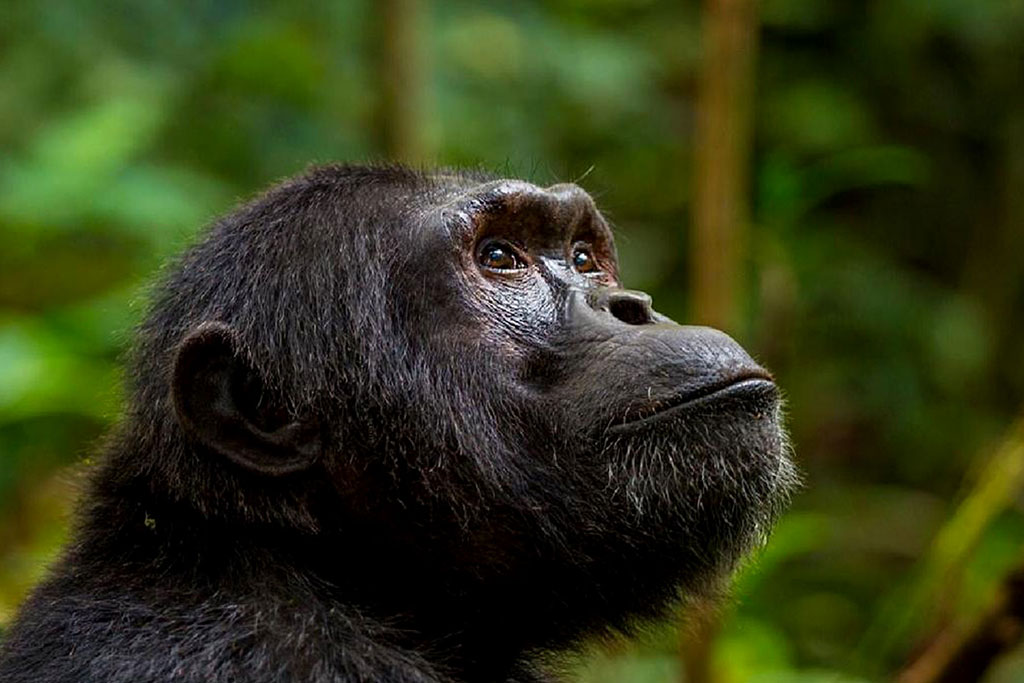
How to Do a Uganda Safari for Under $1500. A safari in Uganda is often considered an expensive dream reserved for luxury travelers, but the truth is that you can experience the beauty of this East African gem on a limited budget. Uganda offers incredible wildlife, lush landscapes, and unforgettable cultural encounters that can still fit within a modest travel budget if you plan carefully. With smart choices on accommodation, transportation, and tour activities, it is entirely possible to enjoy a thrilling safari for under $1500.
Uganda is often called the “Pearl of Africa,” a name popularized by Winston Churchill after his visit in the early 1900s. The country offers breathtaking national parks, diverse wildlife, and welcoming communities that make every safari experience unique.
This guide explains how travelers can organize an exciting Uganda safari while staying within a $1500 budget without missing the highlights.
Why Uganda is a Perfect Budget Safari Destination
Compared to other popular safari countries such as Kenya or Tanzania, Uganda is generally more affordable for travelers. Park entrance fees, accommodation, and transport options are relatively cheaper, making it easier to experience a genuine African safari without spending thousands of dollars.
Uganda’s parks also offer incredible biodiversity. Visitors can explore the savannah plains of Queen Elizabeth National Park, the waterfalls and wildlife of Murchison Falls National Park, or the famous gorilla habitats of Bwindi Impenetrable National Park.
The combination of wildlife safaris, boat cruises, chimpanzee tracking, and cultural visits means that travelers can enjoy diverse experiences even on a modest budget.
Best Time to Plan a Budget Safari in Uganda
Timing plays a major role in reducing safari costs. Uganda has two main travel seasons: peak season and low season. Peak season usually runs from June to September and December to February. During this time, accommodation prices and tour costs tend to increase due to high tourist demand.
Travelers looking to stay under $1500 should consider visiting during the shoulder or low seasons. The months of March to May and October to November often have discounted accommodation rates and fewer crowds.
Although there may be occasional rain showers, wildlife viewing remains excellent because animals gather near water sources and vegetation is lush.
Choosing Budget-Friendly National Parks
One of the best strategies for keeping safari costs low is selecting national parks that offer affordable activities and easy access from the capital city.
For example, Queen Elizabeth National Park is one of the most budget-friendly safari destinations in the country. The park is easily accessible from Kampala and offers incredible wildlife viewing opportunities including elephants, lions, buffaloes, and antelopes.
Another excellent option is Murchison Falls National Park, the largest national park in Uganda. Visitors can enjoy game drives, boat cruises along the Nile, and scenic views of the powerful Murchison Falls.
Budget travelers may also consider Lake Mburo National Park, which is closer to Kampala and offers walking safaris, zebra sightings, and beautiful landscapes.
Budget Accommodation Options
Accommodation is often one of the biggest expenses on safari, but Uganda has plenty of budget-friendly lodges, campsites, and guesthouses.
Many national parks have basic safari lodges and tented camps that provide comfortable accommodation without luxury prices. Budget lodges usually cost between $30 and $80 per night per person.
Camping is another great option for travelers who want to save money. Several parks offer designated campsites where visitors can pitch tents and enjoy nature at a lower cost.
Budget lodges also provide opportunities to meet other travelers, share safari stories, and exchange travel tips.
How to Save Money on Transportation
Transportation is another major safari cost, but there are several ways to reduce expenses.
Many budget travelers join small group tours organized by local tour companies. These group safaris allow visitors to share transportation costs, making the trip much cheaper than private safaris.
Another option is using public transportation to reach towns near national parks before joining local safari vehicles for game drives.
Travelers who prefer flexibility may also consider self-drive safaris by renting a 4×4 vehicle, which can reduce costs when shared among friends or family members.
Affordable Safari Activities
Uganda offers a wide range of safari activities that can fit within a modest budget.
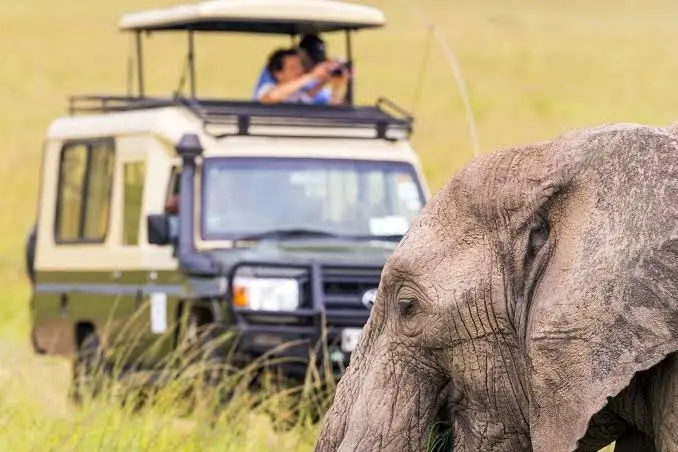
Game drives are usually the highlight of any safari and provide opportunities to see elephants, giraffes, buffaloes, and predators in their natural habitats. Boat cruises are another popular activity, especially in Queen Elizabeth National Park along the Kazinga Channel.
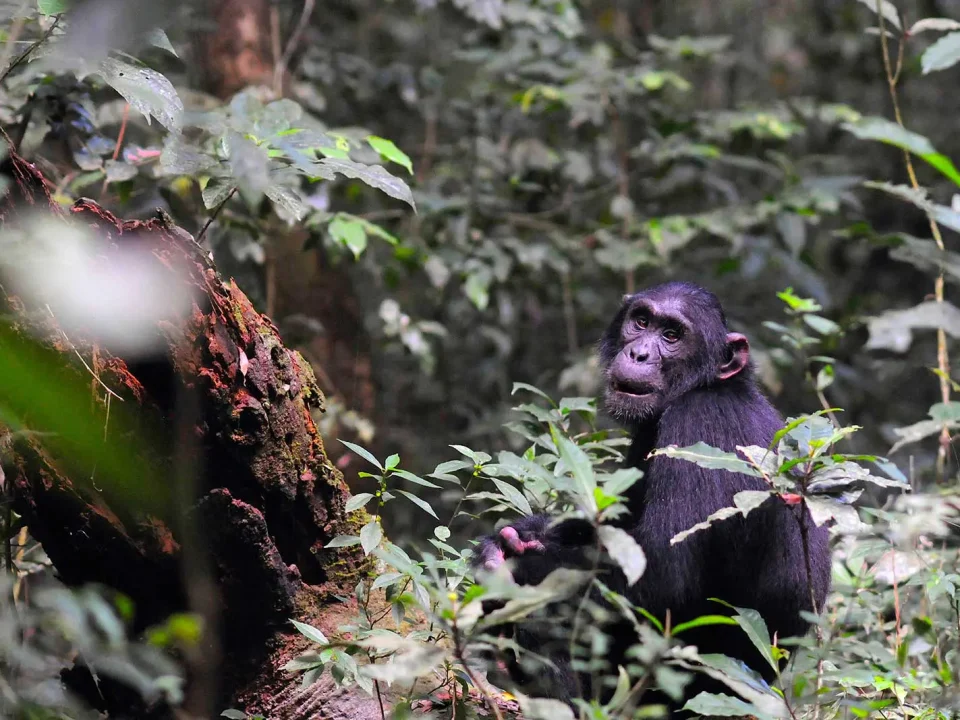
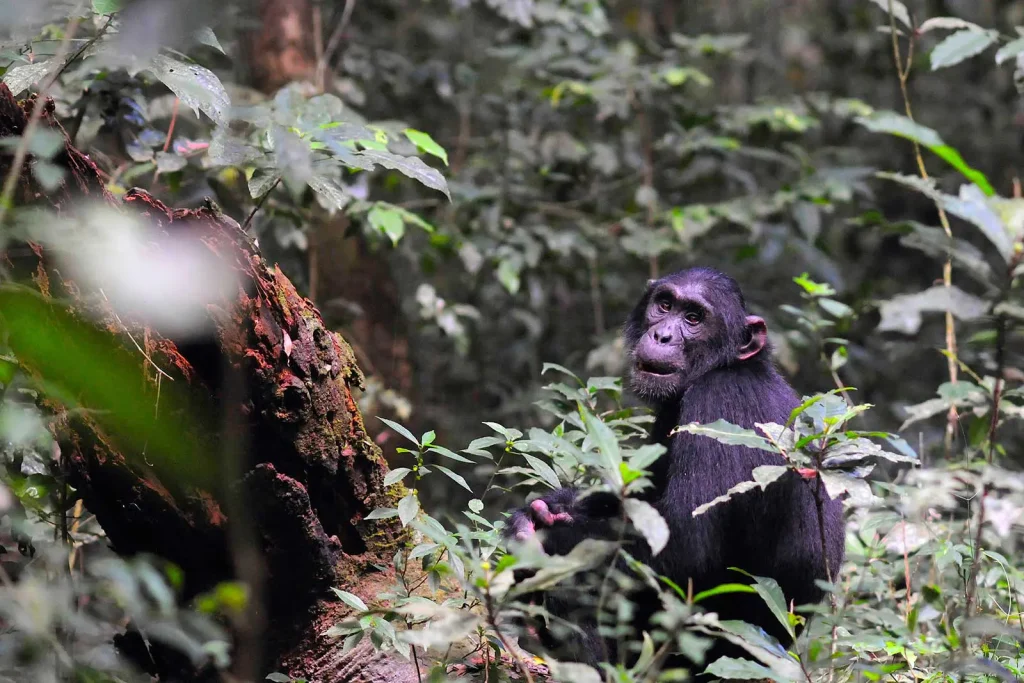
Chimpanzee tracking is also more affordable than gorilla trekking. Visitors can track chimpanzees in Kibale National Park, which is often called the primate capital of the world.
Cultural visits to local communities also provide meaningful experiences while supporting local economies.
Gorilla Trekking on a Budget
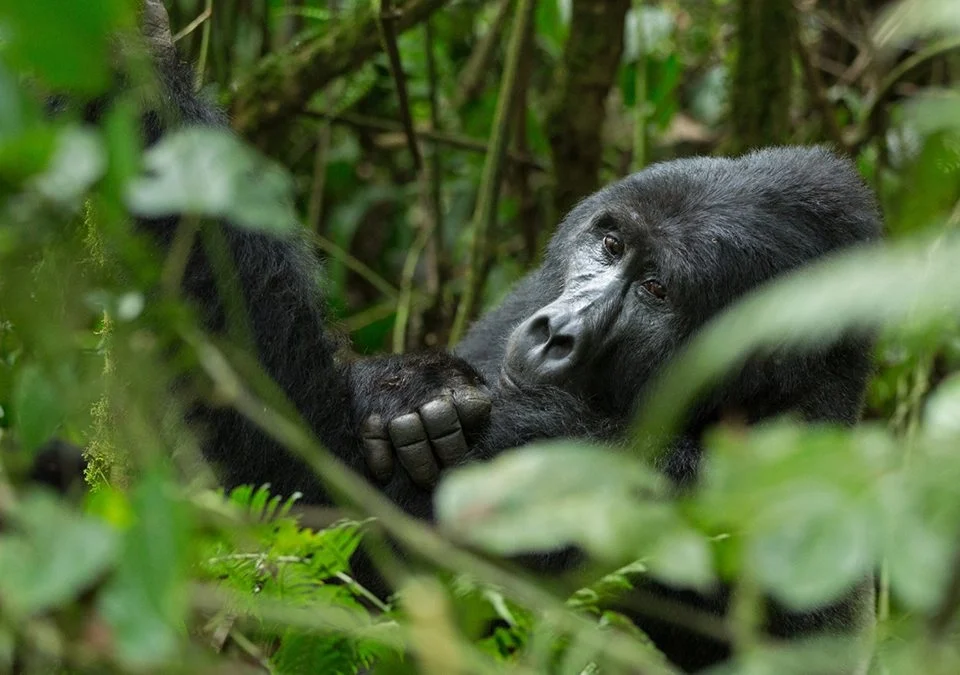
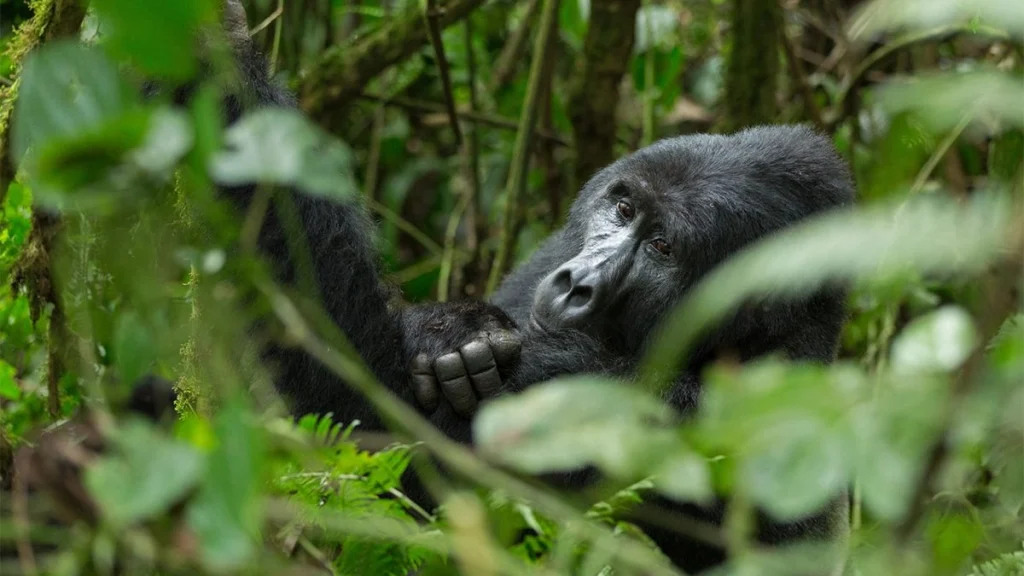
Gorilla trekking is one of Uganda’s most famous safari experiences, but it can significantly increase the cost of a trip. A gorilla permit currently costs around $800 per person in Uganda.
Travelers who want to keep their safari under $1500 may need to choose between gorilla trekking and other safari activities, or shorten the trip duration.
Those determined to see gorillas should consider visiting Bwindi Impenetrable National Park during the low season, when discounts may sometimes be available.
Another strategy is combining gorilla trekking with budget accommodation and shared transport to balance overall costs.
Sample 5-Day Uganda Budget Safari Under $1500
Here is a sample itinerary showing how travelers can enjoy a safari within this budget.
Day 1: Arrival in Entebbe and transfer to Kampala. Overnight in a budget hotel.
Day 2: Drive to Queen Elizabeth National Park with scenic stops along the way.
Day 3: Morning game drive and afternoon boat cruise on the Kazinga Channel.
Day 4: Optional chimpanzee tracking or community visit, followed by an evening game drive.
Day 5: Return journey to Kampala or Entebbe for departure.
By choosing budget accommodation and sharing transportation, travelers can keep the entire trip within the $1200–$1500 range.
Tips for Keeping Your Safari Budget Low
There are several additional strategies travelers can use to reduce safari costs.
Booking directly with local tour operators often results in better prices than international agencies. Packing essential items such as reusable water bottles, snacks, and travel gear can also reduce unnecessary spending during the trip.
Travelers should also compare multiple tour packages and ask about group discounts, seasonal offers, and budget itineraries.
Flexibility with travel dates and destinations can significantly reduce overall safari expenses.
What to Pack for a Budget Safari
Packing wisely can help travelers avoid extra costs while ensuring comfort during the safari.
Essential items include lightweight clothing, a good pair of walking shoes, sunscreen, insect repellent, and a camera for capturing wildlife moments.
Binoculars are also useful for spotting distant animals during game drives. A reusable water bottle is recommended to reduce plastic waste and save money on bottled water.
Being well prepared ensures travelers enjoy their safari without unexpected expenses.