- EXPERT'S HELP
- +256789210067
- +256200955001
- info@kenlinktours.com


Flying Safaris in Uganda and Rwanda
March 1, 2026
Best Value Safari Packages in Uganda for Couples and Groups
March 1, 2026
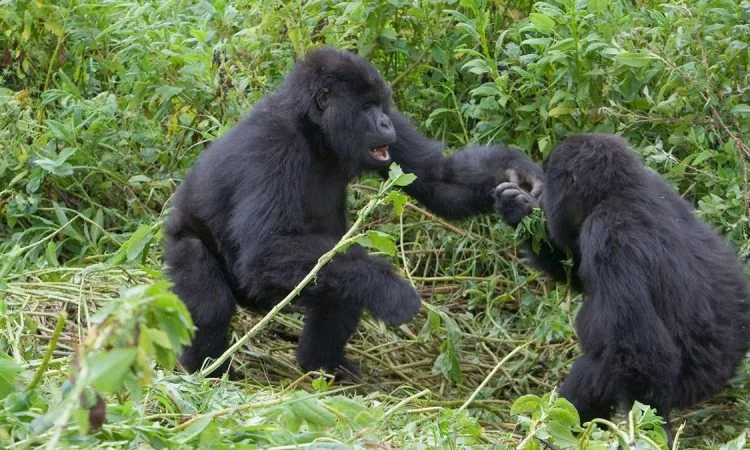
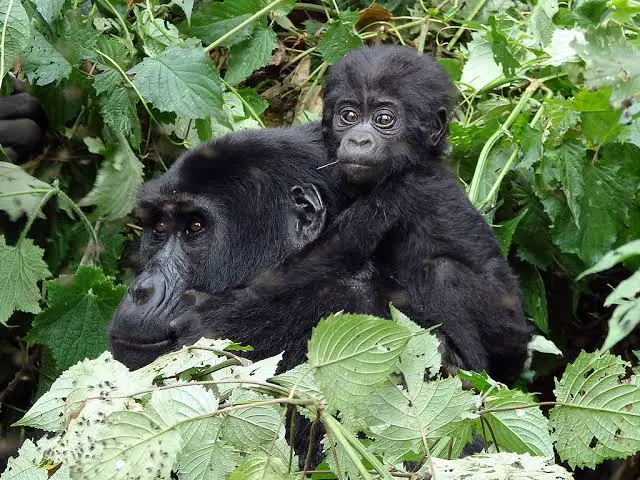
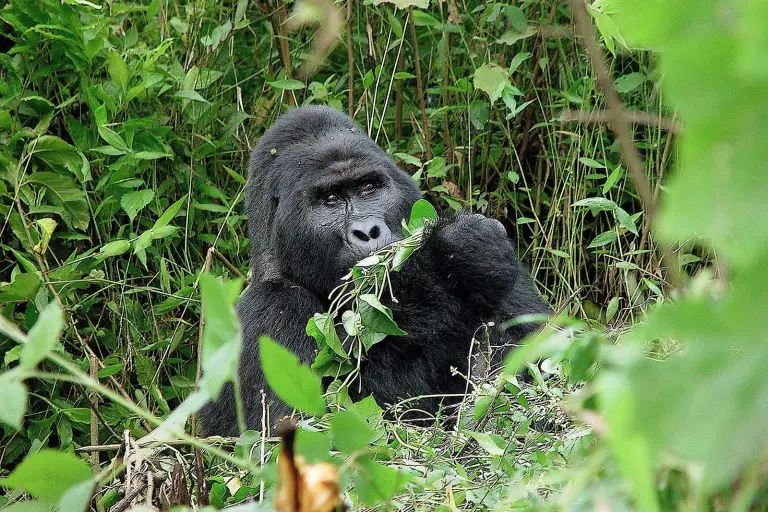
How to Save Money on Gorilla Safaris in Uganda and Rwanda. Gorilla safaris in Uganda and Rwanda are a once-in-a-lifetime experience, offering the chance to see mountain gorillas in their natural habitat. While these safaris are often seen as premium travel experiences, careful planning and smart strategies can make them more affordable without compromising the quality of your adventure.
Both Uganda and Rwanda offer options for budget-conscious travelers, from choosing the right permits to combining activities efficiently. This guide explores practical tips for saving money on gorilla safaris while enjoying unforgettable wildlife encounters.
Understand Gorilla Trekking Permits
The single largest cost in any gorilla safari is the trekking permit. Uganda and Rwanda charge different rates:
-
In Uganda, gorilla trekking permits typically vary depending on the park (Bwindi Impenetrable or Mgahinga).
-
In Rwanda, Volcanoes National Park offers permits at set rates.
To save money, book your permits well in advance and consider traveling during shoulder seasons when availability is higher and ancillary costs (like accommodations) may be lower.
Choose the Right Time to Visit
Timing can significantly influence costs:
-
High season (June–September and December–February): Weather is ideal, but prices are higher and lodges fill quickly.
-
Low season (March–May and October–November): Fewer tourists, potential lodge discounts, and sometimes lower local travel costs.
Traveling during the shoulder or low season may also provide a quieter, more intimate gorilla trekking experience.
Combine Safaris and Activities
Combining gorilla trekking with other wildlife safaris can be cost-effective:
-
Plan a multi-day safari in Uganda that includes gorilla trekking, chimpanzee tracking, and wildlife drives in Queen Elizabeth or Murchison Falls National Parks.
-
Combine gorilla trekking in Rwanda with Akagera National Park for a Big Five safari.
Booking a combined package often reduces transportation and accommodation costs compared to separate bookings for each activity.
Consider Budget-Friendly Accommodation
Luxury lodges offer comfort but can significantly increase the total cost of a gorilla safari. Budget-friendly alternatives include:
-
Mid-range lodges and guesthouses near park headquarters
-
Community-run eco-lodges
-
Small boutique hotels in nearby towns
Staying slightly farther from the park entrance can lower accommodation costs without affecting trekking experiences.
Travel in a Small Group
Traveling in a small group reduces per-person costs. Group tours share vehicles, guides, and sometimes accommodations. While private safaris are more expensive, joining a small, organized group can make a gorilla safari more affordable while still maintaining a high-quality experience.
Use Local Transport Wisely
Transport is a key factor in safari expenses. Options for reducing costs include:
-
Using shared transfers or minibuses to reach national parks
-
Renting a car with a group rather than booking private transfers
-
Combining road travel with fly-in segments selectively to save both time and money
Efficient planning of transfers between parks can avoid unnecessary extra costs.
Book Through Reputable Local Operators
Booking through trusted local tour operators in Uganda and Rwanda can save money:
-
Local operators often have better rates for gorilla permits and lodges.
-
They can customize itineraries to maximize efficiency, reducing transport and accommodation expenses.
-
They provide valuable advice on cost-saving strategies, such as combining activities or choosing alternative routes.
Kenlink Tours, for example, can help plan budget-friendly yet high-quality gorilla safari experiences.
Limit Additional Costs
Other expenses can add up during a gorilla safari. To save money:
-
Bring your own snacks and refillable water bottles to avoid high park prices.
-
Limit souvenir purchases to essential items.
-
Avoid unnecessary guided walks outside your planned itinerary unless they add real value.
Careful planning ensures that money is spent on the experiences that matter most.
Opt for Multi-Day Packages
Single-day gorilla trekking trips can be expensive when considered alone. Multi-day safari packages that combine trekking, wildlife viewing, and cultural visits often offer better value.
Multi-day packages reduce repetitive transport costs, provide accommodation deals, and allow more efficient use of guides and park permits.
Be Strategic About Park Choice
Both Uganda and Rwanda offer exceptional gorilla experiences, but permit prices differ slightly:
-
Uganda generally has slightly lower trekking permit fees than Rwanda.
-
Mgahinga Gorilla National Park can be less expensive and less crowded than Bwindi Impenetrable National Park.
Depending on your travel goals, choosing the right park can help optimize your budget.
Travel Insurance and Health Preparations
While not a direct cost-saving measure on the safari itself, travel insurance prevents unexpected expenses from medical emergencies or trip interruptions. Malaria prophylaxis and vaccinations are also essential to avoid costly medical treatments abroad.
Booking Your Gorilla Safari with Kenlink Tours
Smart planning is the key to an affordable gorilla safari without compromising on quality. Kenlink Tours specializes in creating personalized itineraries in Uganda and Rwanda, balancing cost efficiency with extraordinary wildlife experiences.
For bookings and inquiries, contact:
Email: info@kenlinktours.com
Email: inquiries@kenlinktours.com
WhatsApp: +256 789 210 067