- EXPERT'S HELP
- +256789210067
- +256200955001
- info@kenlinktours.com


Kigali City Tour and Gorilla Trek
August 13, 2026
Kigali Gorilla Trek with Golden Monkeys
August 13, 2026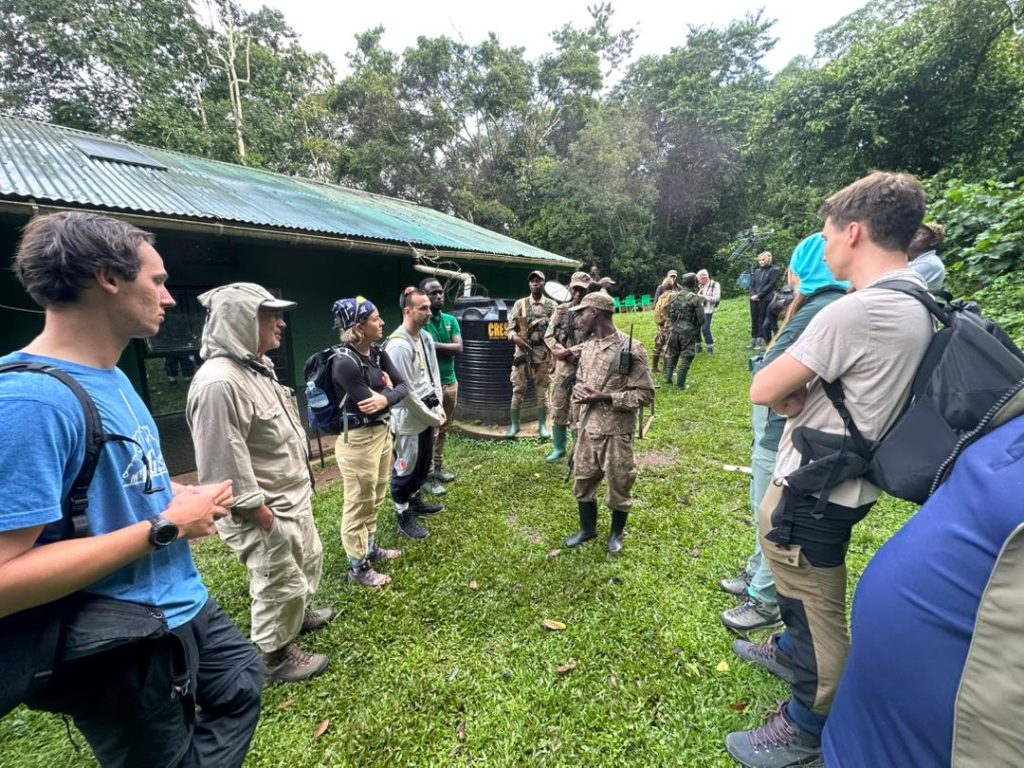
Kigali to Mgahinga Gorilla Trek in One Day. Of all the gorilla trekking options reachable from Kigali, a single-day round trip to Mgahinga Gorilla National Park is the one that actually holds up to scrutiny. Where a one-day Bwindi trip means a brutal 14-plus-hour round trip, Mgahinga’s location near Kisoro puts it close enough to the Rwandan border that a long but genuinely manageable single day is realistic for the right traveler. At Kenlink Tours, we get asked about this itinerary often, usually from travelers with a tight layover or a packed multi-country schedule, and this guide gives an honest, hour-by-hour answer: yes, it’s possible, here’s exactly what it involves, and here’s who it actually suits. We’d rather talk a traveler out of a bad-fit itinerary than sell them a trip that leaves them exhausted and disappointed, so this guide is written with that same directness throughout.
Is a One-Day Kigali to Mgahinga Gorilla Trek Actually Possible?
Yes, and unlike the equivalent Bwindi day trip, it doesn’t require an unreasonable pre-dawn departure or a return well past midnight. Mgahinga’s proximity to the Cyanika border, combined with the park’s smaller size and shorter typical trekking distances to reach the Nyakagezi family, makes a same-day round trip from Kigali a genuinely achievable, if long, day. Our guide comparing Kigali and Entebbe as gorilla safari gateways touches on exactly this kind of time-sensitive planning question, and Mgahinga consistently comes out as the more realistic single-day option of Uganda’s gorilla parks. That said, “possible” and “comfortable” are two different things, and this guide is really about helping you decide honestly which of those two words matters more for your particular trip.
Why Mgahinga Is Uganda’s Best Park for a Single-Day Trip from Kigali
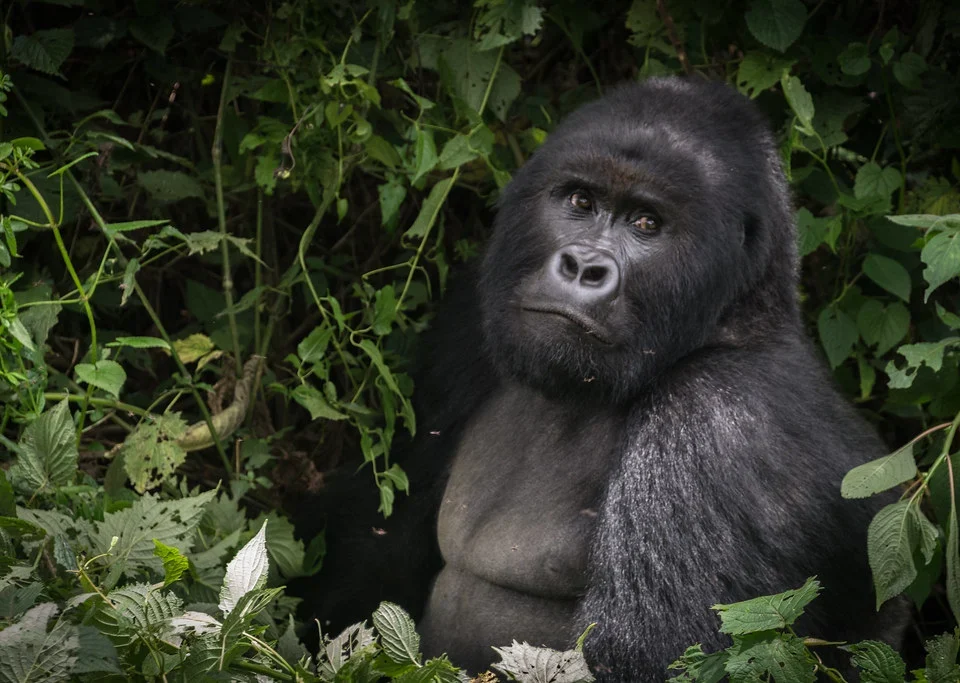
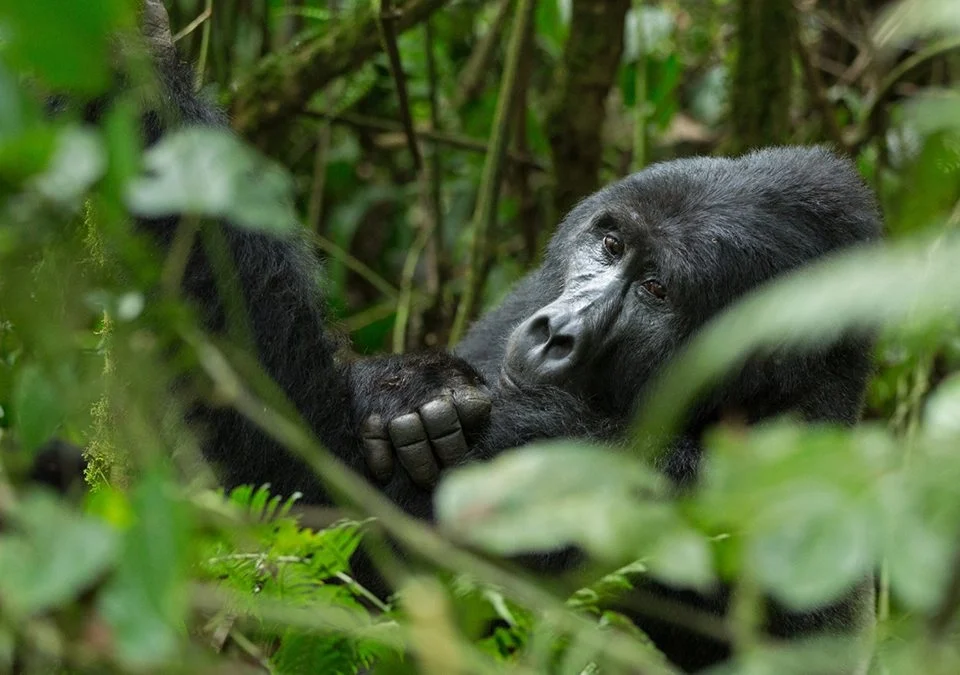
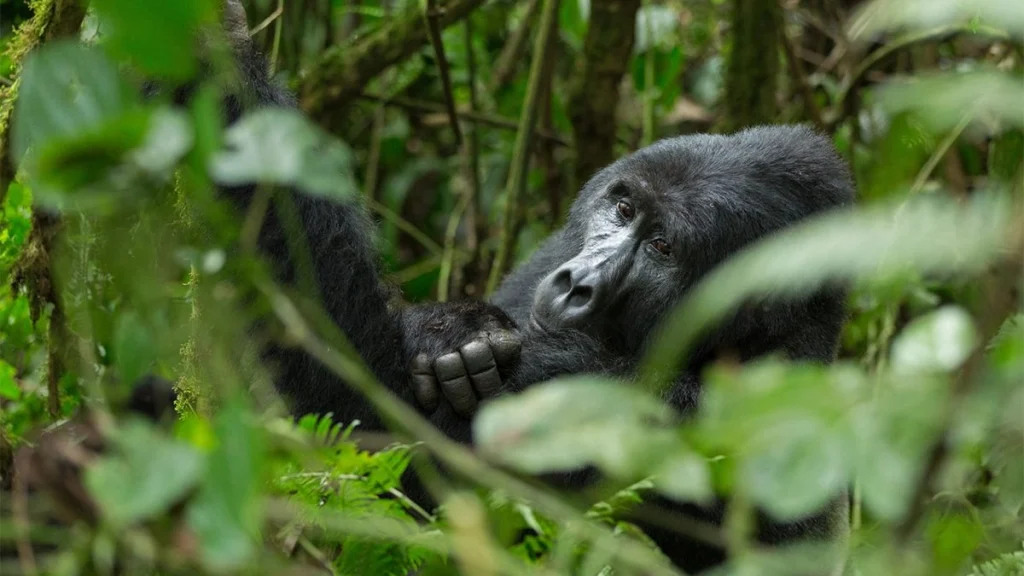
Three factors make Mgahinga uniquely suited to this kind of compressed itinerary. First, the drive from Kigali is shorter than to any Bwindi sector, typically 3 to 4 hours each way via Cyanika. Second, Mgahinga has just one habituated gorilla family, the Nyakagezi group, which tends to range within a smaller area than Bwindi’s more dispersed families, generally meaning a shorter hike to reach them. Third, park headquarters sits close to the border itself, cutting down on internal transfer time once you’re through immigration. Our page on how many gorillas are in Mgahinga Gorilla National Park gives more background on the Nyakagezi family that makes this itinerary work. None of these factors guarantee a short trek on any given day, since gorillas move on their own schedule regardless of your travel plans, but together they meaningfully improve the odds compared to attempting the same single-day approach at a larger, more spread-out park.
How Far Is Mgahinga from Kigali, Really?
The honest figure is 3 to 4 hours each way, door to door, assuming reasonable road conditions and a straightforward border crossing at Cyanika. That’s roughly 6 to 8 hours of driving alone, before you factor in the trek itself, the border crossing in both directions, and time with the gorillas. Compare that to Bwindi, where our guide to how far Bwindi is from Kigali puts most sectors at 5 to 8 hours each way, and it’s clear why Mgahinga is the far more realistic single-day option between the two. That two-to-four-hour difference each way sounds modest on paper, but multiplied across a full round trip it’s the difference between a fourteen-plus-hour day and one that, while still long, comfortably fits within a normal waking day for most healthy adults.
The Honest Pros and Cons of a One-Day Trip
The obvious advantage is efficiency: one full, unforgettable day rather than committing two or three nights away from the rest of your itinerary, which matters for travelers on a tight multi-country schedule or business travelers with limited leave days. The downside is equally real: it’s a genuinely long day, with six to eight hours of driving on top of the trek itself, and almost no buffer if anything goes wrong, whether that’s a border delay, a longer-than-expected hike, or simply arriving back in Kigali exhausted with an early flight the next morning. Our gorilla trekking rules and regulations guide is worth reading in full so you know exactly what trekking day itself involves before committing to doing it all in one push. It’s also worth acknowledging the intangible cost: a rushed itinerary leaves less mental space to actually absorb the experience, and several guests who’ve done both the single-day and overnight versions of this trip have told us the overnight version simply felt more memorable, even though the hour with the gorillas was functionally identical.
Planning Your Departure Time
A 4 a.m. departure from Kigali is the realistic starting point for this itinerary, giving you enough buffer to reach the border, clear immigration, and arrive at Mgahinga’s park headquarters in time for the standard 7 to 8 a.m. briefing. This is genuinely early, and it’s worth building in an early night beforehand rather than trying to combine this trip with a late arrival or a heavy evening in Kigali the day before. Our private car hire and transfer service is essential for this kind of timing, since a shared transfer schedule simply won’t accommodate the pre-dawn departure this itinerary requires. It’s also worth confirming your hotel can arrange an early breakfast box or at least hot coffee before you leave, since few Kigali restaurants are open at 4 a.m. and starting the day properly fueled makes a genuine difference by the time you reach the trailhead.
Hour-by-Hour Timeline: A Full Day from Kigali to Mgahinga and Back
A realistic breakdown looks like this: 4:00 a.m. departure from your Kigali hotel, arriving at the Cyanika border by roughly 6:30 a.m., through immigration and at Mgahinga park headquarters by around 7:30 to 8:00 a.m. for the briefing. The trek itself typically runs from 8:30 a.m. to early afternoon, including your hour with the gorillas, followed by a quick lunch near the park before beginning the return journey by around 2:00 p.m. With the same border crossing and drive in reverse, you’re realistically back in Kigali between 8:00 and 9:00 p.m., a long day by any measure but a complete one. Every leg of this timeline assumes reasonable conditions and a driver who knows the route well; padding an extra 30 to 45 minutes into your planning around the border crossing specifically is a sensible precaution, since it’s the one stage of the day least within your control.
Crossing the Border on a Tight Schedule
Because timing is everything on this itinerary, having your documents in order before you even leave Kigali matters more than usual. Our visa and border crossing guide for Uganda and Rwanda and our step-by-step notes on starting a trip from Rwanda to Uganda both cover exactly what to have ready. An early-morning crossing at Cyanika tends to be quieter than later in the day, which works in your favor here, but a driver who knows the crossing well is still worth the investment given how little slack this schedule has. Keep your passport, visa documentation, and yellow fever certificate in an easily accessible bag rather than packed away in the boot, since fumbling for documents at 6:30 a.m. is a small but entirely avoidable source of delay.
What Happens at Mgahinga Once You Arrive
Arriving at park headquarters with minimal time to spare means skipping some of the more leisurely elements of a typical Mgahinga visit, like a relaxed coffee at a nearby lodge before the briefing. You’ll go straight into the ranger briefing, gorilla family update, and trailhead departure. It’s a slightly more rushed start than travelers staying overnight get to enjoy, but the trek and the encounter itself follow exactly the same format regardless of how you arrived that morning. Rangers here are used to seeing both overnight guests and day-trippers, and there’s no difference in how either group is treated once the briefing begins; the only real distinction is how much energy you’ll have left to enjoy the rest of the day.
Trekking the Nyakagezi Family Under Time Pressure
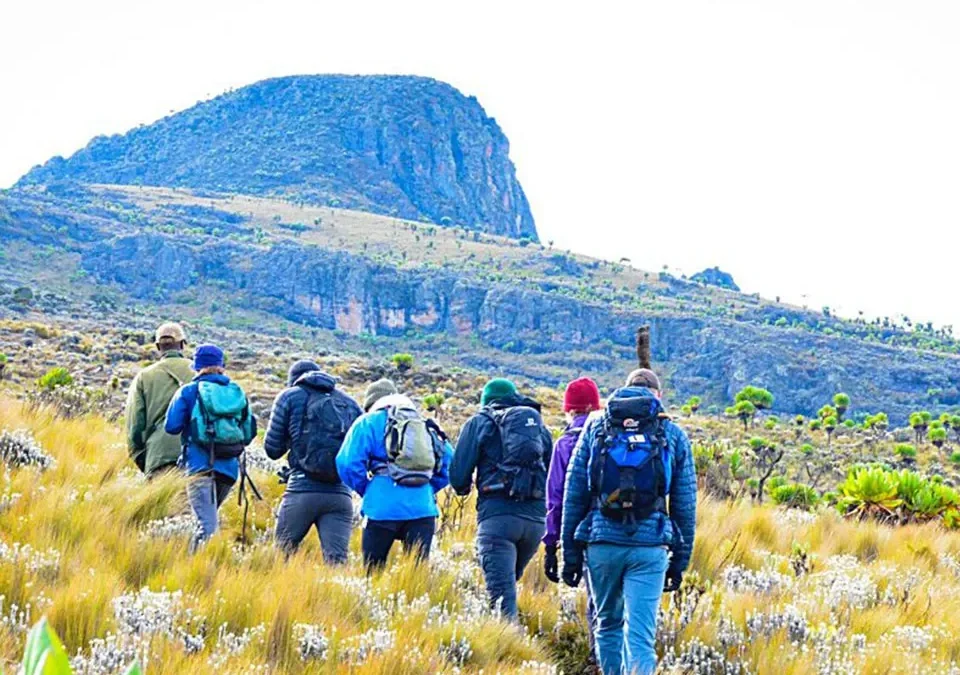
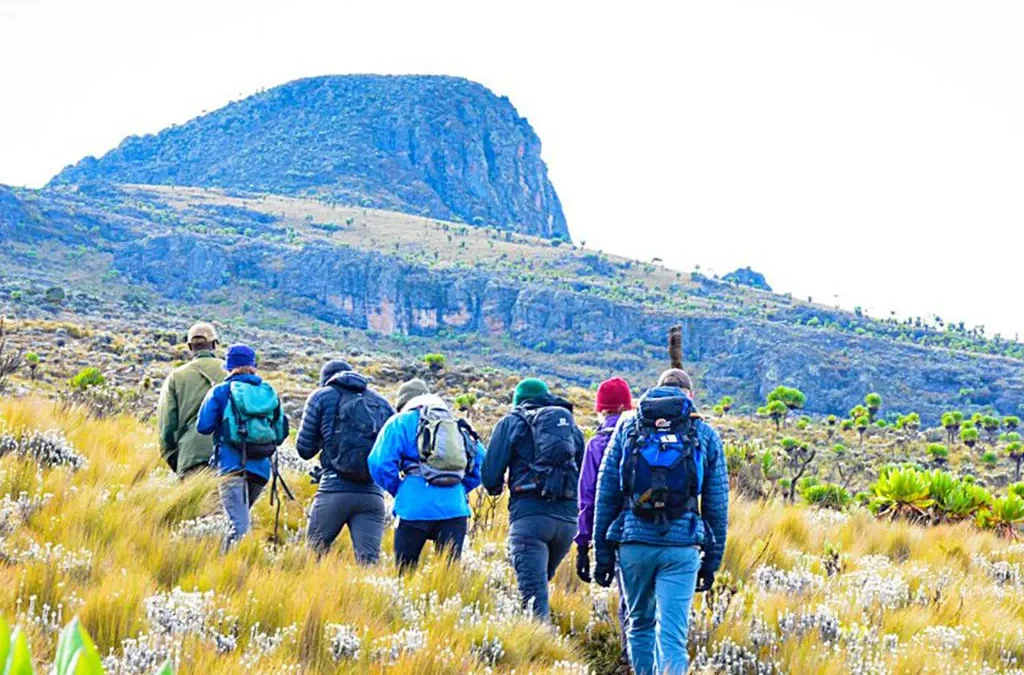
The trek itself isn’t shortened for day-trippers; you still get the full hour with the gorillas once you find them, and the hike length depends entirely on where the family has moved that morning, not on your schedule. What changes is the margin around it: a longer-than-usual trek on a day trip eats directly into your return journey time, which is one more reason this itinerary suits flexible, patient travelers rather than anyone with a fixed same-evening flight to catch. If you do have an evening flight out of Kigali, we strongly recommend booking it for the following day instead, since a delayed trek combined with tight flight timing is a genuinely stressful combination best avoided altogether.
Should You Add Golden Monkey Trekking, or Save It for Another Day?
We generally advise against trying to add golden monkey trekking to an already packed single-day gorilla itinerary; the schedule simply doesn’t allow for it without pushing your return to Kigali dangerously late. If golden monkeys are a priority, it’s a strong argument for converting this trip into an overnight instead, giving you a relaxed second morning for that activity and a proper night’s sleep before either trek, rather than tackling both in a single exhausting stretch. Our guide to things to do in Kisoro town and our page on things to do at Lake Mutanda both make a strong case for staying at least one night in the area if your schedule has any flexibility at all.
What to Pack for a Long Single Day
Beyond the standard trekking essentials covered in our packing guide for gorilla trekking, a one-day trip calls for a few extras: a proper breakfast and snacks to eat in the vehicle before dawn, a refillable water bottle you can top up along the way, a phone charger or power bank for a genuinely long day of use, and a change of clothes for the drive back once your trekking gear is inevitably muddy. Comfort items matter more than usual here, since you’ll spend far more hours in the vehicle than on the trail itself. A neck pillow or light blanket for the pre-dawn drive, motion sickness tablets if you’re at all prone to them on winding roads, and a good pair of sunglasses for the return drive as the afternoon light shifts are all small additions that make a genuine difference over a day this long.
Alternatives: Why an Overnight Might Serve You Better
If your schedule has even a small amount of flexibility, spending one night near Mgahinga transforms this trip from an exhausting marathon into a genuinely relaxed experience, with time to enjoy Kisoro town, Lake Mutanda, or simply rest before and after the trek. Our guide to accommodation near Mgahinga lists lodges that make this easy, and our broader look at combining Rwanda and Uganda gorilla trekking and culture shows how much more a slightly longer itinerary can offer for a relatively small amount of extra time.
Comparing a One-Day Mgahinga Trip to a One-Day Bwindi Trip
It’s worth being direct about this comparison, since both are marketed as single-day options. Pick and Transfer Safaris’ One Day Uganda Gorilla Safari from Kigali covers the Bwindi version of this itinerary, which typically involves a considerably longer round trip given Bwindi’s greater distance from Kigali. For travelers specifically weighing a single-day option, Mgahinga’s shorter drive makes it the meaningfully easier of the two, even though both are physically demanding days by any normal travel standard.
Comparing All Your Kigali-Based Gorilla Trekking Options
Before committing to the single-day Mgahinga itinerary, it’s worth seeing it against the full range of options reachable from the same airport. Pick and Transfer Safaris’ Kigali city guide is a useful starting point for understanding how each option fits around your time in the capital, while their Bwindi destination guide and Volcanoes National Park guide cover the two most common alternatives to Mgahinga. If a two-day trip appeals more once you’ve weighed the single-day option honestly, their 2-Day Volcanoes Gorilla Trek from Kigali and 2-Day Uganda Gorilla Tour from Kigali are both worth reviewing, and their broader gorilla safari collection lays every option out side by side.
Who Should (and Shouldn’t) Attempt This Itinerary
This trip suits travelers with a genuinely tight schedule, strong general fitness, and realistic expectations about spending most of the day in a vehicle. It’s a poor fit for anyone prone to motion sickness on long drives, travelers with back or joint issues that make extended sitting uncomfortable, or anyone hoping for a relaxed, unhurried gorilla trekking experience. It’s also not the right choice for travelers celebrating a special occasion who want time to savor the moment; a honeymoon or milestone birthday trip is generally far better served by an overnight itinerary that leaves room to actually enjoy the achievement rather than rushing straight back to the vehicle. If you’re unsure which category you fall into, our team can talk through your specific circumstances via our contact page before you commit to booking the permit.
Booking Your One-Day Mgahinga Trek with Kenlink Tours
Given how little margin this itinerary has, booking through an operator who knows the Cyanika crossing, the Mgahinga trailhead, and realistic timing on this exact route matters more here than on almost any other trip we run. Our broader Uganda gorilla trekking overview and Uganda safari cost guide both provide useful context if you’re comparing this single-day option against a longer itinerary. We’ll also give you an honest read on current road conditions and border wait times closer to your travel date, since these can shift with the seasons and directly affect how comfortably this itinerary fits into a single day. Learn more on our about us page, or get in touch through our contact page to check permit availability and confirm this schedule works for your dates. For Kigali-based transfer support, Pick and Transfer Safaris is a dependable local resource, and their Mgahinga destination guide and about us page are useful additional references if you’re comparing local operators before booking.
Frequently Asked Questions
Is a one-day Kigali to Mgahinga trip exhausting? Yes, honestly. It’s a long day with six to eight hours of driving, and it should be treated as a demanding day even before the trek itself begins.
What time do I need to leave Kigali? Around 4 a.m., to arrive at the border, clear immigration, and reach Mgahinga’s park headquarters in time for the standard morning briefing.
Can I still do golden monkey trekking on the same day? We don’t recommend it; the schedule doesn’t comfortably allow for both activities without risking a very late return to Kigali.
Is this trip cheaper than an overnight option? It saves on accommodation but the permit and transfer costs remain the same, so the savings are more modest than travelers sometimes expect.
Would you recommend this itinerary to most travelers? Only for those with genuine schedule constraints. If you have any flexibility at all, an overnight near Mgahinga makes for a noticeably better experience for roughly the same core cost.
What happens if the border crossing takes longer than expected? A good driver builds in buffer time and will communicate with the park if you’re running behind, though the park briefing itself does have a scheduled start time that rangers generally hold to.
Is it safe to drive back to Kigali after dark? Yes, with an experienced driver on well-traveled roads, though it’s one more reason to treat this as a demanding day and prioritize rest beforehand rather than an early flight or heavy schedule the following morning.
Final Thoughts on a Kigali to Mgahinga Gorilla Trek in One Day
A single-day round trip from Kigali to Mgahinga is one of the few gorilla trekking day trips in the region that genuinely works, thanks to the park’s proximity to the Cyanika border and its single, relatively accessible gorilla family. It’s not a relaxed day by any definition, but for the right traveler with a tight schedule and realistic expectations, it delivers the full gorilla trekking experience without requiring an extra night away from the rest of your itinerary. Get in touch with Kenlink Tours today, and we’ll help you decide honestly whether this fast-paced option or a more relaxed overnight itinerary is the better fit for your trip. Either way, the hour you spend with the Nyakagezi family at the end of it is exactly the same unforgettable experience, however you chose to get there.