Ranger Signals for Safe Gorilla Trekking. Gorilla trekking is one of the most thrilling wildlife experiences in Africa, allowing travelers to observe mountain gorillas in their natural habitat. While the experience is unforgettable, it also requires careful attention to safety and rules. Rangers play a crucial role in ensuring both your safety and the well-being of the gorillas.
Understanding ranger signals and gestures is essential for a smooth and safe trekking experience. This guide explains the most common signals, why they matter, and how following them enhances your encounter with these magnificent primates.
The Role of Rangers in Gorilla Trekking
Rangers are highly trained professionals responsible for guiding tourists, protecting gorillas, and maintaining safety in the forest. They monitor gorilla behavior, track movements, and communicate with other rangers to coordinate trekking activities.
Rangers also educate visitors on proper etiquette, such as maintaining a safe distance, minimizing noise, and following specific rules during encounters. By paying attention to ranger signals and gestures, trekkers can enjoy a safer, more immersive, and respectful experience with the gorillas.
Why Ranger Signals and Gestures Are Important
Gorillas are powerful wild animals that can react unpredictably if they feel threatened. Rangers use a combination of verbal instructions, hand signals, and body language to communicate quickly and efficiently in the dense forest environment.
Signals help:
Keep trekkers at a safe distance from gorillas
Alert trekkers to changes in gorilla behavior
Coordinate group movements on uneven and challenging trails
Prevent accidents, such as slips, falls, or sudden encounters with gorillas
Ignoring these signals can put both humans and gorillas at risk, so understanding them is crucial.
Common Ranger Hand Signals
Hand signals are widely used because verbal commands may not carry far in dense forest areas. Here are some of the most common signals:
Stop Sign (Hand Raised, Palm Forward): Indicates that trekkers must halt immediately. This may happen if gorillas are approaching or if there is a hazard on the trail.
Move Slowly (Hand Waving Forward): Signals that you should advance cautiously and quietly, often because gorillas are nearby.
Come Closer (Hand Motioning Forward with Palm Down): Tells trekkers to approach slowly, typically when the gorillas are calm and the guide is positioning the group for observation.
Stay Behind (Palm Down, Moving Side to Side): Keeps the group behind the ranger to avoid startling gorillas or breaking forest trails.
By observing these hand gestures, trekkers can navigate safely and maintain respectful distance from the gorillas.
Ranger Whistles and Audible Signals
In addition to hand gestures, rangers may use whistles or short calls to communicate across long distances. These signals often alert the group to:
Gorilla movement or aggression
Shifts in group formation
Incoming wildlife or hazards on the trail
Trekkers should stop and look to the ranger immediately if a whistle or unusual call is heard. These alerts are part of the safety system designed to protect everyone during the trek.
Body Language Cues to Watch For
Rangers also use body posture and facial expressions to communicate urgency or caution. Common cues include:
Leaning Forward: Indicates an approaching gorilla or danger, signaling trekkers to pay close attention.
Looking Around Frequently: A warning that something is nearby, such as a silverback changing position.
Arms Crossed or Hands on Hips: Often a neutral position indicating the group should remain stationary and observe quietly.
Understanding these subtle cues enhances your ability to respond appropriately and ensures the trek remains safe and enjoyable.
Why Silent Communication Matters
Gorilla trekking requires quiet observation to prevent disturbing the animals. Verbal instructions can disrupt the forest and stress the gorillas. Using hand signals, whistles, and body language allows rangers to communicate efficiently without creating unnecessary noise.
Trekkers should also limit talking, avoid sudden movements, and follow the ranger’s lead. Silent communication fosters a calm environment where gorillas feel secure, and visitors can witness natural behaviors up close.
Responding Correctly to Ranger Instructions
Following ranger gestures correctly is essential for safety. Some key points include:
Stop Immediately: When the stop signal is given, halt all movement and observe the ranger’s guidance.
Move Slowly When Instructed: Slow movements prevent startling the gorillas and reduce the risk of slipping on uneven trails.
Keep Your Distance: Rangers will guide you to the appropriate viewing distance, usually around 7 meters from gorillas.
Hold Your Camera Steady: Avoid sudden movements while taking photos, following the ranger’s signal for safe photography.
Being attentive and responsive ensures a safer trekking experience for both humans and wildlife.
Understanding Gorilla Body Language Through Rangers
Rangers also interpret gorilla behavior and communicate it to trekkers using signals. Some common behaviors include:
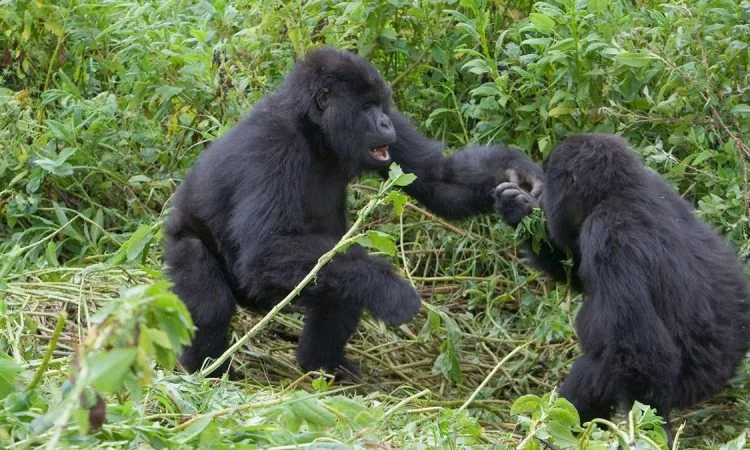
Chest Beating: Indicates dominance or mild agitation; the ranger may signal trekkers to maintain distance.
Vocalizations: Gorillas make various sounds; rangers interpret these as warnings or calm interactions.
Rapid Movements: Could indicate playfulness or alertness; the ranger may direct trekkers to pause or reposition.
By following the ranger’s interpretation of gorilla body language, trekkers gain deeper insights while staying safe.
Safety on Steep and Muddy Terrain
Gorilla trekking trails are often steep, slippery, and muddy. Rangers use gestures to guide the group safely across difficult sections.
Pointing Foot or Hand Forward: Indicates where to step safely
Holding Hand Up While Moving Slowly: Signals that the trail ahead is slippery and caution is needed
Motioning Sideways: Guides trekkers to move laterally to avoid obstacles or maintain balance
Following these cues prevents accidents and ensures that the group can enjoy the trek without incident.
Using Ranger Signals During Photography
Photography is a major part of the gorilla trekking experience, but it must be done responsibly. Rangers will often signal when:
It is safe to take photos
A gorilla is approaching too closely
Sudden movement should be avoided to prevent startling the animals
Keeping your camera ready but reacting quickly to signals ensures you capture memorable shots without compromising safety.
Communicating as a Group
Ranger signals also help maintain group cohesion during the trek. In dense forest, trekkers can become spread out or distracted. Signals like hand waves, whistles, or verbal cues help:
A well-coordinated group ensures that everyone enjoys the trek safely while minimizing disturbance to gorillas.
Why Ranger Training Matters
Rangers are trained in both wildlife behavior and tourist safety. Their knowledge allows them to predict gorilla reactions, anticipate potential hazards, and manage group dynamics efficiently.
For trekkers, understanding ranger signals complements this training. When visitors follow instructions accurately, the ranger’s expertise is maximized, creating a seamless, safe, and educational trekking experience.
Preparing Yourself Before the Trek
Before starting your gorilla trek, it is helpful to:
Pay attention to the ranger briefing on hand signals and gestures
Keep your eyes on the ranger during the trek
Ask questions if a gesture or instruction is unclear
Stay calm and flexible, as situations can change quickly
Preparation ensures you are ready to respond correctly and reduces anxiety during the hike.
Respecting Both Gorillas and Rangers
Following ranger signals is not just about safety; it also shows respect for the gorillas and the people protecting them. Rangers work to conserve wildlife and maintain ethical tourism standards.
Visitors who adhere to instructions contribute to a positive experience for everyone, protect endangered species, and support the ongoing conservation efforts in Uganda and Rwanda.
Tips for First-Time Trekkers
For first-time trekkers, consider these tips:
Stay Alert: Keep your focus on the ranger at all times
Move Calmly: Sudden movements can startle gorillas
Listen Carefully: Rangers often give verbal instructions alongside gestures
Follow Group Formation: Rangers position trekkers strategically for safety and viewing
These small actions make a big difference in ensuring a safe and enjoyable encounter.
Enhancing Your Gorilla Trekking Experience
Understanding ranger signals and gestures is key to a safe, respectful, and unforgettable gorilla trekking adventure. By paying close attention to hand signals, whistles, body language, and verbal cues, trekkers can navigate dense forests, avoid potential dangers, and observe gorillas without causing stress.
Rangers are not just guides—they are protectors, interpreters, and educators. Respecting their instructions maximizes safety, enriches your wildlife experience, and helps protect one of the world’s most endangered species.
Booking Gorilla Safari with Kenlink Tours
At Kenlink Tours, we specialize in organizing seamless gorilla safaris in both Rwanda and Uganda. Whether you prefer a luxury short escape or an extended wildlife adventure, we help you plan the perfect journey tailored to your needs.
Would you wish to make a booking for a gorilla or wildlife safari, you may contact our 24/7 team on emails: info@kenlinktours.com or inquiries@kenlinktours.com for a better planning and memorable safari experience.
 +256 789 210067