- EXPERT'S HELP
- +256789210067
- +256200955001
- info@kenlinktours.com


Short Gorilla Safaris is in Rwanda
September 1, 2026
Can i trek Gorillas in Bwindi and Drive to Kigali Same Day?
September 1, 2026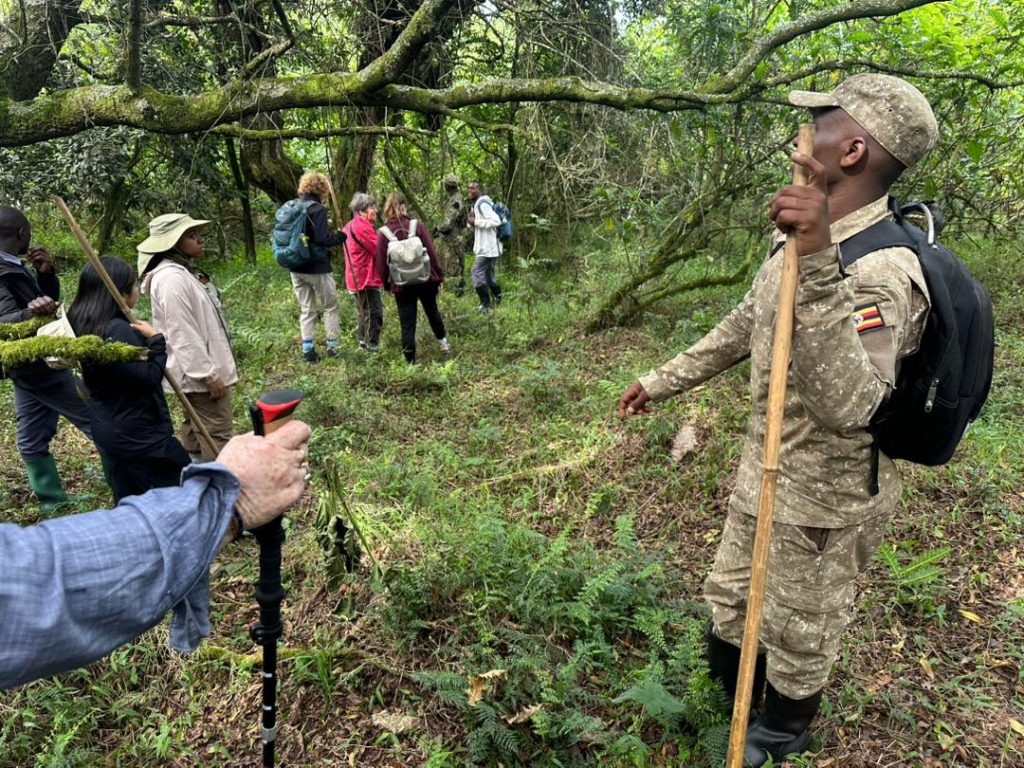
Short Gorilla Tours in Uganda for African Citizens. Most articles about gorilla trekking in Uganda are written for international visitors paying the full foreign non-resident rate, and it shows: the prices they quote can make trekking sound like a once-in-a-lifetime splurge rather than something you could realistically do on a long weekend. If you hold a Ugandan, Kenyan, Rwandan, Tanzanian, Burundian or other African passport, the reality is very different. Uganda charges African citizens a steeply discounted permit fee specifically to make gorilla trekking accessible to people from the region, not just visitors flying in from overseas. Combine that discount with Bwindi’s short driving distance from Kampala or Kigali, and a short gorilla tour becomes one of the most achievable bucket-list trips available to anyone on the continent.
This guide is written specifically for African travellers: what the citizen and East African Community permit rates actually are, what documents you’ll need to qualify, how to build a genuinely short 2 or 3-day itinerary around Bwindi or Mgahinga, which park makes more sense for your route, what a short trip costs once transport and lodging are added to the permit, and how to book it through our Uganda safari packages without overpaying for a trip that doesn’t need to be complicated or expensive.
We work with East African and other African travellers on this exact kind of trip regularly, from Kenyan professionals extending a Kampala work trip to Rwandan families crossing the border for a weekend, and the questions are almost always the same: how much will it really cost with my passport, how fast can I actually do this, and can a local operator handle the permit paperwork so I don’t have to navigate the Uganda Wildlife Authority system myself. This guide answers all three.
Why Uganda Is an Easy, Affordable Gorilla Trek for African Citizens
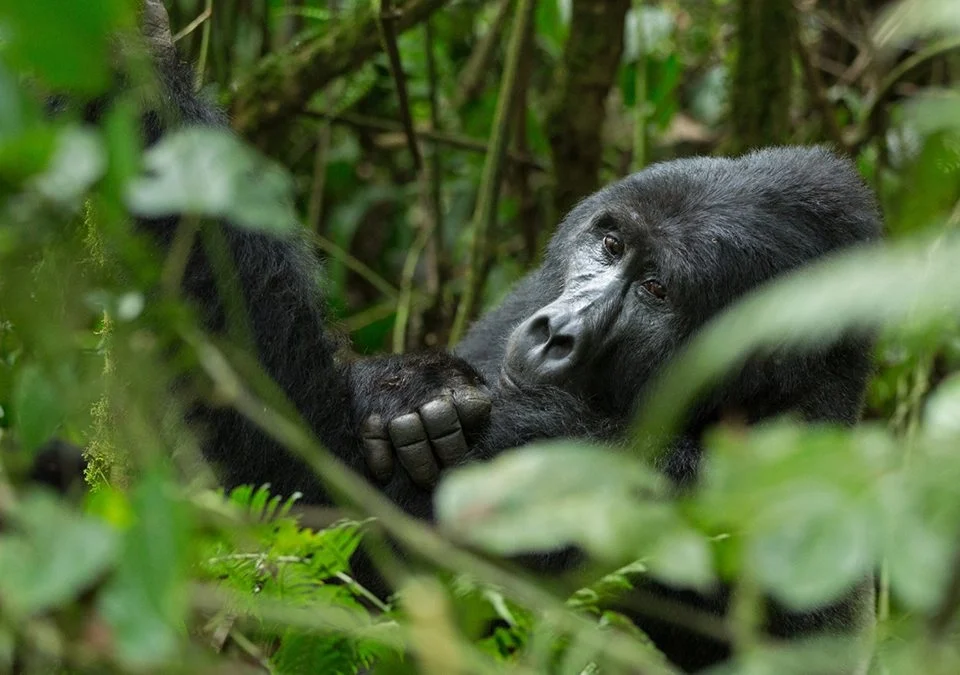
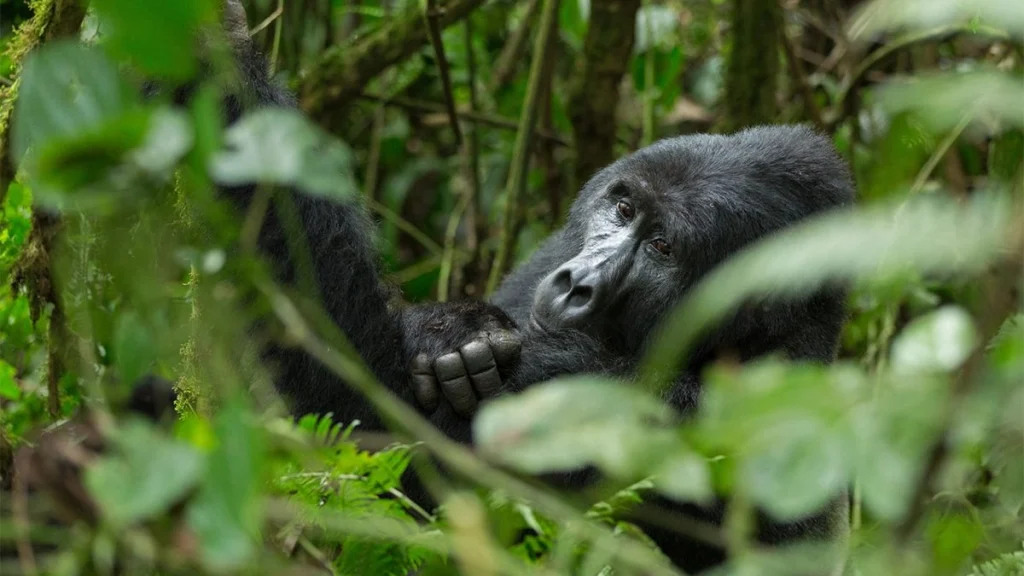
Uganda is home to more than half of the world’s remaining mountain gorillas, spread across Bwindi Impenetrable Forest and the smaller Mgahinga Gorilla National Park. Unlike Rwanda, which charges a flat $1,500 permit regardless of nationality, Uganda’s Wildlife Authority deliberately tiers its pricing so that citizens of Uganda, Kenya, Rwanda, Tanzania and Burundi, along with other African passport holders, pay a fraction of what a European or American visitor pays for the exact same trek, the exact same hour with the same habituated gorilla families. That pricing policy exists precisely because the Ugandan government wants its own citizens and regional neighbours to experience their own natural heritage, not just export it as a luxury product to foreign tourists. For African travellers, that makes a short, well-planned Uganda gorilla tour genuinely one of the most accessible wildlife experiences on the continent. Regional operators across the Virunga corridor, including broader gorilla safari route guides that compare permit pricing across Uganda, Rwanda and Congo, consistently flag Uganda’s citizen tier as the single biggest cost advantage in the region for anyone holding an African passport.
Gorilla Trekking Permit Prices for African Citizens in Uganda (2026)
Permit pricing in Uganda is split into four tiers, and the gap between them is significant:
| Category | Standard Gorilla Trekking Permit |
|---|---|
| Foreign Non-Resident | US$800 per person |
| Foreign Resident (living in Uganda) | US$700 per person |
| Other African Citizen (non-EAC) | US$500 per person |
| East African Citizen (Uganda, Kenya, Rwanda, Tanzania, Burundi) | UGX 300,000 per person |
Permit fees are set by the Uganda Wildlife Authority and are revised periodically, so treat these figures as a planning guide rather than a final quote. We confirm the exact current rate for your specific nationality at the time of booking on every Uganda gorilla safari we arrange.
For an East African citizen paying in local currency, that UGX 300,000 rate works out to a small fraction of the foreign non-resident price, which is precisely why so many Kenyan, Rwandan and Tanzanian travellers treat gorilla trekking as a realistic weekend trip rather than a rare splurge. We cover the full pricing breakdown, including what the permit does and doesn’t include, on our dedicated gorilla trekking price guide.
The Gorilla Habituation Experience: A Longer Alternative Worth Knowing About
Alongside the standard one-hour trekking permit, Uganda also offers the Gorilla Habituation Experience, which allows up to four hours with a gorilla family that’s still being acclimatised to human presence rather than fully habituated. It costs considerably more, around $1,500 for foreign non-residents and $1,000 for foreign residents, and is only available in Bwindi’s Rushaga sector with a maximum of four visitors per group. For a short citizen-rate trip, the standard permit is almost always the better choice: it’s far cheaper, the one-hour sighting is every bit as memorable, and the standard permit’s larger eight-person group size means significantly better availability on short notice. The habituation experience is worth considering only if you have a specific research or photography interest and enough schedule flexibility to book well in advance.
What Documents You Need to Prove African Citizenship for Discounted Permits
To qualify for the East African Citizen or other African Citizen rate, you’ll need to present a valid national passport or, in some cases, a national ID card, at the time of booking and again on trekking day. Uganda Wildlife Authority rangers do check documentation at the park headquarters before the trek begins, so it’s worth carrying the original document rather than a photo or copy. If you’re booking through a tour operator, as most travellers do, send a scan of your passport at the time of reservation so your permit is issued under the correct pricing category from the outset; switching categories after a permit has been booked under the wrong rate is difficult and sometimes impossible.
How Many Days Do You Actually Need for a Short Gorilla Tour in Uganda?
Two full days is the realistic minimum for a Uganda gorilla trek if you’re travelling from within East Africa: one day to arrive and settle near Bwindi or Mgahinga, and one day to trek. Three days is far more comfortable and gives you a buffer against the region’s occasionally unpredictable rural roads. Travellers coming from Kampala can drive to Bwindi in a long day, roughly eight to nine hours, or fly by domestic charter in under an hour, which is what makes a genuinely short trip possible even from the capital. Travellers coming via Kigali have it even easier, since the Uganda border crossing near Kisoro is only two to three hours from Rwanda’s capital.
The 2-Day Short Gorilla Tour Itinerary for Citizens
For travellers who can only spare a weekend, our fastest itinerary flies or drives you to Bwindi or Mgahinga on day one, treks first thing on day two, and returns you to Kampala or Kigali the same evening. This is the same structure behind our 2-day Uganda gorilla safari from Kigali, which is popular with Rwandan and Kenyan travellers using Kigali as their entry point. It’s worth comparing timing against a similar route such as this 2-day Uganda gorilla tour from Kigali if you’re weighing domestic flight versus road transfer options for your specific weekend.
The Classic 3-Day Bwindi Gorilla Safari for African Travellers
Three days removes almost all of the time pressure of the 2-day version and is the itinerary we recommend for most citizen travellers. Day one covers arrival and transfer; day two is the full trekking day; day three is a relaxed morning, sometimes with a stop at a Batwa cultural encounter near the park, before the journey home. This is exactly the format of our 3-Day Uganda Gorillas Safari and our 3-Day Best of Uganda Gorilla Safari, both built around getting the full experience without losing a fourth day to travel. If you’d like the cultural stop built in as a core part of the itinerary rather than an optional extra, our 4-Day Uganda Cultural and Gorilla Tour extends the same trip by a single day.
Sample Day-by-Day Itinerary for a 3-Day Citizen Gorilla Tour
| Day | Activity |
|---|---|
| Day 1 | Depart Kampala or Kigali, transfer to Bwindi (road or domestic flight), evening at lodge |
| Day 2 | Early registration at park headquarters, full-day gorilla trek, return to lodge by afternoon |
| Day 3 | Optional cultural visit or relaxed morning, transfer back to Kampala or Kigali |
This structure is deliberately identical whether you’re paying the East African citizen rate, the other-African rate, or the full foreign rate; the only thing that changes with your passport is the permit line on the invoice. It’s the same rhythm we use across our 3-Day Uganda Gorillas Safari for guests who want a clear, predictable schedule rather than an open-ended trip.
Bwindi vs Mgahinga: Which Park Is Faster for a Short Trek?
Bwindi Impenetrable Forest holds the vast majority of Uganda’s habituated gorilla families and is the default choice for most trekkers, while Mgahinga Gorilla National Park, part of the same Virunga range that stretches into Rwanda and Congo, has historically had only one habituated family and is used more selectively. For a short, citizen-rate trip, Bwindi’s greater permit availability generally makes it the more reliable choice on short notice, though Mgahinga’s location closer to the Uganda-Rwanda border can shave time off a trip that starts in Kigali. Both parks are covered in detail in these independent guides to Bwindi Impenetrable Forest and Mgahinga Gorilla National Park, which are worth reading side by side if you’re deciding between the two for a tight schedule.
Combining a Short Uganda Trek with Rwanda: Cross-Border Options
Because Bwindi and Mgahinga sit close to the Rwandan border, a short Uganda gorilla tour pairs naturally with a Kigali arrival or departure, and for citizen travellers this is often the fastest route of all. Our 3-day Bwindi gorilla safari from Kigali and, for travellers who want two separate gorilla families in two countries, the 5-day Uganda-Rwanda double gorilla safari, both use this crossing. If you’re planning the route independently, a comparison against this 3-day Uganda gorilla safari from Rwanda or this one-day Uganda gorilla safari from Kigali is useful for understanding realistic border-crossing timing at Cyanika or Katuna.
Common Misconceptions About Citizen Gorilla Permits
A few myths circulate around citizen-rate permits that are worth clearing up before you book. The first is that citizen permits are somehow lower quality or use a different, less experienced set of guides; they don’t. Every trekker, regardless of nationality or price paid, is assigned the same ranger-guided groups tracking the same habituated families. The second myth is that citizen permits are only available at the last minute or in limited quantity; in practice they’re allocated from the same daily pool as foreign permits, so early booking still matters just as much. The third, and most costly if believed, is that any African passport automatically qualifies for the East African rate; it doesn’t. Only Uganda, Kenya, Rwanda, Tanzania and Burundi passport holders receive the lowest UGX 300,000 tier, while other African nationalities fall into the separate, still discounted, $500 category.
Top Short Gorilla Tour Packages by Kenlink Tours
Beyond the core 2 and 3-day options already mentioned, a few other short packages are worth knowing about depending on your interests. Our full list of available gorilla tours in Uganda is the best starting point if you want to compare every current departure at a glance. Travellers who’d like to pair gorillas with chimpanzee tracking without adding much time often choose our 5-day gorilla and chimpanzee tour, while those short on time but keen on primates generally can look at our 3-day chimp tracking safari to Kibale as a gorilla-free alternative that’s noticeably cheaper permit-wise. For comparison, this 3-day Uganda gorilla safari and this 3-day Uganda chimpanzee tour outline similar short-format options worth cross-checking before you commit to dates.
Best Time of Year for a Quick Gorilla Trek in Uganda
Uganda’s two dry seasons, June to September and December to February, offer firmer trails and generally shorter trek times, which matters most on a schedule with little slack built in. The rainier months from March to May and October to November see fewer crowds and sometimes easier permit availability at short notice, which can matter more than weather if you’re booking a citizen-rate trip only a few weeks out. Since East African and other African citizen permits are priced the same year-round, there’s no financial reason to avoid the rainy season the way there sometimes is with promotional foreign-visitor pricing; the choice comes down purely to trail conditions and your own schedule flexibility. Weekday treks, regardless of season, also tend to have marginally better last-minute permit availability than weekends, which is worth knowing if you’re booking a short trip on short notice around a public holiday.
Fitness, Packing and Preparing for the Trek
The trek itself is identical in difficulty regardless of which permit category you hold: expect anywhere from 30 minutes to five hours of hiking through dense, often steep terrain, depending on where the assigned gorilla family happens to be that morning. Pack sturdy waterproof boots, a rain jacket, gardening gloves for gripping vegetation, and a daypack with water and snacks. A porter, typically available for a small fee at the trailhead, is worth hiring regardless of your fitness level, both for the practical help on slippery terrain and because the fee supports the local community directly. If your trip is genuinely short, pack all trekking gear in your carry-on rather than checked luggage so a delayed bag can’t derail your only trekking day. Bring your national passport or ID in your daypack as well as your permit confirmation, since both are checked again at the trailhead, and a small supply of local currency in cash, since card facilities near Bwindi and Mgahinga are limited and porter or guide tips are almost always paid in cash.
Rules and Etiquette on Trekking Day
The rules that protect Uganda’s mountain gorillas apply equally to every visitor regardless of nationality or permit price. The minimum age is 15, groups are capped at eight trekkers per gorilla family, a minimum distance of seven metres must be maintained, and anyone with a cold, flu or other contagious illness will be asked to sit the trek out to protect the gorillas from human disease transmission. Flash photography, loud noise, and sudden movements are all discouraged near the family. These rules exist because Uganda’s gorilla population, like Rwanda’s, has grown steadily specifically because trekking has been managed this carefully, and every visitor, citizen or foreign, plays a part in keeping that trend going. It’s also worth knowing that ranger and porter tips, while not compulsory, form a meaningful part of local household income around Bwindi, and travellers on a citizen-rate permit contribute exactly as much to that local economy through tips and park fees as a foreign visitor does, even though the permit line on their own invoice is far smaller.
Where to Stay Near Bwindi on a Short Trip
Accommodation near Bwindi ranges from simple, budget-friendly guesthouses to high-end forest lodges, and on a short trip we generally recommend staying in one location for both nights to avoid losing time to unnecessary transfers. Because citizen travellers are often more cost-conscious about the non-permit portion of the trip than foreign visitors flying in from overseas, a mid-range lodge close to one of Bwindi’s four trekking sectors, Buhoma, Ruhija, Rushaga or Nkuringo, usually offers the best balance of comfort and value for a fast in-and-out itinerary. Which sector you’re assigned to matters more than which lodge you stay in, since it determines your drive time to the trailhead each morning; where possible, we book accommodation in the same sector as your permit rather than a lodge that looks appealing but adds an extra hour of driving before the trek even starts.
Getting to Bwindi or Mgahinga Quickly from Kampala or Kigali
From Kampala, the overland drive to Bwindi takes roughly eight to nine hours, which is why many short-safari travellers opt for a domestic flight instead, cutting the journey to under an hour and freeing up a genuine trekking-plus-travel day rather than losing a full day each way to the road. From Kigali, the drive to the border and on to Bwindi or Mgahinga is considerably shorter, typically two to four hours depending on the exact trailhead, which is part of why so many of our cross-border citizen itineraries route through Rwanda’s capital rather than Kampala. Our private vehicle hire service covers both routes with an experienced driver-guide who handles the border paperwork on cross-border trips. If you’re arranging your own ground transfer from the Rwandan side independently, it’s worth checking current transfer timing with a cross-border specialist such as Pick and Transfer Safaris’ transfer desk before locking in a tight same-day connection.
Budget Tips: Making a Short Gorilla Safari Even More Affordable for Citizens
Beyond the discounted permit itself, a few practical choices can lower the total cost of a short trip further. Travelling in a small group splits private transport costs across more people; choosing a guesthouse over a luxury lodge can cut accommodation costs by more than half without affecting the trekking experience itself; and travelling in the shoulder months just before or after peak season often means better lodge rates with only a modest increase in rain risk. Our budget gorilla safari cost guide breaks down a realistic low-cost itinerary in detail, and it’s specifically written with citizen and regional travellers, rather than luxury foreign visitors, in mind.
Booking Your Short Gorilla Tour with Kenlink Tours
Booking early still matters even at citizen rates, since Uganda Wildlife Authority permits are limited to eight people per gorilla family per day regardless of which pricing tier you fall under, and popular trekking sectors can sell out weeks ahead in peak season. Our process starts with confirming your nationality and travel dates, applying for your permit under the correct pricing category, and then building transport and accommodation around it. Read more about how we work on our Uganda travel guide and about us pages, which cover our licensing and guiding team in more detail than we can fit here, alongside a comparable regional operator profile such as this Pick and Transfer Safaris about us page if you’d like a second reference point while you shortlist operators. Reach out directly through our contact page to get a quote for your specific dates and passport. Travelling with a group of friends or colleagues is also worth exploring through our small-group departures, which can bring per-person transport costs down even further.
African citizen, short on time? Send us your passport nationality and travel dates and we’ll quote your correct discounted permit rate along with a 2 or 3-day itinerary built around it. Get your quote.
Frequently Asked Questions About Short Gorilla Tours for African Citizens
Do I need proof of citizenship to get the discounted permit rate?
Yes. A valid national passport, and in some cases a national ID, is required both at booking and again at park headquarters on trekking day. Book under the correct category from the start to avoid complications.
How much cheaper is the citizen rate compared to the foreign non-resident rate?
Significantly. East African citizens pay UGX 300,000, a small fraction of the US$800 foreign non-resident rate, while other African citizens pay around US$500, still a substantial discount off the standard fee.
Can I do a gorilla trek in Uganda over a single weekend?
Yes, particularly if you’re travelling from within East Africa. A tight 2-day itinerary is achievable from Kigali or with a domestic flight from Kampala, though a 3-day trip removes most of the schedule pressure.
Is Uganda or Rwanda cheaper for African citizens?
Uganda, by a wide margin. Rwanda charges the same $1,500 permit fee to everyone regardless of nationality, while Uganda’s tiered pricing specifically rewards East African and other African citizens with dramatically lower rates.
Should I book my permit myself or through a tour operator?
We recommend booking through an established operator, especially on a short trip, since permits, transport and accommodation all need to line up precisely and there’s little room to fix a mismatch once you’ve landed.
Which African nationalities qualify for the East African Community rate specifically?
Only citizens of Uganda, Kenya, Rwanda, Tanzania and Burundi qualify for the UGX 300,000 East African Community rate. Citizens of other African countries still receive a substantial discount, at roughly $500, but fall into the separate “other African citizen” tier rather than the EAC tier.
Can I combine the citizen rate with a group booking discount?
Permit pricing itself is fixed by nationality and doesn’t stack with group discounts, but travelling as a group reduces your per-person share of transport, guide and accommodation costs, which is where most of the additional savings on a group trip actually come from.
Is the gorilla trekking experience any different for citizen permit holders?
No. Citizen and foreign visitors trek in the same mixed groups, follow the same rules, and spend the same one hour with the same habituated families. The only difference is the price on the permit itself.
Being from the region shouldn’t mean paying tourist prices to see your own continent’s wildlife, and Uganda’s permit structure reflects that directly. A short, well-planned trip built around the correct citizen or East African rate turns what many assume is an unaffordable, once-in-a-lifetime foreign-tourist experience into something realistically achievable on a long weekend. Whether you have a single weekend or a full week, our team at Kenlink Tours plans short, citizen-rate gorilla tours regularly, so get in touch and tell us your nationality and travel dates.