- EXPERT'S HELP
- +256789210067
- +256200955001
- info@kenlinktours.com


Wildlife Safaris in Uganda with Chimpanzees
November 22, 2026
Best Short Safaris in Uganda and Rwanda
November 22, 2026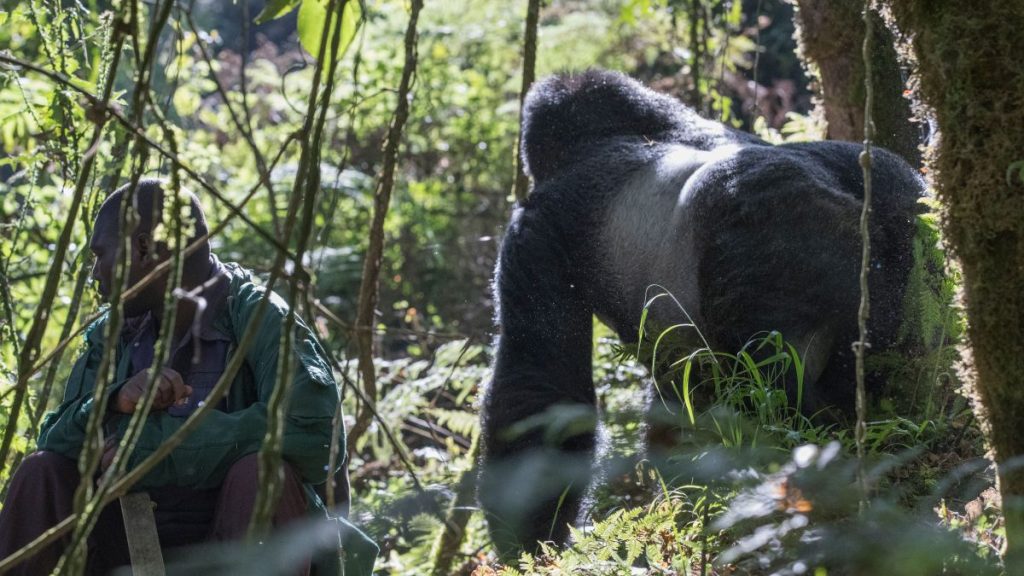
Uganda Safe Safaris for 2027. Uganda is one of the most rewarding safari destinations in Africa. In a single trip you can trek mountain gorillas in Bwindi, track chimpanzees in Kibale, cruise the Kazinga Channel among hippos and elephants, and stand beside the thundering Murchison Falls. For 2027, many travellers are asking the same question before they book: is a Uganda safari safe?
At Kenlink Tours, safety is the first thing we plan, not the last. This guide gives you an honest picture of the current situation, explains what governments are advising, shows which parks and routes we recommend, and shares the practical steps that make a Uganda safari safe, comfortable and unforgettable. We would rather you travel well-informed than travel with false reassurance, so we cover the cautions as clearly as the highlights.
Is Uganda Safe for a Safari in 2027? An Honest Answer
The short answer is that thousands of visitors enjoy Uganda’s national parks every year without any problems, and the main safari circuit in the south-west and west is well organised, well guarded and welcoming. But no destination is risk-free, and Uganda has specific risks that every traveller should understand before booking: government travel advisories, the threat of terrorism, regional health alerts, road safety and petty crime in cities.
The right way to think about safety is not “safe or unsafe” but “how do I reduce risk?” That means choosing the right parks, travelling with a licensed and experienced operator, buying comprehensive insurance, keeping up to date with official advice and following your guide’s instructions. When those pieces are in place, a Uganda safari can be a very well-managed experience. If you are new to the country, our About Uganda page is a good place to start learning about its people, regions and climate.
What Government Travel Advisories Say (Late 2026)
Before you book any 2027 trip, check the travel advice from your own government, because it affects both your safety planning and your travel insurance. As of November 2026, the main advisories are:
- United States: The US State Department rates Uganda at Level 4, “Do not travel”, citing crime, health, terrorism and unrest. This is the highest level in its system.
- Canada: Canada advises avoiding non-essential travel to Uganda and has had temporary border health measures in place for travellers arriving from Uganda, the DRC and South Sudan.
- United Kingdom: The UK Foreign, Commonwealth and Development Office (FCDO) advises against all but essential travel to Semuliki National Park in western Uganda. In December 2025 it removed its earlier warning for Queen Elizabeth National Park. The FCDO also notes a terrorism threat and reported attacks on security installations in Kasese and Bundibugyo in November 2025.
These advisories matter. Some insurance policies are invalid if you travel against your government’s advice, so read your policy carefully. Advisories also change, sometimes quickly, so check again a few weeks before departure and just before you fly. Our team monitors official updates and will tell you if anything affects your route.
Health Update: Ebola and Uganda’s Response
In May 2026, an outbreak of Ebola caused by the Bundibugyo virus was declared in the Democratic Republic of the Congo, and Uganda confirmed imported cases soon after. Uganda recorded 20 confirmed cases in total. Health authorities responded quickly with contact tracing and screening, and the outbreak in Uganda was officially declared over in mid-2026, with WHO and Africa CDC confirming the end at the end of August. The outbreak in neighbouring DRC has continued, which is why some governments still keep health measures in place for the wider region.
For travellers, this means a few practical things. Expect health screening at Entebbe International Airport and at some border points. Avoid travel to areas close to the DRC border unless your operator confirms it is appropriate. Follow hygiene guidance, never handle wild animals or bushmeat, and stay home if you are unwell before a primate trek. Check the latest health advice from your government and the World Health Organization before you travel.
Why the Main Safari Circuit Is Well Protected
Uganda’s national parks are managed by the Uganda Wildlife Authority (UWA), whose rangers patrol the parks and accompany visitors on gorilla treks, chimpanzee walks and nature hikes. Armed rangers escort gorilla trekking groups in Bwindi and Mgahinga, partly to protect against wildlife such as forest elephants and buffaloes and partly for visitor security. Uganda also has a dedicated Tourism Police unit, and security in the main parks was stepped up after an attack near Queen Elizabeth National Park in 2023.
During the January 2026 general elections, the Uganda Tourism Board reported that national parks and tourist areas continued to operate normally. Safari lodges in the main parks are typically remote, gated and staffed around the clock, and visitors spend most of their time in a private safari vehicle with an experienced guide. All of this makes the classic safari circuit very different from the busy urban areas that most advisories focus on.
Safest National Parks and Regions for a 2027 Safari
Based on our experience and current official advice, these are the parks we recommend for a well-managed 2027 safari:
- Bwindi Impenetrable National Park: home to about half of the world’s mountain gorillas, with well-run trekking sectors, ranger escorts and excellent lodges. See this Bwindi Impenetrable Forest National Park guide for an overview of the park.
- Mgahinga Gorilla National Park: a small, scenic park in the Virunga volcanoes, known for gorillas and golden monkeys. Read more about Mgahinga Gorilla National Park.
- Kibale Forest National Park: Uganda’s chimpanzee capital, close to the friendly town of Fort Portal. This Kibale Forest National Park guide covers its primates and lodges.
- Murchison Falls National Park: Uganda’s largest park, with big game, Rothschild’s giraffes and the famous falls. Explore it in this Murchison Falls National Park overview.
- Lake Mburo National Park: a compact, peaceful park close to the Kampala–Bwindi road, ideal for zebras, impalas, walking safaris and boat trips.
- Ziwa Rhino Sanctuary: on the road between Kampala and Murchison Falls, this fenced, privately managed sanctuary is the only place in Uganda to see rhinos in the wild. You track southern white rhinos on foot with armed rangers, which makes it one of the most controlled wildlife experiences in the country and a favourite with families.
Together, these parks form a logical loop through western and south-western Uganda, so you can see gorillas, chimps and big game without long detours.
Queen Elizabeth National Park remains one of Uganda’s most popular parks for tree-climbing lions and the Kazinga Channel cruise, and the UK lifted its warning for it in December 2025. Because it lies in the west near Kasese, we plan routes, timings and lodges here with extra care and always follow current advice. Learn more in this Queen Elizabeth National Park destination guide, or see our 3 Days Queen Elizabeth National Park wildlife encounter.
Areas to Approach with Caution
Some parts of Uganda need more caution, or should be avoided entirely, under current advice:
- Semuliki National Park and areas near the DRC border: the UK advises against all but essential travel to Semuliki, and the border region has seen security incidents and health alerts.
- Kasese and Bundibugyo districts: the FCDO reported attacks on security installations here in November 2025, so we only route through when advice and local conditions allow.
- North-east Uganda (Karamoja): Kidepo Valley National Park is spectacular, but the region is remote. Official advice is to take care and avoid travelling at night. Fly-in safaris are often the best option here.
- Areas near the South Sudan border: extra caution is advised.
A good operator will design your route around these areas and change plans if the situation changes. That flexibility is one of the strongest reasons to book with a local specialist instead of travelling alone.
Travel Safely with a Licensed, Experienced Tour Operator
The single most effective safety decision you can make is choosing the right operator. A professional Uganda safari company handles permits, vets lodges, maintains vehicles, trains drivers, tracks advisories and has people on the ground who can respond if something goes wrong.
When comparing operators, ask:
- Are they registered and licensed in Uganda, and do they belong to a recognised industry association?
- Are their drivers trained, experienced guides, and are their vehicles regularly serviced 4x4s?
- Do they offer 24/7 support during your trip?
- How do they monitor security and health advisories, and will they adapt the itinerary if needed?
- Do they have clear booking terms covering changes and cancellations?
At Kenlink, our reservations and technical teams provide support 24 hours a day, 7 days a week. Our vehicles carry Wi-Fi so you can stay in touch with family and with us throughout your journey. You can read more about our team on our About Us page and review our booking policies in our Terms and Conditions.
Road Safety and Getting Around
Road travel is one of the most common risks in Uganda, as it is across much of Africa. Major roads to the national parks have improved a great deal, but you will still meet potholes, heavy trucks, boda-boda motorcycle taxis, livestock and pedestrians on the road. Driving after dark is more dangerous because of poor lighting and unlit vehicles.
Our approach is simple: experienced professional drivers, well-maintained 4×4 vehicles, daylight driving wherever possible and realistic daily distances with rest stops. We strongly advise against using boda-bodas, especially at night. If you would like to drive yourself, our car hire service offers reliable 4×4 vehicles, and we recommend hiring with a driver-guide for your first visit. For long distances, internal flights to airstrips near Bwindi, Kibale, Murchison and Kidepo can cut road time considerably.
What a Safe Safari Day Looks Like with Kenlink
Here is how a typical day on one of our safaris is organised with safety in mind. Your driver-guide meets you at your lodge after breakfast, having already checked the vehicle, tyres, fuel, first-aid kit and drinking water. Before setting off, your guide briefs you on the day’s plan, the road conditions and the expected driving time, and shares any updates from our operations team.
Driving takes place in daylight, with planned stops at reputable roadside restaurants, craft shops and viewpoints. On activity days, your guide registers you at the park office, introduces you to the UWA rangers and stays nearby while you trek or cruise. Throughout the day, our office in Uganda knows where you are and when you are expected at your next lodge, and you can reach us at any time through the Wi-Fi in the vehicle or by phone. In the evening, your guide confirms the next day’s plan with you and the lodge. It is a simple routine, but it means someone is always watching out for you.
Wildlife Safety on Game Drives and Treks
Wild animals are the reason you are coming, and respecting them keeps everyone safe. On game drives, stay inside the vehicle unless your guide says it is safe to get out, keep your arms inside near animals, and never ask the driver to get closer than is comfortable for the wildlife. On boat cruises, wear the life jacket provided.
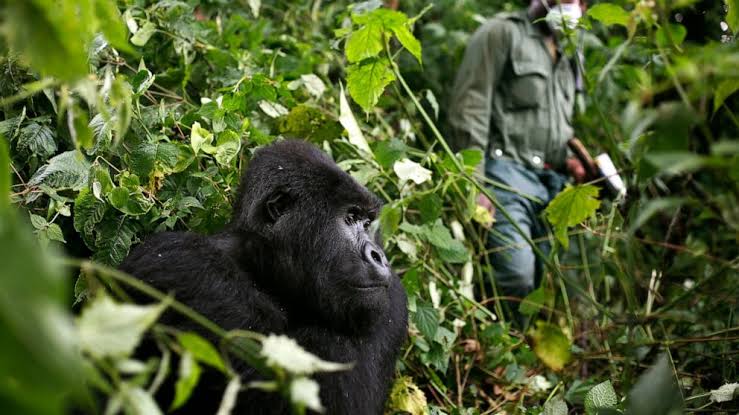
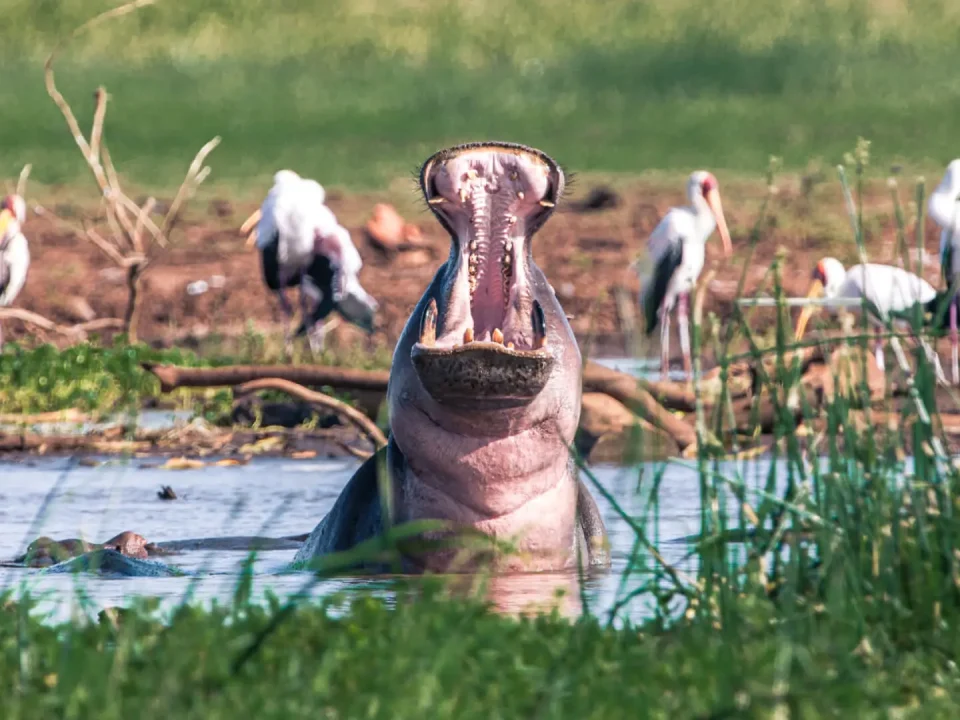
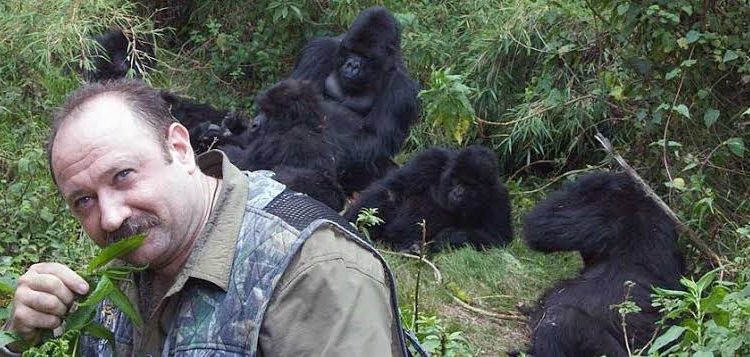
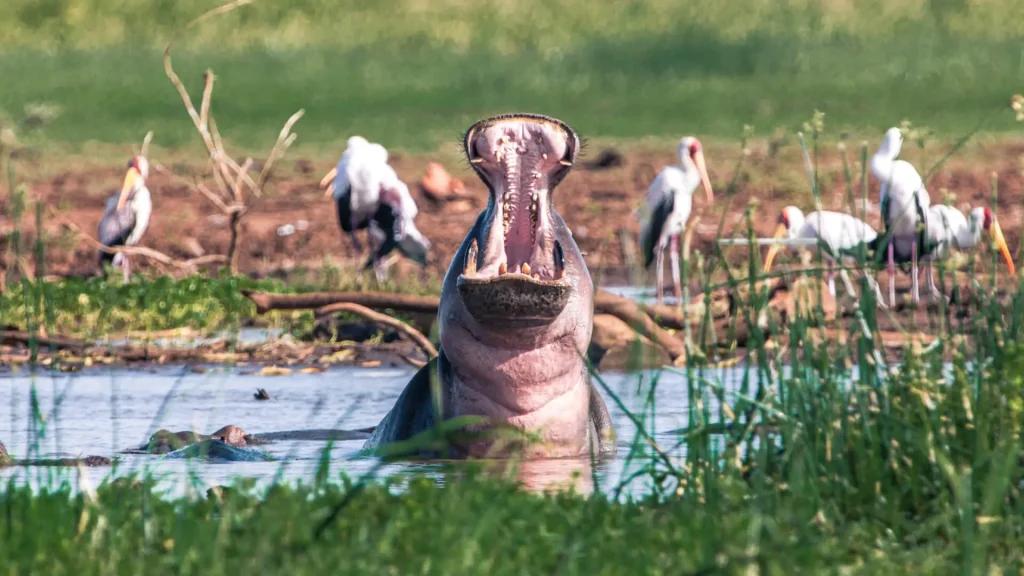
On gorilla and chimpanzee treks, follow your ranger’s instructions at all times. Keep a distance of around seven to eight metres, wear a face mask near primates, stay calm and quiet, and never use flash photography. If a gorilla charges, which is usually a bluff, crouch down, look away and do not run. Near lakes and rivers, remember that hippos and crocodiles are dangerous; never walk along a riverbank at night. Your guide’s knowledge is your best protection, which is why every activity we book is led by a professional ranger or guide.
Health, Vaccinations and Medical Care
Good health planning prevents most problems on safari. Key points for 2027:
- Yellow fever vaccination is required to enter Uganda, and you must carry the certificate.
- Malaria is present throughout Uganda. Talk to a travel doctor about antimalarial tablets, and use insect repellent, long sleeves and mosquito nets.
- Routine vaccines such as tetanus, typhoid, hepatitis A and B, and others recommended by your doctor should be up to date.
- Drink bottled or treated water, which we provide in our vehicles.
- Medical facilities are good in Kampala but limited in remote areas, so make sure your insurance includes emergency medical evacuation.
- Primate trekking rules mean you will not be allowed to trek if you have a cold, flu or other contagious illness, to protect the animals.
Staying Safe in Kampala and Entebbe
Most advisories focus on urban risks such as petty theft, bag snatching and, more rarely, violent crime or protests. In Kampala and Entebbe, stay at reputable hotels, use transport arranged by your operator or hotel, avoid walking alone after dark, keep valuables out of sight and stay away from political gatherings and demonstrations. Be aware that past terrorist attacks in Uganda have targeted crowded public places, so avoid large gatherings and stay alert in busy areas.
Many of our itineraries keep city time short, picking you up at Entebbe International Airport and heading directly to the parks, or staying in quieter Entebbe rather than central Kampala.
Money, Documents and Valuables
Carry clean US dollar notes printed after 2013, because older notes are often refused. Use ATMs inside banks or malls during the day, and keep a small amount of Ugandan shillings for tips and small purchases. Keep digital copies of your passport, visa, yellow fever certificate, insurance policy and permits, both in cloud storage and on your phone. Most nationalities can apply for a Uganda e-visa online, and the East Africa Tourist Visa covers Uganda, Rwanda and Kenya. Always apply through official government portals.
Safety Tips for Solo, Female and LGBTQ+ Travellers
Solo and female travellers regularly enjoy Uganda’s parks, especially on guided tours. Dress modestly in towns and villages, avoid walking alone at night, and let your guide or lodge know your plans. Joining one of our group tours or scheduled departure safaris is a great way to travel with others while keeping costs down.
LGBTQ+ travellers should be aware that Uganda passed the Anti-Homosexuality Act in 2023, and several governments specifically warn about this law in their travel advice. Please read your government’s guidance carefully before deciding to travel, and talk to us privately if you have any questions about discretion and accommodation.
Family Safaris and Age Limits
Uganda can be a fantastic family destination with the right planning. The minimum age for gorilla trekking is 15 years, and for chimpanzee tracking it is 12 years. Younger children can enjoy game drives, boat cruises, rhino tracking at Ziwa Rhino Sanctuary, and gentle nature walks. Choose family-friendly lodges with secure grounds, take antimalarial advice for children from a doctor, and keep daily driving distances short. Our 5 Days Gorilla and Wildlife Safari can easily be adapted for families with teenagers.
Uganda Permit Prices and Changes for 2027
The Uganda Wildlife Authority has announced a new conservation tariff from 1 January 2027. Based on published reports, the main changes for foreign non-residents are:
- Gorilla trekking permit: USD 800, with discounted low-season permits of around USD 600 in April, May and November.
- Gorilla habituation experience: rising from USD 1,500 to USD 1,800.
- Kibale chimpanzee tracking: reported to rise from USD 250, with discounted low-season permits of around USD 200 in April, May and November.
- Kyambura Gorge chimpanzee tracking: reported to rise from USD 100 to USD 200.
Some reports differ on the exact figures, so always confirm current prices before you book. When you travel with us, we buy permits on your behalf, include them in your quote and confirm your trekking dates in writing. Gorilla permits are limited and sell out early for peak months, so book three to six months ahead.
Best Time for a Safe and Comfortable Safari in 2027
Uganda can be visited all year, but the dry seasons from June to September and December to February are the most popular. Roads are drier and safer, forest trails are less slippery, and game viewing is excellent. The wetter months of March to May and October to November bring heavier rain, muddier trails and slower roads, but also lush scenery, fewer visitors and discounted low-season permits in April, May and November 2027. Birdwatchers often prefer the wetter months, and our 7-Day Birdwatching Safari in Uganda is a great way to enjoy them.
Recommended Safe Safari Itineraries for 2027
We have designed our itineraries around the parks and routes we trust most, with sensible daily distances and comfortable lodges. Here are some popular options:
Short gorilla safaris (2 to 3 days). Our 3 Days Best of Uganda Gorilla Safari and 3-Day Uganda Gorillas Safari are perfect for a focused gorilla encounter. For comparison, see this 3 Days Uganda Gorilla Safari from Pick and Transfer Safaris.
Gorilla safaris from Kigali. Starting in Rwanda puts Bwindi just a few hours’ drive away, which means less time on the road. Try our 2 Days Uganda Gorilla Safari Starting from Kigali or the 3 Days Bwindi Gorilla Safari Starting from Kigali. Pick and Transfer Safaris also offers a 2 Days Uganda Gorilla Tour Starting from Kigali and a 3 Days Uganda Gorilla Safari from Rwanda.
One-week safaris. Our 7 Days Gorilla and Wildlife Safari combines gorillas, chimps and savannah wildlife at a relaxed pace. Compare it with this 7 Days Uganda Safari – One Week Tour.
Longer adventures (8 to 10 days). The 8-Day Uganda Gorilla, Chimpanzee and Wildlife Safari and the 10 Days Uganda Adventure Safari cover the very best of the country with comfortable travel days.
You can browse all of our Uganda safaris for more ideas, or look through the gorilla safaris and wildlife safaris offered by Pick and Transfer Safaris.
Combining Uganda with Rwanda and Kenya
Many travellers combine Uganda with neighbouring countries for a longer East African journey. Rwanda is known for its clean, orderly capital and excellent roads, and Kigali makes a convenient gateway to southern Uganda. Our 9 Days Uganda Rwanda Gorilla and Big Five Safari is a popular choice, and you can explore more options on our Rwanda safaris and Kenya safaris pages. For a broader look at cross-border routes, see this 10 Days Uganda Rwanda Safari.
Travel Insurance and Flexible Booking
Comprehensive travel insurance is essential for any 2027 Uganda safari. Your policy should include emergency medical treatment, medical evacuation and repatriation, trip cancellation and interruption, and cover for activities such as gorilla trekking and hiking. Check carefully whether it remains valid if your government advises against travel to Uganda, because many policies exclude destinations under “do not travel” or “avoid non-essential travel” warnings.
Because the situation can change, ask your operator about flexible booking. Gorilla permits can often be rescheduled within UWA’s rules, and a good operator will work with you to move dates or adjust routes if advice changes before you travel.
What Happens If Something Goes Wrong?
Even well-planned trips can meet surprises: a flat tyre on a remote road, a landslide after heavy rain, a sprained ankle on a gorilla trek, a lost passport or a sudden change in official advice. What matters is how quickly and calmly the problem is handled.
When you travel with Kenlink, your guide is trained to manage common roadside and health issues, carries a first-aid kit and is in contact with our operations team. If a road is blocked, we reroute or rearrange your lodges. If you are injured or unwell, we arrange transport to the nearest suitable clinic or hospital and work with your insurer on evacuation if needed. If a passport is lost, we help you contact your embassy and the police. And if official advice changes before or during your trip, we review your itinerary with you straight away and suggest safer alternatives. That kind of on-the-ground support is very hard to arrange for yourself from overseas.
Your Pre-Departure Safety Checklist
Before you fly to Uganda in 2027, run through this checklist:
- Read your government’s latest travel advice for Uganda, and sign up for any embassy alert service it offers.
- Buy comprehensive travel insurance with medical evacuation, and confirm it covers Uganda and your planned activities.
- Get your yellow fever vaccination and certificate, and see a travel doctor about malaria prevention and other vaccines.
- Apply for your e-visa or East Africa Tourist Visa through the official government portal.
- Confirm your gorilla and chimpanzee permits in writing with your operator.
- Share your itinerary and your operator’s emergency contacts with family at home.
- Make digital and paper copies of all important documents.
- Pack a small personal first-aid kit, any prescription medicines in their original packaging, insect repellent and a face mask for primate treks.
- Check the latest health updates from the World Health Organization a week before you travel.
Responsible Tourism Makes Safaris Safer for Everyone
Safe tourism and responsible tourism go hand in hand. When local communities benefit from visitors, they become partners in protecting wildlife and welcoming guests. Park revenue sharing funds schools, health centres and water projects around Uganda’s national parks, and community-run experiences such as village walks and cultural visits bring income directly to local families.
At Kenlink, we give 30 percent of our profits to local communities and support more than 290 orphaned children in Kisoro district with school supplies, fees and medication. When you travel with us, your trip helps build the strong, positive relationships that make Uganda’s parks safer and more welcoming for everyone.
Frequently Asked Questions About Safe Safaris in Uganda
Is Uganda safe to visit in 2027? Many visitors travel to Uganda’s national parks each year without incident, especially on guided safaris. However, some governments, including the United States, currently advise against travel, so read your government’s latest advice and check your insurance before booking.
Which parks are safest for a Uganda safari? Bwindi, Mgahinga, Kibale, Murchison Falls and Lake Mburo are the core of the main safari circuit and are well managed by the Uganda Wildlife Authority. Avoid Semuliki National Park and areas near the DRC border under current UK advice.
Is gorilla trekking safe? Yes, when you follow the rules. Treks are led by trained UWA rangers, including armed escorts, and the gorillas are habituated to human visitors. The main challenges are steep, muddy terrain and altitude, so a reasonable level of fitness helps.
Is there Ebola in Uganda right now? Uganda’s 2026 Ebola outbreak was declared over in the second half of 2026, but the outbreak in neighbouring DRC has continued. Check the latest WHO and government health advice before you travel.
Do I need a tour operator to travel safely in Uganda? It is not required, but a licensed local operator greatly reduces risk by handling transport, permits, routes and emergency support, and by adapting your plans if conditions change.
What vaccinations do I need for Uganda? Yellow fever vaccination is mandatory for entry. Malaria prevention is strongly recommended, along with routine vaccines advised by your doctor.
Plan Your Safe Uganda Safari for 2027
Uganda rewards prepared travellers with some of the most extraordinary wildlife encounters on Earth: a silverback gorilla in the mist, chimpanzees calling through the forest, lions resting in a fig tree and the Nile bursting through a rocky gorge. With honest information, careful route planning, the right insurance and an experienced local team beside you, you can enjoy all of this with confidence.
Ready to start planning? Browse our Uganda safaris, or contact our team for a free, no-obligation 2027 itinerary built around your dates, budget and comfort level. We will talk you through the latest advice, the safest routes and every detail of your journey.