The Best Time to Visit Namibia for a Safari. Namibia is one of Africa’s most captivating safari destinations, known for its stark desert beauty, dramatic landscapes, and unique wildlife. With attractions like the towering dunes of Sossusvlei, the wildlife-rich Etosha National Park, and the eerie Skeleton Coast, Namibia is a land of contrasts that promises unforgettable safari experiences. But like any destination, timing your visit is essential to make the most of your adventure. Understanding the country’s climate and wildlife behavior can help you choose the best time to visit Namibia for a safari.
Understanding Namibia’s Climate
Namibia is located in Southern Africa and has an arid to semi-arid climate. It is one of the driest countries in sub-Saharan Africa, with most of the country receiving minimal annual rainfall. The seasons are as follows:
Dry Season (May to October): Also known as the winter months, these are the most popular months for safari travel. This is when the weather is cooler, skies are clear, and wildlife viewing is at its peak.
Wet Season (November to April): Characterized by occasional rains, hotter temperatures, and more vegetation. This period is considered the “green season.”
Each season offers unique benefits for travelers, but the dry season is generally considered the best time for safari-goers.
Dry Season (May to October): The Prime Safari Window
Wildlife Viewing:
From May to October, Namibia’s dry season provides the best conditions for game viewing, particularly in national parks like Etosha. As water sources dry up, animals gather around remaining waterholes, making them easier to spot. The grass is low and the foliage sparse, offering excellent visibility for safari drives.
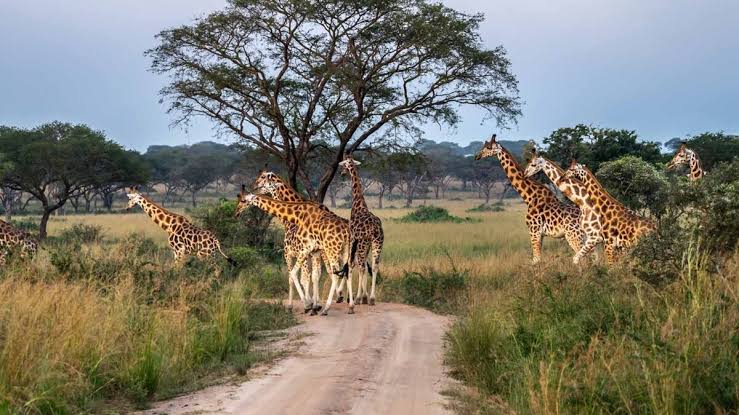
Etosha National Park is especially renowned for its dramatic wildlife scenes during these months. You can expect to see elephants, lions, rhinos, giraffes, zebras, antelopes, and even elusive predators like leopards and cheetahs gathering at the park’s many natural and artificial waterholes.
Comfortable Weather:
Temperatures during the dry season are cooler, especially between June and August, with daytime highs ranging from 20°C to 25°C (68°F to 77°F). Nights can be chilly—sometimes dropping close to freezing—especially in desert areas, so packing warm clothing is advised. The clear skies make for beautiful sunrise and sunset photo opportunities and excellent stargazing at night.
Low Malaria Risk:
Another key advantage of visiting Namibia during the dry season is the reduced risk of malaria, especially in the north. With fewer mosquitoes due to the dry conditions, travelers can enjoy their safaris with greater peace of mind.
Peak Season (July to October):
While the entire dry season is good, July to October is considered peak safari time. This is when wildlife sightings are at their absolute best. However, it’s also the most popular time for tourists, so parks and lodges can get busy, and prices tend to be higher. Booking accommodations and safari tours in advance is recommended during these months.
Wet Season (November to April): The Green and Quieter Side
Landscape and Birdlife:
Though less popular for traditional safaris, the wet season in Namibia has its own appeal. The desert and savannah landscapes transform into green, blooming environments. This is the best time for birdwatching, as migratory birds arrive and resident species are in breeding plumage.
The skies can be dramatic, with rolling clouds and occasional afternoon thunderstorms adding beauty to the scenery. Photographers often love this season for the vibrant colors and unique lighting.
Fewer Tourists:
The wet season sees fewer visitors, which means more intimate safari experiences, lower prices, and greater availability at lodges and camps. This is an excellent time for travelers who prefer solitude and don’t mind the trade-offs in wildlife visibility.
Baby Animals and Unique Experiences:
Many animals give birth during the wet season, so visitors may be treated to sightings of baby antelopes, zebras, and wildebeests. Predators are more active during this time as they hunt vulnerable young prey, adding excitement to your safari experience.
However, it’s important to note that some areas—especially remote desert roads or river crossings—may become difficult to access due to occasional flooding. Always check with your tour operator or lodge about road conditions and accessibility during this season.
Regional Variations
Different parts of Namibia experience slightly different weather patterns, so the best time to visit may vary based on your safari destination:
Etosha National Park: Best between June and October for wildlife viewing.
Sossusvlei and Namib Desert: May to October offers cooler, more comfortable conditions to explore the dunes.
Caprivi Strip (Zambezi Region): This area is wetter than the rest of Namibia. The dry months from May to October are still best for safaris here.
Skeleton Coast: Accessible year-round, but the cooler, drier months (May to September) are ideal for photography and exploring.
In summary, the best time to visit Namibia for a safari is during the dry season from May to October, when wildlife is concentrated around waterholes and the weather is more comfortable. However, the wet season from November to April also has its charms, including fewer tourists, beautiful green landscapes, and exceptional birdlife.
Ultimately, your ideal time to visit depends on what you hope to experience—whether it’s dramatic wildlife encounters, peaceful desert vistas, or vibrant natural scenery. Namibia offers extraordinary safari opportunities in every season, making it a year-round destination for nature lovers and adventure seekers.


 +256 789 210067