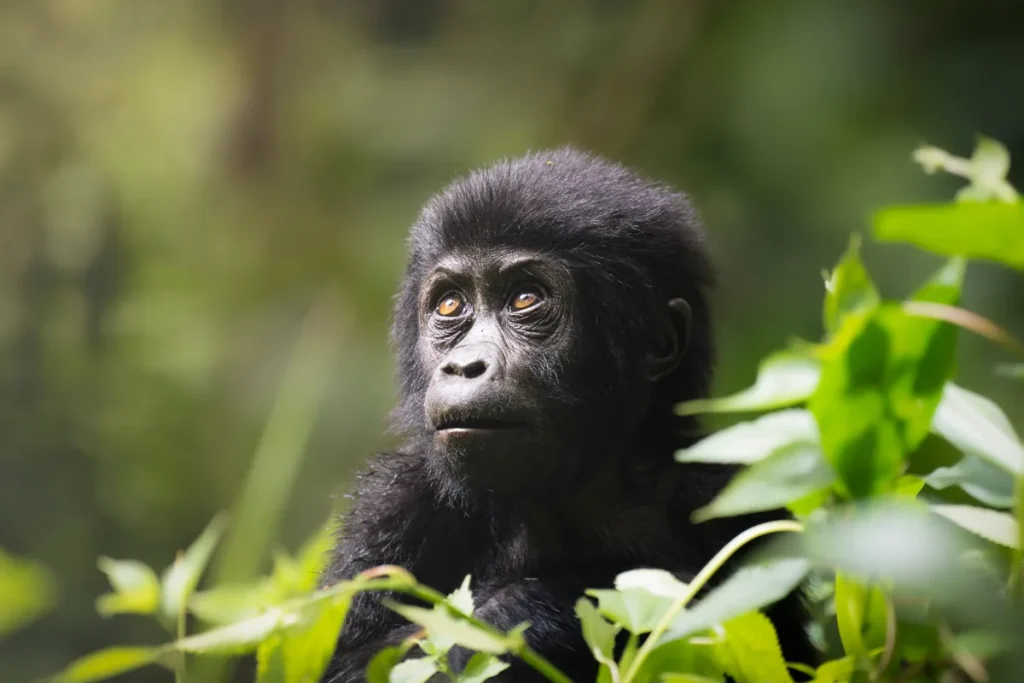
What should I pack for my trip to Uganda? Planning a trip to Uganda is an exciting experience filled with opportunities for adventure, wildlife encounters, cultural experiences, and breathtaking scenery. Whether you are visiting for gorilla trekking, a safari, or a cultural tour, packing the right items can make your trip more comfortable and enjoyable. Here’s a comprehensive guide on what to pack for your Ugandan adventure.
Uganda has a tropical climate, so light, breathable clothing is essential. However, temperatures can vary depending on the region and altitude. Here’s what you need:
Lightweight, Neutral-Colored Clothes: For safari trips and gorilla trekking, avoid bright colors or white clothing as they attract insects and dust. Neutral tones like khaki, beige, and green are best.
Long-Sleeved Shirts and Pants: These protect you from sunburn, mosquito bites, and scratches during nature walks or trekking.
A Warm Layer or Jacket: Some areas, like Bwindi Impenetrable Forest and highland regions, can get chilly in the mornings and evenings. A fleece jacket or light sweater will come in handy.
Comfortable Walking Shoes: For trekking and nature walks, sturdy hiking boots are essential. Make sure they are broken in before your trip to avoid blisters.
Casual Clothing: For evenings at the lodge or city tours, pack a few casual outfits like jeans and t-shirts.
Swimwear: If you plan to relax at a hotel pool or visit hot springs, bring a swimsuit.
Gorilla trekking is one of the top attractions in Uganda, and you need specific gear for this adventure:
Hiking Boots: Strong, waterproof boots are a must for muddy and steep trails in the rainforest.
Rain Jacket or Poncho: Rain showers can occur any time, especially in forested areas like Bwindi. A lightweight, packable rain jacket is ideal.
Gardening Gloves: These are useful for grabbing onto vegetation for support during trekking.
Gaiters: Optional but helpful for keeping mud and insects out of your boots.
Daypack: A small, waterproof backpack for carrying water, snacks, and personal items during treks.
Reusable Water Bottle: Staying hydrated is important during trekking and safaris.
Health should be a top priority when traveling to Uganda. Some key items include:
Insect Repellent: Mosquitoes are common in Uganda, so pack a repellent with DEET to protect against bites and malaria.
Sunscreen: The African sun can be intense, so bring a high SPF sunscreen for your face and body.
First Aid Kit: Include band-aids, antiseptic cream, pain relievers, and any personal medications you need.
Prescription Medication: Carry enough for your entire trip, and keep them in their original packaging.
Hand Sanitizer and Wet Wipes: Useful for keeping clean when on the road or in remote areas.
Malaria Prophylaxis: Consult your doctor about preventive medication before traveling.
Keep your important documents organized and secure. These include:
Passport and Visa: Ensure your passport is valid for at least six months. Many travelers need a visa to enter Uganda, which you can obtain online.
Yellow Fever Vaccination Certificate: This is required for entry into Uganda.
Travel Insurance: Highly recommended for medical emergencies, lost luggage, and trip cancellations.
Cash and Cards: The local currency is the Ugandan Shilling. While credit cards are accepted in some hotels and lodges, cash is essential for smaller purchases and tips. Carry some U.S. dollars in small denominations (dated after 2009).
Camera and Accessories: Uganda offers incredible photo opportunities, from wildlife to landscapes. Bring extra memory cards and batteries.
Binoculars: Perfect for bird watching and spotting animals on safari.
Phone and Charger: Consider buying a local SIM card for affordable calls and internet.
Power Bank: Electricity can be unreliable in remote areas, so a power bank will keep your devices charged.
Travel Adapter: Uganda uses the British-style plug (Type G), so bring an appropriate adapter.
Pack travel-sized toiletries, including:
Shampoo, conditioner, and soap
Toothbrush and toothpaste
Deodorant
Lip balm with SPF
Feminine hygiene products (if needed)
Many lodges provide basic toiletries, but it’s best to carry your own essentials.
Travel Pillow and Blanket: Useful for long road trips between destinations.
Sunglasses and Hat: For sun protection during game drives and city tours.
Light Scarf or Shawl: Handy for layering and modesty when visiting cultural sites.
Snacks: Energy bars or nuts for long drives or trekking days.
Pack light but smart. Many safari vehicles and internal flights have strict luggage weight limits (usually around 15 kg).
Avoid single-use plastics. Bring a reusable water bottle and eco-friendly items.
Respect local culture by dressing modestly when in towns or visiting communities.
With this packing list, you’re well-prepared for an unforgettable experience in Uganda, whether it’s tracking mountain gorillas in Bwindi, cruising along the Nile in Murchison Falls, or exploring the vibrant streets of Kampala.
Start planning your adventure trip today with a professional expert available to help you 24/7. Encounter Africa on your own terms.
Request a Quote

Uganda offers online visa applications, but many travelers find it easier to pay (US$100) and obtain a visa upon arrival at points like Entebbe International Airport. For travel into Rwanda and Kenya, it's recommended to apply for an East African Visa.
Read More About VisasEmbark on a fascinating gorilla trekking safari in Uganda and Rwanda with Kenlink Tours. Witness majestic mountain gorillas up close in their natural habitat, guided by experts for a once-in-a-lifetime adventure through lush rainforests and scenic landscapes.
READ MOREEmbark on iconic wildlife safaris in East Africa with Kenlink Tours. Discover the Big Five in vast savannahs, witness the Great Migration, and explore pristine national parks. Our expertly guided adventures promise unforgettable encounters with nature, rich cultural experiences, and seamless travel across Uganda, Kenya, Tanzania, and Rwanda.
READ MORE