- EXPERT'S HELP
- +256789210067
- +256200955001
- info@kenlinktours.com


Small Group vs Private Safaris in Uganda and Rwanda
March 1, 2026
Rwanda Safari Travel Tips for First-Time Visitors
March 1, 2026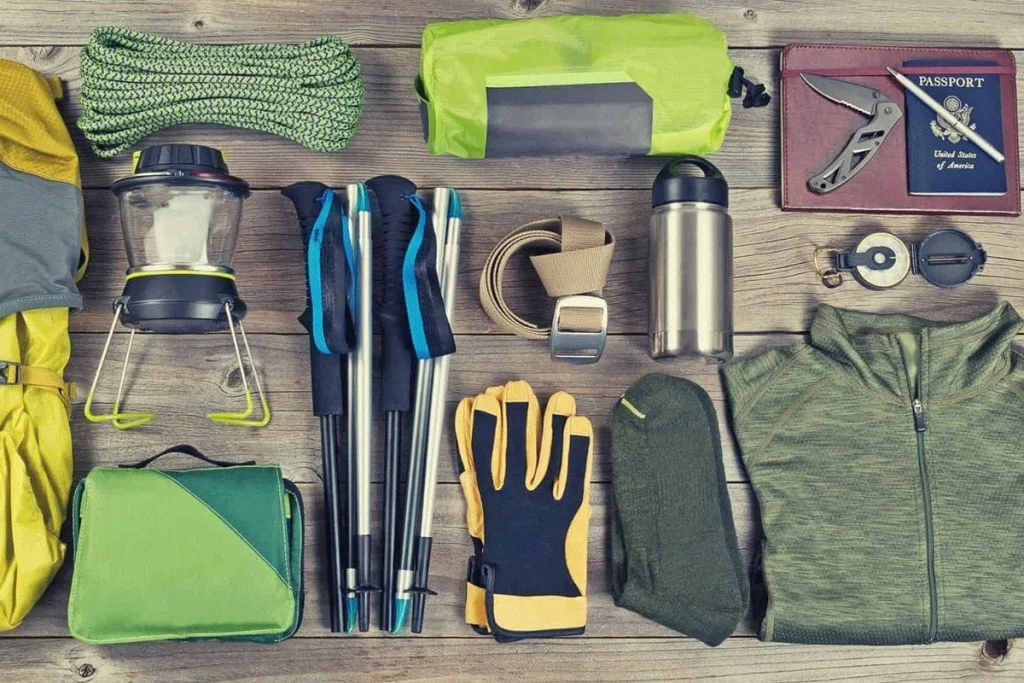
What to Pack for a Gorilla Trekking Safari in East Africa. Packing correctly for a gorilla trekking safari in East Africa is essential for comfort, safety, and enjoyment. Gorilla trekking takes place in dense rainforests with steep terrain, high humidity, and unpredictable weather. Whether you are trekking in Uganda or Rwanda, having the right gear can make a significant difference to your overall experience.
Gorilla trekking is physically demanding but deeply rewarding. Proper preparation ensures you can focus on the magical moment of encountering mountain gorillas rather than discomfort or missing essentials. This guide outlines exactly what to pack for a successful gorilla trekking safari in East Africa.
Understanding the Gorilla Trekking Environment
Gorilla trekking occurs in high-altitude rainforest environments characterized by thick vegetation, muddy trails, and frequent rainfall. Treks may last from one to several hours depending on the gorillas’ location.
In East Africa, trekking is commonly done in parks such as Bwindi Impenetrable National Park, Mgahinga Gorilla National Park, and Volcanoes National Park.
Because conditions can change quickly, packing versatile and weather-appropriate items is crucial.
Essential Clothing for Gorilla Trekking
Clothing should be practical, comfortable, and suitable for rainforest conditions.
Long-sleeved shirts and long trousers are highly recommended. They protect against scratches from vegetation, insect bites, and stinging nettles. Neutral colors such as green, brown, or khaki are best, as they blend into the forest and avoid disturbing wildlife.
Lightweight, breathable fabrics are ideal due to the humid environment. Avoid bright colors and camouflage-patterned clothing, which may not be permitted in some areas.
A light fleece or sweater is useful for early morning starts when temperatures can be cool, especially at higher altitudes.
Waterproof Gear and Rain Protection
Rain is common in gorilla trekking regions throughout the year. A lightweight waterproof jacket or poncho is essential to stay dry during the trek.
Waterproof trousers are optional but helpful during heavy rain or muddy conditions. Packing your belongings in waterproof bags or dry sacks ensures your camera, documents, and electronics stay protected.
Even during dry seasons, rain showers can occur unexpectedly, so rain protection should never be overlooked.
Footwear: Choosing the Right Hiking Boots
Sturdy hiking boots are one of the most important items for gorilla trekking. Boots should be waterproof, have good ankle support, and provide strong grip for slippery and uneven terrain.
Well-broken-in boots are essential to avoid blisters and discomfort. New boots should be worn and tested well before your trip.
In addition to boots, pack several pairs of moisture-wicking socks. Gaiters can also be useful to keep mud, water, and insects out of your boots and trousers.
Gloves for Forest Protection
Gardening or lightweight trekking gloves are highly recommended. Rangers often advise visitors to grab vegetation or tree roots for support on steep sections, and gloves protect your hands from thorns, stinging plants, and rough surfaces.
Gloves also help maintain a better grip in muddy or wet conditions.
Backpack and Daypack Essentials
A small, comfortable daypack is ideal for carrying your essentials during the trek. It should be lightweight and have padded shoulder straps.
Items to carry in your daypack include water, snacks, rain gear, camera equipment, sunscreen, insect repellent, and personal medications. A waterproof cover for your backpack is strongly recommended.
Porters are available at the park headquarters and can carry your daypack, making the trek easier while supporting local communities.
Food, Water, and Energy Snacks
Gorilla trekking can be physically demanding, so staying hydrated and energized is important. Carry at least one to two liters of drinking water.
Energy snacks such as granola bars, nuts, dried fruit, or energy biscuits are ideal. These snacks provide quick energy during long treks without taking up much space.
Meals are usually taken before and after the trek, but snacks help maintain stamina while hiking.
Camera and Photography Equipment
Capturing your gorilla trekking experience is unforgettable, but camera equipment should be chosen carefully.
A camera with good low-light performance is ideal because the rainforest canopy limits natural light. A zoom lens is useful for capturing close-up images without getting too close to the gorillas.
Flash photography is strictly prohibited, so ensure your flash is disabled. Bring extra batteries and memory cards, as charging opportunities may be limited at remote lodges.
A waterproof camera bag or cover is essential to protect your equipment from rain and humidity.
Health, Hygiene, and Personal Items
Personal hygiene and health items should be compact and practical.
Hand sanitizer and disinfectant wipes are useful, especially before and after the trek. Sunscreen and lip balm with SPF are recommended, even in cloudy conditions.
Insect repellent helps protect against mosquitoes and other insects common in rainforest environments.
If you have personal medications, carry them in your daypack. A basic first-aid kit with blister plasters, pain relievers, and bandages can be helpful.
Face Masks and Health Precautions
Because gorillas share close genetic similarities with humans, health precautions are taken seriously. Visitors may be required to wear face masks during the trek or while near gorillas to reduce the risk of disease transmission.
Carrying a clean, reusable face mask is recommended. Always follow ranger instructions regarding health and safety rules during trekking.
Travel Documents and Money
Keep your passport, visa, travel insurance details, and gorilla trekking permit information secure and accessible. These documents are usually required at park headquarters before the trek.
Cash in small denominations is useful for tipping guides, rangers, and porters. ATMs are limited near gorilla trekking regions, so plan accordingly.
A waterproof pouch for documents is strongly recommended.
Optional but Useful Items
Some additional items can enhance comfort during your trek.
A walking stick, often provided at the park, helps with balance on steep or muddy trails. Sunglasses and a hat offer sun protection during open sections of the hike.
Binoculars are not essential for gorilla trekking but may be useful for spotting birds and other wildlife during the walk.
What Not to Pack for Gorilla Trekking
Avoid heavy luggage, unnecessary valuables, and strong perfumes or scented lotions. These can attract insects or disturb wildlife.
Plastic bags are discouraged in many East African countries due to environmental regulations. Use reusable and eco-friendly alternatives instead.
Large backpacks and drones are not permitted during gorilla trekking activities.
Preparing Mentally and Physically
Packing is not only about equipment but also preparation. Being mentally and physically ready enhances your experience. Moderate fitness, patience, and a respectful attitude toward wildlife and park rules are essential.
Listening to ranger briefings and following instructions ensures safety for both visitors and gorillas.
Booking Your Gorilla Trekking Safari in East Africa
Proper packing goes hand in hand with professional safari planning. Kenlink Tours provides expert guidance on gorilla trekking safaris in East Africa, including Uganda and Rwanda, ensuring you are fully prepared before your trek.
For safari planning, packing advice, and gorilla trekking bookings, contact:
Email: info@kenlinktours.com
Email: inquiries@kenlinktours.com
WhatsApp: +256 789 210 067