- EXPERT'S HELP
- +256789210067
- +256200955001
- info@kenlinktours.com

What you need to know before travelling to Uganda for a Tour
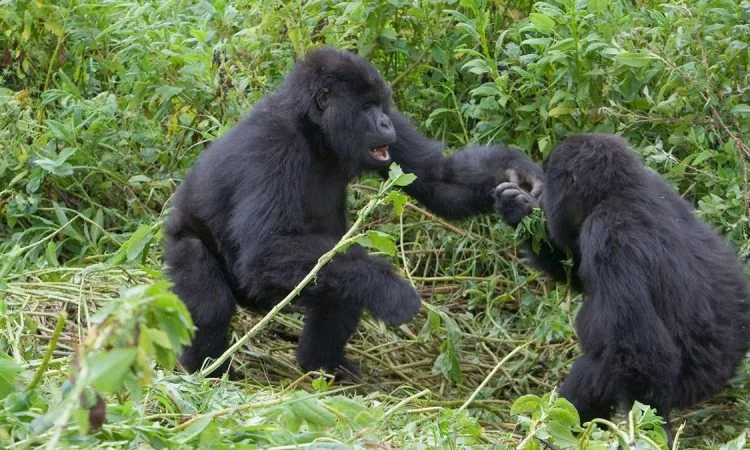
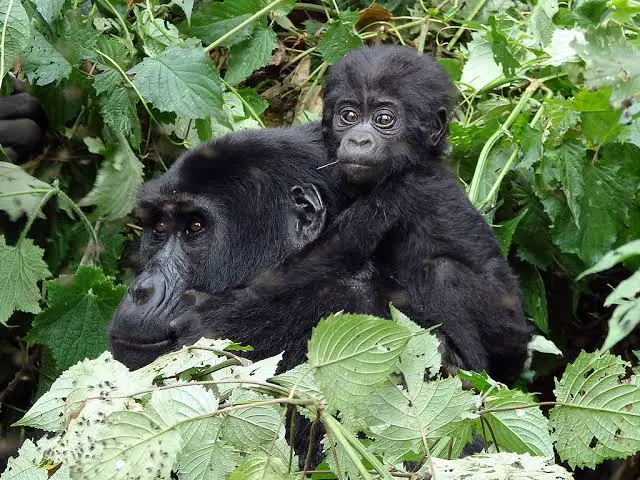
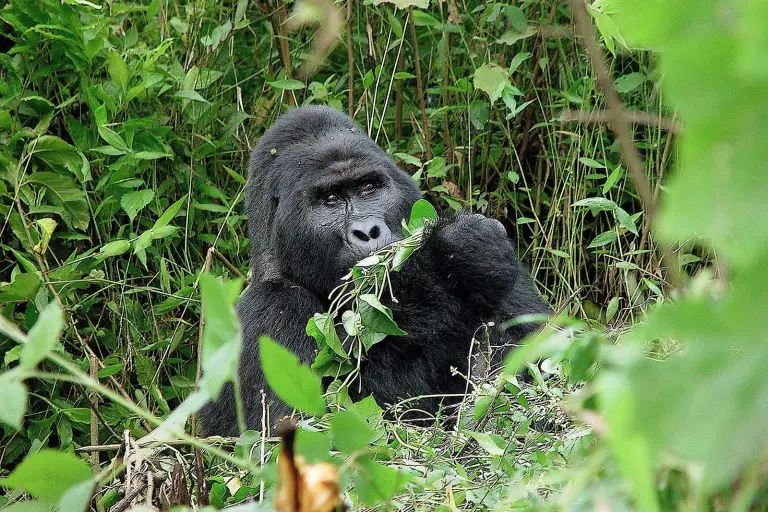
Uganda — nicknamed The Pearl of Africa by Sir Winston Churchill — is one of the most extraordinary safari destinations on the entire continent. Half of the world's remaining mountain gorillas live here. The River Nile begins here. Chimpanzees swing through ancient equatorial forests, tree-climbing lions patrol the Ishasha plains, and the Albertine Rift hosts a greater concentration of bird species than any comparable area in Africa. If you are ready to browse our Uganda safari packages and start planning, this guide will ensure you arrive fully prepared — and that every day of your tour goes exactly as it should.
Uganda rewards those who arrive informed. Gorilla permits at Bwindi Impenetrable Forest and Mgahinga Gorilla National Park sell out months in advance. A Yellow Fever certificate is legally mandatory for entry — no exceptions. Roads that look straightforward on a map can require a capable 4WD and several extra hours in the rainy season. Uganda's ten national parks and reserves span the country from the misty southwestern highlands to the remote, sun-scorched northeast — and each one has its own logistics, access routes, and permit requirements. This is your complete pre-travel briefing.
1. Visa & Entry Requirements
Most international visitors require a visa to enter Uganda. The good news is that Uganda operates a fully online e-visa system — meaning you can secure your travel authorisation from home, before you even pack your bag. The Uganda Immigration e-visa portal is straightforward to navigate, and processing typically takes 3–5 business days. Apply at least 2–3 weeks before your departure date to allow time for any back-and-forth.
Single-Entry Tourist Visa
The standard tourist visa costs USD $50 and grants a stay of up to 90 days from the date of first entry. Required documents: a passport valid for at least 6 months beyond your travel dates, a recent passport-size photograph, proof of accommodation or a return ticket, and — critically — a valid Yellow Fever vaccination certificate. You will not be allowed to board your flight or cross the border without it.
East Africa Tourist Visa — Uganda, Kenya & Rwanda
Travellers combining Uganda and Rwanda — or those flying into Nairobi and overland to Uganda — can apply for the East Africa Tourist Visa at USD $100. This multi-country visa permits multiple entries across all three countries within the validity period and delivers excellent value on combined itineraries. Note: Tanzania is not currently part of this scheme.
Visa-Free Entry
Citizens of East African Community member states — Kenya, Tanzania, Rwanda, Burundi, South Sudan — may enter Uganda without a visa. Some Commonwealth and African Union nations also have visa-free or visa-on-arrival arrangements. Always confirm your country's specific arrangement with the Ugandan High Commission before travel. If you are unsure, contact KenLink Tours and we will point you in the right direction.
Passport check: Your passport must have at least two blank pages available for entry stamps — beyond the 6-month validity requirement. A passport with no blank pages will cause problems at the border. Check before you travel and renew if needed. Also confirm that your passport photographs match your current appearance, as border officials do check.
2. Health & Vaccinations — What Is Mandatory and What Is Recommended
Health preparation is one of the most critical steps in planning a Uganda tour, and it must begin weeks before departure. One vaccination is a legal entry requirement; several more are strongly recommended by international travel health bodies. Arriving without the mandatory certificate — no matter how healthy you feel — will see you refused entry. Our full gorilla trekking packing guide also covers the medical kit you should bring into the field.
Mandatory — Yellow Fever Vaccine
Required for Entry · No ExceptionsA valid Yellow Fever vaccination certificate is legally required for entry into Uganda — there are absolutely no exceptions for any nationality. You will be refused boarding at your departure airport or denied entry at the Ugandan border without it. The vaccine must be administered at least 10 days before arrival to be considered valid under Ugandan law.
- Get vaccinated at a certified travel health clinic or government vaccination centre
- The Yellow Fever vaccine provides lifetime immunity — a single dose is all you ever need
- Carry your International Certificate of Vaccination (the yellow booklet) in your carry-on at all times — not in checked luggage
- Book your vaccination appointment at least 3–4 weeks before your departure date
- Lost or damaged certificates can cause serious travel disruption — keep a secure digital photo copy
Strongly Recommended Vaccinations
Consult a Travel Health Clinic 4–6 Weeks Before DepartureIn addition to Yellow Fever, the following are strongly recommended for Uganda travellers by major international health authorities. Allow 4–6 weeks before departure to complete multi-dose vaccine courses and anti-malarial treatment regimes.
- Malaria prophylaxis — Uganda is a malaria zone across all regions. Anti-malarials (Malarone, Doxycycline, or Mefloquine) are strongly advised; start the course before departure as directed by your doctor
- Hepatitis A & B — transmitted through contaminated food, water, or bodily fluids; recommended for all travellers
- Typhoid — particularly recommended for those eating outside high-end lodges and restaurants
- Rabies — consider this for extended stays, wildlife work, or remote trekking activities
- Meningococcal meningitis — recommended especially for dry season travel
- Routine vaccines — confirm MMR, diphtheria-tetanus-pertussis, and seasonal flu are current
Travel Insurance is Non-Negotiable: Medical evacuation from Uganda's remote national parks — including Queen Elizabeth, Kidepo Valley, or the deep Bwindi highlands — can cost tens of thousands of dollars without insurance. Ensure your policy explicitly covers emergency medical evacuation, hospitalisation, and trip cancellation. KenLink Tours requires all clients to hold comprehensive travel insurance before any Uganda tour commences.
Pack a personal medical kit for your Uganda tour: DEET-based insect repellent (minimum 30% concentration), broad-spectrum sunscreen, oral rehydration salts, blister plasters, antidiarrhoeal tablets, antihistamines, and all personal prescription medications in sufficient supply for the trip plus a few days' buffer. See our complete Uganda packing guide for the full field-tested kit list.
3. Best Time to Visit Uganda
Uganda's equatorial location gives it a warm, tropical climate year-round — there is no true "off season" for wildlife viewing or gorilla trekking. However, two distinct wet seasons and two dry seasons meaningfully affect road conditions, trekking comfort, permit availability, and accommodation pricing. Our in-depth guide to the best time to see gorillas in Uganda and Rwanda covers this in full detail. The summary below will help you match your travel dates to your priorities.
Peak Dry Season
Uganda's two dry seasons are the most popular periods for safari travel. Vegetation thins for better wildlife sightings on game drives. Gorilla trekking trails are firmer underfoot, and roads to remote parks — including the highlands route to Bwindi and Mgahinga — are at their most reliably passable.
- Best conditions for gorilla trekking, volcano hikes, game drives, and road travel
- Comfortable temperatures: 22–27°C in most park areas; cooler in the southwest highlands
- Gorilla and chimpanzee permits sell out 3–6 months in advance during peak season — book early
- Accommodation at Bwindi, Mgahinga, and Queen Elizabeth books up quickly; plan well ahead
- Ideal season for our 25-day wildlife and gorilla adventure
Long Wet Season
Uganda's long rains fall heaviest from March through May. Parks transform into lush, vivid green landscapes ideal for photography. Gorilla trekking continues year-round — rain does not cancel a trek, it simply makes trails muddier and the forest more atmospheric.
- Best for: birdwatching, landscape photography, and budget savings
- Fewer visitors — gorilla and chimpanzee encounters feel more exclusive
- Permits and accommodation more readily available; some lodges offer lower-season pricing
- Migratory bird species arrive in force — extraordinary for birders across all parks
- Roads to Kidepo Valley NP can become very challenging; plan accordingly
Short Wet Season
The shorter of Uganda's two wet seasons delivers lighter rainfall than March–May and combines manageable conditions with reduced visitor numbers and good value. For those wanting low-season benefits without the heaviest rain, this is an excellent window.
- Good all-round conditions, lower prices, shorter permit booking lead times
- Migratory birds present; superb birdwatching across all Uganda's parks
- Rain typically falls in afternoon bursts — mornings are usually clear for trekking
- Excellent time for our Christmas safari planning, which peaks in December
Gorilla Trekking Runs Every Day of the Year: Mountain gorilla trekking at Bwindi Impenetrable Forest and Mgahinga Gorilla National Park operates every single day, including the rainy seasons. Many wildlife photographers actively prefer the wet season — the lush green backdrop, soft diffused light, and quieter trails produce some of Uganda's most stunning gorilla imagery.
4. Currency, Money & Budgeting for Uganda
Uganda's official currency is the Ugandan Shilling (UGX). While Uganda's financial infrastructure continues to develop rapidly, the country remains predominantly cash-based — particularly outside Kampala and the main tourist corridor connecting Entebbe, Mbarara, Bwindi, and Queen Elizabeth. Check our guide to distances between Uganda's national parks to understand the logistics of where and when to access cash during your tour.
Cash, Cards & Currency Essentials
Ugandan Shilling (UGX)Ugandan Shillings are accepted universally. US Dollars are widely accepted at lodges, tour operators, park permit offices, and upmarket restaurants — but only USD notes printed after 2006 are accepted. Older notes are routinely rejected, so bring crisp, recent bills. Exchange at official forex bureaus or banks in Kampala, Entebbe, Mbarara, or Kabale for the best rates. Never exchange with street vendors.
- Carry sufficient small-denomination UGX for markets, boda bodas, tips, and roadside supplies
- USD accepted at most lodges and tour companies; EUR and GBP at major forex bureaus in Kampala
- ATMs available in Kampala, Entebbe, Mbarara, Kabale, Jinja — but unreliable in remote park areas
- Withdraw cash at Entebbe Airport on arrival — the most reliable first ATM stop on any Uganda itinerary
- Credit cards (Visa/Mastercard) accepted at upmarket hotels and some lodges; not at local shops, national park gates, or rural areas
- Mobile Money (MTN MoMo, Airtel Money) is widely used by locals — less practical for tourists
Safari Budget — What to Expect
Per Person Per Day (Approximate)Uganda safari costs vary significantly by accommodation standard, group size, and activities. The figures below reflect all-inclusive daily costs — accommodation, meals, transport, park entry fees, and guide — excluding gorilla and chimpanzee permits and international airfares. See accommodation options near Mgahinga for a sense of what each budget tier delivers in the southwest.
- Budget safari: USD $80–$150 per person per day — guesthouses, shared game drives
- Mid-range safari: USD $200–$350 per person per day — comfortable lodges, private vehicle and dedicated guide
- Luxury safari: USD $450–$900+ per person per day — high-end eco-lodges, fly-in transfers, private guide
- Gorilla permit: USD $800 per person — book through KenLink Tours or UWA directly
- Chimpanzee permit: USD $150–$250 per person, depending on location
5. Essential Safari Permits — Book These First, Before Anything Else
Uganda's most celebrated wildlife experiences — gorilla trekking, chimpanzee tracking, and golden monkey tracking — all require permits issued by the Uganda Wildlife Authority (UWA). These permits are strictly limited by conservation regulations: each habituated gorilla family receives a maximum of 8 visitors per day, and chimpanzee groups have similarly tight quotas. Permit booking is the single most time-sensitive planning task for any Uganda tour, and it must come before flights, before accommodation, before everything.
| Permit | Location | Cost (USD) | Daily Quota | Duration of Experience | Booking Lead Time |
|---|---|---|---|---|---|
| Gorilla Trekking | Bwindi (4 sectors) or Mgahinga NP | $800 p/p | 8 per gorilla family | 1 hour with gorillas | 3–6 months (peak season) |
| Gorilla Habituation Experience | Bwindi — Rushaga sector only | $1,500 p/p | 4 per session | Up to 4 hours with gorillas | 3–6 months ahead |
| Chimpanzee Tracking | Kibale Forest NP, Budongo, Kalinzu, Kyambura Gorge | $100–$250 p/p | 6–8 per group | 1 hour with chimpanzees | 1–3 months (peak season) |
| Chimpanzee Habituation | Kibale Forest NP — Kanyanchu only | $250 p/p | 4 per session | Full day with research team | 2–4 months ahead |
| Golden Monkey Tracking | Mgahinga Gorilla NP | $100 p/p | 8 per group | 2–4 hours | 2–4 weeks (less demand) |
| Shoebill Stork Tracking | Murchison Falls NP — Nile Delta | $30–$50 p/p | Unrestricted | 2–3 hours by boat | Can book on arrival |
KenLink Tours manages all permit bookings on your behalf. We hold established working relationships with the Uganda Wildlife Authority and can secure gorilla, chimpanzee, and golden monkey permits as part of your complete tour package. Book your Uganda safari with us and we handle the most time-critical element of your planning from day one — so you never have to worry about permits selling out before you get there.
6. Getting to Uganda & Getting Around
Uganda's main international gateway is Entebbe International Airport (EBB), located approximately 37 km south of Kampala on the northern shore of Lake Victoria. Ethiopian Airlines, Kenya Airways, Emirates, RwandAir, and KLM all connect Entebbe to international hubs, with Addis Ababa, Nairobi, Dubai, and Amsterdam being the most common transfer cities for visitors from Europe, North America, and Asia.
Once in Uganda, the way you travel between destinations will define your experience as much as the destinations themselves. Our 20-day ultimate Uganda safari is a useful reference point for understanding how the country's parks are connected by road and air, and what realistic daily driving times look like on different route segments.
Your key transport options within Uganda
Private 4WD Safari Vehicle
Required for All National ParksA private 4WD safari vehicle with an experienced driver-guide is the recommended — and in many areas, the only practical — way to travel between Uganda's national parks. Roads to Bwindi Impenetrable Forest, Mgahinga, Kidepo Valley, and sections of Murchison Falls require a high-clearance 4WD vehicle, especially during the wet seasons when unpaved sections can become impassable for standard vehicles. KenLink Tours operates a modern fleet of Land Cruisers with pop-up roofs for open game-drive photography.
- All KenLink Tours safaris include a private 4WD and dedicated driver-guide
- Pop-up roof vehicles available for open savannah game drive photography
- Kampala to Bwindi (Buhoma): approximately 8–9 hours overland
- Kampala to Kidepo Valley: approximately 9–10 hours on good days
- Kampala to Queen Elizabeth NP: approximately 5–6 hours
Domestic Charter Flights
Aerolink Uganda · Entebbe HubAerolink Uganda operates scheduled charter flights from Entebbe to airstrips near Uganda's major parks — dramatically reducing travel time and allowing you to begin activities on your arrival day rather than losing it to overland driving. For travellers doing a Uganda gorilla safari starting from Kigali, domestic flights are often the most efficient way to connect southwestern parks with the northern circuit.
- Entebbe → Kisoro (Mgahinga / Bwindi Nkuringo): approx. 1.5 hours vs 9–10 by road
- Entebbe → Kihihi (Bwindi Buhoma / Ishasha): approx. 1 hour vs 8–9 by road
- Entebbe → Kasese (Queen Elizabeth NP): approx. 1 hour vs 5–6 by road
- Entebbe → Pakuba (Murchison Falls NP): approx. 1.5 hours vs 5–6 by road
- KenLink Tours books all domestic flights and manages all ground transfers
Boda Bodas — Motorbike Taxis
Towns & Short Distances OnlyBoda bodas — motorcycle taxis — are ubiquitous across Uganda and are genuinely part of the local experience. They offer the fastest way to navigate towns and cover short distances. However, they carry higher accident risk than other options, and tourists are routinely overcharged. Always agree on a price before boarding, and consider the SafeBoda app in Kampala for metered, rated, tracked rides instead of hailing from the street.
- Always negotiate the price before you get on — never after the journey ends
- Use SafeBoda or Bolt in Kampala for safer, app-tracked boda rides
- Useful for short hops in towns like Kisoro — read more in our guide to eating around Kisoro
Rideshare Apps in Kampala & Entebbe
Urban Areas · Uber · Bolt · SafeBodaIn Kampala and Entebbe, Uber, Bolt, and SafeBoda all operate reliably and are strongly preferred over hailing unlicensed taxis from the street — particularly after dark. Prices are transparent, every journey is GPS-tracked, and you have a digital record of the trip. Wondering whether Uganda safaris are safe? The short answer is yes — especially when you use trusted operators and licensed transport for all your movements.
- Uber, Bolt, and SafeBoda: all reliable in Kampala and Entebbe; install before you arrive
- Avoid unmarked taxis — always use an app or a KenLink Tours-arranged transfer
- Entebbe Airport to Kampala CBD: 45 minutes to 1.5 hours depending on traffic
7. What to Pack for a Uganda Safari
Uganda's terrain and activities span a remarkable range — from open savannah game drives to steep, muddy gorilla trekking trails at 2,000+ metres. Our dedicated gorilla trekking packing guide goes into complete detail, but the core principles below apply to any Uganda tour. Pack light but pack right — the right items make an enormous difference in the field.
-
✓Neutral-coloured clothing — khaki, olive, grey, and brown only. Avoid bright colours on game drives and gorilla treks. Critically, avoid blue and black clothing — both attract tsetse flies, which can deliver a painful bite. Long-sleeved shirts and long trousers protect against both insects and the cool mornings in Uganda's highland parks. Pack a minimum of three full safari outfits — lodge laundry services vary significantly in turnaround time. For specifics on each lodge's facilities, see our accommodation guide for the Mgahinga and Kisoro area.
-
✓Sturdy waterproof hiking boots — broken in before your trip. Gorilla trekking in Bwindi and Mgahinga involves steep, muddy, root-laced forest trails that punish any footwear that isn't properly supporting and waterproofing your feet. New boots will cause blisters on demanding treks. Wear them on long walks at home for at least 2–3 weeks before departure. Gaiters are a worthwhile addition if you are travelling in the wet season or planning multiple treks.
-
✓Lightweight waterproof rain jacket or poncho. Afternoon showers arrive without warning in equatorial Uganda, even during the dry season. A packable waterproof shell weighs almost nothing in your daypack and is essential on gorilla treks, volcano hikes, and boat safaris. For the Bwindi and Mgahinga highlands, a warm mid-layer fleece is equally important — mornings at altitude can be genuinely cold (12–16°C before the sun is high). Check our Mgahinga activities guide for what to expect at each elevation zone in the park.
-
✓DEET-based insect repellent — minimum 30% DEET concentration. Malaria is present across Uganda, and mosquito protection is a non-negotiable part of your daily routine from dusk to dawn. Apply to all exposed skin every evening. Pyrethroid-treated safari clothing adds another layer of protection during early morning game drives when mosquitoes are most active. A mosquito net is often provided at lodges, but carry a compact travel net if your itinerary includes budget guesthouses or remote camps.
-
✓Binoculars — essential for birding and savannah game drives. Uganda holds over 1,060 recorded bird species — more than the whole of North America — including 36 Albertine Rift endemics found nowhere else on Earth. An 8x42 or 10x42 binocular is the ideal safari size: bright enough for forest birding, light enough for a full day in the field. Even if you are visiting primarily for gorillas, binoculars radically improve your boat cruise, Kazinga Channel, and open game drive experience across Queen Elizabeth National Park and Murchison Falls.
-
✓Camera with extra batteries, memory cards, and a power bank. Many lodges near Uganda's remote parks only run generators for 4–6 hours per day, and some eco-camps use solar power alone. Bring a high-capacity portable power bank (20,000mAh or larger) and ensure camera batteries are fully charged before every day of activities. A waterproof dry bag for your camera is worthwhile on boat safaris and particularly valuable on the Kazinga Channel boat cruise in Queen Elizabeth NP, where spray from hippo encounters is an occupational hazard.
-
✓Garden gloves for gorilla trekking. An inexpensive item that makes a meaningful difference on Bwindi and Mgahinga's steep gorilla trails. You will grip tree roots, branches, and vegetation for balance constantly on demanding trekking sections, and gloves protect your hands from thorns, stinging nettles — particularly prevalent in Mgahinga's bamboo belt — and general forest debris. KenLink Tours includes a full, field-tested packing checklist with every booking confirmation.
-
✓Your Yellow Fever certificate and travel documents — always in your carry-on. Carry physical copies of your Yellow Fever certificate, passport biographical page, visa confirmation, travel insurance certificate, and emergency contact numbers in your carry-on bag throughout your entire trip. Store digital backups in cloud storage and email them to a trusted contact at home. At Uganda's national park gates, internal checkpoints, and land border crossings, officials regularly request Yellow Fever documentation. Do not pack it in your checked luggage.
8. Culture & Etiquette — Travelling Respectfully in Uganda
One of Uganda's greatest — and most frequently underestimated — travel assets is the warmth and dignity of its people. With over 56 ethnic groups, each carrying its own traditions, language, and cultural protocols, Uganda offers extraordinary depth for travellers who engage with genuine curiosity and respect. A few small courtesies will define your interactions throughout the entire trip, from the streets of Kisoro to the villages surrounding Bwindi.
Greetings & Social Customs
Fundamental Across All of UgandaUgandans place great weight on the courtesy of greeting before any transaction or conversation. Walking into a shop, office, or restaurant without first saying hello is considered genuinely rude. Take the time to greet people, ask how they are, and pause for a moment of human connection before getting down to business. The effort will be noticed and will open doors that rushing does not.
- "Oli otya?" — How are you? (Luganda — the most widely understood greeting across Uganda)
- "Mwaramutse" — Good morning in Kinyarwanda/Rufumbira, widely spoken in Kisoro and the southwest
- Use your right hand — or both hands — when giving and receiving items; the left hand is considered unclean in most Ugandan cultures
- Ugandans are exceptionally warm toward tourists who match their warmth — return it and you will receive it tenfold
Dress, Photography & General Behaviour
Especially Outside KampalaUganda is a conservative country outside of Kampala's urban centres. Covering shoulders and knees when visiting villages, markets, local restaurants, and any religious sites is a mark of respect that communities genuinely notice and appreciate. This matters especially for women travelling in the southwestern highlands communities around Kisoro — the gateway town to Mgahinga Gorilla National Park — and in Bwindi's surrounding villages, which have deeply held traditional values.
- Always ask permission before photographing local people, especially in markets, rural villages, and near cultural sites
- Some people will request a small fee to be photographed — respect their right to do so
- Do not photograph military sites, police checkpoints, or government buildings under any circumstances
- Public displays of affection are not part of Ugandan norms outside of international tourist venues — keep it discreet
- LGBTQ+ travellers: Uganda's laws and social attitudes around same-sex relationships are restrictive — exercise caution and discretion throughout your trip
Tipping Guide: Tipping is not mandatory in Uganda but is deeply appreciated and makes a real difference to local incomes. Guidance: USD $10–$20 per day for your driver-guide; USD $10–$15 per person for gorilla or chimpanzee trekking porters (who carry bags and provide physical support on steep sections); USD $5–$10 for camp and lodge staff shared among the team at the end of your stay. Porters at gorilla trekking entry gates charge a fixed fee of approximately USD $15 — hiring one is strongly recommended and directly supports local employment in communities living alongside the parks.
9. Safety — What Uganda Travellers Need to Know
Uganda is broadly safe for international tourists, and the vast majority of travellers complete their trips without a single incident. The established safari circuit — Entebbe, Kampala, Bwindi, Mgahinga, Queen Elizabeth, Kibale, and Murchison Falls — is well-managed and secure. We have written a dedicated guide addressing the question are Uganda's game drive safaris safe? — it covers park-specific safety in detail. The fundamentals below apply across your entire trip.
| Situation | What to Do |
|---|---|
| Travelling in Kampala | Avoid walking alone after dark. Use Uber, Bolt, or SafeBoda rather than unmarked street taxis. Keep valuables out of sight and do not display phones, cameras, or expensive watches in crowded areas. Kampala's traffic jams are legendary — always build in extra time for airport transfers and use a KenLink Tours-arranged vehicle for peace of mind. |
| At ATMs and banks | Use ATMs inside bank premises during daylight hours only. Shield your PIN from view. Do not accept assistance from strangers at ATMs. Withdraw sufficient cash in larger towns (Mbarara, Kabale, Fort Portal) before travelling to remote park areas — ATMs in Kisoro, for example, are not always functional, and there are none inside any of Uganda's national parks. |
| Inside national parks and on treks | Follow your Uganda Wildlife Authority ranger guide's instructions at all times, without exception. Maintain the mandatory minimum 7-metre distance from mountain gorillas and chimpanzees — this protects both you and the animals, as human respiratory diseases can be transmitted to great apes with potentially fatal results. Do not trek without an armed ranger escort. All KenLink Tours treks include certified UWA guides. |
| Road safety | Uganda's roads range from excellent tarmac highways to remote dirt tracks that require serious 4WD capability. KenLink Tours' driver-guides know every route, every seasonal variation, and every alternative when conditions deteriorate. Avoid driving after dark — wildlife on the road, potholes, and other vehicles without functioning lights make night driving across Uganda genuinely dangerous. |
| Document security | Store digital copies of your passport, visa, Yellow Fever certificate, and travel insurance policy in cloud storage and email them to a trusted home contact. Carry physical copies in a daypack or body wallet throughout your trip; leave original documents in your lodge safe when in-room safes are provided. Border officials and park gates may request Yellow Fever documentation — always have it accessible. |
| Health emergency in remote parks | Know your travel insurance emergency number and keep it in your phone contacts before you leave home. For severe emergencies in remote parks, medical evacuation by air is often the only option — which is why comprehensive insurance with evacuation cover is essential. Kampala has capable private hospitals: International Hospital Kampala and Case Medical Centre are both experienced in treating safari-related health issues. |
| Being approached by strangers | In tourist areas, you may encounter informal "guides" or individuals offering unsolicited services. Politely decline if you have not requested help — a simple "thank you, we are fine" is always enough. Official guides are arranged through KenLink Tours or park headquarters. The overwhelming majority of Ugandans you will meet are friendly and genuine — travel with normal awareness rather than excessive suspicion. |
10. Internet, Communication & Staying Connected
Staying connected in Uganda is easier than many visitors expect in cities and along the main tourist corridor. It becomes significantly more limited in remote parks and deep forest lodges — which, for many visitors, is actually one of the pleasures of a Uganda safari. Here is what to plan for.
Local SIM Cards
Purchase a local SIM at Entebbe Airport on arrival or in Kampala. Both MTN Uganda and Airtel Uganda offer affordable data bundles with good urban coverage. SIM registration requires your passport. A week's data costs approximately USD $3–$10 depending on the bundle you choose.
- 4G in Kampala, Entebbe, Fort Portal, Mbarara, Kabale, Jinja
- Coverage drops significantly in remote parks (Kidepo, deep Bwindi, Mgahinga highlands)
- MTN tends to have slightly better reach in western Uganda's national park corridor
- Download offline content and maps before leaving Kampala
Lodge Wi-Fi
Most mid-range and luxury lodges near Uganda's national parks offer Wi-Fi in common areas. Speeds vary considerably — from fast hotel-grade connectivity in Kampala to slow satellite internet in deep forest lodges.
- Luxury lodges: generally reliable Wi-Fi in common areas; sometimes in rooms
- Budget camps and guesthouses: Wi-Fi limited or absent
- Kidepo Valley NP: extremely limited connectivity — genuine digital detox territory
- Many lodges operate on solar and generator power — confirm charging options when booking
WhatsApp & Communication
WhatsApp is the dominant communication platform in Uganda, used across business, government, and personal messaging. Your KenLink Tours driver-guide and the entire KenLink team use WhatsApp for all tour coordination, daily updates, and sharing information in the field.
- Install WhatsApp and link it to a number you can use in Uganda before you fly
- Use WhatsApp calls and video over Wi-Fi to avoid roaming charges entirely
- Google Maps offline: download Uganda and the specific park regions before you leave Entebbe
- Google Translate offline packs are helpful in areas where English is less commonly spoken
11. Choosing the Right Uganda Tour Operator
While independent travel in Uganda is technically possible, the vast majority of visitors — including highly experienced international safari travellers — find that a reputable, licensed local operator transforms the entire experience. Uganda's permit system, road network, park logistics, and accommodation landscape are complex enough that professional local assistance is genuinely the most practical and cost-effective approach to ensuring a smooth, memorable trip.
-
1Verify licensing with the Uganda Tourism Board (UTB) and the Association of Uganda Tour Operators (AUTO). A UTB-licensed operator has met Uganda's government standards for safety, professionalism, and financial accountability. AUTO membership signals adherence to Uganda's industry code of conduct. Both are the bare minimum credentials you should verify before booking. KenLink Tours holds full UTB licensing and active AUTO membership — ask us for proof of any credential at any time.
-
2Experienced, UWA-certified driver-guides are the most important factor in your safari experience. Your driver-guide determines the quality of your wildlife encounters, the safety of your road travel, the depth of your cultural understanding, and the texture of every single day on safari. More important than your lodge, your vehicle, or your itinerary. Ask your operator specifically about the driver-guides they use, their years of experience, their gorilla and chimpanzee trekking certifications, and whether they are permanent staff members or contracted freelancers. KenLink Tours works exclusively with experienced, permanently employed Ugandan guides who know every park intimately.
-
3Insist on transparent, itemised pricing with no hidden costs. A trustworthy Uganda operator will give you a clear, line-by-line cost breakdown: accommodation per night, meals included, transport, park entry fees, activity fees, and guide gratuity guidance — and will be equally clear about what is not included (international flights, personal drinks, tips, and unplanned extras). Prices significantly below market rate almost always indicate hidden costs, shared rather than private vehicles, or permit fees excluded from the headline figure. If a quote seems too good to be true in Uganda, it reliably is.
-
4Read independent reviews on multiple platforms — and watch how the operator responds to them. TripAdvisor, Google Reviews, and specialist platforms like SafariBookings and Travel Massive carry first-hand accounts from travellers who have completed Uganda tours with specific operators. Read the critical reviews as carefully as the five-star ones. A professional operator addresses concerns honestly and constructively — which tells you as much about their character as any glowing endorsement. Request direct contact information for two or three recent clients if you have any hesitation before booking.
-
5Choose an operator with genuine community and conservation commitments. The best Uganda tour operators are active partners in the communities surrounding national parks — not just logistics providers passing through. They hire local guides, use community-owned guesthouses and craft sellers where possible, and contribute financially to park conservation and community development funds. Ask your operator directly how they reinvest in Uganda. At KenLink Tours, community engagement is built into every itinerary we design, and our guides are all Ugandan nationals who bring their personal knowledge of these landscapes home every evening.
-
6KenLink Tours — Uganda-based, UTB-licensed, and built around your experience. We specialise in bespoke Uganda safaris for individuals, couples, families, and small groups — from combined Uganda and Rwanda gorilla itineraries to extended 20-day wildlife safaris covering every major park in the country. We handle gorilla permits, domestic flights, lodge bookings, airport transfers, and cross-border logistics — so your only job is to show up, look, and listen. Contact KenLink Tours today with your travel dates and we will build a Uganda itinerary around you.
12. Quick Reference — Uganda Essentials at a Glance
| Category | What You Need to Know |
|---|---|
| Language | English is Uganda's official language and is widely spoken. Luganda is the most common local language in Kampala and central Uganda. Over 56 tribal languages are spoken nationally. Swahili is understood in many areas; French is useful near the DRC border in the southwest. |
| Electricity | 240V / 50Hz. Plug type is UK-standard three square pins (Type G). Bring a universal travel adaptor if you are travelling from the US, EU, or Asia. Power outages are common in some areas — bring a high-capacity portable power bank (20,000mAh recommended) and a multi-port USB charger for all devices. |
| Drinking Water | Do not drink tap water anywhere in Uganda. Drink bottled, filtered, or boiled water throughout your trip. Most reputable lodges provide safe drinking water for guests. A reusable filtered water bottle (LifeStraw or Sawyer) helps reduce plastic waste on longer itineraries in remote areas. |
| Time Zone | Uganda operates in East Africa Time (EAT) — UTC+3. No daylight saving adjustments. Uganda is 3 hours ahead of London (GMT), 8 hours ahead of New York (EST), and 5 hours behind Sydney (AEST) in standard time. |
| Food | Ugandan cuisine features matoke (steamed banana), posho (maize meal), groundnut stew, beans, roasted meats, and Nile perch from Lake Victoria. The rolex — chapati rolled around eggs and vegetables — is Uganda's beloved, inexpensive street food. Safari lodges serve excellent international cuisine; vegetarian options are widely available. Read our full guide to where to eat near Mgahinga and Kisoro for the southwest region specifically. |
| Solo Travel | Uganda is generally safe and welcoming for solo travellers, including solo women. Travelling with a KenLink Tours private vehicle and dedicated guide — even on a solo itinerary — adds safety, local knowledge, and considerable flexibility. Solo travellers are accommodated on a single-supplement basis across all KenLink Tours packages; contact us for solo traveller pricing. |
| Photography | Wildlife, landscape, and national park photography is unrestricted. Flash photography near mountain gorillas and chimpanzees is prohibited — it distresses the animals. Always ask permission before photographing people. Do not photograph military installations, police stations, or government buildings. Drone use in Uganda requires a permit from the Uganda Civil Aviation Authority (UCAA) — KenLink Tours can arrange this for clients. |
| Driving Distances | Uganda is smaller than it looks on a map, but roads to remote parks are slow going. Kampala to Bwindi: 8–9 hours. Kampala to Queen Elizabeth NP: 5–6 hours. Kampala to Kidepo Valley: 9–10 hours. Kampala to Murchison Falls: 4–5 hours. See our full Uganda national park distances guide for detailed route-by-route breakdowns. |
- All Uganda Safari Packages
- Bwindi Impenetrable Forest Guide
- Mgahinga Gorilla National Park Guide
- Things to Do Near Mgahinga NP
- Where to Stay Near Mgahinga NP
- Where to Eat Near Mgahinga & Kisoro
- Best Time for Gorilla Trekking
- Gorilla Trekking Packing Guide
- Combine Uganda & Rwanda Gorilla Tours
- Uganda Safari Starting from Kigali
- Queen Elizabeth National Park Guide
- Chimpanzee Trekking in Kibale & Kalinzu
- Gorilla & Chimpanzee Trekking Guide
- Uganda's 10 National Parks
- Are Uganda Safaris Safe?
- Distances to Uganda National Parks
- 20-Day Ultimate Uganda Safari
- Book a Uganda Safari
Ready to Plan Your Uganda Tour?
From gorilla permits and domestic flights to lodge selections and cultural itineraries — KenLink Tours handles every detail of your Uganda tour so your only focus is the experience itself. Tell us your travel dates and we will take it from there.
Start Planning My Uganda Tour