- EXPERT'S HELP
- +256789210067
- +256200955001
- info@kenlinktours.com


Private gorilla trekking experience in Uganda
May 24, 2026
How many days do you need for a safari in Uganda?
May 24, 2026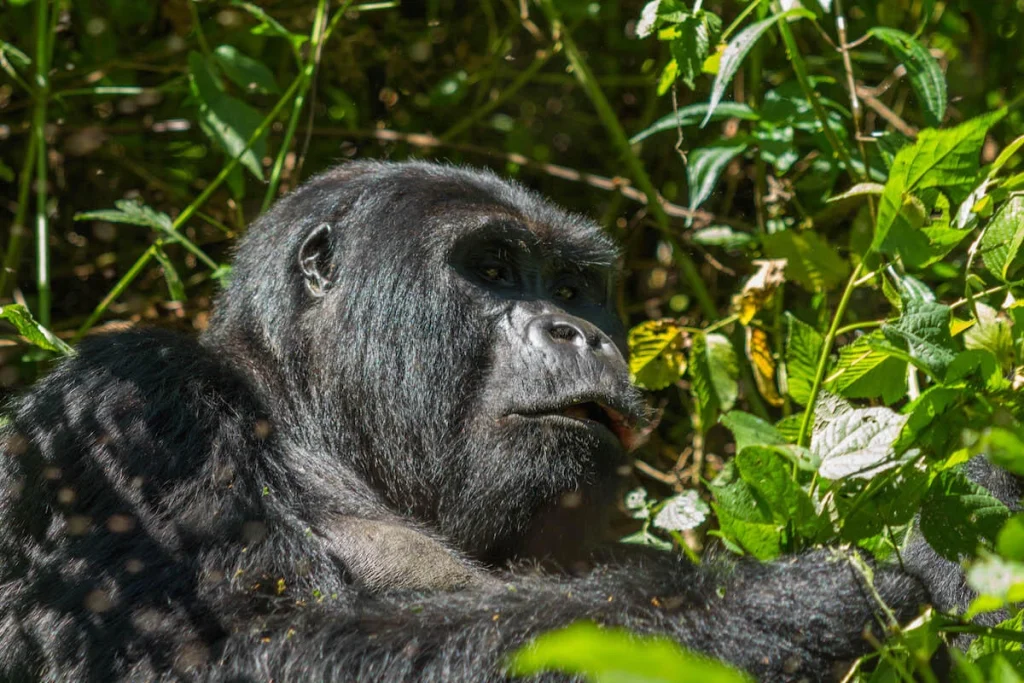
10 things nobody tells you before gorilla trekking in Africa. Gorilla trekking is one of the most profound wildlife experiences on the planet — a face-to-face encounter with our closest cousins in their natural mountain habitat. Every year, thousands of adventurers travel to Uganda, Rwanda, and the Democratic Republic of Congo to witness these magnificent creatures up close. But between the bucket-list excitement and the Instagram highlights, there is a lot that travel blogs and tour brochures quietly leave out.
Whether you are planning your first trek or finalising the finer details, here are ten things nobody tells you before you lace up those hiking boots — straight from the trails of Bwindi Impenetrable Forest and Volcanoes National Park.
1. The Trek Can Take Anywhere From 30 Minutes to 8 Hours — And Nobody Knows in Advance
This is perhaps the biggest surprise for first-time trekkers. Unlike a safari game drive where you follow a route, gorilla trekking means following the gorillas — and gorillas do not wait for you. Rangers track the families from the previous day’s location each morning, but the groups can move miles overnight.
Some lucky trekkers find a family within forty minutes. Others spend the better part of a day hiking through dense jungle before the encounter. Plan your schedule accordingly and never book a same-day flight home after a trekking permit. If you want a stress-free itinerary built around this reality, our team at Kenlink Tours can craft a flexible safari plan that accounts for every possibility.
2. Your Fitness Level Matters More Than You Think
Bwindi Impenetrable National Park in Uganda is not called “impenetrable” for nothing. The terrain is steep, muddy, and thick with vegetation. You will be climbing at altitudes between 1,500 and 2,500 metres above sea level, often with no clear path, clambering over roots and pushing through undergrowth.
You do not need to be an elite athlete, but a basic level of cardiovascular fitness will dramatically improve your experience. Start walking regularly at least six weeks before your trip and consider light hill training. The Uganda Wildlife Authority recommends that all trekkers consult a physician before the activity if they have any underlying health conditions.
3. Porters Are Not Optional — They Are Essential
Many tour operators mention that porters are available for hire but frame it as a luxury. It is not. Hiring a local porter is genuinely one of the best decisions you can make on the mountain. They will carry your bag, steady you on slippery slopes, pull you up steep sections, and pass you a walking stick exactly when you need it most.
Beyond the practical help, porter fees provide critical income to communities living around the park — communities whose livelihoods are deeply connected to conservation success. Porters typically charge between $15–$20 USD per trek. It is money well spent, and it directly supports the people who protect these forests every single day.
4. The One Hour Rule Is Strictly Enforced — And It Passes in Seconds
Once you find a gorilla family, you are allowed exactly 60 minutes with them. No exceptions. This rule exists to protect the animals from habituation stress and disease transmission. Rangers enforce it firmly, and your guide will begin counting the moment you make visual contact.
That one hour will feel like five minutes. Trekkers almost universally describe the experience as time-warping — you will spend the first ten minutes in pure shock, then suddenly a ranger will whisper that time is up. Put your camera down for at least part of it. Be present. You will thank yourself later.
5. Gorilla Permits Must Be Booked Months in Advance
There are only around 1,000 mountain gorillas left in the world, spread across a handful of habituated families. Each family receives a maximum of eight visitors per day. That means total daily visitor numbers are tightly capped across all parks.
In Uganda, permits cost $700 USD per person through the Uganda Wildlife Authority. In Rwanda, the Rwanda Development Board charges $1,500 USD per permit. Peak season permits — particularly from June to September and December to February — sell out many months in advance. If you are serious about trekking, planning at least six months ahead is strongly advised. Our gorilla safaris page walks you through the booking process step by step.
6. You Can Still Be Turned Away at the Trailhead
Even with a valid permit in hand, you can be denied entry on the day of the trek. Permits are non-transferable and non-refundable if you arrive presenting symptoms of respiratory illness — a cold, flu, or even a persistent cough. Gorillas share approximately 98% of human DNA, making them highly susceptible to human diseases, especially respiratory infections.
Rangers conduct a health screening at the park gate. If you are visibly unwell, you will be asked to step aside. This is not bureaucratic cruelty; it is essential conservation policy endorsed by the International Union for Conservation of Nature (IUCN). Travel insurance that covers permit loss due to illness is highly recommended.
7. The Rain Will Not Stop the Trek — So Pack Accordingly
Bwindi and the Virunga Mountains receive rainfall throughout much of the year. Even in the so-called dry season, afternoon showers are common. Trekking does not stop for rain; the gorillas certainly do not.
A quality waterproof jacket, gaiters, and waterproof hiking boots are non-negotiable. Your camera and phone need waterproof cases or dry bags. Tuck your trousers into your gaiters or long socks — not just for rain, but to keep safari ants, thorns, and stinging nettles off your skin. If you need help with a detailed packing checklist for an East African gorilla safari, our Uganda travel guide covers everything in full.
8. The Encounter Is Intimate — Sometimes Uncomfortably So
Guides maintain a recommended distance of seven metres between visitors and gorillas, but the gorillas have not read the guidelines. A young silverback might stroll directly toward you. A playful juvenile could tumble into your legs. A mother nursing her infant might settle down two feet from where you are standing.
When this happens, you do not run. You do not make direct eye contact with a silverback. You crouch down, look away, and stay calm. Your guides are expertly trained for these moments and will quietly position themselves between you and the animal if needed. Trust them completely. These encounters, unexpected and raw, are usually the ones people remember for the rest of their lives.
9. Budget for the Full Trip — Not Just the Permit
The gorilla permit gets most of the attention, but it is only one line in the budget. A complete gorilla trekking holiday in Uganda or Rwanda typically includes international flights, park entry fees, accommodation near the park (which commands premium prices for its proximity), ground transfers on unpaved mountain roads, guide and ranger fees, porter hire, tips, and meals.
Rwanda’s Volcanoes National Park, for example, is surrounded by some of Africa’s most luxurious lodges, and budget options are limited. Uganda’s Bwindi offers more variety across price ranges. Explore our range of gorilla trekking packages to find an itinerary that fits your travel style and budget without compromising on the experience.
10. It Will Change How You See the World
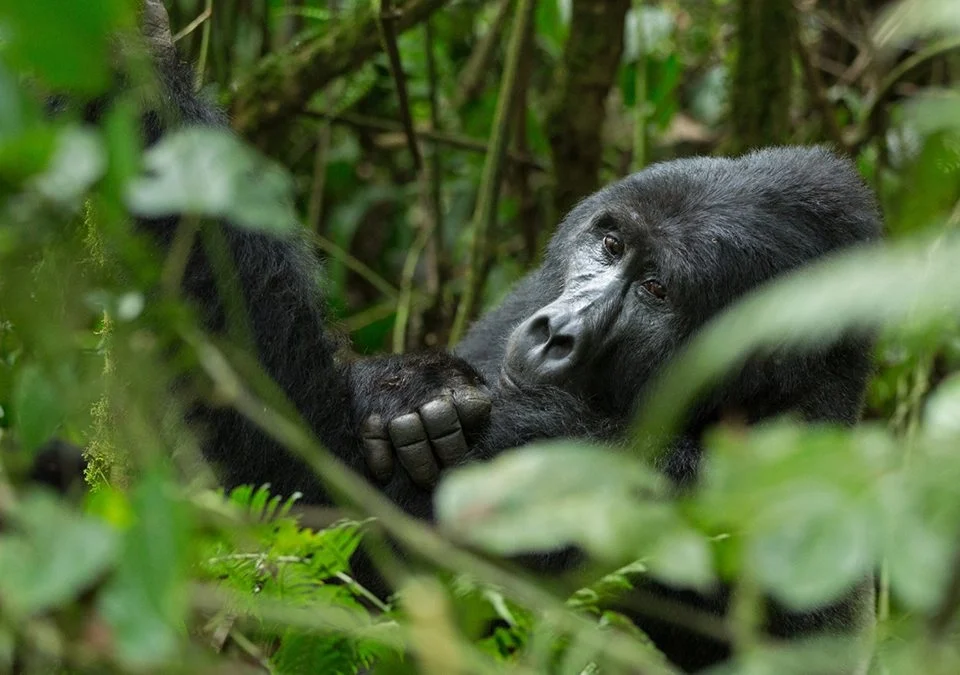
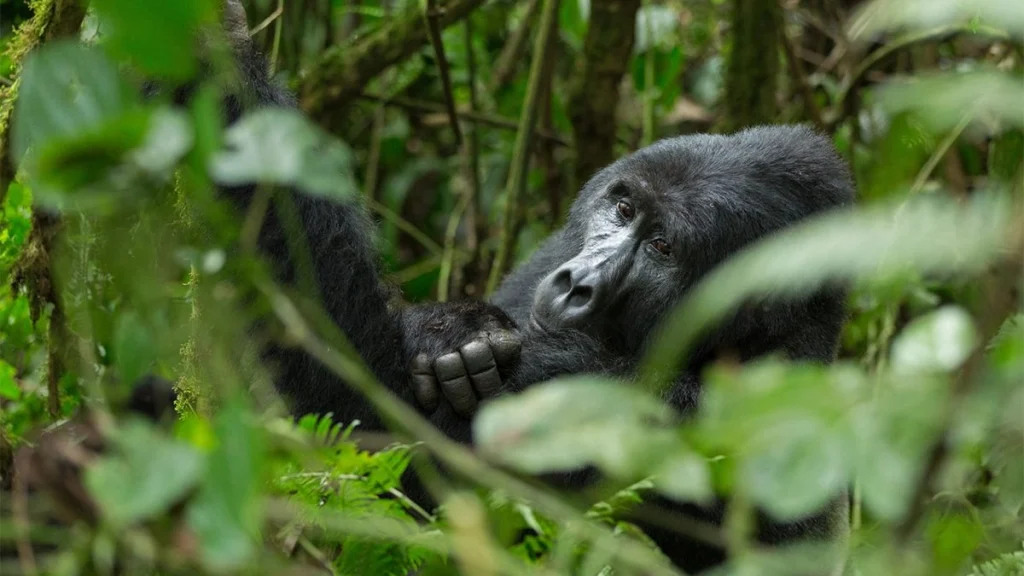
This last point sounds like marketing language, and we understand the scepticism. But ask anyone who has done it. There is something about standing in the middle of an ancient forest, watching a 200-kilogram silverback rest in the sunlight while his family grooms around him, that reframes everything.
It is not just awe at the animal — it is the sudden, visceral understanding that these creatures are kin, that their survival depends on choices made in cities thousands of miles away, and that you are standing in one of the last places on Earth where this kind of wildness still exists. The experience tends to produce conservationists. Many trekkers return home and become active supporters of organizations like the Dian Fossey Gorilla Fund, whose decades of research and community outreach have been central to the recovery of mountain gorilla populations.
Ready to Plan Your Gorilla Trek?
Gorilla trekking is not a trip you want to leave to chance. Between permit timing, park selection, fitness preparation, and building the right itinerary around your encounter, every detail matters. At Kenlink Tours, we specialize in tailor-made gorilla safaris across Uganda, Rwanda, and beyond — with on-the-ground expertise that ensures your trek is safe, seamless, and unforgettable.
Get in touch with our team today to start planning the adventure of a lifetime.