- EXPERT'S HELP
- +256789210067
- +256200955001
- info@kenlinktours.com


10 things nobody tells you before gorilla trekking in Africa
May 24, 2026
7-day Uganda gorilla and wildlife safari itinerary
May 24, 2026
How many days do you need for a safari in Uganda? Uganda is one of Africa’s most extraordinary safari destinations — a compact, lush country that packs an astonishing amount of wildlife, primate encounters, and natural drama into a relatively small space. Whether you are dreaming of locking eyes with a mountain gorilla deep in the Bwindi Impenetrable Forest, watching tree-climbing lions lounge on fig branches in Queen Elizabeth National Park, or feeling the thundering mist of Murchison Falls on your skin, the question every first-time visitor eventually asks is: How many days do I actually need?
The honest answer is: it depends on what you want to see. But this guide will walk you through every option — from the short 3-day escape to the immersive 20-day adventure — so you can plan the perfect Uganda safari for your time and budget.
Why Uganda Deserves More Time Than You Think
Uganda is famously called the Pearl of Africa, a title coined by Winston Churchill after his 1907 visit. It is easy to see why. Squeezed into a country roughly the size of the United Kingdom, you will find half of the world’s remaining mountain gorillas, the world’s largest population of chimpanzees in East Africa, the source of the Nile River, Africa’s largest lake, and over 1,000 bird species — more than any other country on the continent.
Unlike Kenya or Tanzania where the Big Five roam across vast open savannah plains, Uganda’s magic is layered. You need time to penetrate the rainforests, navigate the crater lakes, drift along river channels, and sit quietly with a gorilla family in the mist. According to the Uganda Wildlife Authority, Uganda is home to 10 national parks covering over 20% of the country’s total land area — each with its own unique ecosystem and wildlife offering.
That diversity is precisely why rushing through Uganda does the country a disservice. Still, not everyone has three weeks. So let’s break it down by trip length.
3 Days in Uganda — The Quick Gorilla Fix
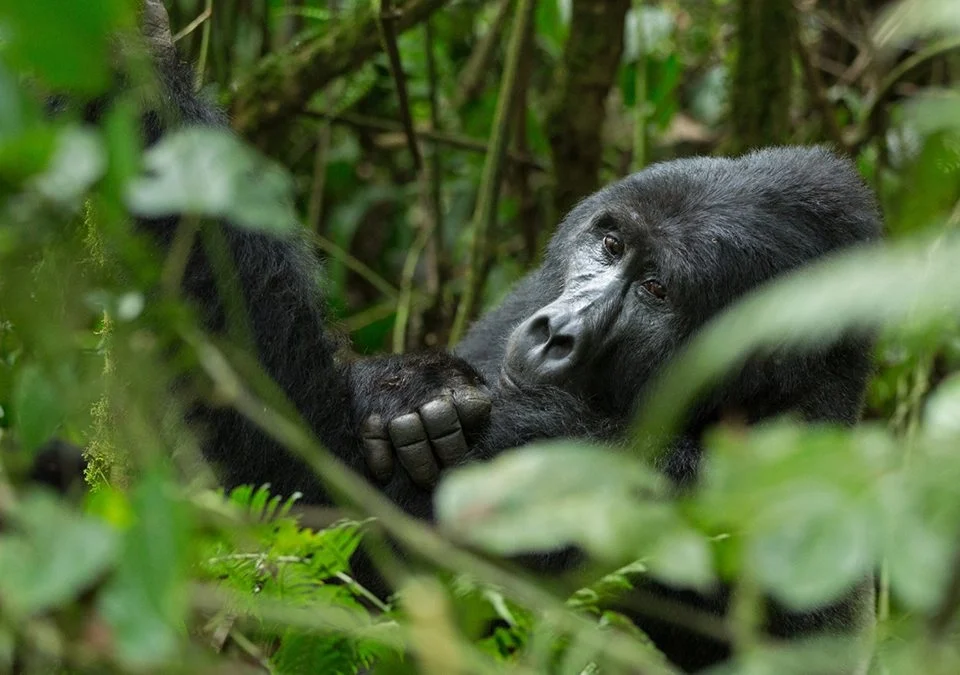
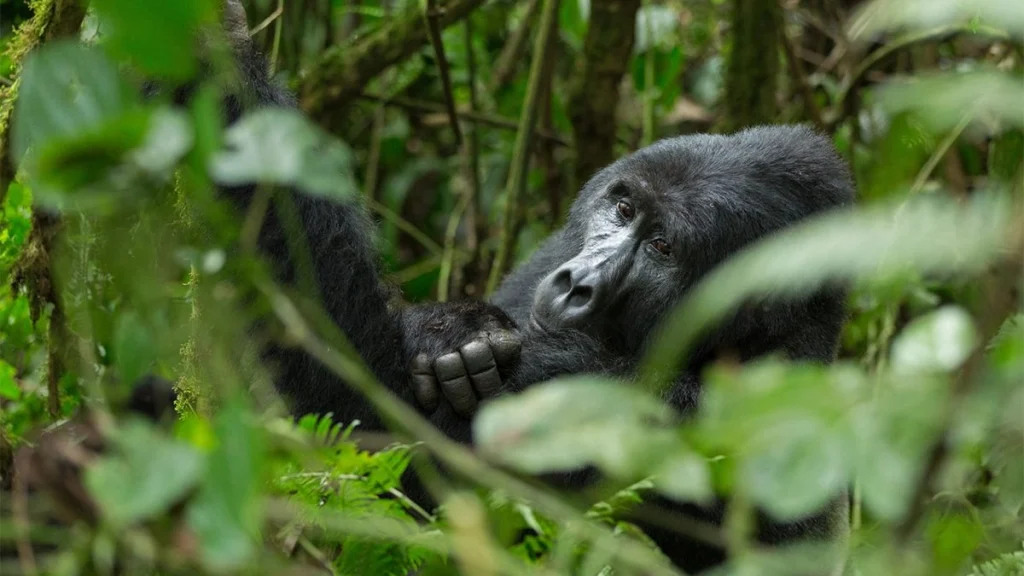
If your time is extremely limited, 3 days is the minimum required to complete a meaningful Uganda safari. The focus here is almost always gorilla trekking in Bwindi Impenetrable National Park or Mgahinga Gorilla National Park. A classic 3-day itinerary looks like this: fly into Entebbe, transfer to Bwindi (or fly by charter), complete your gorilla trek, and return to Entebbe.
Our 3-Day Uganda Gorillas Safari is specifically designed for travellers who want the signature Uganda experience without taking too many days out of a busy schedule. It is particularly popular with visitors who are combining Uganda with a Kenya or Rwanda trip.
Keep in mind that gorilla trekking permits in Uganda are issued by the Uganda Wildlife Authority and cost USD 800 per person. Availability is limited — only 8 people per gorilla family per day are permitted — so booking well in advance is essential. You can check permit availability through the Uganda Wildlife Authority’s official booking portal.
Three days is enough to see gorillas, but it leaves very little room for anything else. If you have even one extra day, we strongly recommend adding a community walk or a visit to the Batwa Pygmies trail for a cultural dimension to your gorilla experience.
5 to 7 Days — The Most Popular Uganda Safari Length
For most travellers, 5 to 7 days hits the sweet spot between depth and practicality. This duration allows you to combine gorilla trekking with at least one or two other major wildlife attractions — and it remains manageable for professionals with limited annual leave.
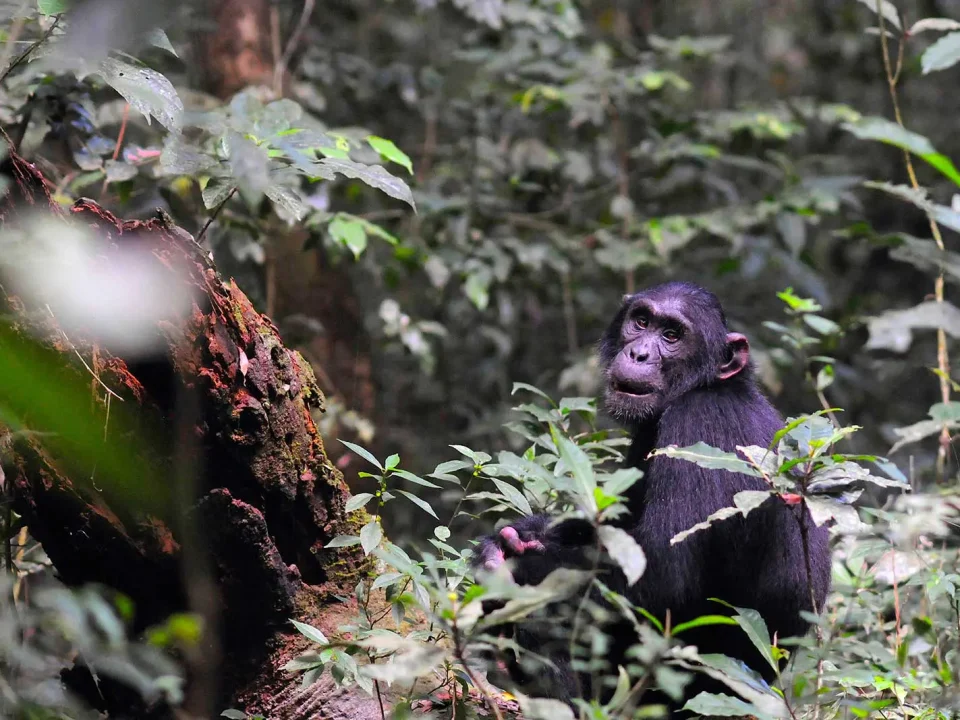
A well-structured 7-day itinerary might include gorilla trekking in Bwindi, chimpanzee tracking in Kibale Forest National Park (the “Primate Capital of the World”), and a game drive through Queen Elizabeth National Park. Our 7-Day Wildlife & Primate Safari covers exactly this combination, giving you a rich cross-section of Uganda’s most celebrated wildlife encounters.
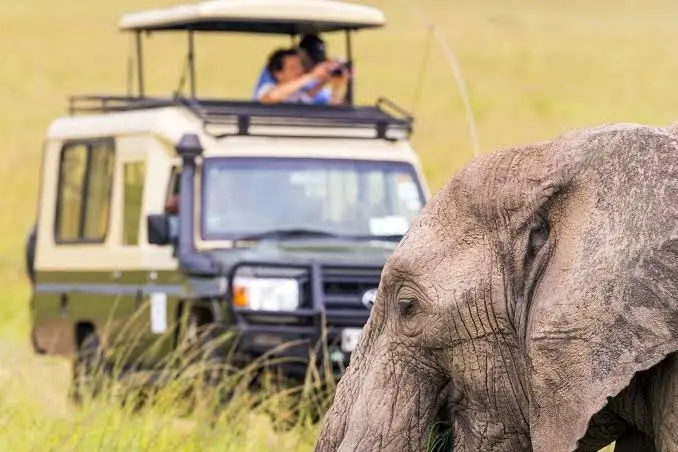
Alternatively, if big game is your priority alongside gorillas, our 7 Days Gorilla and Wildlife Safari takes you through Bwindi and into the open savannah landscapes of Queen Elizabeth National Park, where you can do a boat cruise on the Kazinga Channel — one of Africa’s finest boat safari experiences — and have a chance at spotting the famous tree-climbing lions of the Ishasha sector.
Seven days is the length recommended by most safari experts for a first-time visitor to Uganda, and it consistently produces the most satisfied travellers. You are not rushing, you have time to absorb the landscapes between destinations, and you return home with memories from multiple ecosystems.
8 to 10 Days — Adding Rwanda or Murchison Falls
At 8 to 10 days, your Uganda safari starts to breathe. You can now include Murchison Falls National Park — Uganda’s largest national park and one of the most dramatic wildlife landscapes in all of Africa. Named after the spectacular waterfall where the Nile River is forced through a 7-metre gorge with extraordinary force, Murchison is home to lions, elephants, giraffes, hippos, Nile crocodiles, and the iconic shoebill stork.
Our 3 Days Tour to Murchison Falls can be bolted onto the end of a gorilla and primate itinerary to create an 8–10 day experience that covers Uganda’s north and south with impressive variety. The drive or flight between Bwindi and Murchison takes you through beautiful Uganda countryside and, on the way, you can stop at Ziwa Rhino Sanctuary — the only place in Uganda where you can track white rhinos on foot.
Ten days also opens the door to a combined Uganda-Rwanda safari. Our 10-Days Tour in Rwanda & Uganda pairs gorilla trekking on both sides of the Virunga Volcanoes, golden monkey tracking, and Rwanda’s powerful Kigali Genocide Memorial — a journey that combines wilderness with cultural and historical depth. According to Rwanda Development Board, Rwanda’s gorilla trekking permits are also highly sought after and cost USD 1,500 per person, making it a premium addition worth every dollar.
12 to 15 Days — The Well-Rounded Uganda Safari
If you can carve out nearly two weeks, you will have enough time to experience Uganda’s full breadth without feeling stretched. A 12 to 15-day safari might combine gorilla trekking in Bwindi, chimpanzee tracking in Kibale, a boat cruise and game drives in Queen Elizabeth National Park, a full day at Murchison Falls including the top-of-falls hike, birding at Mabamba Wetland for the shoebill stork, and a relaxing final night on the shores of Lake Victoria near Entebbe.
Our 1-Day Mabamba Wetland Birding Excursion is an excellent add-on near the end of any longer safari, particularly for birdwatchers chasing the prehistoric-looking shoebill — one of Africa’s most sought-after bird species. Uganda is recognised by BirdLife International as one of the top birding destinations in the world, with over 1,061 recorded species — more per square kilometre than anywhere else in Africa.
At this length, you also have time to explore some of Uganda’s hidden gems: Kidepo Valley National Park in the remote northeast (often rated Africa’s most underrated park), the scenic Sipi Falls on the slopes of Mount Elgon, or the crater lakes region around Fort Portal.
18 to 25 Days — The Ultimate Uganda Adventure
For those with the time and appetite for a truly comprehensive East Africa expedition, 18 to 25 days transforms a Uganda safari into a life-defining journey. These longer itineraries allow you to cover Uganda end to end — north to south, east to west — absorbing the country’s extraordinary diversity at a pace that allows genuine connection.
Our 18-Days Adventure – Uganda is a beautifully paced itinerary that visits virtually every major safari destination in the country. And for those who want everything Uganda has to offer, our 25-Day Wildlife, Primate & Uganda Adventure and 20-Day Wildlife and Nature in Uganda are as complete as a safari itinerary can get — combining all the national parks, primate forests, cultural encounters, and scenic highlights into one seamless journey.
These extended safaris are also the best way to include Uganda’s remarkable cultural tourism experiences: meeting the Batwa Pygmies, visiting a traditional Ankole kingdom site, attending a local village market, or taking a cooking class with a Ugandan family.
What Is the Best Time to Visit Uganda on Safari?
Uganda can be visited year-round, but the dry seasons — June to September and December to February — are generally considered the best months for wildlife viewing. Roads are more accessible, vegetation is less dense, and animals concentrate around water sources. Gorilla trekking, however, is possible in all seasons, and many travellers find the misty green forests of the rainy season atmospheric and beautiful.
For a detailed breakdown of what to expect each month, visit the Uganda Tourism Board’s official website, which provides up-to-date guidance on seasonal conditions and festival events across the country.
How to Choose the Right Duration for Your Uganda Safari
Still unsure how many days to book? Here is a simple framework:
- 3 days — You want gorillas and nothing else, and your time is extremely limited.
- 5–7 days — You want gorillas plus chimps or big game; this is the most recommended length.
- 8–10 days — You want a multi-park experience or a Uganda-Rwanda combo.
- 12–15 days — You want a thorough, unhurried safari covering Uganda’s diverse ecosystems.
- 18–25 days — You want Uganda in its entirety, at a pace that allows real depth.
No matter what length you choose, the key is expert planning. At Kenlink Tours, we have been crafting Uganda safaris since 2010, with over 2,000 happy travellers who return year after year. Our team lives and breathes these destinations — we visit them every year so our advice is always current, honest, and tailored to you.
Browse our full collection of Uganda Safaris or contact our team to start planning your perfect Uganda safari today. The Pearl of Africa is waiting — and it deserves more than a rush.