- EXPERT'S HELP
- +256789210067
- +256200955001
- info@kenlinktours.com


Budget Uganda Safaris for Backpackers
May 7, 2026
Top Birding Safari Destinations in Uganda
May 7, 2026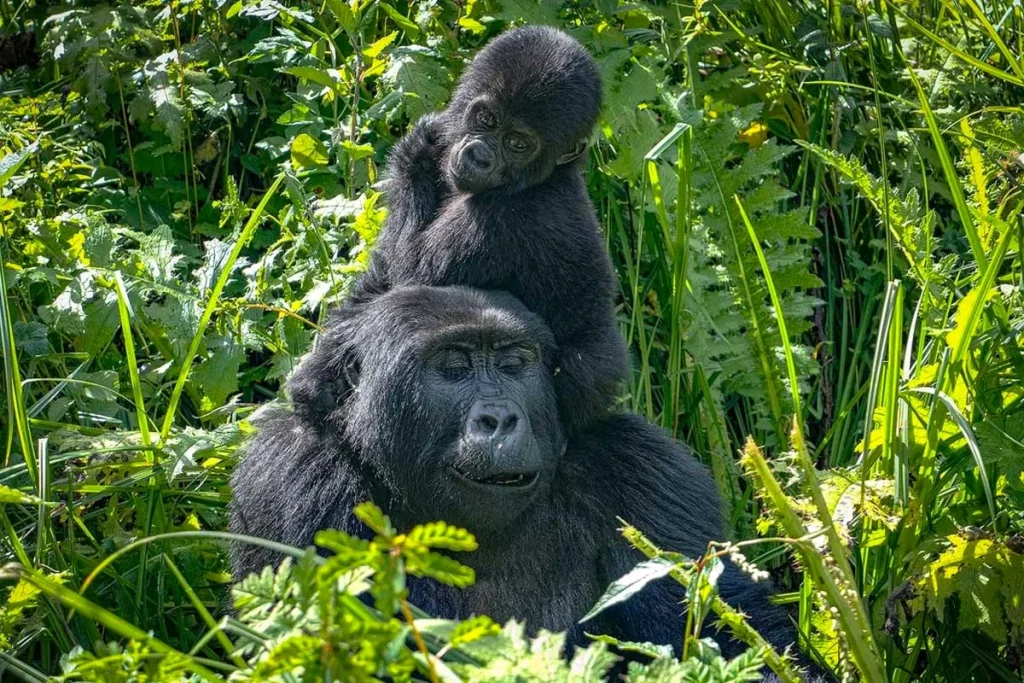
Uganda Gorilla Trekking vs Wildlife Safari. When travelers begin planning a Uganda safari, they almost always face the same central question: gorilla trekking or wildlife safari? Both are extraordinary experiences. Both will leave you changed. But they are fundamentally different kinds of adventure — different in their physical demands, costs, emotional texture, and the type of memories they create. Some travelers know instantly which one calls to them. Others genuinely wrestle with the decision, particularly if time or budget allows for only one. This guide unpacks both options in honest detail — what each involves, who each suits, how they compare across every key dimension, and how to combine both into the ultimate Uganda journey.
What Is Gorilla Trekking, and What Makes It Unique?
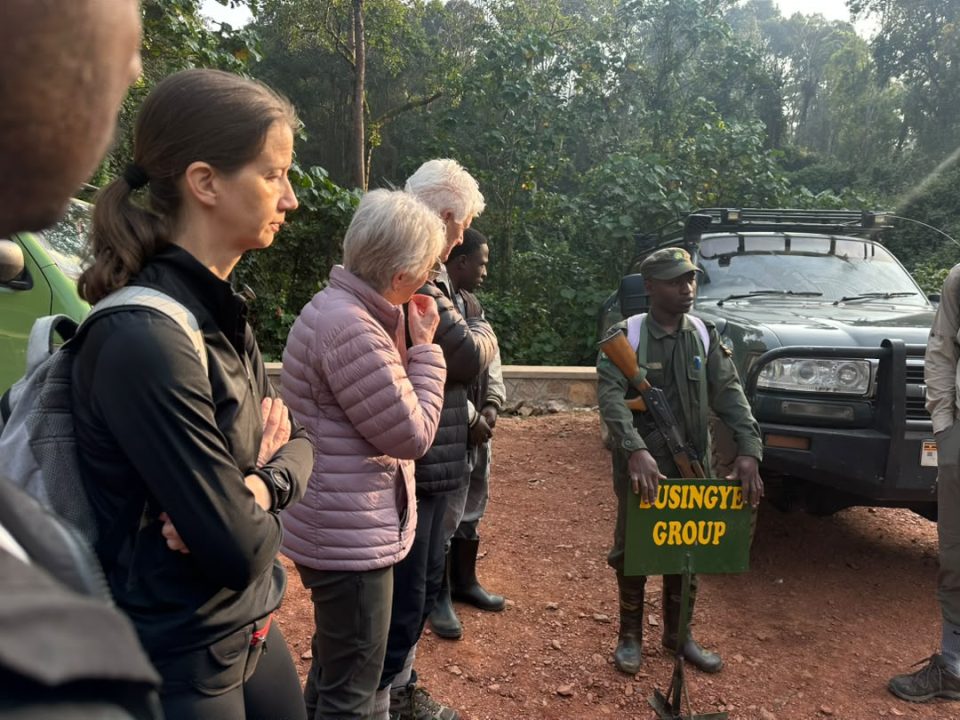
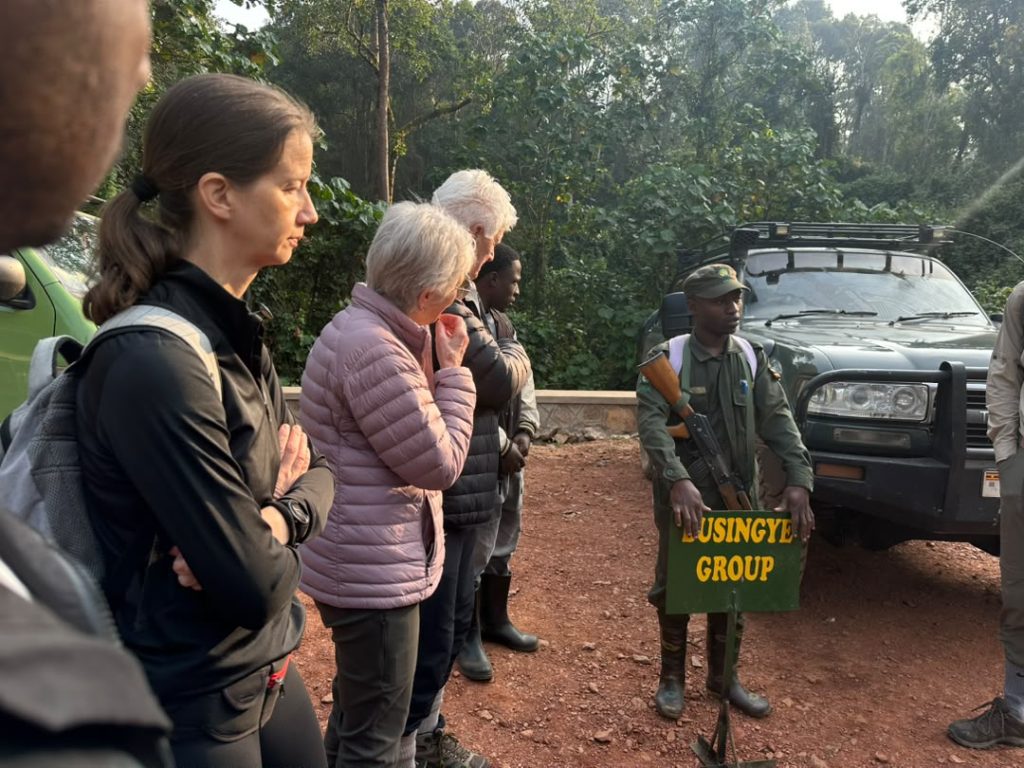
Gorilla trekking in Uganda is the experience of hiking on foot through dense tropical rainforest — guided by professional Uganda Wildlife Authority rangers and advance trackers — in search of a habituated mountain gorilla family. Once located, you are granted exactly one hour in the presence of these extraordinary primates: watching them feed, groom one another, nurse their young, and occasionally pause to regard you with the same quiet curiosity with which you regard them.
Uganda is home to more than half of the world’s entire mountain gorilla population. According to the IUCN Red List, mountain gorillas (Gorilla beringei beringei) are classified as Endangered — with just over 1,000 individuals remaining on the planet. Bwindi Impenetrable National Park — a UNESCO World Heritage Site and one of Africa’s oldest and most diverse rainforests — shelters more than 20 habituated gorilla families across four trekking sectors. Mgahinga Gorilla National Park in the volcanic southwest offers a more intimate encounter with the famous Nyakagezi family.
What makes gorilla trekking genuinely unlike any other wildlife experience is its intimacy and its rarity. The permit system limits each gorilla family to just eight visitors per day, which means the encounter is never a crowd scene. You are a small group of people, in a forest, with a gorilla family going about its morning. The emotional weight of that hour — particularly the first moment you lock eyes with a silverback — is something that very few wildlife encounters on Earth can rival.
What Is a Wildlife Safari, and What Does It Offer?
A Uganda wildlife safari centres on game drives, boat cruises, and guided activities across the country’s savannah and wetland national parks. The two flagship destinations are Queen Elizabeth National Park — Uganda’s most visited park, celebrated for its tree-climbing lions in Ishasha, the Kazinga Channel, and extraordinary bird diversity — and Murchison Falls National Park, Uganda’s largest protected area, where the Nile River squeezes through a narrow seven-metre gorge and bursts into a 43-metre plunge of white water surrounded by wildlife.
A game drive comparison between Murchison Falls and Queen Elizabeth reveals that both parks offer lions, leopards, elephants, and Cape buffaloes alongside a supporting cast of giraffes, Uganda kobs, warthogs, hippos, and Nile crocodiles. Boat safaris on the Nile and along the Kazinga Channel deliver close-up wildlife encounters from the water — a completely different sensory experience from a land-based game drive and one that particularly rewards wildlife photographers.
The defining character of a wildlife safari is its breadth and variety. Over two or three days in a single park, you can witness dozens of species, experience the full drama of predator-prey dynamics, and move through multiple habitats — savannah, forest edge, wetland, and river — each hosting its own community of animals. No two game drives are ever quite the same.
Gorilla Trekking vs Wildlife Safari — A Side-by-Side Comparison
The Experience Itself
Gorilla trekking is a singular, focused encounter. The entire day builds toward one moment — finding the gorillas — and then delivers an hour that is, by almost universal traveller consensus, among the most moving wildlife experiences on Earth. It is intimate, personal, and profoundly quiet. A wildlife safari, by contrast, is panoramic and varied. It spreads its rewards across many hours and many sightings, delivering a rolling series of encounters rather than one concentrated highlight.
Physical Demands
Gorilla trekking requires a meaningful level of fitness. Depending on where the gorilla family has moved overnight, the hike can range from 30 minutes to eight hours through steep, rooted, often slippery rainforest terrain. Long trousers, waterproof boots, and garden gloves are essential. Porters are available at the park for around USD 20 and are strongly recommended for anyone with limited mobility or stamina. A wildlife safari, conducted from a 4×4 vehicle with pop-up roof, is accessible to virtually all fitness levels — including families with children, older travellers, and those with physical limitations. The only walking involved is optional nature walks and guided hikes.
Cost
This is perhaps the starkest difference between the two options. A gorilla trekking permit costs USD 800 per person for foreign non-residents, set by the Uganda Wildlife Authority (UWA). This is a fixed, non-negotiable fee that forms the baseline cost of any gorilla safari, before accommodation, transport, or meals are added. A budget gorilla safari starts from approximately USD 1,200 per person for a three-day experience. Wildlife safari packages, because they do not include the permit cost, can be substantially less expensive — particularly for travellers joining group tours to parks like Queen Elizabeth or Murchison Falls. This makes wildlife safaris significantly more accessible for budget-conscious travellers and families.
Advance Planning Required
Gorilla permits are strictly limited — eight people per gorilla family per day — and demand consistently outstrips supply during peak season. Permits should be booked three to six months in advance, ideally through a reliable operator like Kenlink Tours who manages the permit reservation process on your behalf. Wildlife safari game drives, by contrast, require far less advance planning. Parks like Queen Elizabeth and Murchison Falls can accommodate visitors at relatively short notice, and Kenlink Tours can arrange last-minute wildlife itineraries far more easily than gorilla ones.
Wildlife Diversity
A gorilla trek is, by design, a focused encounter with one species — magnificent, endangered, and unforgettable, but narrow in its wildlife scope. On a wildlife safari, you encounter dozens of species across a single game drive: elephants, lions, leopards, buffaloes, giraffes, hippos, crocodiles, and over 600 bird species in Queen Elizabeth alone. For travellers whose primary goal is to see as much African wildlife as possible across as many species as possible, the wildlife safari delivers greater breadth.
Who Should Choose Gorilla Trekking?
Gorilla trekking is the right choice if you are drawn to a single, once-in-a-lifetime encounter that carries genuine emotional and conservation significance. If the idea of standing metres from an endangered great ape in ancient forest — an animal that shares 98% of your DNA — resonates with you on a visceral level, then the gorilla trek is your answer. It is also the right choice for travellers who can absorb the permit cost, are reasonably fit and prepared for a physically demanding hike, and who are willing to plan ahead by several months to secure their permit.
It is particularly meaningful for conservation-minded travellers. The permit fee structure — 75% to gorilla conservation, 15% to the government, 10% to local communities — means that your visit directly funds the survival of the species you have come to see. This connection between tourism spend and conservation outcome is one of the most direct examples of responsible travel having measurable positive impact. You can explore the full range of available gorilla tour packages across sectors and price points, and combine the trek with a cultural encounter with the Batwa community for an even deeper experience.
Who Should Choose a Wildlife Safari?
A Uganda wildlife safari is the right choice for travellers who want variety, spontaneity, and the classic open-savannah African experience. If the image of sitting in a 4×4 at sunrise watching a pride of lions move across golden grassland, or drifting along a river as elephants wade in beside the boat, speaks to you more than a rainforest hike — then the wildlife safari is your match.
It is also the better option for families with young children, travellers with limited mobility, those on a tighter budget, and anyone who wants to cover more geographic ground across a single trip. The Big Five and Primate Safari offered by Kenlink Tours blends classic game drives in Murchison Falls and Queen Elizabeth with chimpanzee tracking in Kibale Forest — giving wildlife-focused travellers a rich, multi-park experience that covers Uganda’s savannah, river, and rainforest ecosystems in one flowing journey.
The Best Answer — Do Both
Here is the truth that experienced Uganda travellers will tell you: the question is not really “which one is better?” but “how do I do both?” Uganda’s geography makes combining gorilla trekking with a wildlife safari genuinely practical. The 7-day Wildlife, Gorillas and Chimpanzee Tracking Safari from Kenlink Tours is the perfect template — Ziwa Rhino Sanctuary and Murchison Falls in the north, then chimpanzee tracking in Budongo Forest, then a gorilla trek in Bwindi, finishing at scenic Lake Bunyonyi. Seven days. Every major experience. One country.
For those with more time, how to choose the best safari package outlines how to design a longer itinerary that balances savannah game drives with primate trekking, cultural visits, and birding. The two experiences are not competitors — they are complements. The gorilla gives you depth: one species, one hour, and a memory that redefines your relationship with the natural world. The wildlife safari gives you breadth: dozens of species, sweeping landscapes, and the full drama of an African ecosystem at work. Together, they make Uganda the most complete safari destination on the continent.
Book Your Uganda Safari with Kenlink Tours
Whether your heart is set on gorillas, game drives, or a journey that combines both, Kenlink Tours has been crafting expert Uganda safaris since 2010 and will design an experience that matches exactly what you are looking for. From permit booking and lodge selection to transport and professional guides who know Uganda’s parks intimately, every detail is handled. Book your Uganda safari today, or speak with the Kenlink team to begin building your perfect itinerary.
Uganda does not ask you to choose between the extraordinary and the spectacular. It simply asks you to come.