- EXPERT'S HELP
- +256789210067
- +256200955001
- info@kenlinktours.com


Uganda Safari Safety Guide for Tourists
May 9, 2026
Uganda Safari Packages with Gorilla Permits Included
May 9, 2026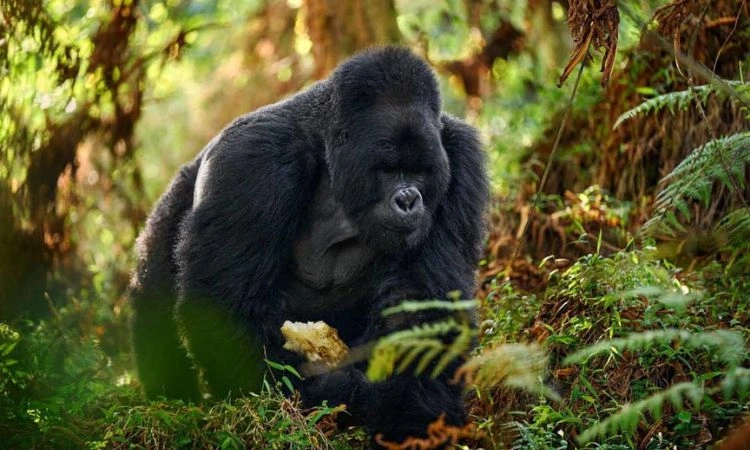
Gorilla Trekking in Africa – Why Uganda Leads the Experience. Africa is home to some of the most extraordinary wildlife encounters on Earth, but few experiences rival the sheer awe of standing face-to-face with a mountain gorilla in the wild. These magnificent, gentle giants share approximately 98% of their DNA with humans, and watching them feed, groom each other, and care for their young in a misty rainforest is a moment that stays with you forever. While gorilla trekking is possible in Rwanda and the Democratic Republic of Congo, Uganda stands firmly at the top — offering unrivalled access, greater value, richer biodiversity, and a depth of experience that no other destination can match. Here is why Uganda leads the gorilla trekking experience in Africa.
Uganda Is Home to the Majority of the World’s Mountain Gorillas
Mountain gorillas are one of the rarest primates on the planet, with just over 1,070 individuals remaining in the wild. Uganda shelters more than half of this entire global population, making it the undisputed capital of gorilla trekking. The majority of these gorillas live in Bwindi Impenetrable National Park, a UNESCO World Heritage Site tucked into the green hills of southwestern Uganda. Bwindi alone is home to over 500 mountain gorillas across 22 habituated families — meaning more gorilla trekking opportunities are available here than anywhere else on the planet.
A second, smaller but equally spectacular site — Mgahinga Gorilla National Park — sits at the foot of the Virunga Volcanoes and hosts the remarkable Nyakagezi family, a group distinguished by the rare presence of three silverbacks. Uganda’s raw numerical advantage in gorilla populations translates directly into higher permit availability and a significantly better chance of an intimate, uncrowded encounter.
Bwindi Impenetrable Forest: The World’s Premier Gorilla Trekking Destination
Bwindi is not simply a gorilla habitat — it is one of Africa’s most biologically diverse ecosystems. The forest is ancient, having survived the last Ice Age, and today harbours over 90 mammal species, more than 350 bird species, and 200 species of trees. Trekking through it feels like stepping into another world.
The park is divided into four distinct sectors — Buhoma, Ruhija, Rushaga, and Nkuringo — each offering a unique trekking atmosphere. Buhoma Sector in the north is the original trailhead and arguably the most famous, where gorilla trekking tourism in Uganda began in 1993. It is ideal for first-time trekkers thanks to its well-established trails and proximity to excellent lodges. If you are wondering which part of Bwindi is easiest for gorilla trekking, Buhoma is generally recommended, though Ruhija offers more seclusion and Rushaga the widest choice of gorilla families.
What makes Bwindi truly exceptional is that no two treks are identical. The gorillas move freely through the forest, and every encounter — guided by expert Uganda Wildlife Authority rangers — unfolds differently. You might spend one to six hours trekking before the rangers locate the family, and then you are granted one precious, life-changing hour with them. According to the Uganda Wildlife Authority (UWA), the chance of seeing gorillas on a permitted trek is around 98%, making Uganda’s success rate extraordinarily reliable.
Uganda Offers the Gorilla Habituation Experience — Unique in the World
One of Uganda’s most extraordinary advantages over Rwanda and Congo is its exclusive Gorilla Habituation Experience. Unlike a standard one-hour gorilla trek, this immersive activity allows a maximum of four visitors to spend up to four hours with a semi-habituated gorilla family that is still being accustomed to human presence. The experience takes place deep in Bwindi and is available only in Uganda — it does not exist in Rwanda, making it a compelling reason to choose Uganda for serious wildlife enthusiasts, photographers, and researchers.
The habituation permit costs USD 1,500 per person — the same price as a standard gorilla trekking permit in Rwanda — but the extended time with the gorillas makes it far superior value. Understanding how many people are allowed to see gorillas per group in Uganda helps travellers appreciate just how intimate and exclusive these encounters are by design.
More Affordable Permits Without Compromising the Experience
One of the most practical reasons Uganda leads gorilla trekking in Africa is the cost. A standard gorilla trekking permit in Uganda costs USD 800 per person for foreign non-residents — compared to USD 1,500 in Rwanda. This significant price difference makes Uganda the preferred destination for budget-conscious and mid-range travellers who still want a world-class gorilla encounter. For a detailed breakdown, visit what is the price for gorilla trekking safari in Uganda or explore how much a Uganda safari costs overall.
The Uganda Tourism Board actively promotes responsible, affordable gorilla tourism that directly benefits conservation efforts and local communities. Every permit purchased channels revenue into wildlife protection, ranger salaries, and community development programmes in the villages surrounding Bwindi and Mgahinga.
Uganda Combines Gorilla Trekking with Unmatched Safari Variety
Rwanda’s gorilla experience, while excellent, is largely standalone. Uganda, by contrast, wraps gorilla trekking in an entire ecosystem of wildlife adventures that no other single country can match. After trekking gorillas in Bwindi, travellers can explore Queen Elizabeth National Park, home to tree-climbing lions, elephants, hippos, and over 600 bird species. A boat safari along the Kazinga Channel is one of Africa’s finest wildlife spectacles.
Further north, Murchison Falls National Park delivers thunderous Nile drama alongside giraffes, Rothschild’s giraffes, crocodiles, and shoebill storks. Kibale Forest National Park — the primate capital of the world — offers chimpanzee tracking alongside 12 other primate species. This ability to combine diverse experiences is why a Big Five and Primate Safari in Uganda remains one of the most complete wildlife itineraries in Africa, something virtually impossible to replicate in Rwanda or Congo alone.
The IUCN Red List classifies mountain gorillas as Endangered, and Uganda’s integrated approach — combining strict conservation with a diverse tourism economy — is widely regarded as a model for sustainable wildlife management.
What to Expect on a Uganda Gorilla Trek
The trekking experience in Uganda is raw, authentic, and deeply humbling. Early morning briefings at the park headquarters set the scene before you set off into the forest with armed rangers and expert trackers. Depending on where the gorilla family has settled, the hike may take anywhere from one to six hours through steep, muddy trails draped in ancient vegetation. What to pack for gorilla trekking in Uganda is an important consideration — sturdy hiking boots, long sleeves, rain gear, gloves, and a walking stick are all essential.
When you finally reach the gorilla family, time seems to stop. A silverback might lie just metres away, watching you with calm intelligence. Young gorillas chase each other through the undergrowth. Mothers nurse their infants in the dappled forest light. For what it is actually like to trek gorillas in Uganda, no description fully captures the emotional weight of the encounter. Even seasoned travellers regularly describe it as the single greatest wildlife experience of their lives.
Planning Your Uganda Gorilla Safari with Kenlink Tours
Whether you are looking for a luxury gorilla trekking safari, a self-drive gorilla adventure, or a comprehensive 25-day Uganda wildlife and primate safari, Kenlink Tours crafts personalised itineraries to match every interest and budget. For travellers arriving from Rwanda, a Uganda gorilla safari starting from Kigali is a seamless and popular option that lets you experience the best of both countries.
You can browse all available gorilla tours for booking in Uganda directly on our website, where our team handles every detail — from securing your gorilla permit months in advance to arranging transport, accommodation, and experienced guides. Bwindi’s status as a UNESCO World Heritage Site underscores the global significance of what you will witness, and Kenlink Tours is proud to be your gateway to this extraordinary experience.
Uganda does not just lead gorilla trekking in Africa — it defines it. There is no better place, no better time, and no better team to take you there. Contact Kenlink Tours today and start planning the wildlife adventure of a lifetime.


