How many people allowed to see gorillas in Uganda per group? Gorilla trekking in Uganda is one of the most sought-after wildlife experiences in Africa. The country is home to half of the world’s remaining mountain gorillas, making it a premier destination for travelers seeking an unforgettable adventure. Before planning your trek, one important question often arises: how many people are allowed to see gorillas in Uganda per group? The answer is guided by conservation rules and ensures the protection of these endangered primates while also creating a fulfilling experience for visitors.
In this blog, we will explain the group size limits, why they matter, and what trekkers can expect during their encounter with gorillas in Uganda.
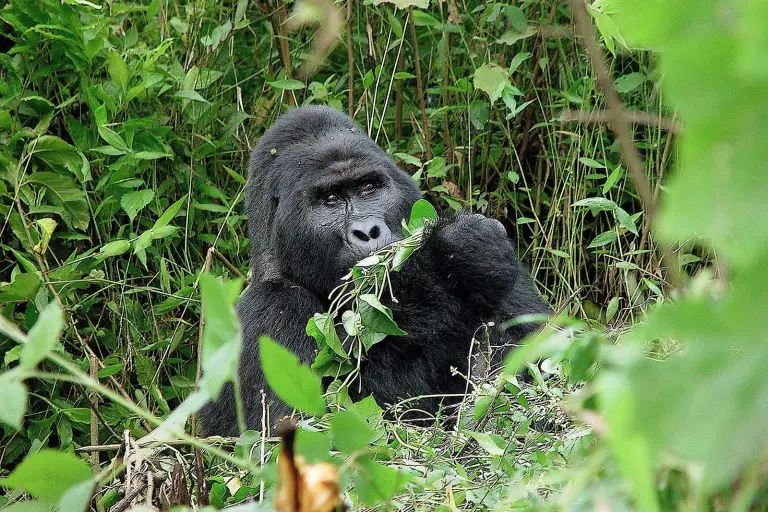
Uganda’s mountain gorillas are found in two main national parks: Bwindi Impenetrable National Park and Mgahinga Gorilla National Park. Both parks are located in the southwestern part of the country, along the border with Rwanda and the Democratic Republic of Congo. These lush, mountainous forests provide the perfect habitat for gorillas to thrive.
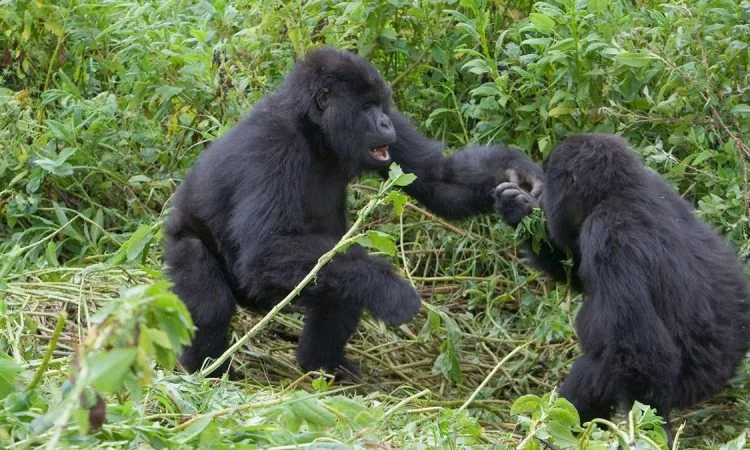
Gorilla trekking involves hiking through dense forests with experienced guides and trackers to locate a habituated gorilla family. Once you find them, you are given a limited amount of time to spend with the gorillas—an hour for normal treks or four hours for the special habituation experience.
In Uganda, a maximum of eight people is allowed to visit a gorilla family each day. This rule is set and enforced by the Uganda Wildlife Authority (UWA), the body responsible for conservation and tourism management.
The restriction to eight people per group is crucial for several reasons:
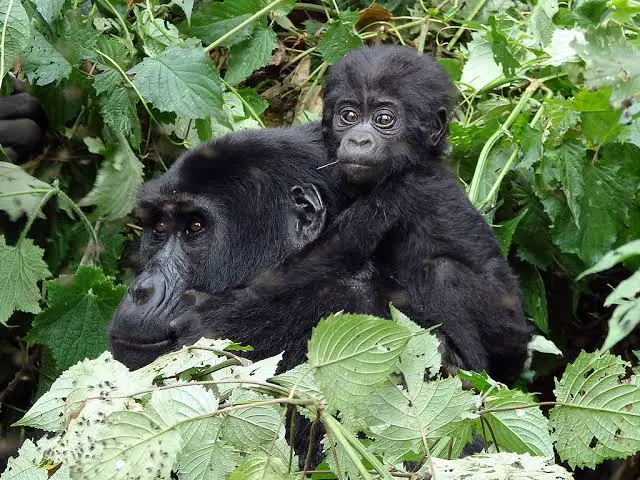
Minimizing Stress on Gorillas – Gorillas are sensitive to human presence. Too many visitors at once could disrupt their natural behavior and cause stress, especially for young gorillas and nursing mothers.
Preventing Disease Transmission – Humans and gorillas share about 98% of their DNA. This makes gorillas highly susceptible to catching human illnesses such as flu or cough, which can be fatal for them. By limiting group size, the risk of disease transmission is reduced.
Enhancing Visitor Experience – With smaller groups, trekkers can enjoy a more intimate and rewarding experience. Each person has a better chance of observing and photographing the gorillas without feeling crowded.
Easier Movement and Management – Moving through the dense forest with fewer people is easier and less disruptive. The guides can focus on safety and education rather than managing a large crowd.
Every morning, trekkers gather at the park headquarters in Bwindi or Mgahinga for a briefing. Here, park rangers assign visitors to different gorilla families. The assignment is based on fitness levels, age, and sometimes personal requests. Some gorilla families live closer to the trailhead, while others require longer hikes.
Each group of trekkers will then be accompanied by:
A ranger guide – to lead the trek and provide insights about the forest and gorillas.
Trackers – who set out early in the morning to locate the gorilla family.
Porters – optional helpers who carry bags and provide support during the hike.
Once the gorilla family is found, trekkers are allowed to spend a maximum of one hour with them. This strict time limit ensures minimal disruption to the gorillas’ daily life.
In addition to the standard trek, Uganda offers a unique activity known as the Gorilla Habituation Experience, available only in Bwindi. This allows visitors to spend four hours with a gorilla family that is still in the process of getting used to human presence.
Unlike the regular trek, the habituation experience allows only four people per group. This is even more exclusive and is ideal for researchers, photographers, and travelers seeking a deeper connection with the gorillas.
The decision to restrict group sizes is not arbitrary—it is rooted in years of conservation research and practice. Mountain gorillas were once critically endangered, with their population dropping to below 300 individuals in the 1980s. Thanks to strict conservation policies, controlled tourism, and community engagement, the population has now grown to over 1,000 worldwide.
Tourism plays a big role in this success story. Every permit purchased for gorilla trekking contributes directly to gorilla conservation and community development. However, without rules like the “eight people per group” policy, the balance between tourism and conservation would be at risk.
If you’re planning a gorilla trek in Uganda, here are some key tips to keep in mind regarding group size and rules:
Book permits early – With only eight permits available per gorilla family per day, they sell out fast, especially in peak seasons (June–September and December–February).
Follow the rules – Maintain a distance of at least seven meters from the gorillas, do not touch them, and avoid trekking if you are sick.
Be prepared for the trek – Depending on the gorilla family, the hike may take between 2 to 6 hours. Carry water, snacks, sturdy boots, and rain gear.
Respect your group – Since only eight people trek together, maintaining discipline ensures everyone enjoys the experience equally.
So, how many people are allowed to see gorillas in Uganda per group? The answer is simple: only eight visitors per gorilla family per day for standard treks, and only four visitors for the habituation experience. This rule protects the gorillas, enhances conservation, and ensures each trekker enjoys a more personal encounter with these magnificent creatures.
By respecting these guidelines, travelers contribute directly to safeguarding Uganda’s gorillas for future generations. Gorilla trekking is not just a tourist activity—it’s a life-changing journey that supports wildlife conservation and uplifts local communities.
Start planning your adventure trip today with a professional expert available to help you 24/7. Encounter Africa on your own terms.
Request a Quote

Embark on a fascinating gorilla trekking safari in Uganda and Rwanda with Kenlink Tours. Witness majestic mountain gorillas up close in their natural habitat, guided by experts for a once-in-a-lifetime adventure through lush rainforests and scenic landscapes.
READ MOREEmbark on iconic wildlife safaris in East Africa with Kenlink Tours. Discover the Big Five in vast savannahs, witness the Great Migration, and explore pristine national parks. Our expertly guided adventures promise unforgettable encounters with nature, rich cultural experiences, and seamless travel across Uganda, Kenya, Tanzania, and Rwanda.
READ MORE