- EXPERT'S HELP
- +256789210067
- +256200955001
- info@kenlinktours.com


What happens during a gorilla trekking experience
May 14, 2026
How to combine gorilla and chimp trekking in one Uganda trip
May 14, 2026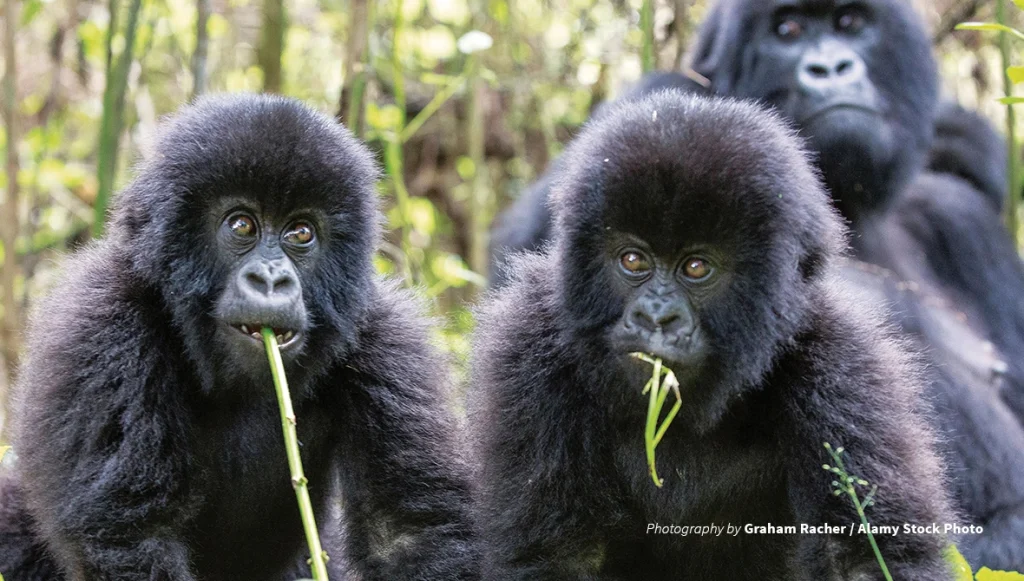
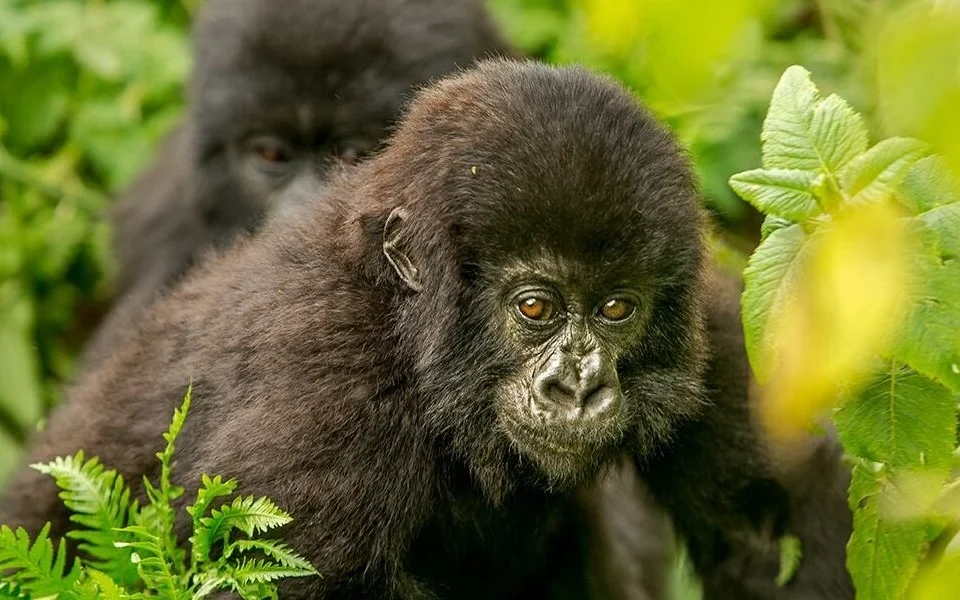
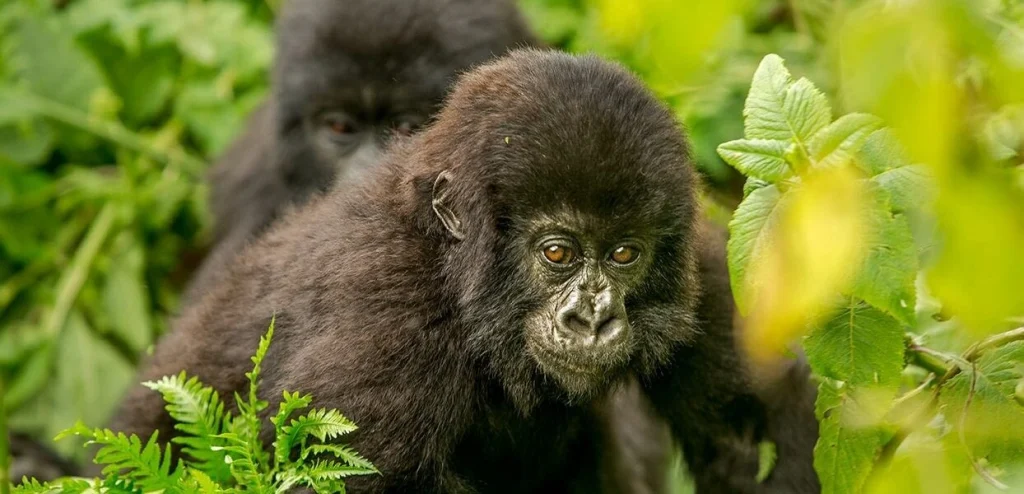
How Are Mountain Gorillas Protected in Uganda and Rwanda? Mountain gorillas are among the most magnificent and critically endangered creatures on Earth. With fewer than 1,100 individuals remaining in the wild, every effort made to protect them counts enormously. The good news is that, unlike many other endangered species, mountain gorilla populations have been slowly and steadily growing — a rare conservation success story. This incredible recovery is the result of decades of coordinated work between governments, conservation organizations, local communities, and responsible tourism operators.
Uganda and Rwanda are home to the majority of the world’s remaining mountain gorillas, sharing their populations across the Virunga Massif ecosystem and Uganda’s Bwindi Impenetrable Forest. If you are planning a gorilla trekking safari in Uganda or Rwanda, understanding the conservation measures in place will deepen your appreciation of the experience and the extraordinary effort behind it.
Protected National Parks: The Foundation of Gorilla Conservation
The single most important step taken by both Uganda and Rwanda was establishing and maintaining protected national parks specifically designed to safeguard gorilla habitats.
In Uganda, two parks protect mountain gorillas. Bwindi Impenetrable National Park is the most famous, home to roughly half of the world’s total mountain gorilla population. Mgahinga Gorilla National Park, located in the Virunga range in southwestern Uganda, is smaller but equally critical. Both are UNESCO World Heritage Sites. Visitors can explore these ecosystems through our 3-day Uganda gorilla safari or the popular 3-day Bwindi gorilla trekking package.
In Rwanda, Volcanoes National Park in the Virunga Mountains is the gorilla haven. It was here that the late Dr. Dian Fossey began her groundbreaking research in the 1960s, which ultimately changed the world’s perception of mountain gorillas. Our 3-day gorilla trekking in Volcanoes National Park gives travelers a window into this legendary landscape.
These parks are managed by the Uganda Wildlife Authority (UWA) and Rwanda’s Rwanda Development Board (RDB), respectively. Both agencies enforce strict regulations on land use, logging, poaching, and human access within and around park boundaries.
Anti-Poaching Rangers and Daily Monitoring
One of the most vital tools in gorilla conservation is the presence of well-trained, dedicated rangers who patrol the parks daily. In both Uganda and Rwanda, armed ranger units conduct regular patrols, remove snares set by poachers, and monitor gorilla families to ensure their safety.
Each habituated gorilla group is visited every day by a team of trackers and researchers who document health, social behavior, births, deaths, and movements. This daily monitoring enables rapid response to any health emergency or crisis. Rangers remove snares — often set for bush pigs or antelopes but which can fatally injure gorillas — numbering in the hundreds every year.
The Dian Fossey Gorilla Fund International and other NGOs work in close partnership with government authorities in both countries to train and equip rangers. According to the IUCN Red List, the mountain gorilla (Gorilla beringei beringei) is now classified as Endangered — an improvement from its previous Critically Endangered status — largely because of these sustained efforts.
Controlled Tourism: Permits and Visitor Regulations
Tourism is not just an economic benefit — it is one of the most powerful conservation tools available. By making mountain gorillas worth more alive to local governments and communities than they are dead to poachers, gorilla tourism generates the funding that keeps protection efforts alive.
However, access is tightly controlled. Each gorilla group that has been habituated for tourism is limited to a maximum of 8 visitors per day, and visitors are allowed only one hour with the gorillas. Everyone must maintain a minimum distance of 7 meters from the animals. Masks are now required during visits to protect gorillas from human diseases, to which they are highly susceptible.
Gorilla trekking permits in Uganda currently cost $800 per person, while Rwanda charges $1,500 per permit — the most expensive gorilla trekking permit in the world. A significant portion of these fees goes directly into conservation and community development programs. Through Kenlink Tours, you can plan a seamless 5-day wildlife and gorilla safari or opt for a combined 5-day gorilla trekking safari from Kigali to Uganda that maximizes your gorilla time while staying within ethical tourism guidelines.
Veterinary Care and Health Interventions
Mountain gorillas share approximately 98% of their DNA with humans, which means they are vulnerable to many of the same diseases. Both Uganda and Rwanda have established gorilla veterinary programs that provide emergency medical care when needed.
The Mountain Gorilla Veterinary Project (MGVP), now part of Gorilla Doctors, operates teams of trained wildlife veterinarians who intervene when gorillas are injured by snares, suffer from respiratory infections, or face other health threats. These veterinarians regularly monitor habituated groups and have saved countless gorilla lives through interventions that would otherwise be impossible in the wild.
Research stations within and around the parks also contribute to understanding gorilla health and behavior, informing better conservation strategies over time.
Community Involvement: Conservation from the Ground Up
Perhaps the most transformative shift in gorilla conservation has been the deliberate inclusion of local communities in the process. In the past, local people living near the parks often saw the gorillas as competitors for land and resources. Today, they are among the gorillas’ strongest advocates — because they share in the economic benefits.
Uganda’s Revenue Sharing Program directs 20% of all gate fees collected by Uganda Wildlife Authority back to local communities surrounding protected areas. This money funds schools, health centers, roads, and water projects. Rwanda has a similar model through its Gorilla Levy initiative, which channels a portion of permit revenues directly into community development around Volcanoes National Park.
Community-based tourism enterprises, cultural tours, and local employment as guides, rangers, trackers, and lodge staff have given communities a direct stake in gorilla survival. When gorillas are worth more alive than the crops they occasionally raid, poaching loses its appeal.
If you’d like to experience both the gorillas and the culture that surrounds them, our 4-day gorilla and cultural tour is a perfect combination. For a deeper cross-border experience, the 10-day Rwanda and Uganda safari lets you witness conservation in action across both nations.
Habitat Protection and Reforestation Efforts
Gorillas need forest — and lots of it. Habitat loss remains one of the most serious long-term threats to the species. Deforestation for agriculture, charcoal production, and human settlement has historically encroached on gorilla territory. Both governments have taken aggressive steps to reverse this trend.
Buffer zones around national parks are maintained and replanted. Reforestation programs encourage farmers to plant trees on degraded land, restoring connectivity between forest fragments. Agroforestry initiatives help communities grow food sustainably while reducing pressure on the parks themselves. In Rwanda, a national ban on single-use plastics and one of Africa’s strongest environmental protection frameworks have contributed to a cleaner, healthier ecosystem for wildlife and people alike.
Cross-Border Cooperation
Mountain gorillas do not recognize national borders — and fortunately, the governments of Uganda, Rwanda, and the Democratic Republic of Congo (DRC) understand this. The three countries cooperate through the Greater Virunga Transboundary Collaboration (GVTC), a framework that coordinates ranger operations, information sharing, law enforcement, tourism management, and habitat connectivity across the entire Virunga landscape.
This kind of regional cooperation is rare in Africa and has been instrumental in allowing gorilla populations to stabilize and grow. Our cross-border itineraries, such as the 4-day Rwanda-Uganda golden monkey and gorilla trekking tour and the 2-day Rwanda to Uganda gorilla trekking safari, are designed to showcase the best of both countries seamlessly.
How Responsible Tourism Supports Conservation
Every gorilla trek you take contributes directly to the survival of the species. Choosing a responsible tour operator matters enormously. At Kenlink Tours, 30% of our profits goes back to the communities we operate in, including support for over 294 orphaned children in Kisoro district. We are fully licensed by Uganda Wildlife Authority and operate in strict compliance with all conservation regulations.
Whether you are planning a quick 3-day gorilla trekking experience, an immersive 7-day gorilla and chimpanzee wildlife safari, or an ambitious 10-day gorilla and wildlife adventure, we build each safari around responsible practices that protect the gorillas and the ecosystems they depend on.
For those who want to see more of Rwanda’s spectacular conservation parks, our 5-day Volcanoes gorillas and Akagera wildlife safari and the 6-day Rwanda adventures with great apes and Lake Kivu are outstanding choices. Families and larger groups will find our group tours a convenient and well-organized option.
Final Thoughts
The conservation of mountain gorillas in Uganda and Rwanda is one of Africa’s great success stories — proof that with the right combination of political will, international support, community involvement, and responsible tourism, it is possible to pull a species back from the brink. The gorillas are thriving, and the ecosystems around them are healthier because of it.
If you are ready to witness this extraordinary conservation triumph with your own eyes, contact our team at Kenlink Tours today. We will craft a personalized gorilla safari that respects the environment, supports local communities, and leaves you with memories that will last a lifetime. Learn more about Uganda and Rwanda as destinations, and let us show you Africa better than anyone else.
Travelers also search about: