- EXPERT'S HELP
- +256789210067
- +256200955001
- info@kenlinktours.com


Gorilla habituation experience vs gorilla trekking
May 14, 2026
What happens during a gorilla trekking experience
May 14, 2026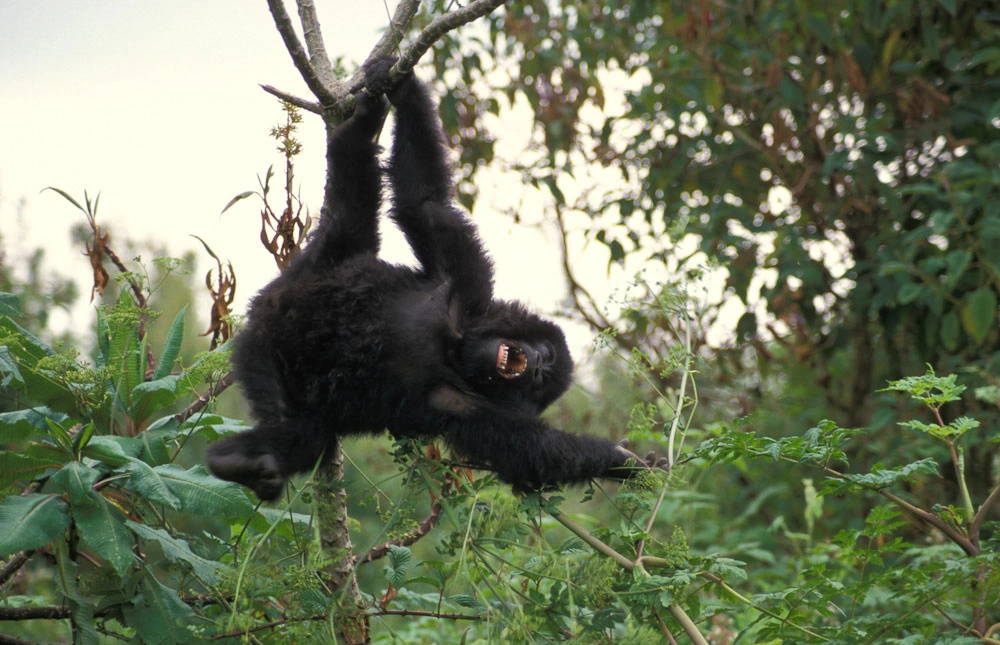
Mgahinga vs Bwindi for gorilla trekking: which park is better? If you are planning a gorilla trekking safari in Uganda, one of the first decisions you will face is choosing between two incredible national parks: Bwindi Impenetrable National Park and Mgahinga Gorilla National Park. Both parks sit in southwestern Uganda, both are home to the endangered mountain gorilla, and both offer one of the most powerful wildlife encounters on the planet. Yet they are very different places, and understanding those differences will help you choose the right one for your trip.
This guide breaks down everything you need to know — from the gorilla families and trekking experience to accessibility, costs, and what else you can do when you arrive.
An Overview of Bwindi Impenetrable National Park
Bwindi Impenetrable National Park is Uganda’s most famous gorilla trekking destination and one of the most biodiverse forests in Africa. Covering approximately 331 square kilometres of ancient montane rainforest in the Kigezi highlands, Bwindi is a UNESCO World Heritage Site and is home to roughly half of the world’s total mountain gorilla population — currently estimated at over 1,000 individuals according to the IUCN Red List.
The park is divided into four main trekking sectors: Buhoma, Ruhija, Rushaga, and Nkuringo. Each sector offers a distinct experience in terms of terrain, altitude, and the gorilla families available for habituation visits. Whether you are a first-time trekker or a returning visitor, Bwindi can be experienced across a wide range of Uganda safari packages to suit different budgets and time frames.
An Overview of Mgahinga Gorilla National Park
Mgahinga Gorilla National Park is Uganda’s smallest national park, covering just 33.7 square kilometres in the Virunga Mountains along the borders of Uganda, Rwanda, and the Democratic Republic of Congo. Despite its compact size, Mgahinga is one of East Africa’s most scenic parks, dominated by three dormant volcanoes — Mount Muhabura, Mount Gahinga, and Mount Sabyinyo — which rise dramatically from the forest floor.
Mgahinga is home to only one habituated gorilla family: the Nyakagezi group. Because only a handful of permits are issued here each day, trekking at Mgahinga feels exceptionally exclusive and intimate. If you want a quieter, more off-the-beaten-path experience, this park is hard to beat. You can explore Mgahinga through short gorilla safari packages that pair it with cultural visits and volcano hikes.
Gorilla Families: How Many Gorillas Will You See?
This is one of the most practical differences between the two parks.
Bwindi currently has more than 20 habituated gorilla families spread across its four sectors, meaning trekking permits are far more available and far more predictable. Popular families include the Mubare group (the first to be habituated in Uganda), the Habinyanja group, the Nkuringo family, and many more. The sheer number of families means that even during peak season, there is a realistic chance of securing a permit — especially if you book through an experienced operator like Kenlink Tours.
Mgahinga has only the Nyakagezi gorilla family available for trekking. This group is fully habituated and consistently sighted, but in the past, it was known to migrate between Uganda, Rwanda, and Congo. Today the family remains reliably within the Ugandan sector. Because only eight trekking permits are issued per day, availability is extremely limited and must be booked well in advance.
If securing your gorilla permit with certainty matters most, Bwindi is the safer bet. If an exclusive, intimate encounter with a single well-known group is your priority, Mgahinga is exceptional.
The Trekking Experience: What to Expect on the Trail
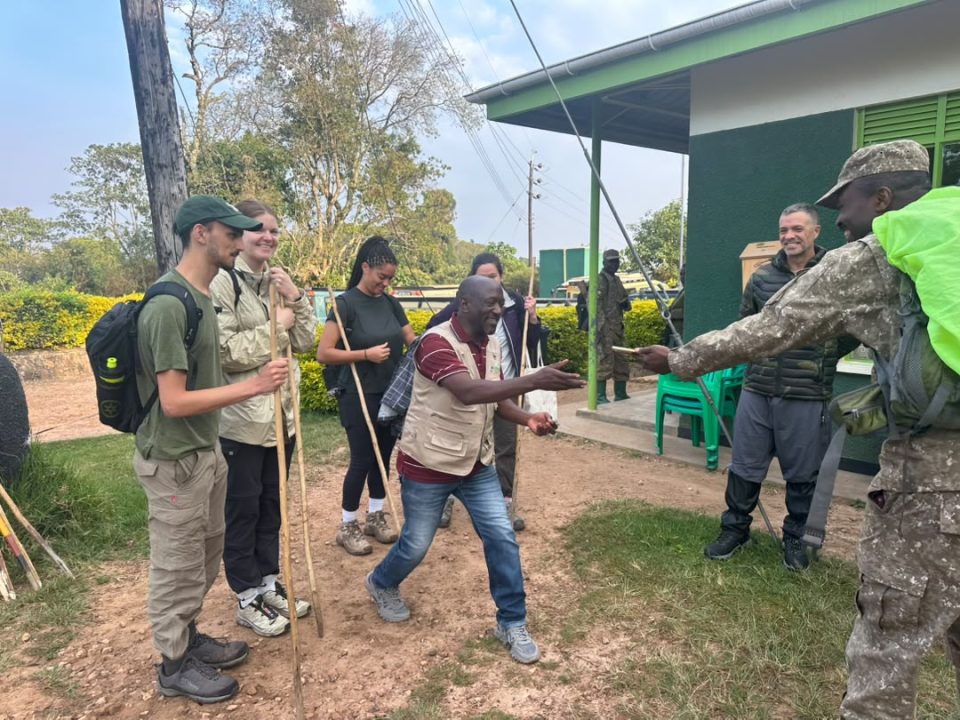
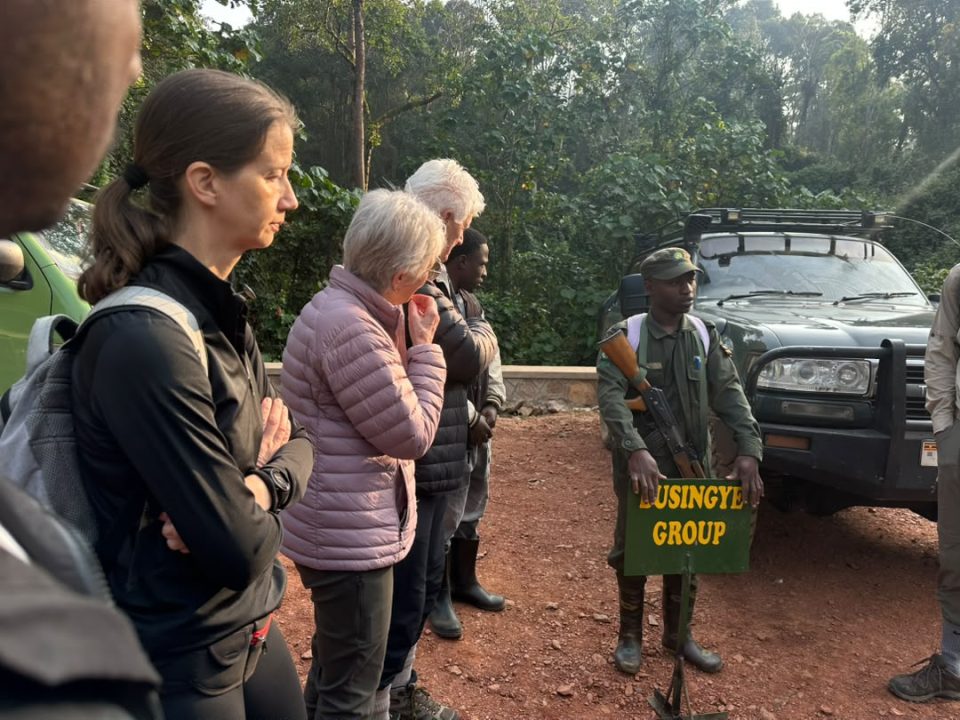
Both parks offer the same one-hour rule: once you locate the gorilla family, you have exactly 60 minutes of observation time with them. However, the trek to reach them differs considerably.
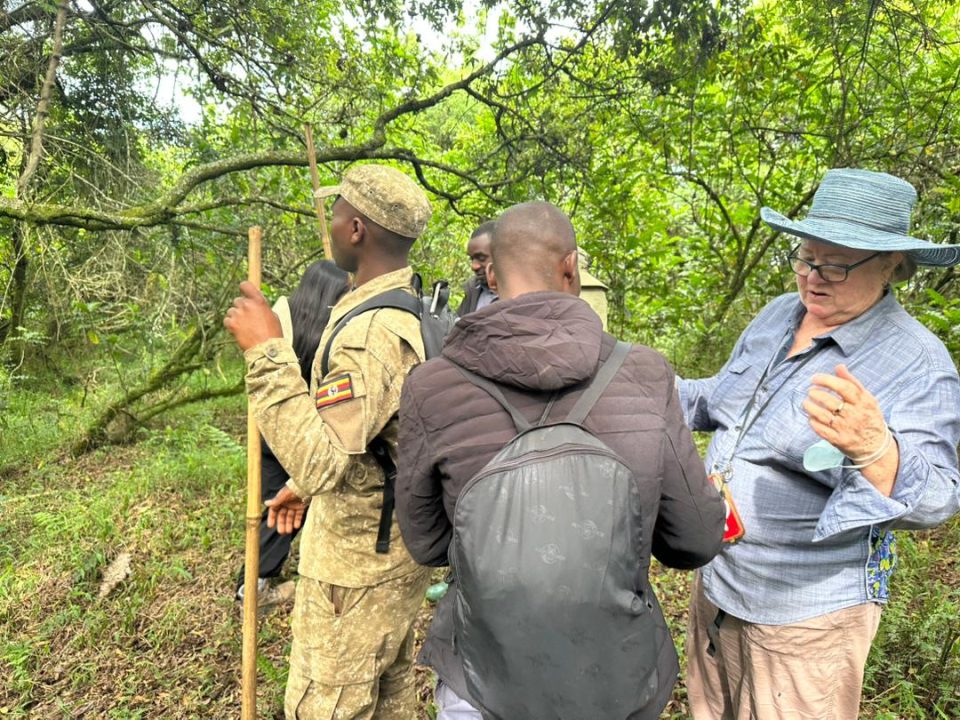
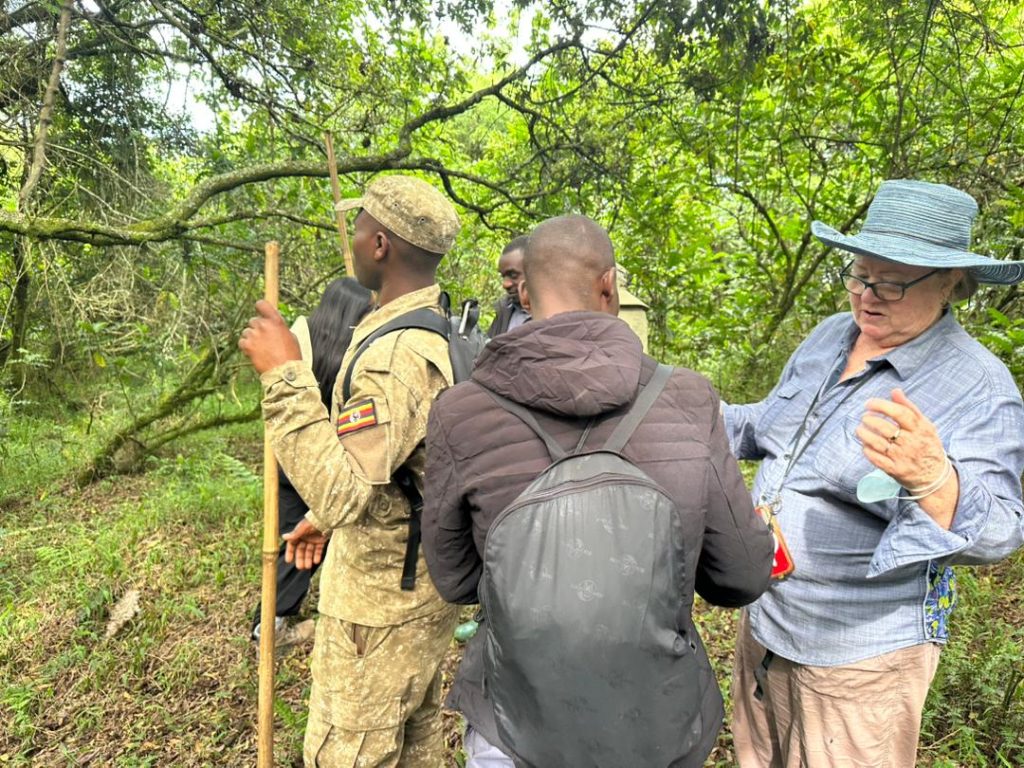
At Bwindi, the forest lives up to its name — it is genuinely impenetrable in places. Trails cut through dense, ancient jungle with thick undergrowth, tangled roots, and sometimes steep escarpments. Treks can range from two hours to a full day depending on where the gorillas are that morning. This rawness is part of Bwindi’s appeal; it feels like a true wilderness adventure.
At Mgahinga, the volcanic terrain adds a mountainous dimension to the experience. Trails climb through bamboo forest and Hagenia woodland, with the volcanoes as a constant backdrop. Treks here can also vary in duration, but the landscape feels more open and dramatic. The altitude — Mgahinga sits at between 2,227 and 4,127 metres above sea level — means the air is thinner and some trekkers find it more physically demanding.
Regardless of which park you choose, moderate physical fitness is recommended, and a car hire with an experienced driver-guide is the easiest way to reach either destination from Kampala or Entebbe.
Gorilla Trekking Permits and Costs
The gorilla trekking permit cost is the same for both parks: USD 800 per person for non-resident foreign visitors, as set by the Uganda Wildlife Authority. This fee goes directly toward gorilla conservation and community development, which is why protecting these animals through responsible tourism matters so much.
The key difference is availability. Bwindi offers hundreds of permits daily across its four sectors, while Mgahinga offers just eight. For groups, multi-day itineraries, or travelers who want flexibility, Bwindi is far more practical. You can explore options like the 3-Day Uganda Gorillas Safari, the 5-Day Gorilla & Wildlife Safari, or the comprehensive 7-Day Gorilla and Wildlife Safari — all of which can be tailored to include either park.
Accessibility and Getting There
Bwindi is roughly 510 kilometres from Kampala, taking around eight to nine hours by road. Alternatively, you can take a charter flight to Kihihi or Kisoro airstrips to cut the journey time significantly. The 2 Days Bwindi Gorilla Fly-In Safari is a popular option for travelers short on time who still want the full gorilla experience.
Mgahinga is located near Kisoro town, approximately 540 kilometres from Kampala — a journey that takes nine to ten hours by road, or a short flight to Kisoro airstrip. Because of its position in the Virunga range, Mgahinga is easy to combine with a gorilla trek in Rwanda’s Volcanoes National Park, making it ideal for a 4-Day Rwanda-Uganda Golden Monkey and Gorilla Trekking itinerary, or a 5-Day Gorilla Trekking Safari from Kigali if you are starting your journey from Rwanda.
Additional Activities at Each Park
Gorilla trekking is the headline act, but there is plenty more to do in both parks.
At Bwindi, you can add chimpanzee tracking at Kibale National Park, bird watching (Bwindi has over 350 bird species), community walks with the Batwa pygmy people, and nature hikes. These can all be wrapped into longer itineraries like the 7-Day Wildlife, Gorillas and Chimpanzees Safari or the 8-Day Uganda Gorilla, Chimpanzee and Wildlife Safari.
At Mgahinga, the additional highlights are spectacular. You can hike to the summits of any of the three volcanoes, track the habituated golden monkey troop through bamboo forest, and visit the Batwa Trail — a deeply moving cultural experience with Uganda’s oldest forest-dwelling community. Golden monkey tracking in Mgahinga is an absolute highlight and can be combined with gorilla trekking in a single trip through itineraries like the 5-Day Gorilla and Chimpanzee Tour or the 7 Days Gorillas, Chimps and Golden Monkeys Safari.
Best Time to Visit Both Parks
Both Bwindi and Mgahinga can be visited year-round, but the dry seasons from June to August and December to February offer the most comfortable trekking conditions. Trails are firmer, vegetation is less dense, and the mountain views from Mgahinga are at their clearest. That said, the wet season brings a lush, green forest atmosphere and far fewer crowds — and gorillas are just as active in the rain.
For guidance on timing your trip perfectly, get in touch with the Kenlink Tours team who can help you pick the ideal travel window and sector based on availability and your preferences.
The Verdict: Which Park Is Better for Gorilla Trekking?
There is no single correct answer — it depends entirely on what kind of experience you are seeking.
Choose Bwindi if: you want the widest permit availability, more gorilla families to choose from, a longer and more challenging jungle trek, and easy combination with Uganda’s other wildlife parks.
Choose Mgahinga if: you value exclusivity, dramatic volcanic scenery, a quieter park, and the chance to combine gorillas with golden monkey tracking and volcano hikes — all in one visit.
For the very best of both worlds, consider an extended itinerary that takes in both parks, along with Queen Elizabeth National Park, Kibale, and the broader Uganda safari circuit. Browse all Uganda safari packages on Kenlink Tours or check out group tour departures if you prefer traveling with a shared group.
Whichever park you choose, a face-to-face encounter with a mountain gorilla is an experience that will stay with you for the rest of your life. Contact Kenlink Tours today and let our team help you plan a gorilla trekking safari you will never forget.
Travelers also search about: