- EXPERT'S HELP
- +256789210067
- +256200955001
- info@kenlinktours.com


Uganda Big Five and Gorilla Safari
June 30, 2026
Multi-Generation Family Safaris in Uganda
June 30, 2026
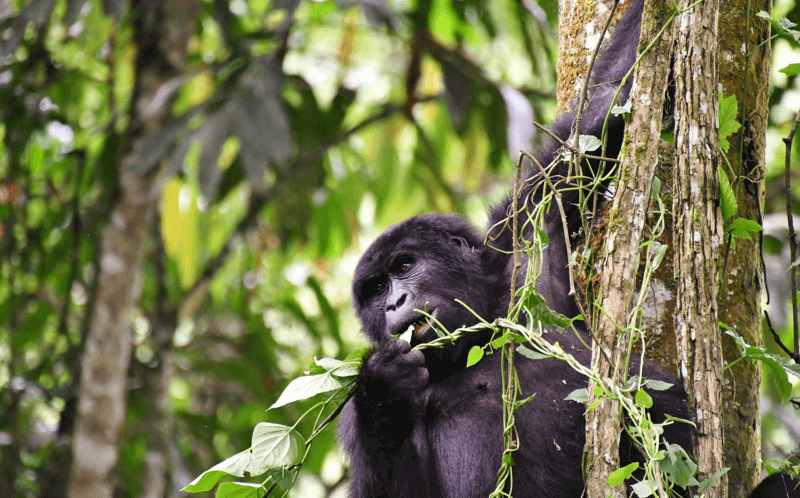
Uganda Safari During School Holidays. For families with school-age children, the timing of a Uganda safari is often dictated less by ideal wildlife conditions and more by the school calendar itself. Fortunately, Uganda’s gorilla trekking and wildlife viewing remain rewarding year-round, and several of the country’s most popular school holiday travel windows actually align well with its better trekking seasons. This guide focuses specifically on how to plan a Uganda safari around school holidays, what to expect in terms of crowds and pricing, and how to book early enough to secure your preferred dates.
How School Holidays Align with Uganda’s Seasons
Uganda experiences two main dry seasons, generally running from June to September and again from December to February, both of which offer firmer trekking trails and easier overall hiking conditions in Bwindi Impenetrable National Park. Conveniently, these windows overlap closely with major school holiday periods across much of the world: the long summer break in the Northern Hemisphere falls largely within Uganda’s June-to-September dry season, while the December holiday period aligns with Uganda’s second dry season.
This overlap is good news for families, since the most practical time to travel based on school schedules also tends to be one of the better times to travel for trekking conditions. At Kenlink Tours, we see a significant share of our family bookings concentrated specifically within these two windows for exactly this reason.
What to Expect During Peak School Holiday Periods
Because so many families and other travelers target these same dry season windows, gorilla trekking permits and well-regarded lodges near Bwindi Impenetrable National Park and Queen Elizabeth National Park can book out considerably further in advance during school holiday periods than during quieter shoulder months. Travelers planning a trip specifically around the July-to-August summer break or the December holidays should expect to book permits and accommodation earlier than they might for other times of year, often six months or more ahead for the most popular travel dates.
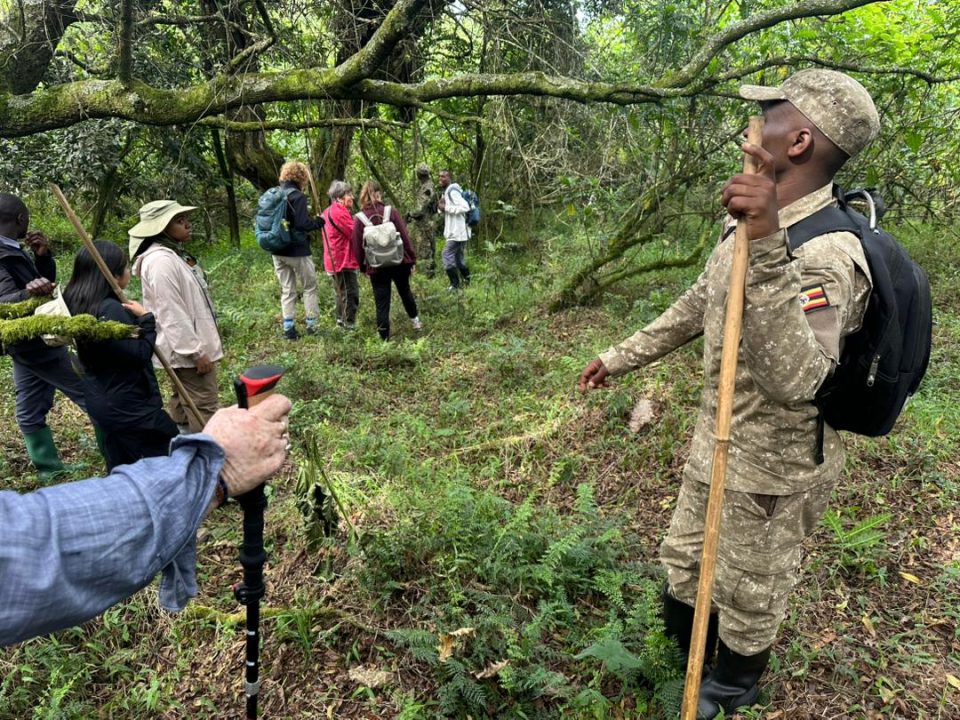
It’s also worth anticipating a somewhat busier overall atmosphere at parks and lodges during these peak periods, more vehicles on the road between destinations, slightly more activity around trailheads in the morning, though Uganda’s gorilla trekking groups remain strictly capped at eight people regardless of season, so the trekking experience itself stays consistent.
Booking Early for School Holiday Travel
Given the predictable surge in demand during school holiday periods, the single most important planning step for families is booking gorilla permits and key accommodation as early as possible, ideally six months to a year ahead of major school holiday windows like the Christmas period or the summer break. Permits, issued exclusively through the Uganda Wildlife Authority (UWA), are limited to a fixed number of trekkers per gorilla family each day, and this limit doesn’t expand during busier periods, meaning popular dates can sell out well in advance.
Our team can help families lock in permits and accommodation early, often before the rest of the itinerary details are fully finalized, since securing the trekking date is typically the most time-sensitive part of planning a school holiday trip.
Considering Shoulder Season for More Flexible Families
Families with some flexibility around school terms, particularly those who can travel during half-term breaks or slightly outside the absolute peak weeks, may find genuine value in targeting Uganda’s shoulder seasons, generally March to May and October to November. While trekking trails can be muddier during these wetter months, lodges are considerably quieter, permit availability is generally easier to secure on shorter notice, and accommodation rates are often somewhat lower than during peak school holiday windows.
For families specifically using shorter mid-term breaks rather than the long summer or December holidays, this kind of shoulder season timing can also help avoid the most crowded travel dates without requiring families to book quite as far in advance.
Structuring an Itinerary Around a Fixed Holiday Window
Because school holidays come with hard start and end dates, itinerary length becomes a particularly important planning consideration for families working within a fixed travel window. A 3-day Bwindi gorilla trekking safari fits comfortably within a shorter school break, such as a half-term holiday, while a 5-day gorilla and wildlife safari suits the longer summer or December holiday periods well, allowing time for both gorilla trekking and a fuller wildlife experience in Queen Elizabeth National Park without rushing the trip.
Families planning around the minimum gorilla trekking age of 15 should also review our guidance on Uganda safaris with kids if traveling with younger children alongside older siblings, since this affects how the itinerary should be structured across different ages within the same family.
Pricing Considerations During Peak Holiday Periods
While gorilla permit pricing remains fixed year-round regardless of season, accommodation rates at many lodges do fluctuate, with peak school holiday periods generally commanding higher rates than quieter shoulder months. Families working with a defined budget should factor this seasonal pricing difference into their planning, and our team can recommend accommodation options across different price points that still deliver a comfortable, well-located stay even during the busier travel windows.
Combining School Holiday Travel with Multi-Generational Trips
School holidays often present a rare opportunity for extended families, grandparents, parents, and children, to travel together, since the school calendar provides a natural, shared window when everyone is available simultaneously. This makes school holiday periods particularly popular for the kind of multi-generational family safari we’ve outlined in our East Africa family safari packages guide, where balancing different ages and energy levels across a shared itinerary becomes especially important given the larger family group typically involved.
Weather Expectations During Common School Holiday Windows
Families traveling during the July-to-August window should expect generally dry, comfortable trekking conditions, with cooler mornings and warm afternoons typical of Uganda’s mid-year dry season. The December holiday period similarly tends to offer drier conditions through late December and into early February, making it a reliable window for trekking, though travelers should always pack for some rain regardless of season, given Bwindi’s rainforest climate. For current entry requirements and travel advisories ahead of your specific travel dates, it’s worth checking guidance from the Uganda Tourism Board.
Tips for a Smooth School Holiday Trip
Beyond booking early, a few practical steps help school holiday trips run more smoothly. Confirming your children’s passports have sufficient remaining validity well ahead of the trip avoids last-minute complications, since passport renewal offices are often busiest immediately before major holiday periods. Packing entertainment and snacks for the inevitable longer driving days between parks helps keep younger travelers comfortable, and building in slightly more buffer time than a tightly scheduled adult itinerary would require accounts for the realities of traveling with children during a busy travel season.
Plan Your Uganda Safari During School Holidays
A Uganda safari during school holidays works well precisely because the country’s most practical family travel windows largely overlap with its better dry season trekking conditions. With early booking, realistic budgeting for peak season pricing, and an itinerary structured around your family’s specific holiday window, a school holiday safari can deliver the same unforgettable gorilla trekking and wildlife experience as any other time of year, simply with a bit more advance planning required.
To start planning, browse our full range of Uganda safari packages, explore our Bwindi Impenetrable National Park page, or email our team directly at info@kenlinktours.com with your school holiday dates and family details, and we’ll help design your ideal Uganda safari during school holidays.