- EXPERT'S HELP
- +256789210067
- +256200955001
- info@kenlinktours.com


Group Gorilla Tracking Safaris
July 23, 2026
Rwanda to Uganda Border Crossing Guide
July 24, 2026
Best Time for Uganda Gorilla Trekking From Rwanda. Standing eye to eye with a silverback mountain gorilla in the misty forests of Bwindi is one of the most humbling experiences on the planet — and for travelers based in Rwanda, Uganda’s gorilla parks are closer than most people realize. A short drive from Kigali through the Cyanika or Katuna border crossings puts you in the heart of southwestern Uganda’s gorilla country by the same afternoon. But timing this trip well makes the difference between a smooth, unforgettable trek and a muddy, exhausting slog through slippery volcanic slopes.
This guide breaks down exactly when to go, month by month, so you can plan a Uganda gorilla trekking safari from Rwanda that matches your budget, fitness level, and travel style. Whether you’re chasing the driest trails, the lowest permit prices, or the quietest forest trails with almost no other tourists, there’s a season built for you. If you’d like to see how this fits into an actual itinerary, our 2 Days Rwanda to Uganda Gorilla Trekking Safari is a good starting point.
Why Plan Your Gorilla Trek Around the Seasons at All
Mountain gorillas live year-round in Bwindi Impenetrable National Park and Mgahinga Gorilla National Park, and trekking permits are issued every single day of the year. In theory, you can see gorillas in any month. So why does timing matter so much?
The answer comes down to three things: trail conditions, gorilla movement patterns, and crowd levels. Bwindi sits at elevations between 1,160 and 2,607 meters, and its steep, forested slopes turn into a genuinely different hiking experience depending on how much rain has fallen that week. During the dry months, red-clay trails firm up and grip your boots. During the rains, those same trails become a slick, calf-deep obstacle course that can turn a two-hour trek into a four-hour one.
Gorilla behavior shifts with the seasons too. In the wetter months, food is more abundant at lower elevations, so gorilla families tend to stay closer to the trailheads, which can occasionally mean shorter treks to reach them. In the driest months, gorillas often move higher up the slopes in search of food, which can mean a longer, steeper climb — but with far more reliable underfoot conditions.
Finally, there’s the question of who else is in the forest with you. Uganda caps each gorilla family at eight visitors per day, so crowding is never extreme, but permit demand still swings hard between the dry season rush and the quieter wet season months. If solitude in the forest matters to you as much as the gorillas themselves, season selection becomes even more important.
Uganda’s Two Dry Seasons: The Classic Best Time to Trek
Uganda doesn’t have a single dry season — it has two, and both are excellent windows for gorilla trekking from Rwanda.
The Long Dry Season: June, July, and August
This is the season most travel guides and tour operators point to as the single best time for gorilla trekking in Uganda, and for good reason. Rainfall drops significantly across the southwest, trails firm up, and the forest canopy thins just enough to make gorilla sightings and photography noticeably easier. Mornings are crisp and cool at altitude, afternoons are warm, and the notorious Bwindi mud all but disappears from the well-used trailheads.
This period also lines up with the Northern Hemisphere summer holidays, which means it’s the busiest stretch of the year for both Uganda and Rwanda’s gorilla parks. Permits for July and August routinely sell out six to twelve months in advance. If you’re planning a Uganda gorilla trekking trip from Rwanda for these months, book your permit as early as you possibly can — our 8-Day Uganda Gorilla Chimpanzee & Wildlife Safari is a popular choice for this window since it secures both permits and lodging together.
The Short Dry Season: December, January, and February
Slightly less famous than the June-to-August window but arguably just as good, this short dry spell brings clear skies, warm temperatures, and firm trails right through the festive season and into the new year. January and February in particular are often cited as the driest, sunniest stretch of the entire year in southwestern Uganda, with excellent visibility for both gorilla trekking and general wildlife viewing.
Because this window overlaps with Christmas and New Year travel, expect elevated demand and prices around the holidays themselves, easing off again by late January. For travelers coming from Rwanda who want dry trails without the peak-of-peak crowds and costs of July and August, late January through February is a smart compromise. Our 3-Day Uganda Gorillas Safari works well as a short, focused trip during this window.
The Wet Seasons: An Underrated Opportunity
It’s tempting to write off Uganda’s wetter months entirely, but that would mean missing out on some genuinely compelling advantages — especially for budget-conscious or crowd-averse travelers.
The Long Rains: March Through May
March marks the start of Uganda’s long rainy season, with April and May typically the wettest months of the year in the southwest. Trails become genuinely challenging: expect thick mud, slippery inclines, and treks that can take noticeably longer than in the dry months. A good pair of waterproof hiking boots, gaiters, and a walking stick (usually provided free by porters at the trailhead) become essential rather than optional.
In exchange for the tougher conditions, this period delivers the lowest prices of the year. The Uganda Wildlife Authority has periodically introduced discounted low-season gorilla permits for April, May, and November, cutting the standard cost significantly below the peak-season rate. Lodges across the region also drop their rates substantially, making this the best time to combine a Uganda gorilla trek with a more comfortable stay on a mid-range budget.
The forest itself is also at its most spectacular during these months. Everything is intensely green, waterfalls swell, and the misty, dripping rainforest atmosphere that mountain gorillas call home feels at its most primal and cinematic.
The Short Rains: October and November
A second, gentler rainy period arrives in October and November, generally less intense than the March-to-May stretch. Afternoon showers are common but tend to be short and heavy rather than day-long downpours, often clearing to sunshine within an hour or two. This makes October and November a genuine sweet spot for travelers who want a taste of low-season pricing and quiet trails without committing to the muddiest months of the year. November, like April and May, has also seen discounted low-season gorilla permits from UWA in recent years, making it one of the best-value windows to combine Uganda gorilla trekking from Rwanda with a broader East African itinerary. Our 5 Days Uganda Rwanda Double Gorilla Safari is a good fit for travelers taking advantage of this quieter, better-value season.
Month-by-Month Breakdown for Trekkers Coming From Rwanda
January – Warm, dry, and clear. One of the best all-round months for trekking, with good trail conditions and manageable crowds compared to July and August.
February – Often the driest month of the year in southwestern Uganda. Excellent visibility, firm trails, and a strong choice if you want dry-season conditions without July/August pricing.
March – The transition month. Early March can still offer good trekking; by late March, rains are building and trails start softening.
April – One of the wettest months. Expect muddy, physically demanding treks, but also the year’s lowest prices and thinnest crowds.
May – Similarly wet to April, with the same trade-off of low cost and high solitude in exchange for tough underfoot conditions.
June – The long dry season begins. Trails dry out quickly, and by mid-to-late June conditions are excellent.
July – Peak season. Superb trekking conditions, but permits and lodges book out far in advance.
August – Still peak dry season, still very busy. Book at least six months ahead if targeting this month.
September – A genuine sweet spot: dry conditions carrying over from August, but with crowds and prices beginning to taper as the Northern Hemisphere summer holidays end.
October – The short rains begin, generally light and often clearing quickly. A good value month with fewer travelers.
November – Frequently discounted permits, quiet trails, and a lush, green forest, offset by a higher chance of rain than October.
December – Rains ease from mid-month onward, and by Christmas week conditions are typically excellent again, though prices rise sharply around the holidays.
How Season Affects Your Rwanda-to-Uganda Border Crossing
Most travelers heading to Uganda’s gorilla parks from Rwanda cross at Cyanika, which connects Kigali directly to the southern Bwindi sectors of Rushaga and Nkuringo, or at Katuna/Gatuna further north toward the Ntungamo and Kabale route. The drive from Kigali to the Cyanika border and on to southern Bwindi typically takes four to five hours on tarmac and well-maintained roads, making it noticeably faster than driving the full distance from Uganda’s own capital, Entebbe.
Seasonal weather has a smaller effect on this drive than you might expect, since most of the route runs on paved roads through Rwanda’s Northern Province and into Uganda’s Kisoro district. That said, during the heaviest rains of April and May, localized flooding and reduced visibility on mountain roads can add time, so building in a buffer day before your scheduled trek is a wise precaution regardless of season.
If you’re planning to combine gorilla trekking in both countries — a popular option given how close Rwanda’s Volcanoes National Park sits to Uganda’s Mgahinga and Bwindi parks — the dry seasons make multi-country logistics considerably easier, since road conditions on both sides of the border are at their best. Our 10 Days Uganda Rwanda Combining Safari is built specifically around this kind of two-country routing.
Gorilla Permit Prices and How Season Affects Cost
Understanding the cost difference between Uganda and Rwanda is central to planning a cross-border trip. As of 2026, a standard Uganda gorilla trekking permit costs USD 800 per person, covering one hour with a habituated gorilla family in Bwindi Impenetrable National Park or Mgahinga Gorilla National Park. Rwanda’s equivalent permit for Volcanoes National Park costs USD 1,500 per person — nearly double — which is one of the main reasons travelers based in Kigali often choose to cross into Uganda for their trek rather than book directly in Rwanda. Browse our Rwanda Safaris collection if you’d like to compare a Rwanda-based itinerary directly.
Season plays directly into this cost equation on the Uganda side. During the low-season months of April, May, and November, the Uganda Wildlife Authority has offered discounted permits priced well below the standard USD 800 rate. Combined with lodge discounts during these same months, a wet-season gorilla trek from Rwanda can end up costing meaningfully less than the same trip booked in July or December.
Regardless of season, permits should be booked well ahead of your travel dates, since they are non-transferable, tied to a specific date and gorilla family, and limited to eight trekkers per family per day. Get in touch with our team to check current availability and pricing for your preferred dates.
Choosing Between Bwindi’s Trekking Sectors
Bwindi Impenetrable National Park is divided into four main trekking sectors, and which one you choose interacts with both your route from Rwanda and your ideal season.
Rushaga, in the far south, sits closest to the Rwanda border and is the natural choice for most Kigali-based itineraries. It has the largest number of habituated gorilla families of any sector.
Nkuringo, also in the south and easily reached from the Cyanika crossing, is known for steep trails and dramatic views over the Virunga volcanoes, but its terrain becomes noticeably more demanding during the rainy months.
Buhoma, in the north of the park, offers gentler, more established trails and some of Bwindi’s most comfortable lodges, though it requires a longer drive from the Rwanda border and is often paired with an Entebbe-based itinerary instead.
Ruhija, sitting at the highest elevation of the four sectors, delivers cooler temperatures and excellent birdwatching alongside gorilla trekking, but its remoteness means booking accommodation well ahead, particularly in peak dry months.
For most Rwanda-based travelers, Rushaga or Nkuringo make the most practical sense given the shorter transfer time, and both deliver their best trail conditions during the June-to-August and December-to-February dry windows. See Bwindi Impenetrable National Park for a fuller overview of the park and its sectors, and our own 3 Days Bwindi Gorilla Safari Starting from Kigali for an itinerary built around the southern sectors specifically.
Combining a Rwanda and Uganda Gorilla Safari
Because Kigali sits roughly two hours from Volcanoes National Park and only four to five hours from southern Bwindi, an increasing number of travelers choose to trek gorillas in both countries on a single trip — often to compare the experiences, or simply because each park hosts different habituated families. If this is your plan, the dry seasons offer a real practical advantage: predictable weather across both countries reduces the risk of flight delays, road disruptions, or a rescheduled trek disrupting a tightly-timed itinerary.
If budget is the deciding factor rather than convenience, most travelers on a cross-border trip choose Uganda for the trekking itself, given the substantial permit price difference, while still flying into Kigali to take advantage of Rwanda’s excellent international air connections. Our 4-Day Rwanda-Uganda Golden Monkey and Gorilla Trekking itinerary combines primate experiences from both countries in a single short trip, and Mgahinga Gorilla National Park, right on the border itself, is worth considering if you’d like both gorillas and golden monkeys within a short drive of Rwanda.
What to Pack, Whatever Season You Choose
Regardless of when you trek, Bwindi’s high-altitude rainforest climate calls for proper layering. Days can be warm at lower elevations and genuinely cold at higher altitude or first thing in the morning, so pack a waterproof, breathable rain jacket, a warm mid-layer, and sturdy, well broken-in waterproof hiking boots. Gardening gloves are a small but genuinely useful addition, since Bwindi’s forest floor includes stinging nettles and thorny undergrowth that trekkers often grab for balance. Long trousers tucked into socks help guard against safari ants and nettles alike.
During the wetter months, gaiters and a spare set of dry clothes for the return journey are worth the extra packing space. In any season, bring more water than you think you’ll need, energy snacks, a dry bag for your camera and phone, and cash in small denominations for porter tips, which are optional but greatly appreciated and directly support local livelihoods around the park.
Fitness, Age, and Season Considerations
Gorilla trekking can range from a relatively gentle one-hour walk to a strenuous four-to-six-hour hike, depending on where the gorilla family happens to be on the day of your trek — a factor no season can fully control. That said, season does shift the odds. Dry-season treks tend to be shorter on average, since gorillas move higher into the forest less frequently than in the driest, food-scarce peaks of the dry months, while also being physically easier underfoot regardless of distance.
For first-time trekkers, older travelers, or anyone with joint or mobility concerns, the dry seasons of June through August or December through February offer the most forgiving combination of firm trails and manageable distances. Porters are available to hire at every trailhead for a modest fee and can make a significant difference in comfort, particularly for wet-season treks — hiring one is one of the best investments you can make regardless of your fitness level, and it directly supports the local community.
Booking Timelines: When to Reserve Your Permit
Because Uganda issues a strictly limited number of permits per gorilla family per day, booking lead time varies dramatically by season. For July and August, six to twelve months’ advance booking is genuinely necessary if you want a specific sector or date. December and the run-up to New Year require similarly early planning given holiday demand. By contrast, permits for the wetter months of April, May, and November are typically available with just a few weeks’ notice, making these months a good option for spontaneous or last-minute travelers coming from Rwanda. Pick and Transfer Safaris’ 3 Days Uganda Gorilla Safari from Rwanda is a good reference point for how short-notice, wet-season bookings typically come together.
Weather Patterns in Southwestern Uganda
Bwindi and Mgahinga sit within an equatorial highland climate zone, which means temperatures stay relatively consistent year-round while rainfall is the real variable that shapes your trekking experience. Daytime temperatures in the park typically range between 15°C and 22°C, while nights, especially at Ruhija’s higher elevation, can dip to 8°C or lower regardless of month. Annual rainfall in the region averages around 1,500mm, but it isn’t spread evenly — the two rainy peaks in March-to-May and October-to-November account for a disproportionate share of that total, while June-to-August and December-to-February see rainfall drop to a fraction of the wet-season average.
It’s worth noting that Uganda’s “rainy season” doesn’t mean constant rain. A typical wet-season day often brings clear morning skies, a concentrated afternoon downpour lasting one to two hours, and clearing skies again by evening. This pattern means that even travelers visiting in April or November can enjoy substantial stretches of sunshine and often complete their trek entirely between showers.
Gorilla Behavior and Movement Through the Seasons
Understanding how mountain gorillas respond to seasonal change helps set realistic expectations for your trek. Gorillas are highly adaptable foragers, shifting their diet and range based on food availability rather than rainfall itself. During the wetter months, an abundance of fruiting plants and tender vegetation at lower, more accessible elevations means gorilla families often stay closer to established trailheads, occasionally shortening the hike required to reach them.
As the dry season progresses and food at lower elevations becomes scarcer, gorilla families gradually move to higher slopes in search of bamboo shoots and other seasonal vegetation, which can mean a longer and steeper climb, particularly in the later stretches of the June-to-August dry season. This is one reason experienced guides sometimes describe early dry season, meaning June and early July, or September, as offering a favorable balance: reasonably accessible gorilla families combined with still-firm, dry trails before elevations climb too dramatically.
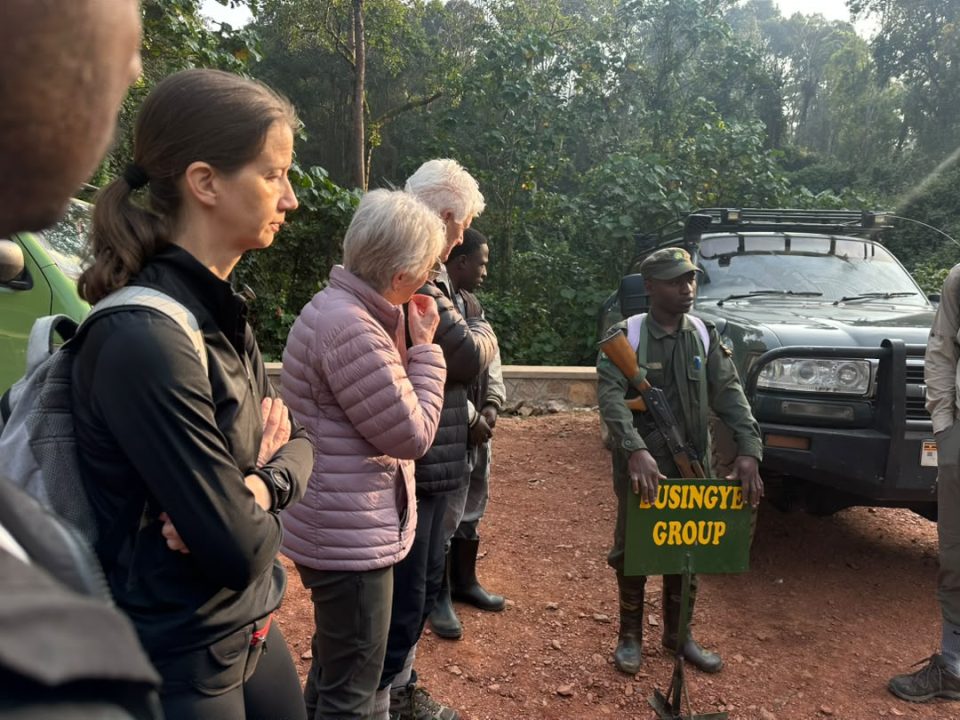
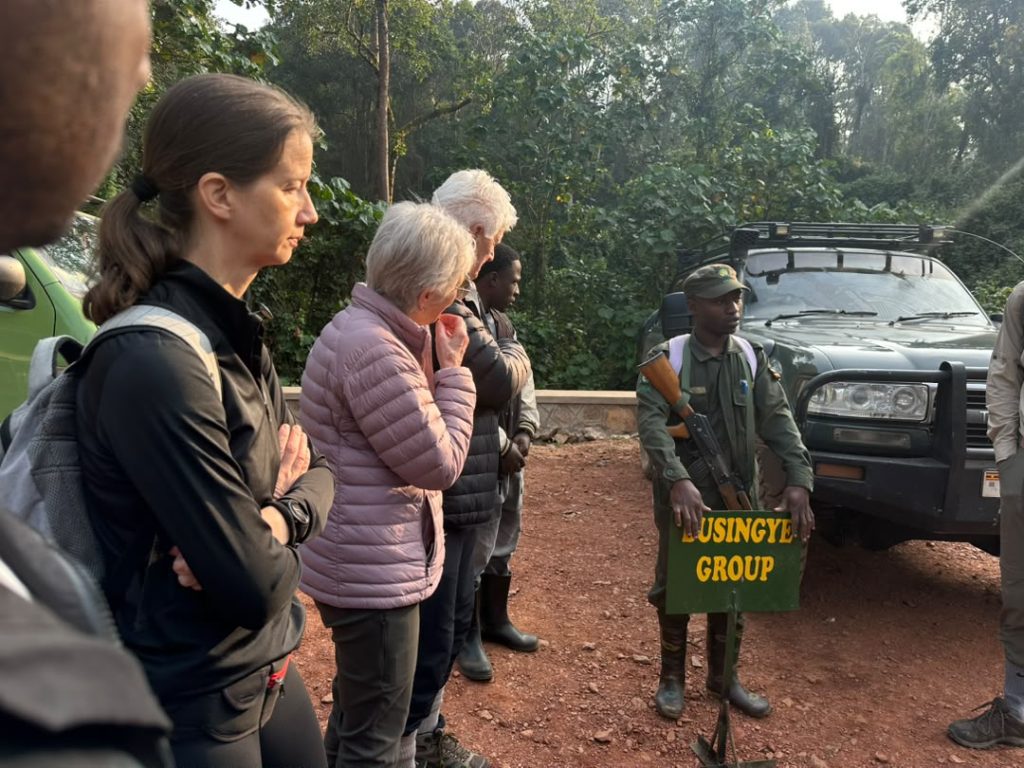
Ranger trackers head into the forest before dawn each day to locate the previous day’s nesting site and follow fresh trails, radioing updates to guides so that trekking groups can be directed efficiently. This system works consistently across all seasons, which is part of why gorilla sighting rates remain reliably high, close to 100 percent, throughout the year in both Uganda and Rwanda.
Photography Considerations Across the Year
For photographers, each season offers a distinctly different look. The dry months bring clearer skies, better ambient light, and thinner undergrowth, making it easier to get a clean, unobstructed shot of a gorilla family without foliage blocking the frame. The trade-off is dust in the drier stretches of the trail and occasionally harsher midday light if your trek runs later into the morning.
The wetter months, by contrast, produce a moodier, more atmospheric look: mist clinging to the canopy, saturated greens, and the kind of dramatic, low-light conditions that many wildlife photographers actively seek out. The challenge here is technical, since low light in dense forest calls for a wider aperture and higher ISO, along with a genuinely waterproof camera bag or dry sleeve to protect gear during sudden downpours. Late June and January are frequently cited by photographers as an ideal middle ground, combining clearer skies with occasional lingering morning mist for atmospheric depth.
Cultural Experiences to Pair With Your Trek
Many travelers extend their Uganda gorilla trekking trip from Rwanda with a visit to a nearby Batwa community, whose ancestors lived within Bwindi’s forest for generations before it was gazetted as a national park. Batwa cultural walks and performances, offered near several trailheads including Buhoma and Nkuringo, are available year-round and make a meaningful addition to any itinerary, offering insight into traditional forest life, medicinal plant knowledge, and community-led conservation efforts that now support both Batwa livelihoods and gorilla protection.
Because these cultural visits take place largely within community centers and open clearings rather than deep forest trails, they’re far less weather-dependent than gorilla trekking itself, making them a reliable addition to a wet-season itinerary when trekking conditions are more demanding.
Visa and Entry Requirements for a Cross-Border Trip
Travelers combining Rwanda and Uganda on a single trip should note that the East Africa Tourist Visa, covering Kenya, Uganda, and Rwanda for 90 days with multiple entries, is often the most practical and cost-effective option, and is available to apply for online well ahead of travel. This single visa removes the need for separate entry permits at the Cyanika or Katuna borders, streamlining the crossing regardless of season. As with permits, it’s worth applying several weeks ahead of your planned dry-season travel dates given the higher overall volume of cross-border traffic during June-to-August and December-to-February. Our team can advise on the visa process as part of planning your trip — just reach out to us directly.
Sample Itineraries by Season
Dry-season itinerary (July, five days): Fly into Kigali, spend one night acclimatizing in the city, drive to southern Bwindi via the Cyanika border, trek in the Rushaga sector the following morning, and use the remaining days for a Batwa cultural visit and a relaxed return journey. Our 5-Day Gorilla Trekking Safari from Kigali to Uganda follows almost exactly this structure.
Wet-season itinerary (May, four days): Fly into Kigali, drive directly to Nkuringo or Rushaga the same day given lighter cross-border traffic, trek the following morning while conditions are typically driest, and spend an extra buffer day at the lodge in case a trek needs to be rescheduled due to heavy rain. Pick and Transfer Safaris’ 2 Days Uganda Gorilla Tour Starting from Kigali is a shorter version of this same route.
Shoulder-season itinerary (September or late November, five days): A flexible middle-ground plan that takes advantage of improving weather, moderate pricing, and thinner crowds, with a Batwa cultural experience and an extra half-day built in for wildlife viewing around Mgahinga’s volcanic slopes.
How Your Permit Fee Supports Conservation
Every gorilla permit purchased in Uganda, regardless of the season in which it’s used, contributes directly to the protection of one of the world’s most endangered great apes. A meaningful share of the USD 800 fee is channeled into ranger salaries, anti-poaching patrols, habitat management, and revenue-sharing programs with communities living around Bwindi and Mgahinga. This model has been central to mountain gorillas becoming one of the only great ape populations in the world with a growing rather than shrinking population, a genuine conservation success story built on regulated, low-impact tourism.
This is also why permit numbers stay strictly capped at eight visitors per gorilla family per day throughout the year, with no seasonal exceptions. The limit exists to minimize stress and disease transmission risk to the gorillas, not to manage demand, which is part of why booking ahead matters so much during the busiest dry-season months.
Health and Safety Tips for Any Season
Because you’ll be in close proximity to a species that shares roughly 98 percent of its DNA with humans, health precautions matter regardless of when you trek. Anyone showing symptoms of a cold, flu, or other contagious illness is required to skip their scheduled trek, since gorillas are highly susceptible to human respiratory infections. Most operators build flexibility into their itineraries specifically to accommodate this rule, and UWA rangers will not permit a visibly unwell trekker to proceed.
A yellow fever vaccination certificate is required for entry into both Uganda and Rwanda, and travelers are generally advised to take a course of anti-malarial medication given Bwindi’s location within a malaria zone, though the risk is lower at the park’s higher elevations than in Uganda’s lowland areas. Comprehensive travel insurance that specifically covers trekking activities and medical evacuation is strongly recommended for any gorilla trekking trip, given the remote forest setting and the physical demands of the hike, which can be more significant during the muddier months.
Trekking poles, provided free of charge by porters at most trailheads, are worth accepting even if you don’t think you’ll need them, particularly on the steeper Nkuringo and Rushaga trails or during any wet-season trek where extra stability underfoot makes a real difference.
Frequently Asked Questions
Is it possible to see gorillas year-round in Uganda? Yes. Gorilla families are tracked and trekked every day of the year regardless of season; there is no closed season for gorilla trekking in Uganda.
What is genuinely the single best month to trek? Most experienced guides point to late June through August, or January and February, as the most reliable combination of dry trails and clear weather, with early September as a lesser-known sweet spot between the two dry seasons.
Is trekking dangerous during the rainy season? It is more physically demanding rather than dangerous. Trails become muddy and slippery, and treks can take longer, but rangers and porters are experienced at guiding trekkers safely through wet conditions.
How far in advance should I book if crossing from Rwanda? For dry-season treks, six to twelve months ahead is recommended. For wet-season treks, several weeks to a couple of months’ notice is usually sufficient.
Can I cross from Rwanda to Uganda on the same day as my trek? It’s possible via the Cyanika border for southern sectors like Rushaga, but an overnight stay near the park before your trek is strongly recommended to avoid the stress of a same-day border crossing followed immediately by an early-morning briefing.
Which season offers the best value for a first-time trekker on a moderate budget? September and late November tend to strike the best balance. Both months benefit from improving weather as one rainy season winds down, without the peak pricing and advance-booking pressure of July, August, or the Christmas period.
Do I need a different visa if I only plan to trek in Uganda but fly into Rwanda? If your entire trip is limited to Rwanda and Uganda, the East Africa Tourist Visa covers both countries under a single application, regardless of which country you ultimately trek in.
What happens if it rains heavily on the day of my scheduled trek? Treks proceed as scheduled rain or shine; gorilla trekking permits are not weather-dependent and are non-refundable for rain alone. Rangers and guides are experienced at adapting the route and pace to wet conditions, and porters are available to assist with balance and gear on slippery sections.
Planning Your Trip
Choosing the best time for Uganda gorilla trekking from Rwanda really comes down to matching the season to your priorities. If dry trails, predictable weather, and easy cross-border road conditions matter most, aim for June through August or December through February, and book your permit as early as possible. If a lower budget, quieter trails, and a genuinely lush, atmospheric forest appeal to you more than perfect weather, the rainier months of April, May, and November deliver outstanding value and a more intimate encounter with far fewer fellow trekkers.
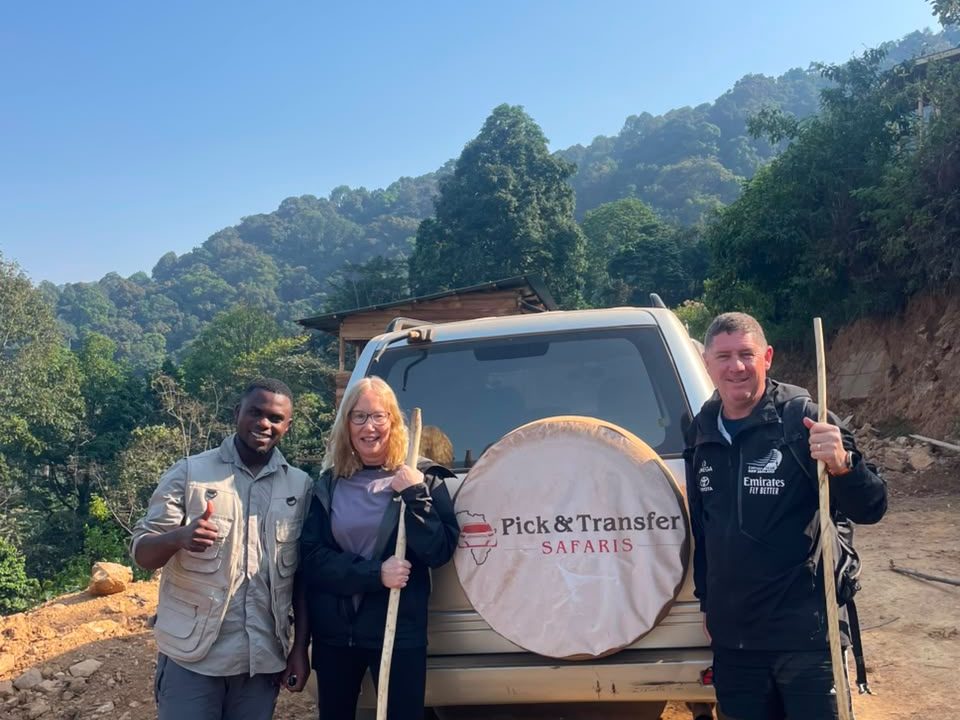
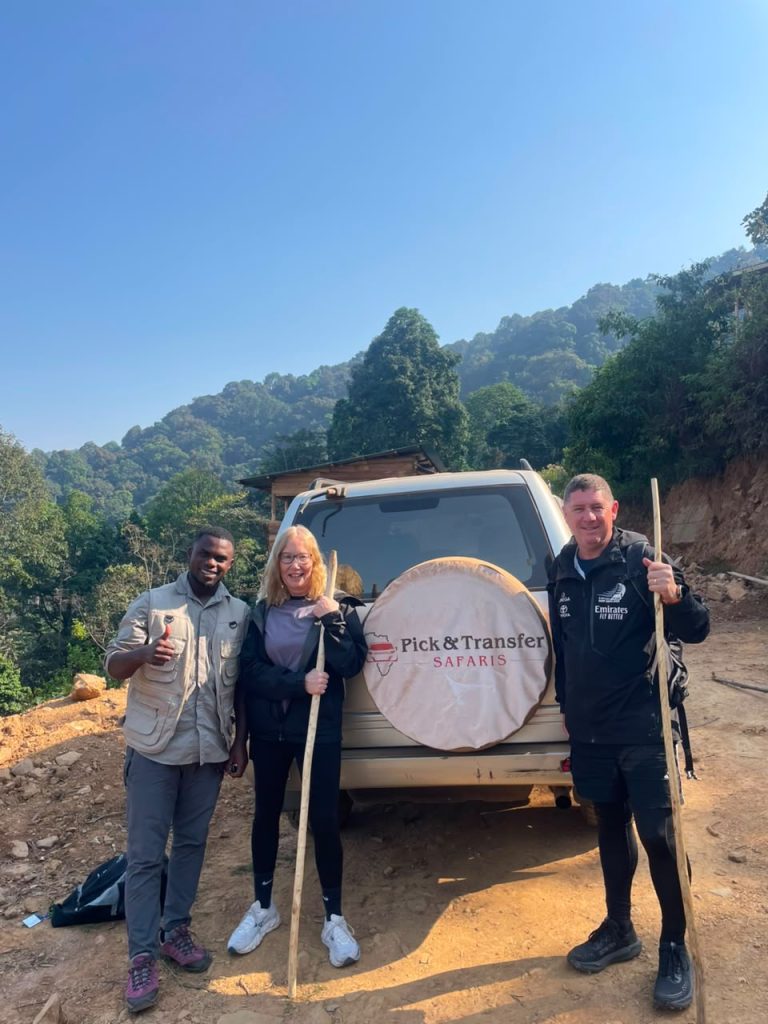
Whichever season you choose, pairing your Uganda gorilla trek with a Rwanda-based itinerary is one of the most efficient ways to experience two of Africa’s premier mountain gorilla destinations on a single trip. For travelers who’d like an operator on the Kigali side who specializes in exactly this kind of short cross-border trip, Pick and Transfer Safaris offers a range of gorilla safaris starting directly from Kigali, including their one-day option for travelers on a very tight schedule.
Continue planning your trip with our related tours: 3-Day Uganda Gorillas Safari, 7 Days Gorilla and Wildlife Safari, 2 Days Uganda Gorilla Safari Starting from Kigali, and our 3-Day Gorilla Trekking in Volcanoes National Park if you’d like to add Rwanda’s own gorilla families to the trip. You can also get in touch with our team to build a custom itinerary around your preferred season and border crossing.