- EXPERT'S HELP
- +256789210067
- +256200955001
- info@kenlinktours.com


Kisoro Tourism Activities
November 6, 2026
Gorilla Tracking Transfers from Kigali to Bwindi
November 6, 2026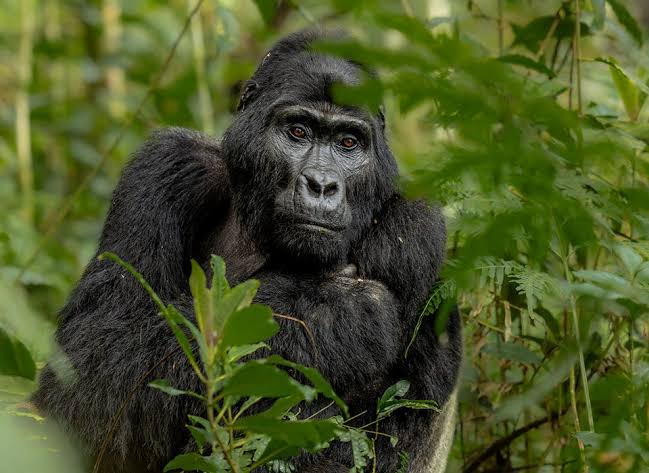
Best things to do near Bwindi . Bwindi Impenetrable National Park is one of the most famous wildlife destinations in Africa – and for good reason. This ancient rainforest in south-western Uganda shelters around half of the world’s remaining mountain gorillas, and every year thousands of travellers make the journey to stand just metres away from a silverback in the wild. But many visitors arrive, trek, and leave the next morning, never realising how much more the region has to offer.
The truth is that the best things to do near Bwindi go far beyond a single gorilla trek. Around the forest you will find waterfall hikes, world-class birding, Batwa cultural experiences, tea plantations, crater lakes, volcano climbs and even tree-climbing lions. In this complete guide, the team at Kenlink Tours shares the top activities in and around Bwindi, along with practical advice on when to go, where to stay, how to get there and how to plan the perfect itinerary.
About Bwindi Impenetrable National Park
Bwindi covers about 321 square kilometres of steep, mist-covered hills in the Kigezi Highlands of south-western Uganda, bordering the Democratic Republic of Congo. It is one of the oldest and most biologically diverse forests in Africa, having survived the last Ice Age when many other forests disappeared. In recognition of its global importance, Bwindi was declared a UNESCO World Heritage Site in 1994.
The park is home to more than 120 mammal species, around 350 bird species including many Albertine Rift endemics, hundreds of butterfly species and an extraordinary variety of trees and ferns. Its name comes from a local word meaning “impenetrable”, which perfectly describes the thick undergrowth, tangled vines and steep valleys that make the forest so special. For a complete park profile, see this detailed Bwindi Impenetrable Forest National Park guide.
Bwindi is divided into four tourism sectors, each with its own gorilla families, lodges and activities:
- Buhoma – the northern sector, where gorilla tourism began, with the widest choice of lodges and activities.
- Ruhija – the eastern and highest sector, famous for birdwatching and cool forest air.
- Rushaga – the southern sector with the most gorilla families and the gorilla habituation experience.
- Nkuringo – the south-western sector with dramatic ridges and views of the Virunga Volcanoes.
Knowing the sectors is important because it shapes which activities you can easily do. Our guide to 2-day gorilla trekking in Uganda explains each sector in detail, including recommended lodges.
1. Mountain Gorilla Trekking in Bwindi
Gorilla trekking is the number one reason to visit Bwindi and one of the greatest wildlife experiences on earth. Bwindi has more habituated gorilla families than any other park in the world, which gives travellers more flexibility and better permit availability than anywhere else.
Your trekking day begins early with a briefing at your sector’s park office. Rangers then lead small groups of up to eight visitors into the forest to find their assigned gorilla family. Treks can take anywhere from one to six hours depending on where the gorillas spent the night and the terrain. Once you reach the family, you spend one unforgettable hour watching them feed, groom, rest and play – often with curious youngsters tumbling just a few metres away and a giant silverback keeping watch.
Photography is allowed during your hour with the gorillas, but flash is strictly forbidden. The forest is often dark, so a camera that handles low light well is a big advantage, and it is worth setting it to a high ISO before you reach the family. Remember to put the camera down for a few minutes, too – simply watching the gorillas with your own eyes is often the most powerful part of the encounter. When you return to the park office, you will receive a gorilla trekking certificate to remember the day.
No two treks are the same, and the emotional impact of looking into a gorilla’s eyes stays with most visitors forever. If you have limited time, our 2 days Bwindi gorilla trek is a great option. You can also compare the 3 days Uganda gorilla safari, which allows a more relaxed pace.
Gorilla trekking essentials:
- Minimum age is 15 years.
- Permits are issued by the Uganda Wildlife Authority and should be booked months ahead, especially for June to September and December to February.
- Keep at least seven metres from the gorillas and never trek if you are unwell.
- Hiring a porter makes steep sections easier and supports local families.
2. The Gorilla Habituation Experience in Rushaga
If one hour with the gorillas does not sound like enough, the gorilla habituation experience is the ultimate upgrade. Offered in the Rushaga sector, it allows a very small group of visitors to spend up to four hours with a gorilla family that is still being introduced to human presence.
You join researchers, trackers and rangers as they follow the gorillas, record their behaviour and help them get used to people. Because these gorillas are less familiar with humans, the experience feels wilder and more raw. You will learn far more about gorilla behaviour, family dynamics and conservation than on a standard trek. Habituation permits are limited and more expensive than regular permits, so book well in advance.
Rushaga is also the closest Bwindi sector to Rwanda. Learn more in our article about gorilla trekking in Bwindi’s Rushaga sector from Kigali.
3. Trekking in Nkuringo – Bwindi’s Most Scenic Sector
Nkuringo deserves its own mention because the experience there is so different. Lodges sit high on the Nteko ridge with sweeping views across the forest to the Virunga Volcanoes in Uganda, Rwanda and Congo. The trekking is challenging, with steep descents into the valley and hard climbs back out, but the scenery is some of the most beautiful in East Africa.
Nkuringo is ideal for fit travellers and photographers. It is also perfectly placed for combining Bwindi with Mgahinga and Lake Mutanda near Kisoro. Read our detailed guide to gorilla trekking in Nkuringo sector, Bwindi, and if you are starting in Rwanda, see gorilla trekking in Bwindi’s Nkuringo sector starting in Kigali.
4. The Batwa Cultural Experience
The Batwa are the original people of the Bwindi forest. For thousands of years they lived as hunter-gatherers, depending on the forest for food, medicine and shelter while leaving a very light footprint on the land. When Bwindi became a national park in 1991, the Batwa were moved out of the forest, and today they live in communities around the park.
The Batwa cultural experience gives visitors a chance to learn about this heritage directly from Batwa guides. On a forest walk, they demonstrate how to hunt with bows and arrows, collect wild honey, identify medicinal plants, build traditional huts and make fire. The experience usually ends with songs and dances that tell stories of forest life.
This is one of the most meaningful things to do near Bwindi because it helps preserve a unique culture and provides an income for Batwa families. Find out how to include cultural experiences across western Uganda in our guide to the best safaris in western Uganda with cultural tours.
5. Buhoma Community Village Walk
The Buhoma community walk is a gentle, fun and eye-opening way to spend an afternoon after your trek. Guided by local residents, the walk visits farms, a traditional healer, a local school, a banana beer brewing demonstration and craft workshops. You will learn how communities live alongside the forest and how tourism supports schools, health care and conservation projects.
Many walks also include a visit to the Bwindi Community Hospital, which began as a small clinic under a tree and now serves thousands of people in the region. It is an inspiring example of how gorilla tourism can improve lives. Buying crafts from local women’s groups is a great way to take home a meaningful souvenir while supporting the community directly.
6. Hiking Bwindi’s Forest Trails and Waterfalls
Bwindi is a hiker’s paradise, and its guided nature walks reveal a side of the forest that most gorilla trekkers miss. These walks focus on the smaller wonders – waterfalls, giant ferns, orchids, butterflies, birds and other primates. Some of the most popular trails include:
- Munyaga River Trail – a short, easy walk near Buhoma, ideal for an afternoon after arriving.
- Waterfall Trail – a lovely walk through the forest to a series of waterfalls, with tree ferns, orchids and plenty of butterflies.
- Rushura Hill Trail – a walk to a ridge that, on clear days, offers views over the plains towards the Rwenzori Mountains and the Virunga Volcanoes.
- Muzabajiro Loop Trail – a scenic hike around Muzabajiro hill with wide views of the forest and surrounding countryside.
On these trails you may spot black-and-white colobus, L’Hoest’s monkeys, red-tailed monkeys and blue monkeys, as well as a huge variety of butterflies. For more inspiration, browse our roundup of the best hiking adventure safaris in Uganda.
7. The Ivi River Walk – Buhoma to Nkuringo
For adventurous hikers, the Ivi River Walk is one of the most rewarding experiences in Bwindi. This full-day trail crosses the forest between Buhoma in the north and Nkuringo in the south, following the Ivi River through dense jungle. The walk takes most of a day and is a fantastic way to experience the true wilderness of Bwindi.
Many travellers use this walk as part of a “double trek” itinerary – trekking gorillas in one sector, walking through the forest, then trekking another gorilla family on the other side. Along the way, you may see primates, forest birds and even signs of elephants, which still live in parts of Bwindi. Your luggage is driven around by road so you only carry a daypack.
8. Birdwatching in Ruhija and the Mubwindi Swamp
Bwindi is widely considered one of the best birding destinations in Africa. Around 350 bird species have been recorded in the park, including many Albertine Rift endemics that are difficult or impossible to see elsewhere. The Ruhija sector, at the park’s highest altitude, is the top spot for serious birders.
The Mubwindi Swamp Trail in Ruhija is legendary among birdwatchers. It descends through montane forest to a large swamp and is one of the best places in Africa to search for the rare African green broadbill. Other sought-after species in Bwindi include the handsome francolin, Rwenzori turaco, Shelley’s crimsonwing, regal sunbird, blue-headed sunbird, Grauer’s rush warbler and the striking black bee-eater.
Birding is good all year, but March to May and September to November are especially rewarding because migratory species are present and many residents are breeding. Hire a specialist bird guide in Buhoma or Ruhija – their knowledge of calls and habitats makes a huge difference.
9. Tea Plantation Tours
The rolling hills surrounding Bwindi are carpeted in bright green tea plantations, creating some of the most photogenic landscapes in Uganda. Tea tours take you through the fields to watch workers pick fresh leaves by hand, then to a local processing centre where you learn how leaves are withered, rolled, fermented and dried.
Most tours finish with a tasting session where you can enjoy a fresh cup of locally grown tea while looking out over the hills. It is a relaxing and educational activity, perfect for the afternoon after a gorilla trek or on a rest day.
10. Lake Bunyonyi – Uganda’s “Place of Many Little Birds”
Just a few hours’ drive from Bwindi, Lake Bunyonyi is one of the most beautiful lakes in Africa. Its name means “place of many little birds”, and it is surrounded by steep terraced hills and dotted with 29 islands. The lake is also one of the deepest in Africa and, unusually, is free from crocodiles and hippos, making it safe for swimming.
Popular activities include dug-out canoe rides, boat trips to the islands, swimming, birdwatching, community walks and visits to Akampene, the famous Punishment Island. Many travellers spend a night or two here after trekking to rest their legs. Lake Bunyonyi is also a convenient stopover between Bwindi and Kigali, so it fits naturally into most itineraries. Our 7 days best of wildlife and gorilla tour in Uganda includes a relaxing stay on the lake.
11. Lake Mutanda Canoeing and Island Visits
Near the southern sectors of Bwindi, Lake Mutanda near Kisoro offers another magical lake experience. Its calm waters, islands and spectacular views of the Virunga Volcanoes make it a favourite with photographers. Canoe trips explore the islands and lakeside villages, while short hikes reveal the countryside.
Lake Mutanda is especially convenient if you trek in Rushaga or Nkuringo. Learn more in our guide to things to do at Lake Mutanda, and read this overview of a boat cruise at Lake Mutanda for details on duration and what to expect.
12. Golden Monkeys and Gorillas in Mgahinga
Mgahinga Gorilla National Park lies just south of Bwindi near Kisoro town, and it is the perfect extension to any Bwindi trip. Here you can track rare golden monkeys through bamboo forests – a fun, lively and less strenuous activity than gorilla trekking. Mgahinga also has its own habituated gorilla family, plus the Batwa Trail and Garama Cave.
Combining Bwindi and Mgahinga gives you two very different gorilla landscapes in one trip: Bwindi’s dense rainforest and Mgahinga’s volcanic slopes. See our Uganda gorilla and golden monkey safari for sample itineraries, and read the complete guide to gorilla trekking in Mgahinga. The Mgahinga Gorilla National Park destination page also gives a helpful overview.
13. Climbing the Virunga Volcanoes
From the southern sectors of Bwindi, the cones of the Virunga Volcanoes rise on the horizon – and you can climb them. In Mgahinga, Mount Muhabura (4,127 metres) is a challenging full-day hike to a crater lake at the summit. Mount Gahinga is a gentler climb through bamboo to a swampy crater, and Mount Sabyinyo has a dramatic summit where Uganda, Rwanda and the DRC meet.
Volcano hiking pairs perfectly with gorilla trekking for active travellers. Read our guide to combining Mount Muhabura with gorilla trekking for a sample four-day plan. Kisoro town is the natural base for these hikes – see our guide to attractions and things to do in Kisoro. If you need a comfortable hotel in town, this review of Ikoro Hotel in Kisoro is worth reading.
14. Tree-Climbing Lions in Ishasha
North of Bwindi lies the Ishasha sector of Queen Elizabeth National Park, one of the very few places in Africa where lions regularly climb trees. Lions here are often found lounging in the branches of large fig trees during the heat of the day, keeping an eye on the herds of Uganda kob below. It is an unforgettable sight and makes for amazing photographs.
Ishasha is roughly two to three hours’ drive from Buhoma, so many travellers pass through on the way to or from Bwindi, turning a transfer day into a game drive. Besides lions, you can see elephants, buffaloes, topis, hippos and plenty of birds. Read our guide to the Ishasha tree-climbing lions for tips on the best time to visit.
15. Big Game, Boat Cruises and Chimpanzees Beyond Bwindi
If you have more time, Bwindi combines beautifully with Uganda’s other great parks. Queen Elizabeth National Park offers classic savannah game drives, crater lakes and the famous Kazinga Channel boat cruise, where you see huge numbers of hippos, crocodiles, elephants and water birds. Read the Queen Elizabeth National Park guide to learn more, and see our gorilla trek and Queen Elizabeth safari for a ready-made combination.
Further north, Kibale Forest is the primate capital of the world and the best place in East Africa for chimpanzee tracking. Visit the Kibale Forest National Park guide for details. A popular combined trip is the 4 days wildlife and primate safari, while those wanting a complete Uganda adventure can look at the 10 days Uganda primates and wildlife tour.
Best Time to Visit Bwindi
Bwindi is a year-round destination, and gorilla trekking happens every day of the year. However, the dry seasons from June to September and December to February are the most popular times to visit. Trails are drier and less slippery, making trekking easier, and the weather is generally pleasant for hiking and photography. Because these are peak months, gorilla permits and lodges book out early.
The wet seasons from March to May and October to November bring more rain, muddier trails and fewer visitors. The forest is at its greenest, birding is excellent and some lodges offer lower rates. Rain often falls in heavy afternoon showers, so mornings can still be good for trekking. Whenever you travel, pack a waterproof jacket – it is a rainforest, after all.
How to Get to Bwindi
From Kigali, Rwanda: The southern sectors of Rushaga and Nkuringo are only about four to five hours from Kigali by road via the Cyanika or Katuna border, making Kigali the fastest gateway for many travellers. Our article on which companies offer Uganda safaris from Kigali explains how to choose an operator who handles both sides of the border. Short options include the 2 days Uganda gorilla tour starting from Kigali and, for travellers short on time, the 1 day Uganda gorilla safari starting from Kigali.
Wondering whether you can trek and return to Kigali on the same day? Our guide Can I trek gorillas in Bwindi and drive to Kigali the same day? explains which sectors make this realistic.
From Kampala or Entebbe: The drive to Bwindi takes about eight to ten hours, passing the Equator, Mbarara and Kabale. Many travellers break the journey at Lake Mburo National Park or Lake Bunyonyi, or come via Queen Elizabeth National Park and Ishasha.
By air: Domestic flights from Entebbe land at Kihihi airstrip (for Buhoma and Ruhija) or Kisoro airstrip (for Rushaga and Nkuringo). Flying cuts travel time to around two hours, followed by a short road transfer to your lodge.
Where to Stay Near Bwindi
Bwindi has accommodation for every budget, spread across all four sectors. Choosing a lodge in the same sector as your gorilla permit is very important, because driving between sectors can take several hours on mountain roads.
- Buhoma: Buhoma Community Rest Camp (budget), Buhoma Gorilla Haven (mid-range), Mahogany Springs Lodge and Buhoma Lodge (luxury).
- Ruhija: Gift of Nature Lodge (budget), Gorilla Mist Camp and Bakiga Lodge (mid-range), Agandi Lodge (upmarket).
- Rushaga: Rushaga Gorilla Havens Lodge (budget), Rushaga Gorilla Camp and Ichumbi Gorilla Lodge (mid-range), Chameleon Hill Lodge (luxury).
- Nkuringo: Nkuringo Bwindi Gorilla Lodge (mid-range) and Clouds Mountain Gorilla Lodge (luxury).
Many travellers trekking in the southern sectors also stay in Kisoro or at Lake Mutanda. Our post on the one-day gorilla trek from Kisoro town and Lake Mutanda explains this option.
Sample Bwindi Itineraries
2 days – Express gorilla trek: Travel to Bwindi on day one, trek gorillas on day two and return. This works best from Kigali to Rushaga or Nkuringo.
3 days – Gorillas plus culture: Arrive and enjoy a community walk, trek gorillas on day two with an afternoon Batwa experience, then relax at Lake Bunyonyi or Lake Mutanda on day three before departing.
4 days – Gorillas and golden monkeys: Trek gorillas in Bwindi and track golden monkeys in Mgahinga, with a lake visit in between. Our 4-day Rwanda-Uganda golden monkey and gorilla trekking trip combines Rwanda’s Volcanoes National Park with Bwindi. Learn more about the Rwanda side on the Volcanoes National Park guide.
7 days and more – The complete south-west: Combine Queen Elizabeth National Park, Ishasha’s tree-climbing lions, gorilla trekking in Bwindi, a Batwa experience and Lake Bunyonyi. Add Kibale for chimpanzees if you have more time.
What to Pack for Bwindi
Bwindi’s trails are steep, muddy and covered in thick vegetation, so packing the right gear makes a huge difference:
- Sturdy, waterproof hiking boots with good ankle support.
- Lightweight rain jacket and a warm layer for chilly mornings and evenings.
- Long-sleeved shirts and long trousers in neutral colours.
- Gardening gloves to protect your hands from nettles and thorns.
- Gaiters or long socks to keep out ants and mud.
- A daypack with a rain cover, at least two litres of water and snacks.
- Camera with spare batteries and memory cards (no flash with gorillas).
- Binoculars for birding and spotting primates.
- Insect repellent, sunscreen, a hat and a face mask for the gorilla visit.
- Your passport, gorilla permit and yellow fever vaccination certificate.
Responsible Travel Around Bwindi
Mountain gorilla numbers have slowly increased in recent decades thanks to strong conservation, community support and responsible tourism. A share of park revenue goes to communities around Bwindi, funding schools, clinics, roads and clean water. When local people benefit from tourism, they become the strongest protectors of the forest.
You can play your part by hiring porters, buying crafts directly from local groups, joining community and Batwa experiences, following all gorilla trekking rules and choosing operators who treat staff and communities fairly. At Kenlink Tours, we work with local guides and lodges across south-western Uganda, and we support a community project for orphaned children in Kisoro district near Bwindi.
Why Book Your Bwindi Safari with Kenlink Tours
Planning a Bwindi trip involves many moving parts – permits, sectors, border crossings, lodges and long mountain roads. Kenlink Tours makes it simple. As a Uganda-based operator, we specialise in gorilla trekking safaris in Bwindi and Mgahinga, and we know the region’s roads, rangers and lodges personally.
- Permit booking: We secure gorilla trekking and habituation permits and match your lodge to the right sector.
- Expert driver-guides: Our team regularly crosses the Cyanika and Katuna borders and knows every route to Bwindi.
- Reliable 4×4 vehicles: Essential for the steep, unpaved roads to Rushaga, Nkuringo and Ruhija.
- Tailor-made trips: Every itinerary is designed around your interests, fitness and budget.
- Positive impact: Your booking supports local communities around the parks.
Explore all our gorilla and wildlife safaris on the Kenlink Tours homepage.
Frequently Asked Questions About Things to Do Near Bwindi
What is there to do in Bwindi besides gorilla trekking?
You can join the Batwa cultural experience, community village walks, waterfall and forest hikes, the Ivi River walk, birdwatching in Ruhija, tea plantation tours and nearby lake visits at Bunyonyi and Mutanda.
How many days should I spend in Bwindi?
Two days is the minimum for a gorilla trek, but three to four days lets you add a cultural experience, a nature walk and a lake visit without rushing.
Which Bwindi sector is best?
It depends on your plans. Buhoma has the most activities and lodges, Ruhija is best for birding, Rushaga has the most gorilla families and the habituation experience, and Nkuringo has the best views. Rushaga and Nkuringo are closest to Rwanda.
Can I see gorillas and tree-climbing lions on the same trip?
Yes. Ishasha’s tree-climbing lions are a few hours’ drive from Buhoma, so they combine easily with gorilla trekking on a four-day or longer safari.
Is gorilla trekking in Bwindi difficult?
It can be. Treks range from one to six hours over steep, muddy terrain. A moderate level of fitness is enough for most visitors, and porters and walking sticks make it much easier.
Is it better to start a Bwindi trip from Kigali or Kampala?
Kigali is closer to the southern sectors, while Kampala and Entebbe suit travellers combining Bwindi with Queen Elizabeth, Kibale or Murchison Falls. Domestic flights are also available from Entebbe.
Plan Your Bwindi Adventure Today
Bwindi is so much more than a one-day gorilla stop. From the unforgettable hour with a mountain gorilla family to sunrise birding in Ruhija, Batwa stories around the fire, waterfall hikes, peaceful canoe rides and tree-climbing lions, the region rewards every traveller who stays a little longer.
Ready to explore the best things to do near Bwindi? Contact the Kenlink Tours team today and we will secure your permits, choose the right sector and lodge, and design a Bwindi safari that matches your interests and budget. For more ideas before you book, see our guide to the 2 days Bwindi gorilla trek and our article on trekking in Nkuringo. The gorillas are waiting!