- EXPERT'S HELP
- +256789210067
- +256200955001
- info@kenlinktours.com


How Far is Bwindi from Kigali?
August 15, 2026
Kigali to Cyanika Border and Bwindi
August 15, 2026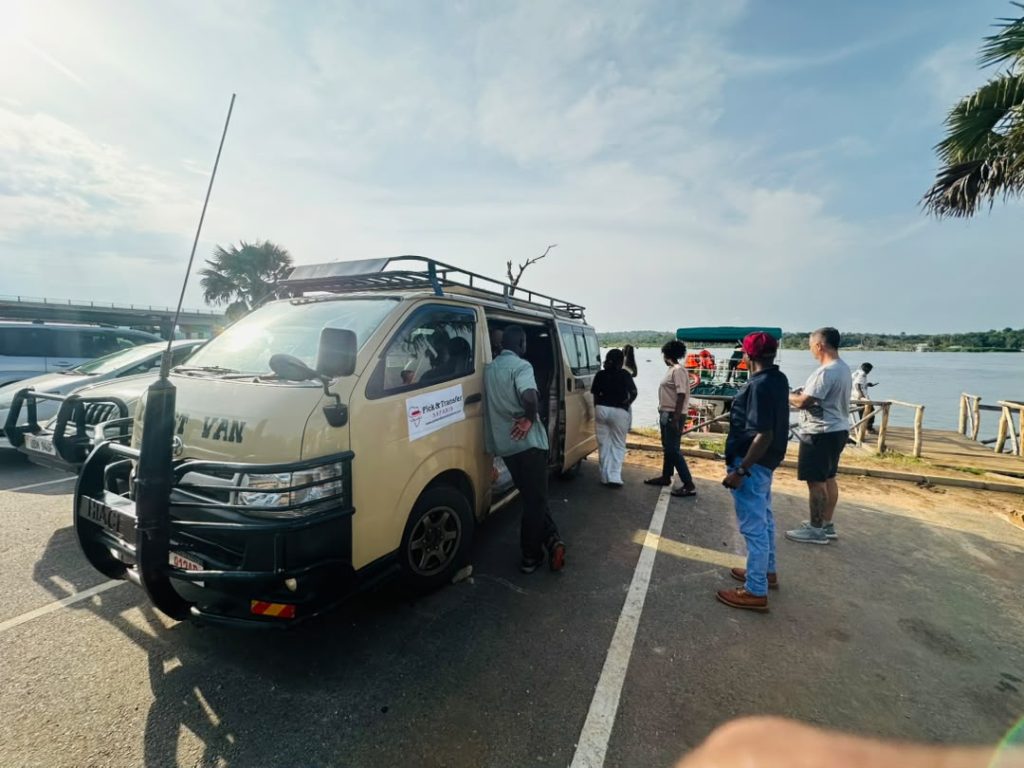
Gorilla Trek in Bwindi from Kigali by Road. There’s a particular kind of traveler who wants more than a flight and a forest walk, someone who wants the journey itself to be part of the story. If that’s you, a gorilla trek in Bwindi from Kigali by road delivers exactly that: a scenic, culturally rich overland journey through Rwanda’s thousand hills and into Uganda’s southwestern highlands, ending with an hour spent face to face with a wild mountain gorilla family.
This guide covers everything involved in trekking Bwindi’s gorillas via the Kigali road route, from choosing the right border crossing and gorilla sector, to what the drive actually feels like, what to pack, where to stay, and how to structure a 3, 4, or 5-day itinerary around it. Whether you book a dedicated 3-Day Bwindi Gorilla Safari Starting from Kigali or you’re piecing together your own overland adventure, this is the complete roadmap.
Why Trek Bwindi Gorillas via the Kigali Road Route
Bwindi Impenetrable National Park is technically Ugandan territory, but for a large share of travelers, the smartest way in isn’t through Uganda’s own capital, it’s overland from Kigali. Rwanda’s excellent road infrastructure extends right up to the border, meaning the majority of the journey happens on smooth, well-maintained tarmac before you even cross into Uganda. Compare that to the 8 to 10-hour slog from Entebbe or Kampala, and the appeal of the Kigali road route becomes obvious.
There’s also a value dimension worth understanding upfront. Uganda’s gorilla trekking permit is priced lower than Rwanda’s equivalent, which means travelers frequently choose to fly into Kigali specifically to access Uganda’s more affordable gorilla trekking experience via this exact overland corridor. It’s a route that rewards planning: get the border crossing, sector selection, and vehicle right, and the road trip becomes one of the most memorable parts of the entire safari rather than a logistical hurdle to get through.
Overview: What a Road Trip Gorilla Trek from Kigali Looks Like
A road-based gorilla trek from Kigali typically unfolds across three to four days. The first day is dedicated entirely to travel, driving from Kigali to your lodge near Bwindi, crossing the Rwanda-Uganda border along the way. The second day is trekking day itself, beginning with an early ranger briefing at park headquarters and culminating in the full hour spent observing a habituated gorilla family in their natural forest habitat.
A third day often includes a lower-intensity activity, a Batwa cultural encounter, a nature walk, or simply a relaxed morning before beginning the return drive to Kigali. Travelers with a fourth day available sometimes extend into golden monkey trekking in Rwanda’s Volcanoes National Park along the way, effectively adding a second primate species to the trip without significant extra driving. This pacing, one travel day, one trekking day, one buffer day, is the structure behind itineraries like the 4-Day Rwanda-Uganda Golden Monkey and Gorilla Trekking package, and it’s a formula that consistently works well for travelers arriving with jet lag and limited vacation days.
Choosing Your Route: Cyanika vs Katuna Border
The road route you take depends on which Bwindi sector your gorilla permit assigns you to, since the park’s four trekking sectors, Buhoma, Ruhija, Rushaga, and Nkuringo, are accessed from different directions. The Cyanika border crossing connects most directly to the southern sectors of Rushaga and Nkuringo, running through Musanze and Kisoro on a route that takes roughly 4 to 5 hours and passes directly alongside Volcanoes National Park.
The Katuna (Gatuna) border crossing serves the northern and eastern sectors, Buhoma and Ruhija, via Kabale, and typically takes 5 to 6 hours given the longer distance and additional driving on the Ugandan side. Most road-trip gorilla trekkers heading toward Rushaga’s large concentration of habituated families use Cyanika, since it’s both the faster route and the one that most naturally combines with a stop in Rwanda’s own gorilla or golden monkey territory. For a deeper breakdown of exact distances and drive times by sector, it’s worth cross-referencing the dedicated guide on how far Bwindi is from Kigali before finalizing your route.
Day 1: Kigali to Bwindi by Road
Your road trip begins in Kigali, either straight from the airport or from your hotel if you’ve spent a night in the city first. The drive north retraces Rwanda’s famous “thousand hills,” passing tea and coffee plantations, small trading towns, and terraced farmland on consistently good tarmac roads. As you near Musanze, the five volcanic peaks of the Virunga range come into view, a scenic bonus even for travelers whose itinerary doesn’t include Rwanda-side trekking.
After the border crossing at Cyanika or Katuna, the character of the drive shifts. Ugandan roads toward Kisoro or Kabale are generally solid, though the final approach into Bwindi’s more remote sectors involves unpaved, hilly terrain. Most well-planned itineraries schedule arrival at your Bwindi lodge for late afternoon, giving you time to settle in, enjoy the forest views, and get an early night ahead of the following morning’s trek. Attempting to combine this travel day with same-day trekking isn’t realistic, since park briefings begin early and there’s simply not enough runway after a multi-hour drive.
Day 2: Gorilla Trekking Day in Bwindi
This is the day the entire trip has been building toward. After an early breakfast, you’ll head to your sector’s park headquarters for registration and a formal briefing from Uganda Wildlife Authority rangers, who explain the rules, introduce your specific gorilla family, and offer a chance to hire a porter, a genuinely worthwhile investment for both stability on the trail and community support.
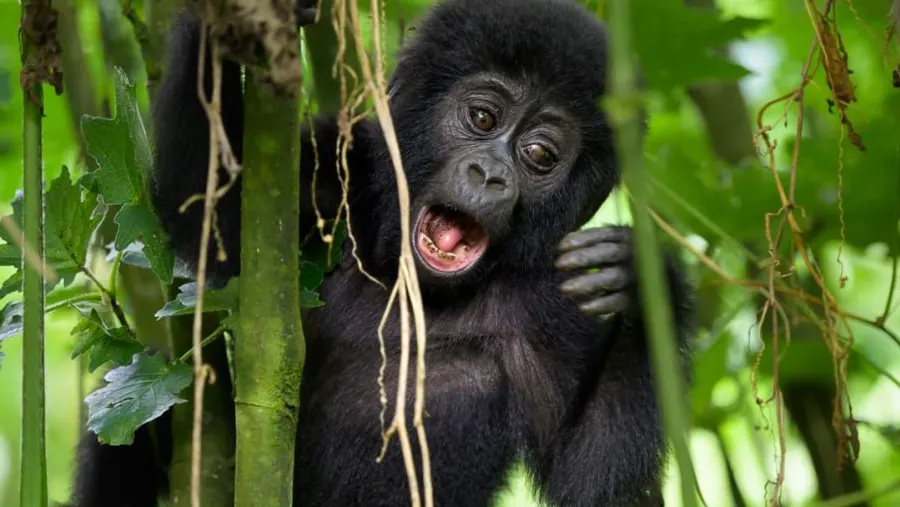
Bwindi’s terrain earns the park its name; trekking can range from a manageable 30-minute walk to a demanding several-hour hike through dense, tangled vegetation on steep, often muddy slopes. Once trackers locate your assigned family, you’ll approach quietly and spend a full, regulated hour observing the gorillas, watching silverbacks patrol their territory, mothers care for infants, and juveniles tumble through the undergrowth just meters away. It’s widely described by past trekkers as one of the most profound wildlife encounters available anywhere on Earth, and it’s the singular reason the entire road trip from Kigali is worth undertaking.
Day 3: Return Journey or Extension
With the main event behind you, day three offers flexibility. Many travelers use the morning for a lower-intensity activity near their lodge, a Batwa community visit that offers insight into the indigenous forest people historically connected to Bwindi, a guided nature walk along one of the park’s shorter trails, or simply a slow breakfast with views over the forest canopy before departure.
From there, the return drive to Kigali retraces your outbound route, typically arriving with enough time for an evening flight or an extra few hours to explore Kigali itself. Travelers with a spare day sometimes choose to extend rather than return immediately, adding a Rwanda-side activity like golden monkey trekking or a stop in Musanze, an option well suited to the 5-Day Gorilla Trekking Safari from Kigali to Uganda format for those who want more than a strict there-and-back structure.
What to Expect at the Rwanda-Uganda Border
Crossing the border by road is generally efficient, though it helps to know the process beforehand. At both Cyanika and Katuna, you’ll disembark from your vehicle, complete Rwandan exit formalities, walk a short distance, and complete Ugandan entry formalities (or the reverse on your return). Processing usually takes 20 to 45 minutes depending on how busy the crossing is at that hour.
Have your passport (with at least six months’ validity), yellow fever vaccination certificate, and visa documentation easily accessible rather than buried in checked luggage. Many travelers use the East Africa Tourist Visa, which permits multiple entries across Rwanda, Uganda, and Kenya on a single visa and is specifically designed to make crossings like this one straightforward. Experienced driver-guides who run this route regularly know the border staff and the fastest lanes, and their familiarity is one of the quieter but most valuable benefits of booking through an operator that specializes in this exact corridor, such as those offering a coordinated gorilla safaris package from Kigali.
Vehicle and Driver Requirements for the Road Trip
Not every vehicle is suited to this route, and it’s worth understanding why before you commit to self-driving. Rwanda’s roads are smooth enough for any standard vehicle, but the unpaved final stretches into Bwindi’s more remote sectors, particularly Rushaga, Nkuringo, and Ruhija, require genuine 4×4 capability, especially after rain when the clay-based soil becomes slick.
A dedicated safari vehicle with high clearance, good tires, and a driver experienced in both cross-border logistics and rural East African road conditions makes an enormous difference to comfort and safety. If you’re drawn to the independence of driving yourself, review the practicalities of a self-drive gorilla safari in Uganda carefully, and consider pairing a rental with local guidance for the technical final approach. For most travelers, though, a guided vehicle booked through car hire and transfer services remains the more relaxed and reliable choice, particularly for a first visit to this route.
Gorilla Permits: Uganda vs Rwanda Cost and Booking
Because this road trip crosses into Uganda specifically to trek Bwindi’s gorillas, your permit will be issued by the Uganda Wildlife Authority rather than Rwanda’s park authority, and it’s priced meaningfully lower than Rwanda’s equivalent permit. This price difference is a major driver behind the popularity of the Kigali-to-Bwindi road route: travelers get the convenience of flying into Rwanda’s well-connected capital while trekking at Uganda’s more accessible price point.
Permits are limited per gorilla family per day and should be booked well in advance, ideally three to six months ahead for peak season travel in June through September and December through February. A permit booking needs to be paired with your sector choice, since it locks in exactly which gorilla family, and therefore which border route and driving time, you’ll be dealing with. Comparing a 3 Days Uganda Gorilla Safari from Rwanda package against booking a permit independently is a useful way to see how these logistics are typically bundled by experienced operators.
Which Bwindi Sector Should You Choose
Sector choice shapes almost every other decision on this trip, from your border route to your drive time to the specific lodge you’ll book. Rushaga, in Bwindi’s south, hosts the largest number of habituated gorilla families and is the fastest sector to reach from Kigali via Cyanika, making it the most popular choice for road-trip trekkers on a tighter schedule. Nkuringo, also accessed via Cyanika, offers dramatic ridge-top scenery but is known for a steeper, more physically demanding trek.
Buhoma, the park’s original and most established sector, and Ruhija, known for excellent birdwatching alongside gorilla trekking, both require the longer Katuna route and suit travelers less pressed for time or specifically drawn to those areas’ particular character and lodge options. There’s no universally “best” sector, the right choice depends on your fitness level, how much driving time you’re comfortable with, and whether you’re combining the trip with time in Rwanda. A conversation with an experienced operator about your priorities, reachable through a straightforward contact page, is the most reliable way to land on the sector that fits your trip.
Weather and Seasonal Considerations for the Road Trek
Timing your road trek well makes a real difference to both driving comfort and trail conditions once you reach Bwindi. The two dry seasons, June through September and December through February, offer the firmest roads and the most predictable conditions on the unpaved final stretches into sectors like Rushaga and Ruhija, making these the most popular months for this exact route.
The wetter months of March to May and October to November bring their own advantages: noticeably fewer tourists, occasionally better lodge rates, and some of the most vividly green scenery of the year along the drive itself. The trade-off is muddier trails and a slower, more physically demanding trek, along with a slightly higher chance of delays on unpaved sections after heavy rain. Rain in this region tends to fall in short, intense afternoon bursts rather than settling in for the whole day, so an early morning departure from Kigali often means outrunning the worst of it regardless of season. For a deeper look at how weather affects gorilla trekking across the broader region, the seasonal notes under Bwindi Impenetrable National Park are a useful supplementary reference while you plan your dates.
Cost Breakdown: Budgeting Your Road-Based Gorilla Trek
Understanding where your money goes on this trip helps you compare packages accurately and avoid surprises. The single largest cost is the Uganda gorilla trekking permit, followed by ground transport (typically priced per vehicle rather than per person, meaning groups of three or four sharing a vehicle see a meaningfully lower per-person cost than solo travelers), lodge accommodation near your chosen sector, and porter fees, generally a modest daily rate that’s well worth paying regardless of your fitness level.
Beyond these core costs, budget for tips (a widely used guideline is around 10 US dollars per day for your driver-guide and a similar amount for trekking staff), any Uganda visa fees not already covered by an East Africa Tourist Visa, travel insurance, and personal expenses like souvenirs or additional activities such as a Batwa cultural visit. Most experienced travelers find that booking permit, transport, and accommodation as a single coordinated package, rather than assembling each piece separately, produces both a lower total cost and far less logistical risk. Comparing a bundled 5 Days Uganda Gorilla and Chimps Safari Starting from Rwanda package against piecing together the same components independently illustrates the difference clearly.
What Makes Bwindi’s Gorilla Families Unique
Bwindi is home to roughly half of the world’s remaining mountain gorilla population, spread across more than twenty habituated families available for trekking across its four sectors. Unlike Rwanda’s Volcanoes National Park, where the terrain is largely bamboo and montane forest on volcanic slopes, Bwindi’s name comes from its dense, tangled, genuinely “impenetrable” undergrowth, ancient rainforest that has existed largely unchanged for tens of thousands of years, making it one of the most biodiverse forests in Africa.
Each gorilla family has its own personality, dynamics, and typical location within its sector, and rangers who track them daily often share fascinating details during the trek itself, which silverback leads the group, recent births, or interesting behavioral quirks specific to that family. This individuality is part of what draws repeat visitors back to Bwindi even after a successful first trek; no two encounters, even with the same family, unfold quite the same way. It’s part of the broader ecological richness that makes the drive from Kigali worthwhile even before you reach the trailhead.
Health and Safety Preparations for the Road Trek
Preparing properly for both the road journey and the trek itself makes a meaningful difference to how much you enjoy the experience. Yellow fever vaccination is mandatory for entry into both Rwanda and Uganda, and it’s worth carrying your certificate rather than relying on digital records alone, since border officials do check physical documentation. Travel insurance that explicitly covers trekking activities and medical evacuation is strongly recommended given Bwindi’s remote, high-altitude setting.
Anyone showing symptoms of a cold, flu, or other communicable illness on trekking day will be asked to sit out, both to protect the gorillas (who are highly susceptible to human diseases) and fellow trekkers, so it’s worth building some buffer into your schedule in case you need a rest day before the trek itself. Motion sickness remedies are worth packing for the winding mountain sections of the drive, and a basic first-aid kit with blister treatment and rehydration salts covers most minor issues that arise on the trail.
What to Pack for a Road-Based Gorilla Trek
Packing for this trip means preparing for two distinct environments: a multi-hour road journey and a physically demanding forest trek. For the drive, pack snacks, a refillable water bottle, a light jacket for temperature drops at altitude, and easily accessible travel documents. For the trek itself, sturdy waterproof hiking boots with ankle support are essential, along with gardening or trekking gloves to handle stinging nettles and thorny undergrowth along the trail.
Layered clothing works well given the temperature swings between warm lowlands and cooler forest zones, and a waterproof rain jacket is non-negotiable regardless of season. Long trousers and sleeves in neutral colors protect against nettles and insects, while a hat and reef-safe sunscreen guard against equatorial sun exposure. Bring a daypack, insect repellent, binoculars for wildlife spotting along the way, and a camera with a versatile zoom lens, keeping in mind that flash photography is prohibited once you’re in the gorillas’ presence. Cash in small denominations, both Rwandan francs and Ugandan shillings or US dollars, covers tips for porters, guides, and drivers along the route.
Photography and Wildlife Viewing Along the Route
The wildlife photography opportunities on this trip start well before you reach the gorillas. The drive itself passes through some of Rwanda’s most photogenic countryside, terraced hillsides, volcano silhouettes, and the Twin Lakes of Burera and Ruhondo, and it’s worth asking your driver to build in a few proper photo stops rather than shooting exclusively through a moving vehicle’s window.
Once at the gorilla trailhead, remember that flash photography is strictly prohibited, so a camera that performs reasonably well in low light, or at least a lens with a wide aperture, makes a meaningful difference under Bwindi’s dense forest canopy. A mid-range zoom is generally more practical than an ultra-telephoto lens, since encounters can happen at surprisingly close range. Pack a rain cover for your gear given the forest’s frequent humidity and occasional showers, spare batteries, since cool, damp mornings drain them faster, and resist the urge to spend the entire hour behind a viewfinder; trekkers consistently report that balancing photography with simply watching produces a more vivid, lasting memory of the encounter. For general trip photography inspiration along this specific corridor, browsing images and notes from operators offering the 2 Days Uganda Gorilla Tour Starting from Kigali route can help set realistic expectations for what you’ll see along the way.
Where to Stay Along the Route and in Bwindi
Accommodation on this road trip typically falls into two categories: a possible overnight in or near Kigali before departure, and lodging near your chosen Bwindi sector for the trekking portion of the trip. Kigali itself has an excellent range of hotels for travelers arriving late or wanting a night to adjust before the drive, and the city’s safety and walkability make it a comfortable place to spend time either at the start or end of the trip.
Near Bwindi, lodge options range from comfortable mid-range properties to high-end luxury lodges built into the forest edge with sweeping valley views. Rushaga and Nkuringo have seen significant lodge development in recent years given their popularity, while Buhoma retains some of the park’s longest-established properties. Whichever sector you choose, booking your lodge alongside your permit and transport, rather than as a separate arrangement, ensures everything is coordinated around your specific gorilla family assignment and trekking schedule.
Extending Your Road Trip: Combining with Rwanda Attractions
Because the Cyanika route runs directly past Volcanoes National Park, many travelers extend their road trip to include Rwanda-side activities rather than treating the drive as pure transit. Golden monkey trekking in the park’s bamboo forest is a popular, lower-intensity addition that pairs naturally with a Bwindi gorilla trek, and it’s the centerpiece of combination itineraries like the 4-Day Rwanda-Uganda Golden Monkey and Gorilla Trekking package.
Travelers with more time sometimes add a full Rwanda gorilla trek on top of their Bwindi experience, effectively doubling their gorilla encounters across two countries on a single trip, an itinerary style reflected in the 5 Days Uganda Rwanda Double Gorilla Safari. It’s also worth reading about the Mgahinga Gorilla National Park region and the broader Volcanoes National Park area if a Rwanda-side extension appeals to you, since both sit directly along this same southern road corridor.
Sample Itineraries: 3, 4, and 5-Day Road Trek Options
The Kigali-to-Bwindi road route supports a range of trip lengths depending on your schedule. A tight but complete option is the 2 Days Uganda Gorilla Safari Starting from Kigali, which compresses travel and trekking into a fast but rewarding format for travelers with very limited time, and an even shorter 2 Days Rwanda to Uganda Gorilla Trekking Safari exists for those who want the bare essentials.
The standard three to four-day format described throughout this guide, exemplified by the 3-Day Bwindi Gorilla Safari Starting from Kigali, remains the most popular and best-balanced option for most travelers. Those with a full working week available often extend into combination itineraries like the 10 Days Uganda Rwanda Combining Safari or the 9 Days Uganda Rwanda Gorilla and Big Five Safari, both of which use this same road corridor as their opening leg before continuing to additional wildlife destinations. Shorter alternatives entirely on the Uganda side, such as the 2 Days Uganda Gorilla Tour Starting from Kigali or the ambitious one-day Uganda gorilla safari starting from Kigali, are worth comparing if your schedule is especially tight.
Tips from Experienced Overland Gorilla Trekkers
Seasoned travelers who’ve done this drive repeatedly tend to offer the same handful of pieces of advice. Start early, departing Kigali by 7:00 or 8:00 AM gives comfortable daylight hours and avoids arriving at an unfamiliar lodge after dark. Don’t rush the border crossing; keep documents organized and accessible, and trust an experienced guide’s pacing rather than pushing for speed.
Build in flexibility rather than a minute-by-minute schedule, since weather, road conditions, and border processing times can all shift slightly day to day. Most experienced trekkers also recommend resisting the urge to photograph the entire drive through a car window; the Twin Lakes viewpoint, roadside markets, and border towns are worth a proper stop rather than a blurry photo at speed. Finally, pack patience for the trek itself: gorilla families move, and trackers sometimes need extra time to relocate them, so a flexible mindset makes the whole day, both driving and trekking, far more enjoyable.
How This Road Trek Compares to Flying Directly into Uganda
It’s worth directly weighing the road route against the alternative of flying into Entebbe and driving to Bwindi from there, since both are genuinely viable ways to reach the same forest. The Kigali road route wins decisively on driving time for southern sectors, roughly 4 to 5 hours compared to 8 to 10 hours from Entebbe, and it adds the bonus of a scenic, well-paved Rwandan leg plus the option of combining the trip with Rwanda-side activities like golden monkey trekking.
The Entebbe route has its own advantages worth acknowledging: it avoids an international border crossing entirely, which appeals to travelers who prefer to keep their itinerary within a single country, and it’s the more direct choice if Bwindi’s northern sectors, Buhoma and Ruhija, are your primary destination alongside other Uganda parks like Queen Elizabeth or Kibale. For travelers who’ve already decided on a Uganda-only trip but are simply choosing which airport to fly into, comparing entry points is worth doing before booking flights, and reviewing options like a full 3-Days Wildlife Encounter to Queen Elizabeth National Park itinerary helps clarify whether a Kigali or Entebbe entry point better fits your broader Uganda plans. For most travelers focused specifically on Bwindi’s southern sectors, though, the Kigali road route remains the faster, more scenic, and often more cost-effective choice.
Common Mistakes to Avoid on the Kigali-Bwindi Road Trek
A handful of avoidable mistakes trip up first-time travelers on this route. Booking permits and transport separately, rather than through one coordinated operator, is the most common, since a mismatch between your permit’s sector and your booked route can create serious scheduling problems on trekking morning. Underestimating the physical demands of the trek itself, especially in sectors like Nkuringo, is another frequent issue; being honest about your fitness level during booking and hiring a porter regardless of confidence level solves most of this.
Packing insufficiently for both hot lowland driving and cool, wet forest trekking catches out travelers who pack for only one environment. Skipping travel insurance that covers trekking and medical evacuation is a mistake that rarely matters until the one time it does. And finally, treating the road journey itself as a chore rather than an experience means missing out on some of the trip’s most memorable, least-crowded moments, the quiet roadside stops, the volcano views, and the shift in scenery as you cross from Rwanda into Uganda.
Why Choose a Guided Road Trek with Kenlink Tours
Given the number of moving parts, sector-specific permits, border logistics, vehicle requirements, and lodge coordination, most travelers find a guided experience far less stressful and ultimately more enjoyable than assembling the trip independently. Kenlink Tours runs this exact Kigali-to-Bwindi road corridor as the backbone of itineraries including the 3-Day Bwindi Gorilla Safari Starting from Kigali, with drivers experienced in both border crossings and vehicles suited to Bwindi’s unpaved final approach roads.
Working with a dedicated operator means your permits, transport, and accommodation are booked as one coordinated package rather than separate pieces that can fall out of sync, a coordination standard worth checking for with any operator you’re considering for this route. Before booking, it’s worth browsing the full range of Rwanda safaris and Uganda safari packages, reading more about the team behind these itineraries, and reviewing the terms and conditions before finalizing your dates. Group travelers can also explore dedicated group tour departures designed around this same route.
Frequently Asked Questions About the Kigali-Bwindi Road Trek
Is it possible to trek Bwindi gorillas by road from Kigali without flying into Uganda? Yes, this is precisely what this route offers: fly into Kigali, drive overland across the Rwanda-Uganda border, and trek gorillas entirely without needing to land at a Ugandan airport.
How long does the full road trip take from Kigali to Bwindi and back? The driving alone totals roughly 8 to 12 hours round trip depending on your sector, but a complete trip including one full trekking day is best planned as a minimum of three days, with four days offering a more relaxed pace.
Do I need a Uganda visa in addition to my Rwanda entry? In most cases, yes, unless you’re using the East Africa Tourist Visa, which covers Rwanda, Uganda, and Kenya on a single multi-entry visa and is specifically designed for trips like this one.
Is the road safe for this kind of overland trip? Yes. Both the Rwandan highway network and the main Ugandan roads on this route are used daily by tour operators and are well-maintained relative to many other rural African routes, though the final unpaved approach into Bwindi requires a proper 4×4 and an experienced driver.
Can I combine this road trek with wildlife safaris beyond gorillas? Absolutely. Many travelers pair this route with additional wildlife safari activities in Rwanda or Uganda, extending a straightforward gorilla trek into a broader multi-destination safari.
What happens if it rains on my scheduled trekking day? Gorilla trekking proceeds in the rain in almost all cases; treks are only postponed for extreme safety concerns, not routine weather. Pack a proper waterproof jacket and trekking gear rated for wet conditions, since Bwindi’s forest can bring a downpour with little warning regardless of season.
Is it better to book the road trek independently or through a tour operator? For most travelers, booking through an operator that coordinates permits, transport, and lodging together is significantly less risky than assembling each element separately, since a single scheduling error, a mismatched permit sector or an unavailable lodge date, can unravel an entire trip built piece by piece.
Final Thoughts: Is the Kigali-Bwindi Road Trek Worth It
Trekking Bwindi’s gorillas by road from Kigali turns a bucket-list wildlife encounter into a genuinely rich travel experience in its own right. Instead of a quick flight and forest walk, you get a scenic overland journey through two countries, a border crossing that adds a real sense of adventure, and an arrival at one of the last strongholds of the mountain gorilla feeling like you’ve actually earned the encounter rather than simply been delivered to it.
For travelers weighing whether the extra driving time is worth it compared to flying directly into Uganda, the answer for most comes down to value and experience: a shorter overall drive than the Entebbe alternative, access to Uganda’s more affordable gorilla permit, and a genuinely memorable journey through some of East Africa’s most beautiful countryside along the way.
The practical steps to get there are straightforward once you break them down: confirm your travel dates, decide which Bwindi sector fits your fitness level and available time, book your permit and transport together well in advance, and pack for both a multi-hour road journey and a physically demanding forest trek. Everything else, the border crossing, the road conditions, the exact pacing of each day, becomes far easier to manage once you’re working with a guide who runs this corridor regularly. Reviewing a comparable 3-Day Uganda Gorillas Safari itinerary alongside the Kigali-specific route above gives a useful sense of how these trips are typically structured before you commit to final dates. If you’re ready to plan your own road trek, start with the 3-Day Bwindi Gorilla Safari Starting from Kigali or get in touch to build a version tailored to your exact sector preference, fitness level, and travel dates.