- EXPERT'S HELP
- +256789210067
- +256200955001
- info@kenlinktours.com


Where to stay in Kisoro
August 28, 2026
Gorilla Trekking Tours in Rwanda
September 1, 2026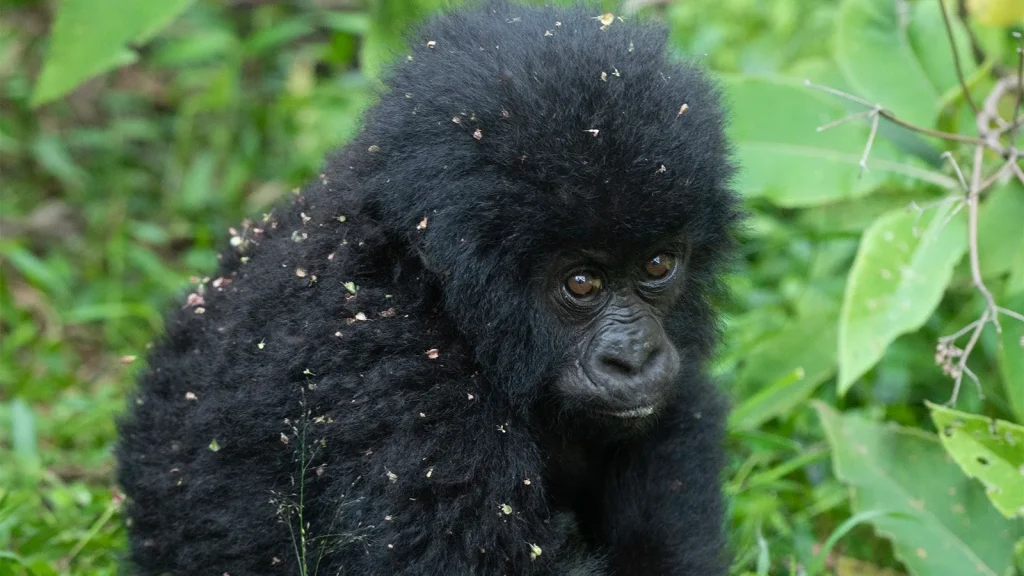
Short Gorilla Tours in Uganda. Uganda has quietly become the smartest choice on the planet for travelers who want to look a mountain gorilla in the eye without clearing three weeks off the calendar. You do not need a two-week safari to experience one of Africa’s rarest and most moving wildlife encounters. A short gorilla tour in Uganda can be as brief as two or three days, and it still delivers the full, heart-pounding experience of trekking through misty rainforest to sit quietly beside a wild gorilla family. At Kenlink Tours, we build these short gorilla tours for busy professionals, honeymooners with limited time, and travelers bolting a gorilla encounter onto a Kenya, Rwanda, or Tanzania itinerary. This guide walks you through everything you need to plan, book, and enjoy a short gorilla tour in Uganda in 2026, from permit prices and packing lists to the best itineraries and the etiquette that keeps both you and the gorillas safe.
Whether this is your first time hearing about gorilla trekking or you have been dreaming about it for years, by the end of this article you will know exactly which short gorilla tour suits your schedule, what it costs, and how to make the most of every hour in Uganda’s misty forests. We will also cover the practical details that most guides skip, from border crossing logistics between Rwanda and Uganda to the exact packing list our guides recommend, so you can arrive prepared and leave with nothing but great memories and a full camera roll.
What Makes Uganda the Best Short Gorilla Safari Destination
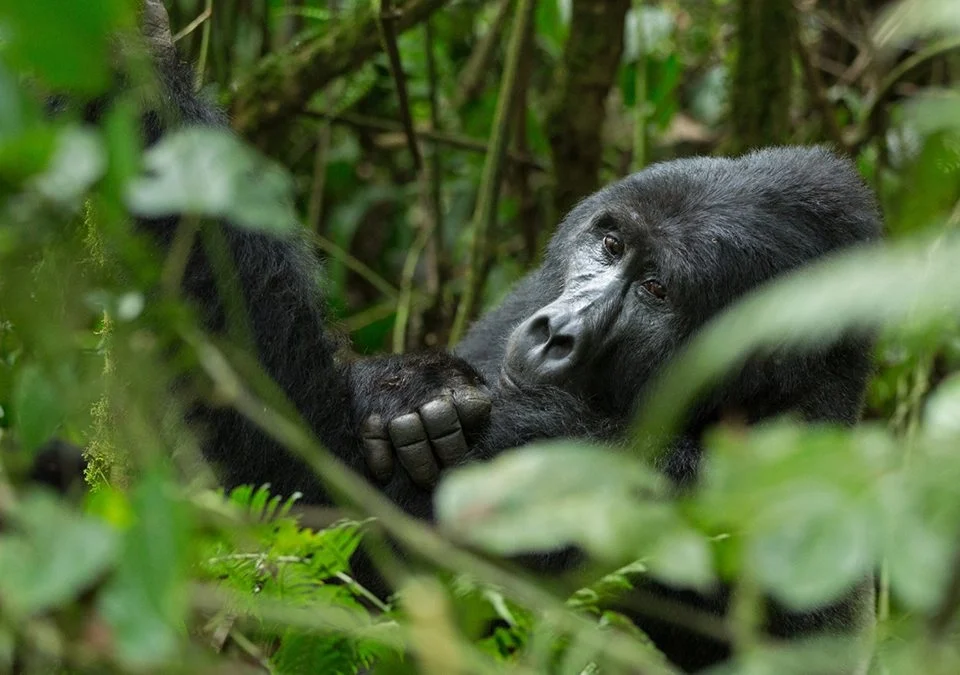
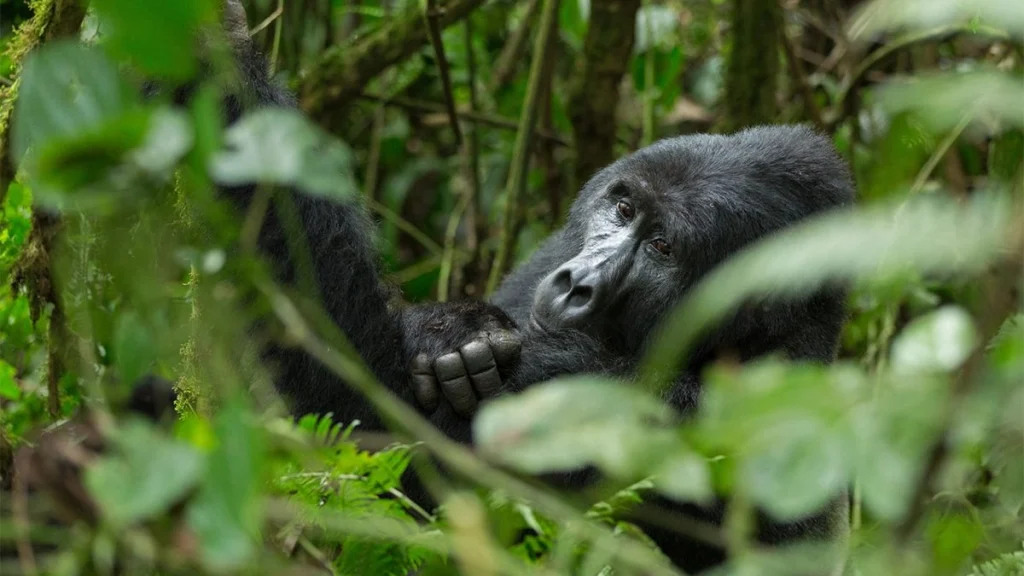
Uganda is home to roughly half of the world’s remaining mountain gorilla population, most of them living in Bwindi Impenetrable Forest, a UNESCO World Heritage Site in the country’s southwest. Unlike many wildlife encounters that require days of searching, gorilla trekking in Uganda is organized, tracked, and guided so efficiently that visitors can fly in, trek, and fly out within 48 hours if needed. Uganda’s gorilla trekking sectors sit close to Kigali International Airport in neighboring Rwanda, which means travelers landing in Kigali can be face-to-face with gorillas the very next morning. This proximity, combined with well-maintained trekking infrastructure, experienced ranger guides, and comparatively better permit availability than Rwanda, is exactly why short gorilla tours have exploded in popularity. Uganda also spreads its gorilla population across two separate parks and five trekking sectors, which gives operators far more flexibility to secure last-minute permits than destinations with a single trekking zone. Explore our full range of Uganda safaris to see how gorilla trekking fits alongside wildlife drives, chimpanzee tracking, and cultural encounters.
What Exactly Is a Short Gorilla Tour in Uganda?
A short gorilla tour is any itinerary of one to three days built specifically around a single gorilla trekking permit, with minimal extra activities layered in. These trips typically start from Entebbe, Kampala, or Kigali, transfer travelers directly to a trekking sector such as Bwindi or Mgahinga, deliver one guided trek with a habituated gorilla family, and then return guests to the airport or their next destination. Some operators, including Pick and Transfer Safaris, also offer ultra-condensed one-day options for travelers connecting through Kigali. The beauty of a short gorilla tour lies in its focus: instead of spreading your attention across ten different activities, the entire trip is engineered around that single, unforgettable hour with the gorillas.
Why Choose a Short Gorilla Tour Over a Longer Safari
Not everyone has two or three weeks to spend in East Africa, and that is precisely the gap short gorilla tours fill. Business travelers passing through the region, honeymooners combining Uganda with a beach extension in Zanzibar, and safari veterans who have already done the Serengeti or Maasai Mara often want the single bucket-list experience of gorilla trekking without committing to a full-length safari. A short gorilla tour also tends to be more budget-friendly overall, since accommodation nights, park fees for multiple activities, and long-distance transport are all reduced. Our 3-Day Uganda Gorillas Safari is one of our most booked packages precisely because it delivers maximum impact in minimum time, and it pairs beautifully with a longer Kenya or Rwanda itinerary for travelers doing a multi-country trip. It also removes decision fatigue: instead of comparing dozens of lodges, parks, and activity combinations across a two-week route, you make a handful of clear choices and let an experienced operator handle the rest.
Where to Track Mountain Gorillas: Bwindi Impenetrable Forest
Bwindi Impenetrable Forest National Park, in southwestern Uganda, is the country’s flagship gorilla trekking destination and home to more than 20 habituated gorilla families spread across four trekking sectors: Buhoma, Ruhija, Rushaga, and Nkuringo. Each sector offers a slightly different trekking experience in terms of terrain difficulty, drive times, and lodge options, but all deliver the same core reward: roughly one hour observing a wild gorilla family from a respectful distance. Rushaga and Nkuringo, in the south, are closest to the Rwanda border and are usually the sectors used for short gorilla tours starting from Kigali, while Buhoma in the north is more convenient for travelers coming from Entebbe or Queen Elizabeth National Park. You can read more about this incredible forest on the Bwindi Impenetrable Forest National Park destination page.
Mgahinga Gorilla National Park: The Alternative Trekking Base
Mgahinga Gorilla National Park sits in Uganda’s far southwest corner, within the Virunga volcanic range that Uganda shares with Rwanda and the Democratic Republic of Congo. It hosts a single habituated gorilla family, the Nyakagezi group, and is a favored alternative when Bwindi permits are fully booked or when travelers want to combine gorilla trekking with golden monkey tracking on the same trip. Because Mgahinga is even closer to the Rwandan border crossing at Cyanika than most of Bwindi’s sectors, it is often the fastest route into a short gorilla tour for anyone starting in Kigali. Learn more about the park’s trekking logistics on the Mgahinga Gorilla National Park page.
Best Short Gorilla Tour Itineraries in Uganda
There is no single “correct” short gorilla tour; the right length depends on your entry point, your onward plans, and how much buffer time you want in case of transport delays. Below are the two itineraries we book most often for clients who want a fast, efficient gorilla trekking experience without sacrificing comfort or safety margin.
The 2-Day Uganda Gorilla Safari Itinerary
A two-day gorilla tour is the fastest realistic way to trek gorillas in Uganda. Day one involves an early departure from Kigali or Entebbe, a scenic drive of roughly four to six hours to Bwindi or Mgahinga, and an overnight stay at a lodge near the park boundary. Day two starts with a 7:00 a.m. briefing at the park headquarters, followed by the trek itself, which can last anywhere from 30 minutes to six hours depending on where the gorilla family is feeding that morning. After the trek, guests are transferred back to the airport or border for departure. Our 2-Day Uganda Gorilla Safari from Kigali follows exactly this structure, and travelers connecting through Rwanda often pair it with our 2-Day Rwanda to Uganda Gorilla Trekking Safari for maximum flexibility on drive routing. For comparison, Pick and Transfer Safaris runs a similar 2-Day Uganda Gorilla Tour and an even faster 1-Day Uganda Gorilla Safari from Kigali for travelers with an extremely tight window.
The 3-Day Uganda Gorilla Safari Itinerary
A three-day gorilla tour is the itinerary we recommend most often, because it adds a crucial buffer day that absorbs any transport delays, weather issues, or simple travel fatigue without threatening your trekking permit slot. Day one is the transfer day to Bwindi with an afternoon arrival and time to relax at your lodge. Day two is trekking day, followed by an optional community walk or Batwa cultural encounter in the afternoon. Day three is the return transfer to Entebbe, Kampala, or Kigali, timed to connect with onward flights. Our 3-Day Best of Uganda Gorilla Safari and 3-Day Bwindi Gorilla Safari from Kigali are both built around this exact rhythm, giving you a comfortable pace without adding unnecessary days. Pick and Transfer Safaris offers comparable itineraries with their 3-Day Uganda Gorilla Safari and 3-Day Uganda Gorilla Safari from Rwanda, both useful references if you are comparing routing options from Kigali versus Entebbe.
Combining Gorilla Trekking with Other Uganda Highlights
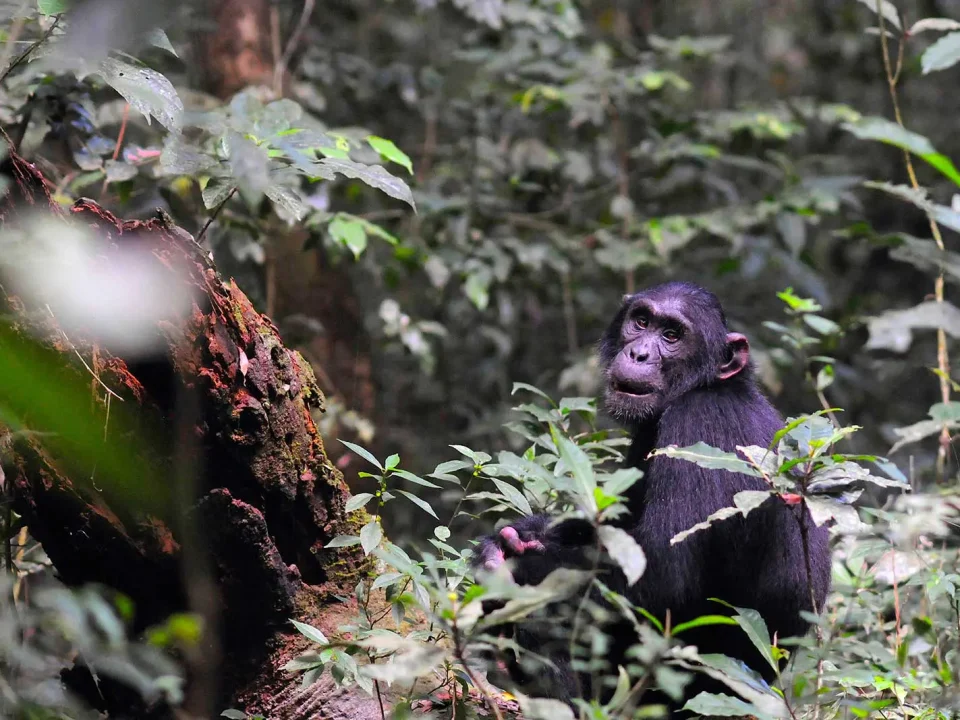
If you have even one extra day, pairing gorilla trekking with another activity dramatically increases the value of your trip. Chimpanzee tracking in Kibale Forest, wildlife drives in Queen Elizabeth National Park, or a boat cruise on the Kazinga Channel are all realistic add-ons when you extend a short gorilla tour by a day or two. Our 3-Day Chimpanzee Tracking Safari can be combined with a gorilla trek to create a full primate experience, while our 3-Day Queen Elizabeth National Park safari adds classic big-game viewing. For travelers who want both primates covered in one seamless package, our 5-Day Gorilla and Chimpanzee Tour and 5-Day Gorilla and Wildlife Safari strike an ideal balance between depth and duration. Pick and Transfer Safaris’ Kibale Forest National Park and Queen Elizabeth National Park destination pages are excellent references for understanding what these add-on parks offer before you commit to extra days.
Uganda Gorilla Permit Costs in 2026 and What They Include
A gorilla trekking permit is the single largest cost on any short gorilla tour, and understanding the pricing structure helps you budget accurately. As of 2026, the Uganda Wildlife Authority prices gorilla permits at approximately 800 US dollars for foreign non-resident visitors, around 700 US dollars for foreign residents living in Uganda, roughly 500 US dollars for other African passport holders, and about 80 US dollars for East African citizens. The permit fee covers park entrance for the day of your trek, the services of an armed ranger guide, and access to trackers who locate the gorilla family before your group sets out. Only eight visitors are allowed per habituated gorilla family per day, which is precisely why permits should be booked well in advance, especially during the peak dry seasons. Because permits sell out quickly during high season, we strongly recommend booking your short gorilla tour at least three to four months ahead, and earlier still if you are targeting the June-to-September or December-to-February windows.
Best Time of Year for a Short Gorilla Tour in Uganda
Uganda’s gorilla trekking regions can technically be visited year-round, since the forest canopy shelters trekkers from direct sun regardless of season, but trail conditions vary considerably. The two dry seasons, June through September and December through February, offer firmer trails, less mud, and generally easier hiking, which matters most on short itineraries where you cannot afford a full day lost to poor conditions. The wetter months of March to May and October to November bring lower rates at some lodges and thinner crowds, but trails become significantly more slippery, which can extend trekking times. For travelers on a two- or three-day itinerary with no flexibility to reschedule, we generally recommend targeting the dry season windows to reduce the risk of delays, since a single washed-out trail can push a trek back by hours you may not have. That said, even the shoulder months rarely see all-day rain, and many experienced trekkers actually prefer the quieter trails and greener scenery of the wetter periods. Our safari consultants can advise on exact conditions when you contact our team to plan dates.
What to Pack for Gorilla Trekking in Uganda
Because a short gorilla tour leaves little room for error, packing correctly matters more than on a longer, more forgiving safari. Essentials include sturdy, broken-in hiking boots with ankle support, waterproof outer layers, long trousers and long-sleeved shirts tucked into boots and gloves to guard against stinging nettles and biting ants, and a light daypack for water and snacks. Gardening gloves are surprisingly useful for gripping vegetation on steep sections. A rain jacket is non-negotiable even in the dry season, since Bwindi’s rainforest microclimate can produce sudden showers at any time of year. Bring a fully charged camera or phone with a spare battery, since photo opportunities during your hour with the gorillas are fleeting and you will not want to fumble with charging cables. Porters are available at every trailhead for a modest tip and are worth hiring even if you consider yourself fit, since they also help pull you up steep, muddy sections.
Physical Fitness and Trekking Difficulty
Gorilla trekking in Uganda is physically demanding, and this is one area where short gorilla tour travelers sometimes underestimate what is required. Treks can range from a gentle 30-minute walk to a strenuous six-hour hike through dense, humid, and often muddy terrain, depending entirely on where the gorilla family happens to be feeding that day. Altitude in Bwindi ranges from roughly 1,160 to 2,600 meters above sea level, which adds to the exertion for travelers not acclimatized to elevation. Rangers do their best to match trekking groups to fitness levels, and travelers with mobility concerns can request porters or, in some cases, a sedan chair carried by a team of local porters. If you are combining gorilla trekking with a very short overall trip, building in at least one rest day before your trek, rather than trekking the same day you land, significantly improves your odds of a comfortable, enjoyable hike.
Rules and Etiquette When Visiting Mountain Gorillas
Strict rules govern every gorilla trek in Uganda, and they exist to protect both visitors and an endangered species that shares roughly 98 percent of human DNA, making gorillas susceptible to many human illnesses. Visitors must maintain a minimum distance of seven meters from the gorillas at all times, though the animals themselves sometimes approach closer, in which case guides will instruct you to back away slowly. Groups are limited to eight visitors per trek, and only one hour is permitted with the gorilla family once located, regardless of how long the approach hike took. Flash photography is prohibited, eating and drinking near the gorillas is not allowed, and anyone with a cold, flu, or other contagious illness will be asked to sit out the trek to protect the gorilla family’s health. Speaking quietly, moving slowly, and following your ranger guide’s instructions at all times ensures the encounter stays safe and stress-free for the gorillas.
How to Get to Bwindi for a Short Gorilla Tour
Most short gorilla tours reach Bwindi Impenetrable Forest by road, either from Entebbe or Kampala in the north, or from Kigali, Rwanda, via the Cyanika or Katuna border crossings in the south. The drive from Kigali to the Rushaga or Nkuringo sectors typically takes between four and five hours on paved and improved roads, which is why so many short gorilla tours are structured around Kigali International Airport rather than Entebbe. Travelers with a bit more time or budget can also fly directly from Entebbe to airstrips near Bwindi such as Kihihi or Kisoro, cutting road travel time to under an hour and preserving more time for the actual trek. For travelers who prefer to self-drive between destinations, our self-drive car hire in Uganda service provides a fully equipped 4×4 vehicle, though we generally recommend a guided transfer for short, time-sensitive gorilla itineraries to avoid any routing delays.
Combining a Short Gorilla Tour with a Kigali or Rwanda Add-On
Because so many short gorilla tours begin or end in Kigali, it makes sense for many travelers to bolt on a Rwanda extension. A short stopover in Kigali city, a visit to the Kigali Genocide Memorial, or even a quick primate detour to Rwanda’s own Volcanoes National Park can be layered onto a Uganda gorilla trek without adding much travel time. Our Rwanda safaris collection includes several itineraries designed to connect seamlessly with Uganda gorilla trekking, and our 5-Day Uganda-Rwanda Double Gorilla Safari is a popular option for travelers who want to trek gorillas in both countries on a single trip. If you are researching cross-border logistics independently, Pick and Transfer Safaris’ destinations overview is a useful resource covering both Uganda and Rwanda parks side by side, and their wildlife safari itineraries page is a helpful reference if you decide to extend your trip with a classic game drive before or after your gorilla trek.
Where to Stay Near Bwindi and Mgahinga
Accommodation near Uganda’s gorilla trekking sectors ranges from simple budget guesthouses to luxury eco-lodges perched on the forest edge, and the right choice depends heavily on your itinerary length and budget. On a two-day trip, proximity to the trailhead matters more than luxury, since you want to minimize early-morning drive time before your 7:00 a.m. briefing. On a three-day trip, you have a little more flexibility to choose a lodge with better views or additional amenities, since you are not racing the clock quite as tightly. Rushaga and Nkuringo sectors have seen significant lodge development in recent years, giving short-tour travelers more mid-range and luxury options than were available even five years ago. Our safari consultants match accommodation to your exact itinerary and budget whenever you book one of our gorilla packages.
How Much Does a Short Gorilla Tour Cost Beyond the Permit
The permit is the headline expense, but a realistic budget for a short gorilla tour also needs to account for accommodation, ground transport, park entrance fees for any add-on activities, tips for guides and porters, and your Uganda or East Africa Tourist Visa. Lodging near Bwindi ranges from around 80 US dollars per night at a modest guesthouse to several hundred dollars per night at a luxury eco-lodge, and on a two- or three-day trip this is usually your second-largest cost after the permit. Private ground transport from Kigali or Entebbe, including a driver-guide and a comfortable 4×4, typically adds another 100 to 250 US dollars per day depending on distance and vehicle type. Budget roughly 15 to 20 US dollars per day for your ranger guide tip and a similar amount for porters, who genuinely make a meaningful difference on steep or muddy sections of trail. When you review our Uganda safaris pricing, all of these elements are bundled into a single transparent quote, so you know your total cost before you travel rather than discovering hidden add-ons once you arrive.
Common Mistakes to Avoid on a Short Gorilla Tour
Because a short gorilla tour has so little slack built into the schedule, small planning mistakes can have an outsized impact. The most common error is booking permits too late, since Bwindi and Mgahinga permits routinely sell out three to six months ahead during the June-to-September and December-to-February peak seasons. A second frequent mistake is scheduling a trek on the same morning as an international flight arrival, which leaves no buffer for delayed flights, slow immigration lines, or fatigue after an overnight journey. Travelers also sometimes underestimate the trek itself, arriving without proper boots or rain gear because the itinerary “only” lasts two or three days, forgetting that the physical demands of the hike are identical regardless of trip length. Finally, some independent travelers overlook border logistics between Rwanda and Uganda, arriving at the Cyanika or Katuna crossing without the correct visa already secured online, which can cost hours you simply do not have on a tight itinerary. Working with an experienced operator who plans around these pitfalls is often the difference between a smooth short gorilla tour and a stressful one, since a good ground team will already know which flights, border posts, and lodge check-in times fit together without leaving you exposed to a missed trek.
Responsible Tourism and Gorilla Conservation
Every gorilla permit purchased in Uganda directly funds conservation efforts and supports local communities living around the national parks, making gorilla tourism one of the clearest examples of tourism revenue translating into wildlife protection. Mountain gorillas were once critically endangered, and their slow but steady population recovery over the past three decades is widely credited to well-managed, permit-controlled tourism combined with anti-poaching patrols and community revenue-sharing programs. When you book a short gorilla tour, a portion of your permit fee supports schools, health clinics, and infrastructure projects in villages bordering Bwindi and Mgahinga, and community-run cultural walks such as Batwa forest experiences provide additional direct income to local families. Choosing a licensed, reputable operator and respecting all trekking rules ensures your visit contributes positively to this ongoing conservation success story rather than placing unnecessary stress on the gorilla population.
Why Book Your Short Gorilla Tour with Kenlink Tours
Planning a short gorilla tour involves more moving parts than a standard safari because timing has almost no margin for error: permits must be secured months ahead, transfers must be precisely coordinated, and lodges must be selected with your exact schedule in mind. At Kenlink Tours, we specialize in exactly this kind of tightly optimized itinerary, having built dozens of two- and three-day gorilla packages for travelers connecting through Kigali and Entebbe. Beyond our gorilla-specific packages, we also offer group tours for travelers who prefer to trek alongside other guests, and scheduled departure safaris for solo travelers who want a fixed-date, fixed-price itinerary without arranging a private group. You can read more about Kenlink Tours and our approach to Uganda safaris, or learn more about Uganda as a destination before you commit to dates. For travelers who want to extend beyond gorillas, our 7-Day Gorilla and Wildlife Safari, 8-Day Uganda Gorilla, Chimpanzee & Wildlife Safari, and 9-Day Uganda & Rwanda Gorilla and Big Five Safari all build outward from the same short-tour foundation described in this guide.
Frequently Asked Questions About Short Gorilla Tours in Uganda
Can you really trek gorillas in Uganda in just two days? Yes, provided your flight schedule allows an early arrival and your permit is booked well in advance, a two-day itinerary is a realistic, if tight, way to complete a gorilla trek. Is a three-day tour safer than a two-day tour? Generally yes, because the extra day absorbs delays without risking your permit slot, which is why we recommend three days whenever a traveler’s schedule allows it. Do I need a visa to enter Uganda for a short gorilla tour? Most nationalities require either an East Africa Tourist Visa, which also covers Rwanda and Kenya, or a single-country Uganda visa, both obtainable online before arrival. How fit do I need to be? Reasonable fitness helps, but porters, flexible group assignments, and, where necessary, sedan chairs make gorilla trekking accessible to a wide range of ability levels. Can children trek gorillas? Uganda Wildlife Authority rules require trekkers to be at least 15 years old, so short gorilla tours are typically structured for adults and older teenagers. What happens if my group does not find the gorillas? This is extremely rare thanks to trackers who locate the family before trekkers set out, but Uganda Wildlife Authority does offer a follow-up trek or partial refund policy in the unlikely event that a habituated family cannot be located.
Ready to Book Your Short Gorilla Tour in Uganda
A short gorilla tour proves that you do not need weeks of vacation time to have one of the most profound wildlife encounters on Earth. With careful planning around permits, transfers, and lodge selection, two or three days is genuinely enough to trek through Bwindi’s ancient rainforest and spend a life-changing hour beside a wild mountain gorilla family. Whether you are connecting through Kigali on a tight layover or building a longer East Africa itinerary around a single gorilla trek, Uganda offers the most efficient, well-organized gorilla trekking infrastructure on the continent. Browse our Uganda safaris collection, compare our two- and three-day gorilla packages, and reach out to contact us so our team can help you lock in permits and build the short gorilla tour that fits your exact travel window.