- EXPERT'S HELP
- +256789210067
- +256200955001
- info@kenlinktours.com


Can i book a Uganda Safari Now
October 14, 2026
Can i book a gorilla tour in Uganda Now
October 14, 2026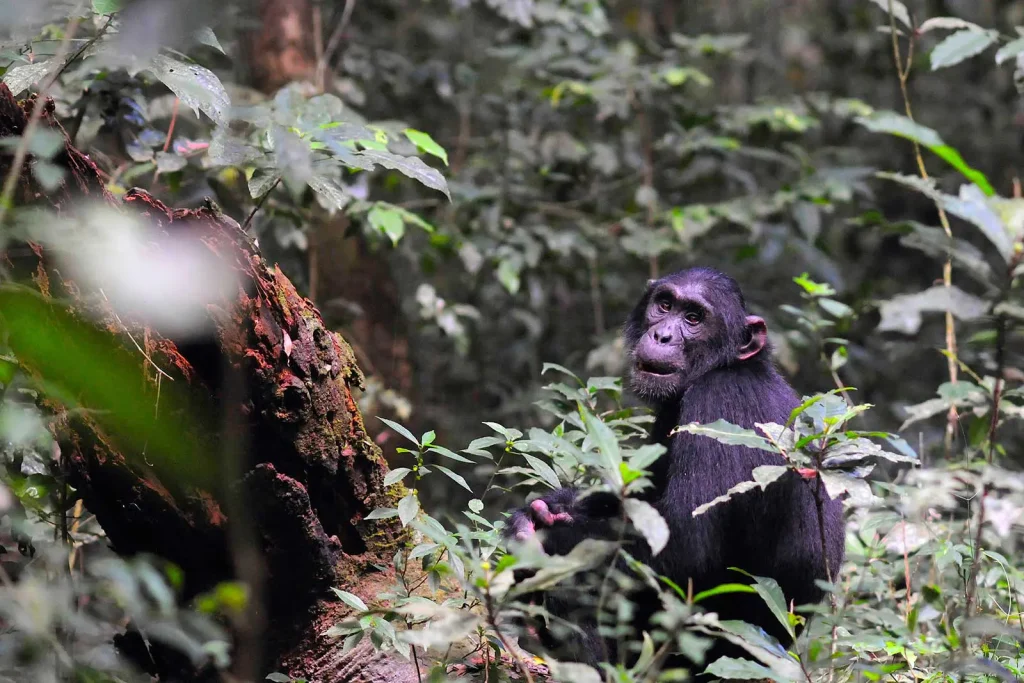
Can i book a chimpanzee tracking tour in Uganda Now. Few wildlife experiences are as thrilling as following a community of wild chimpanzees through a tropical rainforest. You hear them before you see them: pant-hoots echoing through the canopy, the drumming of hands on tree buttresses, then a sudden flash of black as a chimp swings down to the forest floor. Uganda is one of the best places in Africa for this encounter, and many travelers are asking: “Can I book a chimpanzee tracking tour in Uganda now?”
The answer is yes. Chimpanzee tracking permits are being issued, parks are open, and licensed operators are taking bookings for the coming weeks, the festive season and throughout 2027. Chimp tracking is also often easier to book at short notice than gorilla trekking, because more permits are available each day.
In this guide, the team at Kenlink Tours, a Uganda Tourism Board-licensed operator running primate safaris since 2010, explains where to track chimps, how booking works, current permit prices, the best seasons ahead, entry rules and travel advice, and the tours you can book today.
The Short Answer
- Yes, you can book a chimpanzee tracking tour in Uganda now, for travel in the coming weeks or months.
- Kibale Forest National Park is the best place to go, with around 1,500 chimpanzees and sighting success rates above 90 percent.
- International tourists must book chimp permits through a Uganda Tourism Board-licensed operator, under the Uganda Wildlife Authority’s rules.
- Book two to four months ahead for most dates, and earlier for December to February and June to September.
- Check your government’s travel advice and your insurance before booking.
Is Now a Good Time to Book Chimpanzee Tracking?
Yes. Chimpanzee tracking runs all year in Uganda. The chimps don’t migrate, and Kibale’s equatorial climate stays mild, with daytime temperatures usually in the low to mid 20s °C. What changes through the year is rainfall, trail conditions and demand.
| Travel Period | Season | Chimp Tracking Conditions | When to Book |
|---|---|---|---|
| Late October to November 2026 | Short rains | Afternoon showers, muddy trails, lush forest, fewer visitors | Now; good availability |
| December 2026 to February 2027 | Dry season | Firmer trails, busy festive period | As soon as possible |
| March to May 2027 | Long rains | Wetter trails, quieter forest, excellent birding | 1 to 3 months ahead |
| June to September 2027 | Long dry season | Ideal trekking conditions, the busiest months | 3 to 6 months ahead |
| October to November 2027 | Short rains | Similar to late 2026 | 2 to 4 months ahead |
Why the Wet Season Can Be Great for Chimps
Many guides enjoy the wetter months in Kibale. When forest trees are fruiting, chimpanzees can gather in larger, noisier groups to feed, which makes for exciting encounters. The forest is at its greenest, birdlife is spectacular and there are fewer visitors on the trails. Showers usually come in the afternoon, so morning tracking sessions are often dry.
Booking Chimp Tracking for the Festive Season
December and early January are among the busiest weeks of the year in Uganda’s parks. Chimp permits are more plentiful than gorilla permits, but morning sessions in Kibale can still fill up, and the best lodges book out early. If you’re planning a holiday trip, book now. Learn more about the country on our Uganda destination guide.
Where Can I Track Chimpanzees in Uganda?
Uganda has several chimpanzee tracking sites. Here’s how the main ones compare:
| Location | Chimp Population | Sighting Reliability | Best Combined With |
|---|---|---|---|
| Kibale Forest National Park | About 1,500, the largest in Uganda | Very high, typically above 90% | Queen Elizabeth National Park, Bwindi gorillas |
| Budongo Forest (Murchison Falls) | Several hundred | Good | Murchison Falls game drives and Nile cruises |
| Kyambura Gorge (Queen Elizabeth) | A small community | Less predictable | Queen Elizabeth game drives and Kazinga Channel cruise |
Kibale Forest National Park: The Primate Capital of the World
Kibale protects about 795 square kilometers of moist evergreen rainforest near Fort Portal in western Uganda. Besides its chimps, it is home to 12 other primate species, including red colobus, black-and-white colobus, L’Hoest’s monkeys and grey-cheeked mangabeys, plus more than 370 bird species.
Tracking starts at the Kanyanchu visitor center, with morning and afternoon sessions. Small groups follow a ranger guide into the forest and, once the chimps are found, spend one hour watching them. For a deeper look, see Pick and Transfer Safaris’ guide to Kibale Forest National Park.
The Chimpanzee Habituation Experience in Kibale
For serious wildlife lovers and photographers, the Chimpanzee Habituation Experience lets you spend much of the day with a chimp community still being accustomed to people. You join researchers early in the morning as the chimps leave their nests and follow them as they feed, travel, rest and socialize. Places are limited, so book further ahead than for standard tracking.
Budongo Forest
Budongo Forest, on the southern edge of the Murchison Falls Conservation Area, is East Africa’s largest mahogany forest. Chimp tracking takes place in the Kaniyo Pabidi section, among towering mahogany and ironwood trees. It pairs perfectly with a northern safari to Murchison Falls National Park, where the Nile thunders through a narrow gorge.
Kyambura Gorge
Nicknamed the “Valley of Apes,” Kyambura Gorge is a sunken forest cutting through the savannah of Queen Elizabeth National Park. A small chimp community lives on the gorge floor. Sightings are less certain than in Kibale, but the setting is dramatic and it’s an easy add-on to a game safari.
Bigodi Wetland Sanctuary
Just outside Kibale, the community-run Bigodi Wetland Sanctuary offers gentle boardwalk walks through papyrus swamp, with over 200 bird species, including the great blue turaco, and several monkey species. Most travelers combine a morning chimp trek with an afternoon Bigodi walk.
Chimpanzee Permit Rules: Who Can Book Directly?
The Uganda Wildlife Authority’s permit purchase guidelines and conservation tariff state that gorilla and chimpanzee permits for foreign non-residents and Rest of Africa visitors can only be booked through tour operators licensed by the Uganda Tourism Board. Foreign residents of Uganda and East African citizens can book directly with UWA.
Chimpanzee Permit Prices
UWA’s published tariff sets these rates for foreign non-residents:
| Activity | Foreign Non-Resident Price |
|---|---|
| Chimpanzee tracking in Kibale | US$250 |
| Chimpanzee Habituation Experience in Kibale | US$300 |
Rates for Budongo and Kyambura Gorge are lower than Kibale. Foreign residents and East African citizens also pay lower rates. UWA has announced tariff changes from January 2027, so ask your operator to confirm the exact price for your dates. Even at Kibale’s rate, chimp tracking costs far less than a gorilla permit, which makes it one of the best-value primate experiences in Africa.
How to Book a Chimpanzee Tracking Tour Now
- Check your travel advice and insurance for Uganda (see below).
- Choose a licensed operator. Check the company on the Uganda Tourism Board list of licensed tour operators.
- Share your dates and plans. Tell the operator your preferred dates, group size, morning or afternoon session preference, lodge level and whether you’d like to add gorillas or a wildlife safari.
- Get an availability check and itinerary. The operator confirms permit availability and sends a quote, usually within 24 hours.
- Send passport details and pay. UWA needs each tracker’s full name, nationality, date of birth and passport number.
- Receive your confirmation, including a copy of your permit and your final itinerary.
If permits are available, chimp tours can often be confirmed within a day or two, which makes them a great option for short-notice trips.
Entry Requirements and Travel Advice Right Now
- Visa: most visitors need a Uganda e-visa, applied for online before travel, or an East Africa Tourist Visa if visiting Kenya and Rwanda too.
- Yellow fever: in October 2026, Uganda’s immigration authorities confirmed that a yellow fever certificate is no longer a mandatory entry requirement, and the UK government updated its Uganda travel advice to reflect this. Vaccination is still recommended, so speak to a travel health professional.
- Ebola and travel advisories: Uganda’s Ebola outbreak, which began in May 2026, was declared over on 28 July 2026, but an outbreak in neighbouring DR Congo is continuing. Advice differs between governments: for example, the US has a Level 4 “Do Not Travel” advisory, and Canada advises avoiding non-essential travel.
Before booking, read your own government’s current advice and confirm your travel insurance will cover the trip. If your advice is restrictive right now, you can still plan for a later date and ask your operator about flexible terms.
Chimpanzee Tracking Tours You Can Book Now
Whether you have a long weekend or a couple of weeks, there’s a chimp tour to suit you.
2 to 3-Day Chimpanzee Tours
The quickest way to see chimps from Kampala or Entebbe:
- Day 1: drive west to Kibale via Fort Portal’s tea estates and crater lakes, with an afternoon Bigodi Wetland walk.
- Day 2: morning chimp tracking in Kibale, then return, or continue to Queen Elizabeth.
- Day 3 (optional): a game drive or Kazinga Channel cruise in Queen Elizabeth before returning.
See our 3-Day Chimpanzee Tracking Safari and 3 Days Chimp Tracking Safari to Kibale, or Pick and Transfer Safaris’ 3 Days Chimpanzee Tour in Uganda.
Chimpanzees and Wildlife
Pair chimps with a classic Big Game safari in Queen Elizabeth National Park, with game drives, the Kazinga Channel cruise and the tree-climbing lions of Ishasha:
- 4 Days Uganda Primate Tour
- 3 Days Queen Elizabeth National Park safari, easily combined with Kibale
- Pick and Transfer Safaris’ 4 Days Wildlife and Primate Safari
For a northern route, combine Budongo chimps with Murchison Falls, as on Pick and Transfer Safaris’ 3 Days Safari to Murchison Falls.
Chimpanzees and Gorillas
Uganda is the best country in Africa to see both great apes on one trip:
- 5 Days Chimps and Gorilla Safari
- 5 Days Gorilla and Chimpanzee Tour in Uganda
- 8-Day Uganda Gorilla, Chimpanzee and Wildlife Safari
- Pick and Transfer Safaris’ 5-Day Uganda Gorilla and Chimpanzee Safari
Gorilla permits sell out faster than chimp permits, so if you’re adding gorillas, book as early as possible.
Longer Primate and Wildlife Safaris
- 10 Days Best of Uganda Primates, Wildlife and Culture
- 25-Day Wildlife, Gorilla and Chimps Uganda Adventure
- Pick and Transfer Safaris’ 10 Days Uganda Primates and Wildlife
Chimpanzees in Rwanda
If you’re based in Kigali, Rwanda’s Nyungwe Forest National Park also offers chimp tracking, along with a famous canopy walk. See our 3-Day Nyungwe Forest National Park Tour or Pick and Transfer Safaris’ 2 Days Nyungwe Chimps Tracking Trip.
Budget and Self-Drive Options
Traveling solo or on a budget? Join one of our group tours, or hire a 4×4 from our car hire service and drive yourself to Kibale. Kibale is about five to six hours from Kampala on mostly good roads, but you’ll still need a licensed operator to book your chimp permit if you’re an international tourist.
What to Expect on a Chimpanzee Trek
A typical Kibale chimp trek follows this pattern:
- Briefing: arrive at the Kanyanchu visitor center for a briefing from UWA rangers on chimp behavior and trekking rules.
- Into the forest: your small group follows a ranger guide along forest trails, listening for calls and looking for fresh signs of the chimps.
- The search: chimps move quickly, so you may need to walk briskly or change direction. Searches usually take between 30 minutes and a few hours.
- The encounter: once you find the community, you spend one hour watching them feed, groom, play, rest and call to each other, sometimes high in the canopy and sometimes on the ground nearby.
- Return: you walk back to the visitor center, often spotting monkeys and birds along the way.
The whole experience usually takes two to five hours. The terrain in Kibale is mostly flat or gently rolling, so it’s generally easier than gorilla trekking in Bwindi.
Chimpanzee Tracking Rules
These rules protect both you and the chimps:
- Minimum age: chimp tracking in Kibale is generally open to visitors aged 12 and over.
- Keep your distance: stay at least eight meters from the chimps.
- Don’t track if you’re unwell: chimpanzees can catch human illnesses, and you may be asked to wear a face mask near them.
- No eating, drinking or smoking near the chimps.
- Speak quietly and avoid sudden movements.
- No flash photography.
- Follow your ranger’s instructions at all times, especially if chimps move close or display.
What to Pack for Chimp Tracking
- Comfortable waterproof walking shoes or boots with good grip
- Long trousers and long-sleeved shirts in neutral colors to protect against insects and nettles
- A light rain jacket, especially from October to November and March to May
- Long socks or gaiters to keep safari ants out
- Binoculars for spotting chimps and monkeys in the canopy
- A camera with a fast lens for low forest light (no flash)
- Insect repellent and a small daypack with water and snacks
- Your passport, which rangers may check against your permit
Common Mistakes to Avoid
- Not checking travel advice and insurance before paying
- Using unlicensed agents. International tourists must book chimp permits through UTB-licensed operators
- Assuming every site is the same. Kibale offers the most reliable sightings; Kyambura is less predictable
- Booking flights or lodges before the permit, especially if you’re also adding gorillas
- Forgetting age limits, with 12 and over for chimps in Kibale and 15 and over for gorillas
- Relying on outdated advice. Entry rules changed in October 2026, so check recent sources
Why Book Your Chimpanzee Tour With Kenlink Tours
Since 2010, Kenlink Tours has guided travelers to Uganda’s chimpanzees, gorillas and wildlife. With us, you get:
- A UTB-licensed operator that books chimp and gorilla permits directly through UWA’s system
- Fast replies with real-time permit availability, usually within 24 hours
- Honest advice on the best chimp site, session and season for you
- Experienced driver-guides who know Kibale, Budongo and Kyambura well
- Flexible itineraries, from short chimp trips to combined gorilla and wildlife safaris
- Clear terms and secure payments, with invoices for every transaction
- Community support: part of our profits helps the Kigezi Foundation care for orphaned children in southwestern Uganda
Read more on our About Us page. For more inspiration, compare Pick and Transfer Safaris’ 7 Days Uganda Safari one-week tour, or read about Rwanda’s chimp forest on their Nyungwe Forest National Park guide.
Frequently Asked Questions
Can I book chimpanzee tracking in Uganda right now?
Yes. Permits are being issued, and licensed operators are taking bookings for the coming weeks, the festive season and 2027. Availability is usually good in late October and November.
Is chimp tracking easier to book than gorilla trekking?
Usually, yes. More chimp permits are available each day, so short-notice bookings are often possible, especially outside the peak months.
How much is a chimpanzee permit in Uganda?
UWA’s published rate for foreign non-residents is US$250 for chimp tracking in Kibale and US$300 for the Chimpanzee Habituation Experience. Budongo and Kyambura are cheaper. UWA has announced tariff changes from January 2027, so confirm the rate for your dates.
Can tourists buy chimp permits directly from UWA?
No. International tourists must book chimp permits through a Uganda Tourism Board-licensed operator. Foreign residents and East African citizens can book directly.
What is the minimum age for chimpanzee tracking?
In Kibale, the minimum age is generally 12 years.
Is it safe to travel to Uganda for chimp tracking now?
Uganda declared its 2026 Ebola outbreak over on 28 July 2026, and parks are open. However, travel advice differs between governments, and some advise against travel. Check your government’s current advice and your insurance before booking.
Can I combine chimps and gorillas on one trip?
Yes. Kibale and Bwindi are linked by Queen Elizabeth National Park, so a five to eight-day safari covers chimps, gorillas and Big Game comfortably.
Yes, You Can Book Chimpanzee Tracking in Uganda Now
Chimpanzee tracking in Uganda is open for booking, with permits available for the months ahead and throughout 2027. Kibale Forest offers the most reliable sightings in East Africa, while Budongo and Kyambura add variety to northern and savannah routes. Chimp tracking is also more affordable and often easier to book at short notice than gorilla trekking.
To book with confidence, check your government’s travel advice and insurance, choose a licensed operator, book early for peak months and ask about flexible terms.
Ready to meet Uganda’s chimpanzees? Contact Kenlink Tours today with your dates and interests, and our team will reply within 24 hours with permit availability and a free, tailor-made itinerary.