- EXPERT'S HELP
- +256789210067
- +256200955001
- info@kenlinktours.com


Rwanda Tour Companies that arrange Uganda Safaris
September 15, 2026
How much is transfer from Kigali to Bwindi
September 15, 2026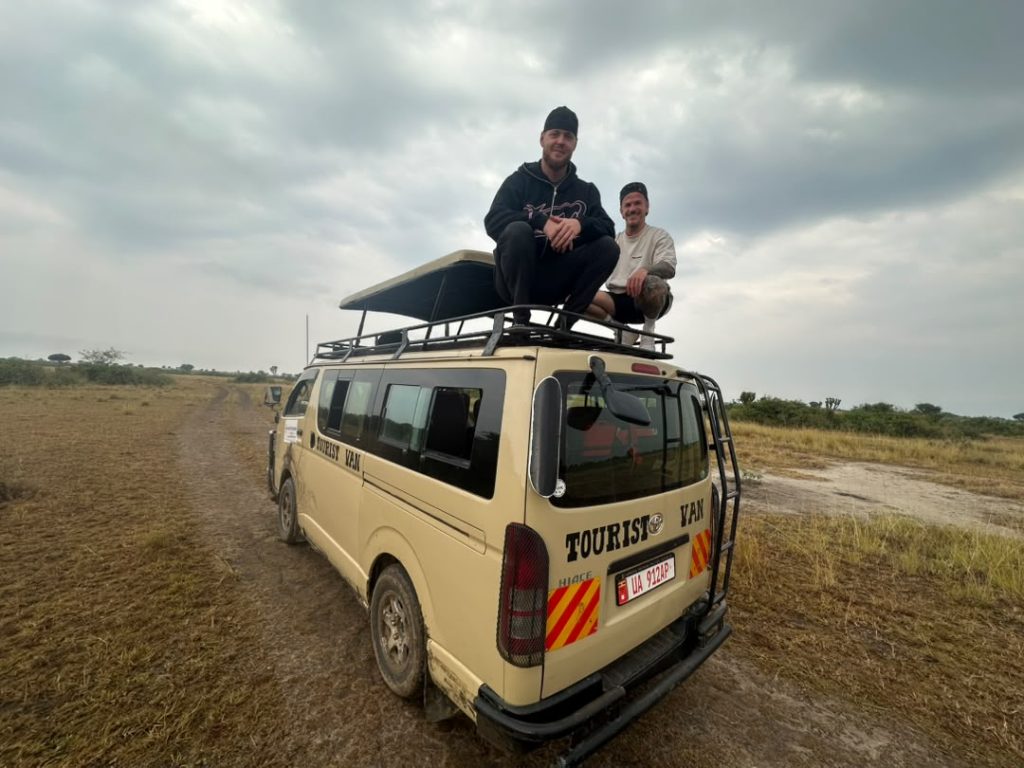
Companies offering Transfers from Kigali to Bwindi National Park. Bwindi Impenetrable Forest is close enough to Kigali that a dedicated cross-border transfer, rather than a full multi-day safari package, is often exactly what travelers need — especially those who already have their gorilla permit sorted and simply need reliable transport from the airport or their Kigali hotel to the park. This guide covers exactly how a Kigali-to-Bwindi transfer works, what should be included in a proper quote, how it differs from a full guided safari, and which companies run this specific route regularly. Whether you’re a solo traveler with a permit already in hand, a couple planning a quick two-day trek, or a travel agent sourcing a reliable transfer partner for clients, the same core questions apply: which border crossing, what vehicle, what’s included, and how delays are handled.
Why Travelers Look Specifically for a Kigali-to-Bwindi Transfer
Not every traveler heading to Bwindi wants a fully guided multi-day safari package. Some have already booked their gorilla permit and lodge independently and just need dependable point-to-point transport; others are extending an existing Rwanda trip with a single day of gorilla trekking and want the simplest possible logistics; and some are travel agents or tour designers sourcing a reliable transfer partner for clients as one component of a larger itinerary they’re building themselves. For all of these travelers, the question isn’t “which safari package should I buy” but specifically “which companies offer transfers from Kigali to Bwindi” — a narrower, more practical question this guide answers directly. If you’re still deciding between a transfer-only booking and a full package, our overview of Uganda safaris is a useful starting point for comparison.
What a Kigali-to-Bwindi Transfer Actually Includes
A proper transfer service should cover door-to-door transport from your Kigali hotel or the airport to your Bwindi lodge, the Cyanika border crossing with driver assistance on vehicle paperwork, and typically a stop for lunch or fuel roughly at the midpoint. What it usually does not include, unless specifically added, are gorilla trekking permits, park entry fees, or accommodation — those are generally arranged separately, either by the traveler directly or bundled in if you book a fuller package instead of a pure transfer. Always confirm exactly where your transfer picks up and drops off, since “Kigali” can mean the airport, a specific hotel, or the general city center, and getting this detail wrong is one of the most common sources of confusion when booking. It’s also worth clarifying whether the transfer is guided in any meaningful sense — some drivers double as informal guides who can answer questions about the route, wildlife, or local culture along the way, while others provide purely functional point-to-point transport with minimal commentary. Neither is wrong, but knowing which you’re getting helps set expectations for the drive itself.
The Route: Kigali to Bwindi via the Cyanika Border
The standard route from Kigali to Bwindi runs via the Cyanika border post near Kisoro, a drive of roughly 4 to 5 hours covering the most direct path between Rwanda’s capital and Uganda’s premier gorilla trekking park — one of the shortest international border-to-park routes anywhere in East African safari travel. The road is well-tarmacked for the majority of the journey, passing through scenic terraced hillsides on both sides of the border before the final stretch into the park area switches to graded murram track. An alternative route via the Katuna border is longer and generally only used when a traveler’s itinerary also includes stops further into central Uganda first. For the specifics of this exact crossing, our guide on starting a trip from Rwanda to Uganda covers the logistics in more depth.
Airport Transfers to Kigali Hotels Before the Bwindi Leg
Most Kigali-to-Bwindi transfer bookings actually start a step earlier than the border drive itself: getting from Kigali International Airport to your hotel the night before departure. This first-leg airport transfer is usually arranged by the same company handling your Bwindi transfer, removing the need to coordinate two separate pickups after a long flight. Our guide on landing in Kigali or Entebbe for a gorilla safari covers how this first leg typically fits into an overall Bwindi-bound itinerary, including realistic timing between your flight’s arrival and the following morning’s departure for the border.
Crossing at Cyanika: What to Expect
Cyanika handles daily tour traffic between Kigali and Bwindi and is generally efficient for travelers on an organized transfer, with your driver managing vehicle documentation while you complete immigration formalities on foot across a short stretch of no-man’s-land. Have your passport, visa approval letter, and yellow fever vaccination certificate accessible rather than packed in checked luggage, since all three are commonly requested here. Processing typically takes 30 minutes to just over an hour depending on how busy the post is that day. For a first-hand account of how this specific crossing plays out on a same-day transfer, Pick and Transfer Safaris’ one-day Uganda gorilla safari starting from Kigali documents the Cyanika crossing in practice.
Visa Requirements for a Kigali-to-Bwindi Transfer
Most travelers taking this transfer will need either a standard Uganda tourist visa or the East Africa Tourist Visa, which covers Rwanda, Uganda, and Kenya under one 90-day, multiple-entry application — a natural fit for a trip that starts in Rwanda and crosses into Uganda partway through. The East Africa Tourist Visa costs around 100 USD, requires a passport valid for at least six months, a passport photo, a yellow fever certificate, and proof of return travel, and must be applied for through the country you enter first. It cannot be extended or renewed once inside the bloc, so make sure your approved dates line up with your actual transfer date. Apply at least two to three weeks ahead of travel and carry both a digital and printed copy of your approval letter, since it gets checked again at Cyanika even if you already cleared immigration in Kigali.
Shared Transfers vs Private Transfers
Companies offering Kigali-to-Bwindi transfers generally provide two formats. Shared transfers combine several travelers heading to Bwindi on the same day into one vehicle, which lowers the per-person cost but means departure times are fixed around the group rather than your personal preference. Private transfers cost more but give full control over departure time, allow stops wherever you want along the route, and suit travelers with an early gorilla trekking briefing the following morning who don’t want a shared vehicle’s schedule dictating their arrival time. Solo travelers and couples on a budget often lean toward shared transfers where available, while families, photographers, and anyone with a tight trekking-morning deadline generally find the extra cost of a private transfer worthwhile.
Vehicle Types Used on This Route
Most operators run 4×4 safari vehicles — Toyota Land Cruisers or similar — on the Kigali-to-Bwindi route rather than standard sedans, since the final approach into Bwindi’s lodge areas involves unpaved, sometimes steep terrain that a standard car struggles with, particularly during the wetter months. Vehicles are typically configured with pop-up roofs or large windows for game viewing if your transfer includes any wildlife-spotting stops along the way, though a pure point-to-point transfer usually prioritizes direct travel time over sightseeing detours. If you have specific vehicle requirements — extra luggage space, a child seat, or mobility considerations — confirm these directly with your chosen operator before booking rather than assuming standard equipment will meet your needs.
How Much Does a Kigali-to-Bwindi Transfer Cost?
Pricing depends on whether you book a shared or private vehicle, how many passengers are traveling, and whether the transfer is a same-day one-way trip or includes a return leg. Private transfers for a small group typically cost more per person than a shared transfer, but the total price is often similar once split evenly among three or four travelers sharing a private vehicle instead of joining a shared shuttle. It’s worth asking directly whether a quoted price includes the border crossing assistance, fuel, and driver costs as one figure, or whether any of these are billed separately, since bundled quotes are far easier to compare across operators. For a useful benchmark on how comparable operators price this route, Pick and Transfer Safaris — whose name reflects exactly this kind of point-to-point transfer service — publishes pricing for similar Kigali-departure routes worth cross-checking against any quote you receive. Currency is worth planning for too: quotes are commonly given in US dollars regardless of where you’re crossing, while day-to-day incidentals along the route, like lunch stops or small purchases at the border, are easier to cover in local currency once you have some on hand.
Companies That Offer Transfers from Kigali to Bwindi
Several operators run this specific route regularly, though the depth of service varies meaningfully between a pure point-to-point transfer and a fuller guided experience along the way. Kenlink Tours offers Kigali-to-Bwindi transport as part of structured itineraries such as our 2-day Uganda gorilla safari starting from Kigali and 3-day Bwindi gorilla safari starting from Kigali, both of which include the transfer itself alongside trekking permits and accommodation rather than selling transport alone. Pick and Transfer Safaris — as the name suggests — specializes specifically in this kind of pick-up-and-transfer service, and their 2-day Uganda gorilla tour starting from Kigali, 3-day Uganda gorilla safari from Rwanda, and 5-day Uganda gorilla and chimps safari starting from Rwanda all center on this exact Cyanika transfer as the backbone of the trip. Their Bwindi Impenetrable Forest National Park destination guide is also a useful reference for understanding what awaits at the end of the drive, and their full safaris listing gives a sense of the broader range built around this same route.
Full-Service Operators vs Pure Transfer Specialists
It’s worth understanding the difference between a full-service safari operator that includes a Kigali-to-Bwindi transfer as one component of a broader trekking package, and a company whose core business is specifically the transfer itself. Full-service operators like Kenlink Tours typically bundle the drive together with permit booking, lodge reservations, and a guide who stays with you through the trek itself, which suits travelers who want one company responsible for the entire experience and a single point of contact if anything needs adjusting along the way. Transfer specialists focus narrowly on getting you from point A to point B reliably and are often the more cost-effective choice for travelers who have already arranged their permit and lodge independently and genuinely just need transport. Neither model is better in the abstract — the right choice depends on how much of the rest of your trip you’ve already organized yourself, and how much you value having one company accountable for every piece of the journey versus assembling the pieces yourself from specialists.
One-Way vs Return Transfers
Most companies offering this route can arrange either a one-way transfer or a full return trip, and it’s worth deciding which you need before requesting quotes, since pricing structures differ. A one-way transfer suits travelers who plan to continue onward from Bwindi to another Uganda destination — Queen Elizabeth National Park or Kibale Forest, for example — rather than returning to Kigali. A return transfer suits travelers doing a quick out-and-back gorilla trek before heading home via Kigali Airport. Confirm with your operator whether the same vehicle and driver handle both legs of a return trip or whether a different vehicle picks you up in Bwindi for the return journey, since continuity here affects both convenience and reliability.
Combining a Transfer with Gorilla Permit Booking
Because gorilla trekking permits are issued in limited numbers per day by the Uganda Wildlife Authority, many travelers find it simpler to book their transfer and permit through the same company rather than coordinating two separate bookings that both need to land on the same date. Operators who handle both can confirm permit availability first and build the transfer schedule around it, removing the risk of arranging transport for a date the park doesn’t actually have space for. Our starting a trip from Rwanda to Uganda guide and contact page are both useful starting points if you’d rather have permit and transfer handled together rather than separately.
Same-Day vs Overnight Transfer Options
Given the roughly 4 to 5 hour drive time, some travelers attempt a same-day Kigali-to-Bwindi transfer timed to arrive just ahead of the next morning’s trekking briefing, while others prefer an overnight stop or simply build in a buffer day before the trek itself. A tightly timed same-day transfer leaves little room for flight delays, border queues, or road conditions, so it’s generally only recommended for travelers with genuinely limited time and a realistic contingency plan if something runs late. Building in an extra night — either in Kigali before departure or in Bwindi before your trekking date — significantly reduces the risk of missing a permit date that can’t easily be rebooked.
What to Look for When Choosing a Transfer Company
A handful of specific checks help separate a reliable transfer operator from a less dependable one on this route. Confirm the vehicle type matches what’s needed for the unpaved final stretch into Bwindi, ask whether the same driver handles the entire journey including the border crossing, and get clarity on exactly what’s included in the quoted price — fuel, border assistance, and any meal stops should be spelled out rather than left ambiguous. Ask how the company handles delays, whether from your flight into Kigali or from border congestion, and what their policy is if a delay pushes your arrival past a scheduled trekking briefing. A company that answers these questions specifically, rather than with vague reassurance, is generally the safer choice.
Questions to Ask Before Booking a Transfer
Before confirming any Kigali-to-Bwindi transfer, ask exactly which border post the driver uses and why, whether the price includes border-crossing assistance and fuel, what vehicle type will be used, and what happens if your flight into Kigali is delayed. It’s also worth asking whether the driver stays with you at your Bwindi lodge overnight in case you need a return transfer arranged on short notice, or whether a different driver picks up that leg. For travelers booking a pure transfer without a bundled permit, confirm the company can still advise on realistic timing relative to your park briefing, even if they aren’t the ones booking your permit directly.
Red Flags to Watch For
A few warning signs are worth taking seriously when comparing transfer operators for this route. Be cautious of quotes with no clear vehicle type specified, since a standard sedan is a poor fit for the unpaved approach into Bwindi, particularly in wetter months. Be wary of operators who can’t clearly explain how the Cyanika border crossing works or who seem unfamiliar with the route when asked specific questions about timing and stops. A lack of any verifiable online presence, or an inability to provide a direct phone contact for the driver on the day of travel, are both reasons to look elsewhere. None of these signs alone is disqualifying, but more than one together is worth taking seriously before paying a deposit.
Combining Your Transfer with a Kigali City Stay
Since most Kigali-to-Bwindi transfers depart from the city itself, it’s worth considering whether to build in time to see Kigali before your transfer departs, particularly if you’re arriving on a long-haul flight and want a rest day before the multi-hour drive. Our 1-day Kigali city tour is designed to fit into exactly this kind of gap, and Pick and Transfer Safaris also covers Kigali sightseeing in their own destination guide if you’d like a second set of suggestions for how to spend the time before departure.
Extending Beyond Bwindi: Onward Transfers to Other Parks
Many travelers who book a Kigali-to-Bwindi transfer aren’t stopping there, and it’s worth confirming upfront whether your operator can also arrange onward transport to Queen Elizabeth National Park, Kibale Forest, or further afield, rather than treating Bwindi as a dead end requiring a separate booking for the next leg. Our 3-day wildlife encounter to Queen Elizabeth National Park and 7-day tour covering Murchison, Kibale, Queen Elizabeth, and Bwindi both illustrate how a single operator can carry you onward from Bwindi rather than requiring a second company partway through your trip. Pick and Transfer Safaris’ Queen Elizabeth National Park destination guide is a useful reference for that onward leg as well. Travelers building a longer loop sometimes also add Rwanda’s own parks before or after the Bwindi crossing — our Rwanda safaris page and 5-day gorilla trekking safari from Kigali to Uganda both show how this transfer fits into a broader multi-park itinerary rather than standing alone.
Car Hire and Self-Drive as an Alternative to a Booked Transfer
Some travelers consider self-driving the Kigali-to-Bwindi route instead of booking a transfer, though this requires comfort with cross-border vehicle insurance, temporary import permits, and unfamiliar road conditions on the unpaved final stretch into the park. For travelers weighing this option, our car hire page outlines vehicle types and what’s typically included, and it’s worth discussing cross-border insurance requirements with your rental provider well before departure, since these differ from a Rwanda-only or Uganda-only rental agreement.
Group Transfers vs Booking Through a Full Package
Travelers weighing a standalone transfer against booking a full package that includes the transfer, permit, and accommodation together should consider how much of the rest of their trip is already arranged. If you’ve already secured a permit and lodge independently, a standalone transfer from a specialist like Pick and Transfer Safaris may be the more cost-effective option. If you’re starting from scratch, a bundled package through an operator like Kenlink Tours often works out simpler and sometimes cheaper overall, since permit booking, accommodation, and transport are coordinated as one transaction rather than three separate bookings that all need to align on the same dates. Our group tours page lists current scheduled departures for travelers who’d rather join a fixed-date bundled trip than arrange a standalone transfer.
Comparing Quotes: A Practical Checklist
When you have quotes from more than one transfer company, a short checklist makes comparison far easier than eyeballing the headline price alone. Confirm each quote specifies the exact pickup point, vehicle type, whether border-crossing assistance and fuel are included, and whether the price covers one-way or return travel. Check whether a driver stays with you through the border or hands off to a different vehicle on the Ugandan side, since this affects both continuity and total travel time. Ask each operator the same handful of questions — delay policy, group size flexibility, and what happens if a gorilla permit date needs to shift — and compare the specificity of their answers rather than just the number at the bottom of the quote. A slightly higher-priced transfer from an operator who answers every question precisely is usually the safer choice over a cheaper one with vague or incomplete answers.
After Your Trek: Arranging the Return Transfer
It’s worth thinking through your return journey at the same time you book the outbound transfer rather than leaving it for later. Some travelers return directly to Kigali the same day as their gorilla trek, which makes for a long day given the trekking itself can run anywhere from one to six hours before the multi-hour drive back even begins; others prefer an overnight in Bwindi after trekking, departing fresh the next morning. If your itinerary continues onward to another Uganda park rather than back to Kigali, confirm this with your transfer operator upfront, since not every company running the Kigali-to-Bwindi leg also handles onward transport deeper into Uganda. Locking in your return or onward transfer alongside the outbound booking avoids a last-minute scramble to arrange transport once you’re already in the park.
Best Time of Year to Book This Transfer
The Kigali-to-Bwindi route is drivable year-round, but road conditions on the unpaved final stretch into the park are noticeably easier during Uganda’s dry seasons, December to February and June to September. These months also coincide with peak gorilla trekking demand, so both transfer vehicles and permits should be booked well in advance if your trip falls in this window. The wetter months bring a higher chance of delays on the final unpaved approach but also lower rates and thinner crowds at the border crossing itself. Whichever season you’re traveling in, build a reasonable time buffer into your schedule rather than cutting the connection between your Kigali arrival and your Bwindi trekking date too close.
Group Size and Luggage Considerations
Vehicle capacity is worth confirming before booking, since a standard 4×4 used on this route typically seats between four and seven passengers comfortably with luggage, and some operators will consolidate smaller shared bookings into a single vehicle up to that limit. If you’re traveling with bulky luggage, camera equipment, or additional gear, mention this when booking so the operator can confirm capacity or upgrade to a larger vehicle if needed. Families or small groups of four or more often find that booking a private vehicle costs about the same per person as a shared transfer once the group fills the vehicle, while also gaining full control over departure time and stops along the way. Solo travelers should ask directly whether a shared transfer is actually running on their preferred date, since some routes only consolidate several travelers reliably during peak trekking season.
Health and Safety on the Journey
The Kigali-to-Bwindi drive is a well-traveled, generally safe route used by tour vehicles daily, but a few standard precautions are worth keeping in mind. Both Rwanda and Uganda require proof of yellow fever vaccination for entry, so keep your certificate accessible rather than in checked luggage. Comprehensive travel insurance covering medical evacuation is worth having given how remote parts of Bwindi’s surrounding terrain are, and it’s reasonable to ask your transfer operator whether they carry basic first-aid equipment in the vehicle as standard. Road conditions are generally good on the tarmacked sections, with more caution needed on the unpaved final approach into the park, particularly during the wetter months when the surface can become slippery.
Sample Booking Process: From Inquiry to Pickup
Booking a Kigali-to-Bwindi transfer typically follows a similar pattern across most reliable operators. You start by sharing your preferred travel date, group size, and pickup location — airport or a specific hotel — after which the operator confirms vehicle availability and, if relevant, gorilla permit availability for the same window. A written quote itemizing the transfer cost, any border-crossing assistance fees, and what’s included follows, and a deposit typically secures the booking once you confirm. Most operators reconfirm pickup time and driver details a day or two before departure, and a good one will proactively track your incoming flight if the transfer starts at the airport rather than expecting you to call ahead with updates.
Tipping and Extra Costs to Budget For
Beyond the quoted transfer price, a few smaller costs are worth budgeting for separately. Tipping your driver is customary and appreciated, particularly on a multi-hour cross-border journey, though it’s not usually included in the base transfer price. Lunch or snack stops along the route are sometimes covered in a bundled package but often paid for directly at the stop itself on a pure transfer booking, so it’s worth clarifying this in advance. Small border-related costs, like a minor administrative fee at either post, are uncommon but not unheard of, and having a small amount of local currency on hand avoids any awkwardness if one comes up. None of these add significantly to the overall cost of the trip, but knowing about them ahead of time avoids any surprise at the border or during the drive itself.
What to Pack for the Journey
Keep your passport, visa approval letter, and yellow fever certificate in your carry-on rather than checked luggage, since all three get checked at both Kigali immigration and the Cyanika border. A soft-sided duffel bag packs more easily into a 4×4 transfer vehicle than a hard-shell suitcase, and it’s worth having snacks, water, and a light jacket accessible for the multi-hour drive, since temperatures drop noticeably in the highland terrain along this route regardless of season.
Frequently Asked Questions
Which companies offer transfers from Kigali to Bwindi? Several operators run this route, including full-service safari companies like Kenlink Tours that bundle the transfer with permits and accommodation, and transfer specialists like Pick and Transfer Safaris that focus specifically on point-to-point transport.
How long does a Kigali-to-Bwindi transfer take? Roughly 4 to 5 hours via the Cyanika border, making it one of the shortest international border-to-park transfer routes in East Africa.
Is a shared or private transfer better for gorilla trekking? Private transfers give full control over departure time and are recommended for anyone with an early trekking briefing the next morning; shared transfers cost less but run on a fixed group schedule.
Do I need a visa to cross from Kigali to Bwindi? Most travelers need either a Uganda tourist visa or the East Africa Tourist Visa, which covers Rwanda, Uganda, and Kenya under one 90-day, multiple-entry application.
Can I book just the transfer without a full safari package? Yes, several companies offer standalone transfers for travelers who have already arranged their gorilla permit and lodge independently.
What vehicle is used for a Kigali-to-Bwindi transfer? Most operators use 4×4 vehicles such as Toyota Land Cruisers, since the final approach into Bwindi’s lodge areas involves unpaved terrain that a standard sedan handles poorly.
Can the same company arrange my transfer and my gorilla permit together? Yes, and it’s often simpler to do so, since the operator can confirm permit availability first and build your transfer schedule around that confirmed date.
Companies offering Transfers from Kigali to Bwindi National Park
Whether you need a simple point-to-point transfer or a fully bundled package with permits and accommodation included, the Kigali-to-Bwindi route is well served by operators who run it regularly and understand the Cyanika border crossing in detail. The right choice comes down to how much of your trip is already arranged and how much flexibility you want built into your departure time. Whichever you choose, confirm the vehicle type, what’s included in the price, and how the operator handles delays before you pay a deposit — those three details predict a smooth transfer far better than price alone. Browse our about us page and recent travel news updates from this route, or reach out directly through our contact page to arrange a Kigali-to-Bwindi transfer, whether standalone or bundled into a complete gorilla trekking itinerary.