- EXPERT'S HELP
- +256789210067
- +256200955001
- info@kenlinktours.com


Companies offering Transfers from Kigali to Bwindi National Park
September 15, 2026
Gorilla Trek Companies in Rwanda
September 16, 2026
How much is transfer from Kigali to Bwindi. The honest answer to “how much is a transfer from Kigali to Bwindi” is that it depends on more variables than most travelers expect — vehicle type, group size, whether you’re booking one-way or round-trip, and whether the transfer is a standalone booking or bundled into a full gorilla trekking package. As a real-world reference point, one international transfer marketplace lists private sedan transfers on this route at roughly 225 EUR one-way for up to three passengers, rising to around 300 EUR for a larger minivan carrying up to five — figures that give a useful sense of scale even though actual pricing varies meaningfully between operators, seasons, and exactly what’s included. This guide breaks down every factor that moves the price up or down, so you can read any quote you receive and know whether it’s actually a good deal, rather than comparing headline numbers that may not be measuring the same thing.
What Determines the Price of a Kigali to Bwindi Transfer
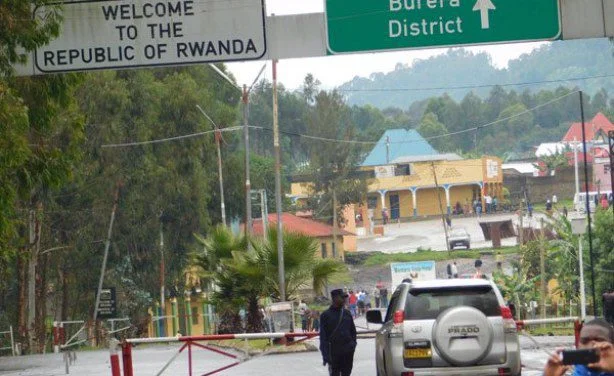
Several factors combine to set the final price of this roughly 4 to 5 hour, 4×4-recommended route via the Cyanika border. Vehicle type is the biggest single factor, since a standard sedan costs less to run than a 4×4 suited to Bwindi’s unpaved final approach. Whether you’re sharing a vehicle with other travelers or booking privately changes the per-person cost significantly. Trip direction — one-way versus a full round trip — and whether the transfer stands alone or is bundled into gorilla permits and accommodation as part of a larger package also shift the number considerably. Finally, season plays a role, since peak gorilla trekking months bring both higher demand and, on some routes, tighter vehicle availability. Our overview of Uganda safaris is a useful starting point if you’re still deciding between a pure transfer and a fuller package before comparing prices.
Typical Price Ranges: Shared vs Private Transfers
Shared transfers, where several travelers heading to Bwindi on the same day split a vehicle, are consistently the lower-cost option per person, though availability depends on enough travelers booking the same date. Private transfers cost more overall but give full control over departure time and stops, and the gap between shared and private narrows considerably once you’re traveling as a couple or small group splitting a private vehicle’s cost between several people. As a general reference, the market data cited above — roughly 225 to 300 EUR one-way for a private vehicle — sits toward the higher end since it reflects a single-operator private booking; shared options and operators running this route as part of a broader safari business can price meaningfully lower, particularly when a driver is already making the trip with other passengers.
| Transfer Type | Pricing Basis | Typical Best Fit | Flexibility |
|---|---|---|---|
| Shared transfer | Per person | Solo travelers, flexible schedules | Fixed group departure time |
| Private transfer (sedan) | Per vehicle | Solo travelers or couples, dry season | Full control over timing |
| Private transfer (4×4/minivan) | Per vehicle | Small groups, families, any season | Full control over timing |
| Bundled package (transfer + permit + lodge) | Per person, all-inclusive | Travelers starting from scratch | Set by itinerary |
As a market reference point only — actual quotes should always be confirmed directly with your chosen operator — one international transfer marketplace lists the following one-way private rates for this specific route:
| Vehicle | Capacity | Approx. One-Way Price |
|---|---|---|
| Private sedan | 1–3 passengers | ~225 EUR |
| Private minivan | 1–5 passengers | ~300 EUR |
These figures illustrate relative scale between vehicle sizes rather than a fixed rate you should expect from every operator; shared transfers and bundled safari packages routinely price well below these private point-to-point figures.
Per-Vehicle vs Per-Person Pricing Explained
One of the most important details to clarify on any quote is whether the price is per vehicle or per person, since this single distinction can make two quotes that look similar actually differ by hundreds of dollars depending on your group size. Private transfers are almost always quoted per vehicle, meaning the total price stays roughly the same whether one person or the vehicle’s full capacity is traveling — which makes private transfers dramatically more cost-effective per person for groups of three or four than for solo travelers. Shared transfers, by contrast, are quoted per person, since the operator is combining multiple unrelated bookings into one vehicle. Always ask directly which pricing model a quote uses before comparing it against another operator’s numbers.
Sedan vs 4×4 vs Minivan: How Vehicle Type Affects Cost
Vehicle type is a major cost driver on this specific route because Bwindi’s final approach involves unpaved, sometimes steep terrain that a standard sedan handles poorly, particularly in wetter months. A private sedan is typically the cheapest option where offered, suited to smaller groups and drier conditions, but many operators default straight to a 4×4 given the terrain regardless of season. A minivan or larger 4×4 costs more but accommodates bigger groups and more luggage, which can actually lower the effective per-person cost for families or small groups compared to booking multiple smaller vehicles. If a quote you receive doesn’t specify vehicle type, ask directly — a suspiciously cheap sedan quote for this particular route is worth double-checking against the actual road conditions you’ll encounter.
| Vehicle Type | Typical Capacity | Relative Cost | Best For |
|---|---|---|---|
| Sedan | 1–3 passengers | Lowest | Small groups, dry season only |
| 4×4 (Land Cruiser or similar) | 3–5 passengers | Mid to high | Most travelers, any season |
| Minivan / larger 4×4 | 5–7 passengers | Highest overall, lowest per person | Families and small groups |
The “best for” column matters more than the price alone here — Bwindi’s unpaved final approach makes the 4×4 the practical default for most travelers regardless of season, so treat the sedan option as viable mainly in the driest months with a smaller group.
One-Way vs Round-Trip Pricing
Most operators price one-way and round-trip transfers separately rather than simply doubling the one-way rate, since a round trip sometimes allows the same driver and vehicle to remain available in Bwindi overnight rather than driving back to Kigali empty. Whether a round-trip booking works out cheaper per leg than two separate one-way bookings depends on the operator, so it’s worth asking for both figures when requesting a quote. If your itinerary continues onward from Bwindi to another Uganda park rather than returning to Kigali, a one-way transfer combined with a separately arranged onward leg is usually the more sensible structure — our 3-day wildlife encounter to Queen Elizabeth National Park is a common next stop for travelers structuring their trip this way.
What’s Included in a Standard Transfer Quote
A properly itemized transfer quote should specify the vehicle type, driver, fuel, and border-crossing assistance as standard inclusions, along with a stop for lunch or fuel roughly at the journey’s midpoint. What a pure transfer quote typically does not include — unless you’ve specifically booked a bundled package — are gorilla trekking permits, park entry fees, or your Bwindi lodge itself. Confirm exactly where pickup and drop-off happen, since “Kigali” can mean the airport, a specific hotel, or the general city center, and this detail sometimes explains an otherwise puzzling price difference between two quotes.
| Usually Included | Usually Extra (Confirm Before Booking) |
|---|---|
| Vehicle, fuel, and driver | Gorilla or chimp trekking permit |
| Border-crossing assistance | Park entry / conservation fees |
| One meal or fuel stop | Bwindi lodge accommodation |
| Driver’s local knowledge of the route | Tips for the driver |
| — | Visa fees (Uganda visa or East Africa Tourist Visa) |
| — | Travel insurance |
Use this as a starting checklist when reading any quote, and ask directly about any item left ambiguous rather than assuming it falls on one side or the other.
Hidden or Additional Costs to Budget For
Beyond the quoted transfer price, a handful of smaller costs are worth planning for separately. Tipping your driver is customary on a multi-hour cross-border journey and typically isn’t included in the base fare. Lunch or snack stops are sometimes covered in a bundled package but often paid for directly at the stop on a pure transfer booking. Visa fees — most commonly the East Africa Tourist Visa at around 100 USD — are entirely separate from your transfer cost and should be budgeted independently. None of these add dramatically to the total trip cost, but they’re worth knowing about upfront rather than discovering them mid-journey.
How Group Size Changes the Per-Person Cost
Because private transfers are typically priced per vehicle, group size has an outsized effect on your actual per-person cost. A solo traveler booking a private vehicle pays the full vehicle rate alone, while the same vehicle split among three or four travelers brings the per-person cost down substantially — often close to what a shared transfer would cost, but with the added benefit of full control over departure time. This is one of the strongest arguments for coordinating with other travelers heading to Bwindi on similar dates, whether through a tour operator’s own shared-transfer scheduling or informally through Kigali hostels and traveler forums. Solo travelers on a tighter budget should specifically ask operators whether a shared transfer is realistically running on their preferred date rather than assuming private is the only option.
Seasonal Price Variation: Peak vs Low Season
Prices for this route tend to firm up, and vehicle availability tightens, during Uganda’s dry seasons — December to February and June to September — which coincide with peak gorilla trekking demand. Some operators hold consistent year-round pricing regardless of season, while others adjust rates modestly during these high-demand windows given tighter vehicle scheduling. The wetter months sometimes bring lower rates and more flexible availability, though the trade-off is a higher chance of delays on Bwindi’s unpaved final approach. If your travel dates fall within peak season, it’s worth requesting quotes and confirming vehicle availability earlier than you might for the shoulder or low season.
| Factor | Peak Season (Dec–Feb, Jun–Sep) | Low/Shoulder Season (Mar–May, Oct–Nov) |
|---|---|---|
| Vehicle availability | Tighter, book well ahead | More flexible |
| Typical pricing | Firmer, sometimes modestly higher | Occasionally lower |
| Road conditions | Drier, easier final approach | Wetter, higher chance of delay |
| Gorilla permit availability | Sells out 3–6 months ahead | More availability, shorter lead time |
| Recommended booking lead time | 3–6 months | A few weeks to a couple of months |
Standalone Transfer Cost vs Bundled Package Cost
Comparing a standalone transfer’s price against a bundled package that includes the transfer, gorilla permit, and accommodation isn’t always a straightforward apples-to-apples comparison. A standalone transfer makes sense purely on cost if you’ve already secured your permit and lodge independently at competitive rates. A bundled package, like our 2-day Uganda gorilla safari starting from Kigali or 3-day Bwindi gorilla safari starting from Kigali, often works out similarly priced or even cheaper overall once permit booking convenience and coordinated scheduling are factored in, since the operator isn’t charging separately for the administrative work of aligning three different bookings onto the same dates. Pick and Transfer Safaris’ 2-day Uganda gorilla tour starting from Kigali and 3-day Uganda gorilla safari from Rwanda are both useful bundled-price references for the same comparison.
Border Crossing Fees and Visa Costs to Budget Separately
The transfer price itself typically does not include visa or border-related fees, which should be budgeted as a separate line item. Most travelers on this route need either a standard Uganda tourist visa or the East Africa Tourist Visa, which covers Rwanda, Uganda, and Kenya under one 90-day, multiple-entry application costing around 100 USD. There’s generally no separate crossing fee charged at Cyanika itself beyond your visa, but it’s worth having a small amount of cash on hand regardless, since minor administrative costs occasionally arise at border posts. Our starting a trip from Rwanda to Uganda guide covers the full visa and border process in more detail.
Gorilla Permit Cost: A Separate but Related Expense
Gorilla trekking permits, issued by the Uganda Wildlife Authority, represent a significant fixed cost entirely separate from your transfer price and should never be assumed to be included unless explicitly stated in your quote. Because permits are limited in number per gorilla family per day, they’re also the detail that should be confirmed first when planning your trip, before finalizing your transfer date. A transfer quote that seems unusually cheap compared to others is worth double-checking to confirm the permit genuinely isn’t bundled in — a price that looks like a bargain sometimes simply reflects a transfer-only booking being compared against a fully bundled one.
Comparing Quotes from Different Operators
When you have more than one quote in hand, compare them using a consistent checklist rather than the bottom-line number alone: vehicle type, per-vehicle or per-person pricing, one-way or round-trip, what’s included (fuel, border assistance, meal stops), and whether gorilla permits and accommodation are bundled or separate. Kenlink Tours and Pick and Transfer Safaris both publish itemized packages that make this kind of comparison straightforward, and it’s reasonable to ask any operator you’re considering to itemize their quote in the same format if they haven’t already, so you’re comparing genuinely equivalent offers rather than two differently structured black-box prices. Reaching out through a contact page directly, rather than relying purely on a published rate card, is usually the fastest way to get pricing that actually reflects your specific dates, group size, and vehicle preference.
Sample Cost Breakdown: A 2-Day Kigali-Bwindi Gorilla Trip
While exact figures vary by operator, season, and group size, a typical 2-day Kigali-to-Bwindi gorilla trekking trip generally breaks down into four cost categories: the gorilla trekking permit (a fixed government-set fee, the single largest line item for most travelers), private or shared transport for the round trip, one night’s accommodation near the park, and park entry or conservation fees. Some operators bundle all four into a single package price, like our 5-day gorilla trekking safari from Kigali to Uganda for a longer version of this trip, while others itemize each separately. Requesting a full breakdown by category, rather than a single bundled number, is the most reliable way to understand exactly what you’re paying for and to compare it meaningfully against another operator’s quote. As a rough proportion, the gorilla permit typically represents the largest single share of a short two-day trip’s total cost, with transport and accommodation making up most of the remainder — which is why a 2-day trip often carries a noticeably higher cost-per-day than a longer combined itinerary that spreads the same fixed permit cost across more days of travel.
| Cost Category | Fixed or Variable | Typically Largest Share? | Billed Separately from Transfer? |
|---|---|---|---|
| Gorilla trekking permit | Fixed (set by Uganda Wildlife Authority) | Yes, usually the largest single item | Yes, unless bundled |
| Transport (Kigali–Bwindi return) | Variable by vehicle/group size | Often second largest | Can be standalone or bundled |
| Bwindi lodge accommodation (1 night) | Variable by tier | Varies widely by lodge choice | Usually separate unless bundled |
| Park entry / conservation fees | Mostly fixed | Smallest of the four | Usually bundled with permit |
This breakdown is illustrative of cost structure rather than a fixed price list — use it to sanity-check any quote by confirming each of these four categories is accounted for somewhere in the total.
Ways to Reduce Your Transfer Cost
A few practical strategies can meaningfully lower what you pay for this specific leg of your trip. Traveling as part of a small group and splitting a private vehicle brings the per-person cost down substantially compared to solo private travel. Booking a shared transfer where available, rather than defaulting to private, is the most direct way to cut cost if your schedule has some flexibility. Traveling in the shoulder or wetter season sometimes unlocks lower rates, provided you’re comfortable with a slightly higher chance of road delays. Finally, booking your transfer as part of a bundled package rather than piecing together separate transfer, permit, and accommodation bookings often avoids the administrative premium that comes with coordinating three unrelated companies yourself.
Airport Transfer Costs: Kigali Airport to Your Hotel
Most travelers budgeting for a Kigali-to-Bwindi transfer overlook a smaller cost that comes before it: the transfer from Kigali International Airport to your hotel on arrival. This first leg is usually far cheaper than the border crossing itself, given the short 20 to 30 minute drive, but it’s worth confirming whether it’s included in your overall package price or billed as a separate line item. Our guide on landing in Kigali or Entebbe for a gorilla safari covers how this first-leg transfer typically fits into the overall cost and timing of a Bwindi-bound itinerary, including whether a same-day departure toward the border is realistic given your flight arrival time.
Cost Comparison: Bwindi Transfer vs Other Uganda Park Transfers
It’s useful to see how the Kigali-to-Bwindi transfer price compares against other cross-border routes when budgeting a longer Uganda trip. The Bwindi route, at roughly 4 to 5 hours via Cyanika, is among the shortest and generally least expensive cross-border transfers available from Kigali. A transfer toward Queen Elizabeth National Park costs somewhat more given the added distance past Bwindi, while a transfer toward Murchison Falls National Park in the north — covering the longer Katuna route through Kampala — costs considerably more given the extra travel days involved; our guide on the distance from Kampala to Murchison Falls and our Murchison Falls National Park overview both cover that longer route’s logistics and cost drivers in more detail. Pick and Transfer Safaris’ destination guides for Queen Elizabeth National Park and Murchison Falls National Park are useful references for comparing relative cost and distance across these routes.
| Route | Border Used | Approx. Drive Time | Relative Transfer Cost |
|---|---|---|---|
| Kigali → Bwindi | Cyanika | 4–5 hours | Lowest of the three |
| Kigali → Queen Elizabeth NP | Cyanika | 6–8 hours | Moderate |
| Kigali → Murchison Falls | Katuna (via Kampala) | 10+ hours over 2 travel days | Highest |
Distance and travel time are the main drivers of this cost difference, since longer routes mean more fuel, more driver time, and often an additional overnight stop built into the itinerary.
Cost of Extending Your Trip: A Kigali City Tour Add-On
If you’re building in a rest day in Kigali before or after your Bwindi transfer, it’s worth budgeting separately for any sightseeing you add to that day. Our 1-day Kigali city tour is a modestly priced add-on relative to the overall cost of a gorilla trekking trip, and Pick and Transfer Safaris’ Kigali City destination guide covers similar sightseeing options if you’re comparing how different operators price a layover day. Since this add-on is optional and separate from your core transfer and trekking costs, it’s easy to include or skip depending on your overall budget without affecting the price of the transfer itself.
Combining Rwanda and Uganda Costs in One Budget
Many travelers extend their Kigali-to-Bwindi trip to include a few days in Rwanda’s own parks, and it’s worth budgeting this as part of the same overall trip rather than a separate expense category. Our Rwanda safaris page outlines pricing structures for Volcanoes National Park gorilla trekking and Akagera’s savannah wildlife, both of which can be combined with the Uganda leg without a second flight. Pick and Transfer Safaris’ Akagera National Park safari from Kigali is a useful reference point for pricing that specific Rwanda-side addition against your overall Uganda budget.
Group Tours vs Private Pricing for the Full Trip
Beyond the transfer itself, whether you book your entire Bwindi trip as a scheduled group departure or a fully private itinerary has a bigger effect on total cost than almost any other single decision. Group departures share vehicle, guide, and sometimes accommodation costs across several travelers, bringing the overall price down substantially compared to a fully private, custom-paced trip. Our group tours page lists current scheduled departures for travelers prioritizing cost over flexibility, while a private itinerary can be arranged for any dates through our contact page if control over pacing matters more to you than the lowest possible price.
What Recent Travelers Report Paying
Because pricing on this route shifts with season, vehicle availability, and operator, checking recent traveler reports is often more useful than relying purely on published rate cards, which aren’t always kept perfectly current. Our travel news page carries recent trip reports from travelers who’ve taken this exact route, giving a more current sense of what people are actually paying than static pricing pages alone. It’s worth applying the same approach to any operator you’re considering — recent, specific traveler feedback about cost is generally more reliable than a headline number on a website that may not reflect current rates.
Is It Cheaper to Self-Drive Instead?
Self-driving the Kigali-to-Bwindi route instead of booking a transfer can appear cheaper on paper, but the comparison isn’t as simple as rental cost versus transfer price. Self-driving requires cross-border vehicle insurance, temporary import permits, and comfort navigating Bwindi’s unpaved final approach without local knowledge of the route or current conditions — costs and risks that a booked transfer’s price already accounts for. For travelers who still want to explore this option, our car hire page outlines what’s typically included in a rental, and it’s worth pricing out insurance and permit costs fully before assuming self-driving is genuinely the cheaper path once every expense is counted.
Currency and Payment Considerations
Transfer and safari prices on this route are typically quoted and settled in US dollars or euros regardless of which side of the border you’re on, while day-to-day incidentals like tips and lunch stops are easier to cover in local currency once you have some on hand. Most reputable operators accept a deposit via bank transfer or card to confirm a booking, with the balance settled closer to or on the day of travel; be cautious of any operator requesting full payment upfront with no itemized confirmation of what that payment actually covers. Carry a mix of newer, undamaged US bills for larger incidental expenses, since older or torn notes are frequently rejected at border posts and rural stops throughout the region.
Insurance Costs Worth Budgeting For
Travel insurance is a cost that’s easy to overlook when budgeting for a Kigali-to-Bwindi transfer, but it’s one worth treating as non-negotiable rather than optional. Comprehensive coverage including medical evacuation is strongly recommended given how remote parts of Bwindi’s surrounding terrain are, and most reputable operators will ask to see proof of cover before your trek regardless of how you’ve arranged your transfer. Insurance cost varies by provider, trip length, and age of traveler, but it’s a small fraction of the overall trip cost relative to the financial exposure it protects against. If you’re self-driving rather than booking a transfer, cross-border vehicle insurance is a separate and mandatory additional cost that should be priced out fully before assuming self-driving is the cheaper path.
Cost Differences Between Uganda-Based and Rwanda-Based Operators
Whether you book through a Uganda-based company with a Kigali-starting itinerary or a Rwanda-based operator that has expanded into Uganda routes doesn’t inherently determine which is cheaper, but the two business models sometimes price differently. Uganda-based operators like Kenlink Tours often have more direct relationships with Ugandan parks and permit offices, which can translate into more predictable permit-related costs. Rwanda-based specialists sometimes price the transfer itself more competitively given their focus on that specific leg, as reflected in operators like Pick and Transfer Safaris whose core business is exactly this kind of cross-border transport. Getting quotes from both types of operator is a reasonable way to see the full range of pricing structures available for the same underlying trip.
Getting an Accurate, Itemized Quote
The single best way to understand what a Kigali-to-Bwindi transfer will actually cost you is to request a fully itemized quote rather than accepting a single bundled number. Ask specifically for the vehicle type, whether the price is per vehicle or per person, whether it covers one-way or round-trip, what’s included (fuel, driver, border assistance, meal stops), and whether gorilla permits and accommodation are part of the price or billed separately. A reputable operator should be able to produce this breakdown without hesitation; reluctance to itemize is itself useful information about how transparent the rest of the booking process is likely to be. Our contact page is a straightforward place to request exactly this kind of itemized quote for your specific dates and group size.
Why Prices Vary So Much Between Operators
It’s common to see meaningfully different quotes for what sounds like the same Kigali-to-Bwindi transfer, and the variation usually comes down to a handful of structural differences rather than one operator simply being cheaper across the board. Full-service safari companies price the transfer as part of a broader relationship that includes permit sourcing and ongoing support throughout your trip, while pure transfer specialists compete more narrowly on the drive itself. Vehicle age, driver experience, and whether a company owns its fleet versus subcontracting vehicles also affect pricing. None of this means the cheapest quote is automatically the wrong choice, but it does mean price alone is an incomplete way to compare two very differently structured offers. It’s also worth remembering that a transfer is a service delivered in a remote, cross-border setting where reliability genuinely matters — a driver who knows the Cyanika crossing well, carries appropriate documentation, and has a track record on this specific route is worth paying a modest premium over the absolute cheapest option available, particularly if your trekking date and permit can’t easily be rebooked around a missed connection.
Combining the Transfer with Other Uganda Destinations: Cost Implications
If your trip extends beyond Bwindi to Queen Elizabeth National Park, Kibale Forest, or further into Uganda, it’s worth pricing the entire route as one itinerary rather than stacking separate point-to-point transfers, since operators often price multi-stop routes more efficiently than the sum of individual legs. Our 7-day tour covering Murchison, Kibale, Queen Elizabeth, and Bwindi illustrates how a single continuous itinerary can be more cost-effective than booking Bwindi transport separately from the rest of a multi-park trip. Pick and Transfer Safaris’ 4-day wildlife and primate safari shows a similar multi-stop structure worth comparing if you’re weighing a piecemeal versus a bundled approach to pricing your full route.
Weather and Road Conditions: An Indirect Cost Factor
Road conditions on the unpaved final stretch into Bwindi affect cost indirectly by influencing which vehicle type is genuinely necessary for your trip. During the dry seasons, a wider range of vehicles can handle the final approach comfortably, giving you more pricing options to compare. During the wetter months, operators are more likely to insist on a 4×4 regardless of group size, which narrows your options and can push the realistic minimum price up slightly compared to what might be available in drier conditions. This is less about operators charging more for the same service and more about the practical reality that a cheaper vehicle option simply isn’t safe or reliable on this specific stretch of road when conditions are poor. Factoring this into your budget expectations before you start requesting quotes avoids being surprised if a wet-season quote comes back higher than a dry-season one you may have seen referenced elsewhere.
Booking Timeline and How Early Booking Affects Price
Booking early doesn’t always guarantee a lower price on this specific route, but it does generally guarantee better vehicle and date availability, particularly during peak gorilla trekking months. Because permits are the real scarcity constraint on this trip, most operators recommend locking in your trekking date three to six months ahead for July through September and December through January travel, with transfer arrangements following naturally once that date is fixed. Last-minute bookings are sometimes possible and occasionally even discounted if an operator has a vehicle already scheduled to make the trip, but this is opportunistic rather than something to plan around if your dates are fixed.
Frequently Asked Questions
How much does a transfer from Kigali to Bwindi typically cost? Pricing varies by operator, but as a market reference point, private vehicle transfers on this route have been quoted at roughly 225 to 300 EUR one-way depending on vehicle size; shared transfers and bundled packages can work out considerably lower per person.
Is the transfer price per person or per vehicle? It depends on the operator and booking type — private transfers are almost always priced per vehicle, while shared transfers are priced per person, so always confirm which model a quote uses.
Does the transfer price include the gorilla permit? Not unless explicitly stated. Gorilla permits are a separate, fixed cost set by the Uganda Wildlife Authority and should always appear as their own line item in a proper quote.
Is a private or shared transfer better value? Private transfers cost more overall but become cost-competitive per person once split among three or four travelers; shared transfers are the better value for solo travelers with flexible timing.
Does self-driving save money compared to a booked transfer? Not necessarily once cross-border insurance, permits, and the risk of unfamiliar road conditions are factored in — the comparison is rarely as simple as rental cost versus transfer price.
Is it cheaper to book the transfer separately or as part of a full package? A bundled package is often similarly priced or cheaper overall once permit-booking convenience and coordinated scheduling are factored in, though a standalone transfer can be cheaper if you’ve already arranged your permit and lodge independently.
Do prices change based on how far in advance I book? Prices themselves don’t always change with lead time, but vehicle and permit availability do, so booking early mainly protects your preferred dates rather than guaranteeing a lower price.
How much is transfer from Kigali to Bwindi
There’s no single correct answer to how much a Kigali-to-Bwindi transfer costs, since the honest figure depends on your vehicle choice, group size, season, and whether you’re booking a standalone transfer or a full package. What matters most is requesting a fully itemized quote, understanding whether you’re comparing per-vehicle or per-person pricing, and confirming exactly what’s included before you commit. Understanding these cost drivers before you request quotes also means you’ll spot a genuinely good deal, or a quote that’s cutting corners, far more easily than if you were comparing bottom-line numbers alone. Reach out through our contact page for an itemized quote tailored to your travel dates and group size, whether you need a standalone transfer or a complete gorilla trekking package built around it.