- EXPERT'S HELP
- +256789210067
- +256200955001
- info@kenlinktours.com


Transfers from Kigali to Rushaga Sector Bwindi
September 27, 2026
Short Gorilla Tracking Safaris in Uganda Starting from Kigali
September 27, 2026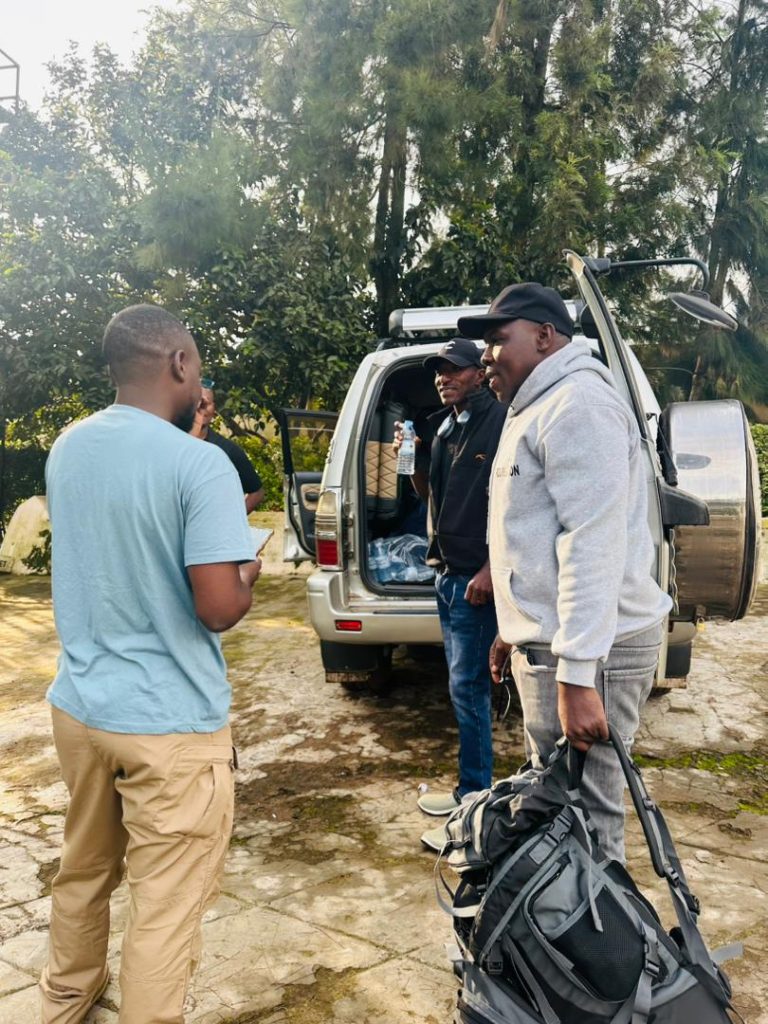
How much is Transfer from Kigali to Mgahinga National Park. Mgahinga Gorilla National Park is the closest gorilla park in Uganda to Kigali. Tucked into the far southwestern corner of Uganda, on the slopes of the Virunga volcanoes where Uganda, Rwanda and Congo meet, it offers mountain gorilla trekking, golden monkey tracking and spectacular volcano hikes, all just about three hours by road from Rwanda’s capital.
One of the first questions travellers ask when planning a trip is: how much does a transfer from Kigali to Mgahinga cost? The answer depends on the type of transfer, the vehicle, whether you need a one-way or return trip, and how many people are sharing the vehicle.
This guide breaks down transfer prices from Kigali to Mgahinga, what is included, the factors that affect cost, cheaper and more comfortable options, the route and travel time, and tips to get the best value. At Kenlink Tours, we run transfers from Kigali to Mgahinga every week, and we believe travellers deserve clear, honest pricing information.
Transport is often the second-biggest cost of a gorilla trip after the permit itself, yet it is the item travellers understand least. One quote may look cheap but leave out fuel or border help, while another may look expensive but include airport pickup, water, a driver who waits for you and a return trip. By the end of this article you will know exactly what a fair price looks like, what questions to ask, and how to plan a Kigali to Mgahinga journey that fits both your budget and your trekking schedule.
Quick Answer: How Much Is a Transfer From Kigali to Mgahinga?
As a general guide, typical market prices for transfers from Kigali to Mgahinga in 2026 are:
- Private 4×4 transfer, one way: roughly USD 150 to 300 per vehicle
- Private 4×4 transfer, return (same day or next day): roughly USD 300 to 500 per vehicle
- Multi-day vehicle hire with driver: usually charged per day, often in the range of USD 150 to 250 per day plus fuel, or as an all-inclusive daily rate
- Shared shuttles or public minibuses: from around USD 10 to 25 per person to Kisoro, plus a local taxi or motorbike for the final stretch to the park
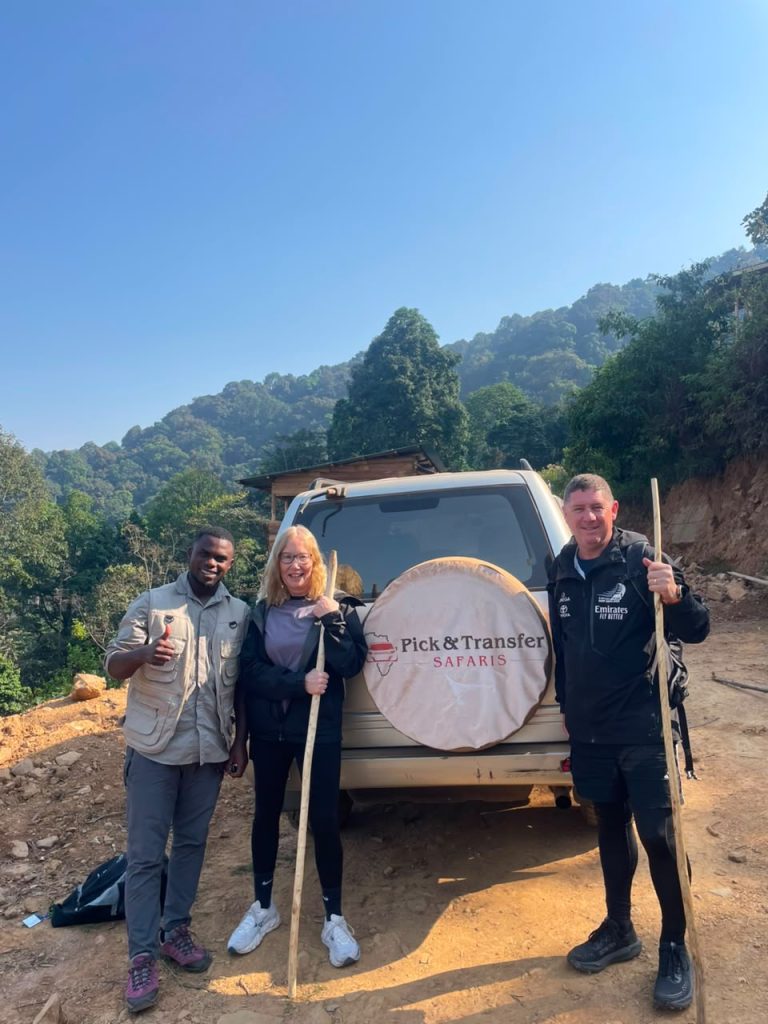
For comparison, Pick and Transfer Safaris estimates that a private 4×4 transfer from Kigali to Bwindi typically costs USD 180 to 350 one way, per vehicle. Because Mgahinga is closer to Kigali than most Bwindi sectors, transfers to Mgahinga are usually at the lower end of that range. See their full Kigali to Bwindi gorilla trek cost guide.
Important: these are indicative ranges only. Prices vary by operator, vehicle, season and fuel costs, so always request a written quote. For an exact price, see how our Uganda safari bookings work.
About Mgahinga Gorilla National Park
Mgahinga Gorilla National Park is Uganda’s smallest national park, covering about 34 square kilometres, but it is one of the most scenic. It is Uganda’s part of the Virunga Conservation Area, which it shares with Rwanda’s Volcanoes National Park and Congo’s Virunga National Park. Three extinct volcanoes dominate the park: Muhavura, Gahinga and Sabyinyo.
Mgahinga is home to the habituated Nyakagezi gorilla family, known for having moved between Uganda, Rwanda and Congo in the past before settling in Uganda. It is also the only place in Uganda to track golden monkeys, and it offers volcano hikes and the Batwa Trail cultural experience.
Read our guides to Mgahinga Gorilla National Park and the Nyakagezi gorilla family, and Pick and Transfer Safaris’ Mgahinga Gorilla National Park page.
Because the park is small and has only one habituated gorilla family, gorilla permits for Mgahinga are limited, and the park receives far fewer visitors than Bwindi or Rwanda’s Volcanoes National Park. For many travellers that is exactly the appeal: quieter trails, a more personal experience, and dramatic views over the volcano chain. The trade-off is that you must plan carefully, because your permit date and your transfer date need to line up perfectly. A late arrival at Ntebeko gate can mean missing the morning briefing, so the reliability of your transfer matters as much as its price.
How Far Is Mgahinga From Kigali?
Mgahinga is about 3 hours from Kigali by private vehicle:
- Kigali to Musanze: about 2 hours on excellent tarmac roads
- Musanze to the Cyanika border: about 30 to 45 minutes
- Border formalities: about 30 to 60 minutes
- Cyanika to Kisoro town: about 20 to 30 minutes
- Kisoro to Ntebeko gate (Mgahinga): about 30 to 45 minutes on a partly unpaved road
This short distance is why Mgahinga is one of the best-value gorilla destinations for travellers flying into Kigali, and why transfers are relatively affordable. Our guide compares travel time and cost from Kigali vs Kampala to Bwindi or Mgahinga.
What the Drive From Kigali to Mgahinga Is Like
The journey itself is one of the most beautiful short road trips in East Africa. Leaving Kigali, the road winds north through the “land of a thousand hills”, past terraced farms, tea and banana plantations and busy roadside trading centres. After about two hours you reach Musanze, the gateway town to Rwanda’s Volcanoes National Park, where the Virunga volcanoes suddenly fill the horizon on a clear day.
From Musanze, the road continues to the Cyanika border post, one of the smaller and more relaxed crossings between Rwanda and Uganda. After immigration and customs, you drive downhill into Kisoro district, with Mount Muhavura towering on your right. Kisoro town is a friendly, compact place with banks, fuel stations, small supermarkets and a range of hotels. The final stretch from Kisoro to Ntebeko gate is on a murram (dirt) road that climbs gently towards the foot of the volcanoes. This is the only part of the route where a sturdy 4×4 really makes a difference, especially after rain.
Most drivers plan a short stop in Musanze for a coffee, snacks or a restroom break, and there are several scenic viewpoints near the border where you can stop for photos. If you are on a private transfer, these stops are included at no extra cost, which is one of the quiet advantages of travelling with your own driver-guide.
Transfer Prices: Mgahinga Compared With Bwindi Sectors
Many travellers weigh Mgahinga against Bwindi Impenetrable National Park, so it helps to compare transfer costs across destinations. Because distance and road conditions drive the price, Mgahinga is generally the cheapest Ugandan gorilla destination to reach from Kigali:
- Mgahinga (Ntebeko gate): about 3 hours from Kigali; usually the lowest transfer price.
- Bwindi Rushaga sector: about 4 to 5 hours; usually slightly more than Mgahinga.
- Bwindi Nkuringo sector: about 4 to 5 hours on a hilly road; similar to Rushaga.
- Bwindi Ruhija sector: about 5 to 6 hours via Kabale; noticeably higher.
- Bwindi Buhoma sector: about 6 to 7 hours; usually the most expensive from Kigali.
If transport budget is a priority and you are flexible about which gorilla family you visit, Mgahinga gives you the shortest drive and the lowest transfer bill. It also leaves more time for golden monkeys, a volcano hike or simply relaxing at your lodge instead of spending the day in a vehicle.
What Does a Private Transfer Include?
A standard private transfer from Kigali to Mgahinga usually includes:
- Pickup from Kigali International Airport or your Kigali hotel
- A private 4×4 vehicle or SUV
- A professional English-speaking driver-guide
- Fuel
- Assistance at the Cyanika border
- Drinking water in the vehicle
- Drop-off at your lodge in Kisoro, near Ntebeko gate, or at Lake Mutanda
Usually not included: visas, gorilla or golden monkey permits, accommodation, meals, porter fees, tips, and the driver’s accommodation if they stay overnight during a multi-day trip. Always check what is included before comparing prices. See our guides to seamless transfers from Kigali to Bwindi and Mgahinga and companies offering transfers from Kigali to Mgahinga, and Pick and Transfer Safaris’ private transfer from Kigali to Mgahinga.
Factors That Affect the Price
1. Vehicle type. A Toyota Land Cruiser costs more than a smaller SUV such as a RAV4, but offers more space, comfort and ground clearance for the final unpaved stretch to Ntebeko.
2. One way, return or multi-day. One-way transfers are cheapest upfront, but return and multi-day bookings usually offer better value because the driver and vehicle are used efficiently.
3. Same-day return (one-day trek). If you trek gorillas and return to Kigali the same day, the driver waits for you, so the price covers a full day plus the early start.
4. Driver waiting days. If your driver stays in Kisoro while you trek or track golden monkeys, you may pay a daily driver fee and accommodation allowance.
5. Group size. Transfers are priced per vehicle, not per person. Two people sharing a vehicle pay half each, and four people pay a quarter each.
6. Season. Prices may be higher during peak months (June to September and December to February) and holidays.
7. Fuel prices. Changes in fuel costs in Rwanda and Uganda affect transfer rates.
8. Pickup and drop-off points. Airport pickups, early-morning departures and drop-offs at Lake Mutanda instead of Kisoro can affect the price slightly.
9. Vehicle features. A pop-up roof, fridge, charging points and Wi-Fi are nice extras, particularly if your transfer is part of a longer safari that continues to Queen Elizabeth National Park or Lake Bunyonyi. For a simple point-to-point transfer, a comfortable air-conditioned SUV is usually enough.
10. Last-minute bookings. Booking a few days ahead may cost more in peak season, when vehicles and experienced drivers are already committed. Booking early gives you the best choice of vehicle and a firmer price.
Understanding these factors helps you compare quotes fairly. When two operators give very different prices, the difference is almost always explained by vehicle type, inclusions or whether the driver’s waiting time and accommodation are covered.
Example Price Scenarios
To give you a clearer idea, here are some typical scenarios, based on the market ranges above. Actual prices will depend on the operator and your exact needs.
Solo traveller, one-way private transfer: about USD 150 to 300 for the vehicle, paid by one person.
Couple, one-way private transfer: about USD 150 to 300 for the vehicle, or roughly USD 75 to 150 each.
Group of four, return transfer: about USD 300 to 500 for the vehicle, or roughly USD 75 to 125 each.
One-day gorilla trek from Kigali, transport only: usually priced as a full-day return with an early start, often similar to or slightly above a standard return transfer.
Three-day trip with driver: often priced as a daily vehicle hire rate, sometimes packaged with accommodation and permits for better value.
Cheaper Options: Shared and Public Transport
Budget travellers can reach Mgahinga for much less using public transport:
- Take a bus or shared minibus from Kigali to Musanze and on to the Cyanika border.
- Cross the border on foot and take a shared taxi or bus to Kisoro.
- From Kisoro, hire a local taxi or motorbike (boda-boda) to Ntebeko gate.
This can cost as little as USD 10 to 25 per person, plus the final leg. However, it involves several changes, waiting times and carrying your own luggage across the border. It is not recommended if you are trekking the morning after you arrive, because delays could make you miss your permit time.
Public transport also has practical limits. Minibuses usually leave only when full, luggage is carried on the roof, and there is no one to help you at the border or explain local customs. Travellers who choose this option should allow a full day for the journey, arrive in Kisoro at least one night before trekking, and keep a small amount of Uganda shillings for the final taxi or motorbike ride to Ntebeko. Motorbike taxis are cheap but are not ideal with heavy bags, in the rain, or on the dirt road at night.
Private Transfer vs Public Transport: Is It Worth Paying More?
- Reliability: a private transfer gets you to Mgahinga on time, protecting your USD 800 gorilla permit.
- Comfort: no crowded minibuses or luggage worries.
- Border help: your driver-guide assists with immigration and customs.
- Flexibility: stop for photos, meals or a detour to Lake Mutanda.
- Safety: licensed vehicles and experienced drivers on highland roads.
For most gorilla trekkers, the extra cost of a private transfer is worth it for peace of mind.
Think about it this way: if your gorilla permit costs USD 800 and your transfer costs USD 200 shared between two people, you are paying about USD 100 each to protect an USD 800 experience. For most visitors who have travelled thousands of kilometres to see mountain gorillas, that is a sensible investment.
Kigali Airport Pickup Straight to Mgahinga
Many travellers land at Kigali International Airport and want to go straight to Mgahinga. This is very possible, especially for morning and midday arrivals. Your driver meets you in the arrivals hall with a name board, helps with luggage and sets off immediately, reaching Kisoro or a lodge near Ntebeko by the afternoon or early evening.
For late-evening arrivals, it is usually better to spend the first night in Kigali and drive to Mgahinga the next morning. The Cyanika border has set opening hours, and night driving on the final dirt road to the park is best avoided. An overnight in Kigali also gives you time to recover from your flight, change money and buy any last-minute gear before your trek. Airport pickups are usually included in a private transfer or added for a small fee, so ask when you request a quote.
One-Day Gorilla Trek From Kigali to Mgahinga
Because Mgahinga is only about three hours from Kigali, it is one of the best places for a one-day gorilla trek from Rwanda. A typical plan:
- Leave Kigali around 3:00 to 4:00 a.m.
- Cross at Cyanika when the border opens and continue to Ntebeko gate.
- Attend the morning briefing and trek the Nyakagezi family.
- Return to Kigali in the evening.
See our guide to a Kigali to Mgahinga gorilla trek in one day and Pick and Transfer Safaris’ Mgahinga day trip from Kigali.
Two-Day Mgahinga Trip From Kigali
For a more relaxed experience, a two-day trip is ideal:
- Day 1: Drive from Kigali to Kisoro or a lodge near Mgahinga.
- Day 2: Gorilla trekking in the morning, then return to Kigali in the afternoon.
See our 2 Days Mgahinga gorilla safari from Kigali and Pick and Transfer Safaris’ 2-day gorilla trekking from Kigali to Mgahinga.
How Much Does a Full Mgahinga Trip From Kigali Cost?
The transfer is only one part of the total cost. A complete Mgahinga gorilla trip from Kigali also includes:
- Gorilla permit: USD 800 per person for foreign non-residents, USD 700 for foreign residents of East Africa
- Golden monkey tracking permit: charged separately, if you add it
- Visa: the East Africa Tourist Visa costs USD 100, or a single-entry Uganda visa if you are not returning to Rwanda
- Accommodation and meals: from budget guesthouses in Kisoro to luxury lodges at the foot of the volcanoes
- Porter fees and tips
See our guides on how much a gorilla safari in Mgahinga costs from Kigali, mountain gorilla permits for Mgahinga and how much golden monkey tracking costs. Pick and Transfer Safaris also offers a budget gorilla safari in Mgahinga from Kigali.
Sample Transport Budget for Two Travellers
To put the numbers into context, here is how transport costs might look for a couple taking a two-day Mgahinga trip from Kigali with a private vehicle. These are illustrative figures based on typical market ranges, not a fixed quote:
- Private 4×4, Kigali to Mgahinga and back over two days: roughly USD 300 to 500 for the vehicle
- Driver’s overnight allowance (if not included): often a modest daily amount
- Cost per person when shared by two: roughly USD 150 to 250
Compare that with public transport at around USD 20 to 50 per person for the round trip plus local taxis, and the private option costs more, but it removes the risk of missing a permit worth USD 800 each. If a third or fourth traveller joins, the per-person cost of the private vehicle drops sharply, often making it only a little more expensive than public transport once taxis and time are factored in.
If you plan to stay longer, for example adding golden monkey tracking, a Lake Mutanda canoe trip or a second gorilla trek in Bwindi’s Rushaga sector, ask for a daily vehicle hire rate rather than separate transfers. A driver who stays with you for four or five days is usually far better value than several one-way trips, and you avoid the stress of arranging new transport each day.
Border and Visa Requirements
- East Africa Tourist Visa: USD 100, valid for 90 days with multiple entries across Rwanda, Uganda and Kenya. The best choice if you are returning to Rwanda.
- Single-entry Uganda visa: an option if you are not returning to Rwanda.
- Passport: valid for at least six months with blank pages.
- Yellow Fever certificate: required for entry into Uganda.
Pick and Transfer Safaris explains crossing from Rwanda to Uganda through Cyanika and answers whether you need a visa. See also our guide to which border points to cross from Kigali.
Where to Stay Near Mgahinga
- Near Ntebeko gate: lodges at the foot of the volcanoes, ideal for an early start.
- Kisoro town: hotels and guesthouses about 30 to 45 minutes from the park, often more affordable.
- Lake Mutanda: beautiful lakeside lodges with volcano views, about 45 minutes to 1 hour from the park.
See our guides to lodges near Mgahinga and the best hotels in Kisoro, and Pick and Transfer Safaris’ guide to hotels for gorilla trekking in Mgahinga.
Tips to Get the Best Value on Your Transfer
- Share the vehicle. Travelling as a couple or group divides the cost.
- Book a return or package. Combining transfers, permits and lodges often costs less than booking separately.
- Compare what is included. A cheap quote may exclude fuel, border help or airport pickup.
- Travel in the green season. Some operators offer better rates outside peak months.
- Get a written quote showing the vehicle, inclusions and any extra charges.
- Book early for peak season and holidays.
Adding Activities Around Mgahinga
- Golden monkey tracking in Mgahinga’s bamboo forest. See our guide to golden monkey tracking in Mgahinga.
- The Batwa Trail, a cultural walk led by Batwa guides. See our guide to the Batwa Trail experience in Mgahinga.
- Volcano hikes up Muhavura, Gahinga or Sabyinyo.
- Canoeing on Lake Mutanda. See our guide to Lake Mutanda activities and canoeing.
- Gorilla trekking in Bwindi’s Rushaga or Nkuringo sectors, just 1.5 to 2 hours away.
Each extra day adds to the transfer cost if the driver stays with you, so ask for a multi-day rate.
Travelling With Children, Seniors or Lots of Luggage
Families and older travellers usually benefit most from a private transfer. Children can stop when they need to, seniors avoid crowded minibuses, and everyone’s luggage stays safely in the vehicle. Remember that the minimum age for gorilla trekking in Uganda is 15 years, so families with younger children often split up: one parent treks while the other enjoys a canoe trip on Lake Mutanda or a community walk in Kisoro.
If you are travelling with a lot of luggage, camera equipment or a wheelchair, tell your operator in advance so they can provide the right vehicle. A Land Cruiser with extra boot space costs a little more but makes the journey far more comfortable. Travellers with limited mobility can also ask about sedan chair services at the park, which are arranged through the park and paid separately.
How to Book and Pay for Your Transfer
Booking a transfer from Kigali to Mgahinga is straightforward. Here is how it usually works:
- Send your details: travel dates, number of travellers, pickup point, drop-off point and whether you need one-way, return or multi-day service.
- Receive a written quote: showing the vehicle type, inclusions, exclusions and total price.
- Confirm with a deposit: many operators ask for a deposit to secure the vehicle, with the balance paid before or on arrival.
- Get your itinerary: including the driver’s name, contact number and pickup time.
- Travel: your driver meets you on time and takes care of the rest.
Always check the cancellation policy, especially in the rainy season or if your flights could change. If you are also buying a gorilla permit, book the permit first, because the permit date controls everything else in your plan.
Best Time to Travel
- Dry seasons (June to September and December to February): easier trekking and driving, but higher demand and sometimes higher prices.
- Wet seasons (March to May and October to November): lush scenery, fewer visitors and sometimes better rates, though the road to Ntebeko can be muddy.
Why Book Your Transfer With Kenlink Tours?
- Clear, transparent pricing with no hidden fees
- Experienced driver-guides who drive to Mgahinga every week
- Comfortable 4×4 vehicles suited to the road to Ntebeko
- Airport and hotel pickups in Kigali
- Border assistance at Cyanika
- Gorilla and golden monkey permits arranged if needed
- Flexible one-way, return and multi-day options
Pick and Transfer Safaris also shares guides on the Kigali to Mgahinga gorilla trek and gorilla trekking in Mgahinga from Kigali, and offers airport transfers in Kigali.
Frequently Asked Questions
How much is a private transfer from Kigali to Mgahinga?
Typical market prices are roughly USD 150 to 300 one way per vehicle, and USD 300 to 500 for a return transfer. Prices vary by vehicle, season and operator, so always request a quote.
Is the transfer price per person or per vehicle?
Private transfers are priced per vehicle, so sharing with friends or family reduces the cost per person.
How long does it take to drive from Kigali to Mgahinga?
About 3 hours via Musanze, the Cyanika border and Kisoro.
Can I use public transport to Mgahinga?
Yes, via buses to Musanze and Cyanika, then taxis to Kisoro and the park. It is much cheaper but slower and less reliable.
Can I do a one-day gorilla trek in Mgahinga from Kigali?
Yes. Mgahinga is close enough for a one-day trek with a very early start from Kigali.
What else should I budget for besides the transfer?
The gorilla permit (USD 800), visa, accommodation, meals, porter fees and tips.
Do I need a 4×4 to reach Mgahinga?
A 4×4 or high-clearance SUV is strongly recommended for the final dirt road from Kisoro to Ntebeko gate, especially in the rainy season.
Can I combine Mgahinga with Bwindi on the same transfer?
Yes. Bwindi’s Rushaga and Nkuringo sectors are about 1.5 to 2 hours from Kisoro, so a multi-day vehicle hire makes it easy to trek in both parks before returning to Kigali.
How much should I tip my driver?
Tipping is optional but appreciated. Many travellers give around USD 10 to 20 per day, depending on the length of the trip and the quality of service.
Get Your Transfer Quote Today
A transfer from Kigali to Mgahinga National Park is one of the shortest and most affordable ways to reach Uganda’s mountain gorillas. With transparent pricing, a comfortable vehicle and an experienced driver-guide, you can focus on the adventure ahead: gorillas, golden monkeys and the breathtaking Virunga volcanoes.
Ready for a quote? Contact Kenlink Tours with your travel dates, group size and whether you need a one-way, return or multi-day transfer, and we will send you a clear, all-inclusive price.