- EXPERT'S HELP
- +256789210067
- +256200955001
- info@kenlinktours.com


Bwindi Queen Elizabeth NP through Kigali
September 21, 2026
Best Safaris Crossing to Uganda from Rwanda
September 25, 2026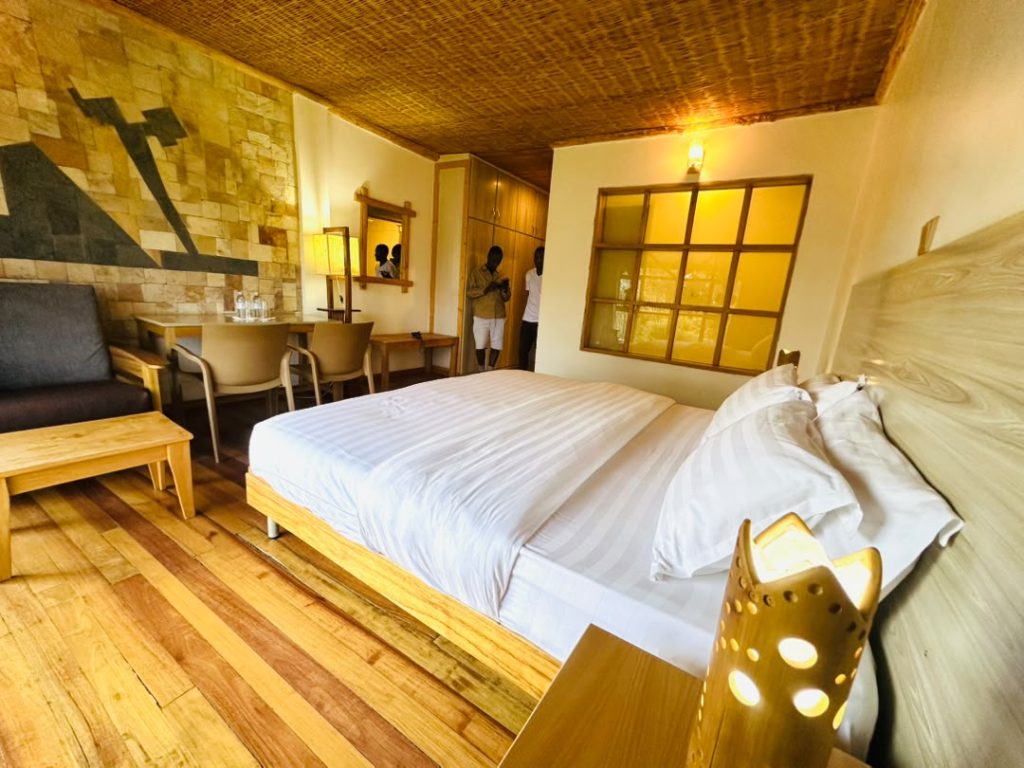
Lodges near Mgahinga Gorilla National Park. Mgahinga Gorilla National Park is Uganda’s smallest national park and, in many ways, its most atmospheric. Three great volcanoes rise above the bamboo forest, the air is cool and clean, and the mountain gorillas that live here share a landscape that spills across the borders into Rwanda and the Democratic Republic of Congo. It is the kind of place where the evening sky turns violet behind volcano silhouettes, and where waking up to birdsong and woodsmoke feels like a small gift.
Choosing where to sleep matters more here than in most parks. Lodges near Mgahinga range from stone cottages with log fires to community-run camps and friendly town hotels, and the difference between them shapes your mornings, your meals and how easily you reach the trailhead. This guide walks you through the best options, explains how to choose between them and shows how to build a stay around gorillas, golden monkeys, volcano hikes and cultural walks. If you would like to book a complete package rather than piece it together yourself, Kenlink Tours keeps a detailed guide to accommodation near Mgahinga Gorilla National Park and can arrange the rooms alongside your permits.
Why Your Choice of Lodge Near Mgahinga Matters
Mgahinga sits in the far south-western corner of Uganda, roughly fifteen kilometres by road from the market town of Kisoro. Trekking briefings begin early in the morning at the park’s Ntebeko entrance, and the road from town is steep and rough in places. A lodge close to the gate can save you a long, bumpy start and give you time for a slow breakfast, whereas a room in Kisoro puts you closer to restaurants, shops and transport at the cost of a slightly earlier alarm.
The setting matters too. Some lodges sit on the volcano slopes with views straight into the park, others overlook the calm waters of Lake Mutanda or Lake Mulehe, and some are simple but full of charm in the middle of town. Altitude adds another factor: the region sits above two thousand metres in places, so nights are cool and a fireplace, hot-water bottle and warm bedding are genuine luxuries rather than fancy extras.
Finally, the right lodge can turn a gorilla trek into a whole experience. Many properties work closely with local communities, employ Batwa guides and arrange walks, dance performances and craft sales, and a few also support conservation projects. Spending your nights where the money reaches local people is one of the most meaningful choices you can make, and it usually makes the stay more memorable as well.
Mgahinga Gorilla National Park at a Glance
Before choosing a lodge, it helps to understand the park itself. Mgahinga covers about thirty-four square kilometres and was established in 1991. It protects three extinct volcanoes of the Virunga range, Muhabura, Gahinga and Sabinyo, which rise between roughly 2,200 and more than 4,000 metres above sea level. The habitat ranges from bamboo and montane forest to afro-alpine vegetation near the summits, and the whole park forms part of a larger transboundary conservation landscape shared with Rwanda’s Volcanoes National Park and Virunga National Park in Congo.
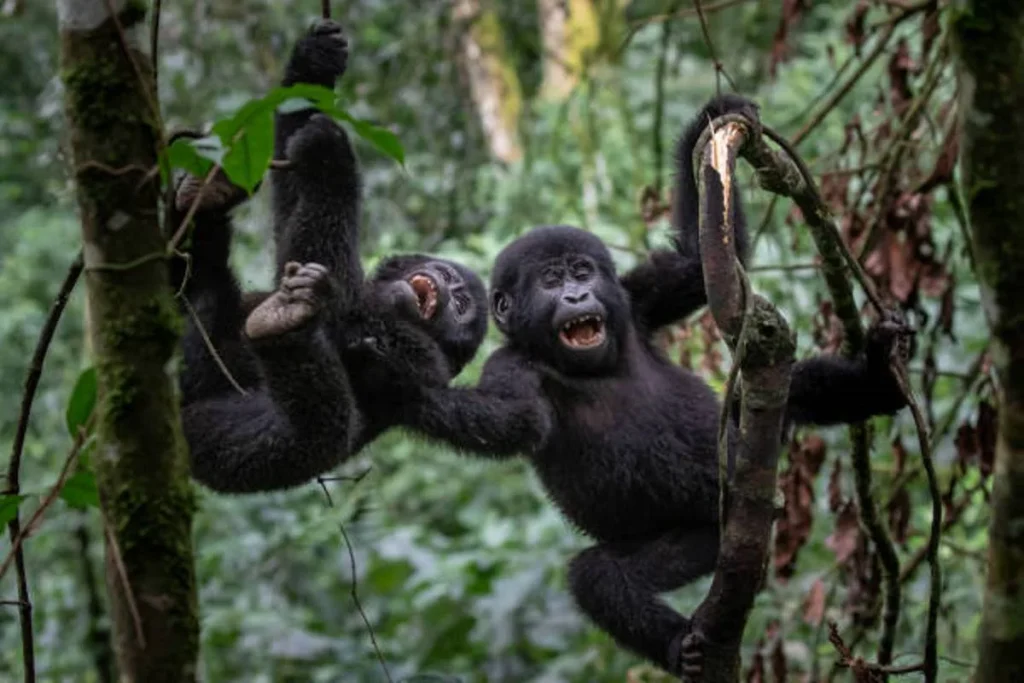
The park is best known for one habituated group of mountain gorillas, which can be visited with an allocation of only eight permits per day. It is also home to golden monkeys, a rare species found only in the Albertine Rift, and it is a place where the Batwa people once lived as forest hunter-gatherers and now share their heritage through guided cultural experiences. Because so few visitors trek each day, the atmosphere is far quieter than at busier parks, and lodges here tend to be smaller and more personal.
For a broader picture of how Mgahinga fits with Uganda’s other protected areas, read the overview of national parks in Uganda, and if you want to go straight to a short gorilla trip, the three-day Uganda gorillas safari is an easy starting point.
How to Choose a Lodge Near Mgahinga: Four Questions to Ask
How close do you want to be to the gate? Lodges beside the park allow the shortest morning journey and the most relaxed start. Properties around Lake Mutanda or Lake Mulehe are about twenty kilometres away, and Kisoro town is around fourteen, so plan an extra half hour or more each way on rough roads.
What is your budget? Uganda’s Mgahinga region has three clear tiers. Luxury lodges typically charge several hundred US dollars per person per night on a full-board basis. Mid-range lodges and hotels sit roughly between eighty and two hundred dollars, and budget camps and guesthouses can fall below fifty. These are indicative ranges from published guides, so confirm current rates with your operator.
What atmosphere do you want? Some travellers want a private cottage with a fireplace and a personal attendant. Others prefer a lively town hotel with a bar, or a community camp where evenings include storytelling and song. Think about the mood you want after a day on the mountain.
What else is in your itinerary? If you plan to trek in Bwindi’s southern sectors or cross into Rwanda, Kisoro and Lake Mutanda make convenient bases. If you plan several days of volcano hiking, staying close to the park makes sense. Our guide to driving from Bwindi to Mgahinga Gorilla National Park explains how the two fit together.
Lodges Near Mgahinga at a Glance
| Lodge or hotel | Setting | Tier | Best for |
|---|---|---|---|
| Mount Gahinga Lodge | Beside the park, Ntebeko | Luxury | Couples, photographers, special occasions |
| Chameleon Hill Lodge | Lake Mutanda hillside | Luxury to upper mid-range | Lake views, relaxation |
| Mgahinga Gorilla Triangle Lodge | Slopes near the park | Mid-range | Families, groups |
| Lake Mulehe Gorilla Lodge | Lake Mulehe, near Kisoro | Mid-range | Canoeing, Batwa visits |
| Lake Mutanda Resort | Lake Mutanda shore | Mid-range | Scenic evenings |
| Travellers Rest Hotel | Kisoro | Mid-range | History, easy logistics |
| Mucha Hotel | Near Kisoro | Mid-range | Gardens, value |
| Amajambere Iwacu Community Camp | Near Ntebeko gate | Budget | Community tourism, backpackers |
| Mgahinga Rest Camp | Park entrance | Budget | Shortest morning walk |
| Ikoro Hotel and Kisoro town hotels | Kisoro | Varies by hotel | Transit stops, flexible plans |
Availability and features change from season to season, so treat this as a shortlist and not a guarantee. The sections below describe each tier in more detail.
Luxury Lodges Near Mgahinga: Mount Gahinga Lodge and Chameleon Hill Lodge
Mount Gahinga Lodge is the best-known luxury address beside the park. It sits at Ntebeko, close to the Mgahinga entrance, so your trekking briefing is a short journey away. The lodge is built from local materials, with stone-and-thatch cottages, private verandas and fireplaces that are lit for you in the evening. Its design blends into the volcano slopes, and on clear days the three peaks appear to rise straight out of the garden. Meals are locally inspired, staff are warm and knowledgeable, and the lodge is closely tied to community and Batwa initiatives, which many guests find deeply rewarding. It is the natural pick for couples, honeymooners and photographers who want a sense of place as well as comfort.
Chameleon Hill Lodge sits on a ridge above Lake Mutanda, some twenty kilometres from the Mgahinga gate. Its colourful, quirky cottages have private decks that look over the lake and volcanoes, and it is known for organic, home-grown cuisine and a relaxed, artistic character. It is a lovely retreat after a day of trekking, with hammocks, garden walks and canoe trips on the lake, and it is well placed for both Mgahinga and southern Bwindi. If you prefer water and hills to forest edges, this is an excellent alternative to staying by the park gate.
Both lodges suit travellers who value atmosphere, service and quiet, and both book out early in peak months. If you want a more comprehensive look at luxury options across Uganda’s gorilla region, see the guide to Uganda luxury safaris and gorilla tours.
Mid-Range Lodges and Hotels: Comfort Without the Big Price
For many travellers, the mid-range tier is the sweet spot near Mgahinga, and there is a good choice. Mgahinga Gorilla Triangle Lodge sits on the slopes near the park and is described as offering spacious cottages, en-suite rooms and panoramic views with hearty meals, which makes it popular with families and small groups. Lake Mulehe Gorilla Lodge, a short drive from Kisoro, offers en-suite cottages with lake and volcano views, plus canoe trips and Batwa visits. Lake Mutanda Resort occupies a scenic shoreline spot on Lake Mutanda, and its evening views are among the loveliest in the region.
In and around Kisoro, Travellers Rest Hotel has a long history in the region and is loved for its character and reliable food, while Mucha Hotel offers en-suite rooms and a banana-garden setting a short drive from town. These properties are useful if you want easy access to restaurants, money changers and transport, and they make a comfortable base on a longer trip.
Mid-range lodges usually include meals, hot water and a friendly local team who can arrange your park activities. Ask whether breakfast, full board or bed and breakfast is included, and whether the lodge can organise packed lunches for trekking days. To compare more options in town, browse the guide to the best hotels in Kisoro.
Budget Stays: Camps, Guesthouses and Community Lodges
Gorilla country does not have to be expensive. Amajambere Iwacu Community Camp is a community-run project near the Ntebeko gate that offers simple bandas, dormitory beds and camping, traditional meals and cultural performances, and its profits support local people. It is a favourite with backpackers and with travellers who want to spend their money where it does the most good. Mgahinga Rest Camp, near the park entrance, offers grass-thatched bandas and tents with quick access to the trailheads, ideal if you would like the shortest walk to the briefing.
In town, small hotels and guesthouses such as Kisoro Tourist Hotel provide clean rooms, shared or private bathrooms and communal dining at very low rates. Ikoro Hotel in Kisoro is another option to look at when you compare town stays, especially if you are arriving from Rwanda and want a simple base close to shops and transport.
Budget accommodation is simpler, so bring a warm sleeping layer, a torch and your own toiletries. Water may be heated in a bucket, and electricity can be limited. In exchange you receive genuine hospitality, and you stand on exactly the same trailhead as guests at the most luxurious lodge. Remember that your gorilla permit, ranger team and gorilla family are identical whatever you pay for your bed.
Kisoro Town vs a Lodge Beside the Park
Should you sleep in town or out by the gate? Each has real advantages. In Kisoro you find restaurants, shops, a market and easier transport connections, and many hotels are inexpensive. Distances to Bwindi’s southern sectors are shorter from town, so it is a practical base if you plan to trek in both parks. The trade-off is a longer, bumpier morning drive to the Mgahinga briefing point.
A lodge beside the park removes that drive. You wake in the mountain air, walk to breakfast and reach the trailhead in minutes. It is a calmer, more immersive experience, and the evenings are wonderfully quiet, with woodsmoke, birdsong and stars. The trade-offs are higher prices, fewer dining options and less flexibility if you want to move around.
A good compromise is to split your stay: a night or two in Kisoro or at a lake lodge for logistics and scenery, and a night beside the park before your trek. Your operator can help you decide, and for local support you can also look at the tour operators in Kisoro page.
Lake Mutanda and Lake Mulehe: Scenic Places to Stay
Two lakes near Kisoro offer some of the most beautiful lodge settings in Uganda. Lake Mutanda is a serene, island-dotted lake with volcano views, and it is home to a scatter of lodges, including Chameleon Hill Lodge and Lake Mutanda Resort. Life on the lake moves slowly: fishermen paddle dugout canoes, birds line the shore and the mist lifts off the water at dawn. You can learn what to do in the area in this guide to things to do at Lake Mutanda.
Lake Mulehe is smaller and quieter, with a gentler feel and easy access to Batwa cultural visits and canoe trips. Staying by either lake adds a restful chapter to a busy trip. It works particularly well after trekking, when your legs want a hammock and a slow afternoon more than another hike, and both lakes are within reach of Mgahinga and southern Bwindi.
Best Lodges for Every Kind of Traveller
Couples and honeymooners. Mount Gahinga Lodge and Chameleon Hill Lodge offer privacy, fireplaces and views, and a night at each makes a wonderful pairing.
Families. Mgahinga Gorilla Triangle Lodge and Lake Mulehe Gorilla Lodge have spacious rooms, and lakeside stays give children space to relax between activities. Remember that gorilla trekking has a minimum age of fifteen.
Photographers. Lodges beside the park give you the best light on the volcanoes at dawn, and lake lodges offer sunset and reflection shots.
Groups and friends. Mid-range cottages and town hotels offer flexible room layouts and shared dining, and group tours can lower costs. Explore Kenlink Tours group tours to see how sharing works.
Backpackers and budget travellers. Amajambere Iwacu, Mgahinga Rest Camp and Kisoro’s small hotels deliver the experience for much less. Nothing about your gorilla encounter is second class.
Eating and Drinking Near Mgahinga
Most lodges near the park serve full board, and the food is often a highlight. Expect hearty, freshly prepared meals using local vegetables, potatoes, beans, meat and fish from the lakes, with fresh juices, tea and Ugandan coffee. Many lodges will pack a lunch for trekking days, so ask for it the night before. Vegetarian and special diets are usually possible with notice, especially at the smaller lodges, where cooks enjoy adapting recipes.
In Kisoro, small restaurants, cafes and hotel dining rooms offer a wider choice, from simple rolex wraps and grilled chicken to international dishes. You can find ideas in this guide on where to eat near Mgahinga Gorilla National Park in Kisoro. Bring cash for small meals and drinks, since card facilities are not available everywhere. Drink bottled or treated water, and take a snack for the trail, since a gorilla trek can stretch through lunchtime.
Things to Do From Your Lodge: Gorillas, Golden Monkeys and Volcano Hikes
Gorilla trekking. Mgahinga’s habituated gorilla group is the main attraction. Because only eight permits are issued each day, this is one of the most exclusive gorilla experiences in East Africa, and it sells out early. The trek begins with a briefing at the Ntebeko entrance and usually includes a walk through farmland, bamboo and forest, followed by up to an hour with the gorillas. Terrain can be steep and muddy, so wear proper boots.
Golden monkey tracking. Golden monkeys are a striking, playful species found only in the Albertine Rift, and Mgahinga is one of the best places to see them. They travel in large, lively groups through bamboo forest, and the walk is often easier than a gorilla trek. It is an excellent add-on for a second day and a fine choice if you missed out on a gorilla permit. To see how it fits into a trip, look at the four-day Rwanda and Uganda golden monkey and gorilla trekking route.
Volcano hikes. The park’s three volcanoes offer serious day hikes for fit walkers. Sabinyo has a jagged, tooth-like ridge, Gahinga has a crater lake full of swamp vegetation and Muhabura is the highest and most demanding. Each takes many hours and rewards you with sweeping views across three countries. Guides and rangers accompany every hike, and it helps to spend two nights near the park so you can start early.
Batwa cultural experiences. The Batwa were the original forest people of the region, and their guided trail lets you learn about traditional hunting, shelter building, medicinal plants and stories. It is a moving, informative experience, and it supports Batwa livelihoods when run by community partners.
Lakes and villages. Canoe trips on Lake Mutanda or Lake Mulehe, village walks, craft markets and birdwatching fill rest days beautifully. If you have extra time, these activities turn a two-night stay into a fully rounded holiday, and this list of things to do after a gorilla tour in Bwindi offers ideas that also work around Kisoro.
Gorilla Permits for Mgahinga in 2026
To trek gorillas, you need a permit from the Uganda Wildlife Authority, and most visitors arrange it through a licensed operator. The published price for foreign non-residents in 2026 is USD 800 in the high season, with a reduced rate of USD 600 in April, May and November, though discounted permits are usually non-transferable. Only eight visitors can trek the Mgahinga group each day, so book early, ideally several months ahead for peak months.
Because Mgahinga has just one habituated group, your permit is tied to a specific date and there are fewer alternatives if a date is full. Many travellers therefore combine Mgahinga with a southern Bwindi permit, so that if one date is taken they can still trek on another. Ask your operator to secure permits before booking lodges and flights. You can compare current options on the available gorilla tours for booking in Uganda page, and read the full guide to gorilla trekking in Uganda for background on rules, fitness and the best time to go.
Combining Mgahinga With Bwindi and Rwanda
Mgahinga’s location makes it an ideal partner for other parts of the gorilla region. Kisoro sits between the park and Bwindi’s southern sectors of Rushaga and Nkuringo, so you can trek in both without a long transfer. It is also close to the Cyanika border with Rwanda, which means that Volcanoes National Park, Musanze and Kigali are within a few hours. Many travellers plan a loop that starts in Kigali, crosses at Cyanika, treks in Mgahinga and Bwindi, and returns north through Queen Elizabeth National Park.
If you are planning a cross-border trip, the five-day Uganda and Rwanda double gorilla safari is a good template, and the combining Rwanda and Uganda gorilla trekking and culture guide adds cultural stops. For short trips from Kigali, look at the two-day gorilla safari starting from Kigali and the three-day Bwindi gorilla safari starting from Kigali. Anyone starting in Rwanda and finishing in Entebbe should read this practical article on beginning your tour from Kigali Airport and ending in Entebbe Airport.
How to Get to Mgahinga and Your Lodge
From Kampala or Entebbe, Kisoro is a long drive of around eight to ten hours by road, usually via Mbarara and Kabale, and most travellers break the journey with a night in Mbarara or at Lake Bunyonyi. A scheduled or charter flight to the Kisoro airstrip cuts the journey to about ninety minutes and is ideal for short trips. From Kigali, the drive to the Cyanika border takes three to four hours, and Kisoro is a short distance beyond it, so many visitors reach Mgahinga in a single long day. If you are flying into Rwanda and out of Uganda, this article on how to start in Kigali and end in Entebbe explains the planning in more detail.
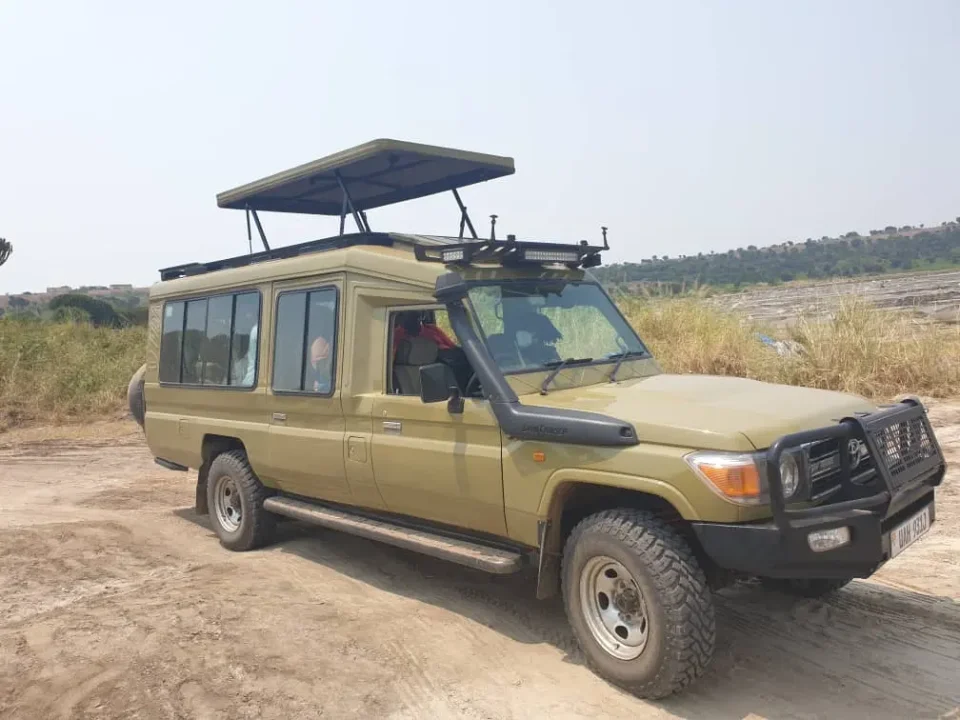
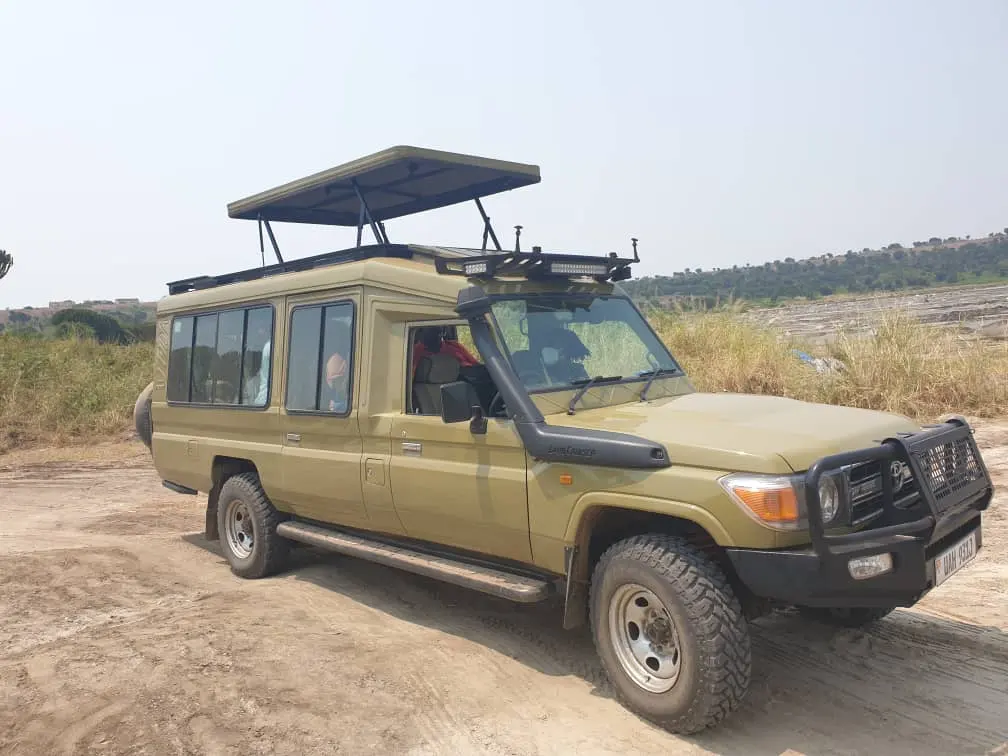
The last stretch from Kisoro to the park is roughly fifteen kilometres on rough roads that become slippery after rain, so a 4×4 vehicle with a driver-guide is the safest way to travel. You can view vehicle options on the Kenlink Tours car hire page, and independent transfer teams such as Pick and Transfer Safaris can help with airport meetings and cross-border legs. Ask your lodge whether it offers pick-ups from Kisoro or from the border, since some properties do.
Best Time to Stay Near Mgahinga and What to Pack
Mgahinga can be visited all year, though the dry seasons from June to September and December to February are the most comfortable, with firmer trails and clearer volcano views. The wetter months of March to May and October to November bring rain, mud and mist, but lodges are quieter and rates can fall, and gorilla permits are discounted in April, May and November.
Because the park sits high, evenings are cold, so pack a warm fleece, a light jacket, thermal layers and warm socks, in addition to rain gear. For trekking, bring waterproof boots, long trousers, a long-sleeved shirt, gloves, a hat and insect repellent. A small daypack, a water bottle, a torch, binoculars and a power bank are helpful, and a lightweight duffel bag is easier for lodge staff and porters to handle than a hard suitcase.
Sample Itineraries: Two, Three and Five Nights Near Mgahinga
Two nights: a quick gorilla stay. Arrive in Kisoro or at your lodge the afternoon before your trek, sleep close to the park, trek gorillas the next morning and spend the afternoon at a lake lodge or with a Batwa guide before an early flight or drive the following day. It is compact and efficient. The three-day Uganda gorillas safari follows a similar pattern.
Three nights: gorillas and golden monkeys. Spend the first night in Kisoro, trek gorillas on day two, track golden monkeys or take a cultural walk on day three, and transfer to Bwindi’s southern sectors on day four. This gives you two different primate experiences with a relaxed pace, and it lets you swap between a lakeside lodge and a lodge beside the park.
Five nights: the full Mgahinga and Bwindi combination. Combine two nights near Mgahinga, a lake night at Mutanda or Mulehe and two nights in Rushaga or Nkuringo for a second gorilla trek. It is a rich, low-stress plan, and a good option for travellers with a week to spare. For inspiration, see the Uganda and Rwanda gorilla safaris overview and the four-day Uganda cultural and gorilla tour.
Wherever your route ends, it is worth leaving space for a slow afternoon after the trek. If you finish in Bwindi, these essential tips on what to do after a gorilla tour in Bwindi can help you plan the rest of the day, and if you are continuing on to Rwanda, a night in Kisoro at a place such as Ikoro Hotel in Kisoro makes the border morning easy.
A Day at a Lodge Near Mgahinga: What to Expect
A typical trekking day begins well before sunrise. A soft knock at the door brings hot water or tea, and after a quick breakfast of eggs, porridge, fruit and coffee, you collect your packed lunch and set off for the briefing. Lodges close to the park make this feel unhurried, and even those further away run a smooth routine because staff do it every day. The morning is spent on the mountain, and you are usually back by early or mid-afternoon with muddy boots and a head full of images.
Back at the lodge, staff often take your boots for cleaning and your laundry for washing, and a hot shower feels like a miracle. The afternoon is for resting, writing notes, drinking tea on the veranda or taking a slow walk around the gardens. As the light fades, a fire is lit, a hot-water bottle appears in the bed and dinner is served with local wine, beer or a pot of ginger tea. Evenings are quiet, and many guests are asleep by nine.
Budget camps and town hotels follow a simpler version of the same rhythm, often with more social evenings around a communal table or bonfire. Wherever you stay, the routine is the same: early rise, big day, warm welcome and early night. Knowing what to expect helps you pack the right gear and plan the right level of comfort.
What Makes a Great Gorilla Lodge? A Quick Checklist
When you compare lodges, look beyond the photographs. Check how far the lodge is from the park gate and how long the drive takes in the wet season. Ask whether hot water, heating and electricity are reliable, and whether rooms have insulation or a fireplace for cold nights. Find out what meals are included, whether packed lunches are provided and how well the kitchen handles special diets.
Look for a lodge with a clear commitment to the community, such as employing local staff, buying food locally or supporting Batwa projects. Read recent guest feedback, ask about transfers and ask how the lodge handles emergencies and medical support. A strong lodge is honest about what it offers, gives clear answers and treats guests as people, not numbers. If a property meets most of these points, it is likely to give you a comfortable and memorable stay.
Booking Tips: How to Secure the Right Lodge at the Right Time
Small lodges near Mgahinga have limited rooms, and the best ones fill quickly in peak months. Book your gorilla permit first, then confirm your lodge for the nights around it. If your permit date is fixed, ask each lodge for a written confirmation showing dates, room type, meal plan and cancellation terms. For the luxury lodges, aim to book six months ahead for the high season, and for mid-range and budget stays, three to four months is usually enough.
Ask about what is included. Some lodges include laundry, packed lunches, guided walks and airport or border pick-ups, while others charge extra. Check the exact distance to the gate and the state of the road, and whether the lodge has hot water and power around the clock. A good operator can negotiate on your behalf, arrange transfers and make sure your permit, lodge and driver line up. You can start by reviewing the Uganda safari bookings page or send your dates and budget through the Kenlink Tours contact page.
Travelling Responsibly Around Mgahinga
Mgahinga’s gorillas, golden monkeys and forests depend on a healthy relationship between the park and the communities around it. Choose lodges that hire locally, buy food from nearby farms and support Batwa and community projects. Ask before photographing people, buy crafts directly from cooperatives, and hire porters and local guides. Carry away your rubbish and avoid single-use plastic, especially on the trails.
Follow the gorilla rules carefully: keep your distance, avoid flash, and stay away from the trek if you feel unwell, since gorillas are vulnerable to human diseases. A small daily tip for your ranger, guide and porter is customary and appreciated. These small actions add up, and they make the trip better for everyone who follows you.
Common Mistakes When Choosing Lodges Near Mgahinga
A few errors come up again and again. The first is booking a lodge before securing a gorilla permit, which can leave you with a beautiful room and no trek. The second is underestimating the roads: twenty kilometers on paper can feel much longer on steep, rutted tracks. The third is packing only for warm weather, when nights near the volcanoes are cold. The fourth is choosing a lodge purely for its photographs and ignoring its distance from the gate, its meal plan and its power supply.
The best approach is to decide your priorities first, whether that is luxury, value, atmosphere or a short morning walk, and then match the lodge to them. Talk to your operator, confirm everything in writing and leave a spare day in your schedule so that a delayed transfer or a rainy morning does not spoil the plan.
Frequently Asked Questions About Lodges Near Mgahinga
What is the best lodge near Mgahinga Gorilla National Park?
For luxury, Mount Gahinga Lodge is the best-known choice beside the park, and Chameleon Hill Lodge offers lake views a little further away. For mid-range comfort, look at Mgahinga Gorilla Triangle Lodge, Lake Mulehe Gorilla Lodge or a well-rated Kisoro hotel, and for budget stays consider Amajambere Iwacu Community Camp or Mgahinga Rest Camp.
How far is Kisoro from Mgahinga?
About fourteen to fifteen kilometers by road, which usually takes thirty to forty-five minutes depending on the road and weather. Many hotels in town make a comfortable base with an early morning drive to the park.
Can I stay near Mgahinga and trek gorillas in Bwindi?
Yes. Kisoro is a convenient base for Bwindi’s southern sectors, Rushaga and Nkuringo, and many travellers combine both parks in a single trip. Ask your operator to line up permits and lodges together.
Is it possible to start from Kigali?
Yes, and it is popular because the Cyanika border is only a few hours from Kigali. This guide to starting in Kigali and finishing in Entebbe covers how one-way routes work.
Are lodges near Mgahinga safe and comfortable?
Yes. The area is calm, tourism is well established and lodges are used to hosting international visitors. Standards vary by price, so ask about hot water, electricity, heating and meal arrangements before you book.
Who can help me plan my stay?
A licensed operator is the easiest route, because they can handle permits, lodges and transfers together. Local ground teams such as Pick and Transfer Safaris can also assist with transport, and Kenlink Tours offers a full range of Uganda safari packages that include the region.
Plan Your Stay Near Mgahinga Gorilla National Park
Mgahinga is a small park with a very big personality. Its volcano-ringed forests, golden monkeys and rare gorilla group are made even better by a well-chosen lodge, whether that is a stone cottage with a fireplace, a lakeside retreat or a friendly community camp. Decide on your budget and atmosphere, book your permit first and let your lodge complete the picture.
Ready to begin? Explore the wider western Uganda circuit, send your dates through the Kenlink Tours team and, if you like, ask a local transfer partner such as Pick and Transfer Safaris about airport meetings and road legs. Then pack a warm jacket, sturdy boots and a sense of wonder, and get ready to wake up beneath the volcanoes.