- EXPERT'S HELP
- +256789210067
- +256200955001
- info@kenlinktours.com


2-Day Short Gorilla Trekking Safari
September 27, 2026
Car Hire Companies in Kisoro
September 27, 2026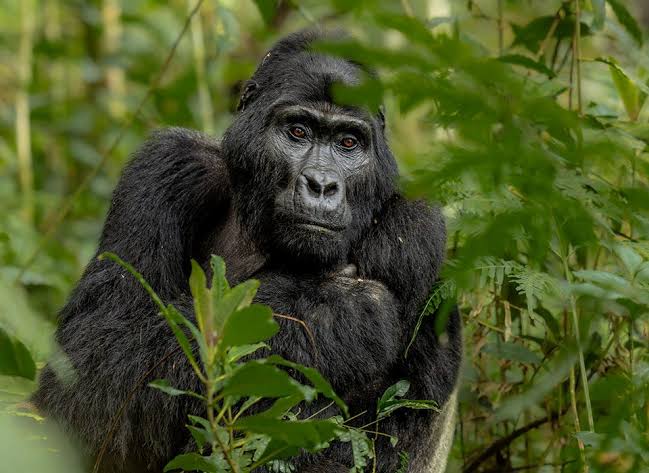
Gorilla Trek Tour in Rushaga Sector Bwindi. Deep in the southern hills of Bwindi Impenetrable National Park lies Rushaga, the sector with more habituated mountain gorilla families than any other part of the park. For travellers planning a gorilla trek tour in Rushaga sector, Bwindi, this means better permit availability, a wide choice of gorilla families and the chance to take part in Uganda’s unique gorilla habituation experience. Add its short drive from Kigali, its closeness to Kisoro airstrip and the beautiful lakes nearby, and it is easy to see why Rushaga has become one of the most popular gorilla trekking destinations in Africa.
This guide explains everything you need to know about gorilla trekking in Rushaga: where it is, how to get there from Kigali, Kampala and Entebbe, its gorilla families, permit costs, what to expect on trekking day, the habituation experience, where to stay, the best time to go and sample tour itineraries. At Kenlink Tours, we organize Rushaga gorilla treks every week, and we share here the same practical advice we give our own travellers.
Where Is Rushaga Sector?
Rushaga is one of the four gorilla trekking sectors of Bwindi Impenetrable National Park, alongside Buhoma in the north, Ruhija in the east and Nkuringo in the south. It lies in the southern part of the park in Kisoro district, close to the borders with Rwanda and the Democratic Republic of Congo.
The sector is characterized by steep, forested hills, deep valleys and small farming communities on the edge of the forest. From many lodges in the area, you can see the Virunga volcanoes on a clear day. Rushaga is also close to Lake Mutanda, Kisoro town and Mgahinga Gorilla National Park, making it an excellent base for exploring southwestern Uganda.
For an overview of the park, read our guide to Bwindi Impenetrable Forest National Park and Pick and Transfer Safaris’ page on Bwindi Impenetrable Forest National Park.
A Brief History of Gorilla Tourism in Rushaga
Gorilla tourism in Bwindi began in the northern Buhoma sector in the early 1990s, after the forest was declared a national park in 1991. As demand for gorilla permits grew, the Uganda Wildlife Authority began habituating additional gorilla families in other parts of the park to spread visitors more evenly and bring tourism benefits to more communities.
Rushaga opened to gorilla tourism in the late 2000s, and it quickly grew into the sector with the most habituated families. Its success is partly due to the steady work of trackers and researchers who spend years patiently habituating each new group. Today, Rushaga is also the centre of Uganda’s gorilla habituation experience, giving visitors a rare chance to see this conservation work first-hand.
Bwindi Impenetrable National Park itself is a UNESCO World Heritage Site, recognised for its exceptional biodiversity. It protects roughly half of the world’s mountain gorillas, together with chimpanzees, several monkey species, forest elephants and hundreds of species of birds and butterflies.
Why Choose Rushaga for Your Gorilla Trek?
- The most gorilla families: Rushaga has the largest number of habituated gorilla families in Bwindi, which greatly improves permit availability, especially in peak season.
- Gorilla habituation experience: Rushaga is the only sector in Uganda where you can join the four-hour habituation experience.
- Close to Kigali: about 4 to 5 hours by road from Kigali, much closer than Buhoma.
- Near Kisoro airstrip: ideal for fly-in safaris from Entebbe.
- Beautiful surroundings: Lake Mutanda, Lake Bunyonyi, the Virunga volcanoes and Batwa culture are all within reach.
- Varied treks: with many families, rangers can often match visitors to a trek that suits their fitness.
Read what makes this area special in our article on what has made the Rushaga region of Bwindi popular for gorilla trekking.
Gorilla Families in Rushaga Sector
Rushaga is home to several habituated gorilla families open to tourists. Among the best known are the Nshongi, Mishaya, Kahungye, Busingye and Bweza families, along with others that have been habituated more recently. Each family has its own character, history and home range.
Nshongi was one of the first families habituated in Rushaga and was once among the largest habituated groups in Bwindi. It is named after a river near where the group was first seen.
Mishaya formed when a silverback of the same name broke away from the Nshongi family to start his own group, a common way new gorilla families form in the wild.
Kahungye is named after the hill where it was first found, and has itself split over the years, giving rise to new groups.
Busingye also split from Kahungye. Its name means “peace” in the local Rukiga language, a slightly ironic name for a silverback known for his strong personality.
Bweza split from the Nshongi family and has become a popular group for trekkers.
Gorilla family sizes and compositions change over time as gorillas are born, die or move between groups, and new families are opened to tourism as habituation progresses. Your family will be assigned on trekking morning by the Uganda Wildlife Authority rangers. For more detail, read our guide to Rushaga vs Nkuringo gorilla trekking and Pick and Transfer Safaris’ guides on choosing between Nkuringo and Rushaga and comparing Buhoma, Nkuringo, Rushaga and Ruhija.
How to Get to Rushaga Sector
Rushaga can be reached by road from Kigali or Kampala, or by air from Entebbe. Your choice will depend on where you start your trip and how much time you have.
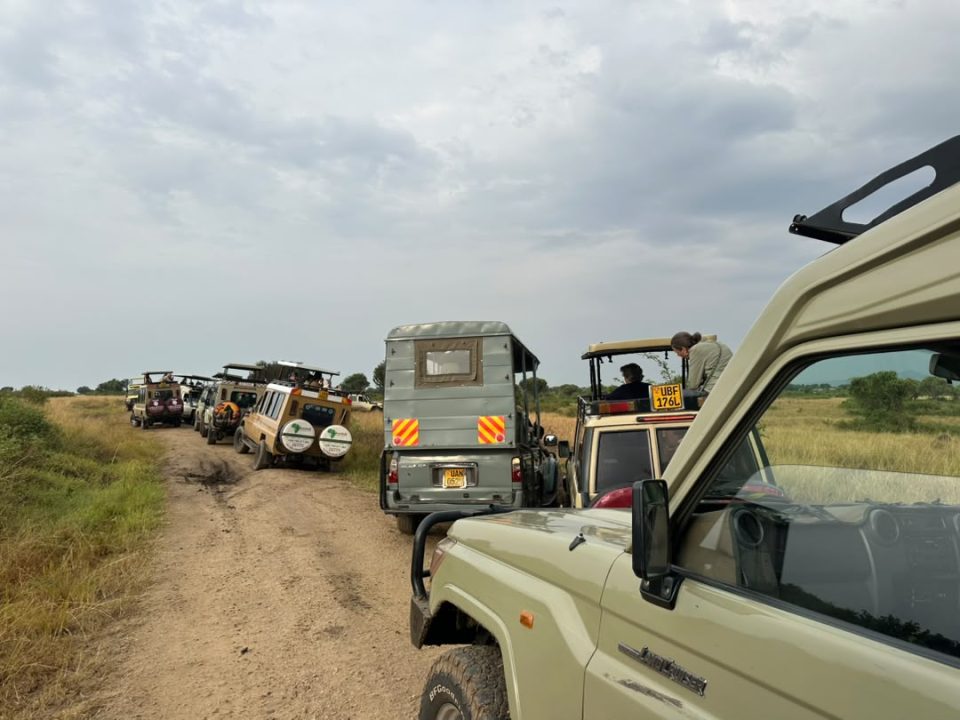
From Kigali, Rwanda (about 4 to 5 hours): this is the fastest road route to Rushaga. You drive north to Musanze, cross the border at Cyanika, pass through Kisoro town and continue on a murram road to Rushaga. The combination of Kigali’s international airport and a relatively short drive makes this the most popular way to reach Rushaga. Read our guides to gorilla trekking in Rushaga from Kigali and transfers from Kigali to Rushaga, and Pick and Transfer Safaris’ Kigali to Rushaga gorilla trek.
From Kampala or Entebbe by road (about 9 to 10 hours): the drive runs southwest via Masaka, Mbarara and Kabale, often with a stop at the Equator. Many travellers break the journey with a night at Lake Bunyonyi. See our guide on how to get from Kampala to Bwindi.
By air from Entebbe (about 1.5 to 2 hours): scheduled domestic flights connect Entebbe or Kajjansi with Kisoro airstrip. From Kisoro, your driver-guide transfers you to Rushaga in about an hour to an hour and a half. See our guide from Kisoro airport to Bwindi for gorilla trekking.
Gorilla Permit Costs for Rushaga
Gorilla permits for Rushaga are issued by the Uganda Wildlife Authority (UWA) and cost the same as in the other Bwindi sectors:
- Foreign non-residents: USD 800 per person
- Foreign residents of East Africa: USD 700 per person
- East African citizens: a lower rate in Uganda shillings
- Gorilla habituation experience: USD 1,500 per person
Each permit is valid for one trek on a specific date and in a specific sector. Because a maximum of eight visitors can trek each gorilla family per day, permits must be booked in advance, especially for the dry seasons. Always confirm current prices before booking. Read our guide on how to book a gorilla trekking permit in Uganda and Pick and Transfer Safaris’ guide to booking a gorilla permit in Uganda.
The Gorilla Habituation Experience in Rushaga
Rushaga is the only place in Uganda where you can take part in the gorilla habituation experience. Habituation is the gradual process of getting a wild gorilla family used to human presence, which usually takes about two years. During the experience, you join researchers, trackers and rangers as they work with a gorilla family that is still being habituated.
Instead of the one hour allowed on a standard trek, you can spend up to four hours with the gorillas. You will learn how trackers follow gorilla trails, read signs such as nests and feeding remains, and record gorilla behaviour. Because the gorillas are less used to people, the encounter feels wilder and more authentic.
Only a very small number of habituation permits are available each day, so they often sell out months in advance. The experience is ideal for keen photographers, wildlife enthusiasts and travellers who want a deeper understanding of gorilla conservation. Read our guide to the gorilla habituation experience in Rushaga, and Pick and Transfer Safaris’ guides on why Rushaga is the only place for gorilla habituation in Uganda and what happens during the gorilla habituation experience.
What to Expect on Trekking Day in Rushaga
A gorilla trek in Rushaga follows a well-organised routine:
- Early breakfast: around 6:00 to 6:30 a.m. at your lodge.
- Arrival at Rushaga headquarters: by about 7:30 a.m. for registration. Local community groups often perform traditional songs and dances.
- Briefing: at about 8:00 a.m., rangers explain the rules and allocate visitors to gorilla families.
- Drive to the starting point: some families are trekked from the headquarters, while others require a short drive.
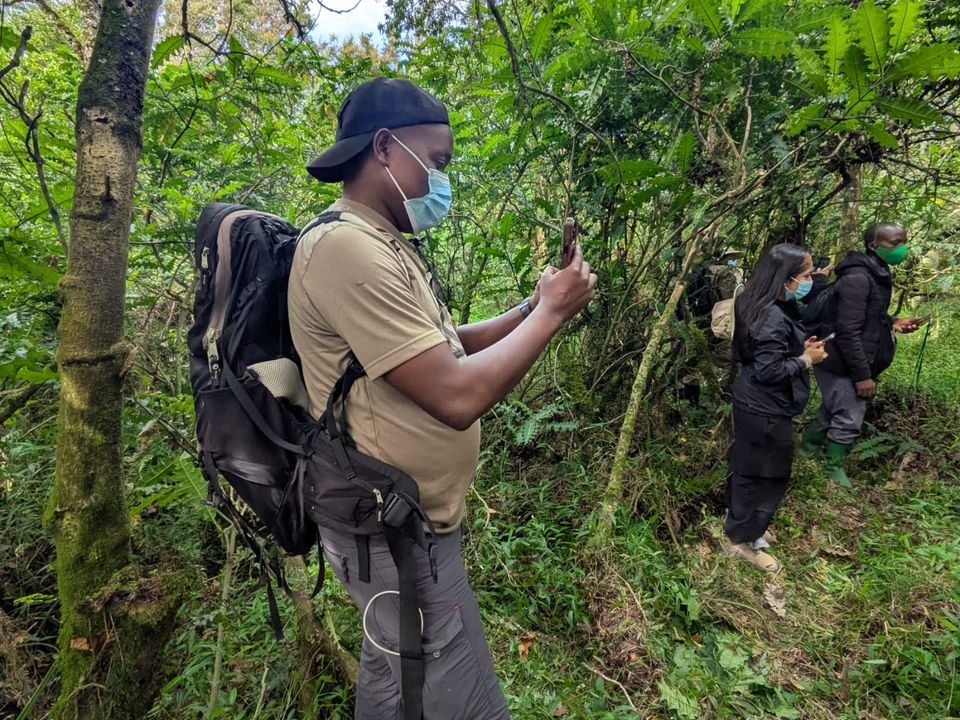
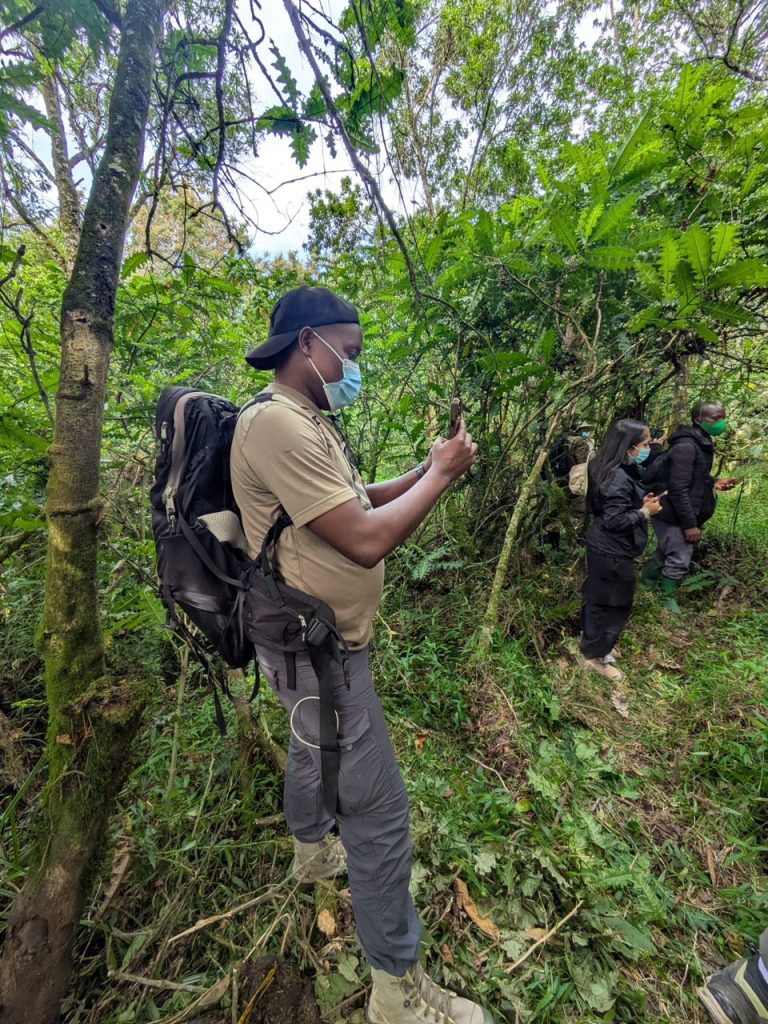
- The trek: you hike through farmland and forest with rangers, armed escorts and porters. Advance trackers go out early to locate the gorillas and guide your group by radio.
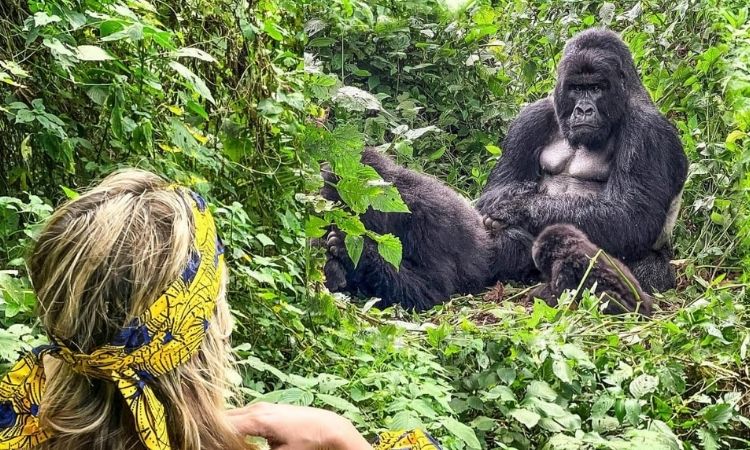
- One hour with the gorillas: watch the silverback, mothers, infants and juveniles feed, rest and play.
- Return and certificate: hike back to the trailhead and receive your gorilla trekking certificate.
Treks in Rushaga can last from under an hour to five or six hours or more, depending on where the gorillas are. The terrain is often steep and muddy, as the sector’s hills are some of the most rugged in Bwindi.
How Difficult Is Gorilla Trekking in Rushaga?
Rushaga’s terrain is hilly and challenging, with steep slopes, dense vegetation and slippery trails, especially in the rainy season. The difficulty of your trek depends mainly on where your gorilla family is that day. Some families stay close to the forest edge, while others move deep into the valleys.
Because Rushaga has many gorilla families, rangers can sometimes assign older or less fit visitors to a family expected to be closer. Tell your driver-guide in advance if you would like an easier trek, and they will pass the request on at the briefing. Walking sticks are provided, and porters are available to carry your bag and help you on steep sections. Hiring a porter is highly recommended and supports local families. Read our guide on hiring a porter during gorilla trekking.
Travellers with limited mobility can arrange a sedan chair, carried by a team of local porters, through the park. This service is paid separately and should be requested in advance.
Gorilla Trekking Rules in Rushaga
- The minimum age for gorilla trekking is 15 years.
- A maximum of eight visitors per gorilla family per day.
- One hour with the gorillas on a standard trek, and up to four hours on the habituation experience.
- Keep a distance of at least 7 metres from the gorillas where possible.
- Do not trek if you are sick, as gorillas can catch human illnesses.
- Wear a face mask when requested by rangers.
- No flash photography, eating, drinking or smoking near the gorillas.
- Follow your ranger’s instructions at all times.
Rushaga Compared With Other Bwindi Sectors
Each of Bwindi’s four sectors offers the same one-hour encounter with mountain gorillas, but they differ in access, terrain and atmosphere:
- Rushaga: the most gorilla families, the habituation experience, and the closest access from Kigali. Hilly terrain with varied trek lengths.
- Nkuringo: spectacular ridge-top views of the Virunga volcanoes, but often the steepest treks in Bwindi. Fewer families than Rushaga.
- Ruhija: high, cool and quiet, with excellent birdwatching. Reached via Kabale.
- Buhoma: the original sector, with the widest choice of lodges and community activities. Best reached from Kampala or by flight to Kihihi.
For travellers flying into Kigali, Rushaga usually offers the best combination of access and permit availability. For travellers who want dramatic scenery and do not mind a tough hike, Nkuringo is a strong alternative. Rushaga and Nkuringo are close neighbours, so lodges in the area can often serve both sectors.
Photography Tips for Rushaga
Rushaga’s dense forest and misty mornings can make photography challenging, but a few simple steps will help you capture memorable images:
- Switch off your flash before the encounter begins.
- Use a higher ISO and a fast shutter speed to cope with low light under the canopy.
- A mid-range zoom such as 24 to 105mm or 70 to 200mm works well, as the gorillas are often close.
- Protect your camera from rain and mud with a waterproof cover.
- Record short videos to capture gorilla sounds, such as the silverback’s chest-beating.
- Take time to watch without a camera, because the hour passes quickly.
Where to Stay When Trekking in Rushaga
Staying close to the Rushaga headquarters makes trekking morning much easier. There are options for every budget:
- Near Rushaga: a range of budget, midrange and luxury lodges on the hills around the sector, many with forest or volcano views.
- Kisoro town: hotels and guesthouses about 1 to 1.5 hours from Rushaga, often more affordable and with more amenities.
- Lake Mutanda: lakeside lodges with stunning views of the Virunga volcanoes, about an hour from Rushaga.
- Lake Bunyonyi: beautiful island and lakeside retreats, further away but ideal for a night before or after the trek.
See our guides to the best luxury lodges near Bwindi, the best hotels in Kisoro and staying at Lake Mutanda while trekking Bwindi. Pick and Transfer Safaris also lists the best lodges near Rushaga and answers whether you can sleep in Kisoro and trek gorillas in Bwindi.
Sample Rushaga Gorilla Trek Tour Itineraries
1-day Rushaga gorilla trek from Kigali or Kisoro. Very early departure from Kigali (or a short drive from Kisoro), trek the gorillas and return the same day. This is possible but makes for a long day, so it suits travellers with very limited time. See Pick and Transfer Safaris’ 1-day gorilla trek to Rushaga sector and their one-day gorilla trek starting from Kisoro town.
2-day Rushaga gorilla tour from Kigali. Day 1: drive from Kigali to Rushaga via the Cyanika border. Day 2: gorilla trekking, then return to Kigali. This is the most popular short Rushaga tour. See Pick and Transfer Safaris’ 2-day gorilla tour to Rushaga sector and their short gorilla tour in Rushaga starting from Kigali.
3-day Rushaga gorilla trek and Lake Bunyonyi. Day 1: travel to Rushaga. Day 2: gorilla trekking. Day 3: relax at Lake Bunyonyi or Lake Mutanda before returning. See Pick and Transfer Safaris’ gorilla tour with a Lake Bunyonyi visit and our guide to combining Lake Bunyonyi with gorilla trekking.
3-day Rushaga gorilla habituation safari. Day 1: travel to Rushaga. Day 2: the four-hour habituation experience. Day 3: a community walk or lake visit, then return.
4 to 5-day southwestern Uganda circuit. Combine a Rushaga gorilla trek with golden monkey tracking in Mgahinga, a canoe trip on Lake Mutanda and a Batwa cultural experience, before returning to Kigali or continuing to Queen Elizabeth National Park.
Things to Do Around Rushaga
- Batwa cultural experience: learn about the forest’s original inhabitants through songs, stories and demonstrations of traditional skills. See our guide to the Batwa cultural experience near Bwindi.
- Lake Mutanda: canoe past islands with the Virunga volcanoes as a backdrop. See Pick and Transfer Safaris’ guide to a boat ride at Lake Mutanda.
- Lake Bunyonyi: relax on one of Africa’s most beautiful lakes, famous for its 29 islands.
- Community walks: visit local farms, schools, traditional healers and craft groups.
- Birdwatching: Bwindi is home to hundreds of bird species, including many Albertine Rift endemics. See our guide to birdwatching in Bwindi.
- Kisoro town: explore markets, coffee shops and local life. See our guide to things to do in Kisoro after gorilla trekking.
- Mgahinga Gorilla National Park: track golden monkeys or hike one of the Virunga volcanoes.
Best Time for Gorilla Trekking in Rushaga
Gorilla trekking in Rushaga is possible all year round, as Bwindi is a tropical rainforest where rain can fall in any month. However, conditions do vary with the seasons:
- Dry seasons (June to September and December to February): drier trails, easier hiking and better road conditions. This is peak season, so permits sell out quickly.
- Wet seasons (March to May and October to November): lush forest, fewer visitors and sometimes discounted lodge rates. Trails can be very muddy and roads slippery.
Rushaga’s altitude means mornings and evenings are cool throughout the year, so bring a warm layer. Read our guide to the climate and weather in Bwindi.
What to Pack for a Rushaga Gorilla Trek
- Waterproof hiking boots with strong grip for Rushaga’s steep, muddy slopes
- Long trousers and long-sleeved shirts to protect against nettles and insects
- A lightweight rain jacket and a warm fleece
- Gardening gloves for gripping vegetation
- Gaiters or long socks to tuck trousers into
- A daypack with water, snacks and a rain cover
- Insect repellent, sunscreen and a hat
- A camera with spare batteries and memory cards (no flash)
- Your passport and permit confirmation
For a full checklist, see our guide on what to pack for gorilla trekking in Uganda and Rwanda.
Rushaga Gorilla Tours for Families, Couples and Solo Travellers
Families with teenagers aged 15 or older can trek together, and Rushaga’s many gorilla families make it easier to find permits for a whole group on the same day. Families with younger children can split up, with younger ones enjoying a canoe trip on Lake Mutanda, a community visit or a nature walk while others trek.
Couples and honeymooners love the combination of an adventurous gorilla trek with romantic stays at lakeside lodges on Lake Mutanda or Lake Bunyonyi, or at a luxury lodge overlooking the forest.
Solo travellers can join a trekking group of up to eight people on the day and share the experience with fellow visitors. A private tour with a driver-guide gives solo travellers flexibility and peace of mind, especially when crossing the border from Rwanda.
Whatever your travel style, let us know your preferences, and we will tailor your Rushaga tour to suit your group.
Visas and Border Crossing From Rwanda
If you travel to Rushaga from Kigali, you will cross the Rwanda–Uganda border at Cyanika. The East Africa Tourist Visa (USD 100) covers Rwanda, Uganda and Kenya with multiple entries for 90 days, and is the best choice if you are returning to Rwanda. You will also need a passport valid for at least six months and a Yellow Fever vaccination certificate. With the help of an experienced driver-guide, border formalities usually take 30 to 60 minutes.
How Much Does a Rushaga Gorilla Trek Tour Cost?
The total cost of a Rushaga gorilla tour depends on the number of days, your starting point, how you travel, your accommodation level and your group size. Budget for:
- Gorilla permit: USD 800 per person (foreign non-residents) or USD 1,500 for habituation
- Transport: a private 4×4 with driver-guide, or domestic flights for a fly-in tour
- Accommodation and meals: from budget to luxury
- Visa: if crossing from Rwanda
- Extras: porter fees, tips, drinks and optional activities
Transport costs are usually priced per vehicle, so sharing with friends or family lowers the cost per person. For a tailored quote, see how our Uganda safari bookings work.
How Your Visit Supports Communities Around Rushaga
Gorilla tourism is one of the most important sources of income for communities around Bwindi. A share of park entrance fees is returned to local communities through a revenue-sharing programme that supports schools, health centres, roads and water projects. Tourism also creates jobs for porters, guides, lodge staff, drivers and craftspeople.
When you hire a porter, buy crafts from local cooperatives, join a community walk or stay at a community-supported lodge, you help show that living gorillas are worth more than a cleared forest. This partnership between conservation and communities is one of the main reasons mountain gorilla numbers have increased in recent decades.
Tips for a Successful Rushaga Gorilla Trek
- Book your permit early, especially for the dry seasons and for habituation.
- Stay close to the headquarters to avoid a very early start on trekking day.
- Tell your guide about your fitness so that a suitable gorilla family can be requested.
- Hire a porter to make the trek easier and support the local community.
- Prepare for mud and rain at any time of year.
- Carry small notes in US dollars or Uganda shillings for tips.
- Leave a buffer between your trek and any international flight.
Why Book Your Rushaga Gorilla Trek With Kenlink Tours?
- Rushaga specialists with regular departures from Kigali, Kampala and Entebbe
- Gorilla trekking and habituation permits secured through the Uganda Wildlife Authority
- Experienced driver-guides who know the roads, borders and park staff
- Comfortable 4×4 vehicles suited to the hilly roads around Rushaga
- Lodges for every budget, from Kisoro guesthouses to luxury forest lodges
- Tailor-made itineraries from one day to two weeks
- Transparent pricing with no hidden costs
Frequently Asked Questions
How many gorilla families are in Rushaga?
Rushaga has the largest number of habituated gorilla families in Bwindi, including Nshongi, Mishaya, Kahungye, Busingye and Bweza. The exact number open to tourists changes as new families are habituated.
How far is Rushaga from Kigali?
About 4 to 5 hours by road via the Cyanika border and Kisoro.
How much is a gorilla permit for Rushaga?
USD 800 per person for foreign non-residents, USD 700 for foreign residents and USD 1,500 for the habituation experience. Always confirm current prices before booking.
Is Rushaga the only place for gorilla habituation in Uganda?
Yes. Rushaga is currently the only sector in Uganda offering the gorilla habituation experience.
Is gorilla trekking in Rushaga difficult?
It can be challenging because of the steep, hilly terrain, but difficulty varies by family and day. Porters and walking sticks make it manageable for most reasonably fit visitors.
Can I fly to Rushaga?
Yes. Domestic flights from Entebbe or Kajjansi land at Kisoro airstrip, about 1 to 1.5 hours’ drive from Rushaga.
Book Your Gorilla Trek Tour in Rushaga Sector
With more gorilla families than any other sector, Uganda’s only gorilla habituation experience, easy access from Kigali and beautiful lakes and volcanoes nearby, Rushaga is one of the finest places in Africa to meet mountain gorillas. Whether you have one day or a full week, a gorilla trek tour in Rushaga sector, Bwindi, will give you memories to last a lifetime.
Ready to trek? Contact Kenlink Tours with your travel dates, starting point and group size, and we will secure your permits and plan the perfect Rushaga gorilla trek tour for you.