- EXPERT'S HELP
- +256789210067
- +256200955001
- info@kenlinktours.com


Booking a Gorilla Safari in Uganda from Rwanda
September 27, 2026
Uganda Celebrates World Tourism Day in Mbale
September 27, 2026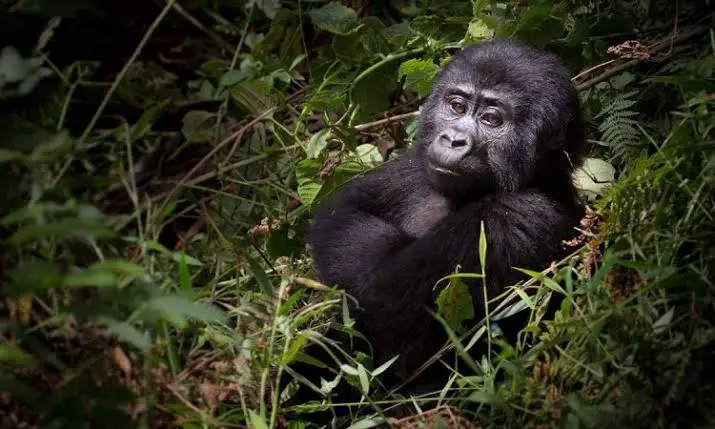
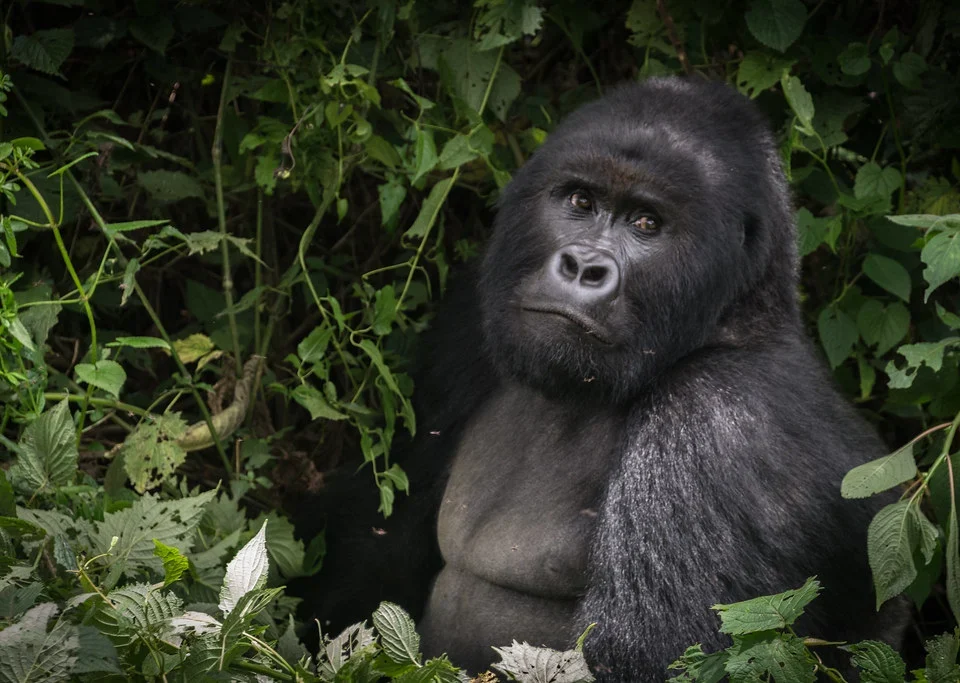
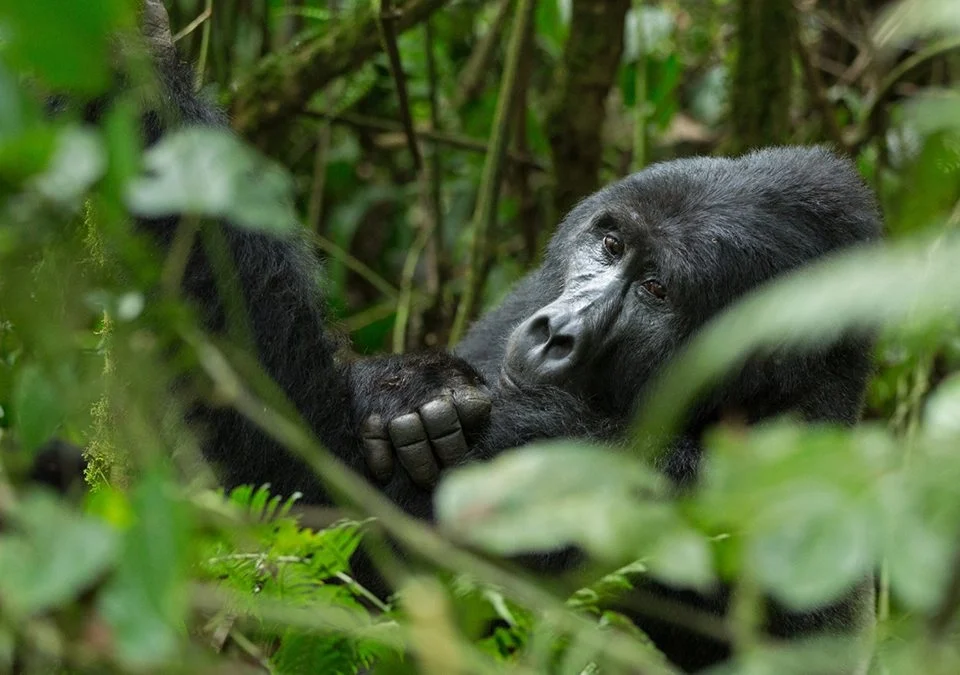
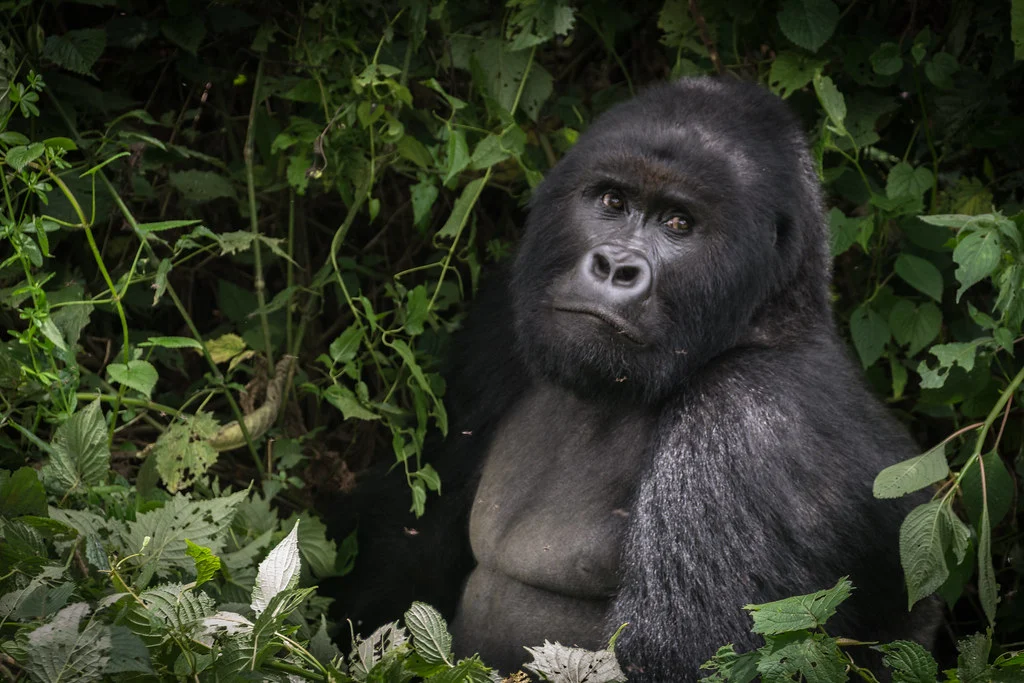
How to Book Gorilla Trekking Permit in Uganda. A gorilla trekking permit is the most important document of any Uganda safari. Without it, you cannot enter the forest to meet the mountain gorillas, however much you have spent on flights, lodges or transport. With it, you earn one of the most extraordinary hours available to any traveller on Earth: sixty minutes in the company of a wild gorilla family in Bwindi Impenetrable National Park or Mgahinga Gorilla National Park.
Permits are limited, they sell out months ahead for popular dates, and the booking rules changed significantly in the last two years. Many travellers are unsure where to start, how much to pay, who to pay, and what happens if their plans change.
This guide explains exactly how to book a gorilla trekking permit in Uganda. It covers current prices, who issues permits, the step-by-step booking process, how to choose the right sector, payment and cancellation rules, and the mistakes that cost travellers their trek. At Kenlink Tours, we secure gorilla permits for travellers from all over the world every week, and this guide shares what we have learned along the way.
What Is a Gorilla Trekking Permit?
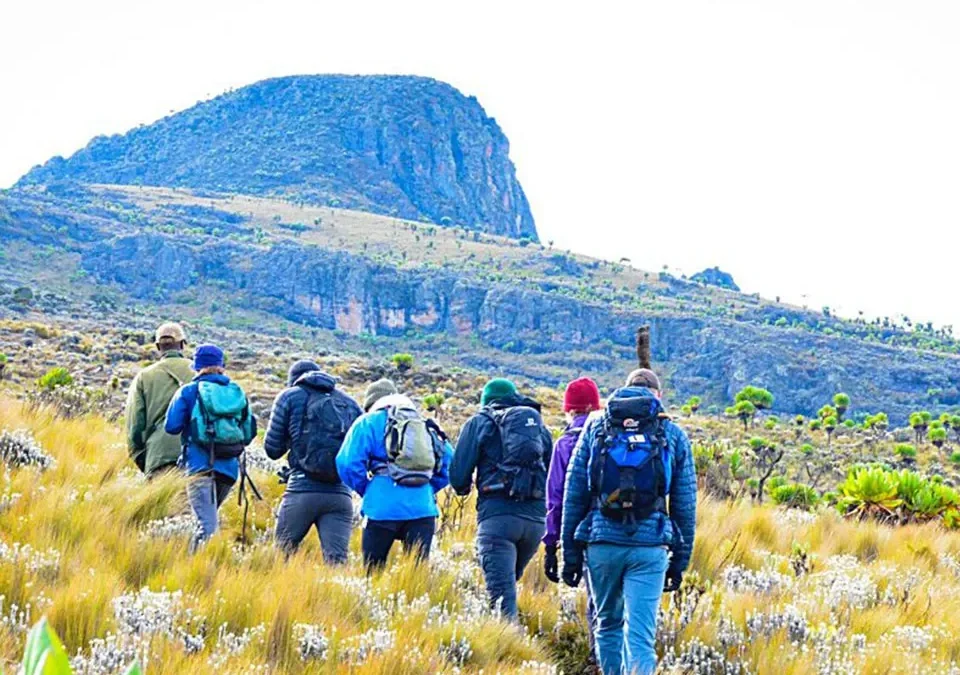
A gorilla trekking permit is an official pass issued by the Uganda Wildlife Authority (UWA), the government body that manages Uganda’s national parks. It allows one person to join a guided trek to visit one habituated mountain gorilla family, on one specific date, in one specific sector of Bwindi or in Mgahinga.
Your permit covers the park entry fee for that day, the ranger guides and armed escorts who lead your trek, the advance trackers who locate the gorillas at dawn, and one hour with the gorilla family once they are found. It does not cover transport, accommodation, meals, porters or tips. Those are arranged separately or included in a safari package.
Each habituated gorilla family can be visited by a maximum of eight people per day. This strict limit protects the gorillas from stress and disease, and it is the reason permits are so valuable and so quickly booked.
Why Gorilla Permits Are Limited and Sell Out Fast
Mountain gorillas live only in the Virunga Massif, shared by Uganda, Rwanda and the Democratic Republic of Congo, and in Bwindi Impenetrable Forest in Uganda. Bwindi alone protects close to half of the world’s remaining mountain gorillas, which makes Uganda the country with the largest number of trekking opportunities.
Even so, only habituated families (gorillas that have been gradually accustomed to human presence over two to three years) can be visited. With eight permits per family per day, the daily total is fixed. Bwindi offers the bulk of Uganda’s permits, while Mgahinga has one trekking family and therefore just eight permits a day.
During the peak months of June to September and December to February, demand far exceeds supply. Popular sectors can be fully booked six months or more in advance, especially for groups who need several permits on the same date. This is why the golden rule of gorilla trekking is simple: book your permit first, then build the rest of your trip around it.
Uganda Gorilla Permit Prices for 2026/2027/2028
UWA sets permit prices by residency category. Current rates are:
- Foreign non-residents: USD 800 per person per trek
- Foreign residents (foreign nationals living in East Africa with valid residence or work permits): USD 700 per person
- East African citizens: a reduced local rate paid in Uganda shillings
- Gorilla Habituation Experience (about four hours with a family still being habituated, available in Bwindi’s Rushaga sector): USD 1,500 per person
For comparison, a gorilla permit in Rwanda’s Volcanoes National Park costs USD 1,500. Uganda delivers the same one-hour encounter with the same species for about half the price, which is one of the main reasons travellers choose Uganda. Our guide to Uganda Rwanda gorilla safaris compares the two countries in detail.
UWA reviews prices from time to time and has occasionally offered promotional rates in low season. Always confirm the current price with your operator at the time of booking. Pick and Transfer Safaris also keeps an overview of gorilla permits in Uganda that is worth reading alongside this guide.
Who Issues Gorilla Permits in Uganda?
Only the Uganda Wildlife Authority issues gorilla permits. No lodge, hotel or website can create a permit, although many advertise them. When you book through a tour company, the company reserves and pays for the permit through UWA’s reservation system in your name.
This matters for two reasons. First, the permit fee is paid to the government, and the government’s cancellation rules apply, not the tour company’s. Second, it protects you from fraud. A genuine permit is always linked to UWA’s system with your name, nationality, date, sector and gorilla family. A reputable operator will share your booking confirmation and, later, the permit details.
Can I Book a Gorilla Permit Directly with UWA?
For many years, travellers could email or visit UWA’s reservation office in Kampala and book a permit themselves. That has changed. Under current UWA practice, foreign non-residents are expected to book permits through licensed Ugandan tour operators, who have access to UWA’s online booking system. East African citizens and residents may still have direct booking options through UWA.
In practice, booking through a licensed operator is also the easiest option for international visitors. The operator can check live availability across every sector in minutes, pay in Uganda, handle the paperwork, and match your permit with the right lodge and transport. Most operators include the permit at no extra fee when you book a full safari, while some charge a small service fee if you only want a permit.
If you would like to understand how we manage this process, our Uganda safari bookings page explains what happens from enquiry to confirmation.
Step-by-Step: How to Book a Gorilla Trekking Permit in Uganda
Here is the booking process we follow with every guest at Kenlink Tours.
Step 1: Choose your travel dates, with some flexibility. Decide when you want to trek. If you can shift your trek by a day or two, you greatly improve your chances of getting a permit in your preferred sector.
Step 2: Decide where you want to trek. Choose between Bwindi’s four sectors (Buhoma, Ruhija, Rushaga and Nkuringo) and Mgahinga. Your choice depends on your arrival point, fitness and the rest of your itinerary. We explain each option in detail below.
Step 3: Choose a licensed tour operator. Pick a company registered with the Uganda Tourism Board, with clear pricing and genuine reviews. Our guide to Uganda safari companies lists the checks to make before you pay anyone.
Step 4: Send your details. Your operator will need the full name of each trekker exactly as it appears in their passport, nationality, passport number, residency status (to confirm the right price category), preferred date and sector, and the number of permits.
Step 5: Availability check. The operator checks UWA’s system and confirms which dates, sectors and families are available. If your first choice is full, they will suggest nearby dates or another sector.
Step 6: Payment. Permits must now be paid for in full to be secured. UWA has moved away from temporary holds, so a permit is only yours once it is paid. Your operator will tell you the payment options, usually bank transfer or card.
Step 7: Confirmation. Once payment reaches UWA, your operator sends a booking confirmation showing your name, trekking date, sector and gorilla family. Keep a copy on your phone and a printed copy in your luggage.
Step 8: Build the rest of your trip. Now book lodges in the same sector as your permit, arrange transport, and plan any extra activities. Your guide carries the permit on the day, and you present your passport at the briefing.
Choosing the Right Sector for Your Permit
This is the step most first-time visitors underestimate. Every permit is tied to one sector, and the sectors are far apart on slow mountain roads. UWA does not allow you to switch sectors on trekking day, so your lodge must match your permit.
Buhoma (north Bwindi): The oldest trekking sector, with well-developed lodges and easy access from Queen Elizabeth National Park. It is ideal if you are coming from the north or combining gorillas with a wildlife safari. Its families include Mubare, Habinyanja and Rushegura.
Ruhija (east Bwindi): A high-altitude sector with cool temperatures, excellent birding and fewer visitors. It is a good choice for keen birders and for travellers who want a quieter experience.
Rushaga (south Bwindi): Home to the largest number of habituated families and the only place offering the Gorilla Habituation Experience. It is the most practical sector for travellers coming from Kigali, and it often has permits available when other sectors are full.
Nkuringo (south-west Bwindi): Famous for sweeping views over the Virunga volcanoes. Treks are often steep and demanding, which rewards fit trekkers.
Mgahinga Gorilla National Park: Uganda’s part of the Virunga volcanoes, home to the Nyakagezi family and to golden monkeys. With only eight permits a day, it is best booked early. Pick and Transfer Safaris has a helpful introduction to Mgahinga Gorilla National Park.
If you are flying into Kigali, the southern sectors and Mgahinga are only three to five hours away by road. Our article on starting a trip from Rwanda to Uganda explains how this route works. Pick and Transfer Safaris also answers a common question: can you begin your tour at Kigali Airport and end at Entebbe Airport?
How Far in Advance Should You Book?
- Peak season (June–September and December–February): Book six months ahead at minimum, and nine to twelve months ahead for large groups or specific sectors such as Buhoma or Mgahinga.
- Shoulder periods (early June, late February, October): Four to six months ahead is usually enough.
- Low season (March–May and November): Two to three months is often sufficient, and last-minute permits are sometimes available, particularly in Rushaga.
Permits can be booked well in advance, often up to two years ahead. If your dates are fixed, for example around a wedding, honeymoon or holiday, there is no advantage in waiting. Our list of available gorilla tours for booking in Uganda shows the trips we can currently confirm.
Payment Rules You Need to Know
Understanding payment prevents unpleasant surprises.
- Full payment secures the permit. UWA now expects permits to be paid in full at booking. Deposits for a wider safari package are separate from the permit payment.
- Permits are paid in US dollars for foreign visitors. Bank charges on international transfers are normally the payer’s responsibility, so budget a little extra.
- Names must be exact. The name on the permit must match the passport you present at the briefing. Send your operator a clear scan of each passport photo page to avoid spelling errors.
- Get written confirmation. Never travel without written proof that your permit is paid and confirmed.
UWA Cancellation and Refund Policy
Because permits are paid to the government, refunds follow UWA’s policy. The commonly applied tiers are:
- 91 days or more before the trek: about 75% refunded
- 46 to 90 days before: about 50% refunded
- 9 to 45 days before: about 25% refunded
- 8 days or fewer before: no refund
Cancellation requests must be made in writing, and the date UWA receives the request is the date that counts. If you fall sick and a UWA park warden confirms at the park that you are too ill to trek, you may receive a partial refund, commonly 50%. This policy exists because human illnesses can be deadly to gorillas, and it encourages honest reporting.
UWA may allow a trek to be rescheduled to another date, subject to availability and its current terms. Rules are updated from time to time, so ask your operator to confirm the exact policy in writing before you pay. Given the value of permits, we strongly recommend travel insurance that covers trip cancellation.
The Gorilla Habituation Experience Permit
If one hour does not feel like enough, the Gorilla Habituation Experience lets you spend about four hours with a gorilla family that is still getting used to people. You join researchers and trackers as they follow the family, observing behaviour that ordinary treks rarely see.
The habituation permit costs USD 1,500 per person and is available only in Bwindi’s Rushaga sector. Only a handful of visitors join each day, so these permits are even scarcer than standard ones and should be booked as early as possible. The experience is more physically demanding, because habituation families are less predictable and can move through thick vegetation.
Minimum Age and Health Requirements
- The minimum age for gorilla trekking in Uganda is 15 years. Your operator will need each trekker’s date of birth.
- You must not trek if you have a cold, flu, cough or any contagious illness.
- A Yellow Fever vaccination certificate is required to enter Uganda.
- Rangers may ask you to wear a face mask near the gorillas.
- Travellers with limited mobility can arrange sedan-chair porter services in Bwindi. Book this in advance with your operator.
Common Mistakes When Booking Gorilla Permits
1. Booking lodges and flights before securing the permit. If the permit is not available, you may be stuck with non-refundable bookings on the wrong dates.
2. Booking a lodge in the wrong sector. A permit for Buhoma is useless if your lodge is in Rushaga, several hours away. Always match lodge and sector.
3. Using unlicensed sellers. Fake or duplicate permits are a real risk with unknown websites and individuals. Book only with registered operators who give written UWA confirmation.
4. Misspelled names or wrong nationality. This can cause problems at the briefing. Double-check every detail.
5. Waiting too long. For peak-season travel, a few weeks’ delay can mean the difference between trekking and missing out.
6. Forgetting the trek date on travel days. Leave a buffer day between your arrival and your trek where possible, because flight delays happen.
Booking Gorilla Permits for Groups and Families
Booking for a group needs a little more planning than booking for one or two people. Because each gorilla family takes only eight visitors a day, a group of six or more may take up most of a family’s daily allocation. If other travellers have already booked that family, your group may need to split between two families on the same day, or move to a date when a whole family is free.
Groups of more than eight people will always be split across families. This works well in Rushaga, where several families trek from the same area and everyone can share one lodge. In sectors with fewer families, the split can mean different start points and longer transfers, so ask your operator how the group will be arranged before you pay.
For families, remember that every trekker must be at least 15 years old. Younger children cannot trek, but they can enjoy other activities while the adults are in the forest, such as community walks, crafts, or canoeing on Lake Bunyonyi. Many lodges can also arrange supervision for younger guests during trekking day.
The best advice for any group is to book as early as possible, and to send every trekker’s passport details together, so the permits can be secured in one payment on the same date.
What to Bring to the Permit Check on Trekking Day
On the morning of your trek, UWA staff check every trekker against the permit list before the briefing. To make this step quick and smooth, carry:
- Your original passport, matching the name and nationality on the permit
- Your permit confirmation, printed or on your phone (your guide will usually carry the official permit)
- Proof of residency, if you paid the foreign resident rate
- Cash in US dollars or Uganda shillings for porters and tips
Arrive at the park headquarters by 7:00 a.m. so there is time for registration before the 7:30 a.m. briefing. Late arrivals can lose their place with a gorilla family, and permits are not refunded for lateness. Staying in a lodge within your sector is the simplest way to avoid this risk.
What Happens After You Book?
Once your permit is confirmed, the planning becomes enjoyable. Your operator will arrange accommodation close to your trekking sector, a 4×4 vehicle with a professional driver-guide, and a day-by-day itinerary. You will receive a packing list, visa guidance and your guide’s contact details.
On the evening before your trek, your guide briefs you on timings. On trekking day, you arrive at the park headquarters for the 7:30 a.m. briefing, show your passport, and are assigned to your gorilla family with a maximum of seven other trekkers. Then the adventure begins.
For a closer look at where you will sleep, Pick and Transfer Safaris reviews options such as Ikoro Hotel in Kisoro, a convenient base for Mgahinga and southern Bwindi. Our Uganda luxury safaris and gorilla tours feature premium lodges close to the trailheads.
Gorilla Permit vs Full Safari Package: Which Should You Book?
Some travellers only want a permit because they are driving themselves or already have transport. Others want everything arranged. Both are possible.
Permit only: Suitable if you are self-driving or already have a vehicle and lodges. You will still need an operator to purchase the permit, often for a small service fee. If you are self-driving from Rwanda, Pick and Transfer Safaris’ guide to car hire in Rwanda is a useful starting point.
Full safari package: Includes the permit, transport, guide, lodges and meals. This is the best choice for most visitors because your operator coordinates timing, sector and lodge together. Popular options include short treks from Kigali, such as Pick and Transfer Safaris’ 3 Days Uganda Gorilla Safari from Rwanda, and longer journeys like our 10 Days Uganda Wildlife Safari.
For help choosing the right style and budget, read our guide on how to choose the best safari package in Uganda and Rwanda. If you want your own vehicle and a flexible schedule, our Uganda private tours are built for you.
Best Time to Use Your Gorilla Permit
Gorilla trekking runs every day of the year. The dry seasons (June to September and December to February) bring firmer trails and easier trekking, but also the highest demand. The wet seasons (March to May and October to November) bring lush scenery, fewer visitors and sometimes lower lodge rates, although trails can be muddy.
Bwindi is a rainforest, so rain can fall in any month. Whatever season you choose, pack waterproof gear and sturdy boots, and book your permit to match the season that suits you.
Budgeting Beyond the Permit
The permit is the largest single cost, but not the only one. When planning your budget, also allow for:
- Transport: a private 4×4 with a driver-guide, or domestic flights to Kihihi or Kisoro airstrips
- Accommodation: from simple community guesthouses to luxury forest lodges
- Porters: around USD 15–20 per trek, highly recommended both for support and to benefit local communities
- Tips for rangers, trackers and your driver-guide
- Visas: the East Africa Tourist Visa (USD 100) covers Uganda, Rwanda and Kenya
- Travel insurance, including cancellation cover
A complete three-day gorilla safari, including the permit, typically ranges from about USD 1,300 per person on a budget to USD 5,000 or more for luxury lodges, depending on group size and season.
Making the Most of Your Permit: Add-On Experiences
Once your permit is secured, consider adding more to your trip:
- Golden monkey tracking in Mgahinga
- Batwa cultural experiences with the forest’s original inhabitants
- Canoeing on Lake Bunyonyi, one of Africa’s most beautiful lakes. See Pick and Transfer Safaris’ guide to Lake Bunyonyi.
- Chimpanzee tracking in Kibale Forest
- Game drives in Queen Elizabeth National Park to see tree-climbing lions
- A second gorilla trek in Rwanda’s Volcanoes National Park
Pick and Transfer Safaris’ article on what to do after a gorilla tour in Bwindi has plenty of ideas. For longer adventures, explore our Uganda Rwanda connecting safaris, our feature on combining Rwanda and Uganda gorilla trekking and culture, or the grand 25-Day Wildlife, Gorilla, Chimps & Uganda Adventure.
Uganda or Rwanda: Where Should You Buy Your Permit?
If budget matters, Uganda is the clear winner at USD 800 versus USD 1,500. Uganda also offers more gorilla families, the habituation experience, and a wider range of lodges. Rwanda offers shorter drives from Kigali and a highly polished tourism experience. Many travellers buy permits in both countries and trek twice, comparing two very different forests.
Our article Rwanda vs Uganda: which country offers the better safari? covers the full comparison. If you plan to spend time in Rwanda too, our 4 Days Best of Rwanda Luxury Safari pairs perfectly with a Uganda gorilla permit.
How Your Permit Supports Gorilla Conservation
Your permit fee does far more than open the forest gate. It funds ranger patrols, veterinary care, anti-poaching work and habitat protection. A share of park revenue goes to communities around Bwindi and Mgahinga, paying for schools, clinics and water projects. This gives local people a direct reason to protect the gorillas, and it is a major reason mountain gorilla numbers have grown in recent decades.
By booking a legitimate permit, hiring a local porter and following the trekking rules, you become part of one of Africa’s most successful conservation stories.
Why Book Your Gorilla Permit with Kenlink Tours?
- Licensed and experienced. We book permits through UWA’s official system every week.
- Live availability checks across all Bwindi sectors and Mgahinga.
- Transparent pricing. Permit costs are shown separately in every quote, with no hidden fees.
- Sector-matched planning. We pair your permit with the right lodge and transport.
- Flexible trips from one-day treks to multi-week safaris across Uganda and Rwanda.
- 24/7 support before and during your trip.
Learn more on our Uganda safari with Kenlink Tours page, browse all our Uganda safaris, and keep up with permit news and travel tips on our travel news blog. For further regional planning content, the team at Pick and Transfer Safaris also publishes helpful Uganda and Rwanda guides, including a Kigali to Bwindi transfer service.
Frequently Asked Questions
How much is a gorilla trekking permit in Uganda?
USD 800 for foreign non-residents, USD 700 for foreign residents, and a reduced local rate for East African citizens. The Gorilla Habituation Experience costs USD 1,500.
Can I buy a gorilla permit on arrival at the park?
No. Permits must be booked and paid in advance through UWA’s system, usually via a licensed operator. Turning up at the park without a permit is not an option.
Can I book a Uganda gorilla permit online myself?
Foreign non-residents are generally expected to book through licensed Ugandan tour operators, who use UWA’s online system. East African citizens may have direct options with UWA.
How early should I book my permit?
At least six months ahead for peak season, and two to three months for low season. For groups or specific sectors, book even earlier.
Can I change the date on my permit?
UWA may allow rescheduling depending on availability and its current terms. Ask your operator to confirm the policy before paying.
Is the gorilla permit refundable?
Partly, depending on how early you cancel. Refunds range from about 75% for cancellations 91 or more days ahead down to nothing within 8 days of the trek.
Does the permit guarantee I will see gorillas?
Sightings are extremely likely, because advance trackers locate the families each morning, but wild animals can never be 100% guaranteed.
What is the minimum age for a gorilla permit?
Trekkers must be at least 15 years old on the day of the trek.
Secure Your Uganda Gorilla Permit Today
Booking a gorilla trekking permit in Uganda is simple once you know the steps. Choose your dates, pick the right sector, work with a licensed operator, pay in full, and get written confirmation. Then build your lodges, transport and extra activities around that date. Book early, match your lodge to your sector, and read the cancellation terms before you pay.
Ready to meet the mountain gorillas? Contact Kenlink Tours with your preferred dates and number of trekkers. We will check live permit availability across Bwindi and Mgahinga and send you a tailor-made quote within hours.