- EXPERT'S HELP
- +256789210067
- +256200955001
- info@kenlinktours.com


Starting a Safari from Rwanda to Uganda
September 28, 2026
Transfers from Kigali to Bwindi National Park
September 28, 2026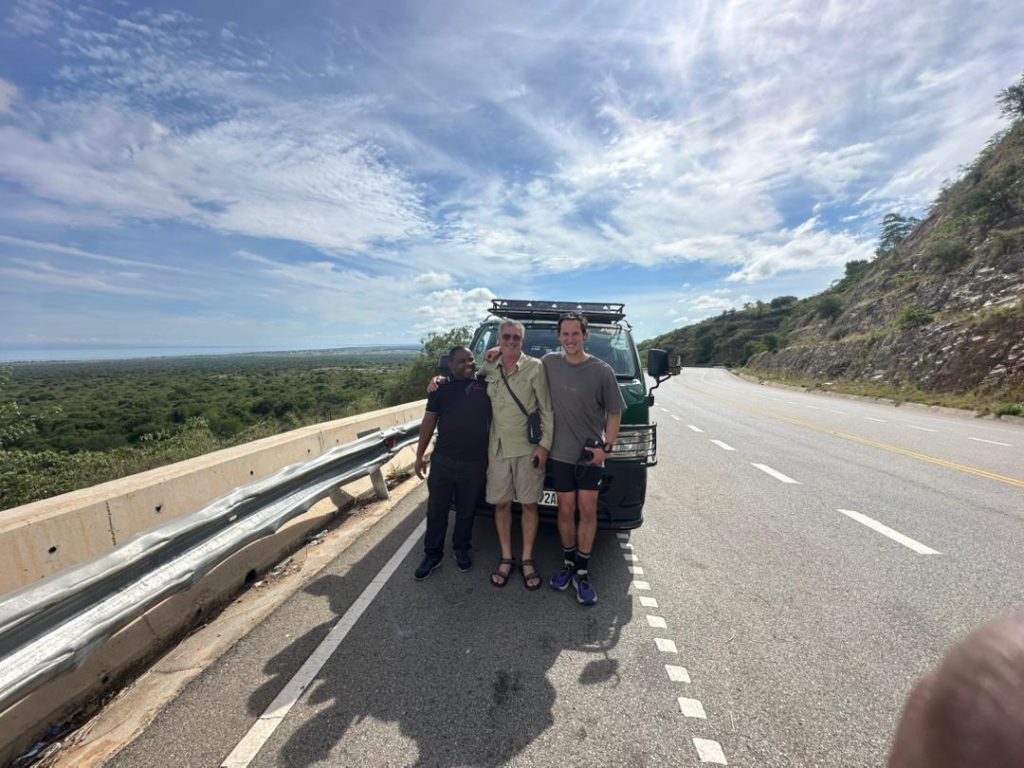
How is crossing the boarder from Rwanda to Uganda. Every week, many travellers land in Kigali and head across the border to trek mountain gorillas in Uganda’s Bwindi Impenetrable National Park or Mgahinga Gorilla National Park, or to begin a longer safari to Queen Elizabeth, Kibale and Murchison Falls. For first-time visitors, one question often comes up before anything else: how is crossing the border from Rwanda to Uganda? Is it difficult, how long does it take, what documents are needed, and what happens at the border post?
The good news is that crossing from Rwanda to Uganda by road is usually straightforward, especially with the right documents and an experienced driver-guide. This guide explains the main border crossings, visas and documents, the step-by-step process, how long it takes, vehicle requirements, money, time zones and practical tips for a smooth crossing. At Kenlink Tours, our driver-guides cross the Rwanda–Uganda border every week, and this is exactly what we tell our own travellers.
Quick Answer: Is It Easy to Cross From Rwanda to Uganda?
Yes. For most tourists, crossing from Rwanda to Uganda by road is simple and well organised. With a valid passport, the correct visa and a Yellow Fever certificate, the process usually takes about 30 to 60 minutes. You complete exit formalities on the Rwandan side, walk or drive a short distance, and then complete entry formalities on the Ugandan side. Travelling with a driver-guide who knows the procedures makes the experience even easier.
For an overview, see our guide on how to cross from Rwanda to Uganda for gorilla trekking safaris, and Pick and Transfer Safaris’ guide on planning a cross-border gorilla trek from Rwanda to Uganda.
Why Travellers Cross From Rwanda to Uganda
- Gorilla trekking for less: a Uganda gorilla permit costs USD 800 for foreign non-residents, compared with USD 1,500 in Rwanda. Read how to save USD 700 by trekking in Uganda from Kigali.
- Shorter journeys: Bwindi’s southern sectors and Mgahinga are much closer to Kigali than to Entebbe.
- More variety: Uganda adds tree-climbing lions, chimpanzees, crater lakes and the Nile to your trip.
- Convenient flights: Kigali International Airport has excellent international connections.
Read our guide on whether you can start a Uganda gorilla safari from Rwanda, and Pick and Transfer Safaris’ guide to starting a gorilla safari in Uganda from Rwanda.
The Main Border Crossings Between Rwanda and Uganda
There are three main road crossings used by tourists. Choosing the right one depends on your destination in Uganda.
1. Cyanika border (northwest Rwanda). Reached from Kigali via Musanze, about 2.5 hours’ drive. On the Ugandan side, it leads directly to Kisoro town, about 20 to 30 minutes away. This is the best crossing for Mgahinga Gorilla National Park and Bwindi’s southern sectors of Rushaga and Nkuringo. It is a smaller, quieter crossing with beautiful views of the Virunga volcanoes. See Pick and Transfer Safaris’ guides on crossing from Rwanda to Uganda through Cyanika and going to Bwindi through the Cyanika border, and our guide from Kigali to the Cyanika border and Bwindi.
2. Gatuna / Katuna border (north of Kigali). Known as Gatuna on the Rwandan side and Katuna on the Ugandan side, this is the busiest crossing between the two countries and a major trade route. It is about 1.5 to 2 hours from Kigali and leads to Kabale town, the gateway to Lake Bunyonyi and Bwindi’s Ruhija and Buhoma sectors. The crossing was closed for a period between 2019 and 2022 and has since reopened. Because it handles heavy truck traffic, queues can sometimes be longer here.
3. Kagitumba / Mirama Hills border (northeast Rwanda). Near Akagera National Park, this crossing leads towards Mbarara, Lake Mburo National Park and Kampala. It is a good choice if you are combining Akagera with a Uganda safari or heading directly to central Uganda.
Read our guides on which border points to cross from Kigali to Bwindi or Mgahinga and which land border is used for gorilla trips.
What the Border Areas Are Like
Cyanika. A small, relaxed crossing in green farmland at the foot of the Virunga volcanoes. There are a few small shops, money changers and places to buy snacks and airtime. On the Ugandan side, Kisoro town is only a short drive away and has banks, fuel, supermarkets and cafés.
Gatuna / Katuna. A busier crossing with a steady flow of trucks, buses and traders. It has more facilities, including forex bureaus, shops and small restaurants. The Ugandan town of Kabale, about 30 minutes away, is one of the largest towns in southwestern Uganda. See our guide to tourist activities in Kabale.
Kagitumba / Mirama Hills. A modern crossing in the drier northeast, surrounded by open savannah and farmland, and a convenient link between Akagera National Park and central Uganda.
Which Border Should You Use?
- Mgahinga Gorilla National Park: Cyanika
- Bwindi Rushaga and Nkuringo sectors: Cyanika
- Lake Mutanda and Kisoro: Cyanika
- Lake Bunyonyi and Kabale: Gatuna / Katuna
- Bwindi Ruhija and Buhoma sectors: Gatuna / Katuna
- Queen Elizabeth National Park: Gatuna / Katuna (or via Bwindi)
- Lake Mburo, Mbarara and Kampala: Kagitumba / Mirama Hills or Gatuna / Katuna
See also our guide on which borders to cross from Rwanda to Uganda for gorillas.
Visas for Crossing From Rwanda to Uganda
You will need a valid visa for Uganda to cross the border. The main options for tourists are:
East Africa Tourist Visa. This joint visa costs USD 100 and allows multiple entries into Rwanda, Uganda and Kenya for 90 days. It is the best choice for most travellers who start in Rwanda, visit Uganda and possibly return to Rwanda. It should be applied for online before travel, through the official immigration portal of the country you will enter first, which in this case is Rwanda.
Single-entry Uganda visa. If you are travelling one way from Rwanda into Uganda and will not return, a single-entry Uganda e-visa may be enough. It is applied for online before travel.
Visa rules and fees can change, and some nationalities have different requirements, so always check the latest information on the official immigration websites before you travel. Pick and Transfer Safaris explains the rules in their guides on whether you need a visa to cross from Rwanda to Uganda and visa requirements for gorilla trekking trips.
Documents You Need at the Border
- Passport: valid for at least six months beyond your travel dates, with blank pages
- Visa: East Africa Tourist Visa or Uganda e-visa approval letter (printed and on your phone)
- Yellow Fever vaccination certificate: required for entry into Uganda
- Gorilla or chimpanzee permit confirmation: useful to show the purpose of your visit
- Accommodation details: the name of your first lodge or hotel in Uganda
- Return or onward travel details: sometimes requested
Keep these documents together in an easy-to-reach folder, as you may be asked for them more than once.
East African Residents and Citizens
Citizens of East African Community member states can often cross between Rwanda and Uganda using a national ID or an East African passport, with simpler procedures than foreign visitors. Foreign residents of East Africa with valid work or residence permits may also benefit from resident rates for gorilla permits in Uganda (USD 700 instead of USD 800). If you are a resident, carry your residence permit or work permit with your passport, and check the latest rules for your status before you travel.
Step-by-Step: What Happens at the Border
Step 1: Arrive at the Rwandan border post. Your driver parks near the immigration building. You take your passport and documents inside.
Step 2: Rwanda exit formalities. An immigration officer checks your passport and visa, may take your fingerprints or photo, and stamps you out of Rwanda. The process usually takes a few minutes.
Step 3: Cross to the Ugandan side. At some crossings, you walk a short distance across the border; at others, you drive through with your vehicle. Your driver will explain the procedure.
Step 4: Health check. Ugandan health officials may ask to see your Yellow Fever certificate and, at times, carry out simple health screening.
Step 5: Uganda entry formalities. You present your passport and visa to Ugandan immigration. The officer may ask about the purpose of your visit and where you will stay, take your fingerprints and photo, and stamp you into Uganda.
Step 6: Customs. Declare any items that need declaring. Tourists with personal luggage rarely have any problems. Your driver handles the vehicle’s customs paperwork.
Step 7: Continue your journey. Once everyone is cleared, you rejoin your vehicle and continue into Uganda.
Some crossings operate as One-Stop Border Posts, where officials from both countries work in the same facility, which can make the process even quicker.
How Long Does the Border Crossing Take?
For most tourists, crossing from Rwanda to Uganda takes about 30 to 60 minutes. It can be quicker at quiet times, and longer when there are many travellers, trucks or buses. Early mornings and weekdays are often quieter at smaller crossings such as Cyanika. Opening hours vary by crossing, so check in advance and plan to cross in daylight, especially if you are driving to a gorilla park afterwards.
Health Requirements and Screening
Uganda requires most visitors to show proof of Yellow Fever vaccination, and health officials at the border may check your certificate before you reach immigration. The vaccination should be given at least ten days before you travel, and the certificate should be carried in its original form. It is also wise to speak to a travel health professional about other recommended vaccinations and about malaria prevention, as malaria is present in many parts of Uganda.
From time to time, during regional disease outbreaks, border posts may introduce extra screening such as temperature checks, health questionnaires or hand-washing stations. These measures are usually quick. Follow the officials’ instructions and check the latest health advice before you travel.
Crossing With a Vehicle
If you cross with a Rwandan-registered vehicle, whether a tour company vehicle or a rental car, extra paperwork is required. This usually includes:
- The vehicle’s registration documents
- Written authorisation from the owner or rental company for the vehicle to leave Rwanda
- Regional motor insurance valid in Uganda, such as a COMESA Yellow Card
- A temporary import permit or interstate pass issued at the border
- Payment of any applicable road user fees for foreign vehicles
Tour companies that regularly cross the border handle all of this for you. If you are self-driving, confirm everything with your rental company before you set off. See our car hire and airport transfer services in Uganda and Rwanda.
Driving Side and Time Zone: Two Important Changes
Driving side. Rwanda drives on the right, while Uganda drives on the left. If you are self-driving, take extra care immediately after the border, at roundabouts and when overtaking. This is one of the main reasons many visitors prefer to travel with an experienced local driver.
Time zone. Rwanda uses Central Africa Time (UTC+2), while Uganda uses East Africa Time (UTC+3). When you cross into Uganda, clocks move one hour forward. Remember this when planning your arrival at a gorilla park, as trekking briefings in Uganda begin at around 8:00 a.m. Ugandan time.
Money and Currency at the Border
Rwanda uses the Rwandan franc and Uganda uses the Uganda shilling. US dollars are widely accepted for permits, lodges and tours, but you will need shillings for small purchases, fuel, snacks and tips.
- Use licensed forex bureaus or banks where possible.
- Be cautious with informal money changers at the border, and count your money carefully.
- Bring clean, recent US dollar notes, as older or damaged notes may be refused.
- ATMs are available in Kisoro and Kabale, a short drive from the Cyanika and Katuna borders.
See our guide on where to exchange money in Kisoro.
Phones, SIM Cards and Connectivity
Your Rwandan SIM card may continue to work for a short distance after the border, but roaming charges can be high. Many travellers buy a Ugandan SIM card in Kisoro or Kabale, which is inexpensive and quick to set up with your passport. Mobile data is widely available in towns, but coverage can be weak near the gorilla parks, so download offline maps and save important contacts before you cross. Mobile money is popular in both countries, but tourists usually rely on cash and cards.
Crossing During Busy Periods
Border crossings can be busier during public holidays, school holidays, market days and the peak tourist seasons of June to September and December to February. The Gatuna/Katuna crossing, in particular, can have long truck queues at certain times. To avoid delays, cross early in the morning, allow extra time in your schedule, and never plan a border crossing on the morning of a gorilla trek. It is always better to cross the day before and spend the night near the park.
What You Can and Cannot Carry
- Plastic bags: Rwanda has banned single-use plastic bags, so avoid carrying them when entering Rwanda on your return.
- Food and plants: fresh fruit, plants and animal products may be restricted.
- Drones: require special permits in both countries and may be confiscated at the border if you do not have authorisation.
- Large amounts of cash: may need to be declared.
- Personal items: cameras, binoculars and trekking gear are fine.
Crossing the Border With Children
Families crossing from Rwanda to Uganda should carry passports for every child, as well as visas and Yellow Fever certificates where required. If a child is travelling with only one parent, or with adults who are not their parents, it is wise to carry a signed letter of consent from the absent parent or parents and a copy of the child’s birth certificate. Border officials may ask for these documents to help prevent child trafficking. Remember that the minimum age for gorilla trekking in Uganda is 15 years, so plan other activities for younger children.
Common Mistakes to Avoid
- Arriving without a visa: apply online in advance rather than relying on arrangements at the border.
- Forgetting the Yellow Fever certificate: you may be refused entry or required to be vaccinated at the border.
- Ignoring the time difference: arriving an hour late in Uganda can make you miss a lodge check-in or a gorilla briefing.
- Taking a rental car without authorisation: you may be turned back or face fines.
- Crossing late in the day: you may end up driving mountain roads in the dark.
- Carrying damaged US dollar notes: they may not be accepted.
- Using the wrong border: choosing Gatuna for Mgahinga, or Cyanika for Buhoma, can add hours to your journey.
Crossing the Border on a Gorilla Trip: A Typical Day
Here is how a border crossing typically fits into a trip from Kigali to Bwindi’s Rushaga sector:
- 7:00 a.m. (Rwanda time): pickup at your Kigali hotel.
- 9:00 a.m.: short stop in Musanze for coffee and a restroom break.
- 9:45 a.m.: arrive at the Cyanika border and complete Rwanda exit formalities.
- 11:00 a.m. (Uganda time): complete Uganda entry formalities, remembering the one-hour time difference.
- 11:30 a.m.: arrive in Kisoro for lunch, cash and supplies.
- Afternoon: continue to your lodge near Rushaga, arriving in good time to rest before your trek.
See our guides to transfers from Kigali to Rushaga, transfer prices from Kigali to Mgahinga and private transfers from Kigali to Buhoma or Ruhija. Pick and Transfer Safaris explains crossing from Kigali to Mgahinga for a gorilla trek and offers private transfers from Kigali to Mgahinga and trips from Kigali to Rushaga.
Crossing by Public Transport
It is possible to cross from Rwanda to Uganda by public transport. Buses run between Kigali and Kampala via Gatuna/Katuna, and shared minibuses run from Kigali to Musanze and the Cyanika border. At the border, passengers leave the vehicle, complete formalities on foot, and then continue on the other side.
Public transport is much cheaper but slower, with several changes and no help with luggage or paperwork. It is not recommended if you are trekking gorillas the morning after you cross. See Pick and Transfer Safaris’ guide on how to get to Bwindi from Kigali.
Crossing by Air Instead
If you prefer not to cross by road, you can fly from Kigali to Entebbe in about an hour. From Entebbe, domestic flights reach airstrips near Bwindi, Queen Elizabeth and other parks. This is useful for longer safaris that focus on central or northern Uganda, though for Bwindi’s southern sectors and Mgahinga, the road from Kigali is usually quicker overall. Read our guide on landing in Kigali or Entebbe for a gorilla safari, and Pick and Transfer Safaris’ guides on safaris starting in Kigali and ending in Entebbe and airport transfers in Kigali and Entebbe.
Returning From Uganda to Rwanda
The process in reverse is just as simple. You complete exit formalities in Uganda and entry formalities in Rwanda. If you hold an East Africa Tourist Visa, it covers your re-entry into Rwanda within its 90-day validity. Remember to set your watch back one hour, and to avoid carrying single-use plastic bags into Rwanda.
Is It Safe to Cross the Border?
The main tourist crossings between Rwanda and Uganda are generally safe and busy with travellers, traders and officials. As at any border, keep your valuables secure, stay with your driver-guide, and be cautious of unsolicited offers of help with paperwork or money exchange. Always check your government’s latest travel advice before you travel, as conditions and border arrangements can change.
Checklist Before You Leave Kigali
Before setting off from Kigali, run through this quick checklist to make sure your border crossing goes smoothly:
- Passport with at least six months’ validity and blank pages
- Printed and digital copies of your visa or e-visa approval
- Original Yellow Fever vaccination certificate
- Gorilla or chimpanzee permit confirmations
- Name and address of your first lodge in Uganda
- Small amounts of Rwandan francs and US dollars, plus a plan for getting Uganda shillings
- Vehicle documents and cross-border authorisation, if self-driving
- Consent letters and birth certificates for children, if needed
- A pen for filling in any forms
- Phone charged, with offline maps and key contacts saved
- Watch or phone ready to move forward one hour on entering Uganda
With this checklist complete, the border crossing becomes a short, simple stop on the way to Uganda’s gorillas, lakes and national parks.
Tips for a Smooth Border Crossing
- Get your visa online before travel, and carry printed copies.
- Keep your Yellow Fever certificate with your passport.
- Cross early in the day to avoid queues and to reach your lodge in daylight.
- Remember the time difference of one hour between Rwanda and Uganda.
- Carry small amounts of both currencies for snacks and tips.
- Follow your driver-guide’s instructions, as they know each crossing well.
- Be polite and patient with officials.
- Do not photograph border facilities, as this is usually not allowed.
- Leave plastic bags behind when returning to Rwanda.
What to Pack for a Cross-Border Trip
Packing for a cross-border safari is the same as packing for gorilla trekking, with a few extras: a document folder, a pen for filling in forms, some small change in both currencies and a phone with offline maps. See our guide on what to pack for gorilla trekking in Uganda and Rwanda.
Why Cross the Border With Kenlink Tours?
- Driver-guides who cross the border every week and know every procedure
- All vehicle paperwork handled, including insurance and permits
- Airport and hotel pickups in Kigali
- Gorilla permits and lodges arranged in Uganda
- Flexible itineraries that return to Kigali or end in Entebbe
- Clear, transparent pricing
Explore our cross-border Uganda gorilla safaris from Rwanda and our guide on crossing from Rwanda to Bwindi’s gorillas, and see how our Uganda safari bookings work.
Frequently Asked Questions
How long does it take to cross the border from Rwanda to Uganda?
Usually about 30 to 60 minutes, depending on queues and the crossing.
Which border is best for gorilla trekking in Uganda?
Cyanika for Mgahinga, Rushaga and Nkuringo; Gatuna/Katuna for Ruhija and Buhoma.
Do I need a visa to cross into Uganda from Rwanda?
Yes. The East Africa Tourist Visa (USD 100) or a Uganda e-visa. Check the latest rules before travel.
Is there a time difference between Rwanda and Uganda?
Yes. Uganda is one hour ahead of Rwanda.
Do Rwanda and Uganda drive on the same side of the road?
No. Rwanda drives on the right, and Uganda drives on the left.
Can I cross the border with a rental car?
Yes, if the rental company authorises it and provides the correct documents and insurance.
Cross the Border With Confidence
Crossing the border from Rwanda to Uganda is a simple step that opens the door to some of Africa’s greatest wildlife experiences. With the right visa, your Yellow Fever certificate, and an experienced driver-guide at your side, the crossing becomes just another interesting part of your journey to the gorillas.
Ready to plan your trip? Contact Kenlink Tours with your travel dates and destination in Uganda, and we will arrange your transfer, handle the border formalities and plan the perfect cross-border safari for you.