- EXPERT'S HELP
- +256789210067
- +256200955001
- info@kenlinktours.com


How Much Does Gorilla Trekking from Rwanda to Uganda Cost?
May 1, 2026
Kigali to Bwindi Road Trip for Gorilla Trekking
May 1, 2026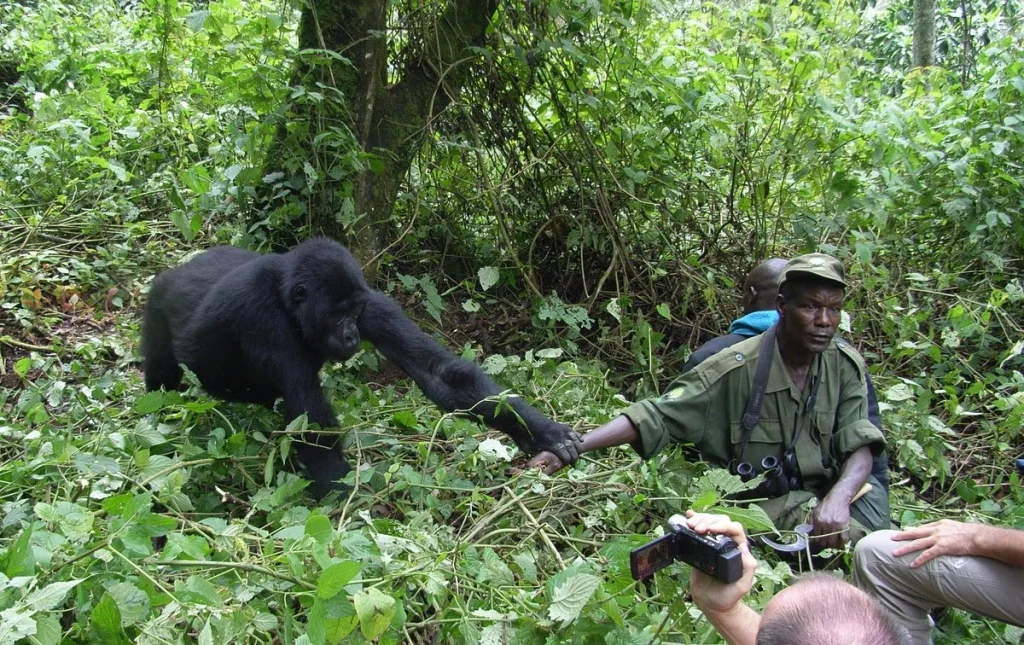
If you’re already in Rwanda visiting the famous Volcanoes National Park, crossing over to Uganda for another gorilla trekking experience is one of the most rewarding decisions you can make on your East Africa safari. The two countries share not just a border but also some of the most precious rainforests on the planet — home to the last remaining mountain gorillas in the world.
Many travelers begin their journey in Kigali and then ask the same question: Can I cross from Rwanda into Uganda to see the gorillas? The answer is a resounding yes — and it’s easier than you might expect. Whether you’re combining both countries in a single trip or planning a dedicated gorilla safari, this guide walks you through everything you need to know about making that cross-border journey seamlessly.
At Kenlink Tours, we’ve been helping adventurers navigate this route for years, and we’re happy to share all the practical details to make your crossing smooth, legal, and exciting.
Why Cross into Uganda for Gorilla Trekking?
The most compelling reason to cross from Rwanda to Uganda is value. A Uganda gorilla trekking permit is currently priced at USD $800 per person for foreign non-residents, as set by the Uganda Wildlife Authority. Compare that to Rwanda’s permit, which costs USD $1,500 per person, and the savings speak for themselves — especially if you’re tracking gorillas more than once.
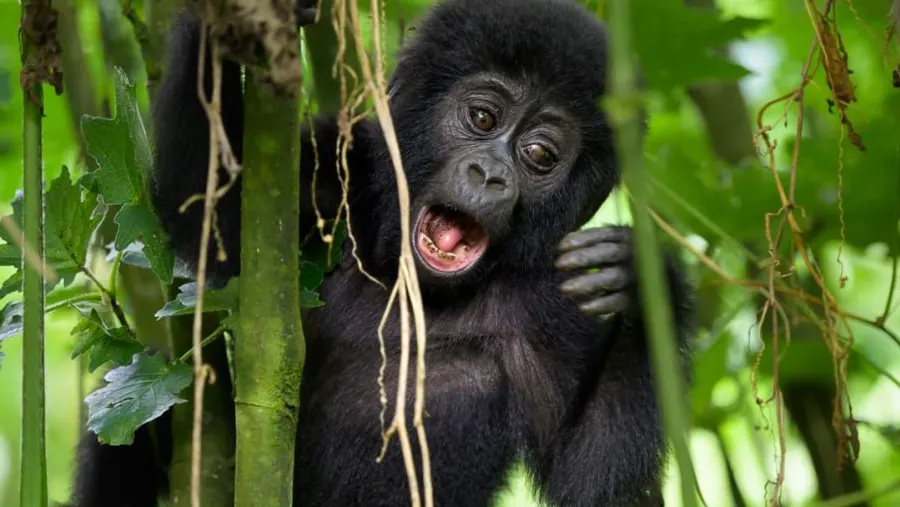
Beyond cost, Uganda is home to over half of the world’s remaining mountain gorillas, all living in the lush forests of Bwindi Impenetrable National Park and Mgahinga Gorilla National Park. If experiencing gorillas in a rawer, more immersive jungle environment appeals to you, Uganda delivers exactly that. You can read more about planning your full experience on our dedicated gorilla trekking in Uganda page.
Uganda also offers something Rwanda does not — the Gorilla Habituation Experience, where you spend four full hours with a semi-habituated gorilla family, compared to the standard one-hour trek. It’s a deeper, more intimate wildlife encounter that’s truly unmatched anywhere else in the world.
The Two Main Border Crossings
There are two primary border posts that gorilla trekking travelers use when crossing from Rwanda into Uganda.
1. Cyanika Border Post (Most Popular for Gorilla Trekkers)
The Cyanika border post is the most commonly used crossing for gorilla trekking tourists. It sits between Musanze (Ruhengeri) in Rwanda — the gateway town to Volcanoes National Park — and Kisoro in Uganda, which is the nearest town to Mgahinga Gorilla National Park and just a few hours from Bwindi Impenetrable Forest.
This crossing is especially convenient if you have just completed gorilla trekking at Volcanoes National Park and want to continue your safari into Uganda. The distance from Volcanoes National Park to the Cyanika border is roughly 15–20 km, and the crossing itself is straightforward for most travelers. Immigration officers on both sides are accustomed to tourist traffic on this route.
Once across, you’ll be in Kisoro District in Uganda. From here, you can head directly to Mgahinga Gorilla National Park (about 15 km away) for gorilla trekking the very next morning, or drive further to Bwindi Impenetrable Forest (approximately 2–3 hours depending on your sector).
2. Katuna/Gatuna Border Post (For Kampala-Bound Travelers)
The Katuna border (known as Gatuna on the Rwandan side) is the main crossing on the Kigali–Kampala highway and the busiest land border between the two countries. If your itinerary involves traveling from Kigali toward Kabale or Kampala before heading south to Bwindi, this is your crossing. It is about 85 km north of Kigali and remains one of the most efficiently managed border points in East Africa.
Documents and Visa Requirements
Before you set off, make sure your paperwork is in order:
Passport: Your passport must be valid for at least six months beyond your travel dates. Both border posts require this without exception.
Uganda Visa: A Uganda single-entry tourist visa costs USD $50 and can be obtained on arrival or applied for online in advance through the Directorate of Citizenship and Immigration Control. If you plan to visit Kenya, Rwanda, and Uganda in one trip, consider the East African Tourist Visa at USD $100, which offers multi-country access.
Yellow Fever Vaccination Card: This is mandatory for entry into Uganda. Make sure your yellow fever certificate is with you at all times — border officers will ask for it.
Gorilla Trekking Permit: Your gorilla permit must be pre-booked and paid for before crossing. You cannot purchase permits at the park gate or border. At Kenlink Tours, we handle all permit bookings on your behalf. Browse our available gorilla tours for booking in Uganda for ready-made packages to suit every budget.
Step-by-Step: The Crossing Process
Here’s what to expect when you arrive at either border post:
- Exit Rwanda: Present your passport to Rwandan immigration for an exit stamp. The process is usually quick and well-organized.
- Cross No-Man’s Land: Walk or drive the short distance between the two immigration buildings. At Cyanika, this is a short, pleasant walk.
- Enter Uganda: Present your passport, visa (or pay for it on arrival), yellow fever card, and any other documentation requested. Officers may ask about your purpose of visit — simply state you’re there for gorilla trekking.
- Vehicle Inspection: If you’re crossing in a private safari vehicle with a driver-guide, the vehicle will be checked by customs officers. This is routine and usually brief.
- Proceed to Your Accommodation: Your driver-guide will take you directly to your lodge in Kisoro, Buhoma, Ruhija, Nkuringo, or whichever Bwindi sector your trek is booked in.
The entire crossing process typically takes between 30 minutes and 2 hours depending on traffic and the time of day. Crossing early in the morning is generally faster.
Best Time to Make the Crossing
Gorilla trekking is a year-round activity, but the conditions during the crossing and the trek itself vary with the seasons. The best time to cross from Rwanda to Uganda for gorilla trekking is during the dry seasons: June to September and December to February. Roads are more manageable, and trekking conditions in Bwindi and Mgahinga are significantly more comfortable.
The rainy seasons (March to May and October to November) can make mountain roads muddy and slow the crossing, though gorilla trekking is still possible and permits are easier to secure during these quieter months. Learn more about planning around the seasons in our detailed guide on the best time to see gorillas in Uganda and Rwanda.
What Awaits You After Crossing
Once inside Uganda, your gorilla adventure truly begins. Bwindi Impenetrable Forest National Park is a UNESCO World Heritage Site covering 331 square kilometers of ancient rainforest. It is divided into four trekking sectors — Buhoma, Ruhija, Rushaga, and Nkuringo — each offering a different experience and home to different habituated gorilla families.
If you cross via Cyanika into Kisoro, Mgahinga Gorilla National Park is your closest option and an excellent one. Mgahinga sits within the Virunga Volcanoes landscape and offers not just gorilla trekking but also golden monkey tracking and dramatic volcanic scenery.
After your gorilla encounter, consider extending your Uganda safari. Many of our clients combine Bwindi with a wildlife safari in Queen Elizabeth National Park, famous for its tree-climbing lions and boat cruise along the Kazinga Channel. You can also deepen your experience by combining gorilla trekking with cultural encounters with the indigenous Batwa communities near Bwindi.
Packing for the Cross-Border Gorilla Trek
Before you cross, make sure you have the right gear. Bwindi and Mgahinga are dense, high-altitude forests that demand proper preparation. Key essentials include waterproof hiking boots, long-sleeved shirts, gardening gloves, rain gear, and insect repellent. For a complete packing checklist, read our guide on what to pack for gorilla trekking in Uganda, Rwanda, and Congo.
Plan Your Rwanda-to-Uganda Safari with Kenlink Tours
Crossing from Rwanda into Uganda for gorilla trekking is not just logistically straightforward — it’s one of the most rewarding journeys in all of East Africa. From the rolling hills of Kigali to the ancient mist-covered forests of Bwindi, every kilometer of this route tells a story of extraordinary nature, resilient communities, and some of the most awe-inspiring wildlife on Earth.
At Kenlink Tours, we specialize in seamless cross-border gorilla safaris. We handle your permits, accommodation, transportation, border logistics, and expert guiding from start to finish. Whether you’re looking for a quick 2-day gorilla dash from Kigali or a comprehensive multi-country adventure covering both Rwanda and Uganda, we have the perfect itinerary for you. Explore our 8-day tour from Kigali covering Bwindi, Queen Elizabeth, Kibale, and Lake Bunyonyi for a full itinerary that makes the most of both countries.
For booking and inquiries, contact our team 24/7. Your mountain gorillas are waiting — and the border is closer than you think.
Kenlink Tours — Gorilla Trekking | Chimps | Wildlife Safaris across Uganda, Rwanda, Kenya & Tanzania. 📧 info@kenlinktours.com
Related Reads: