- EXPERT'S HELP
- +256789210067
- +256200955001
- info@kenlinktours.com


Short Weekend Safaris Starting from Kampala
October 12, 2026
Uganda Safaris from Entebbe
October 12, 2026
Uganda Safaris for Those Living in Kampala. Living in Kampala gives you something most travellers spend years saving for: front-row access to one of the most diverse safari countries on earth. Mountain gorillas, tree-climbing lions, wild chimpanzees, rhinos, shoebills, the thundering Nile and snow-capped mountains are all within a day’s drive of your home. Yet many people who live in the city — Ugandans, expatriates, diplomats, NGO workers, students and long-term volunteers — go months or even years without visiting a single national park.
This guide is written for you. Whether you were born in Kampala or moved here for work last year, Uganda safaris for those living in Kampala can be surprisingly affordable, easy to plan and perfectly suited to weekends, public holidays and school breaks. At Kenlink Tours, a Kampala-based operator planning safaris since 2010, we organize trips for residents every month. Below, we share everything we have learned: who qualifies for resident rates, the best parks to visit, sample itineraries for every length of break, budget-saving tips, family and group ideas, and how to book your next adventure.
Why Kampala Residents Should Explore Uganda’s National Parks
Uganda is home to ten national parks, a dozen wildlife reserves and countless community conservation areas, all reachable from the capital. For residents, exploring them is about much more than a holiday.
First, you see your country, or your adopted home, from a completely new perspective. The rolling tea estates of the west, the savannah plains of the north and the misty volcanoes of the south-west tell a story about Uganda that city life cannot. Second, domestic tourism directly supports conservation. Every park entry fee and permit you pay helps the Uganda Wildlife Authority protect wildlife and fund community projects around the parks. Third, a safari is the perfect reset from Kampala’s traffic, deadlines and noise. A few days spent listening to birdsong instead of boda bodas does wonders for your wellbeing.
Finally, residents enjoy a powerful financial advantage: significantly discounted park and activity fees. That makes experiences that international visitors pay a premium for, such as gorilla trekking, genuinely accessible. To learn more about the country’s highlights, start with our overview about Uganda.
Who Counts as a Resident? Understanding UWA Visitor Categories
The Uganda Wildlife Authority (UWA) divides visitors into several pricing categories, and knowing where you fit is the first step to planning an affordable safari.
East African Community (EAC) citizens — Ugandans and citizens of Kenya, Tanzania, Rwanda, Burundi, South Sudan, the Democratic Republic of Congo and Somalia pay the lowest rates, priced in Uganda shillings. You will need a national ID or passport as proof of citizenship.
Foreign residents — expatriates who live and work in Uganda, such as those holding a work permit, dependent’s pass, student pass or diplomatic accreditation, qualify for foreign resident rates. These are priced in US dollars but are noticeably lower than international rates. Bring a copy of your permit or pass when you travel and when booking.
Other African citizens — UWA also offers a discounted category for citizens of African countries outside the EAC.
Foreign non-residents — international tourists pay the standard rates.
It is important to carry the original or a clear copy of your proof of residency throughout your trip, because rangers at park gates may ask for it. If you cannot show it, you may be charged the non-resident rate on the spot.
How Much Can Residents Save on Park Fees and Permits?
The savings for residents are substantial, especially on the most popular activities. Under UWA’s 2024–2026 tariff, a gorilla trekking permit cost US$800 for foreign non-residents, US$700 for foreign residents and UGX 300,000 for East African citizens. Chimpanzee tracking in Kibale followed a similar pattern, with EAC citizens paying a small fraction of the international price. Park entry, boat cruises, nature walks and game drives are also discounted for residents.
UWA reviews its tariffs periodically and has introduced revisions, including low-season gorilla permit discounts for some categories, so always confirm the rate that applies to your travel date before you book. Our team checks the latest tariff for every quote we prepare, and you can review our booking policies on the terms and conditions page.
What this means in practice: for many Ugandan families, a three-day savannah safari can cost less than a weekend at a high-end lakeside resort near the city, and an expat couple can track gorillas for far less than their friends visiting from abroad.
The Best National Parks for Kampala Residents
Each of Uganda’s parks offers a different experience. Here are the top choices for residents, with realistic travel times from Kampala.
Murchison Falls National Park: Big Game and the Mighty Nile
About five to six hours north of Kampala, Murchison Falls is Uganda’s largest national park and a favourite with residents for long weekends. The Nile forces its way through a narrow gorge and plunges over the falls in an unforgettable display of power. Game drives on the northern plains reveal elephants, giraffes, buffaloes, lions, Uganda kobs and hartebeests, while the boat cruise to the base of the falls is packed with hippos, crocodiles and birds. For a deeper look at the park, read this guide to Murchison Falls National Park.
Residents often combine Murchison with the Ziwa Rhino Sanctuary on the way, adding rhino tracking on foot to the experience.
Queen Elizabeth National Park: The Medley of Wonders
Queen Elizabeth National Park, about six to seven hours from Kampala, is Uganda’s most visited savannah park and a superb choice for families. The Kazinga Channel boat cruise is one of the best wildlife experiences in East Africa, game drives in Kasenyi reveal lions and elephants, and the Ishasha sector is famous for lions resting in fig trees. Explaining its rich habitats in more detail is this overview of Queen Elizabeth National Park. Our 3 Days Queen Elizabeth National Park trip is designed for residents with a long weekend.
Kibale Forest National Park: Uganda’s Primate Capital
Near Fort Portal, about five to six hours from Kampala on a smooth tarmac road, Kibale is the best place in Uganda to track wild chimpanzees. The forest is home to 13 primate species, and the nearby Bigodi Wetland Sanctuary and the crater lakes make a weekend here feel relaxed and varied. Learn more in this guide to Kibale Forest National Park.
Bwindi and Mgahinga: Gorilla Trekking at Resident Rates
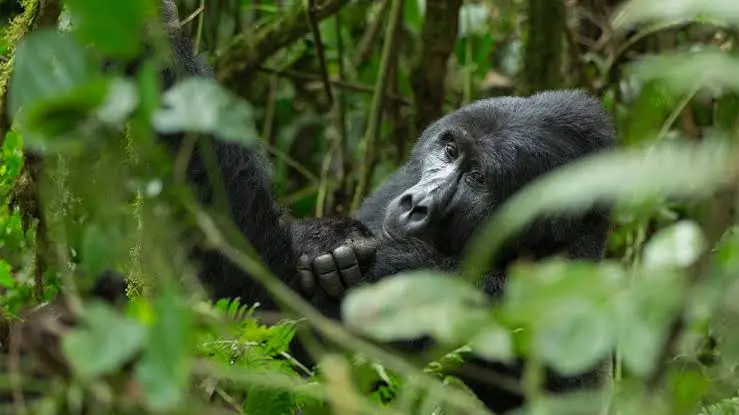
Bwindi Impenetrable National Park and Mgahinga Gorilla National Park in the south-west are the crown jewels of Ugandan tourism. Bwindi shelters nearly half of the world’s remaining mountain gorillas; you can read about its trekking sectors in this guide to Bwindi Impenetrable National Park. Because the parks are nine to eleven hours by road from Kampala, residents usually plan gorilla trips for long public holidays or take a domestic flight to Kihihi or Kisoro. Our 3-Day Uganda Gorillas Safari is a popular choice, and for more ideas you can browse these gorilla safaris.
Lake Mburo National Park: The Easy Weekend Escape
Just four hours west of Kampala along the Masaka road, Lake Mburo is ideal for a two-day getaway. Zebras, impalas, elands, giraffes and buffaloes graze the open plains, and activities include boat cruises, walking safaris, horseback rides and cycling. It is perfect for first-time safari-goers, young families and anyone who wants maximum nature with minimum driving.
Kidepo Valley National Park: The Ultimate Wilderness Adventure
For adventurous residents who want something truly remote, Kidepo Valley in the far north-east is often described as one of Africa’s most beautiful wilderness parks. Its sweeping valleys are home to cheetahs, ostriches, lions, large buffalo herds and species found nowhere else in Uganda. The drive is long, so most residents fly from Entebbe or Kajjansi, or plan a road trip of five days or more with stops along the way.
Other Hidden Gems Worth Exploring
Uganda has many lesser-known destinations that residents love because they are uncrowded and affordable. Semuliki National Park near Bundibugyo offers hot springs and Central African forest birds. Rwenzori Mountains National Park attracts hikers to the legendary Mountains of the Moon. Mount Elgon and Sipi Falls in the east offer cool highland hikes and coffee tours. Lake Bunyonyi in Kabale is perfect for canoeing and relaxing. Closer to home, Mabamba Swamp, Ngamba Island and Jinja make excellent day trips.
Planning Your Safari Around Uganda’s Public Holidays
The biggest challenge for working residents is time, and Uganda’s public holiday calendar is your best friend. When a holiday falls on a Friday or Monday, you get an automatic three-day weekend; with a day or two of leave, you can create a five-day break.
Key public holidays to plan around include New Year’s Day (1 January), NRM Liberation Day (26 January), Archbishop Janani Luwum Day (16 February), International Women’s Day (8 March), Good Friday and Easter Monday, Labour Day (1 May), Martyrs’ Day (3 June), Heroes’ Day (9 June), Independence Day (9 October), Christmas Day and Boxing Day (25–26 December), as well as Eid al-Fitr and Eid al-Adha, whose dates change each year.
Because many Kampala residents plan trips for the same holidays, lodges and permits sell out fast, especially at Easter, Martyrs’ Day and Christmas. Book at least two to three months in advance for gorilla permits and popular lodges. If you prefer a fixed date with everything arranged, see our scheduled departure safari dates.
Sample Safari Itineraries for Kampala Residents
Whatever time you have available, there is a Ugandan safari that fits. Here are some of the most popular options among our resident clients.
One-day trips: Ziwa Rhino Sanctuary, Mabamba Swamp shoebill canoe ride, Ngamba Island chimpanzees, Jinja and the Source of the Nile, or Mabira Forest.
Two-day weekend: Lake Mburo National Park, Jinja adventure weekend, or Sipi Falls.
Three-day long weekend: Murchison Falls with Ziwa rhinos, Kibale chimpanzee tracking, Queen Elizabeth National Park, or a fly-in gorilla trek.
Four- to five-day break: Combine primates and game. Our 5 Days Gorilla and Chimpanzee Tour in Uganda and the 5 Days Chimps and Gorilla Safari are excellent choices. A comparable route is the 5-Day Uganda Gorilla and Chimpanzee Safari.
One-week holiday: Use your annual leave to experience the classic Uganda circuit of chimps, savannah and gorillas. Look at the 7 Days Uganda Safari – One Week Tour or our 8-Day Uganda Gorilla, Chimpanzee and Wildlife Safari.
Ten days or more: Perfect for the December holidays or long leave. Our 10 Days Best of Primate and Culture tour and our 10 Days Uganda Adventure Safari Itinerary cover the country’s best highlights. You can also compare the 10 Days Uganda Primates and Wildlife safari or go even deeper with the 14-Day Uganda Primates and Safari Adventure.
For the full collection of trips, visit our Uganda safaris page.
Family Safaris During School Holidays
Uganda’s school calendar includes three main breaks: a short holiday around April and May, a holiday in August, and the long holiday from early December to early February. These are wonderful opportunities for Kampala families to swap screens for wildlife.
Children of all ages enjoy game drives and boat cruises, which are the easiest activities for young travellers. Murchison Falls, Queen Elizabeth and Lake Mburo are particularly family-friendly. Lake Mburo’s horseback and cycling safaris are a highlight for older children, and Ziwa’s rhino walk thrills teenagers.
Keep age limits in mind when planning. Gorilla trekking is only permitted from age 15, and chimpanzee tracking in Kibale generally from age 12. For younger children, the Uganda Wildlife Conservation Education Centre in Entebbe and Ngamba Island offer close-up primate experiences, and many lodges arrange guided nature walks and cultural visits for kids.
Family safaris also work best with a private vehicle and a flexible schedule, so you can stop for snacks, bathroom breaks and photos without rushing. Tell us the ages of your children and we will match the lodges, activities and driving times to your family.
Budget Safari Tips for Kampala Residents
One of the best things about living in Uganda is that safaris do not have to be expensive. These tips will stretch your budget further.
Always claim your resident or EAC rate. It is the single biggest saving available. Carry your ID, work permit or student pass.
Travel in the low season. March to May and October to November see fewer visitors, lush scenery and, at some lodges, reduced rates. UWA has also introduced low-season gorilla permit discounts for certain visitor categories, which are worth asking about.
Share the vehicle. Transport is usually the largest cost on a domestic safari. Travelling as a group of four to six people dramatically lowers the cost per person.
Choose budget accommodation. UWA bandas, campsites and community-run guesthouses offer comfortable, clean beds at a fraction of lodge prices, often inside or right next to the parks.
Join a group departure. Our group tours let solo travellers and couples share costs with others on fixed-date trips.
Pay in Uganda shillings where possible. EAC rates are priced in shillings, which avoids exchange-rate surprises.
Self-Drive Safaris: Exploring Uganda on Your Own Terms
Many Kampala residents are confident drivers who know Ugandan roads well, which makes self-drive safaris a very attractive option. You set your own pace, stop wherever you like and can easily combine parks with visits to friends or family upcountry.
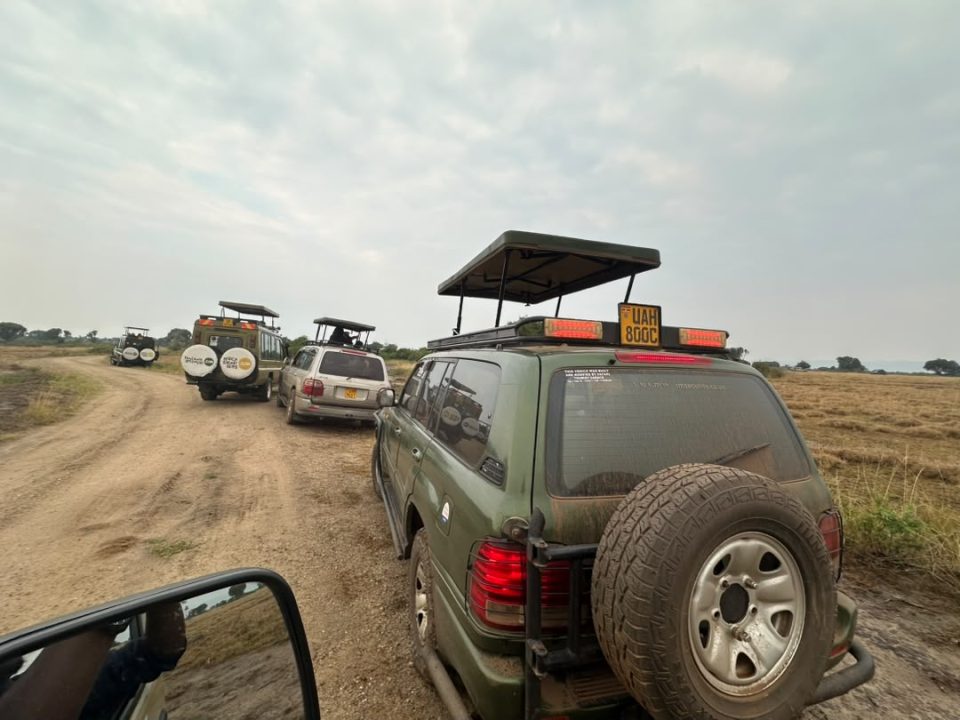
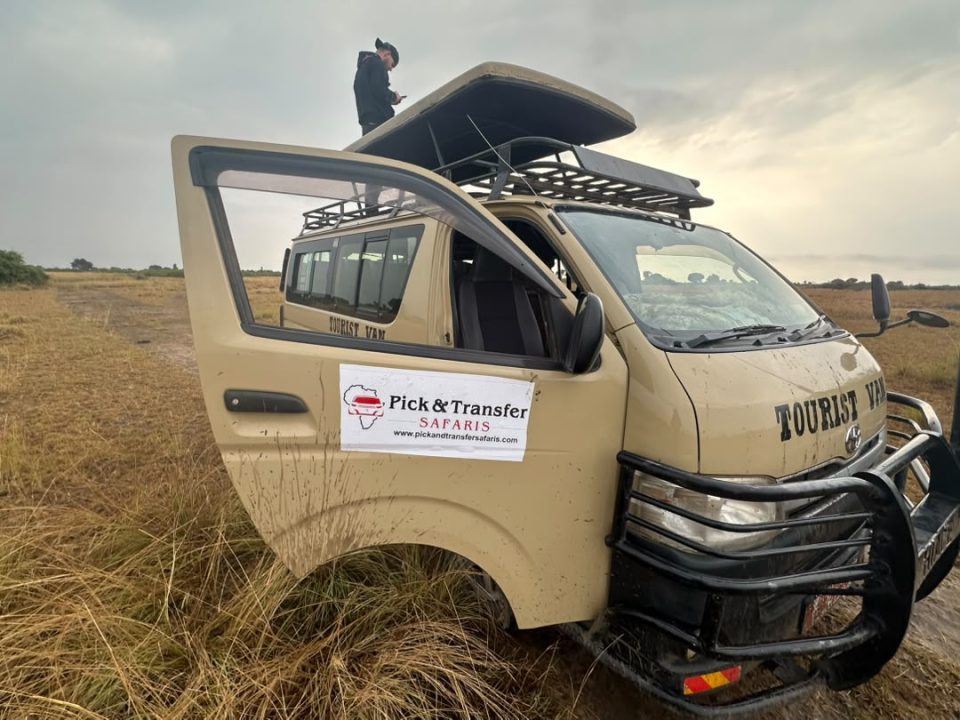
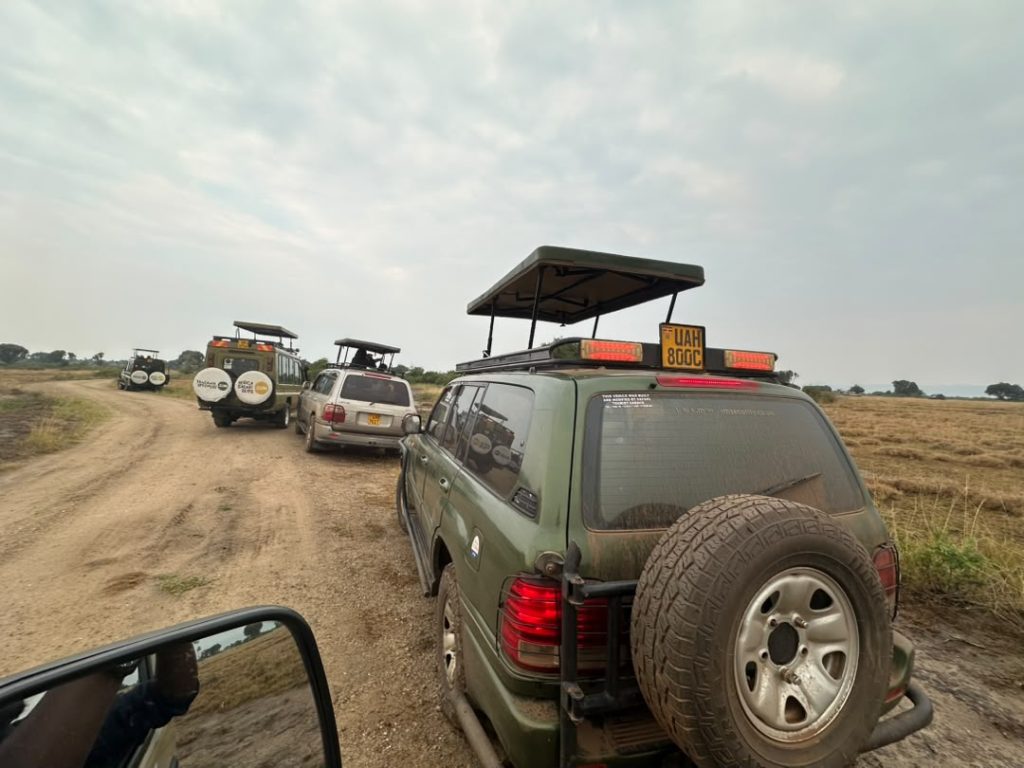
For safari roads, a reliable 4×4 is essential. Park tracks can be rough, especially after rain, and the ferry crossing at Murchison and the roads into Bwindi demand good ground clearance. Our car hire service offers well-maintained Toyota Land Cruisers, safari vans and RAV4s, with the option of adding a professional driver-guide if you would rather relax and let someone else handle the road.
If you self-drive, book activity permits and accommodation in advance, carry enough fuel and cash for remote areas, download offline maps, and respect park speed limits and closing times. When in doubt, a guide adds enormous value: they know where the animals are, how to read their behaviour and where to position the vehicle for the best photographs.
Corporate Retreats and Team-Building Safaris
Kampala’s businesses, banks, NGOs and embassies increasingly choose safaris for staff retreats, team-building and incentive trips. A few days in a national park creates shared memories, builds stronger teams and gives everyone a chance to recharge away from the office.
Popular options include a Jinja adventure retreat with rafting and team challenges, a Murchison Falls safari with conference facilities at a lodge, or a Lake Mburo getaway with walking and cycling safaris. We handle transport for large groups, activities, accommodation, meals and meeting spaces, so your team can focus on the experience. Contact our team about tailored packages for organisations of any size.
Romantic Getaways, Honeymoons and Celebrations
A safari is one of the most memorable ways to celebrate a birthday, anniversary, engagement or honeymoon without leaving the country. Couples love the sunset boat cruises on the Kazinga Channel, private dinners under the stars in Murchison, canoeing on Lake Bunyonyi and the intimate, unforgettable hour with mountain gorillas in Bwindi.
Many lodges offer honeymoon suites, spa treatments and special touches for celebrations; just let us know what you are celebrating when you book, and we will arrange the details.
Birding Safaris for Resident Bird Lovers
With more than 1,000 recorded bird species, Uganda is one of the best birding destinations in Africa, and residents have the luxury of exploring it season by season. Mabamba Swamp near Entebbe is the easiest place to see the shoebill. Bwindi is home to many Albertine Rift endemics, Kibale and Semuliki host spectacular forest species, and Murchison’s Nile Delta is excellent for water birds.
Our 7-Day Birdwatching Safari in Uganda is designed as an introduction to the country’s top birding habitats. Serious birders with more time can look at the 18 Days Uganda Birding and Wildlife Safari, which covers an impressive range of species and habitats.
Crossing the Border: East African Safaris for Residents
Living in Kampala also makes the rest of East Africa easy to explore. Under EAC arrangements, Ugandan citizens can travel to Rwanda and Kenya using a national ID, and many foreign residents can obtain an East Africa Tourist Visa or regional entry with ease.
Rwanda is a favourite for long weekends. You can trek gorillas in Volcanoes National Park, explore the clean and vibrant capital, or see the Big Five in Akagera. Our Rwanda safaris include the 3-Day Gorilla Trekking in Volcanoes National Park. To learn more about the park, read about Volcanoes National Park, and for a savannah escape consider the 3 Days Akagera National Park Safari from Kigali.
If you fly to Kigali, Uganda’s gorilla parks are actually closer from there than from Kampala, which is why our 2 Days Uganda Gorilla Safari Starting from Kigali is popular. Further afield, our Kenya safaris bring the Maasai Mara and the Great Migration within easy reach.
Best Time of Year for Residents to Go on Safari
One advantage of living in Uganda is that you can travel whenever conditions suit you best, rather than being locked into a single holiday window.
The dry seasons (June to September and December to February) offer the easiest game viewing and trekking conditions, with animals gathering around water sources and forest trails less muddy. These are also the busiest months, coinciding with international peak season and the Christmas holidays.
The wet seasons (March to May and October to November) bring green landscapes, dramatic skies, newborn animals, excellent birding and fewer visitors. Rain usually comes in afternoon showers rather than all day. For residents with flexible schedules, these months are often the best value, as some lodges lower their rates and low-season permit discounts may apply. Right now, in October and November, is an excellent time to plan a quieter, greener trip.
What to Pack for Your Safari from Kampala
Residents have the advantage of packing exactly what they need without airline baggage limits, but it still pays to travel light and smart.
- Neutral-coloured, lightweight clothing and a warm fleece for cool mornings, especially in the south-west and the highlands.
- Long trousers and long-sleeved shirts for forest walks, chimp tracking and gorilla trekking.
- Waterproof hiking boots, gardening gloves for gorilla treks, and a light rain jacket.
- Sunscreen, sunglasses, a hat and insect repellent.
- Binoculars, a camera with a zoom lens, spare batteries and a power bank.
- Your national ID, passport, work permit or student pass to claim resident rates.
- Cash in Uganda shillings for tips, crafts and community visits, as card machines can be unreliable in remote areas.
- Snacks and drinking water for long drives, plus any personal medication.
Safety and Health Tips for Domestic Travel
Uganda’s national parks are safe and well managed, but a few precautions help every trip run smoothly. Always follow your ranger’s or guide’s instructions around wildlife, never leave the vehicle during a game drive unless permitted, and keep a safe distance from animals at all times. Malaria is present across much of Uganda, so use repellent, sleep under nets and talk to your doctor about prevention. Yellow fever vaccination is recommended. Drive carefully on highways, avoid night driving where possible, and choose a licensed operator registered with the Uganda Tourism Board.
Supporting Local Communities and Conservation
When Kampala residents travel within Uganda, they become part of the country’s conservation story. A share of park revenue is returned to communities living around protected areas, helping to build schools, health centres and water projects, and encouraging local people to protect wildlife.
You can increase your positive impact by visiting community projects such as the Bigodi Wetland Sanctuary, the Batwa cultural experiences near Bwindi and Mgahinga, and the coffee farmers of Sipi. Buy crafts directly from local artisans and choose lodges that employ people from nearby villages. At Kenlink Tours, part of our profits support orphaned children and vulnerable families through our community foundation, and we also train the next generation of guides through our tourism internship in Uganda programme.
Why Kampala Residents Book with Kenlink Tours
As a Kampala-based operator, we understand the needs of local travellers. We know which lodges offer the best value for residents, how to time your departure to beat the morning traffic, and which parks suit a two-day weekend versus a ten-day holiday. Every trip can start any day and is fully customisable to your budget, interests and schedule.
Our guides are experienced, friendly professionals who know the parks intimately, and our fleet of 4×4 vehicles is maintained for Uganda’s toughest roads. We are fully licensed, members of the national tourism associations and proud partners of the Uganda Wildlife Authority. Learn more about our story and team on our about us page.
Frequently Asked Questions About Uganda Safaris for Kampala Residents
Do Ugandans pay less for national park fees?
Yes. Ugandans and other East African Community citizens pay the lowest UWA rates, priced in Uganda shillings. Bring your national ID or passport as proof of citizenship.
Can expats living in Kampala get resident rates?
Yes. Foreign nationals living in Uganda with a valid work permit, dependant’s pass, student pass or diplomatic accreditation qualify for foreign resident rates. Carry your documents during the trip, as rangers may ask to see them.
What is the best safari for a long weekend from Kampala?
Murchison Falls National Park, combined with rhino tracking at Ziwa, is the top choice for a three-day weekend. Kibale for chimpanzees and Queen Elizabeth for the Kazinga Channel are also excellent. For a two-day trip, Lake Mburo is ideal.
Can residents do gorilla trekking on a budget?
Yes. Resident and EAC permit rates make gorilla trekking far more affordable than it is for international tourists. Travelling in a group, staying in budget lodges and visiting in the low season reduces the cost further.
Is it safe to self-drive to Uganda’s national parks?
Yes, for experienced drivers in a good 4×4 vehicle. Plan your route, avoid driving at night, book activities in advance and follow park rules. Hiring a driver-guide is a great alternative if you want to relax.
How far in advance should Kampala residents book?
For gorilla permits and holiday periods such as Easter, Martyrs’ Day and Christmas, book two to three months ahead. For other trips, two to four weeks is usually enough, though earlier booking gives you the best choice of lodges.
Start Planning Your Uganda Safari from Kampala
You live in one of the most extraordinary safari countries on the planet. The gorillas of Bwindi, the chimpanzees of Kibale, the lions of Queen Elizabeth, the rhinos of Ziwa and the roaring waters of Murchison are all waiting just beyond the city limits — and as a resident, you can experience them for a fraction of what international travellers pay.
Whether you have a single day, a long weekend, a school holiday or a full week of leave, we will design a safari that fits your schedule, budget and interests perfectly. Tell us your dates, who is travelling and what you would love to see.
Ready to explore your own backyard? Contact Kenlink Tours today and let us plan your next Uganda safari from Kampala.