- EXPERT'S HELP
- +256789210067
- +256200955001
- info@kenlinktours.com


Uganda Safaris from Entebbe
October 12, 2026
How much is gorilla tour in Uganda from Kampala
October 12, 2026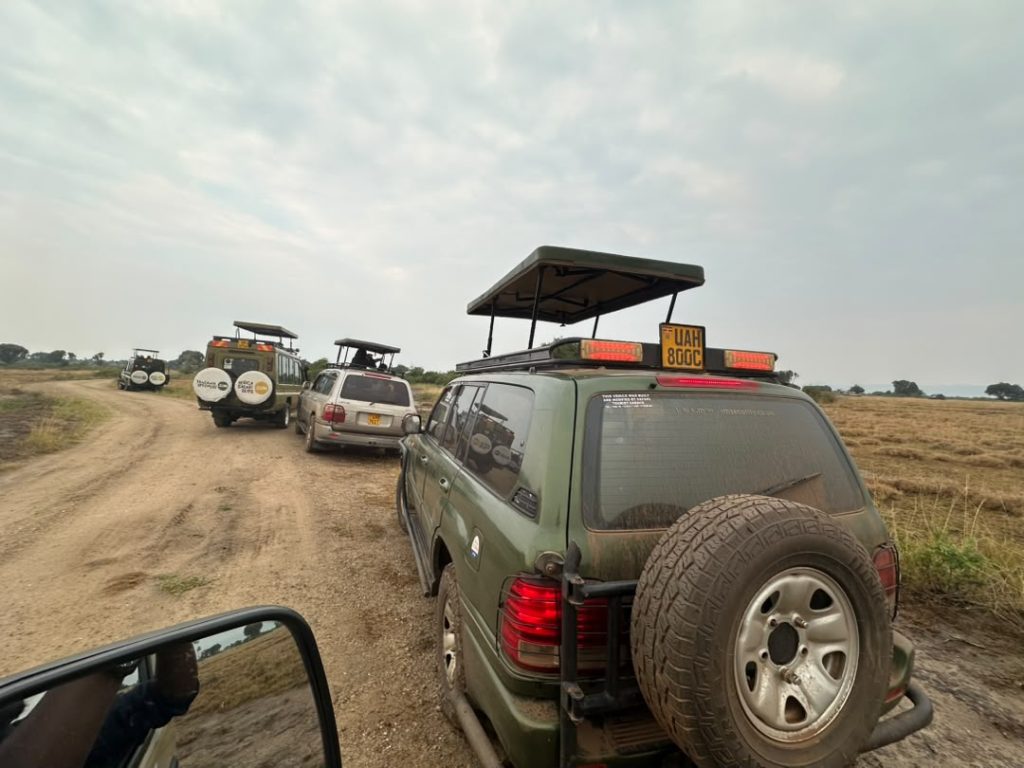
The Uganda Safaris for People living in Uganda already. Every year, thousands of visitors fly across oceans and continents to see what many Ugandans can reach in a morning’s drive. Mountain gorillas in misty forests, lions resting in fig trees, elephants crossing the Nile, chimpanzees calling through the canopy, and waterfalls that thunder through narrow gorges — all of it lies within our borders. Yet for many people living in Uganda, these treasures remain places they have only seen on television or on the backs of banknotes.
That is changing. Domestic tourism is growing fast, supported by national campaigns such as “Tulambule” (Let’s Explore), affordable local rates and better roads. Whether you live in Gulu or Kabale, Mbale or Hoima, Arua or Masaka, Uganda safaris for people living in Uganda are more accessible than ever. At Kenlink Tours, a Ugandan-owned operator organising safaris since 2010, we have helped families, schools, churches, SACCOs, companies and friends discover their own country. In this guide, we explain how local rates work, which parks are closest to your home region, how to plan group and family trips, and how to make your first safari affordable and unforgettable.
Why Domestic Tourism Matters for Uganda
When people living in Uganda visit national parks, the benefits reach far beyond the traveller. Park entry fees and activity permits fund the rangers who protect wildlife against poaching. A share of park revenue is returned to the communities bordering protected areas, helping to build classrooms, health centres, roads and water sources. Local guides, drivers, cooks, craft sellers and lodge workers earn income from every visitor.
Domestic travellers also keep tourism alive during quiet seasons and global crises, when international arrivals drop. During difficult periods, it was Ugandans travelling within Uganda who kept many lodges and community projects open. When you explore your country, you become part of its conservation success story.
There is a personal reward too. Seeing Uganda’s wildlife and landscapes with your own eyes builds pride in our heritage and gives children a lifelong connection to nature. To learn more about what makes our country so special, read our overview about Uganda.
Local Rates: How People Living in Uganda Pay Less
The Uganda Wildlife Authority (UWA) sets different prices for different groups of visitors, and people living in Uganda enjoy the biggest discounts.
Ugandan citizens and East African Community citizens pay the lowest rates, priced in Uganda shillings. Under UWA’s 2024–2026 tariff, a gorilla trekking permit cost UGX 300,000 for East African citizens, compared with US$800 for international visitors, and chimpanzee tracking in Kibale cost UGX 150,000 for East Africans. Park entry fees, boat cruises, nature walks and game drives are discounted by similar margins.
Foreign residents, such as expatriates with work permits, dependant’s passes, student passes or diplomatic accreditation, pay foreign resident rates in US dollars, which are lower than international rates.
UWA reviews its tariffs periodically and has recently announced changes, including low-season discounts for some categories, so always confirm the current rate for your travel date. Carry your national ID, passport or residence documents throughout your trip, as rangers check them at park gates. Our terms and conditions explain how we handle bookings, deposits and payments in Uganda shillings.
Safaris from Northern Uganda: Gulu, Lira, Arua and Kitgum
If you live in northern Uganda, some of the country’s most spectacular wilderness is right on your doorstep.
Murchison Falls National Park is the closest major park to Gulu, Arua and Pakwach. The northern sector of the park, entered through gates such as Tangi and Wankwar, holds the best savannah game viewing in the park: elephants, giraffes, buffaloes, lions, Uganda kobs and hartebeests. From the north you can reach the Nile at Paraa for the boat cruise to the base of the falls without crossing on the ferry first. For more details, read this guide to Murchison Falls National Park.
Kidepo Valley National Park, in the far north-east, is closer to Kitgum, Gulu and Lira than to Kampala. Often called Uganda’s last true wilderness, Kidepo is home to cheetahs, ostriches, lions, bat-eared foxes and huge buffalo herds, set against dramatic mountains on the borders of South Sudan and Kenya. A road trip from Gulu via Kitgum makes Kidepo a realistic three- or four-day safari for northern residents.
Ajai Wildlife Reserve near Arua and the West Nile region’s scenic landscapes offer quieter nature experiences, while Aruu Falls near Pader and the cultural heritage sites around Gulu make excellent day trips.
Safaris from Eastern Uganda: Mbale, Jinja, Soroti and Tororo
Eastern Uganda combines mountains, waterfalls, rock art and adventure.
Mount Elgon National Park and Sipi Falls are just an hour or so from Mbale. Hike to Sipi’s three waterfalls, try abseiling, take a coffee tour with local farmers, or climb to Wagagai Peak on Mount Elgon’s caldera on a multi-day trek. The cool highland air is a refreshing change from the lowlands.
Pian Upe Wildlife Reserve in Karamoja, reachable from Mbale and Soroti, is Uganda’s second-largest protected area and one of its least visited, with roan antelopes, elands, cheetahs and a rich Karimojong culture. It is perfect for adventurous travellers seeking solitude.
Jinja and the Source of the Nile offer rafting, kayaking, quad biking, bungee jumping and sunset cruises, while Mabira Forest on the Jinja road is great for forest walks and zip-lining. Nyero Rock Paintings near Kumi preserve ancient rock art and make a fascinating cultural stop for school groups.
From the east, Murchison Falls is also within reach for a long weekend, travelling via Lira or Masindi.
Safaris from Western Uganda: Mbarara, Fort Portal, Kasese, Kabale and Hoima
Western Uganda is the heartland of Ugandan safari tourism, and people living in the west enjoy the shortest travel times to many of the country’s most famous parks.
From Mbarara: Lake Mburo National Park is less than an hour away, making it perfect for a day trip with zebras, impalas, elands, giraffes, a boat cruise and horseback safaris. Queen Elizabeth National Park is about two to three hours away, and Bwindi’s gorillas can be reached in around four to five hours.
From Fort Portal: Kibale Forest National Park, home to habituated chimpanzees and 13 primate species, is only about 30 minutes away. Semuliki National Park with its hot springs and Central African birds, the Amabeere ga Nyina Mwiru caves, Tooro’s crater lakes and the Rwenzori foothills are all close by. Learn more in this guide to Kibale Forest National Park.
From Kasese: Queen Elizabeth National Park is on your doorstep, with game drives on the Kasenyi plains, the famous Kazinga Channel boat cruise and the tree-climbing lions of Ishasha. Read about the park in this overview of Queen Elizabeth National Park. The Rwenzori Mountains, the legendary Mountains of the Moon, offer hiking from short day walks to multi-day climbs.
From Kabale and Kisoro: Bwindi’s southern sectors of Rushaga, Ruhija and Nkuringo are just one to two hours away, and Mgahinga Gorilla National Park is next to Kisoro, offering gorillas, golden monkeys and volcano hikes. Lake Bunyonyi is ideal for canoeing, island visits and relaxing weekends. Read more about Bwindi Impenetrable National Park and Mgahinga Gorilla National Park.
From Hoima and Masindi: The southern sector of Murchison Falls, the Budongo Forest chimpanzees and the Lake Albert escarpment are close by, making a Murchison safari easy for residents of the Bunyoro region.
Safaris from Central Uganda: Kampala, Entebbe, Masaka and Mukono
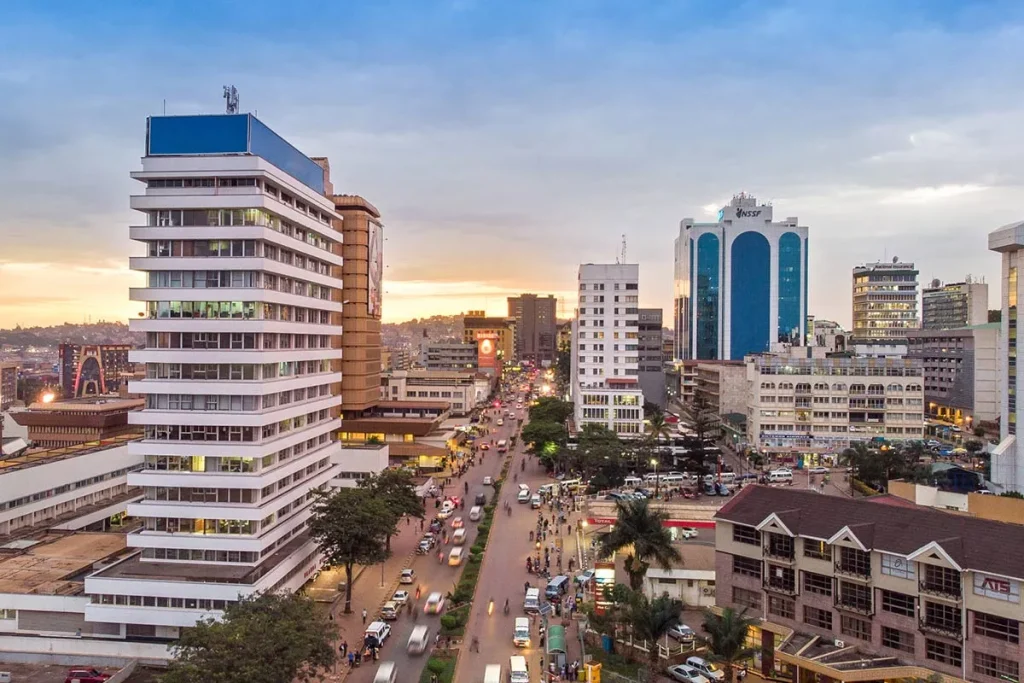
Residents of the central region have the widest choice of day trips and weekend getaways. The Ziwa Rhino Sanctuary offers rhino tracking on foot, Mabamba Swamp is famous for shoebills, Ngamba Island protects rescued chimpanzees, and the Uganda Wildlife Conservation Education Centre in Entebbe is perfect for families.
From Masaka, Lake Mburo is about two hours away and the Ssese Islands on Lake Victoria offer beaches and relaxation. From the central region, Murchison Falls, Kibale and Queen Elizabeth are all achievable on long weekends. For a ready-made trip, see the 3 Days Safari to Murchison Falls or our 3 Days Queen Elizabeth National Park safari.
Popular Safari Packages for People Living in Uganda
Wherever you live, these are the trips our local clients book most often. Each can be customised to start from your home town.
Chimpanzee tracking in Kibale: Our 3-Day Chimpanzee Tracking Safari and 3 Days Chimp Tracking Safari to Kibale National Park combine chimps with the Bigodi Wetland and crater lakes. Another comparable route is the 3 Days Chimpanzee Tour in Uganda.
Gorilla trekking: With local rates, gorilla trekking is the bucket-list experience that is finally within reach. See our 3-Day Uganda Gorillas Safari, the 4 Days Uganda Cultural and Gorilla Tour, or the 3 Days Uganda Gorilla Safari.
Savannah wildlife: Murchison Falls, Queen Elizabeth and Lake Mburo deliver classic game drives. Compare the 3 Days Safari to Queen Elizabeth National Park with other options on these wildlife safaris.
Primates and wildlife combined: Our 5 Days Gorilla and Chimpanzee Tour in Uganda is a favourite, and the 4 Days Wildlife and Primate Safari blends game drives with chimpanzee tracking.
The complete Uganda circuit: For annual leave or the December holidays, our 7 Days Gorilla and Wildlife Safari covers the classic highlights. Those with more time can explore the 14-Day Uganda Primates and Safari Adventure or our 20-Day Wildlife and Nature Experience in Uganda.
Browse all our trips on the Uganda safaris page.
Group Safaris for Churches, SACCOs, Alumni and Friends
Ugandans love to travel together, and group trips are one of the most affordable and enjoyable ways to go on safari. Church fellowships, SACCOs, savings groups, women’s and youth groups, old students’ associations, wedding parties and groups of friends regularly book trips with us.
Group travel lowers costs dramatically because transport, guide fees and sometimes accommodation are shared among many people. A 14-seater safari van, a 25-seater coaster or a large bus can carry everyone together, and lodges often offer group discounts. The shared experience of seeing lions or gorillas together creates stories your group will retell for years.
Our group tours team can arrange everything: transport, permits, meals, accommodation, activities and entertainment. Many groups also plan their trips around savings cycles, contributing monthly towards a holiday safari. Ask us for a group quotation and a flexible payment plan.
Educational Tours for Schools and Universities
A safari is one of the most powerful classrooms a student can experience. Biology lessons about ecosystems, geography lessons about rift valleys and crater lakes, and history lessons about colonial Uganda and cultural heritage all come alive in the field.
Popular school destinations include Murchison Falls, Queen Elizabeth, Lake Mburo, the Ziwa Rhino Sanctuary, the Uganda Wildlife Conservation Education Centre, the Source of the Nile, Nyero Rock Paintings, the Kasubi Tombs and the Uganda Martyrs’ Shrine at Namugongo. UWA offers special rates for organised student groups, making educational trips very affordable.
University students studying tourism, wildlife management, environmental science or hospitality can gain practical experience through our tourism internship in Uganda programme, which places students alongside our guides and operations team.
Family Safaris and Holiday Trips
School holidays are the perfect time for a family safari. Uganda’s school calendar includes breaks around April to May, in August, and the long holiday from December to early February.
Game drives and boat cruises are ideal for children of all ages, and parks such as Lake Mburo, Queen Elizabeth and Murchison Falls are very family-friendly. Remember that gorilla trekking requires participants to be at least 15 years old, and chimpanzee tracking in Kibale generally at least 12. For younger children, animal orphanages, nature walks, cultural visits and lakeside relaxation make wonderful alternatives.
Family safaris also make excellent Christmas, Easter and birthday gifts. Many families now choose a safari instead of an expensive party, giving their children memories that last a lifetime.
Corporate Retreats and Staff Incentive Trips
Companies, banks, NGOs and government departments across Uganda increasingly reward staff with safaris and hold retreats in national parks. A few days away from the office in a natural setting improves morale, strengthens teamwork and creates a stronger organisational culture.
We organise conference-friendly lodges, team-building activities such as guided walks, boat cruises and cultural experiences, group transport, and full catering. Whether you are a team of ten or a company of two hundred, we can design a retreat that fits your goals and budget.
Self-Drive Safaris Across Uganda
Many people living in Uganda already own cars or are confident drivers, which makes self-drive safaris a popular option. You can travel at your own pace, combine a safari with visits to relatives upcountry, and stop wherever the scenery calls you.
For national parks, a 4×4 vehicle is strongly recommended, especially in the rainy seasons and on tracks in Murchison, Queen Elizabeth, Bwindi and Kidepo. Our car hire service offers well-maintained Toyota Land Cruisers, safari vans and RAV4s, with or without a driver. Book activities and accommodation in advance, carry extra fuel and cash for remote areas, follow park speed limits, and avoid driving at night.
How to Plan a Budget Safari in Uganda
A safari in your own country does not need to be expensive. Follow these tips to keep costs low.
Use your local rate. Always carry your national ID or residence documents to claim the lowest UWA fees.
Travel as a group. Sharing transport is the single most effective way to reduce costs.
Start from the nearest park. Choose a destination close to your home region to save on fuel and nights of accommodation.
Travel in the low season. March to May and October to November bring fewer visitors and, at some lodges, lower prices.
Stay at UWA bandas and campsites. These simple but comfortable options are found inside most parks and cost far less than private lodges.
Join a scheduled trip. Our scheduled departure safari dates let individuals and couples join others at a shared cost.
Pay in instalments. Ask about flexible payment plans that let you spread the cost over several months.
Best Times for People Living in Uganda to Travel
Living in Uganda gives you the flexibility to choose the best time to travel. The dry seasons, from June to September and December to February, offer the easiest trekking and best game viewing. The wet seasons, from March to May and October to November, are greener, quieter and great for birdwatching, with rain usually falling in short afternoon showers.
Public holidays are excellent opportunities for long weekends. Plan around holidays such as NRM Liberation Day, Archbishop Janani Luwum Day, Women’s Day, Easter, Labour Day, Martyrs’ Day, Heroes’ Day, Independence Day, Christmas, Boxing Day and the Eid holidays. Because many residents travel at the same time, book popular lodges and gorilla permits two to three months in advance.
Birdwatching for Ugandan Nature Lovers
Uganda is one of Africa’s top birding destinations, with more than 1,000 recorded species, and residents can explore different habitats throughout the year. Look for shoebills at Mabamba and in Murchison’s Nile Delta, Albertine Rift endemics in Bwindi and the Rwenzoris, forest specialists in Kibale and Semuliki, and Karamoja specialities in Kidepo and Pian Upe.
Birding is also an excellent hobby for retirees, students and photographers. Our 7-Day Birdwatching Safari in Uganda is a great introduction to the country’s top birding sites.
Exploring Beyond Uganda: Regional Safaris for Ugandans
As East African Community citizens, Ugandans can travel to Rwanda and Kenya using a national ID, and East African rates often apply in neighbouring parks too. This makes regional travel easier and more affordable than ever.
In Rwanda, you can trek gorillas in Volcanoes National Park, see the Big Five in Akagera and explore the clean, vibrant city of Kigali. Look at our Rwanda safaris, including the 3 Days Rwanda Gorilla Safari and the 3-Day Akagera Game Drive Safari. In Kenya, the Maasai Mara and the Great Migration are a dream for many Ugandan travellers; see our Kenya safaris for ideas. To compare parks across the region, browse these East African safari destinations.
What to Pack for a Domestic Safari
Packing for a safari in Uganda is simple, especially when you are travelling by road.
- Comfortable, neutral-coloured clothing and a warm sweater for cool mornings, especially in the south-west and highlands.
- Long trousers and long-sleeved tops for forest walks and trekking.
- Strong walking shoes or hiking boots and a light rain jacket.
- A hat, sunglasses, sunscreen and insect repellent.
- Binoculars and a camera or smartphone with plenty of storage, plus a power bank.
- Your national ID, passport or residence documents for local rates.
- Cash in Uganda shillings for tips, crafts and small purchases, as mobile money and card payments may not work everywhere in remote areas.
- Snacks, drinking water and any personal medication.
Safety and Etiquette in Uganda’s National Parks
Uganda’s national parks are safe and well managed, but visitors must follow a few important rules. Always stay in the vehicle during game drives unless your guide or ranger allows you to step out. Keep a respectful distance from wildlife, never feed animals, and keep noise to a minimum so others can enjoy the experience. During gorilla and chimpanzee trekking, follow your ranger’s instructions closely, wear a face mask if requested, and do not trek if you are unwell, as primates can catch human illnesses.
Respect local cultures when visiting communities, ask permission before taking photographs of people, and carry your rubbish out of the park. Malaria is present in many areas, so sleep under a mosquito net and use repellent.
Supporting Communities Through Domestic Travel
Every domestic safari supports Ugandan livelihoods. Visit community projects such as the Bigodi Wetland Sanctuary near Kibale, Batwa cultural experiences near Bwindi and Mgahinga, women’s craft cooperatives and coffee farmers around Sipi. Buy local crafts, eat at local restaurants and hire community guides wherever possible.
At Kenlink Tours, part of our profits support orphaned children and vulnerable families through our community foundation. When you travel with us, your safari helps change lives in the communities around Uganda’s parks.
Why People Living in Uganda Choose Kenlink Tours
As a Ugandan company, we understand the needs of local travellers. We can pick you up from any town in the country, quote in Uganda shillings, arrange flexible payment plans and recommend lodges that offer the best value for residents. Our guides speak English and several local languages, and they share deep knowledge of Uganda’s wildlife, history and cultures.
We are licensed by the Uganda Tourism Board, work closely with the Uganda Wildlife Authority and are proud of the hundreds of happy guests we have hosted since 2010. Learn more about our story on our about us page.
Frequently Asked Questions About Uganda Safaris for People Living in Uganda
Do Ugandans pay less to visit national parks?
Yes. Ugandan and East African citizens pay the lowest Uganda Wildlife Authority rates, priced in Uganda shillings. Carry your national ID or passport as proof.
Can Kenlink Tours pick me up from my home town?
Yes. We can start your safari from any town in Uganda, including Gulu, Lira, Arua, Mbale, Jinja, Mbarara, Fort Portal, Kasese, Kabale, Hoima and Masaka, as well as Kampala and Entebbe.
What is the most affordable safari in Uganda?
Lake Mburo National Park, the Ziwa Rhino Sanctuary and day trips to Mabamba Swamp or Jinja are among the most affordable options. Travelling as a group and staying in UWA bandas reduces costs further.
Can Ugandans afford gorilla trekking?
Yes. Thanks to the East African citizen rate, gorilla trekking costs a fraction of what international visitors pay. Combine it with budget accommodation and shared transport for an affordable once-in-a-lifetime experience.
Do you organize school trips?
Yes. We organize educational tours for primary schools, secondary schools and universities to national parks, wildlife centers and cultural heritage sites, with special arrangements for student groups.
Can we pay for a group safari in instalments?
Yes. We offer flexible payment plans for groups, SACCOs and families, allowing you to spread the cost over several months before your trip.
Start Exploring Your Own Country Today
Uganda is not just a destination for visitors from abroad. It is your home, and its forests, savannahs, mountains, lakes and rivers belong to you to enjoy and protect. From the gorillas of Bwindi to the cheetahs of Kidepo, from the falls of Murchison to the hot springs of Semuliki, there is a safari waiting near every corner of the country.
Whether you are planning a family holiday, a school trip, a church outing, a corporate retreat or a weekend with friends, we will design a safari that fits your budget, your schedule and your starting point.
Ready to explore the Pearl of Africa? Contact Kenlink Tours today and let us plan your Ugandan adventure.