- EXPERT'S HELP
- +256789210067
- +256200955001
- info@kenlinktours.com


Boat Game Drive and Chimp Tracking in Queen Elizabeth Tour
October 13, 2026
Can i combine Gorillas Wildlife and Chimps in one tour
October 14, 2026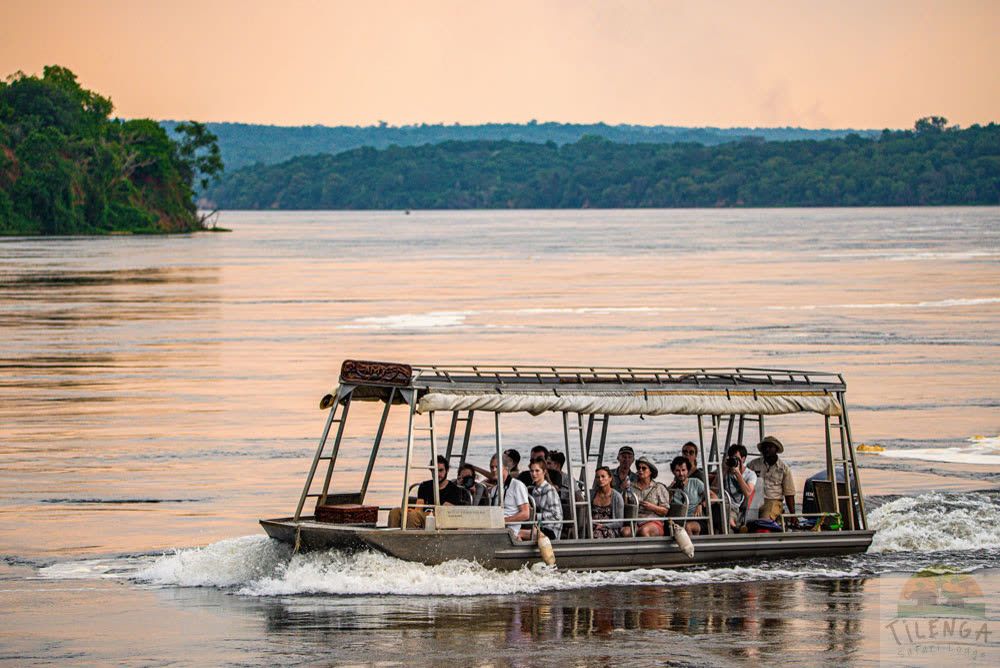
Uganda Safari Combining Gorillas Chimps and Wildlife. Few places on earth let you look into the eyes of a mountain gorilla in the morning mist, listen to chimpanzees pant-hoot through a rainforest canopy, and then watch lions lounging in the branches of a fig tree, all within a single trip. Uganda does exactly that. Known as the “Pearl of Africa,” this compact East African country packs an astonishing variety of habitats into a land area smaller than the United Kingdom, from snow-capped mountains and ancient montane forests to rolling savannah, crater lakes and the mighty River Nile.
A Uganda safari combining gorillas, chimps and wildlife is, quite simply, the most complete wildlife experience in Africa. Kenya and Tanzania offer magnificent savannah game viewing, and Rwanda offers superb gorilla trekking, but no other single country lets you combine great apes and the classic Big Game safari as easily, as affordably and as authentically as Uganda.
In this complete guide, the safari specialists at Kenlink Tours share everything you need to plan your dream trip: where to go, how many days you need, the best time to travel, permit costs, sample itineraries, packing advice and insider tips gathered from more than fifteen years of guiding travelers across Uganda’s national parks.
Why Uganda Is the Best Country for a Gorilla, Chimpanzee and Wildlife Safari
Uganda sits where the East African savannah meets the West African rainforest. This geographical meeting point is the secret behind its extraordinary biodiversity. The country is home to more than half of the world’s remaining mountain gorillas, roughly 5,000 chimpanzees, over 1,000 bird species and four of the Big Five, along with hippos, giraffes, Uganda kob, topi and countless other species.
What makes Uganda truly special for primate lovers is the concentration of experiences. Bwindi Impenetrable National Park shelters nearly half of the world’s mountain gorillas, while Kibale Forest National Park holds one of the highest densities of primates anywhere on the planet, with thirteen species including chimpanzees, red colobus, L’Hoest’s monkeys and black-and-white colobus. Just a few hours’ drive away, Queen Elizabeth National Park and Murchison Falls National Park deliver classic game drives and boat safaris teeming with elephants, buffalo, lions and hippos.
Uganda is also excellent value. Gorilla permits cost roughly half the price of those in Rwanda, mid-range lodges are very reasonably priced, and the road network linking the main parks has improved dramatically in recent years. Add warm, welcoming people, English as an official language, and a year-round equatorial climate, and it’s easy to see why so many travelers choose Uganda for their first, and often second and third, African safari. You can learn more about the country’s highlights on our Uganda destination guide.
Understanding the Uganda Primate and Wildlife Circuit
Most combined safaris follow what local guides call the “western circuit,” a loop through Uganda’s Albertine Rift region. A typical route begins in Entebbe or Kampala, heads west to Kibale Forest for chimpanzee tracking, continues south to Queen Elizabeth National Park for game drives and the famous Kazinga Channel boat cruise, then climbs into the misty hills of Bwindi for gorilla trekking. Many travelers finish with a relaxing stop at Lake Bunyonyi or Lake Mburo National Park before returning to Entebbe, or cross into Rwanda and fly home from Kigali.
Travelers with more time add Murchison Falls National Park in the north, where the Nile explodes through a narrow gorge, and where Budongo Forest offers a second chance to track chimpanzees. Those seeking true wilderness can even fly to remote Kidepo Valley National Park near the South Sudan border.
The beauty of this circuit is its logical flow. Each park sits roughly a half-day’s drive from the next, so you spend your time enjoying wildlife rather than sitting in a vehicle. A well-planned itinerary, like our 8-Day Uganda Gorilla, Chimpanzee and Wildlife Safari, balances travel days with activity days so you arrive at each destination rested and ready.
Gorilla Trekking in Bwindi Impenetrable National Park
For most travelers, gorilla trekking is the emotional heart of a Uganda safari. Bwindi Impenetrable National Park is a UNESCO World Heritage Site covering about 321 square kilometers of ancient montane and lowland forest. Its name says it all: steep ridges, tangled vines and dense undergrowth create a jungle that feels almost primeval. The forest is estimated to be more than 25,000 years old, and it survived the last Ice Age, which helps explain its exceptional biodiversity.
A gorilla trek begins early in the morning with a briefing at the park headquarters. Rangers divide visitors into groups of no more than eight people, each assigned to a specific habituated gorilla family. Trackers head out ahead of time to locate the family from where they nested the previous night, and they radio the location to your guide. Your trek can last anywhere from 30 minutes to six hours or more, depending on where the gorillas have wandered.
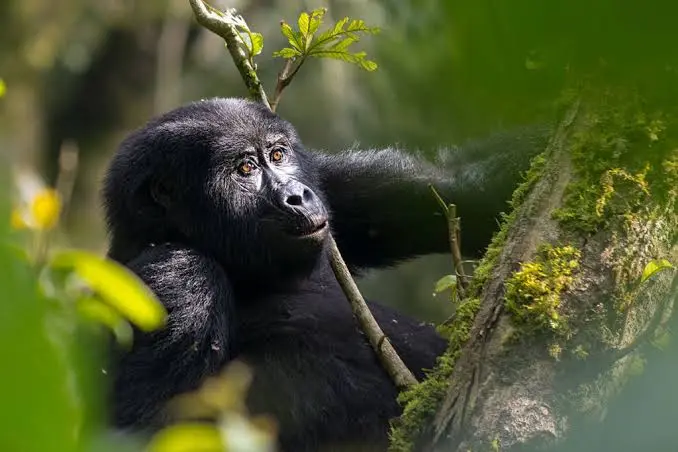
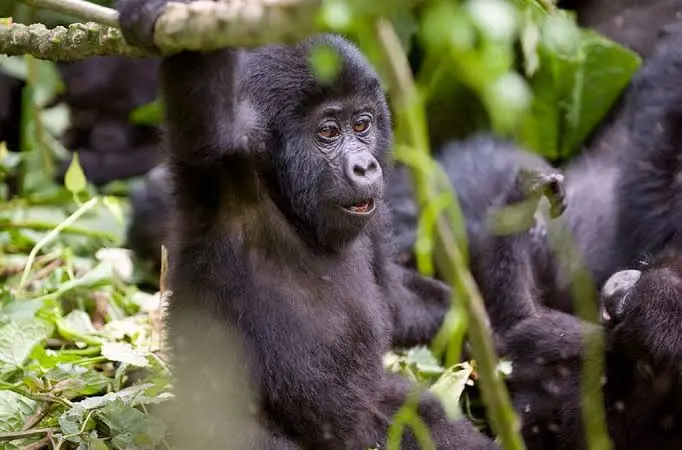
Once you find the family, you spend one magical hour with them. You’ll watch a giant silverback weighing up to 200 kilograms munch on wild celery, mothers cradling tiny infants, and youngsters tumbling and play-fighting through the vegetation. The minimum distance rule is seven meters, but gorillas don’t always read the rulebook, and curious juveniles sometimes come surprisingly close. Most travelers describe this hour as the single most moving wildlife encounter of their lives.
If you want to read more about the park itself, the team at Pick and Transfer Safaris has a detailed guide to Bwindi Impenetrable National Park covering its history, gorilla families and conservation story.
Bwindi’s Four Gorilla Trekking Sectors Explained
Bwindi is divided into four trekking sectors, each with its own habituated gorilla families, lodges and character. Choosing the right sector is important because they are far apart, and the drive between them can take several hours.
Buhoma in the north is the oldest trekking sector, where gorilla tourism started in 1993. It has a lively community, excellent lodges and the famous Buhoma Community Walk. It’s the most convenient sector if you’re coming from Queen Elizabeth National Park via Ishasha.
Ruhija in the east sits at high altitude and offers cooler temperatures, outstanding birding (including the chance to see the African green broadbill) and fewer visitors.
Rushaga in the south has the largest number of habituated gorilla families and is the only place offering the Gorilla Habituation Experience in addition to standard trekking. It’s ideal for travelers coming from Kigali in Rwanda.
Nkuringo in the southwest offers some of the most dramatic scenery in Uganda, with views across to the Virunga volcanoes, though the treks here are often steep.
When you book with us, our team allocates your sector based on permit availability, your route and your fitness level, so you never need to worry about the logistics. Our short 3-Day Uganda Gorillas Safari is a great option if gorillas are your top priority and time is limited.
Mgahinga Gorilla National Park: Where Silver Meets Gold
Tucked into Uganda’s far southwest corner, Mgahinga Gorilla National Park is Uganda’s portion of the Virunga Conservation Area, shared with Rwanda and the Democratic Republic of Congo. It’s the smallest national park in Uganda, but it punches far above its weight.
Mgahinga is home to the Nyakagezi gorilla family and is also the only place in Uganda where you can track the endangered golden monkey, a striking primate with a bright orange-gold back. This combination of mountain gorillas and golden monkeys is why the park’s slogan is “where silver meets gold.” Adventurous hikers can also climb one of the three extinct volcanoes, Muhabura, Gahinga or Sabyinyo, where you can stand in three countries at once on Sabyinyo’s summit.
Mgahinga makes an excellent alternative or addition to Bwindi, especially if you’re traveling from Rwanda. You can explore more on Pick and Transfer Safaris’ page about Mgahinga Gorilla National Park.
The Gorilla Habituation Experience: Four Hours With the Gorillas
For serious primate enthusiasts and photographers, the Gorilla Habituation Experience in Bwindi’s Rushaga sector is a once-in-a-lifetime upgrade. Instead of one hour, you spend up to four hours with a gorilla family that is still in the process of becoming accustomed to human presence. You accompany researchers and trackers as they follow the gorillas, learning about their behavior, social structure and the patient work that goes into habituation.
Only four visitors per day can join this experience, which makes it intimate and exclusive. It costs more than a standard trekking permit, but for many people the extra time, deeper understanding and fewer fellow travelers make it worth every cent. Let us know when you enquire if you’d like the habituation experience included, as these permits sell out quickly.
Chimpanzee Tracking in Kibale Forest National Park
If gorilla trekking is about quiet awe, chimpanzee tracking is about energy and excitement. Kibale Forest National Park, often called the “Primate Capital of the World,” protects about 795 square kilometers of moist evergreen rainforest and is home to around 1,500 chimpanzees, the largest population in Uganda.
Chimp tracking in Kibale starts from the Kanyanchu visitor center, usually in the morning or the afternoon. Your ranger guide leads a small group into the forest, following the calls, drumming and fresh signs of a habituated chimpanzee community. Unlike gorillas, chimps are fast-moving and spend a lot of time in the trees, so you may find yourself hurrying along trails as they swing overhead or race along the forest floor. When you catch up, you’ll get one hour watching them feed, groom, squabble and communicate with an incredible range of hoots, screams and facial expressions.
Chimpanzees share about 98 percent of our DNA, and watching them interact is a fascinating mirror of human behavior. Kibale’s success rate for chimp sightings is excellent, typically above 90 percent. The forest also offers sightings of red colobus, grey-cheeked mangabeys, L’Hoest’s monkeys, red-tailed monkeys and more than 370 bird species.
For a deep dive into the park, see Pick and Transfer Safaris’ guide to Kibale Forest National Park. If chimpanzees are your focus, our 3-Day Chimpanzee Tracking Safari is a perfect short escape from Kampala.
The Chimpanzee Habituation Experience in Kibale
Just as with gorillas, Kibale offers an extended Chimpanzee Habituation Experience. You head into the forest with researchers at dawn, watching the chimps descend from their nests, and stay with them throughout much of the day as they feed, travel and rest, before they build fresh nests in the evening. It’s a demanding but deeply rewarding experience, and an ideal choice for photographers, wildlife filmmakers and anyone who wants to truly understand our closest living relatives.
Other Chimpanzee Destinations: Kyambura Gorge and Budongo Forest
While Kibale is the headline destination, Uganda offers several other places to see chimpanzees, each with its own charm.
Kyambura Gorge, nicknamed the “Valley of Apes,” is a dramatic sunken forest carved into the savannah of Queen Elizabeth National Park. A small community of chimpanzees lives on the gorge floor. Sightings are less guaranteed than in Kibale, but the setting is spectacular, and the trek is a wonderful addition to a wildlife safari.
Budongo Forest, within the Murchison Falls Conservation Area, is the largest mahogany forest in East Africa and hosts several hundred chimpanzees. Chimp tracking in Budongo’s Kaniyo Pabidi section pairs beautifully with game drives and boat cruises in Murchison Falls National Park.
Pick and Transfer Safaris also offers a dedicated 3-Day Chimpanzee Tour in Uganda for travelers who want to compare these experiences.
Bigodi Wetland Sanctuary: A Perfect Afternoon Add-On
Just outside Kibale lies Bigodi Wetland Sanctuary, a community-run project where local guides lead walks along boardwalks through papyrus swamp. It’s one of Uganda’s best places to spot the prehistoric-looking great blue turaco, along with more than 200 other bird species and several monkey species. Revenue from the walks supports local schools and community projects, so your visit has a direct, positive impact. Most travelers combine chimp tracking in the morning with a Bigodi walk in the afternoon.
Classic Big Game Safari in Queen Elizabeth National Park
After the intimacy of the forest, Queen Elizabeth National Park delivers the wide-open savannah experience that defines an African safari. Covering nearly 2,000 square kilometers, it is Uganda’s most visited park and sits beautifully between Kibale and Bwindi on the western circuit, making it the natural middle stop on any combined itinerary.
The park’s landscapes are astonishingly varied: open grassland, acacia woodland, tropical forest, crater lakes and wetlands, all framed by the Rwenzori Mountains on clear days. This variety supports nearly 100 mammal species and more than 600 bird species, an extraordinary figure for a single park.
Morning game drives on the Kasenyi plains bring sightings of Uganda kob, buffalo, warthogs, waterbuck and elephants, with lions and leopards frequently spotted hunting the kob herds. The Mweya Peninsula offers stunning views and a chance to see banded mongoose and hippos grazing around the lodges at night.
You’ll find a full overview of the park on Pick and Transfer Safaris’ page about Queen Elizabeth National Park, and our own 3-Day Queen Elizabeth National Park safari is ideal as a stand-alone trip or add-on.
The Tree-Climbing Lions of Ishasha
In the remote southern Ishasha sector of Queen Elizabeth National Park, lions have developed a rare and much-photographed habit: climbing and lounging in the branches of large fig and acacia trees. Only a handful of lion populations in Africa regularly display this behavior. Scientists believe it may help the lions escape biting insects and the heat of the ground, while giving them a lookout over the plains.
Ishasha lies on the route between Queen Elizabeth and Bwindi’s Buhoma sector, so it fits perfectly into a combined safari. Spotting a pride draped across the branches of a fig tree in the late afternoon light is one of Uganda’s most iconic wildlife moments.
The Kazinga Channel Boat Cruise
No visit to Queen Elizabeth is complete without a boat cruise on the Kazinga Channel, a natural waterway about 32 kilometers long connecting Lake George and Lake Edward. The channel hosts one of the highest concentrations of hippos in Africa, along with large Nile crocodiles, elephants coming down to drink and buffalo wallowing in the shallows.
Birdlife is spectacular, with pied kingfishers, African fish eagles, saddle-billed storks, pelicans and cormorants crowding the banks. The two-hour cruise is relaxing and perfect for photographers, since the boat can get remarkably close to the wildlife on shore.
Murchison Falls National Park: Where the Nile Explodes
Uganda’s largest and oldest national park, Murchison Falls, covers about 3,840 square kilometers in the north of the country. Its centerpiece is the dramatic waterfall where the entire flow of the Victoria Nile is forced through a gap just seven meters wide before plunging 43 meters into a boiling pool below. Standing at the “Top of the Falls” and feeling the ground shake beneath your feet is unforgettable.
North of the Nile, the Buligi game tracks offer some of Uganda’s best savannah game viewing, with large herds of Rothschild’s giraffe, elephants, buffalo, Jackson’s hartebeest, oribi and Uganda kob, plus lions and leopards. A launch cruise upriver to the base of the falls reveals hippos, crocodiles and abundant birdlife, while a cruise downriver to the Nile Delta offers a real chance of spotting the rare, prehistoric-looking shoebill stork.
Learn more on the Murchison Falls National Park guide from Pick and Transfer Safaris. Travelers who want the full country experience, including Murchison, should look at our 10 Days Uganda Adventure Safari Itinerary.
Lake Mburo National Park and Lake Bunyonyi: Relaxing Stopovers
The long drive between Bwindi and Entebbe is beautifully broken up by a stop at Lake Mburo National Park, the closest savannah park to Kampala. It’s the best place in Uganda to see zebras, impalas and eland, and it offers rare activities such as walking safaris, horseback safaris and cycling among the wildlife.
Alternatively, Lake Bunyonyi near Kabale is one of Africa’s most beautiful lakes, dotted with 29 terraced islands. After the exertion of gorilla trekking, a day of canoeing, swimming and relaxing in a lakeside lodge is the perfect reward.
How Many Days Do You Need for a Uganda Gorilla, Chimp and Wildlife Safari?
The honest answer depends on your time and budget, but here’s how our guides think about it.
3 to 4 days is enough for gorillas only, or for a quick primate-focused trip. Our 4 Days Uganda Primate Tour is ideal for travelers on a tight schedule.
5 to 6 days allows you to combine gorillas and chimpanzees with a brief taste of Queen Elizabeth. This is the minimum we recommend for a true “combined” safari.
7 to 8 days is the sweet spot for most travelers, covering Kibale, Queen Elizabeth (including Ishasha and the Kazinga Channel) and Bwindi at a comfortable pace.
10 to 14 days lets you add Murchison Falls, Lake Mburo, Lake Bunyonyi or a Rwanda extension, giving you the full Uganda experience.
15 days or more is perfect for slow travelers, birders and photographers, and allows remote parks such as Kidepo Valley.
Sample 5-Day Uganda Gorilla and Chimpanzee Safari
This compact itinerary packs the two great apes into five days.
- Day 1: Drive from Entebbe or Kampala to Kibale Forest, with lunch en route in Fort Portal. Afternoon Bigodi Wetland walk.
- Day 2: Morning chimpanzee tracking in Kibale, then drive to Queen Elizabeth National Park for an afternoon Kazinga Channel boat cruise.
- Day 3: Morning game drive, then continue through Ishasha to look for tree-climbing lions before arriving in Bwindi.
- Day 4: Gorilla trekking in Bwindi, followed by an optional community walk.
- Day 5: Return drive to Entebbe or Kampala, or take a scheduled flight from Kihihi airstrip.
Our 5 Days Gorilla and Chimpanzee Tour in Uganda follows a similar route, and you can compare it with Pick and Transfer Safaris’ 5-Day Uganda Gorilla and Chimpanzee Safari. If you’d prefer to swap chimps for extra game viewing, try our 5-Day Wildlife and Gorilla Safari.
Sample 7 to 8-Day Uganda Gorilla, Chimp and Wildlife Safari
This is our most popular combined route, giving you the perfect balance of primates and Big Game.
- Day 1: Arrival in Entebbe and overnight near Lake Victoria.
- Day 2: Drive to Kibale Forest via the scenic crater lakes of Fort Portal.
- Day 3: Chimpanzee tracking in the morning and Bigodi Wetland walk in the afternoon.
- Day 4: Transfer to Queen Elizabeth National Park, with an afternoon game drive.
- Day 5: Morning game drive on the Kasenyi plains and afternoon Kazinga Channel boat cruise.
- Day 6: Drive through Ishasha in search of tree-climbing lions and continue to Bwindi.
- Day 7: Gorilla trekking in Bwindi Impenetrable National Park.
- Day 8: Drive back to Entebbe via Lake Mburo, or cross into Rwanda for a flight from Kigali.
See the full day-by-day details on our 7 Days Gorilla and Wildlife Safari and our 8-Day Uganda Gorilla, Chimpanzee and Wildlife Safari. For comparison, Pick and Transfer Safaris offers a similar 7 Days Uganda Safari one-week tour.
Sample 10-Day and Longer Uganda Primate and Wildlife Safaris
With ten days or more, you can explore the whole country from north to south. A typical 10-day route begins at Ziwa Rhino Sanctuary (the only place in Uganda to track rhinos on foot), continues to Murchison Falls for game drives and boat cruises, then heads south through Kibale, Queen Elizabeth and Bwindi before ending at Lake Mburo or Lake Bunyonyi.
Our 10 Days Best of Uganda Primate, Wildlife and Culture tour adds authentic cultural experiences with the Batwa and Bakiga communities. Pick and Transfer Safaris’ 10 Days Uganda Primates and Wildlife itinerary is another excellent example of this route, and for two full weeks, their 14-Day Uganda Primates and Safari Adventure covers almost every major park.
For the ultimate journey, our 20-Day Wildlife and Nature Experience in Uganda and 25-Day Wildlife, Gorilla and Chimps Uganda Adventure reveal Uganda in remarkable depth, including Kidepo Valley, the Rwenzori foothills and Sipi Falls.
Starting Your Uganda Safari From Kigali, Rwanda
Many travelers don’t realize that Kigali International Airport in Rwanda is much closer to Bwindi’s southern sectors and Mgahinga than Entebbe is. The drive from Kigali to Rushaga or Mgahinga takes around four to five hours, compared to nine or more hours from Entebbe. Flights into Kigali are often competitively priced, and the road is smooth and scenic.
Starting in Kigali also makes it easy to combine Uganda and Rwanda in one trip, perhaps adding a visit to the Kigali Genocide Memorial, golden monkey tracking in Volcanoes National Park or relaxation on Lake Kivu. Our 5-Day Gorilla Trekking Safari from Kigali to Uganda is designed exactly for this route.
Best Time for a Uganda Safari Combining Gorillas, Chimps and Wildlife
Because Uganda sits on the equator, it’s a year-round destination with fairly consistent temperatures. However, rainfall patterns affect trekking conditions and game viewing.
The dry seasons (June to September and December to February) are considered the best time to visit. Forest trails are less muddy, making gorilla and chimpanzee treks easier, and animals in the savannah parks gather around water sources, improving game viewing. These are also the busiest months, so book permits early.
The wet seasons (March to May and October to November) bring afternoon showers and lush green scenery. Trails can be slippery, but there are fewer visitors, lodges often offer discounts, and the forests are at their most beautiful. Birding is exceptional during these months as migratory species arrive.
The truth is that gorillas and chimps can be seen at any time of year, and many experienced travelers deliberately choose the shoulder months for the lower crowds and lusher landscapes.
Uganda Gorilla and Chimpanzee Permit Costs
Permits are the single biggest cost on any primate safari, and they must be booked in advance through the Uganda Wildlife Authority, usually via a licensed tour operator like us. At the time of writing, approximate permit prices for foreign non-residents are:
- Gorilla trekking permit (Bwindi or Mgahinga): around US$800 per person
- Gorilla Habituation Experience (Bwindi Rushaga): around US$1,500 per person
- Chimpanzee tracking permit (Kibale): around US$250 per person
- Golden monkey tracking (Mgahinga): around US$100 per person
Prices for East African residents and Ugandan citizens are significantly lower. Permit prices are set by the Uganda Wildlife Authority and can change, so we always confirm current rates when you book. Compared to Rwanda’s US$1,500 gorilla permit, Uganda offers outstanding value without compromising the quality of the experience.
Gorilla permits are limited to eight visitors per gorilla family per day, which keeps the experience intimate and protects the animals. During peak season, permits can sell out months ahead, so we recommend booking at least three to six months in advance.
What to Pack for a Uganda Primate and Wildlife Safari
Packing for a combined safari means preparing for both rainforest treks and savannah game drives. Here are our guides’ top recommendations:
- Sturdy waterproof hiking boots with good ankle support and grip for muddy forest trails
- Long-sleeved shirts and long trousers in neutral colors to protect against nettles, thorns and insects
- A lightweight rain jacket, since showers can occur at any time in the forest
- Gardening or work gloves for grabbing vegetation on steep slopes
- Gaiters or long socks to tuck trousers into, keeping out safari ants
- Binoculars for game drives and birding
- A camera with a good zoom lens, extra batteries and memory cards (flash photography is not allowed with primates)
- Insect repellent, sunscreen, a hat and sunglasses
- A small daypack with water, snacks and a waterproof cover
- Warm layers for the chilly mornings and evenings in Bwindi and Mgahinga
Porters are available at every gorilla trailhead for a modest fee. We highly recommend hiring one, both to carry your bag and help you on steep sections, and because it provides valuable income to local community members.
Fitness, Health and Trekking Tips
You don’t need to be an athlete to go gorilla or chimpanzee trekking, but a reasonable level of fitness will make the experience more enjoyable. Treks can involve steep climbs at altitudes between 1,160 and 2,600 meters. Walking regularly, climbing stairs or hiking in the months before your trip will help.
If you have limited mobility, tell us in advance. Park staff try to allocate easier-to-reach gorilla families where possible, and sedan chair services (carried by local porters) are available in some sectors.
Health-wise, a yellow fever vaccination certificate is required for entry into Uganda, and malaria prophylaxis is strongly recommended. Because gorillas and chimpanzees can catch human illnesses, you will not be allowed to trek if you have a cold, flu or other contagious illness. The minimum age for gorilla trekking is 15 years, and for chimpanzee tracking in Kibale it is generally 12 years.
Where to Stay: Lodges and Accommodation Options
Uganda offers accommodation to suit every budget, from comfortable budget bandas to some of Africa’s finest luxury lodges.
Budget travelers can stay in clean, simple guesthouses and community-run lodges near park gates, keeping costs down without sacrificing the wildlife experience.
Mid-range travelers enjoy comfortable en-suite rooms or safari tents with hot showers, good food and beautiful views. This is the most popular category for our guests.
Luxury travelers can choose from exceptional properties with forest views, private verandas, spa treatments and gourmet dining, especially in Bwindi, Kibale and Queen Elizabeth.
All our itineraries can be tailored to your preferred level of comfort. Just tell us your budget, and our team will match you with lodges that we’ve personally inspected.
Getting Around: Safari Vehicles and Self-Drive Options
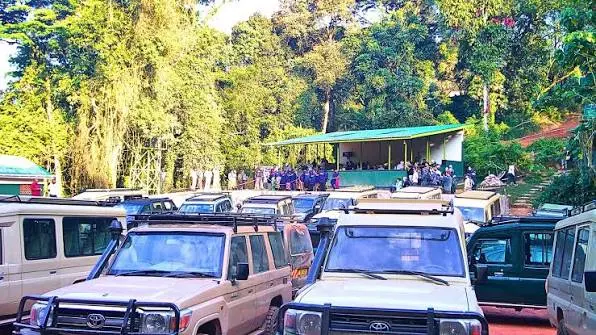
Most combined safaris use a customized 4×4 safari vehicle, either a Toyota Land Cruiser or a safari van, with a pop-up roof for game viewing and photography. Your professional driver-guide stays with you throughout the trip, handling the driving, park logistics and wildlife interpretation, which allows you to simply relax and enjoy the scenery.
Adventurous travelers can also explore Uganda independently with a rental 4×4. Our car hire service provides well-maintained vehicles, camping equipment and route advice for self-drive safaris. For those short on time, scheduled domestic flights from Entebbe to Kihihi, Kisoro and Murchison Falls airstrips can cut long drives down to an hour.
Responsible Tourism and Conservation
Every gorilla and chimpanzee permit you buy directly funds conservation. A portion of permit revenue goes to communities living around the parks, building schools, health centers and clean water projects. This revenue-sharing model has transformed local attitudes toward wildlife, and it’s a big reason why Uganda’s mountain gorilla population has been steadily increasing, one of conservation’s greatest success stories.
You can contribute even further by hiring porters, buying crafts from local cooperatives, visiting community projects such as the Batwa Trail, and following the park rules carefully: keep your distance, keep your voice low, don’t eat near the primates and never visit if you are unwell. At Kenlink Tours, part of our profits supports the Kigezi Foundation, helping orphaned children in southwestern Uganda.
Adding a Cultural Experience to Your Safari
Uganda’s people are as memorable as its wildlife. Consider adding a visit to the Batwa community near Bwindi or Mgahinga, the forest’s original inhabitants, who share their traditional hunting, gathering and healing knowledge. Village walks in Buhoma, banana beer brewing demonstrations and traditional dance performances offer a genuine insight into rural Ugandan life.
Our 4 Days Uganda Cultural and Gorilla Tour combines gorilla trekking with meaningful community visits, and cultural activities can be added to any longer itinerary.
Combining Uganda’s Primates and Wildlife With Birdwatching
With more than 1,000 recorded bird species, Uganda is one of Africa’s top birding destinations. A combined safari naturally introduces you to many of them, from the great blue turaco in Kibale to the shoebill in Murchison Falls and 23 Albertine Rift endemics in Bwindi. Keen birders can extend their trip with a dedicated birding itinerary, such as our 7-Day Birdwatching Safari in Uganda.
Why Book Your Uganda Gorilla, Chimp and Wildlife Safari With Kenlink Tours
Since 2010, Kenlink Tours has been crafting tailor-made safaris across Uganda, Rwanda and East Africa. Our team spends every day of the year on the road, personally vetting lodges, testing routes and keeping up with conditions in every park. That first-hand knowledge means we can give honest, unbiased advice and design an itinerary that fits your interests, fitness and budget perfectly.
We are fully licensed by the Uganda Tourism Board and are registered with the Uganda Wildlife Authority, which allows us to secure gorilla and chimpanzee permits directly. Our experienced driver-guides are passionate naturalists who know where to find the lions of Ishasha, which forest trails the chimps favor and how to make your gorilla trek safe and memorable. Every trip is private, flexible and fully customizable, and we also run group tours for travelers who prefer to share the adventure and the cost.
For a quick taste of primates and savannah together, Pick and Transfer Safaris’ 4 Days Wildlife and Primate Safari shows just how much you can see in a short trip, and our team can adapt any of these routes to your exact dates.
Frequently Asked Questions About Uganda Gorilla, Chimp and Wildlife Safaris
Is it possible to see gorillas and chimpanzees on the same trip in Uganda?
Yes, absolutely. Uganda is the best country in Africa to see both great apes on one trip. Kibale Forest (chimpanzees) and Bwindi (gorillas) are linked by Queen Elizabeth National Park, so a 5 to 8-day itinerary covers all three comfortably.
Can I do gorilla trekking and chimpanzee tracking on the same day?
It isn’t practical, because Kibale and Bwindi are several hours apart and treks start early in the morning. We recommend at least one game drive day in between, which also gives your legs a rest.
How close can I get to the gorillas?
Park rules require a minimum distance of seven meters, though curious gorillas sometimes approach closer. Your ranger will guide you on how to behave if this happens.
Is a Uganda safari safe?
Yes. Uganda’s national parks are well protected by armed rangers, and tourists are warmly welcomed throughout the country. Traveling with a reputable, licensed operator adds an extra layer of security and support.
Do I need a visa for Uganda?
Most nationalities require a visa, which can be obtained online through Uganda’s official e-visa portal before travel. If you plan to visit Rwanda and Kenya too, the East Africa Tourist Visa covers all three countries for 90 days.
What is the success rate for seeing gorillas and chimps?
Gorilla trekking in Uganda has a success rate of more than 95 percent, while chimpanzee tracking in Kibale typically exceeds 90 percent, making both experiences very reliable.
How much does a Uganda gorilla, chimp and wildlife safari cost?
Costs vary depending on the length of the trip, number of travelers, accommodation level and season. As a guide, a mid-range 7 to 8-day combined safari including permits, private vehicle, guide, lodges and meals typically falls in the range of a few thousand US dollars per person. Contact our team for a free, no-obligation quote tailored to your plans.
Plan Your Uganda Safari Combining Gorillas, Chimps and Wildlife
A Uganda safari combining gorillas, chimps and wildlife is far more than a holiday. It’s a journey through some of the most ancient and biodiverse landscapes on earth, an encounter with our closest relatives in the wild, and an adventure across savannahs where lions climb trees and hippos crowd the riverbanks. In just one week, you can experience the full spectrum of African wildlife, from the misty heights of Bwindi to the thundering waters of the Nile.
Whether you have four days or four weeks, a modest budget or a taste for luxury, the experts at Kenlink Tours will design a seamless, unforgettable itinerary built around your dreams. Permits are limited and the best lodges fill up early, so the sooner you start planning, the better.
Ready to meet the gorillas and chimps of Uganda? Start planning your safari with Kenlink Tours today, and one of our travel experts will get back to you within 24 hours.