- EXPERT'S HELP
- +256789210067
- +256200955001
- info@kenlinktours.com


Best Short Safaris in Uganda and Rwanda
November 22, 2026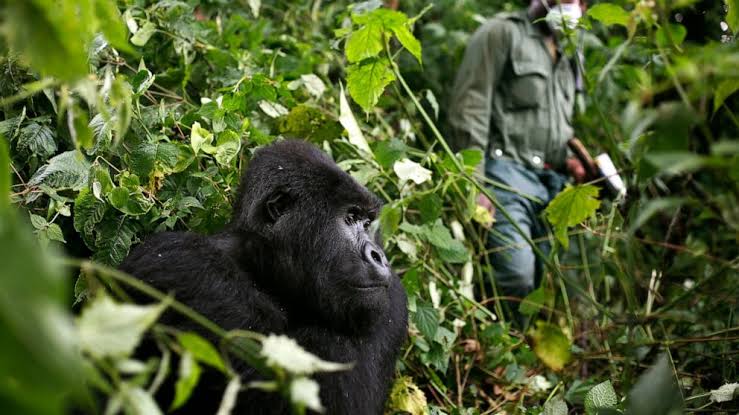
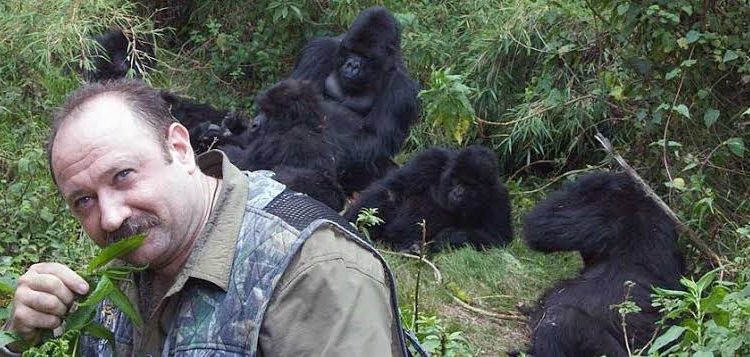
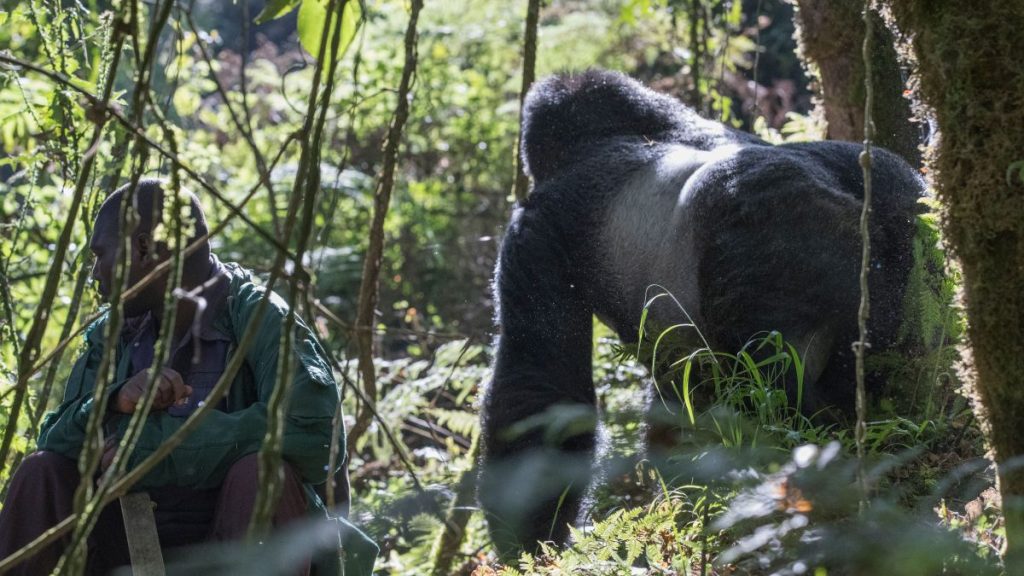
Gorilla Safaris Available for Booking Now in Uganda. Few wildlife encounters compare with the moment a mountain gorilla family appears through the green tangle of an African rainforest. A silverback lifts his head, a mother cradles her infant and a young gorilla tumbles through the undergrowth just a few metres away. Uganda is home to around half of the world’s remaining mountain gorillas, and it offers some of the best-value gorilla trekking anywhere in Africa.
At Kenlink Tours, we are now taking bookings for gorilla safaris in Uganda for the rest of 2026 and throughout 2027. This guide explains everything you need to know before you book: where to trek, how permits work, what the new 2027 prices mean, which itineraries are available, when to go and how to secure your place before permits sell out.
Why Book Your Uganda Gorilla Safari Now?
Gorilla trekking is one of the most tightly controlled wildlife experiences in the world, and for good reason. Each habituated gorilla family can be visited by a maximum of eight people per day, for one hour. That strict limit protects the gorillas from stress and disease, but it also means permits are scarce. For popular months such as June to September and December to February, permits for the best sectors can sell out months in advance.
There are three good reasons to book now rather than later:
- Permit availability: the earlier you book, the more choice you have of dates, sectors and gorilla families, and the easier it is to match your trek with the lodge you want.
- 2027 price changes: the Uganda Wildlife Authority (UWA) has announced a new conservation tariff from 1 January 2027, including changes to habituation and chimpanzee permits. Booking early lets you plan your budget with confidence.
- Low-season discounts: UWA has announced discounted low-season gorilla permits for April, May and November in 2026 and 2027, which are limited and popular with savvy travellers.
You can browse our complete range of Uganda safaris or keep reading to find the gorilla trip that suits you best.
Uganda’s Mountain Gorillas at a Glance
Mountain gorillas are found in only two places on Earth: the Virunga Massif, shared by Uganda, Rwanda and the Democratic Republic of the Congo, and Bwindi Impenetrable National Park in Uganda. Thanks to decades of conservation work, their numbers have slowly grown, and they are one of the few great ape populations that is increasing. Gorilla tourism is a big part of that success, because permit fees fund ranger patrols, veterinary care and community projects around the parks.
Uganda offers mountain gorilla trekking in two national parks, Bwindi Impenetrable and Mgahinga Gorilla. Between them, they host many habituated gorilla families that are open to visitors, giving you a wide choice of trekking locations. If you are new to the country, our About Uganda page is a helpful introduction to its climate, culture and regions.
Bwindi Impenetrable National Park: Uganda’s Gorilla Heartland
Bwindi is a UNESCO World Heritage Site in south-western Uganda and one of the most biologically rich forests in Africa. Its steep, mist-covered hills and dense undergrowth are home to the majority of Uganda’s mountain gorillas, along with forest elephants, chimpanzees, several monkey species and more than 350 bird species. You can explore the park in more detail in this Bwindi Impenetrable Forest National Park guide from Pick and Transfer Safaris.
Gorilla permits in Bwindi are issued for a specific sector, so it is important to choose the right one and book a lodge nearby. The four sectors are:
- Buhoma (north): the original trekking sector, with a good range of lodges, a lively community and easy access from Queen Elizabeth National Park. Ideal for travellers combining gorillas with a savannah safari.
- Ruhija (east): a high-altitude sector with cool air, stunning views and excellent birding. Ruhija is often quieter than the other sectors.
- Rushaga (south): the sector with the most habituated gorilla families and the home of the gorilla habituation experience. It is the closest to Kigali, which makes it popular for safaris starting in Rwanda.
- Nkuringo (south-west): known for dramatic views of the Virunga volcanoes and some of the more challenging treks, rewarding fitter hikers with beautiful scenery.
When you book with us, we advise on the best sector for your route, fitness and preferred lodge, and secure permits accordingly.
Mgahinga Gorilla National Park: Gorillas Among the Volcanoes
Mgahinga is Uganda’s smallest national park, set on the slopes of three dormant Virunga volcanoes in the far south-west near Kisoro. It is part of the same mountain range as Rwanda’s Volcanoes National Park and the DRC’s Virunga National Park. Mgahinga has a habituated gorilla family for trekking and is also the best place in Uganda to track the endangered golden monkey.
The park’s motto, “where gold meets silver”, refers to these two primates: the golden monkeys and the silverback gorillas. Mgahinga also offers volcano hikes and cultural experiences with the Batwa community, who once lived in these forests. Read more in this guide to Mgahinga Gorilla National Park. Our 4-Day Rwanda-Uganda Golden Monkey and Gorilla Trekking safari is a perfect way to combine the two.
Gorilla Trekking or Gorilla Habituation Experience?
Uganda offers two ways to meet mountain gorillas, and it is worth deciding which suits you before booking.
Gorilla trekking is the standard experience. You join a small group of up to eight visitors, trek with UWA rangers to a fully habituated gorilla family and spend one hour with them. The trek can take from one to several hours each way, depending on where the gorillas are that day. Gorilla trekking is available in all four Bwindi sectors and in Mgahinga.
The gorilla habituation experience is a longer, more immersive option available in Bwindi’s southern sector. You join researchers and rangers as they work with a gorilla family that is still being habituated to people. Groups are smaller, and you spend up to four hours with the gorillas instead of one. It is ideal for photographers, wildlife enthusiasts and anyone who wants a deeper understanding of gorilla behaviour. Permits are very limited and cost more, so they should be booked well ahead.
Uganda Gorilla Permit Prices for 2026 and 2027
Permits are the most important part of any gorilla safari booking. Based on the current UWA tariff and published reports on the new tariff from 1 January 2027, prices for foreign non-residents are:
- Gorilla trekking permit: USD 800 per person.
- Low-season gorilla trekking permit: around USD 600 per person for April, May and November in 2026 and 2027.
- Gorilla habituation experience: USD 1,500 under the current tariff, rising to USD 1,800 from 1 January 2027.
- Foreign residents and East African citizens pay lower rates.
Some reports differ on the details of the 2027 tariff, so we always confirm the latest official price when you book. Uganda’s gorilla permits remain significantly cheaper than Rwanda’s, where a standard permit costs USD 1,500, which is one reason Uganda is so popular for gorilla safaris. Your Kenlink quote always includes the permit, so there are no surprises.
Low-Season Gorilla Permits: The Best Value in 2027
If your dates are flexible, the low-season permits in April, May and November offer a real saving of around USD 200 per person compared with the standard price. These are the wetter months in Uganda, so you can expect more rain, muddier trails and lush green forests. The gorillas are still there, and trekking continues every day of the year.
Travelling in the low season has other advantages too. Lodges are quieter, some offer reduced rates, and you often have a more intimate experience with fewer visitors around. With good rain gear and sturdy boots, many travellers find that the low season is one of the most rewarding times to visit. Ask us about combining a low-season permit with discounted lodge rates for the best possible value.
How Booking a Gorilla Safari with Kenlink Works
Booking a gorilla safari in Uganda is simple when you work with an experienced local operator. Here is how our process works:
- Tell us your plans. Share your travel dates, group size, budget, preferred accommodation level and any other experiences you would like to add, such as chimpanzees or a savannah safari.
- Receive your itinerary. We design a tailored itinerary and check permit availability for your dates and preferred sector.
- Confirm and pay your deposit. Once you are happy, a deposit secures your gorilla permits and accommodation. Permits are purchased in your name from the Uganda Wildlife Authority.
- Receive confirmation. We send you written confirmation of your permits, trekking date, sector and lodges, along with a pre-departure information pack.
- Travel with full support. Your driver-guide meets you on arrival, and our team provides 24/7 support throughout your safari.
Please read our Terms and Conditions for full details on deposits, payments and cancellations. Gorilla permits are subject to UWA’s own rules on changes and refunds, which we explain clearly before you book.
Short Gorilla Safaris Available Now (2 to 3 Days)
If you are short on time, a two- or three-day gorilla safari is the perfect choice. These trips focus on one unforgettable trek, with comfortable travel days either side.
Our 3-Day Uganda Gorillas Safari and 3 Days Best of Uganda Gorilla Safari are among our most popular short trips, combining a full trekking day in Bwindi with scenic drives through south-western Uganda. For comparison, see this 3 Days Uganda Gorilla Safari from Pick and Transfer Safaris.
Gorilla Safaris from Kigali Available Now
Starting in Kigali, Rwanda, is often the fastest way to reach Uganda’s southern gorilla sectors. The drive from Kigali to Rushaga or Mgahinga takes around four hours, compared with eight or more from Entebbe, so you spend less time on the road and more time enjoying the experience.
Our 2 Days Uganda Gorilla Safari Starting from Kigali is ideal for travellers with very little time, while the 3 Days Bwindi Gorilla Safari Starting from Kigali adds a more relaxed pace. For a longer trip, the 5-Day Gorilla Trekking Safari from Kigali to Uganda includes time at beautiful Lake Bunyonyi.
Pick and Transfer Safaris also offers several Kigali-based options, including a 1 Day Uganda Gorilla Safari Starting from Kigali, a 2 Days Uganda Gorilla Tour Starting from Kigali and a 3 Days Uganda Gorilla Safari from Rwanda, which show how flexible these cross-border routes can be.
Gorilla and Wildlife Safaris Available Now (4 to 5 Days)
With four or five days, you can combine gorillas with other highlights such as chimpanzees, culture or a savannah game drive.
- Our 4 Days Uganda Cultural and Gorilla Tour pairs a gorilla trek with community visits and Batwa cultural experiences.
- The 5 Days Gorilla and Wildlife Safari combines Bwindi with game drives and a boat cruise in Queen Elizabeth National Park.
- The 5 Days Chimps and Gorilla Safari adds chimpanzee tracking in Kibale for a classic great ape adventure.
For more ideas, compare this 5-Day Uganda Gorilla and Chimpanzee Safari and this 5 Days Uganda Gorilla and Chimps Safari Starting from Rwanda.
Week-Long Gorilla Safaris Available Now (7 to 10 Days)
A week or more gives you time to see the very best of Uganda at a comfortable pace, with gorillas as the highlight. Our 7 Days Gorilla and Wildlife Safari combines gorillas, chimpanzees and Queen Elizabeth’s tree-climbing lions. The 8-Day Uganda Gorilla, Chimpanzee and Wildlife Safari adds Murchison Falls or Lake Mburo, and the 10 Days Uganda Primate, Wildlife and Cultural Tour covers the country’s top parks and cultural sites.
For comparison, look at this 7 Days Uganda Safari – One Week Tour and the 10 Days Uganda Primates and Wildlife itinerary. You can also see more of Uganda’s southern savannah in this Queen Elizabeth National Park guide.
Gorilla Safaris Combined with East Africa
Many travellers combine gorillas in Uganda with other East African highlights. Our 9 Days Uganda Rwanda Gorilla and Big Five Safari crosses both countries. If you dream of seeing the wildebeest migration too, the 10-Day Gorilla Trekking and Great Migration Safari and the 14-Day East Africa Safari with Uganda Gorillas and Serengeti Wildlife combine primates with the classic plains of Kenya or Tanzania. For an even longer route, see this 15 Days Rwanda Uganda Safari.
Popular Add-Ons to Your Gorilla Safari
A gorilla trek usually takes up one day, so most travellers add a few extra experiences nearby to make the most of their time in south-western Uganda:
- Lake Bunyonyi: one of Uganda’s most beautiful lakes, dotted with small islands. It is perfect for canoeing, swimming, island hopping and relaxing after your trek.
- Lake Mutanda: a peaceful lake near Kisoro with views of the Virunga volcanoes, ideal for a quiet night and a dugout canoe trip.
- Batwa cultural experience: learn about the traditional forest life of the Batwa people, who lived in Bwindi and Mgahinga before the parks were created.
- Community and craft visits: visit local schools, women’s craft groups and tea or coffee farms near Bwindi.
- Bwindi waterfall and nature walks: explore the forest at a gentler pace and look for monkeys, butterflies and colourful birds.
- Golden monkey tracking: track the playful golden monkeys of Mgahinga’s bamboo forests.
Tell us which extras interest you and we will build them into your itinerary.
Group Tours and Scheduled Departures
Travelling solo or on a budget? Joining a small group can reduce the cost of transport and guiding while still giving you a private-quality experience in the forest. Our group tours and scheduled departure safaris run on fixed dates and are a great way to meet fellow travellers. Gorilla permits are still individual, and trekking groups are always limited to eight people per gorilla family.
If you prefer to explore independently, our car hire service offers well-maintained 4×4 vehicles, with or without a driver. We can also book your gorilla permits separately if you are planning your own route.
Getting to Bwindi and Mgahinga
Uganda’s gorilla parks are in the far south-west of the country, so planning how you get there is an important part of booking. There are three main options:
- By road from Entebbe or Kampala: the classic route takes around eight to ten hours to Bwindi, usually broken up with a night at Lake Mburo National Park or a stop at the Uganda Equator line. It is a long drive, but it shows you a lot of rural Uganda along the way.
- By road from Kigali: the southern sectors of Bwindi and Mgahinga are around four hours from Kigali, making this the quickest overland route for many international travellers.
- By domestic flight: scheduled and charter flights connect Entebbe and Kampala with airstrips near Bwindi and Kisoro in about one to two hours. Your guide meets you at the airstrip and drives you to your lodge.
Many of our itineraries combine these options, for example flying one way and driving the other, so you save time without missing the scenery. We will recommend the best option for your schedule and budget when you book.
Photography Tips for Gorilla Trekking
Your hour with the gorillas passes quickly, so a little preparation helps you come home with great photos. The forest is often dark under the canopy, so a camera that performs well in low light makes a big difference. A lens with a wide aperture and a focal length of around 24 to 105 millimetres or 70 to 200 millimetres covers most situations, because the gorillas are close but often partly hidden by leaves.
Flash photography is not allowed, so raise your ISO and use a fast shutter speed to freeze movement. Turn off focus-assist lights and shutter sounds where possible. Protect your gear from rain with a dry bag or rain cover, and carry spare batteries and memory cards, since cold mornings drain batteries faster. Most importantly, take time to put the camera down and simply watch. Many travellers say their favourite memories are the quiet moments they did not photograph.
Where to Stay on a Uganda Gorilla Safari
Accommodation near Bwindi and Mgahinga ranges from simple community-run guesthouses to some of the most beautiful luxury lodges in Africa. Because gorilla permits are tied to a specific sector, the most important rule is to stay close to your trekking starting point, so you do not face a long drive before dawn on trekking day.
- Budget: clean, comfortable lodges and guesthouses, often community-owned, with simple rooms and hearty meals.
- Mid-range: well-appointed lodges with private bathrooms, hot showers, good food and lovely forest views.
- Luxury: exclusive lodges with spacious cottages, fireplaces, spa treatments and outstanding service, often perched on ridges overlooking the forest.
We match your lodge to your budget, sector and travel style, and include it in your quote.
Best Time to Book and Trek Gorillas in Uganda
Gorilla trekking runs every day of the year. The dry seasons from June to September and December to February are the most popular, with firmer trails and slightly easier hiking. Permits sell fastest during these months, so we recommend booking three to six months in advance, or even earlier for groups and for the gorilla habituation experience.
The wetter seasons from March to May and October to November bring more rain but also lush forests, fewer visitors and the discounted low-season permits in April, May and November. Rain in the forest often falls in short bursts, and treks continue in all weather.
What to Expect on Gorilla Trekking Day
Your trekking day begins with an early breakfast and a short drive to the park office for a briefing at around 8:00 am. Rangers explain the rules, introduce the gorilla families and assign visitors to groups, taking fitness into account. You then set off into the forest with your ranger, armed escorts and, if you choose, a porter.
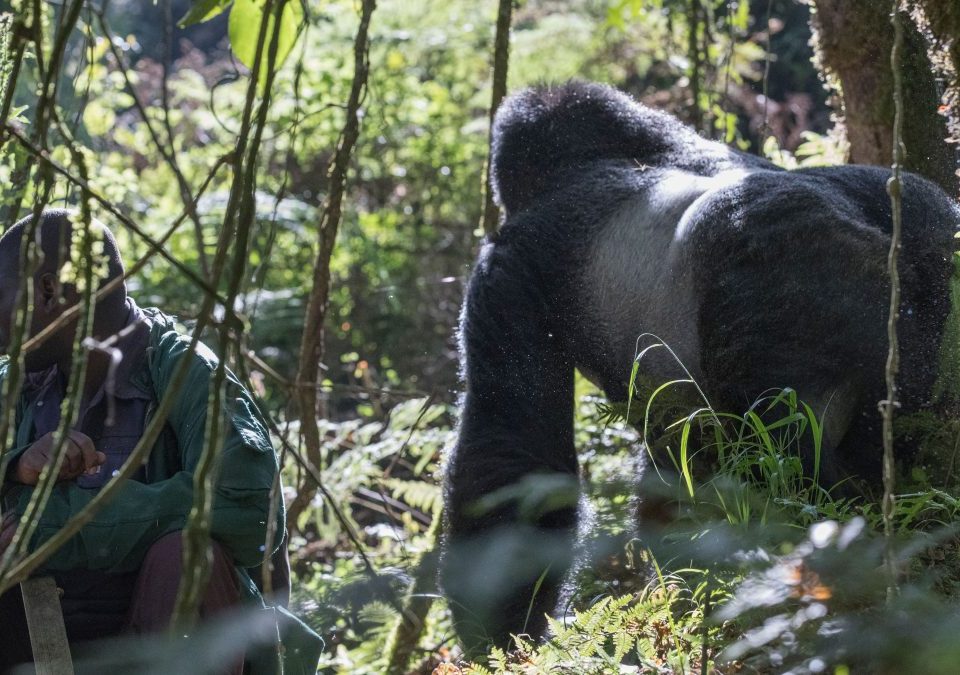
The trek can take anywhere from 30 minutes to several hours, through steep, muddy and sometimes slippery terrain. Trackers set off earlier to locate the gorillas and stay in radio contact with your ranger. When you reach the family, you leave your bags with the porters, put on a face mask and approach quietly. For one unforgettable hour, you watch the gorillas feed, groom, play and rest. Many visitors say it is the most moving wildlife experience of their lives.
Fitness, Porters and Trekking Tips
You do not need to be an athlete to trek gorillas, but a reasonable level of fitness helps. Bwindi’s terrain is hilly and the altitude ranges from around 1,160 to 2,600 metres, so regular walking before your trip will make the day more enjoyable.
We strongly recommend hiring a local porter. Porters carry your daypack, help you up steep sections and provide valuable income for families living around the park. Walking sticks are usually available at the park office. If you have limited mobility, ask us about options such as shorter-trek families or a sedan chair service carried by local porters.
What to Pack for Gorilla Trekking
- Waterproof hiking boots with good grip
- Long trousers and long-sleeved shirts in neutral colours
- A lightweight rain jacket
- Gardening gloves for gripping vines and branches
- Long socks to tuck trousers into, keeping out safari ants
- Insect repellent and sunscreen
- A small daypack with at least one litre of water and a packed lunch
- A camera with a fast lens and spare batteries (no flash)
- A face mask, required near the gorillas
- Your passport and printed gorilla permit confirmation
Gorilla Trekking Rules and Etiquette
To protect the gorillas and keep visitors safe, UWA enforces clear rules on every trek:
- The minimum age for gorilla trekking is 15 years.
- Do not trek if you are unwell, as gorillas can catch human illnesses.
- Keep a distance of at least seven metres from the gorillas.
- Wear a face mask when near the gorillas.
- Do not eat, drink or smoke near the gorillas.
- Keep your voice low and avoid sudden movements.
- Do not use flash photography.
- If a gorilla approaches or charges, stay calm, crouch down and avoid eye contact, following your ranger’s lead.
- Never leave litter in the forest.
Before You Book: Travel Advice and Insurance
As with any international trip, check your own government’s travel advice for Uganda before you book. As of late 2026, the US State Department rates Uganda at Level 4, “Do not travel”, while other governments, including the UK and Canada, give their own advice, with some areas near the DRC border singled out for extra caution. The main gorilla parks are protected by UWA rangers, and gorilla treks are escorted by armed rangers, but advisories still matter for your planning and your insurance.
We strongly recommend comprehensive travel insurance that covers medical evacuation, trip cancellation and trekking activities. Check that your policy remains valid if your government advises against travel. Yellow fever vaccination is required for entry to Uganda, and malaria prevention is recommended. Our team monitors official advice and will tell you if anything affects your trip.
Your Booking Supports Gorillas and Communities
Every gorilla permit you buy helps protect mountain gorillas. Permit fees fund ranger patrols, research and veterinary care, and a share of park revenue goes directly to communities around Bwindi and Mgahinga for schools, health centres and water projects. When local people benefit from gorilla tourism, they become the forest’s strongest protectors.
At Kenlink, we go further. We give 30 percent of our profits to local communities and support more than 290 orphaned children in Kisoro district, close to Mgahinga and southern Bwindi, with school supplies, fees and medication. Learn more about our mission on our About Us page.
Frequently Asked Questions About Booking Gorilla Safaris in Uganda
How far in advance should I book a Uganda gorilla safari? We recommend booking three to six months ahead, especially for June to September and December to February. For the gorilla habituation experience or large groups, book even earlier.
How much is a gorilla permit in Uganda? A standard gorilla trekking permit costs USD 800 for foreign non-residents, with discounted low-season permits of around USD 600 in April, May and November. Always confirm the latest price when booking.
Can I book a gorilla permit without a tour? Yes, permits can be bought directly from UWA, but most international visitors book through a licensed operator, who handles permits, transport, lodges and the logistics of reaching remote sectors.
Which Bwindi sector is best? Each sector has its strengths. Rushaga has the most gorilla families and is closest to Kigali, Buhoma suits travellers coming from Queen Elizabeth, Ruhija is great for birders and Nkuringo offers dramatic scenery.
Am I guaranteed to see gorillas? Sightings are not guaranteed with wild animals, but success rates in Uganda are very high because trackers locate the gorilla families before visitors set off.
What happens if I cannot travel after booking? Gorilla permits follow UWA’s rules on rescheduling and refunds. We explain these clearly before you book and help you rearrange your dates where possible.
Book Your Uganda Gorilla Safari Today
Meeting mountain gorillas in the wild is a privilege that only a small number of people experience each year. With limited daily permits, new prices arriving in 2027 and discounted low-season permits available for a short window, now is the perfect time to secure your place. Whether you want a quick two-day trek from Kigali or a two-week East African adventure, we have a gorilla safari ready for you.
Ready to book? Explore our full range of Uganda safaris, browse more gorilla safaris for inspiration, or contact our team today. We will check permit availability for your dates and send you a free, no-obligation itinerary built around you.