Best Time to Visit Uganda for Wildlife Safari — Month-by-Month Breakdown
One of the most common questions our team at Kenlink Tours receives from travellers planning their first Uganda safari is: "When is the best time to go?" The honest answer is that Uganda is a genuinely year-round destination — unlike East African countries with more dramatic seasonal extremes, Uganda's equatorial position keeps temperatures pleasant and wildlife active throughout the calendar. However, Uganda does have distinct wet and dry seasons, and each brings very different safari conditions, crowd levels, permit availability, and photography opportunities.
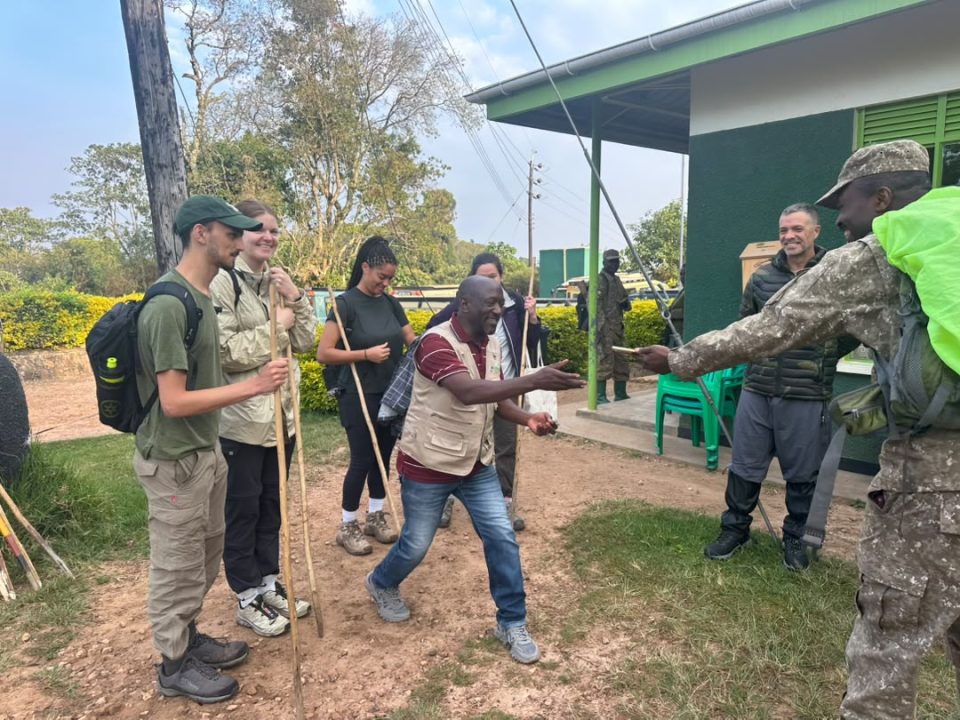
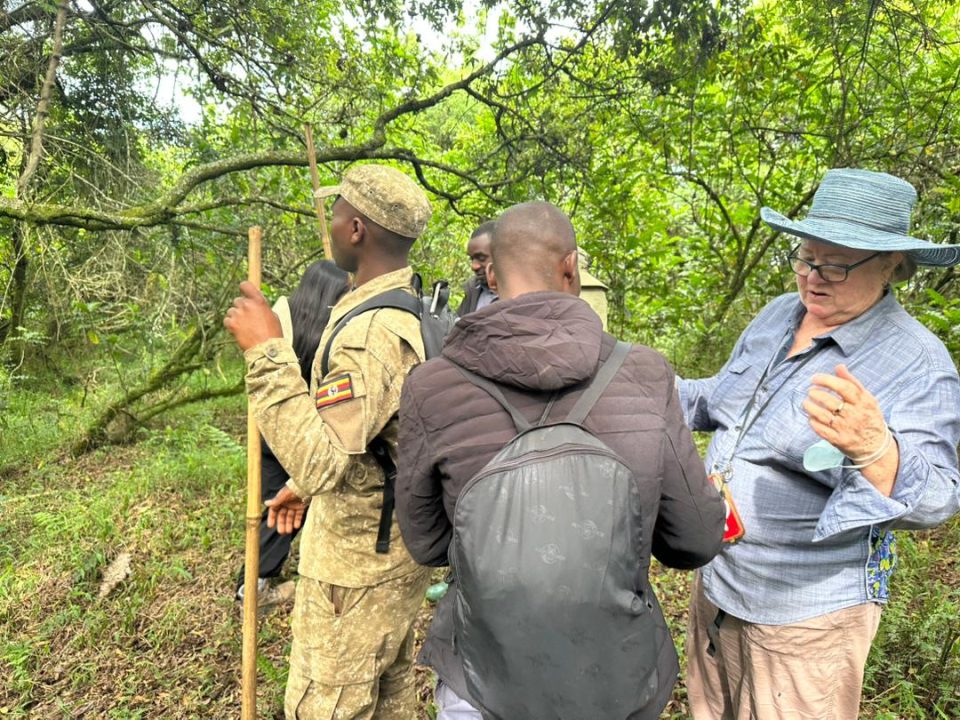
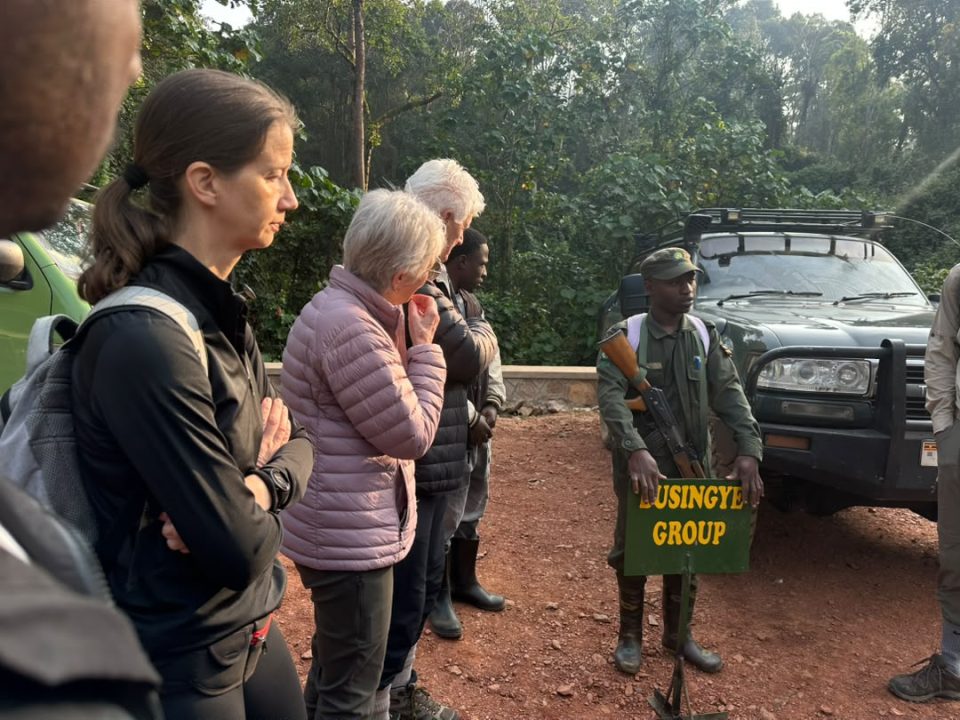
Whether you are planning a chimpanzee trekking safari in Kibale Forest, a mountain gorilla trek in Bwindi, a Big Five game drive in Queen Elizabeth National Park, or a birding safari through Uganda's extraordinary wetlands — the right timing makes every experience richer. Here is everything you need to know, month by month.
Uganda's Four Seasons at a Glance
Month-by-Month Safari Conditions
Use the key below to read each month's wildlife rating — five dots indicates the very best conditions for that activity, one dot indicates more challenging but still worthwhile conditions.
One of the finest months to visit Uganda. The short dry season delivers firm trails, clear skies, and excellent visibility across the savannah. Gorilla and chimpanzee trekking conditions are superb. Fewer crowds than June to August, meaning more peaceful park experiences and better lodge availability. January is a hidden gem in Uganda's safari calendar and one of our top recommendations for travellers with flexibility.
Still largely dry and excellent for wildlife. February sees light rains begin to arrive by the month's end in some areas, but conditions remain very good throughout. An ideal time for combining gorilla trekking with savannah game drives — vegetation is not yet too dense and animals are easy to spot. Bird life begins to build as migratory species start arriving ahead of the rains.
The long rains begin in March, bringing lush green landscapes, spectacular birdlife, and significantly thinner tourist numbers. Trails can become muddy — particularly in Bwindi and Kibale — and some remote roads may be challenging to navigate. However, primate sightings remain strong, wildlife is active, and this is one of the best months for birding across Uganda's wetlands and forests. Lodge rates often drop noticeably.
April is Uganda's wettest month and the quietest on the tourism calendar. Heavy daily rainfall makes trekking routes significantly more challenging and some dirt roads can become impassable without a suitable 4WD vehicle. That said, the forest is dramatically alive — birdsong is at its most intense, waterfalls swell to extraordinary volumes, and the canopy glows an impossibly vivid green. Permit availability is excellent and lodge rates are at their lowest of the year.
Rains begin to ease through May, and by the month's end the landscape is still lush and green but conditions are improving noticeably. An excellent time for budget-conscious travellers who want outstanding wildlife encounters without the peak-season crowds or prices. Migratory bird species are present in spectacular numbers, making May a favourite among serious birders visiting Uganda's Entebbe Botanical Gardens, Mabamba Swamp, and Kibale Forest.
June marks the beginning of Uganda's most popular safari season. The long dry season arrives, trails dry out, skies clear, and wildlife concentrates around water sources — making for excellent game viewing across Queen Elizabeth, Murchison Falls, and Kidepo Valley national parks. Gorilla and chimpanzee trekking conditions are outstanding. Book permits and accommodation months in advance — June is in extremely high demand. Temperatures are pleasant and evenings can be fresh at altitude.
July is Uganda's single busiest safari month — and for very good reason. Conditions are near-perfect across every type of safari experience. Primate trekking trails are at their firmest, savannah vegetation is shorter giving excellent predator visibility, and wildlife gathers predictably around shrinking water sources. Gorilla trekking permits and popular lodge dates will be fully booked many months ahead. If July is your target, contact Kenlink Tours as early as possible to secure your spots.
August continues the peak season in outstanding form. Wildlife is abundant and highly visible, the parks are buzzing with energy, and the trekking conditions in Bwindi and Kibale are excellent. Schools are on summer holiday in the Northern Hemisphere, so family groups are common. Despite the crowds, the quality of wildlife encounters in August is simply superb — Uganda at the absolute height of its powers. Advance booking is essential for all permits and accommodation.
September is an excellent shoulder month — the peak crowds thin dramatically after August while conditions remain largely good for the first half of the month. Light rains begin to arrive toward the end of September, freshening the landscape without significantly affecting trail conditions. An ideal month for travellers who want high-quality game viewing and primate encounters without the peak-season pressure on permits and lodges. Birding picks up significantly as the short rains approach.
October brings the short rains — a second wet season that runs through November. Conditions in October are similar to March or May: lush and green, quieter than peak season, with some trail muddiness in the forests. Wildlife remains active and sightings are strong. October is one of the finest months for Uganda birding — the Palearctic migratory birds begin arriving from Europe, joining Uganda's resident species for a spectacular display across the wetlands and forest canopies.
November is the second wettest month of the year. Heavy rains are common and trail conditions in Bwindi and Kibale can be very challenging. However, for travellers who do not mind waterproof boots and a pack-a-mac, November offers extraordinary rewards — deserted parks, dramatically lush forest landscapes, roaring waterfalls, and peak migratory birding. Lodge rates are among the lowest of the year and permit availability is excellent. A great month for adventurous travellers seeking a different kind of Uganda experience.
December is magical — the short dry season returns and conditions across Uganda improve dramatically. The festive period from mid-December through to New Year brings a spike in visitor numbers as holidaymakers seek something extraordinary, so book well ahead for this window. Gorilla and chimpanzee trekking conditions are excellent, the savannah parks are at their most accessible, and the warm evenings make for spectacular sundowner game drives across Murchison Falls and Queen Elizabeth. A wonderful time to be in Uganda.
Best Time for Each Safari Activity
| Activity | Jun–Aug | Dec–Feb | Mar–May | Sep–Nov |
|---|---|---|---|---|
| Gorilla Trekking | Best | ● | △ | △ |
| Chimpanzee Trekking | Best | ● | △ | △ |
| Big Five Game Drives | Best | ● | △ | △ |
| Birding | ● | △ | Best | Best |
| Boat Cruises | Best | ● | ● | ● |
| Murchison Falls Hike | Best | ● | △ | △ |
| Photography | ● | ● | Best | Best |
| Budget Travel | △ | △ | Best | Best |
| Fewer Crowds | △ | ● | Best | Best |
The Peak Dry Season — June to August
Uganda's long dry season is the most popular time to visit for a reason. From June through August, the country is at its most accessible — forest trails are firm, savannah vegetation is shorter giving excellent predator visibility, and wildlife concentrates predictably around water sources. Gorilla and chimpanzee trekking success rates are at their highest, the Kazinga Channel boat cruises are spectacular with wildlife crowding the banks, and the clear skies make for stunning photography across every landscape.
The trade-off is popularity. June to August is Uganda's peak tourist season, and gorilla trekking permits — allocated by Uganda Wildlife Authority↗ — sell out many months in advance. Popular lodges near Bwindi and Kibale are similarly booked far ahead. If you are planning a dry season safari, contact Kenlink Tours at least four to six months before your intended travel dates to secure everything you need.
June–August travel: Book 5–6 months in advance minimum. Gorilla permits sell out fastest.
December–February travel: Book 3–4 months in advance.
March–May & September–November: Book 4–6 weeks in advance — excellent availability, great value.
Contact our team today and we will check all permit availability for your preferred dates immediately.
The Green Season — March to May
Uganda's long rains transform the country into an almost impossibly vivid shade of green. Waterfalls that slow to a trickle in dry season thunder through their gorges, the forest floor is carpeted with new growth, and the air is rich with the scent of wet earth and flowers. For travellers who love dramatic landscapes, intimate wildlife encounters, and the feeling of having a national park almost entirely to themselves — the green season is genuinely magical.
Practically, the rains bring muddy trails in the forest parks, and April in particular can make some remote dirt roads challenging. But primate sightings remain reliable, game drives in the savannah parks continue to deliver excellent wildlife, and Uganda's birding scene reaches its absolute peak as resident species are joined by Palearctic migrants from Europe and Asia. According to BirdLife International↗, East Africa's equatorial forests are among the most critical stopover points on the entire African-Eurasian migratory flyway — and Uganda sits right at the heart of it.
The Short Dry Season — December to February
Uganda's second dry season runs from December through to February, and it is our most underrated travel window. Conditions across the country are excellent — trails are firm, skies are mostly clear, and wildlife across every park is active and visible. Gorilla trekking in Bwindi and chimpanzee trekking in Kibale are superb during these months, and the festive atmosphere around Christmas and New Year adds a celebratory warmth to the experience.
January in particular stands out as one of Uganda's best safari months — conditions match the peak dry season in quality, but with considerably fewer tourists competing for permits, lodges, and prime game-viewing spots. For experienced safari travellers who know the secret of Uganda's January, it is an open secret worth keeping — for everyone else, it is an opportunity not to be missed. Explore our range of Uganda safari packages available across this season.
What to Pack — Across All Seasons
- Dry season (Jun–Aug, Dec–Feb): Lightweight layers, waterproof jacket (morning forest temperatures can be cool at altitude), sturdy hiking boots, sunscreen, and a wide-brimmed hat for savannah drives
- Wet season (Mar–May, Sep–Nov): Waterproof hiking boots or gaiters are essential, a quality packable rain jacket, dry bags for camera equipment, and extra socks — mud is a fact of life and worth preparing for
- Year-round essentials: Insect repellent (DEET-based), long-sleeved shirts and trousers for primate trekking, binoculars, and a headlamp for early morning starts
Our Honest Recommendation
If this is your first Uganda safari and you want the very best trekking conditions, peak wildlife visibility, and the reassurance of clear skies — travel in June, July, August, January, or February. These months represent Uganda at its most accessible and rewarding for most safari activities.
If you are a birder, a landscape photographer, or a budget-conscious traveller who wants the parks to yourself — the green season from March to May is one of the best-value wildlife experiences in East Africa. The mud is real, but so is the magic.
Whatever month you choose, Uganda will astonish you. The gorillas are there in every season. The chimps are calling year-round. And the Nile is always roaring through Murchison Falls, whether the sun is blazing or the rain is hammering the canopy above your head.
Ready to Plan Your Uganda Safari?
Tell us your ideal travel dates and Kenlink Tours will check all permit and lodge availability — and build you a perfect itinerary around it.
Get a Free Safari Quote →Frequently Asked Questions
Is Uganda safe to visit year-round?
Yes — Uganda is a stable, welcoming country and its national parks are safe and well-managed throughout the year. The rainy seasons affect road conditions and trekking difficulty more than safety. Kenlink Tours operates safaris in every month of the year and our guides are expert at navigating conditions across all seasons.
Do gorilla permits sell out in the wet season?
Gorilla permits are in demand year-round, but availability is significantly better during the green season (March to May and September to November). If your dates are flexible, travelling in these quieter months can make permit booking much easier — and often comes with lower lodge rates too. Contact our team and we will check current availability for your dates immediately.
What is Uganda's weather like in December?
December falls within Uganda's short dry season and is generally an excellent month to visit. The rains from October and November ease off, trails dry out, and wildlife viewing conditions improve markedly. The festive period from mid-December onward is popular and lodges book up — plan ahead to avoid disappointment.
Is the wet season really worth considering?
Absolutely — especially for birders, photographers, and budget travellers. Uganda's wet season brings lush landscapes, extraordinary migratory birdlife, dramatically swollen waterfalls, and some of the most affordable safari prices of the year. Primate sightings remain excellent despite the rain, and the forest environments are genuinely spectacular in their green-season glory. Many experienced wildlife travellers rank their wet-season Uganda trip as their favourite East Africa safari.