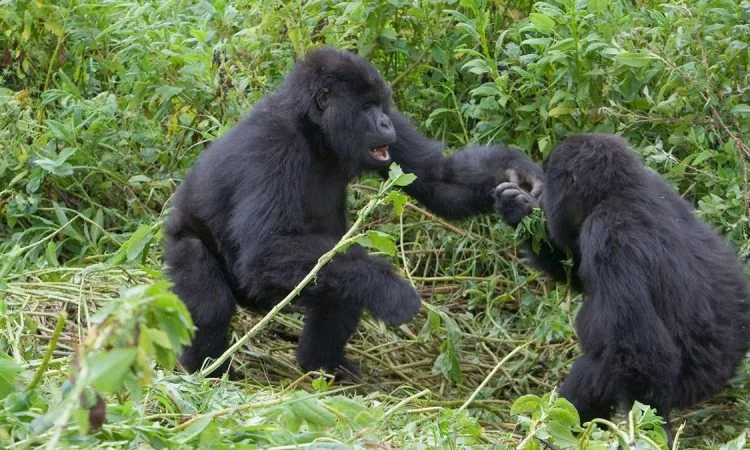
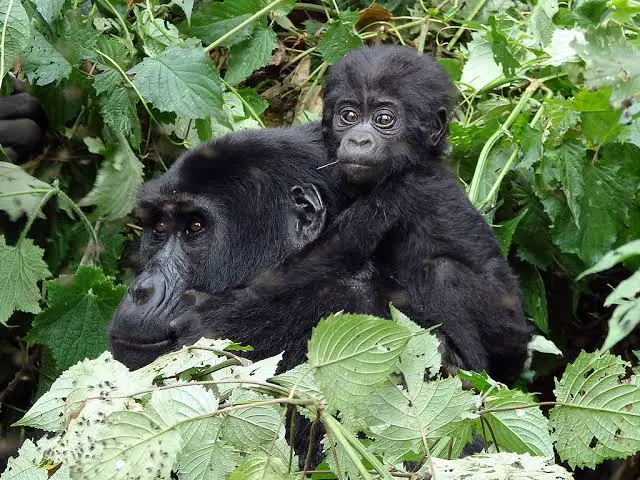
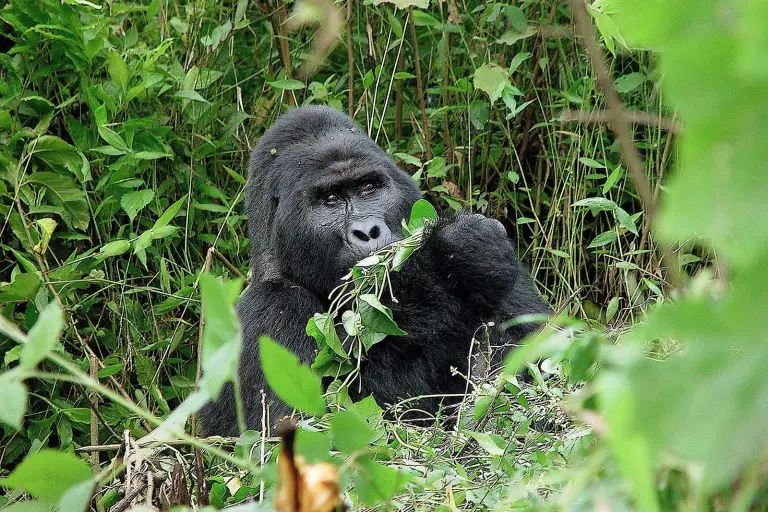
Uganda is one of Africa's most extraordinary wildlife destinations — a lush, green jewel straddling the equator where ancient rainforests shelter some of the world's last remaining mountain gorillas and largest chimpanzee populations. If you've ever dreamed of sitting just metres away from a 200-kilogram silverback gorilla or listening to chimpanzees crash through a forest canopy overhead, Uganda is where that dream comes true. At KenLink Tours, we've been helping travellers navigate the permit system for years, and this guide gives you everything you need to book with confidence.
"Uganda is home to roughly half of the world's mountain gorilla population — fewer than 1,100 individuals remain on Earth, making every tracking experience a privilege of extraordinary rarity."
1. Why Uganda for Primate Tracking?
Uganda's Uganda Wildlife Authority (UWA) manages some of Africa's most biodiverse national parks. The country protects roughly 5,000 chimpanzees — the largest population on the continent — and hosts over half the global population of mountain gorillas in Bwindi Impenetrable National Park and Mgahinga Gorilla National Park. Unlike many East African destinations that focus primarily on big-game safaris, Uganda offers an immersive, intimate primate encounter that is simply unmatched.
Beyond gorillas and chimpanzees, Uganda is also home to golden monkeys, red-tailed monkeys, black-and-white colobus, and olive baboons — making it a primate lover's paradise. Combine this with its affordability compared to Rwanda, its warm and welcoming people, and its stunning landscapes, and Uganda earns its title as the "Pearl of Africa."
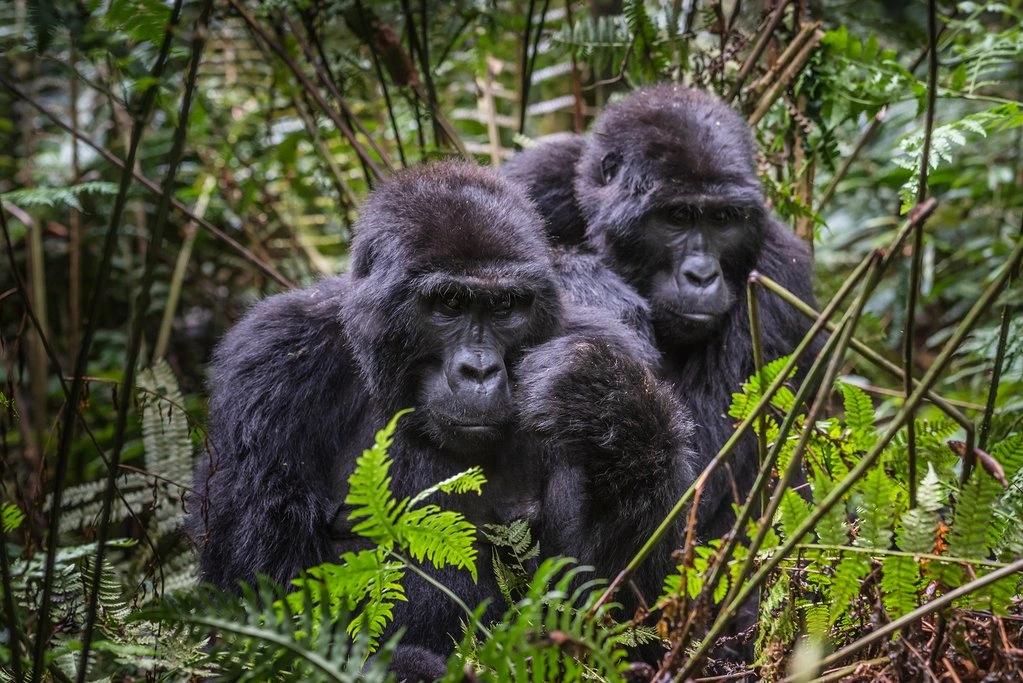
Gorillas in Bwindi Impenetrable National Park — UNESCO World Heritage Site and home to over 600 mountain gorillas.
2. Gorilla Tracking Permit: What You Need to Know
Permit Cost
$800Per person, per trek (non-refundable)
Group Size
8 PeopleMaximum per gorilla family per day
Time with Gorillas
1 HourStrictly enforced by UWA rangers
Availability
Year-RoundPeak season: Jun–Sep, Dec–Feb
A Uganda gorilla tracking permit costs USD $800 per person — a price that includes UWA ranger fees, the trek itself, and contributes directly to gorilla conservation and local community programmes. Permits are issued by the Uganda Wildlife Authority and are strictly limited to eight people per gorilla family per day across all habituated groups in both Bwindi Impenetrable National Park and Mgahinga Gorilla National Park.
What the Gorilla Trek Involves
On your trekking day, you'll be briefed by a UWA ranger before heading into the forest. Treks can range from 30 minutes to over six hours depending on where the gorillas have chosen to rest that morning — they're wild animals and move freely. Once located, you'll spend a magical, carefully supervised one hour with the family group. Photography without flash is permitted. Children under 15 are not allowed on gorilla treks per UWA regulations.
Gorilla Habituation Experience (GHEX)
For an even more immersive encounter, consider the Gorilla Habituation Experience available in Rushaga sector of Bwindi. At USD $1,500 per person, this full-day permit allows you to spend up to four hours with a semi-habituated gorilla family alongside researchers — a once-in-a-lifetime adventure for serious wildlife enthusiasts. Ask our team about GHEX packages.
3. Chimpanzee Tracking Permit: What You Need to Know
Permit Cost
$200Per person (Kibale Forest)
Group Size
6 PeopleMaximum per chimpanzee community
Time with Chimps
1 HourStandard tracking permit
Best Location
KibaleHighest density chimp habitat in Africa
Chimpanzee tracking permits in Uganda cost significantly less than gorilla permits, making them an accessible addition to any primate itinerary. The standard chimpanzee permit is USD $250 per person at Kibale Forest National Park — often called the "Primate Capital of the World" with over 1,500 chimpanzees and 12 other primate species. Other parks offering chimp tracking include Queen Elizabeth National Park (Kyambura Gorge), Budongo Forest in Murchison Falls, and Kalinzu Forest Reserve.
Chimp Habituation Experience
Kibale also offers a Chimpanzee Habituation Experience at USD $250 per person, where you join researchers for a full day (6am–6pm) following chimps through the forest. It's one of Uganda's most underrated wildlife experiences and well worth the premium for serious primate enthusiasts.
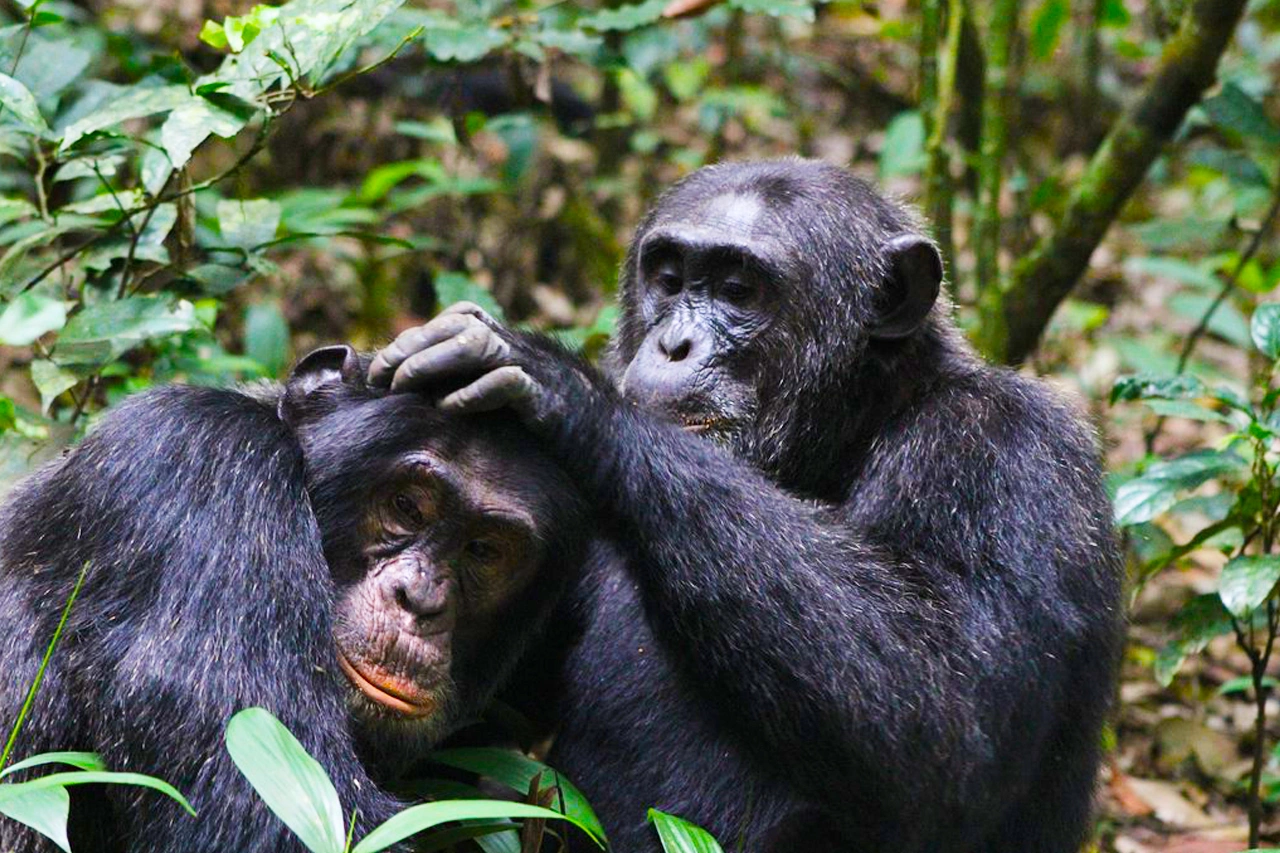
A chimpanzee in Kibale Forest — This park protects more than 1500 chimpanzees across multiple national parks.
4. Gorilla vs Chimpanzee Tracking: Quick Comparison
| Feature | Gorilla | Chimpanzee |
|---|---|---|
| Standard Permit Cost | $800 USD | $800 USD |
| Best Park | Bwindi / Mgahinga | Kibale Forest |
| Max Group Size | 8 people | 6 people |
| Time with Wildlife | 1 hour | 1 hour (standard) |
| Trek Duration | 30 min – 6 hrs | 1 – 4 hours |
| Physical Demand | Moderate–High | Low–Moderate |
| Habituation Option | $1,500 (4 hours) | $300 (full day) |
| Min. Age Requirement | 15 years | 12 years |
5. Best Parks for Primate Tracking in Uganda
Bwindi Impenetrable National Park
A UNESCO World Heritage Site spanning 331 km² of ancient montane rainforest, Bwindi is Uganda's premier gorilla destination. It hosts over 400 mountain gorillas across multiple habituated groups in four sectors: Buhoma, Ruhija, Nkuringo, and Rushaga. The park lies in southwestern Uganda on the edge of the Albertine Rift — a land of dramatic mist-draped ridges, ancient trees, and an atmosphere that feels genuinely primordial. Explore our Bwindi safari packages →
Mgahinga Gorilla National Park
Smaller and less visited than Bwindi, Mgahinga offers a more exclusive gorilla experience at the foot of three towering volcanoes — Muhabura, Gahinga, and Sabyinyo. The park shares the Virunga volcanic chain with Rwanda and Congo and is also the only place in Uganda where you can track the endangered golden monkey.
Kibale Forest National Park
Home to the highest concentration of primates in Africa, Kibale is the undisputed capital of chimpanzee tracking. With over 1,500 chimps, the park's Kanyanchu Tourism Site offers the most reliable chimpanzee sightings on the continent. Pair your chimp trek with a Bigodi Wetland Sanctuary walk for an incredible birding experience.
Queen Elizabeth National Park — Kyambura Gorge
Often called the "Valley of Apes," Kyambura Gorge is a dramatic sunken forest within Queen Elizabeth National Park, home to a small habituated chimpanzee community. The eerie, cathedral-like setting makes for an atmospheric trekking experience unlike anywhere else. Combine it with a game drive across the Kazinga Channel plains for a full safari day.
6. How to Book Your Permit
Gorilla and chimpanzee permits can be booked directly through the Uganda Wildlife Authority website or through a licensed tour operator like KenLink Tours. Booking through a trusted operator is strongly recommended — we handle permit availability checks, payment security, accommodation bookings near the parks, and logistics so you can focus entirely on the experience.
Key booking steps: Choose your preferred park and trekking date → Select your gorilla family or chimp community → Pay permit fees (UWA accepts Visa, Mastercard, and wire transfer) → Receive your permit confirmation → Combine with accommodation and transport through KenLink Tours.
"Gorilla permits sell out months in advance during peak season — June to September and December to February. Book at least 6 months ahead to guarantee your preferred date."
For international travellers, note that Uganda requires a valid passport and a tourist visa, available online via the Uganda e-Visa portal. Yellow fever vaccination is mandatory for entry. Our team at KenLink Tours can advise you on all entry requirements, packing lists, and health precautions as part of your booking.
7. Best Time to Track Gorillas & Chimpanzees
Uganda's equatorial climate means gorilla and chimpanzee tracking runs year-round, but conditions vary significantly by season. The two dry seasons — June to September and December to February — are widely considered the best periods. Trails are drier, vegetation is less dense making sightings easier, and morning temperatures in the highland parks are refreshingly cool.
The wet seasons (March–May and October–November) bring lush, emerald-green forests, fewer tourists, and reduced permit prices are occasionally negotiable for group bookings. The forest looks spectacular after rain — but muddy trails and misty mornings require waterproof gear and a higher fitness level. For chimps specifically, Kibale Forest is excellent year-round as the dense canopy provides natural shelter even during rains. Read our full seasonal guide for Uganda →
8. Pro Tips for a Perfect Tracking Experience
Expert Tips from Our Guides
- Book permits at least 6 months in advance for peak season travel — demand far outstrips supply for the most popular gorilla families.
- Wear long-sleeved clothing in muted, earthy tones (khaki, olive, grey). Avoid bright colours that startle wildlife.
- Pack light: a small daypack with water (2 litres minimum), a light rain jacket, insect repellent, and high-energy snacks is all you need.
- Hire a local porter at the trailhead — it supports the community economically and makes the trek considerably more enjoyable.
- Keep a distance of 7 metres from gorillas and chimps at all times, and never track if you have a cold, flu, or infectious illness — primates can contract human diseases.
- Bring a good quality camera with a fast lens — forest light is low and animals move quickly. A 200–400mm zoom is ideal.
- Combine gorilla trekking with a broader Uganda wildlife safari including tree-climbing lions in Queen Elizabeth, Murchison Falls, and boat rides on the Nile.